
Air Pollution Control Source Testing Source Testing Stack

- Slides: 29
Air Pollution Control Source Testing
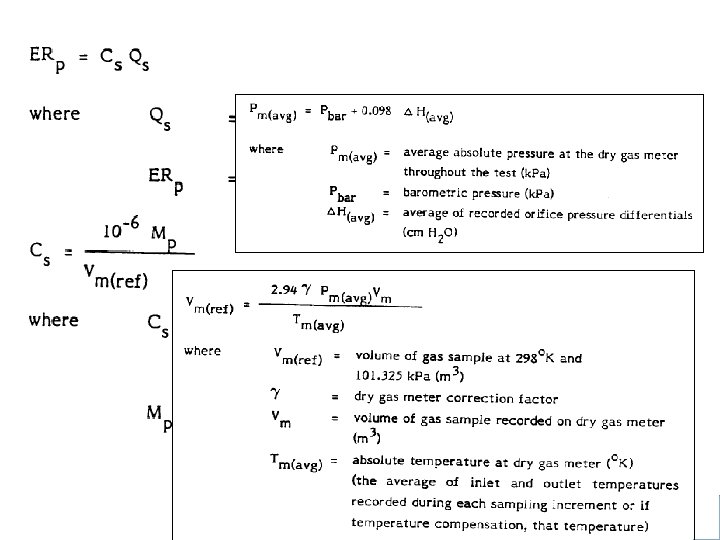
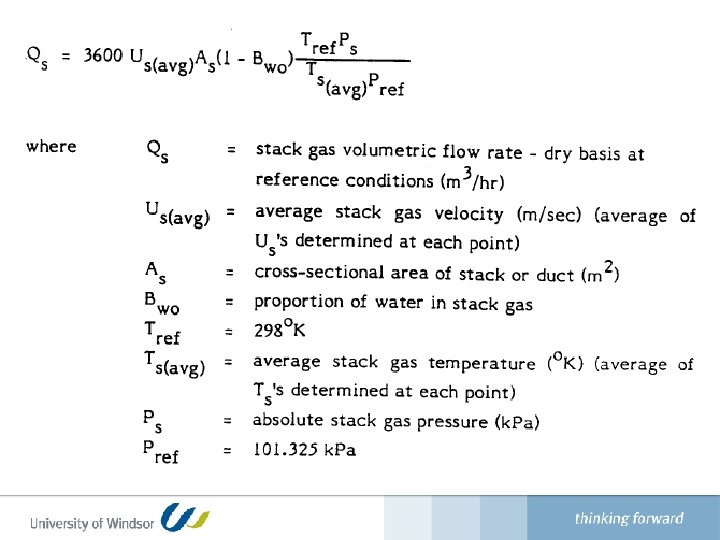
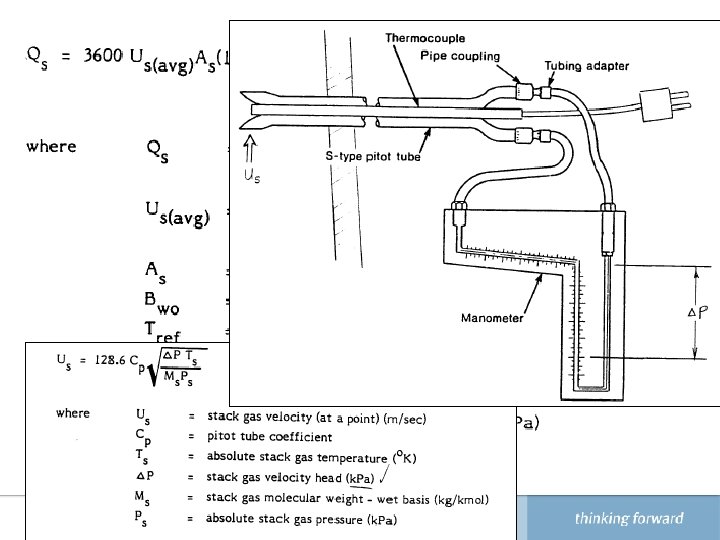
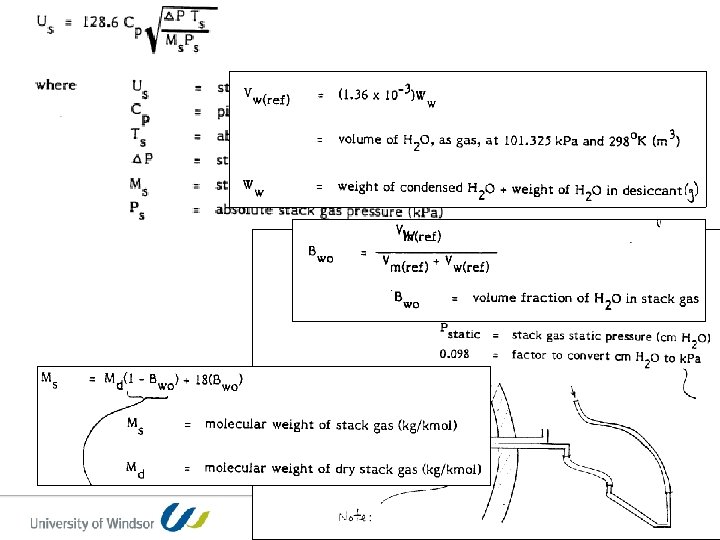
Source Testing (Stack Sampling) • why? • methods of determining ER • source testing – sampling train – process of sampling (PM) • location of sampler, probe • calculating ER • is it isokinetic?
Why Sample Stack? • need ER
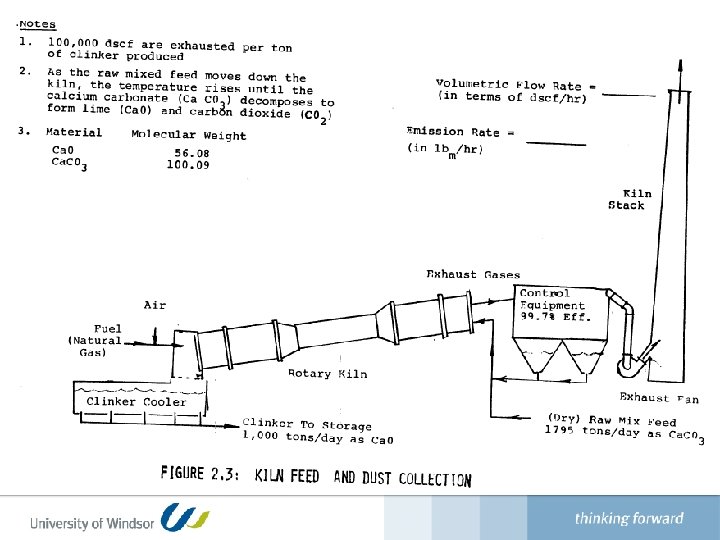
Methods of Determining ER 1. Mass Balance/ Engineering Calculations • • if (mass in) > (mass out) then mass loss → evaporation rate, chemical kinetics
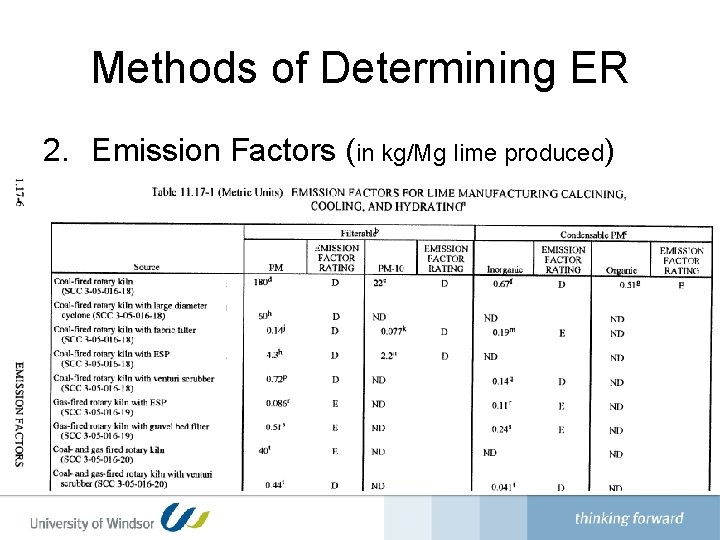
Methods of Determining ER 2. Emission Factors (in kg/Mg lime produced)
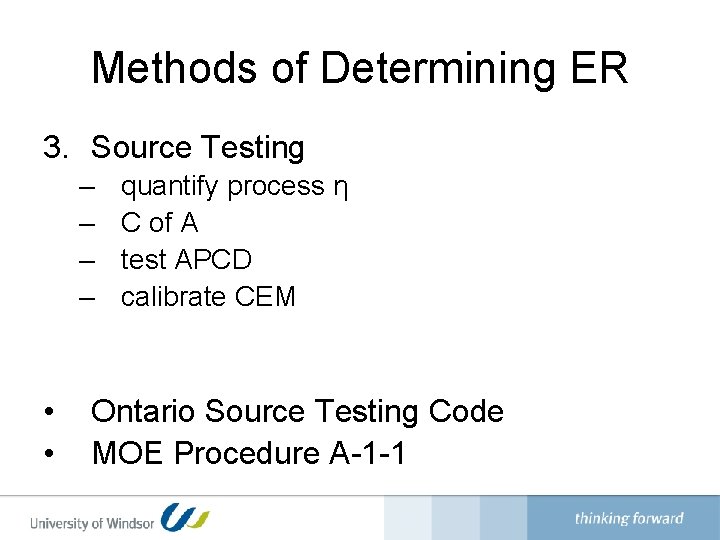
Methods of Determining ER 3. Source Testing – – • • quantify process η C of A test APCD calibrate CEM Ontario Source Testing Code MOE Procedure A-1 -1
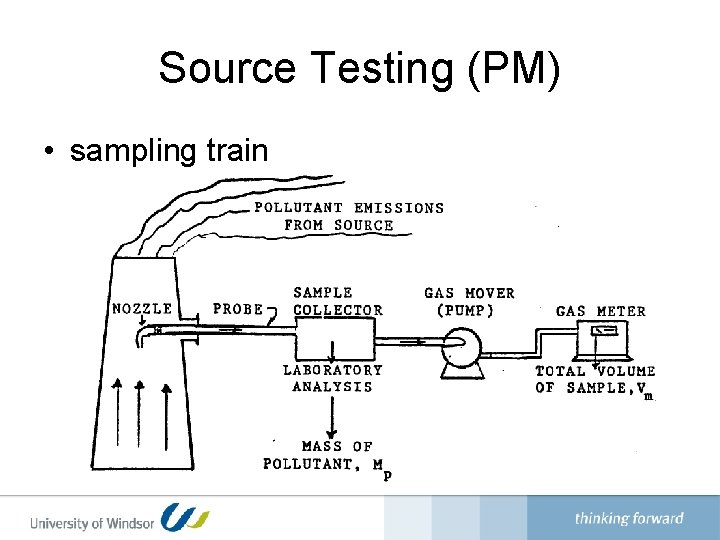
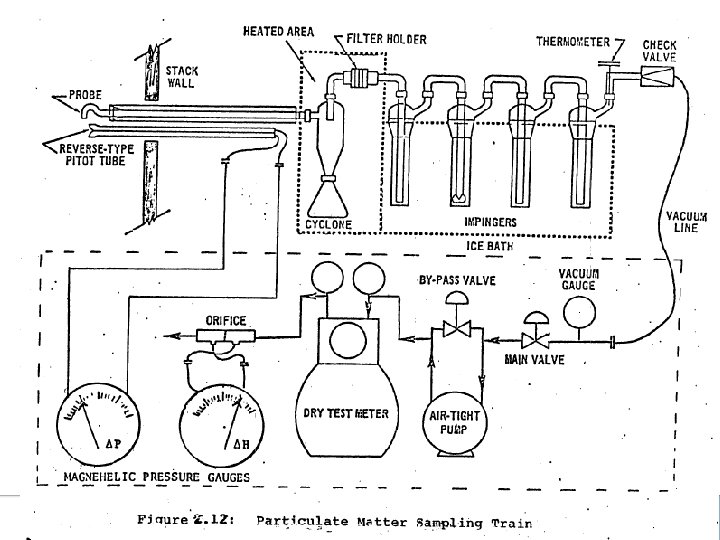
Source Testing (PM) • sampling train
Source Testing (PM)
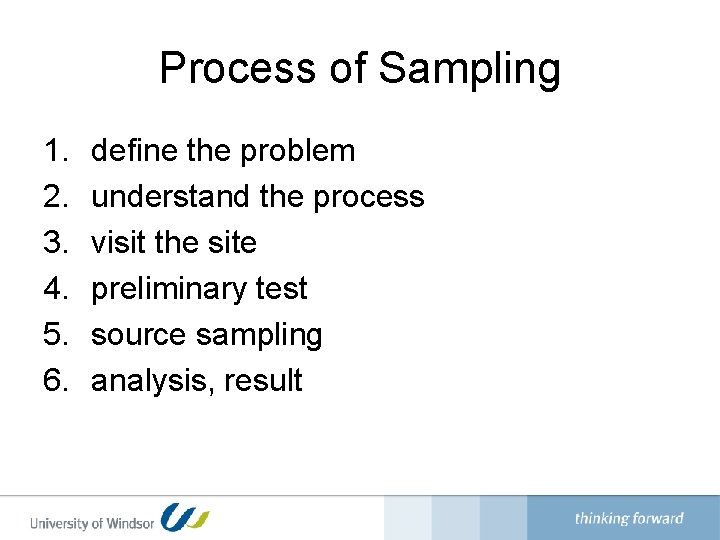
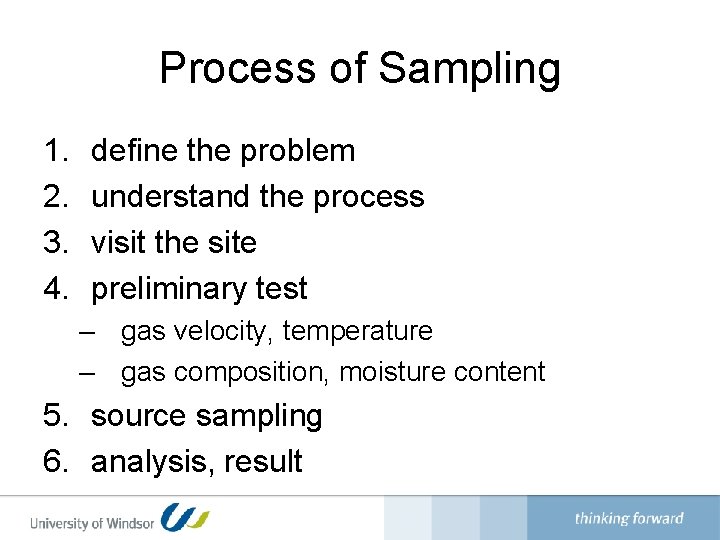
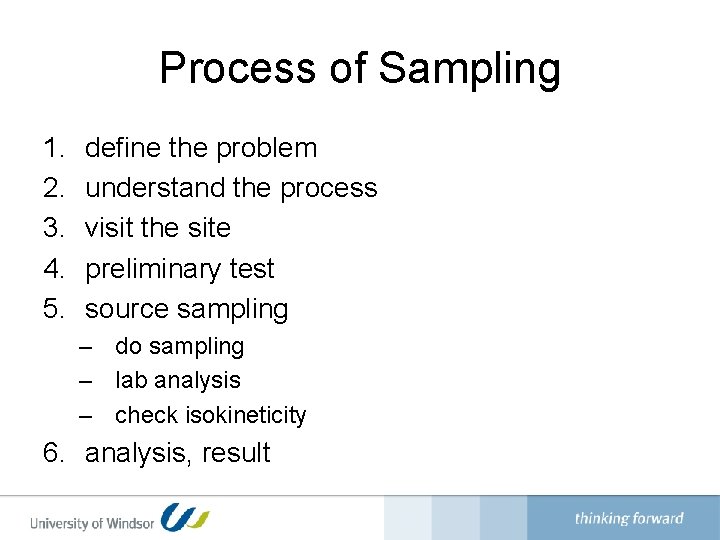
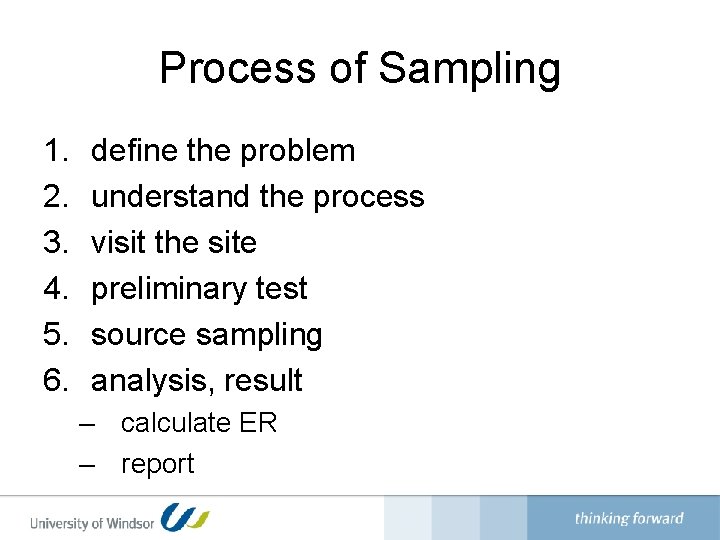
Process of Sampling 1. 2. 3. 4. 5. 6. define the problem understand the process visit the site preliminary test source sampling analysis, result
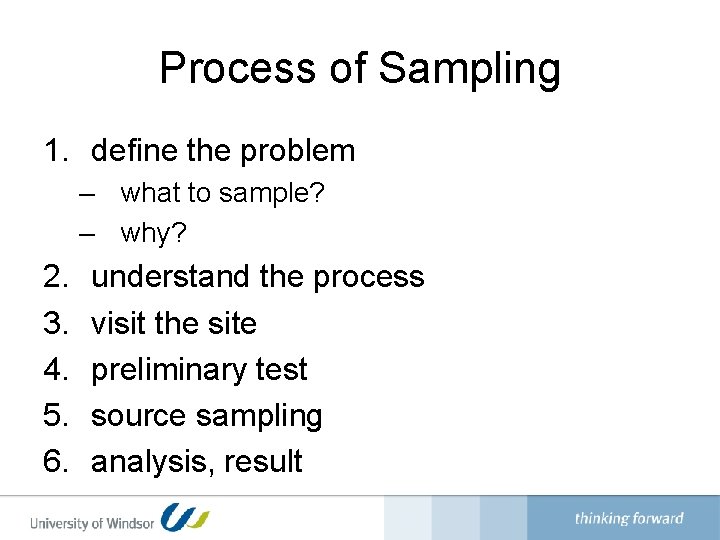
Process of Sampling 1. define the problem – what to sample? – why? 2. 3. 4. 5. 6. understand the process visit the site preliminary test source sampling analysis, result
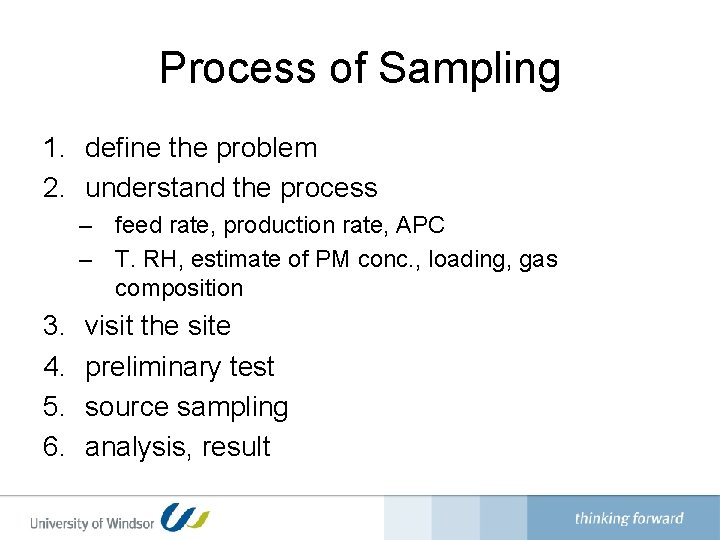
Process of Sampling 1. define the problem 2. understand the process – feed rate, production rate, APC – T. RH, estimate of PM conc. , loading, gas composition 3. 4. 5. 6. visit the site preliminary test source sampling analysis, result
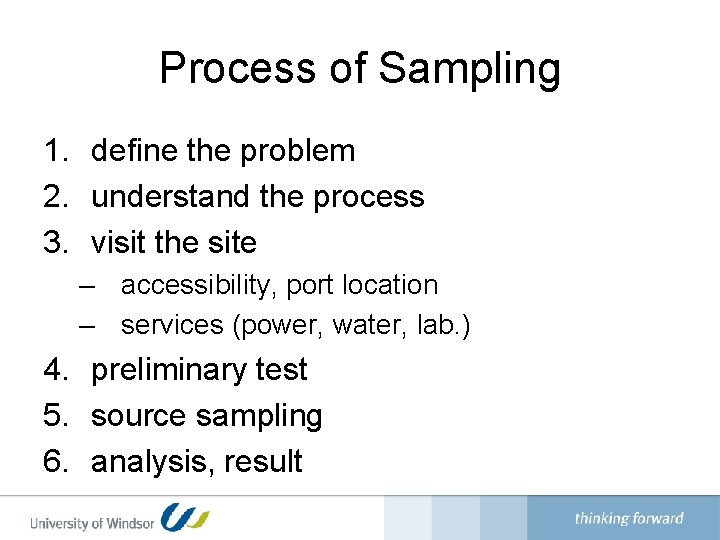
Process of Sampling 1. define the problem 2. understand the process 3. visit the site – accessibility, port location – services (power, water, lab. ) 4. preliminary test 5. source sampling 6. analysis, result
Process of Sampling 1. 2. 3. 4. define the problem understand the process visit the site preliminary test – gas velocity, temperature – gas composition, moisture content 5. source sampling 6. analysis, result
Process of Sampling 1. 2. 3. 4. 5. define the problem understand the process visit the site preliminary test source sampling – do sampling – lab analysis – check isokineticity 6. analysis, result
Process of Sampling 1. 2. 3. 4. 5. 6. define the problem understand the process visit the site preliminary test source sampling analysis, result – calculate ER – report
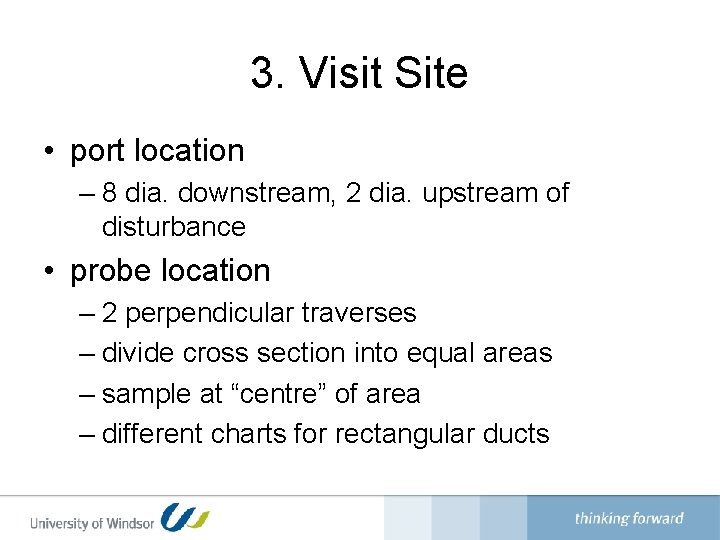
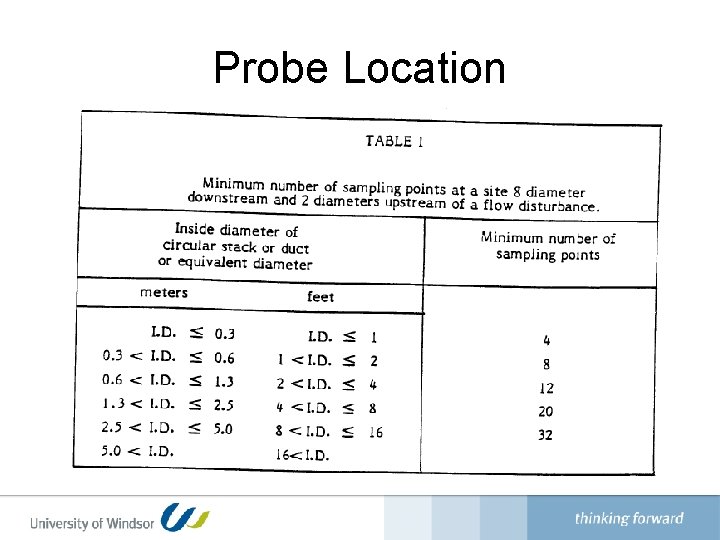
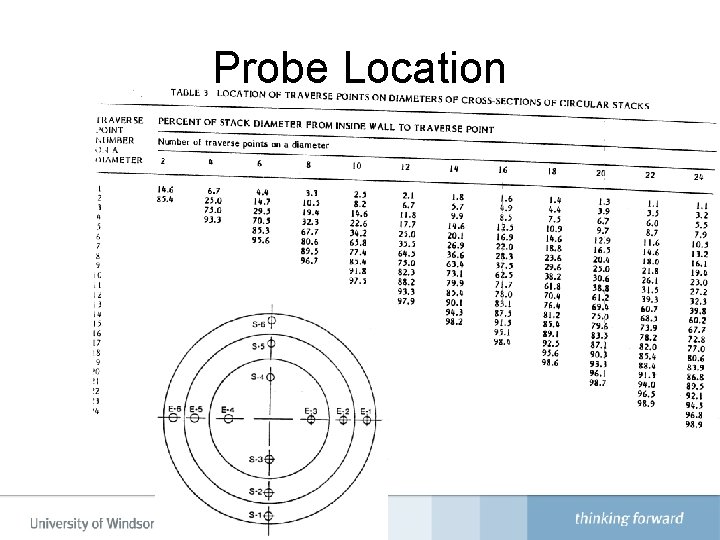
3. Visit Site • port location – 8 dia. downstream, 2 dia. upstream of disturbance • probe location – 2 perpendicular traverses – divide cross section into equal areas – sample at “centre” of area – different charts for rectangular ducts
Probe Location
Probe Location
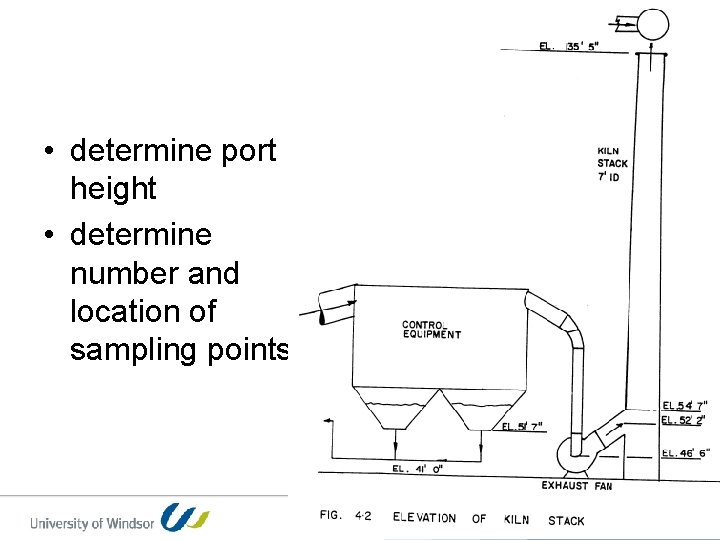
• determine port height • determine number and location of sampling points
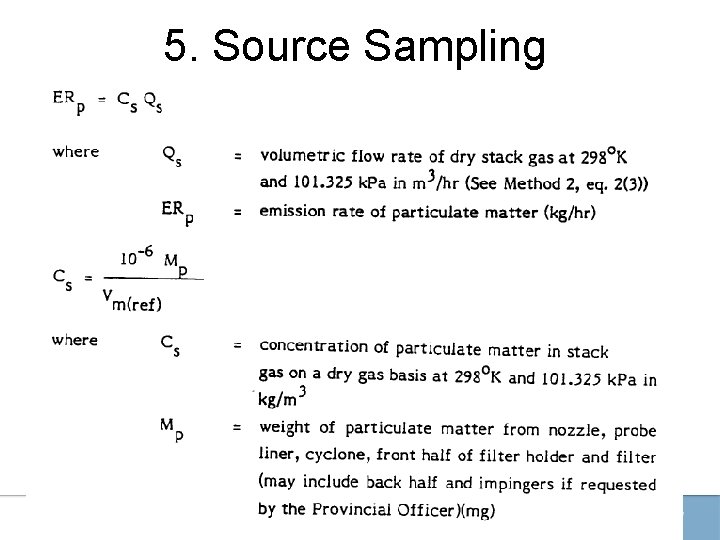
5. Source Sampling
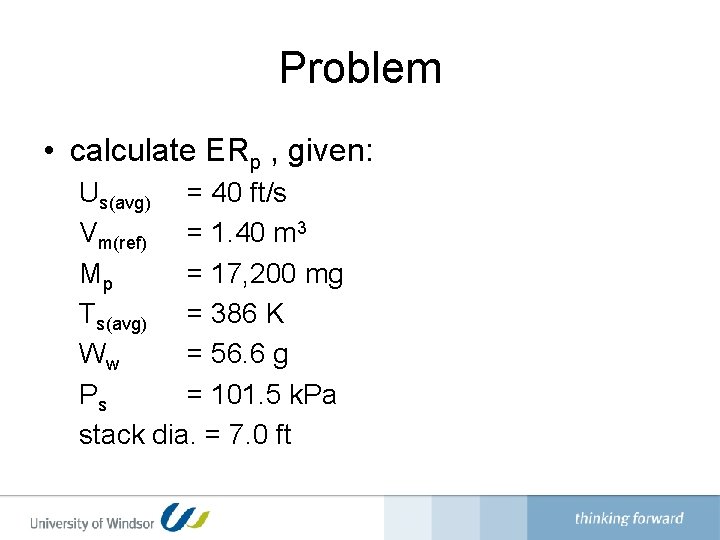
Problem • calculate ERp , given: Us(avg) = 40 ft/s Vm(ref) = 1. 40 m 3 Mp = 17, 200 mg Ts(avg) = 386 K Ww = 56. 6 g Ps = 101. 5 k. Pa stack dia. = 7. 0 ft
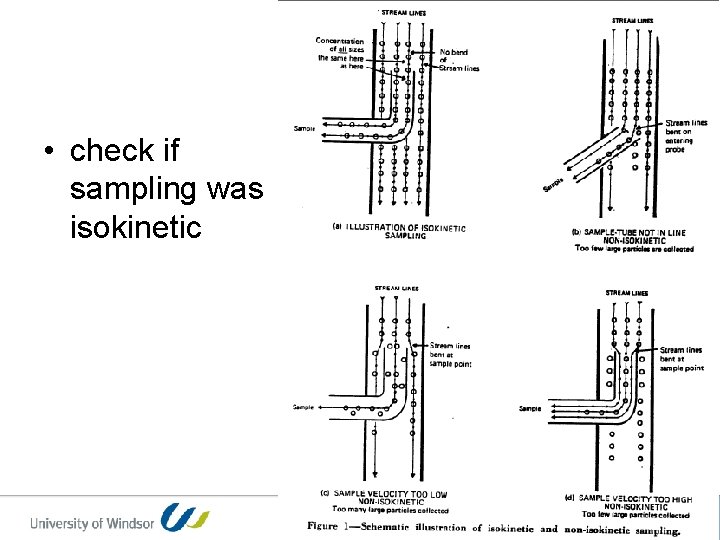
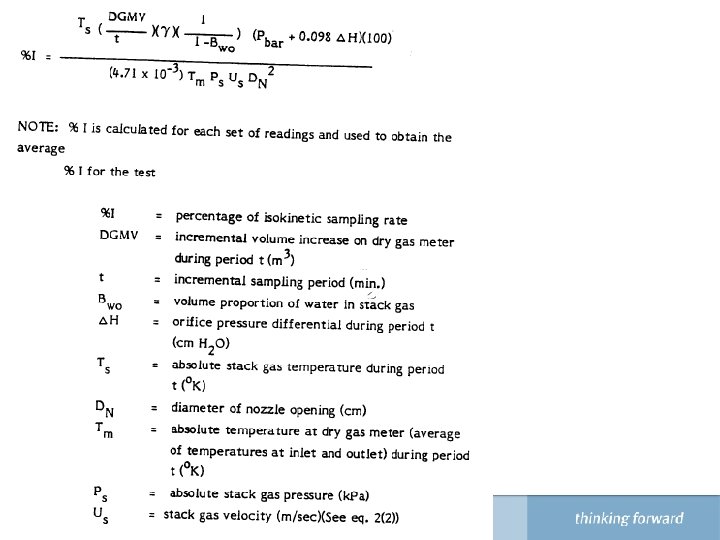
• check if sampling was isokinetic
Source Testing