
AIM How can we make observations and inferences
AIM: How can we make observations and inferences?
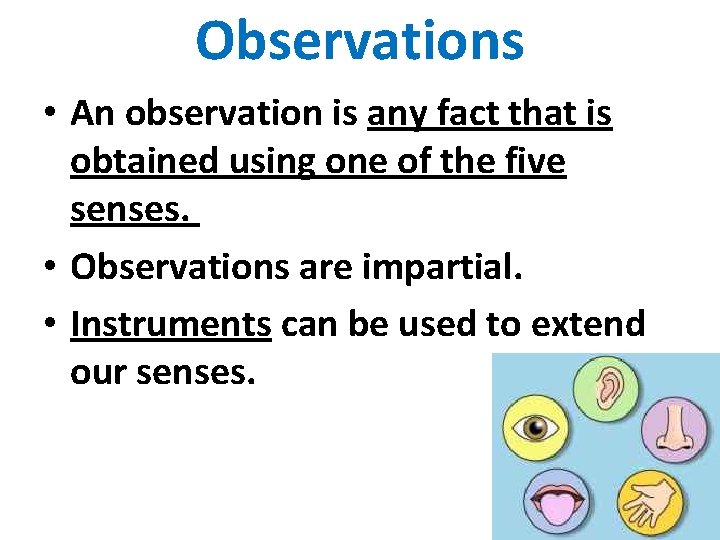
Observations • An observation is any fact that is obtained using one of the five senses. • Observations are impartial. • Instruments can be used to extend our senses.
Observations • Examples of Observations: – The rock is black with parallel scratches. – The first sound is louder than the second. • Note: Measuring something is an observation comparing to a standard.
Inferences • An inference is an opinion, conclusion, or prediction based on observations. • Examples of Inferences: – The rock was moved by a glacier. – Blue skies mean nice weather is – T-Rex was a vicious killer. coming.
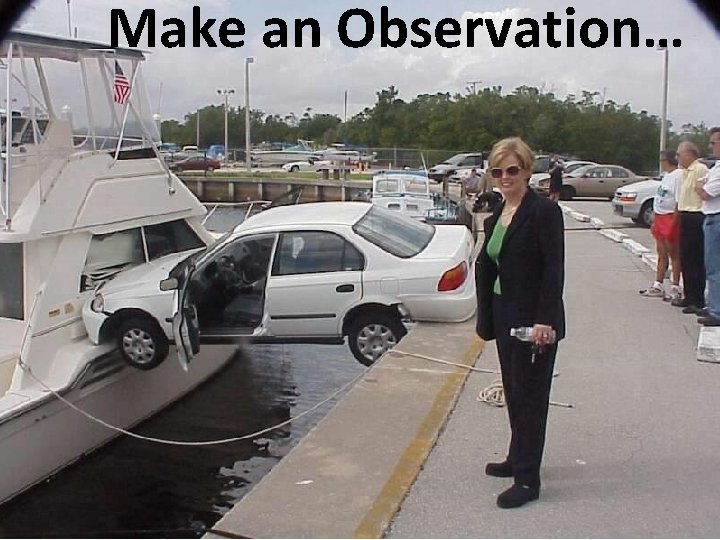
Make an Observation…
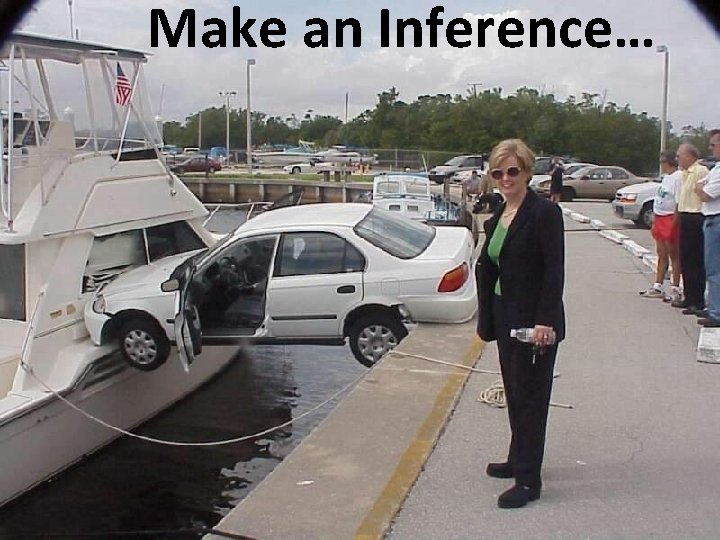
Make an Inference…
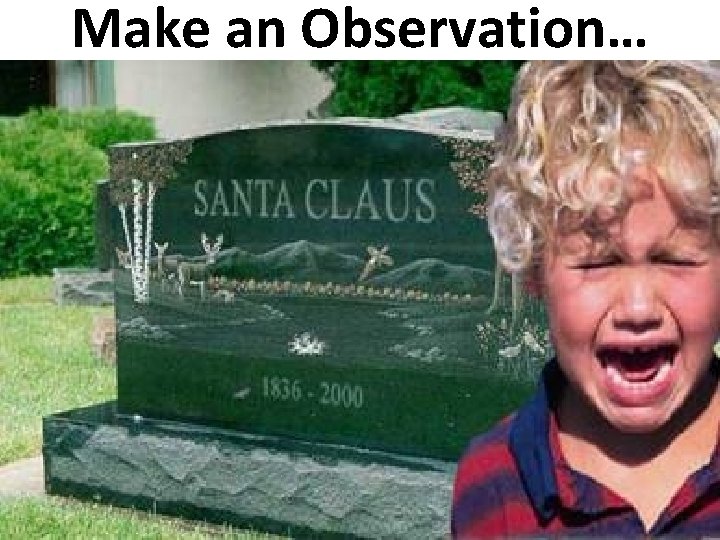
Make an Observation…
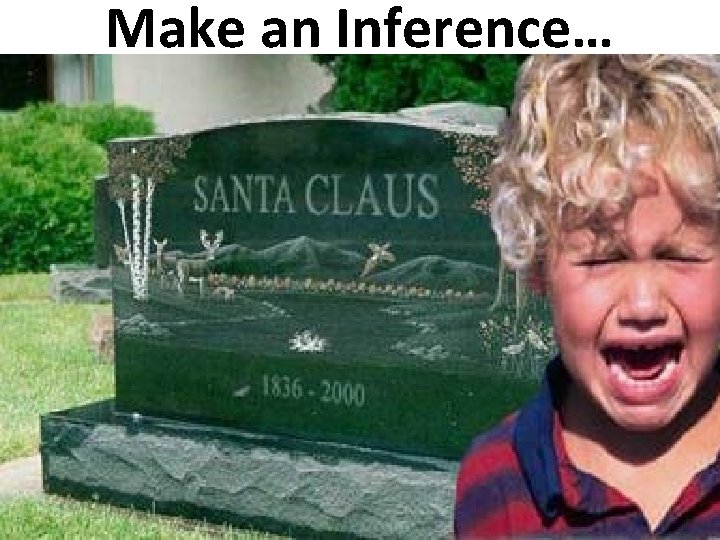
Make an Inference…
Practice • 1. In the classroom during a visual inspection of a rock, a student recorded four statements about the rock. Which statement about the rock is an observation? – A. the rock formed deep in Earth’s interior – B. the rock cooled very rapidly – C. the rock dates from the Cambrian Period – D. the rock is black and shiny
Practice • 2. To make observations, an observer must always use – A. experiments – B. the senses – C. proportions – D. mathematical calculations
Practice • 3. Which statement made by a student after examining a rock specimen is an inference? – A. the rock is of igneous origin – B. the rock has rounded edges – C. the rock is light colored – D. the rock contains large fragments
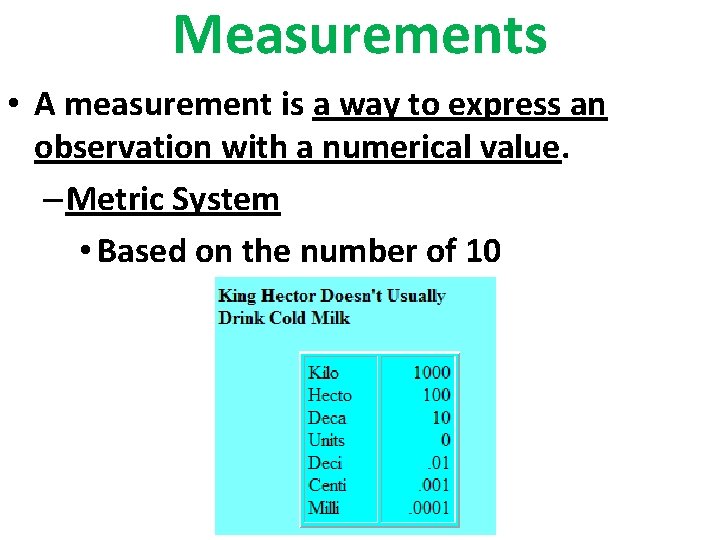
Measurements • A measurement is a way to express an observation with a numerical value. – Metric System • Based on the number of 10
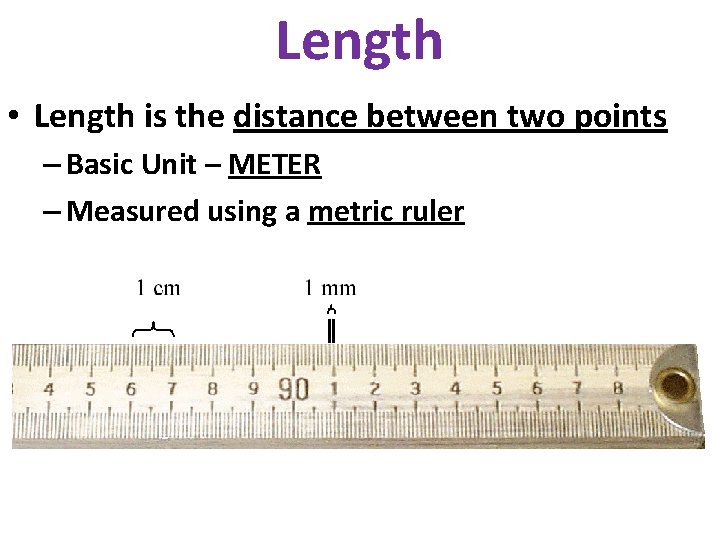
Length • Length is the distance between two points – Basic Unit – METER – Measured using a metric ruler
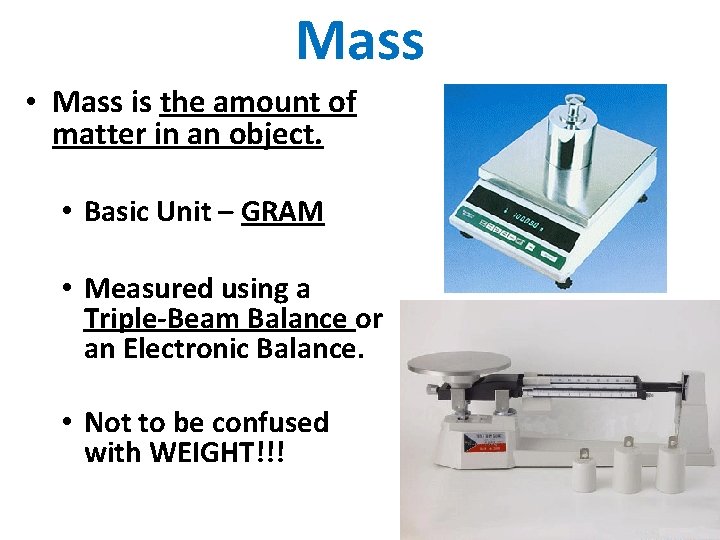
Mass • Mass is the amount of matter in an object. • Basic Unit – GRAM • Measured using a Triple-Beam Balance or an Electronic Balance. • Not to be confused with WEIGHT!!!
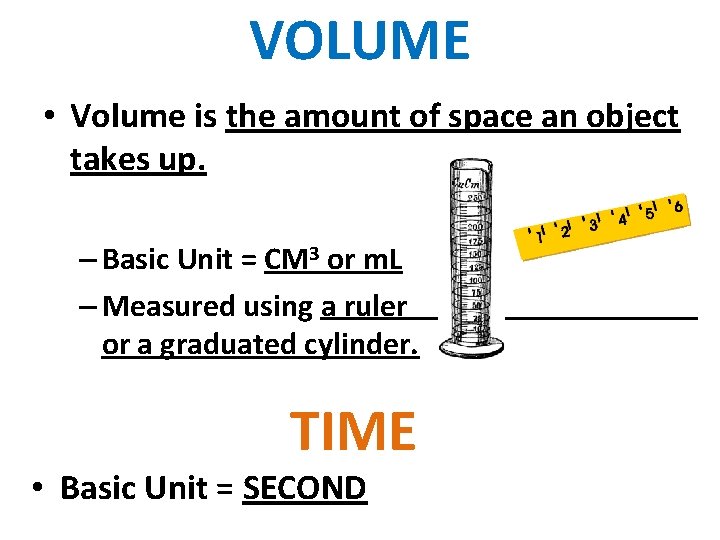
VOLUME • Volume is the amount of space an object takes up. – Basic Unit = CM 3 or m. L – Measured using a ruler or a graduated cylinder. TIME • Basic Unit = SECOND
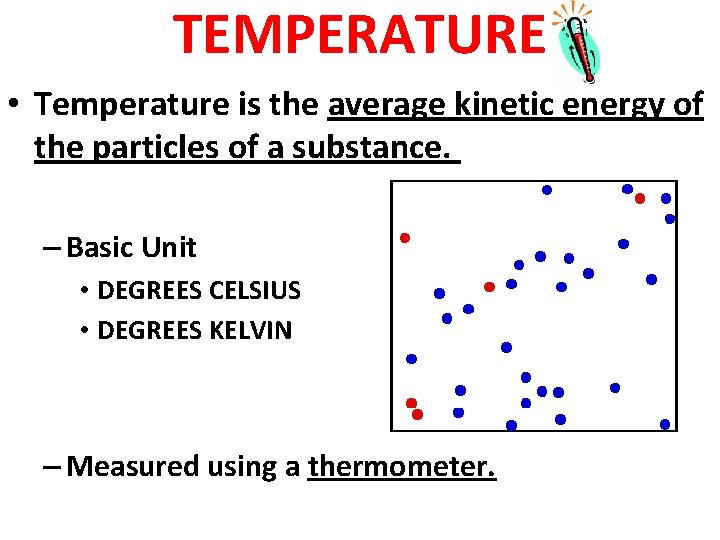
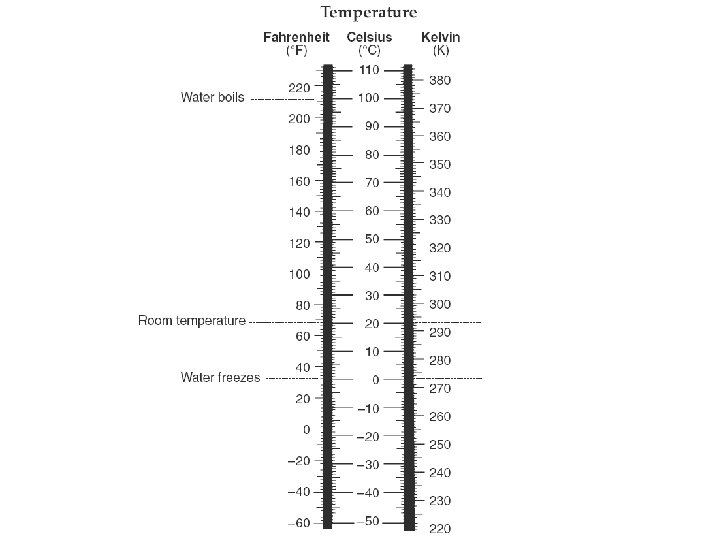
TEMPERATURE • Temperature is the average kinetic energy of the particles of a substance. – Basic Unit • DEGREES CELSIUS • DEGREES KELVIN – Measured using a thermometer.
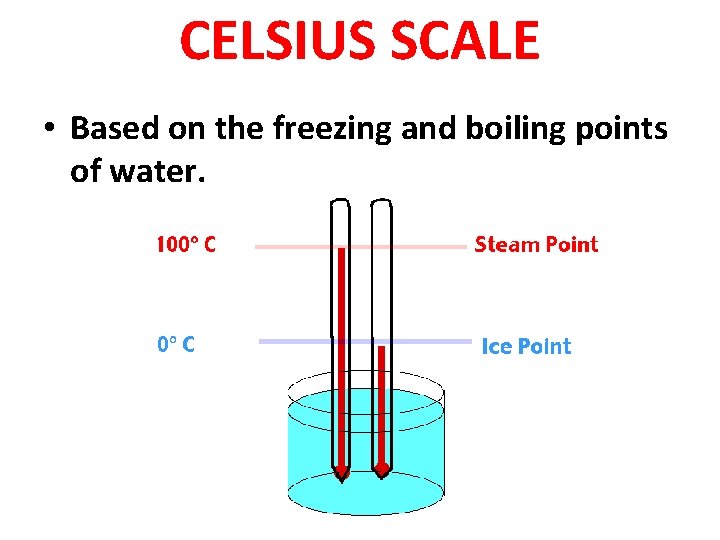
CELSIUS SCALE • Based on the freezing and boiling points of water.
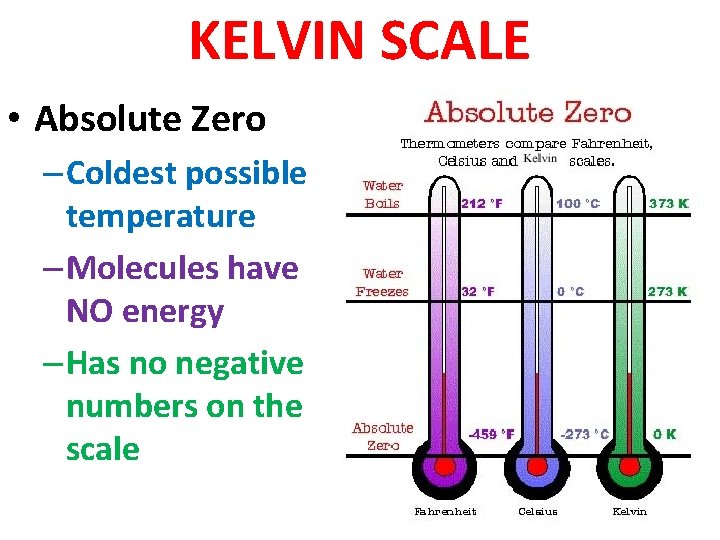
KELVIN SCALE • Absolute Zero – Coldest possible temperature – Molecules have NO energy – Has no negative numbers on the scale
Practice • 1. A measurement is best defined as – A. an inference made by using the human senses – B. direct comparison to a known standard – C. an interpretation based on theory – D. a group of inferred properties
Practice • 2. The amount of space a substance occupies is its – A. mass – B. volume – C. density – D. weight
- Slides: 21