
Aim How can we describe the structure of
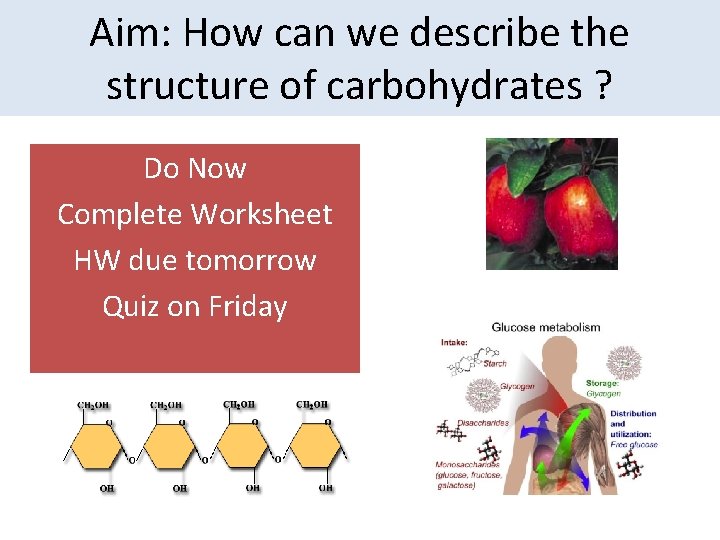
Aim: How can we describe the structure of carbohydrates ? Do Now Complete Worksheet HW due tomorrow Quiz on Friday

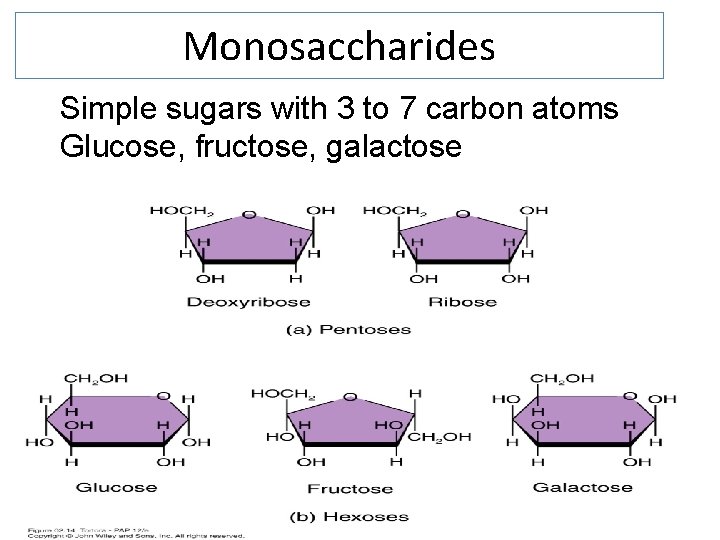
Monosaccharides Simple sugars with 3 to 7 carbon atoms Glucose, fructose, galactose
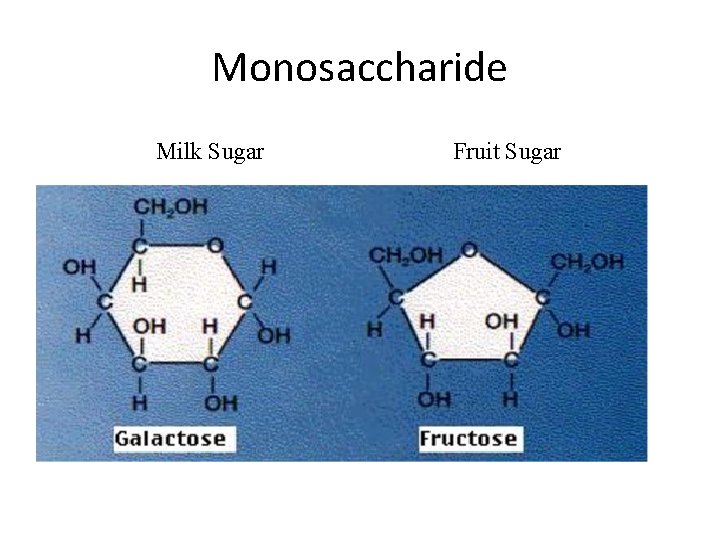
Monosaccharide Milk Sugar Fruit Sugar
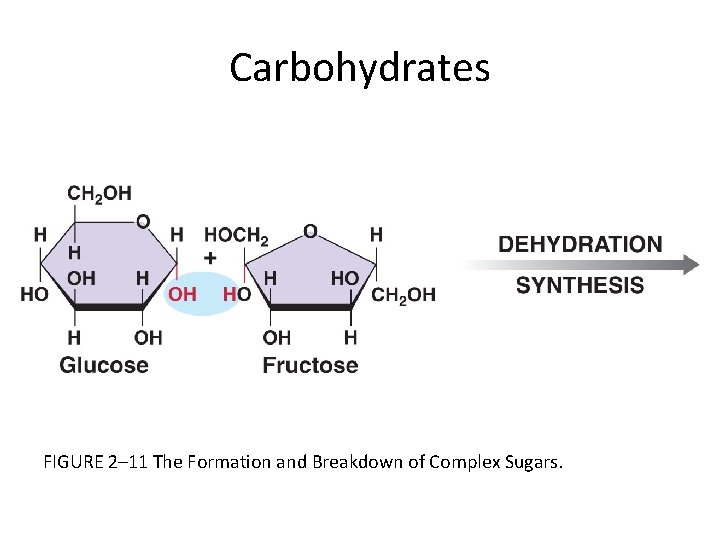
Carbohydrates FIGURE 2– 11 The Formation and Breakdown of Complex Sugars.
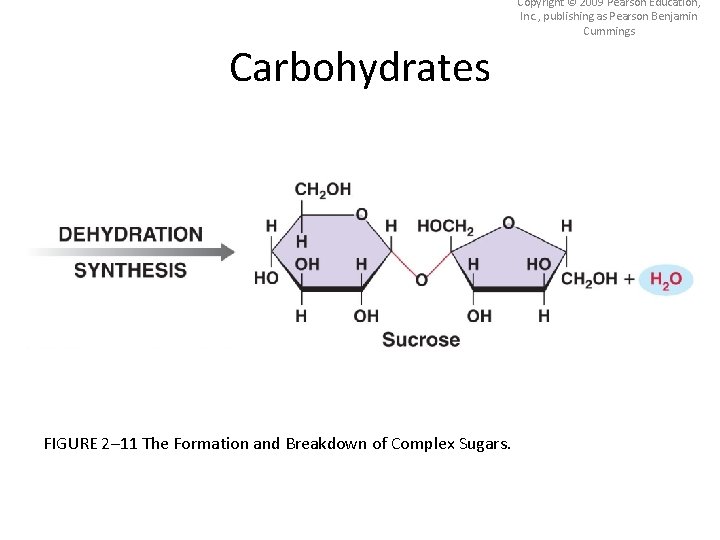
Copyright © 2009 Pearson Education, Inc. , publishing as Pearson Benjamin Cummings Carbohydrates FIGURE 2– 11 The Formation and Breakdown of Complex Sugars.
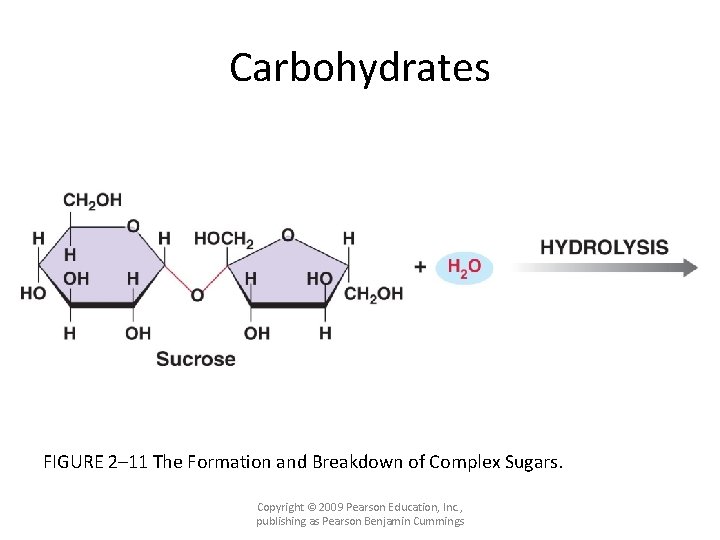
Carbohydrates FIGURE 2– 11 The Formation and Breakdown of Complex Sugars. Copyright © 2009 Pearson Education, Inc. , publishing as Pearson Benjamin Cummings
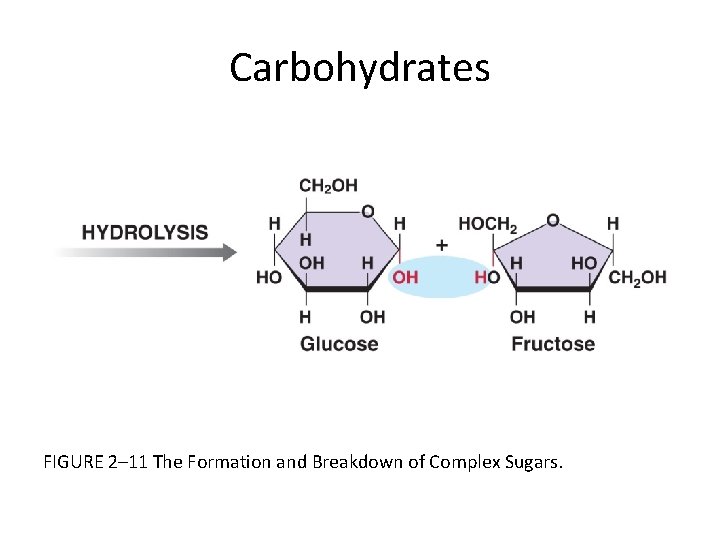
Carbohydrates FIGURE 2– 11 The Formation and Breakdown of Complex Sugars.
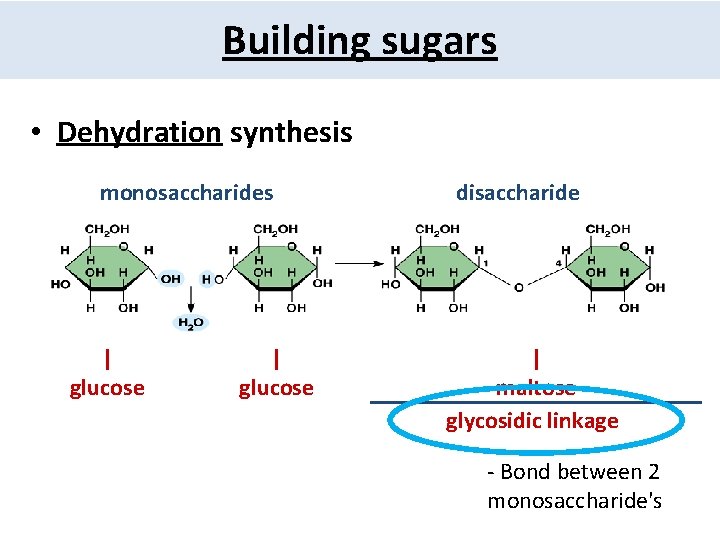
Building sugars • Dehydration synthesis monosaccharides | glucose disaccharide | maltose glycosidic linkage - Bond between 2 monosaccharide's
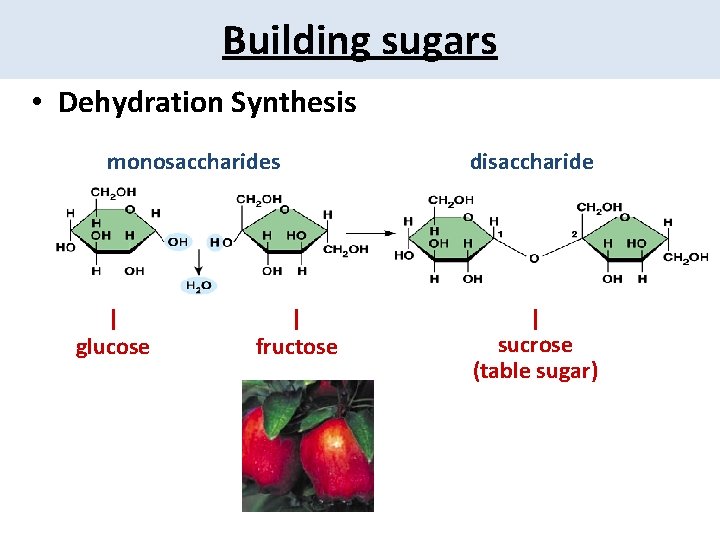
Building sugars • Dehydration Synthesis monosaccharides | glucose | fructose disaccharide | sucrose (table sugar)
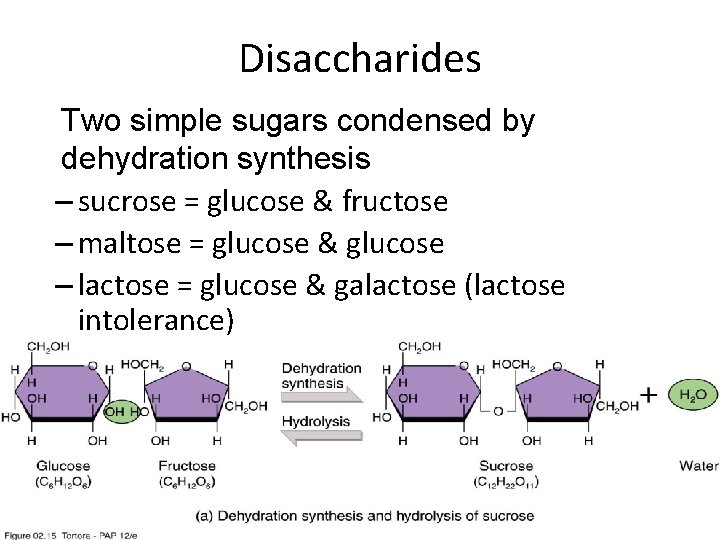
Disaccharides Two simple sugars condensed by dehydration synthesis – sucrose = glucose & fructose – maltose = glucose & glucose – lactose = glucose & galactose (lactose intolerance)
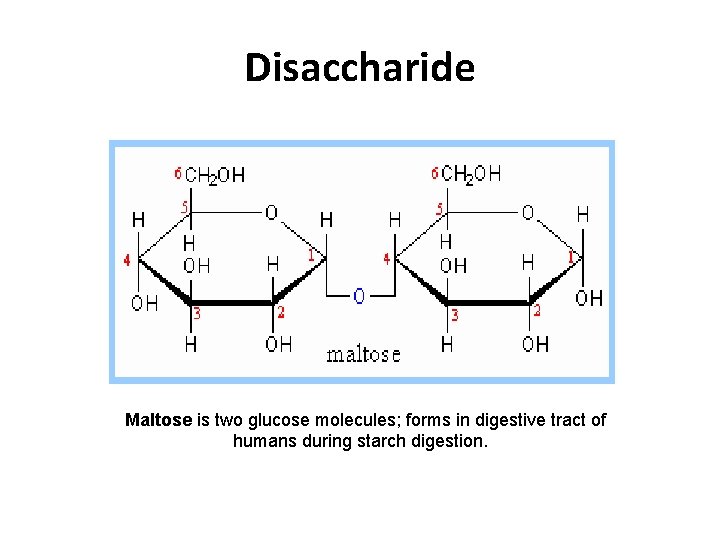
Disaccharide Maltose is two glucose molecules; forms in digestive tract of humans during starch digestion.
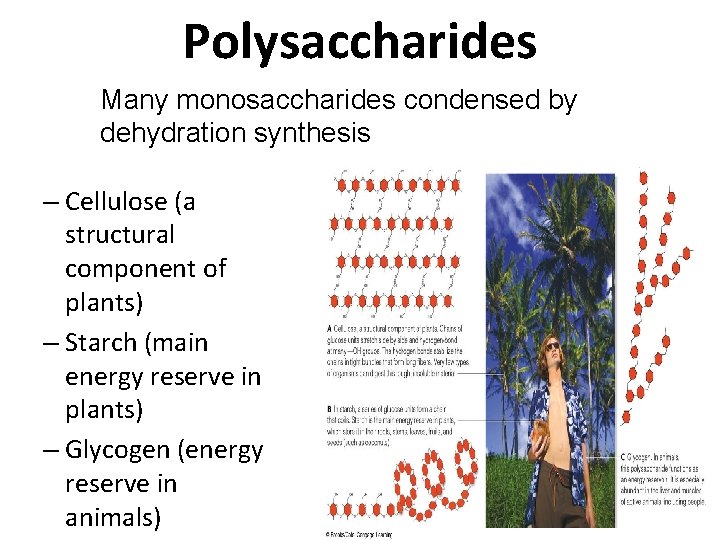
Polysaccharides Many monosaccharides condensed by dehydration synthesis – Cellulose (a structural component of plants) – Starch (main energy reserve in plants) – Glycogen (energy reserve in animals)
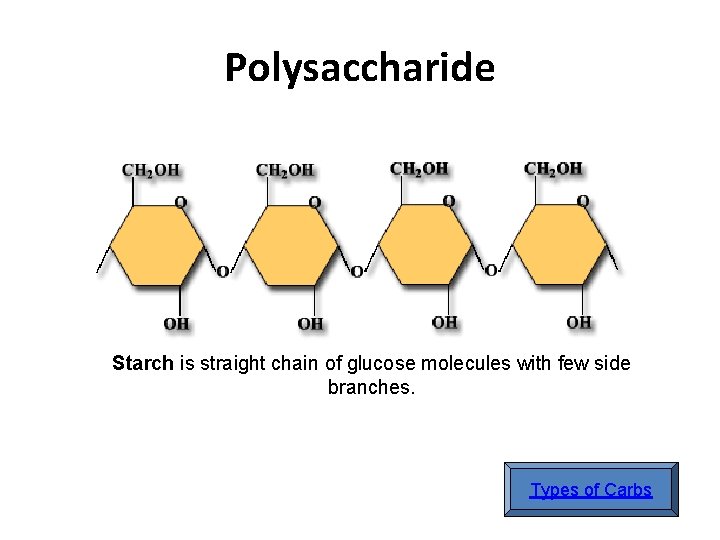
Polysaccharide Starch is straight chain of glucose molecules with few side branches. Types of Carbs
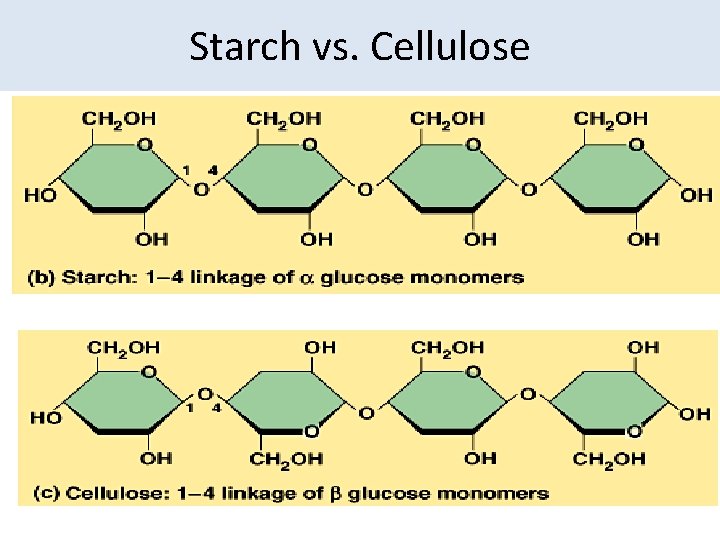
Starch vs. Cellulose

Share and Pair Summary Activity

Summary 1. Distinguish inorganic and organic compounds. 2. Why are carbohydrates important? 3. Explain why glucose is a simple monosaccharide. 4. Why does synthesis and hydrolysis pertain to carbohydrates?
- Slides: 18