
AgroClimate Tools Indiana Certified Crop Adviser Program Indianapolis
- Slides: 28
Agro-Climate Tools Indiana Certified Crop Adviser Program Indianapolis, Indiana Dec. 18, 2013 Linda Prokopy Purdue University lprokopy@purdue. edu Chad Hart Iowa State University chart@iastate. edu www. Ag. Climate 4 U. org
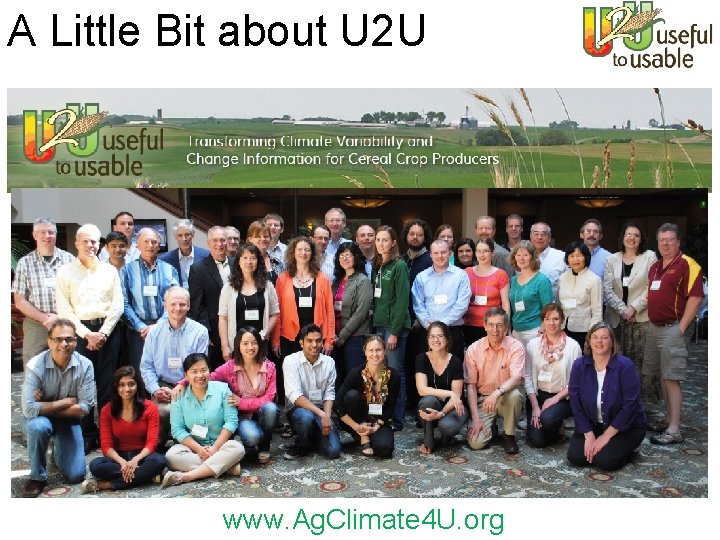
A Little Bit about U 2 U Our goal is to help producers make better long-term plans on what, when and where to plant, and also how to manage crops for maximum yields and minimum environmental damage. www. Ag. Climate 4 U. org
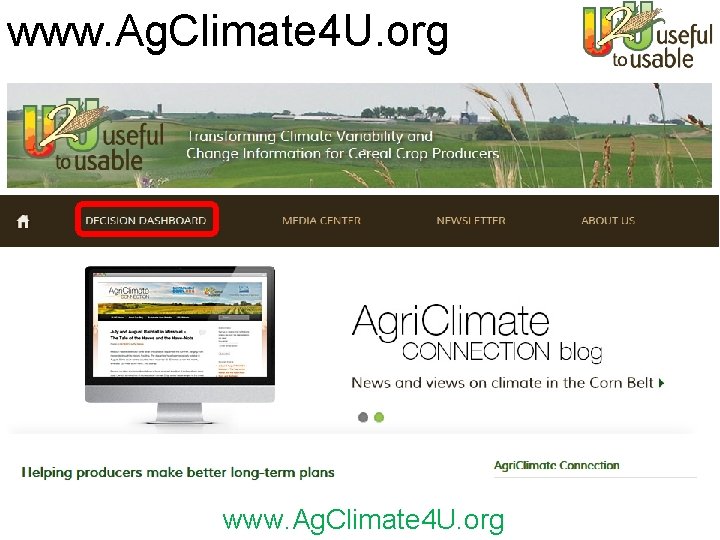
www. Ag. Climate 4 U. org
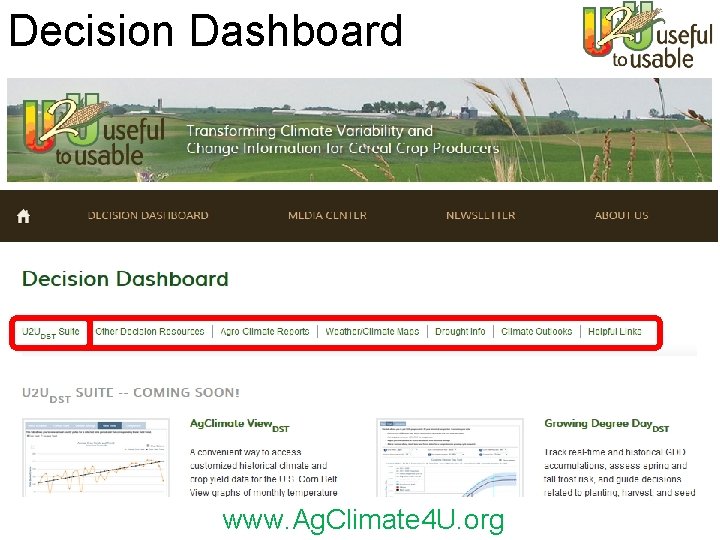
Decision Dashboard www. Ag. Climate 4 U. org
Decision Support Tools Ag Climate View – provides easy access to historical climate and crop data Growing Degree Days (GDD) Tool – tracks real-time GDD accumulations and outlines climate risks for corn development www. Ag. Climate 4 U. org
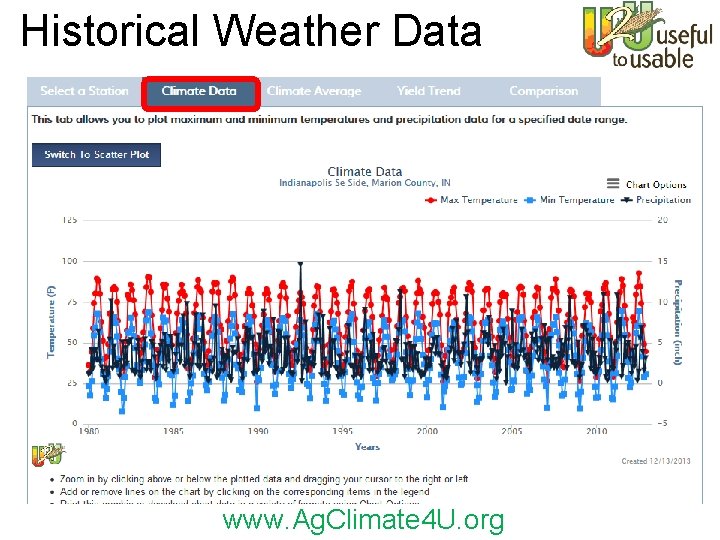
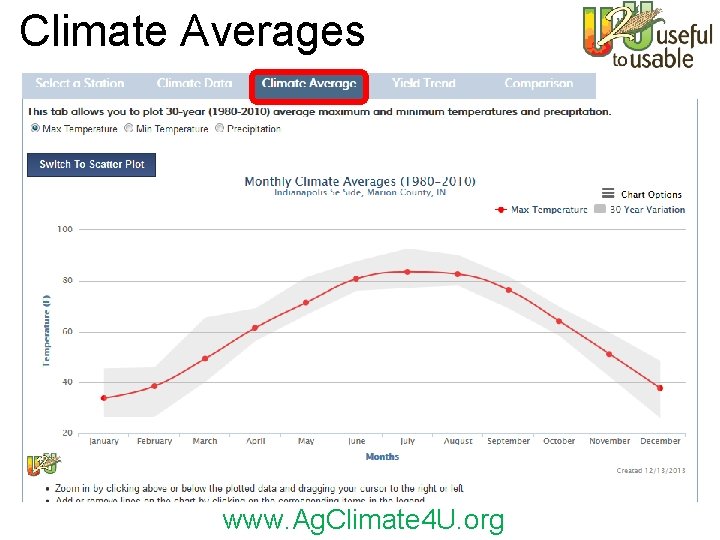
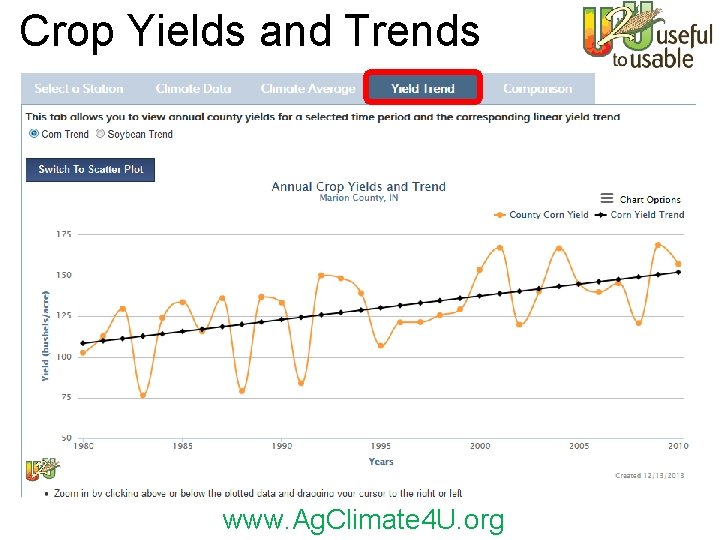
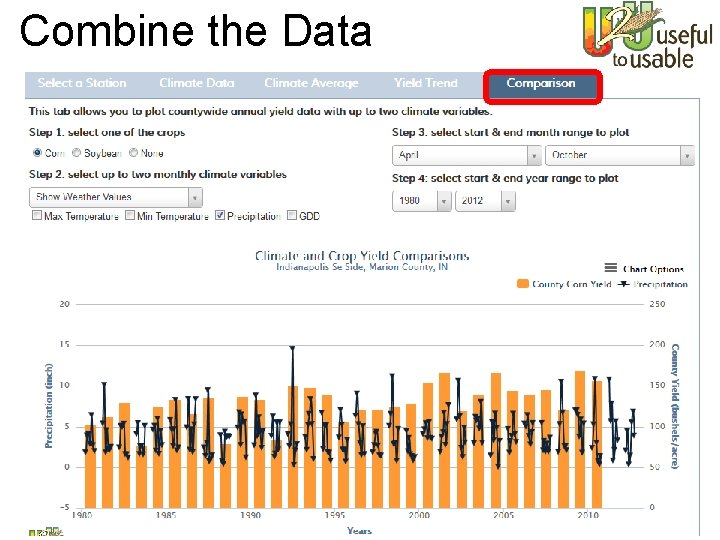
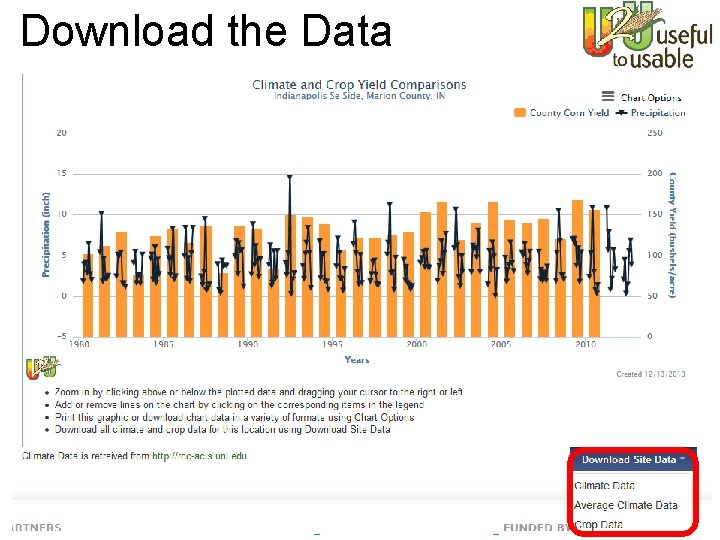
Ag Climate View Ø Plot local temperature and precipitation variation as far back as 1980, Ø Track county crop yields and trends, and Ø Consider crop yields in the context of temperature, precipitation, and growing degree day data Used in tandem with other decision resources, Ag Climate View can help you find long-term correlations between climate trends and yields, while helping you put your recent crop experience into historical context. www. Ag. Climate 4 U. org
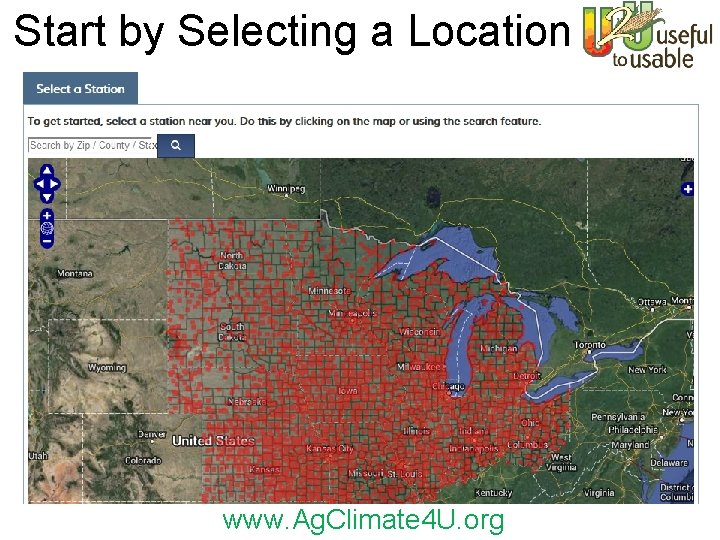
Start by Selecting a Location www. Ag. Climate 4 U. org
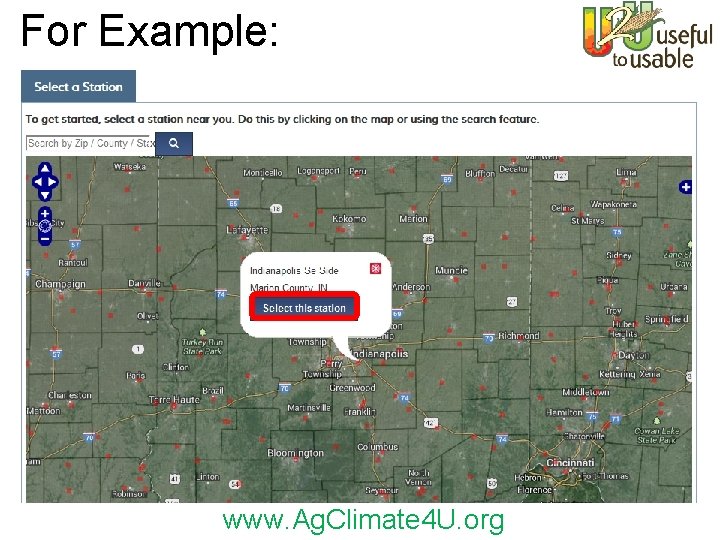
For Example: www. Ag. Climate 4 U. org
Historical Weather Data www. Ag. Climate 4 U. org
Climate Averages www. Ag. Climate 4 U. org
Crop Yields and Trends www. Ag. Climate 4 U. org
Combine the Data www. Ag. Climate 4 U. org
Download the Data www. Ag. Climate 4 U. org
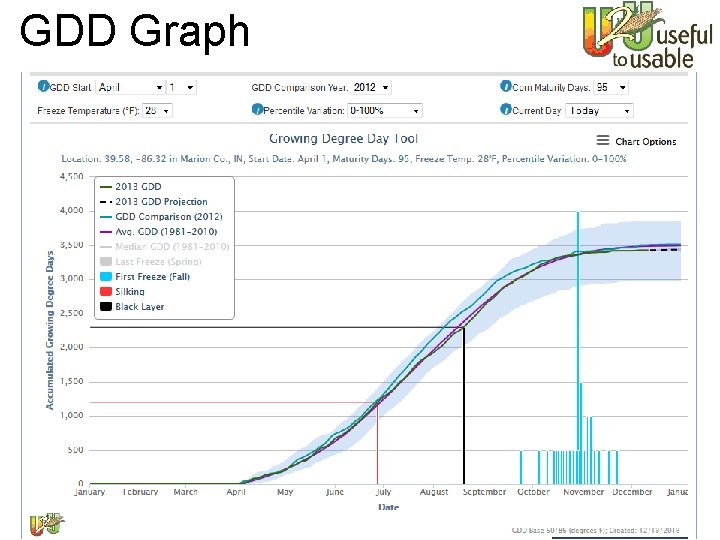
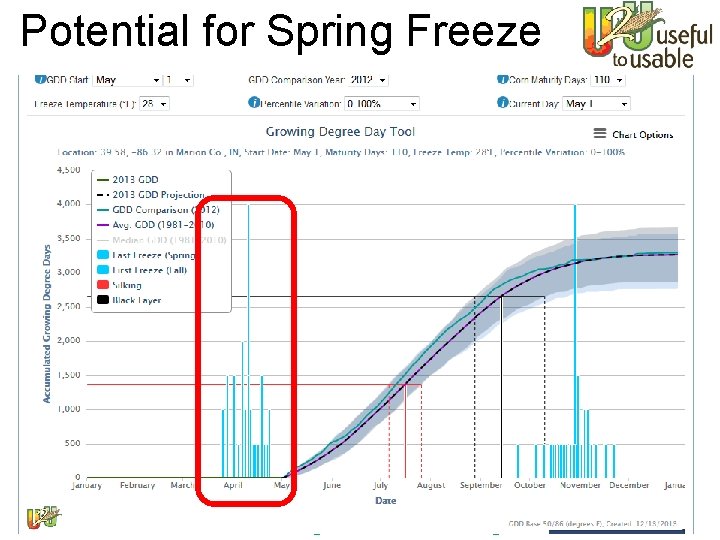
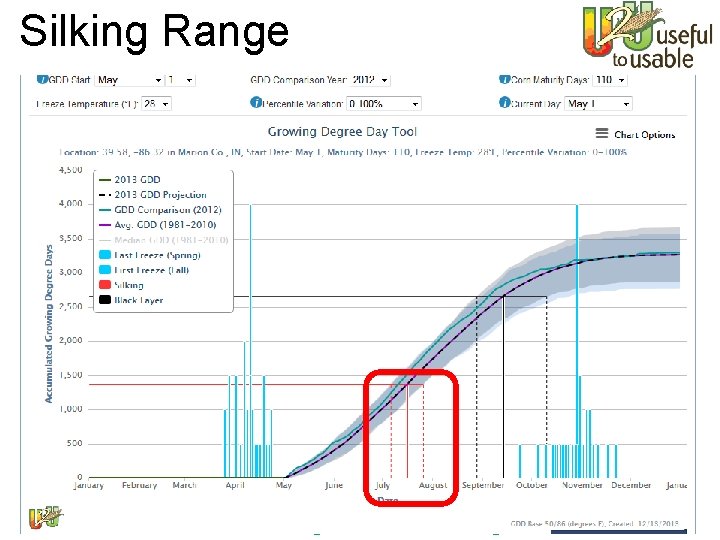
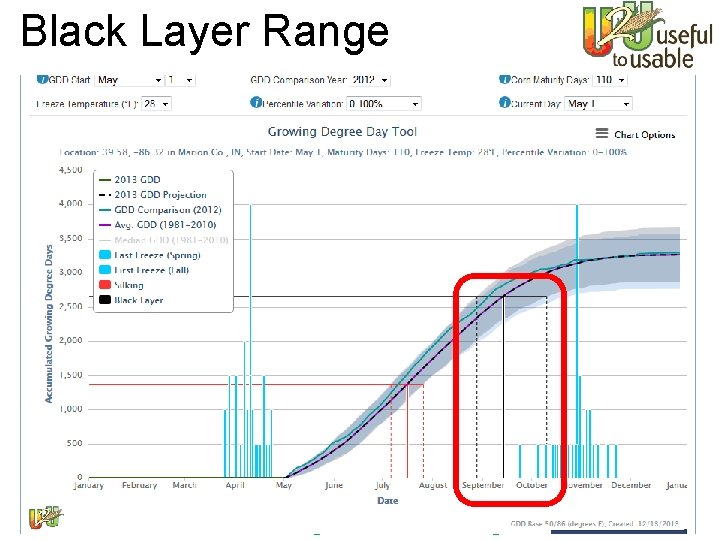
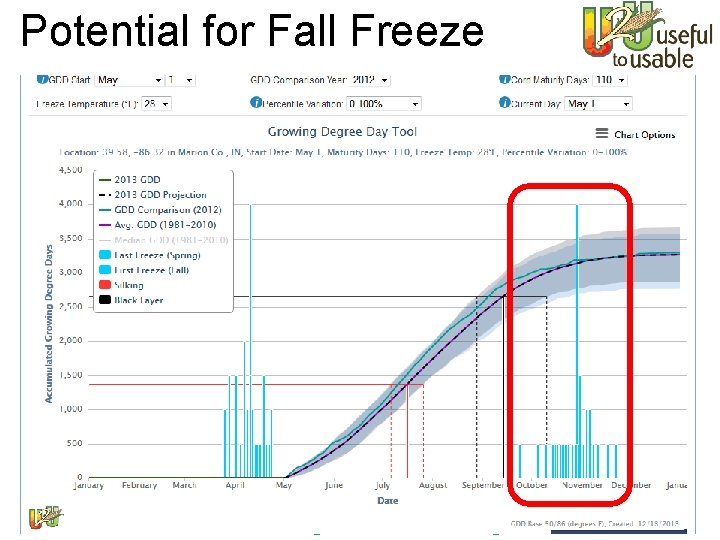
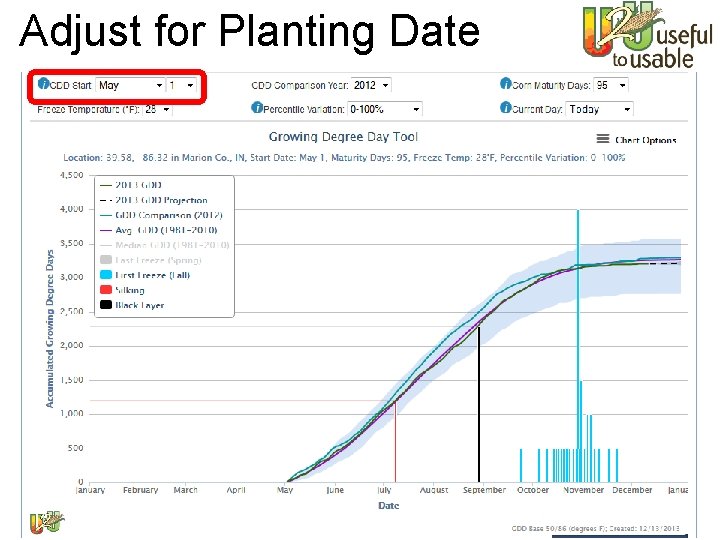
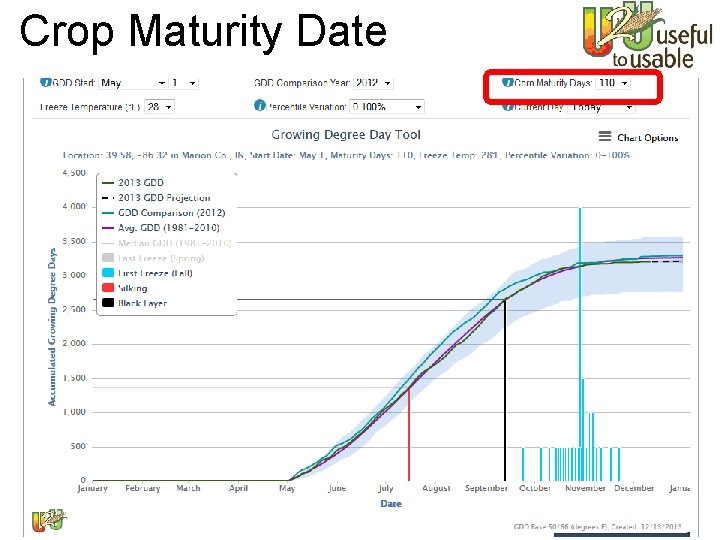
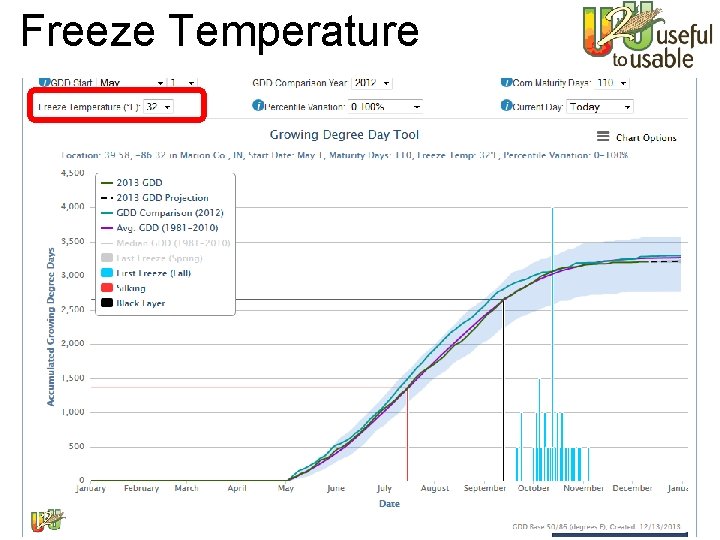
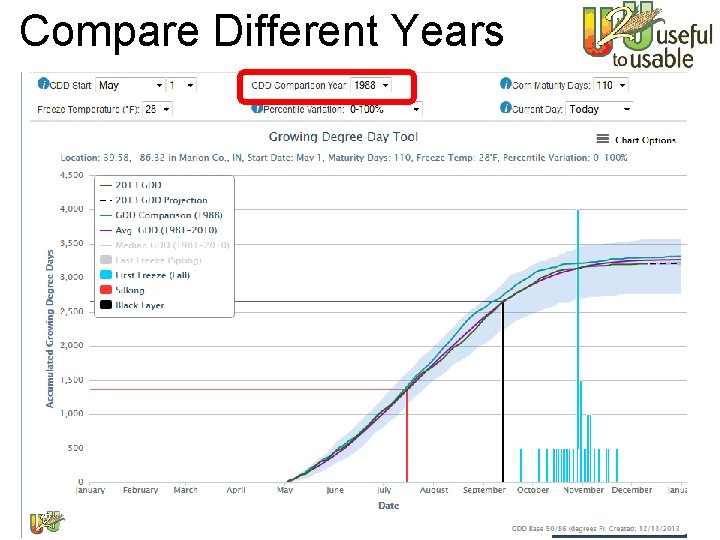
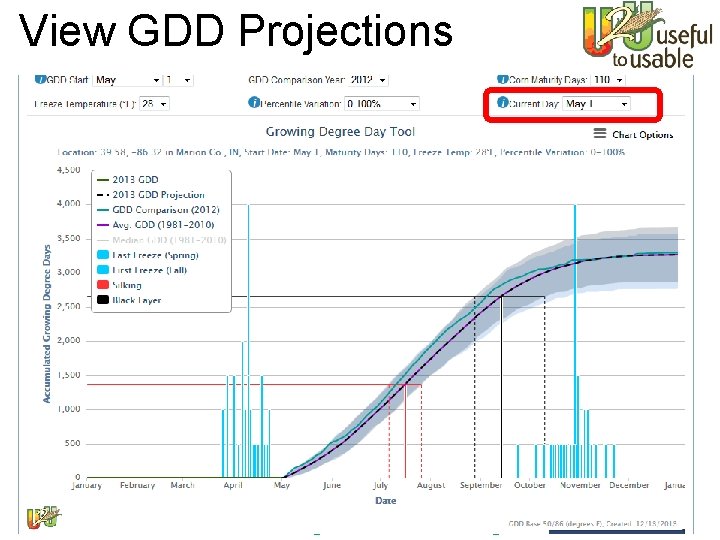
Growing Degree Days Tool This tool puts current conditions into a 30 -year historical perspective and offers trend projections through the end of the calendar year. GDD projections, combined with analysis of historical analog data, can help you make decisions about: Ø Climate Risks – Identify the likelihood of early and late frosts/freezes. Ø Activity Planning – Consider corn hybrid estimated physiological maturity requirements, along with GDD projections when making seed purchasing and other growing season decisions. Ø Marketing – Look at historical and projected GDD when considering forward pricing and crop insurance purchases. www. Ag. Climate 4 U. org
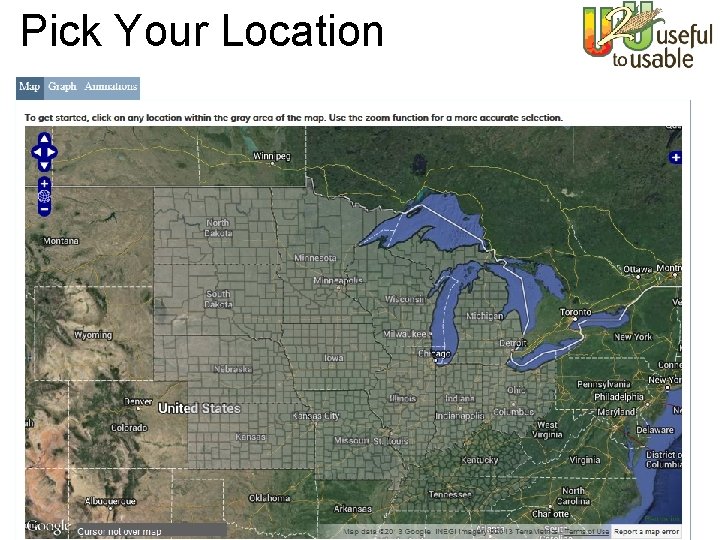
Pick Your Location www. Ag. Climate 4 U. org
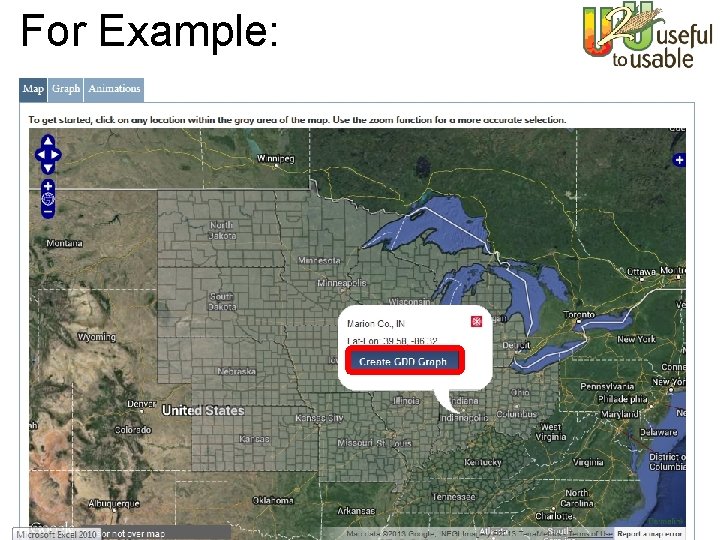
For Example: www. Ag. Climate 4 U. org
GDD Graph www. Ag. Climate 4 U. org
Potential for Spring Freeze www. Ag. Climate 4 U. org
Silking Range www. Ag. Climate 4 U. org
Black Layer Range www. Ag. Climate 4 U. org
Potential for Fall Freeze www. Ag. Climate 4 U. org
Adjust for Planting Date www. Ag. Climate 4 U. org
Crop Maturity Date www. Ag. Climate 4 U. org
Freeze Temperature www. Ag. Climate 4 U. org
Compare Different Years www. Ag. Climate 4 U. org
View GDD Projections www. Ag. Climate 4 U. org
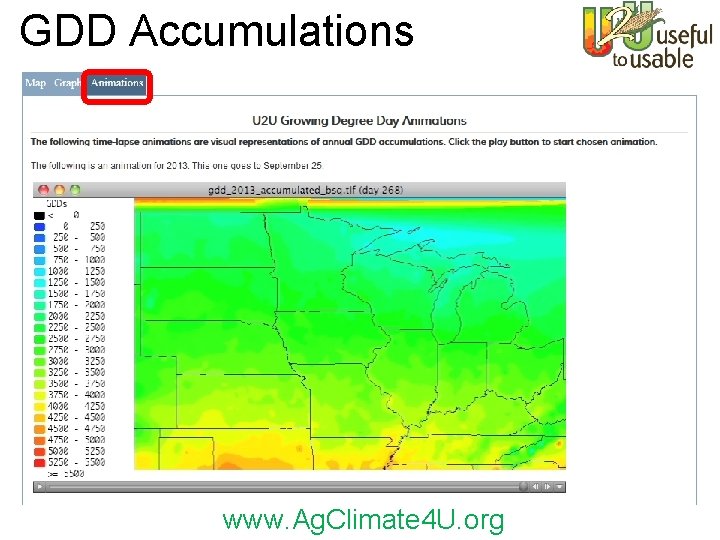
GDD Accumulations www. Ag. Climate 4 U. org
Thank you for your time! Any questions? www. Ag. Climate 4 U. org