
Agriculture Problems and Solutions The Industrialization of Farming
Agriculture Problems and Solutions…
The Industrialization of Farming • st 1 Green Revolution – 1950 – 1970 –Monocultures –High Yields • LARGE inputs of pesticides, fertilizers, and water
–Multiple Cropping • Increase the number of crops grown per year on a plot of land
• nd 2 (and rd 3 ) Green Revolution –Introduced new varieties of crops –Gene Technology • GMF’s: Genetically Modified Food
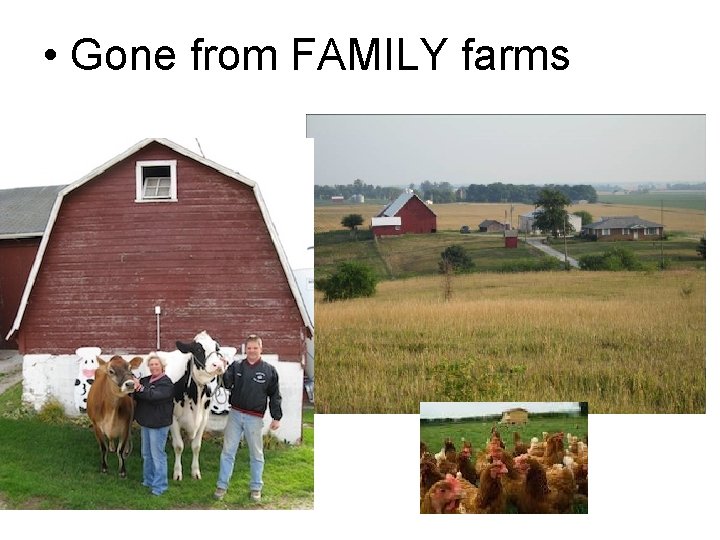
• Gone from FAMILY farms

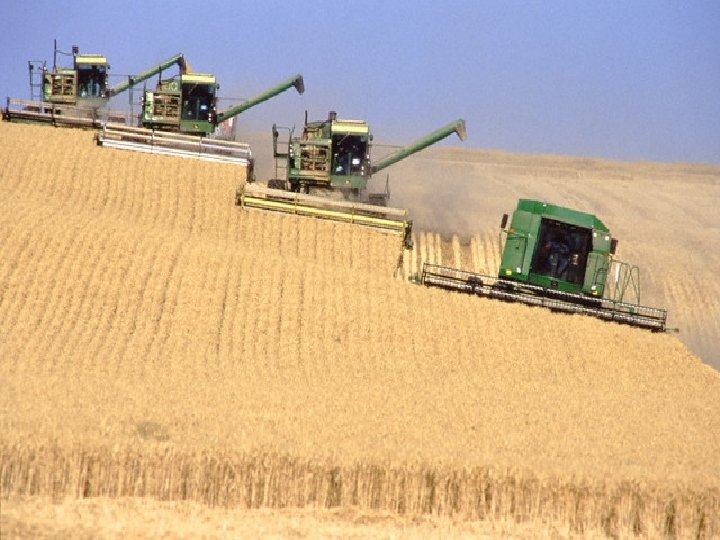
• to FACTORY farms and AGRIBUSINESS

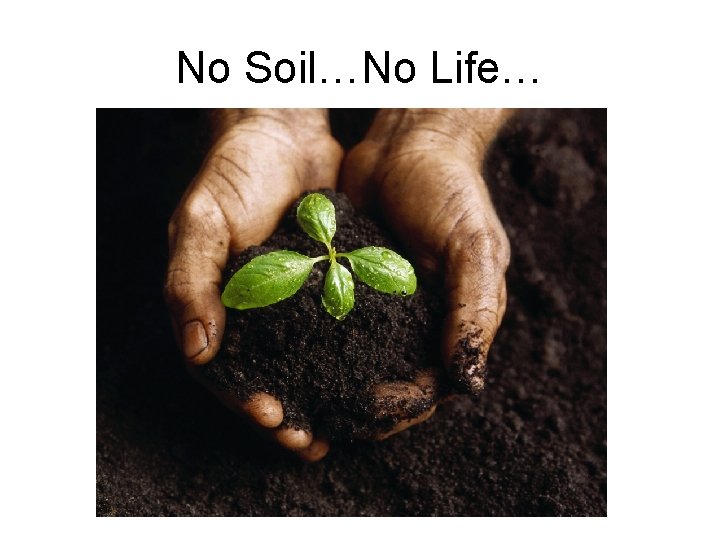
No Soil…No Life…
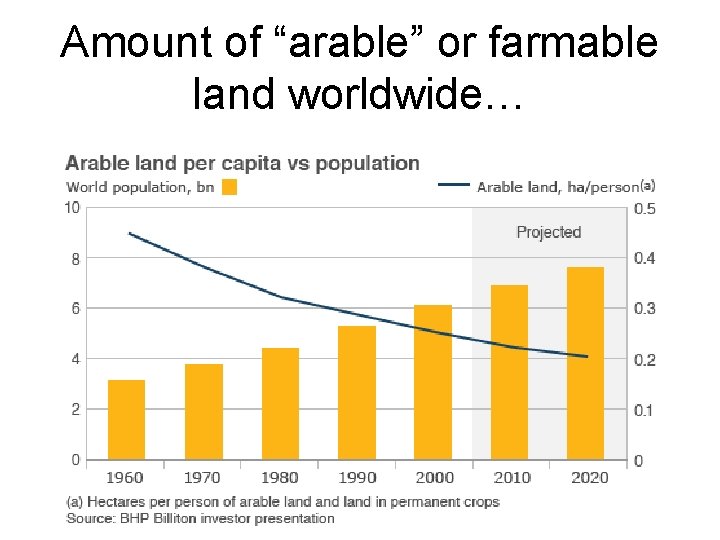
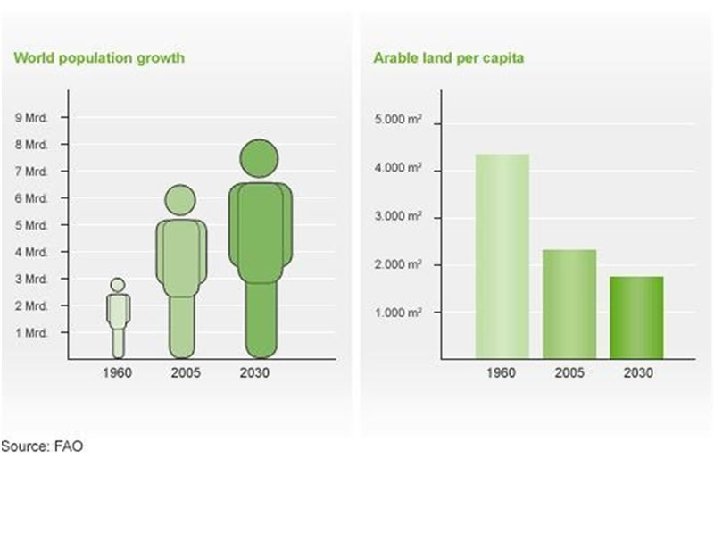
Amount of “arable” or farmable land worldwide…

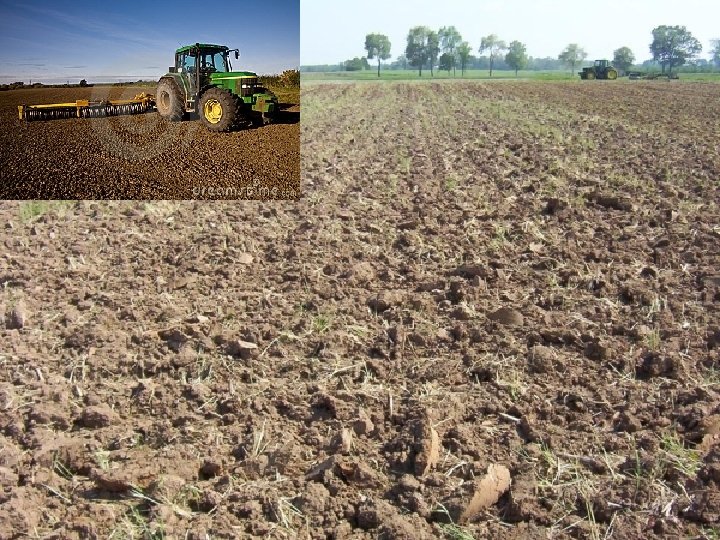
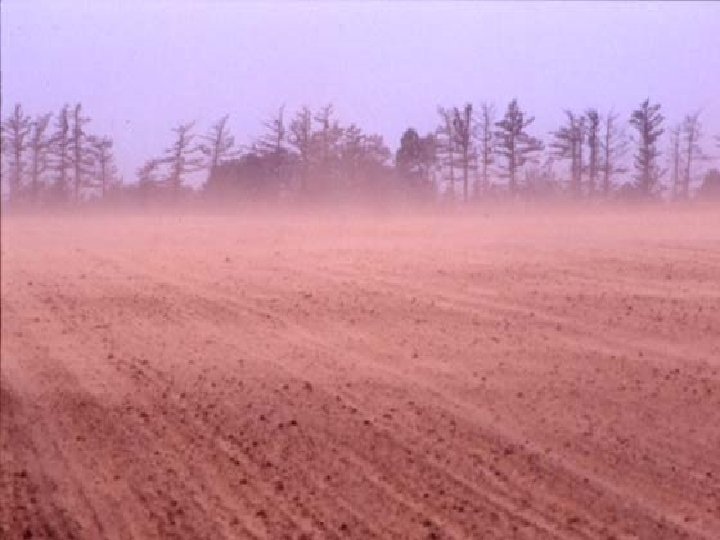
Problem: Erosion • Conventional Tillage: Soil (crop fields) plowed in the fall which leaves soil bare during the winter/early spring – Soil is exposed to wind and rain – Vulnerable to erosion
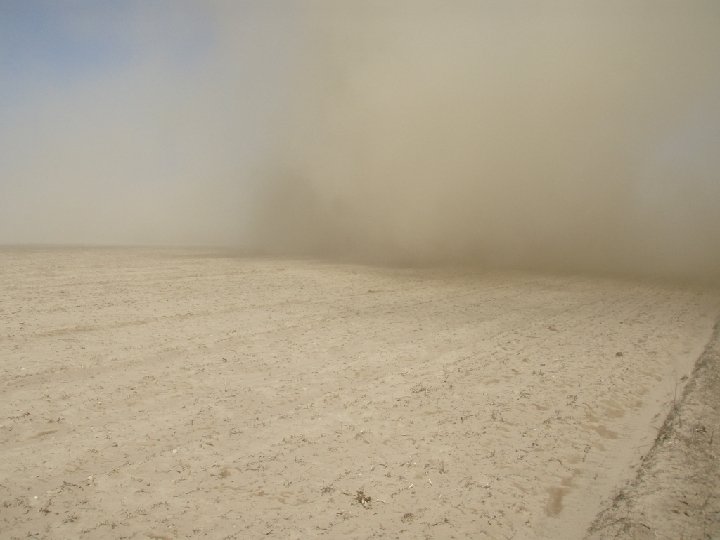
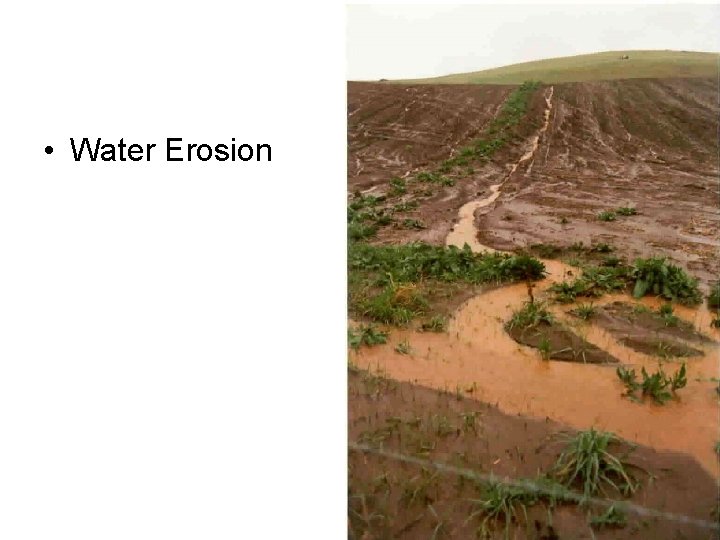
• Water Erosion
– Years of over-plowing + drought = Dust Bowl of the 1930’s – In some areas of the Great Plains, topsoil has decreased in thickness from 12 inches to less than 4 inches due to human activities!!
Methods to prevent or reduce soil erosion Conservation tillage: soil is disturbed as little as possible Minimum Tillage: soil is not disturbed over the winter, it is turned over at planting time No-till: seeds/fertilizers injected into unplowed soil or cover crops (video clip!)
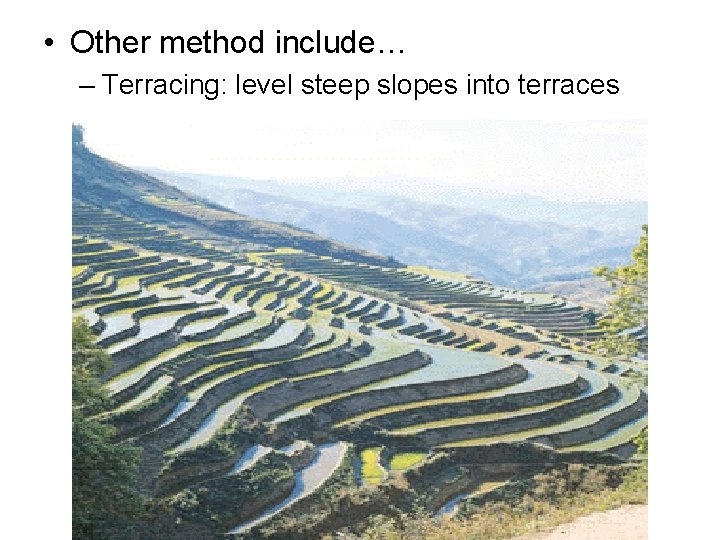
• Other method include… – Terracing: level steep slopes into terraces
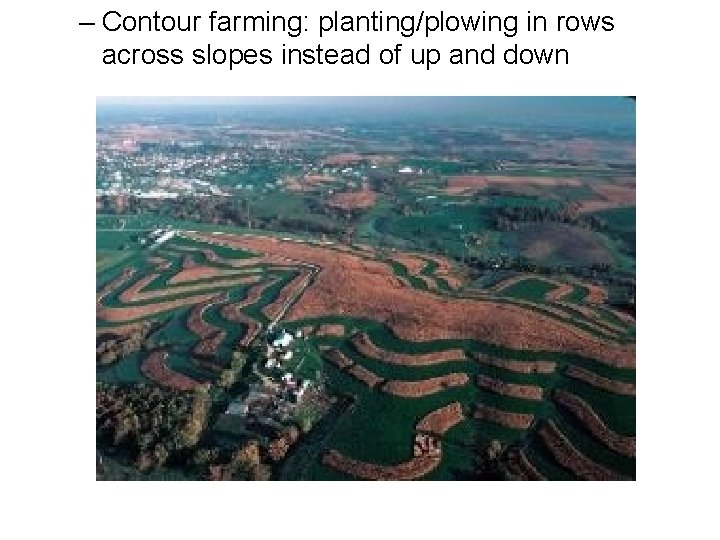
– Contour farming: planting/plowing in rows across slopes instead of up and down
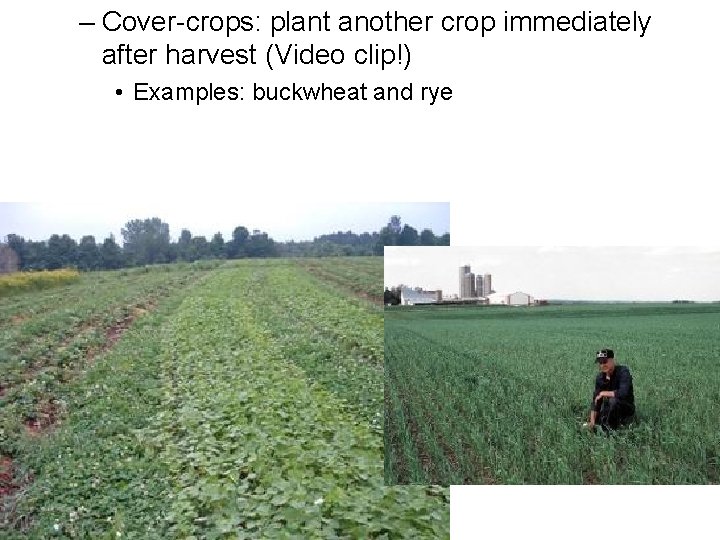
– Cover-crops: plant another crop immediately after harvest (Video clip!) • Examples: buckwheat and rye
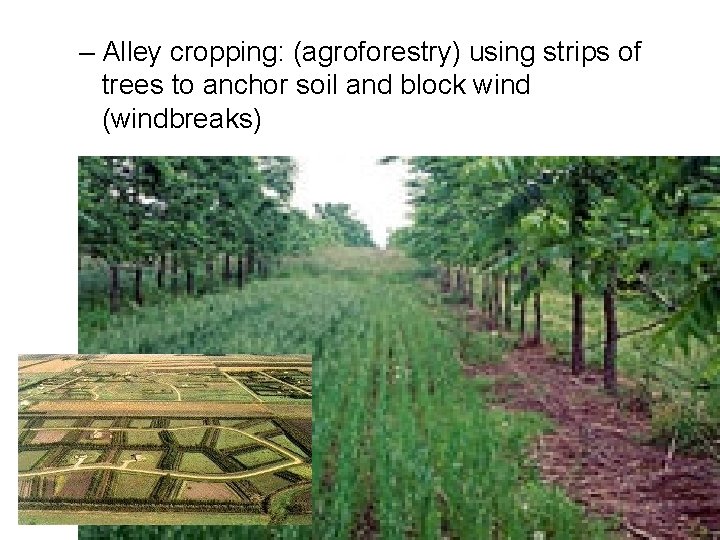
– Alley cropping: (agroforestry) using strips of trees to anchor soil and block wind (windbreaks)
• Plant Perennials instead of Annuals – Perennial: a plant that lives for more than two years • Examples: apples, strawberries, herbs, okra, potatoes, asparagus – Annual: a plant that only lives for one year • Examples: wheat, rice, corn

Problem: Nutrient Depletion • Repeated crop harvesting depletes soil of nutrients.
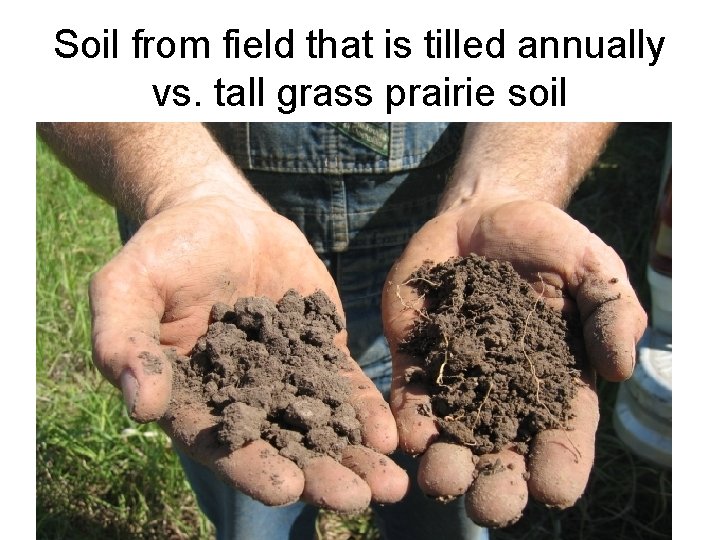
Soil from field that is tilled annually vs. tall grass prairie soil
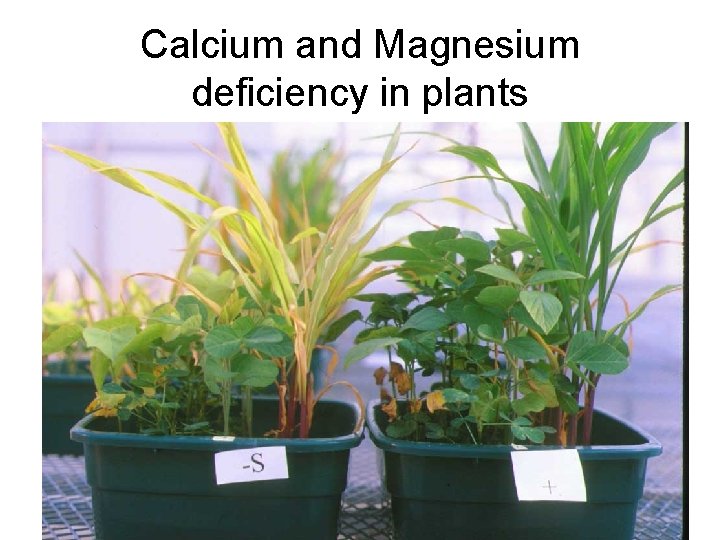
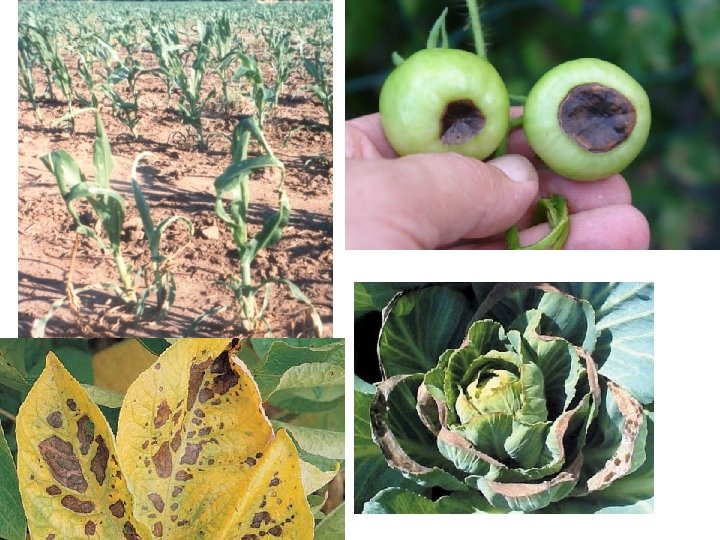
Calcium and Magnesium deficiency in plants
“There is no way of growing crops or human bodies without Nitrogen” – Review… • Where does nitrogen come from? And • How do we get nitrogen? ? ?
Methods to reduce nutrient depletion • Conventional fertilizers: Inorganic – made commercially, not naturally – Fertilizers are inorganic compounds containing N, P, K (NPK) – To make these – Nitrogen gas is combined with Hydrogen gas under immense heat and pressure in the presence of a catalyst
however… Need A LOT of electricity and the Hydrogen comes from coal, oil, or natural gas!!!! The process was created by a chemist who was designing poison gases for war… Industrial farming begins…
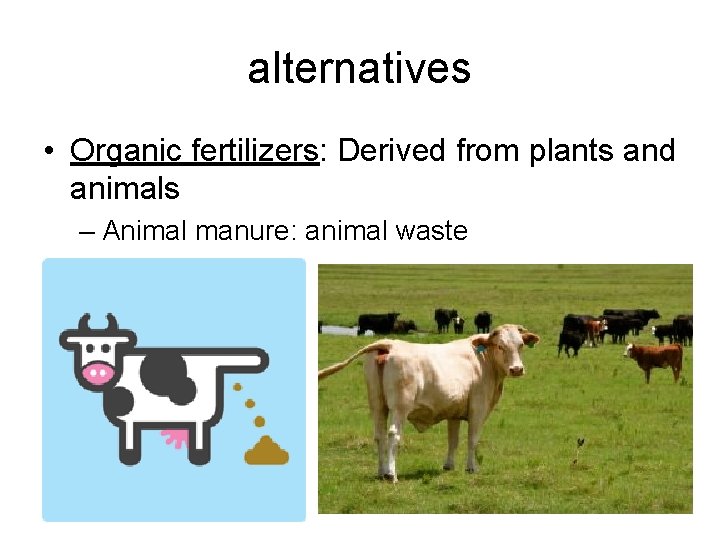
alternatives • Organic fertilizers: Derived from plants and animals – Animal manure: animal waste
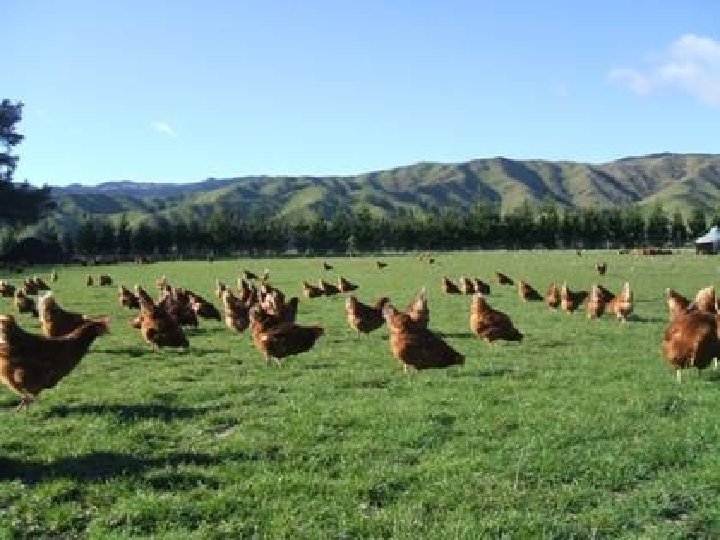
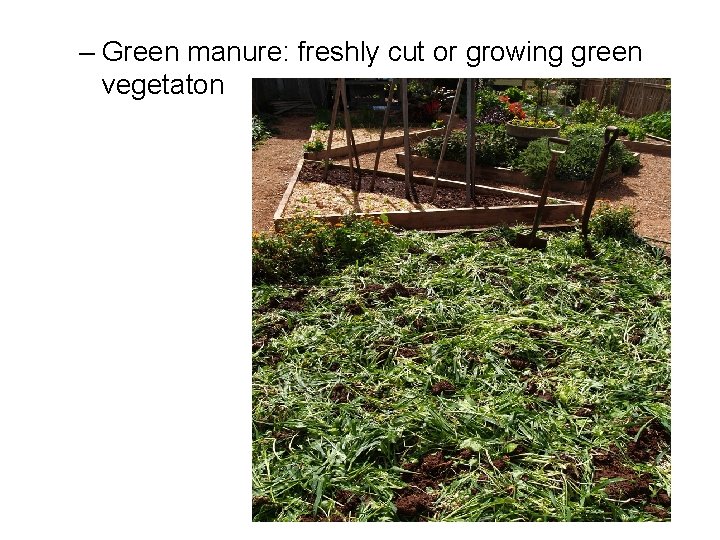
– Green manure: freshly cut or growing green vegetaton
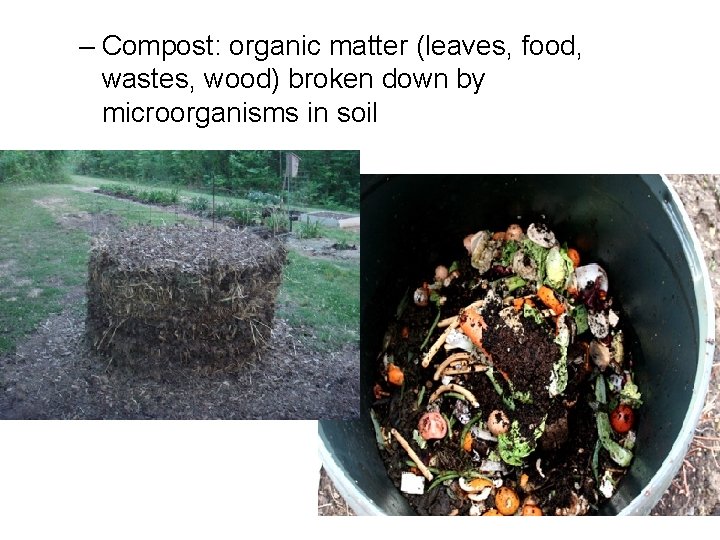
– Compost: organic matter (leaves, food, wastes, wood) broken down by microorganisms in soil
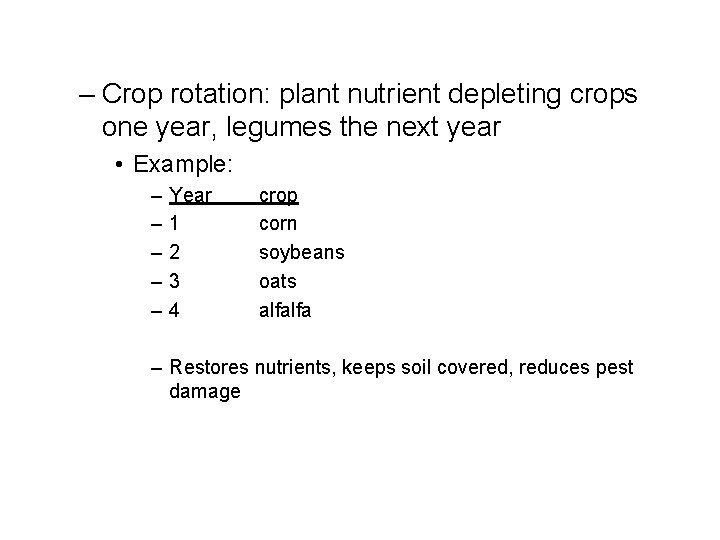
– Crop rotation: plant nutrient depleting crops one year, legumes the next year • Example: – – – Year 1 2 3 4 crop corn soybeans oats alfalfa – Restores nutrients, keeps soil covered, reduces pest damage
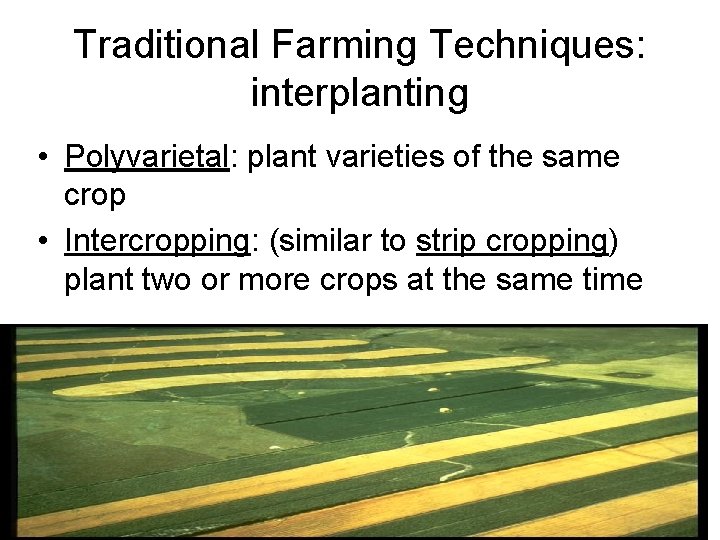
Traditional Farming Techniques: interplanting • Polyvarietal: plant varieties of the same crop • Intercropping: (similar to strip cropping) plant two or more crops at the same time
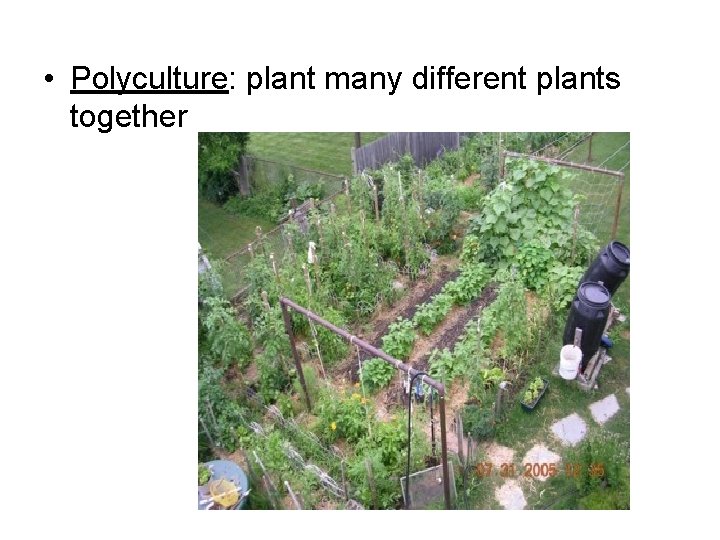
• Polyculture: plant many different plants together
Other problems
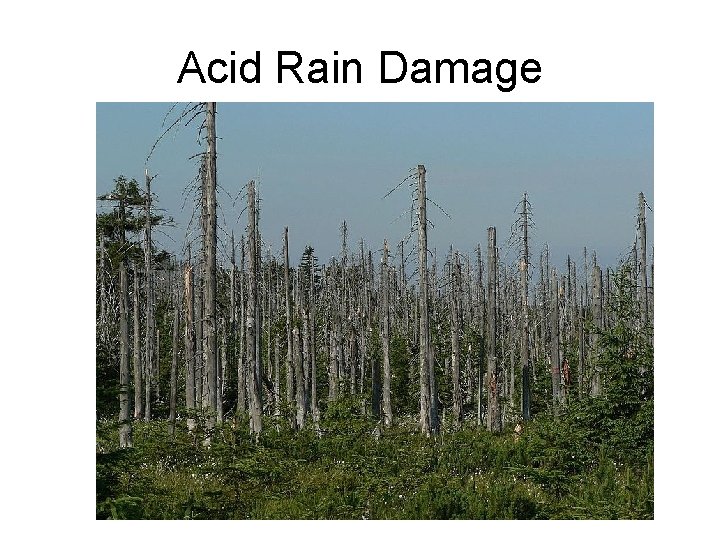
Acid Rain Damage
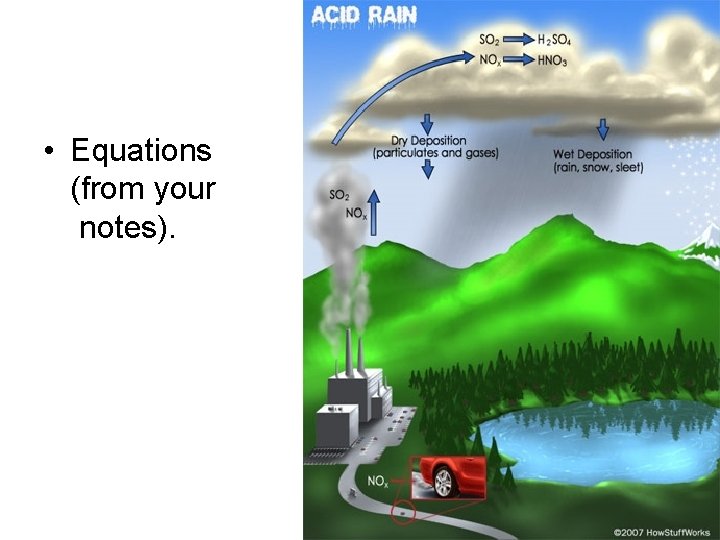
• Equations (from your notes).
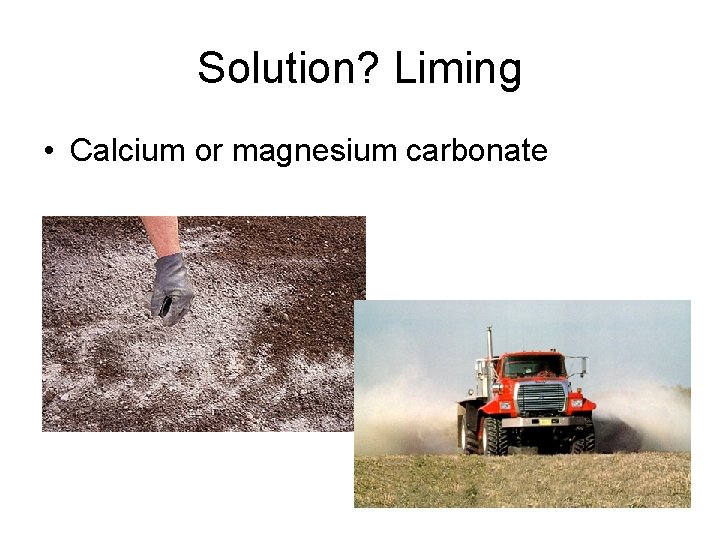
Solution? Liming • Calcium or magnesium carbonate
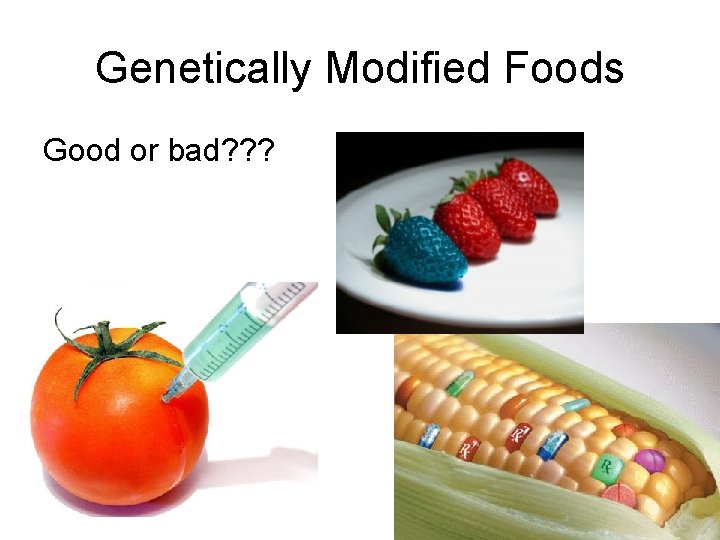
Genetically Modified Foods Good or bad? ? ?
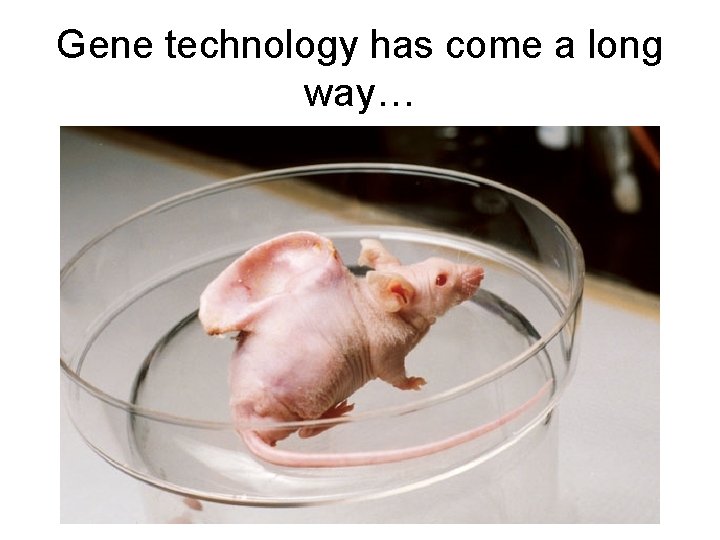
Gene technology has come a long way…

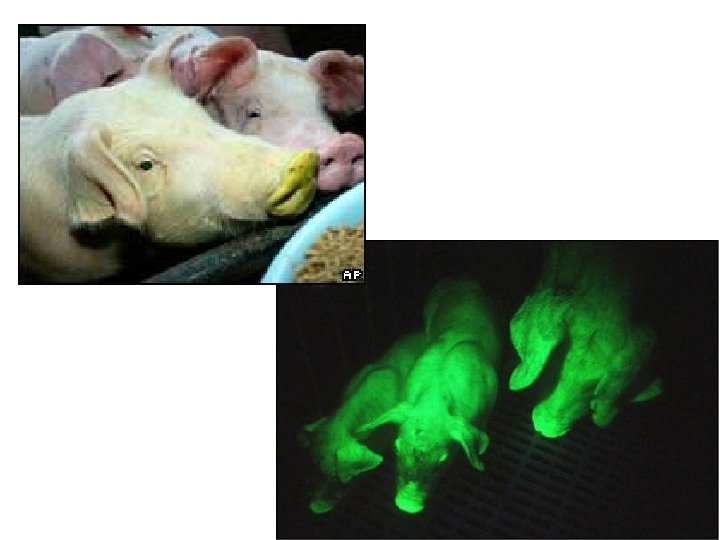
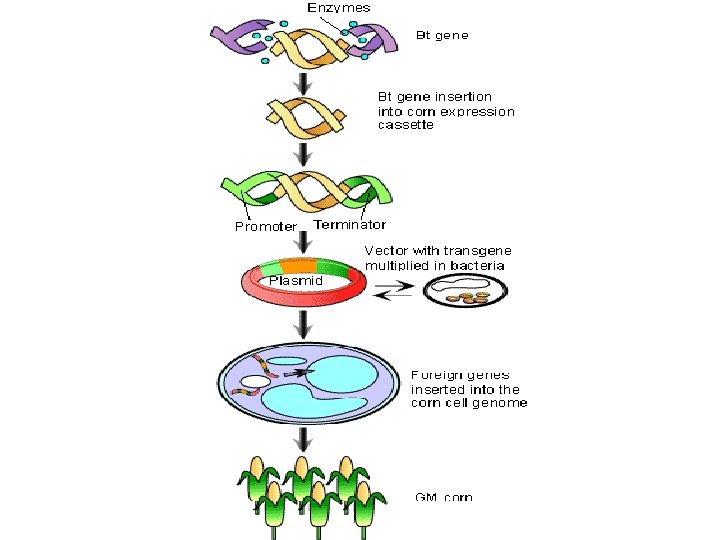
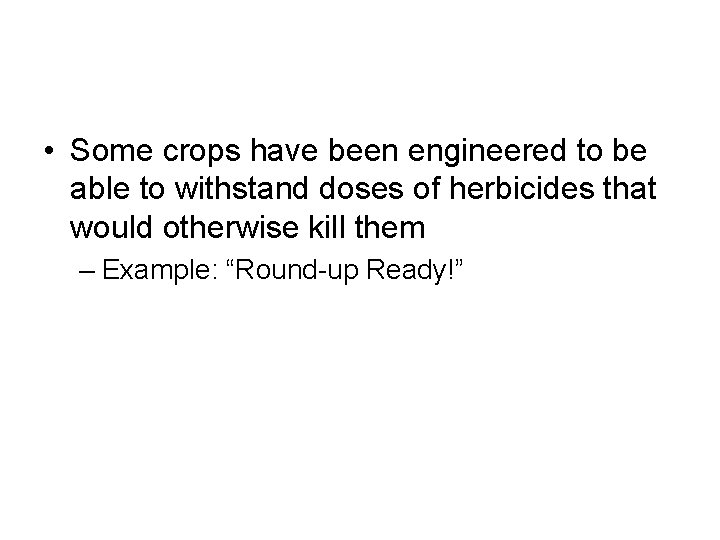
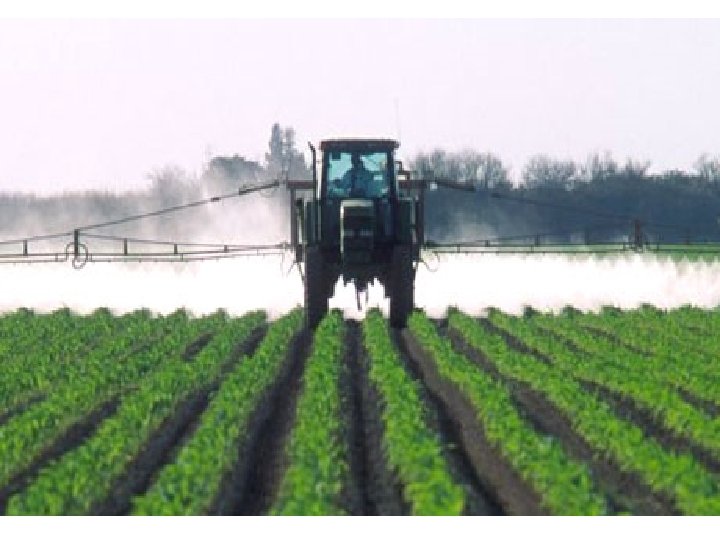
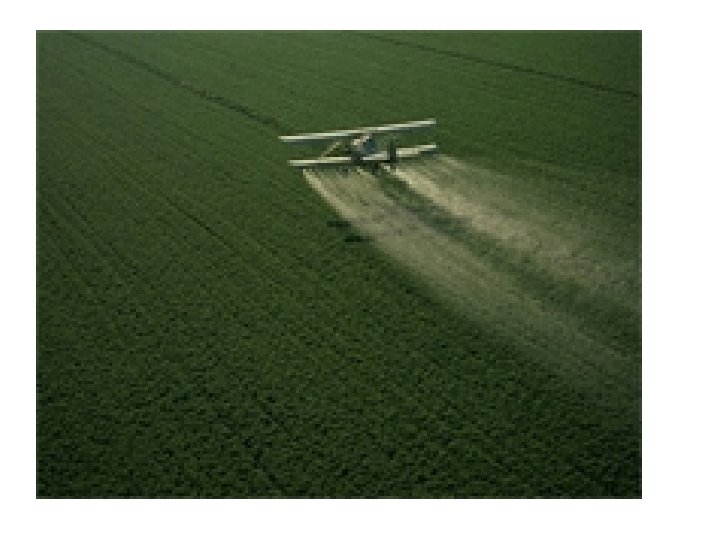
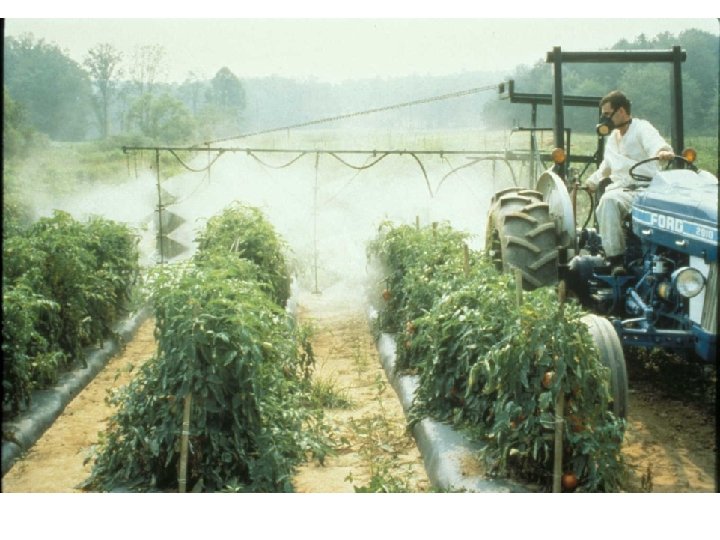
• Some crops have been engineered to be able to withstand doses of herbicides that would otherwise kill them – Example: “Round-up Ready!”
The “Bad”… • Read from Barbara Kingsolver’s “Small Wonder”
The “Good” • Pest Resistance • Improved Yield • Tolerance to Biotic and Abiotic Stress • Use of Marginalized Land • Nutritional Benefits
- Slides: 53