
Agricultural and Commercial Revolution Economic Recovery By 1000

Agricultural and Commercial Revolution!

Economic Recovery • By 1000, Europe starts to regain its economy • New farming techniques and technology
Technology Advancements • Iron plows-carved deep into the soil • Horsepower-made use of horses to plow the fields • Windmill- used wind power to grind grain into flower
Expanding Production • Feudal lords pushed their peasants and serfs to – Clear forests – Drain swamps – Reclaim wasteland UTILIZE LAND!

• Three Field System!

All of these improvements… • Produced more food • Population increased (doubled in size).
Trade begins again! • With new tools and technology for farming, not all goods were available on the manor. • Example: Iron for tools • Feudal warfare declines and people are able to leave the manor and trade for goods and supplies

What goods did they trade? • • Iron Fine wool Furs spices
New Trade Routes • Merchant companies were formed. • Traveled in armed caravans for safety. • Exchanged local goods for those rare items from Asia and the Middle East.
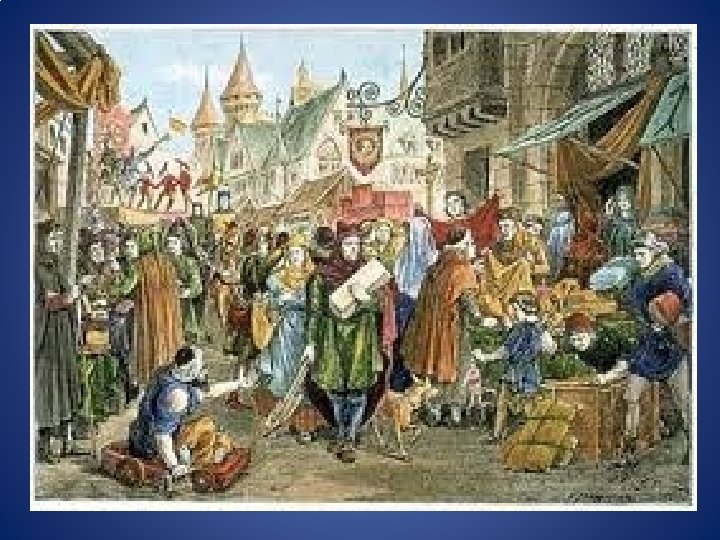
Trade Fairs • People from villages, towns, and castles came together to trade and entertain • They took place near navigable rivers where trade routes met. • Peasants traded farm goods and animals • Nobles and lords were able to buy fine woolens, swords, sugar, and silks.
New towns and cities • Small centers of trade began the development of the first medieval cities! • Populations of these growing cities ranged from 10, 000 to 100, 000 people. • Most prosperous cities: Northern Italy
• Charter: written document that set out the rights and privileges of the town. • Merchants asked the Lord or King for this charter to set up the new town • A large sum of money was paid for this charter. • Anyone that lived in the town for a year was considered free (serfs!)

Money’s back! • With the revival of trade comes capital(money). • Growth of economy and banking • Starts moneylending(usury) • Church thought usury to be immoral
New Business Practices • Partnerships • Insurance • Bill of Exchange(deposit money with bankers so gold did not have to be carried because they were easily stolen)
Social Changes • Peasants became tenant farmers – They no longer had to pay in labor they could pay in capital.
• New social classes appeared – Merchants, artisans, and traders. – Considered the “middle class”
Guilds • • Associations for Merchants Passed laws Levied taxes Decided how to spend funds
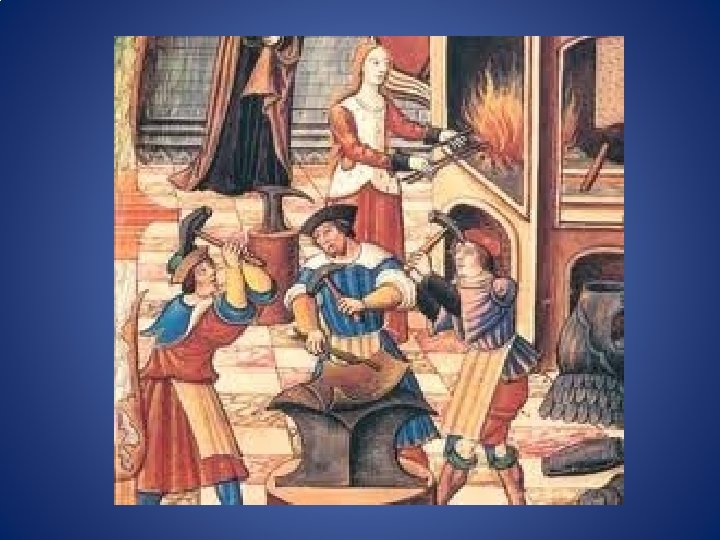
• Craft guilds-represented different branches or workers • Weavers, bakers, brewers, swordmakers, goldsmiths,
Why were guilds created? • • • To prevent competition Limit hours of labor Set prices Ensure the quality of the goods Provide social services(opened schools, hospitals, gave to poor etc. )

How to become a guild member? • Apprentice: years of training under a master. • Usually spent around seven years learning a trade.
- Slides: 22