
AGILE IN THE BANKING INDUSTRY EXPLORING MULTIPLE LEVELS
AGILE IN THE BANKING INDUSTRY: EXPLORING MULTIPLE LEVELS OF AGILE TRANSFORMATION PROCESS FACILITATORS AND CHALLENGES FROM A PEOPLE PERSPECTIVE
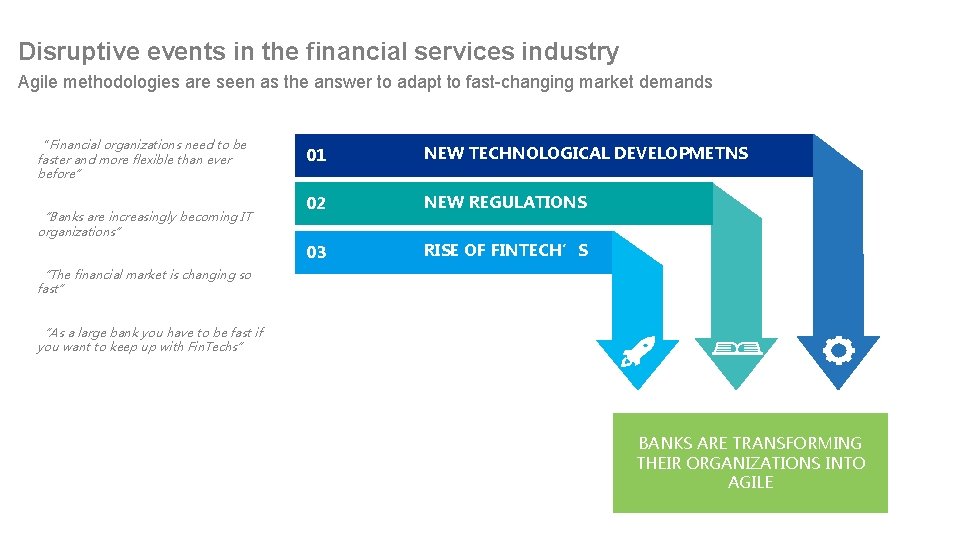
Disruptive events in the financial services industry Agile methodologies are seen as the answer to adapt to fast-changing market demands “Financial organizations need to be faster and more flexible than ever before” “Banks are increasingly becoming IT organizations” 01 NEW TECHNOLOGICAL DEVELOPMETNS 02 NEW REGULATIONS 03 RISE OF FINTECH’S “The financial market is changing so fast” “As a large bank you have to be fast if you want to keep up with Fin. Techs” BANKS ARE TRANSFORMING THEIR ORGANIZATIONS INTO AGILE
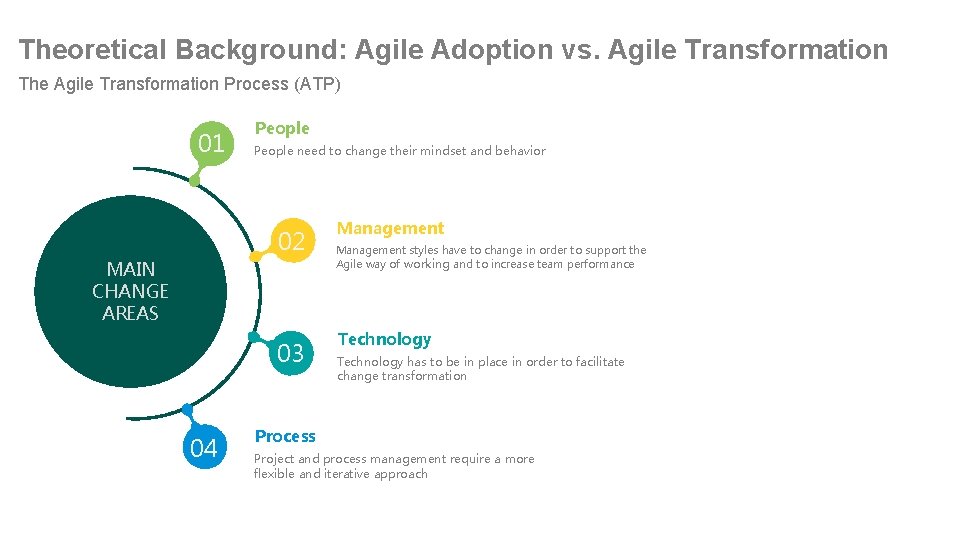
Theoretical Background: Agile Adoption vs. Agile Transformation The Agile Transformation Process (ATP) 01 People need to change their mindset and behavior 02 MAIN CHANGE AREAS 03 04 Management styles have to change in order to support the Agile way of working and to increase team performance Technology has to be in place in order to facilitate change transformation Process Project and process management require a more flexible and iterative approach
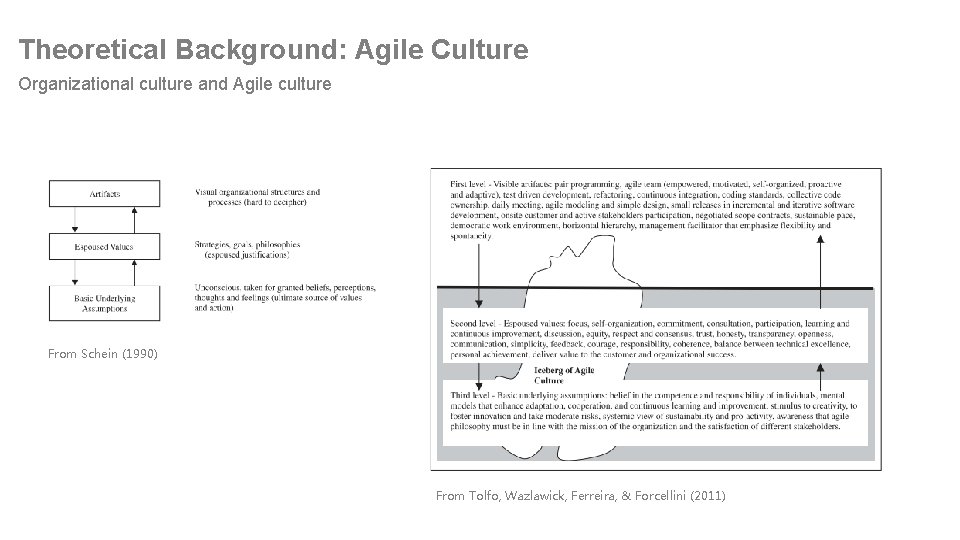
Theoretical Background: Agile Culture Organizational culture and Agile culture From Schein (1990) From Tolfo, Wazlawick, Ferreira, & Forcellini (2011)
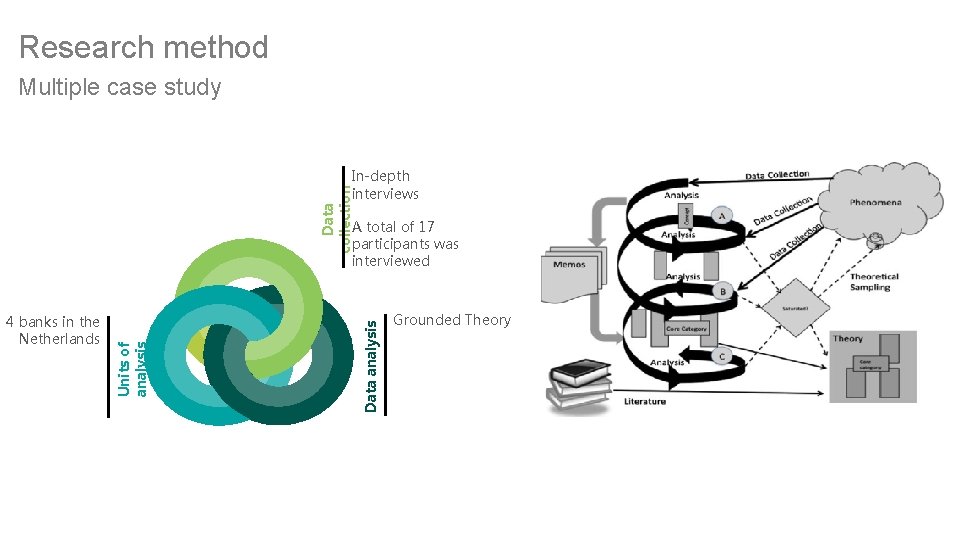
Research method Multiple case study Data collection In-depth interviews Data analysis 4 banks in the Netherlands Units of analysis A total of 17 participants was interviewed Grounded Theory
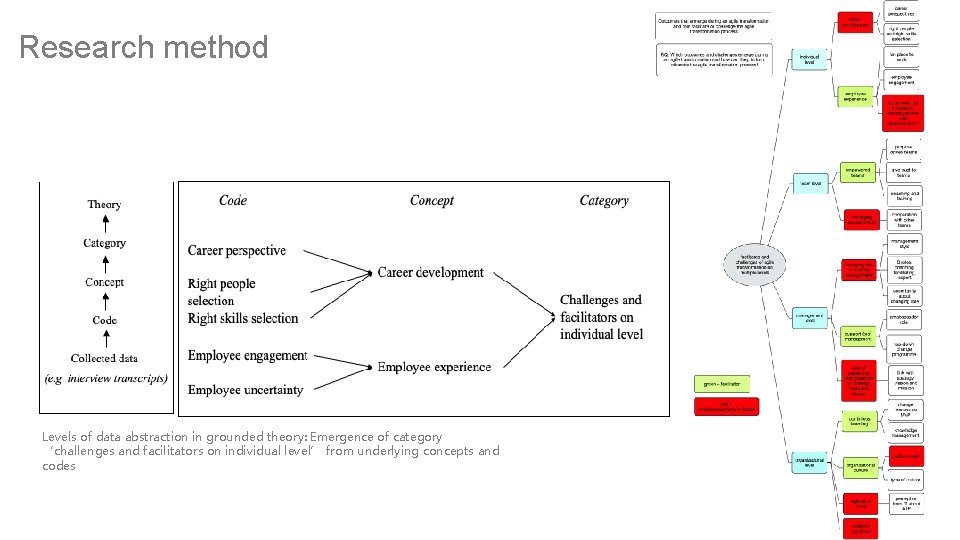
Research method Levels of data abstraction in grounded theory: Emergence of category ‘challenges and facilitators on individual level’ from underlying concepts and codes
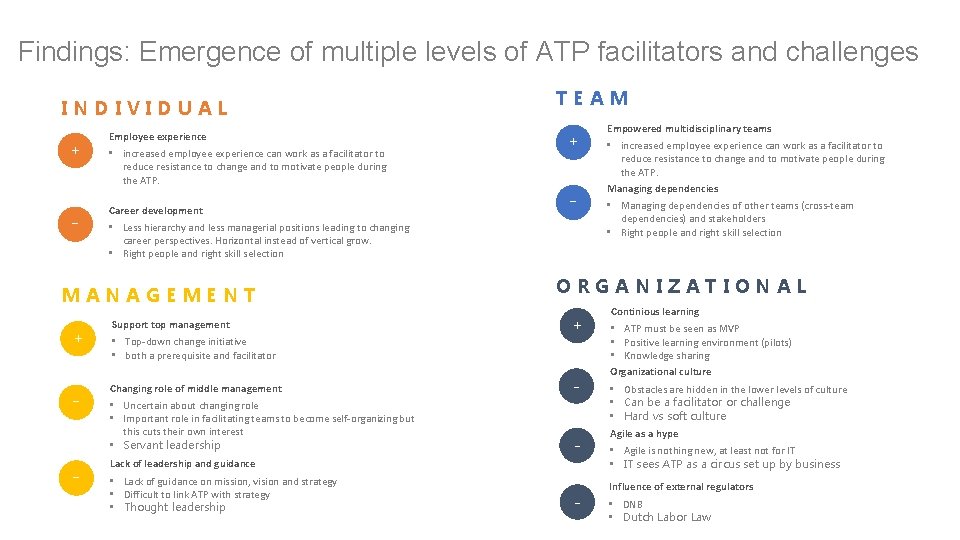
Findings: Emergence of multiple levels of ATP facilitators and challenges INDIVIDUAL + - Employee experience • increased employee experience can work as a facilitator to reduce resistance to change and to motivate people during the ATP. Career development - + - • Less hierarchy and less managerial positions leading to changing career perspectives. Horizontal instead of vertical grow. • Right people and right skill selection MANAGEMENT + TEAM Support top management • Uncertain about changing role • Important role in facilitating teams to become self-organizing but this cuts their own interest • Servant leadership Lack of leadership and guidance • Lack of guidance on mission, vision and strategy • Difficult to link ATP with strategy • Thought leadership • increased employee experience can work as a facilitator to reduce resistance to change and to motivate people during the ATP. Managing dependencies • Managing dependencies of other teams (cross-team dependencies) and stakeholders • Right people and right skill selection ORGANIZATIONAL + • Top-down change initiative • both a prerequisite and facilitator Changing role of middle management Empowered multidisciplinary teams - Continious learning • ATP must be seen as MVP • Positive learning environment (pilots) • Knowledge sharing Organizational culture • Obstacles are hidden in the lower levels of culture • Can be a facilitator or challenge • Hard vs soft culture Agile as a hype • Agile is nothing new, at least not for IT • IT sees ATP as a circus set up by business Influence of external regulators • DNB • Dutch Labor Law
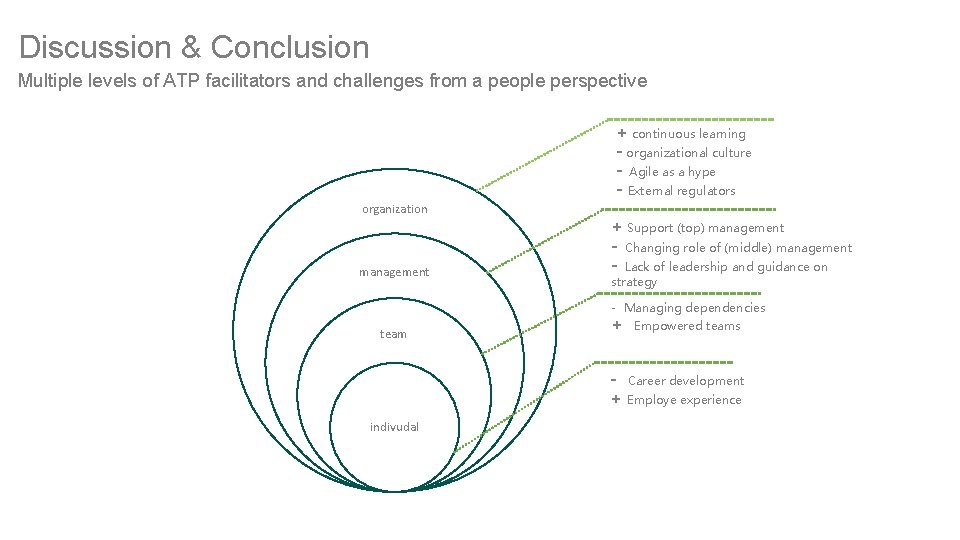
Discussion & Conclusion Multiple levels of ATP facilitators and challenges from a people perspective + continuous learning - organizational culture - Agile as a hype - External regulators organization management + Support (top) management - Changing role of (middle) management - Lack of leadership and guidance on strategy - Managing dependencies team + Empowered teams - Career development + Employe experience indivudal
- Slides: 8