
Agents and environments Agent Sensors Actuators Environment Percepts
- Slides: 66
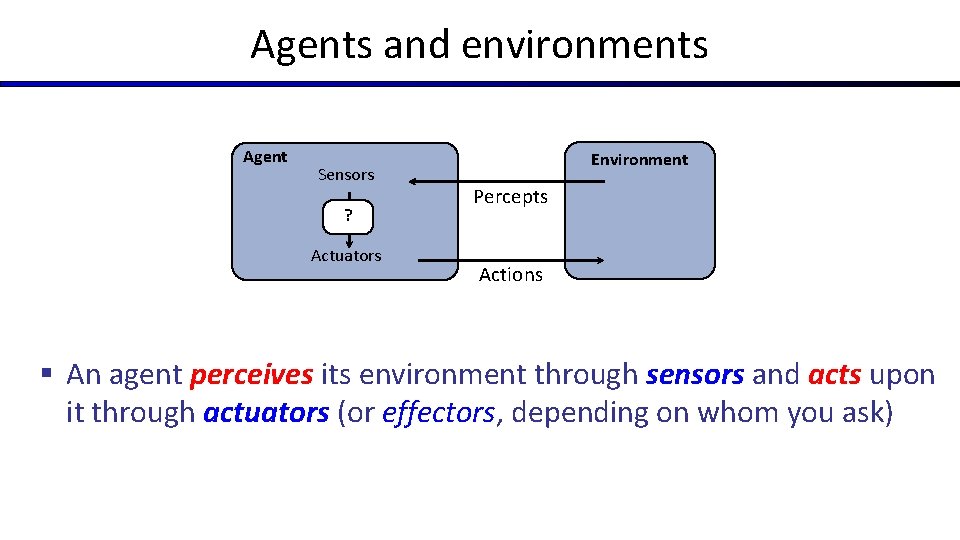
Agents and environments Agent Sensors ? Actuators Environment Percepts Actions § An agent perceives its environment through sensors and acts upon it through actuators (or effectors, depending on whom you ask)
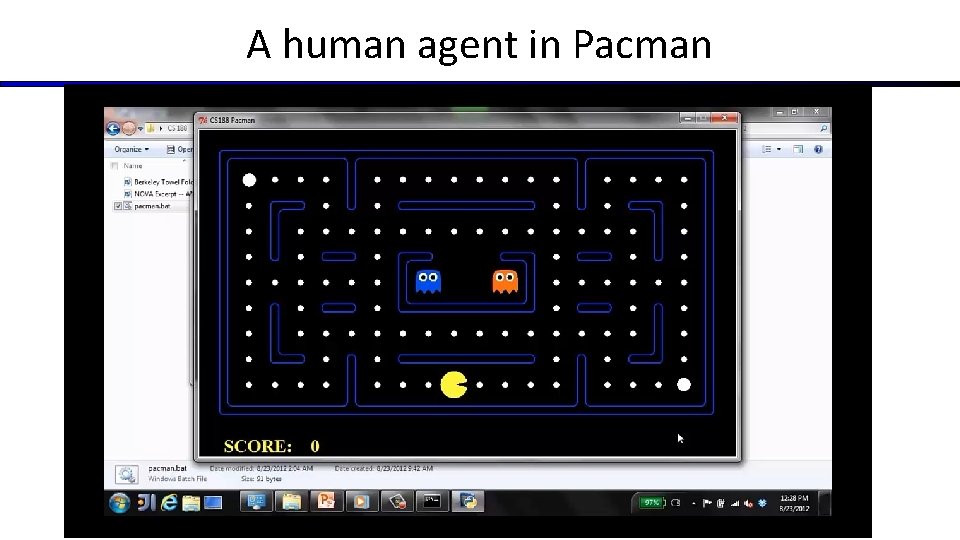
A human agent in Pacman
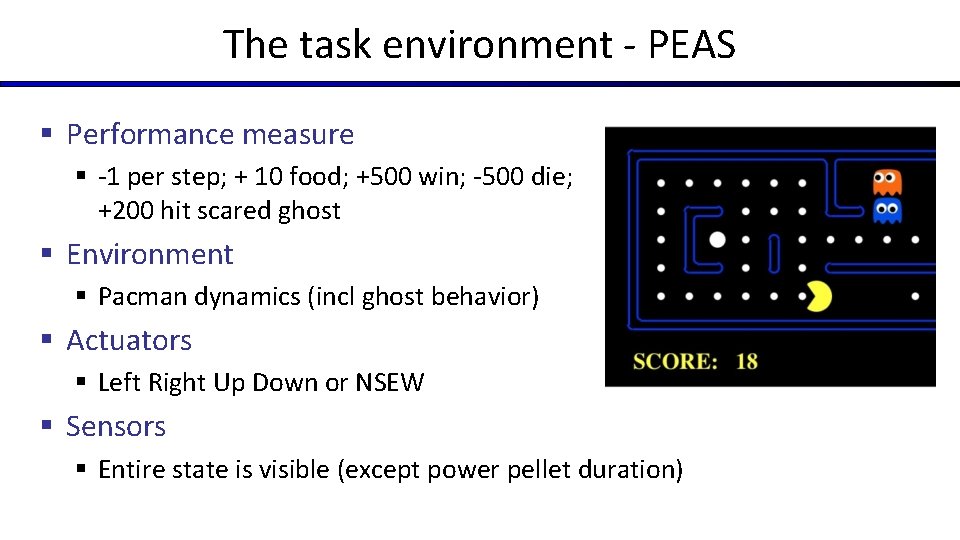
The task environment - PEAS § Performance measure § -1 per step; + 10 food; +500 win; -500 die; +200 hit scared ghost § Environment § Pacman dynamics (incl ghost behavior) § Actuators § Left Right Up Down or NSEW § Sensors § Entire state is visible (except power pellet duration)
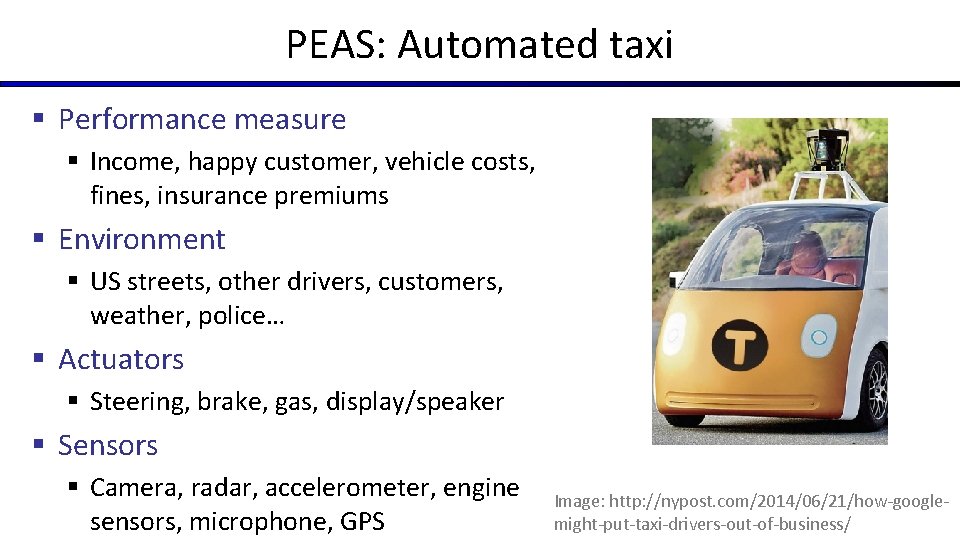
PEAS: Automated taxi § Performance measure § Income, happy customer, vehicle costs, fines, insurance premiums § Environment § US streets, other drivers, customers, weather, police… § Actuators § Steering, brake, gas, display/speaker § Sensors § Camera, radar, accelerometer, engine sensors, microphone, GPS Image: http: //nypost. com/2014/06/21/how-googlemight-put-taxi-drivers-out-of-business/
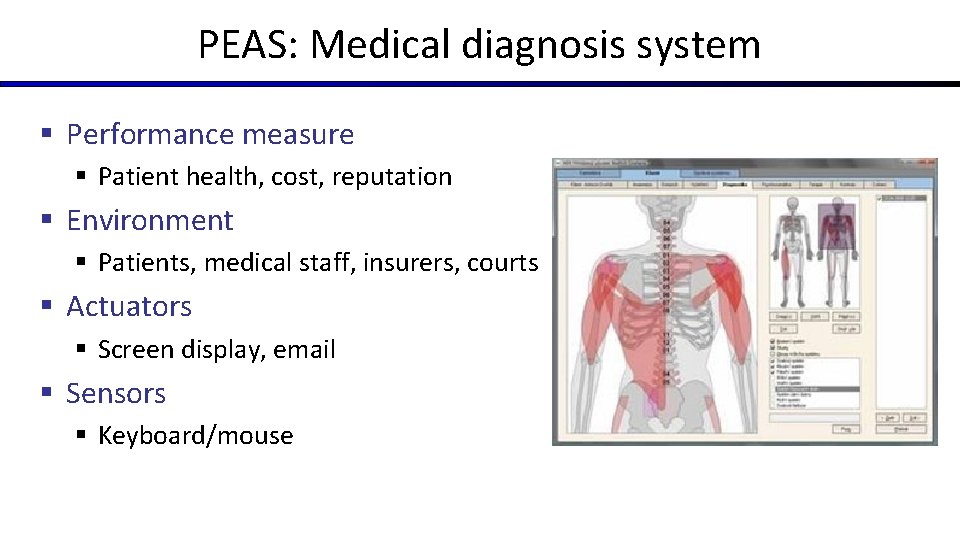
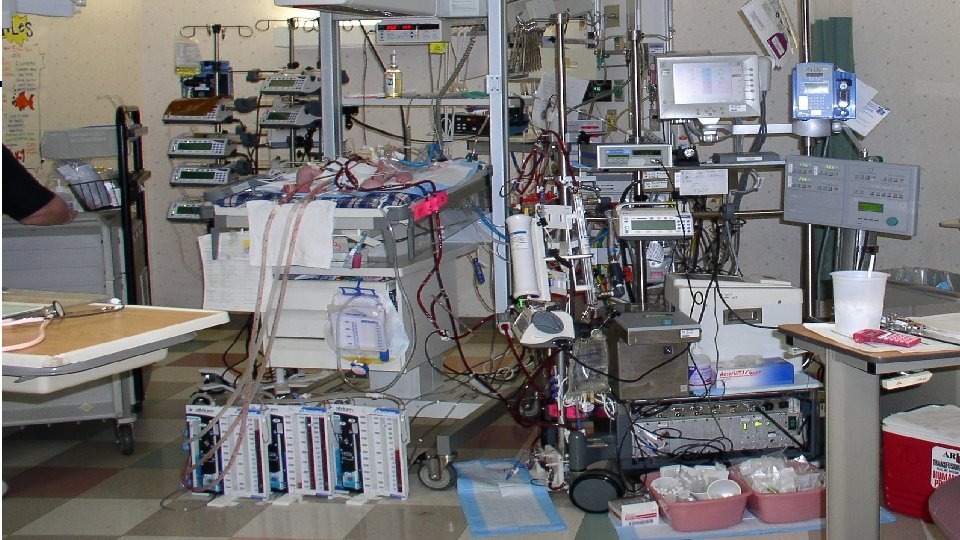
PEAS: Medical diagnosis system § Performance measure § Patient health, cost, reputation § Environment § Patients, medical staff, insurers, courts § Actuators § Screen display, email § Sensors § Keyboard/mouse
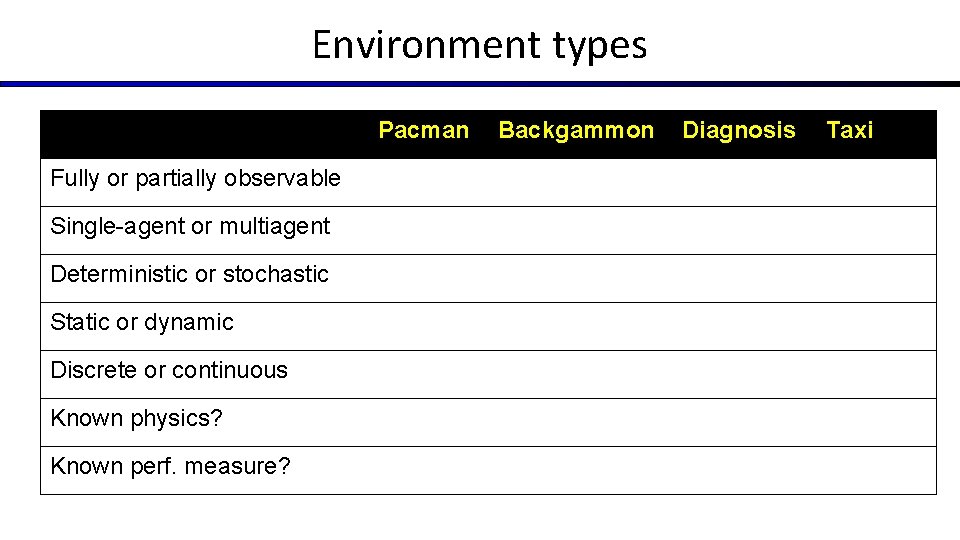
Environment types Pacman Fully or partially observable Single-agent or multiagent Deterministic or stochastic Static or dynamic Discrete or continuous Known physics? Known perf. measure? Backgammon Diagnosis Taxi
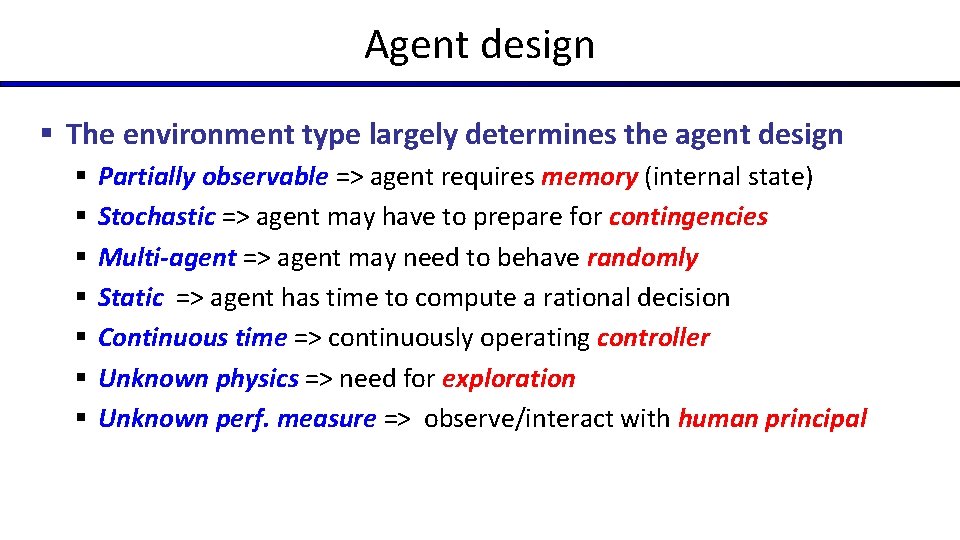
Agent design § The environment type largely determines the agent design § § § § Partially observable => agent requires memory (internal state) Stochastic => agent may have to prepare for contingencies Multi-agent => agent may need to behave randomly Static => agent has time to compute a rational decision Continuous time => continuously operating controller Unknown physics => need for exploration Unknown perf. measure => observe/interact with human principal
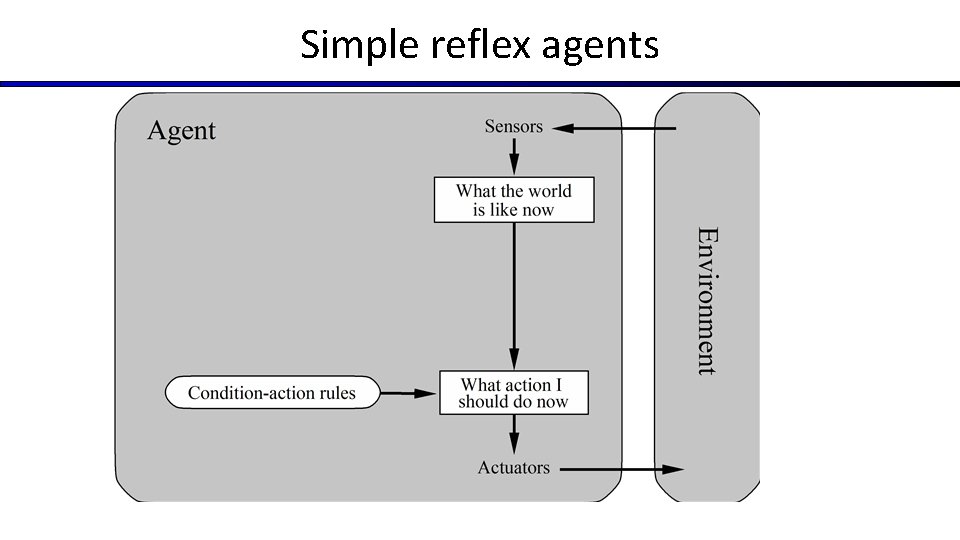
Simple reflex agents
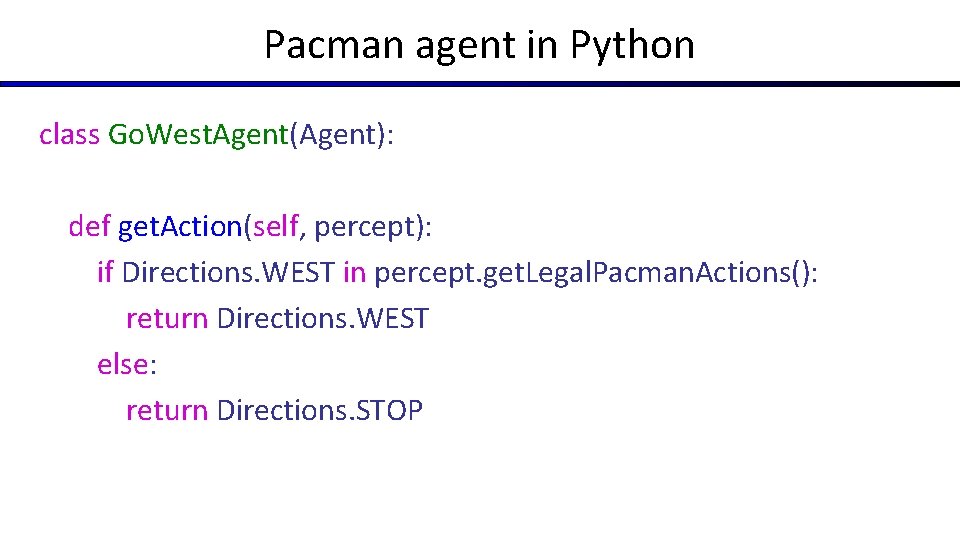
Pacman agent in Python class Go. West. Agent(Agent): def get. Action(self, percept): if Directions. WEST in percept. get. Legal. Pacman. Actions(): return Directions. WEST else: return Directions. STOP
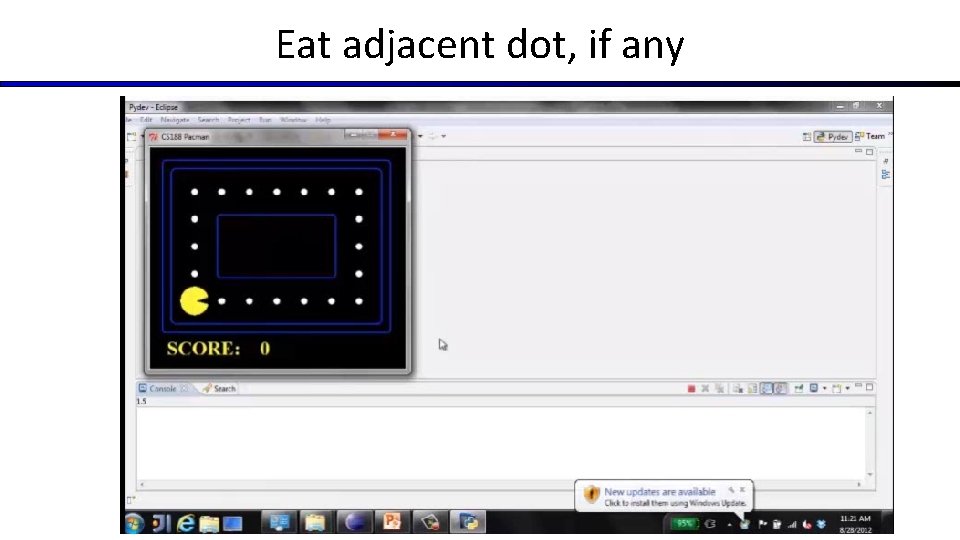
Eat adjacent dot, if any
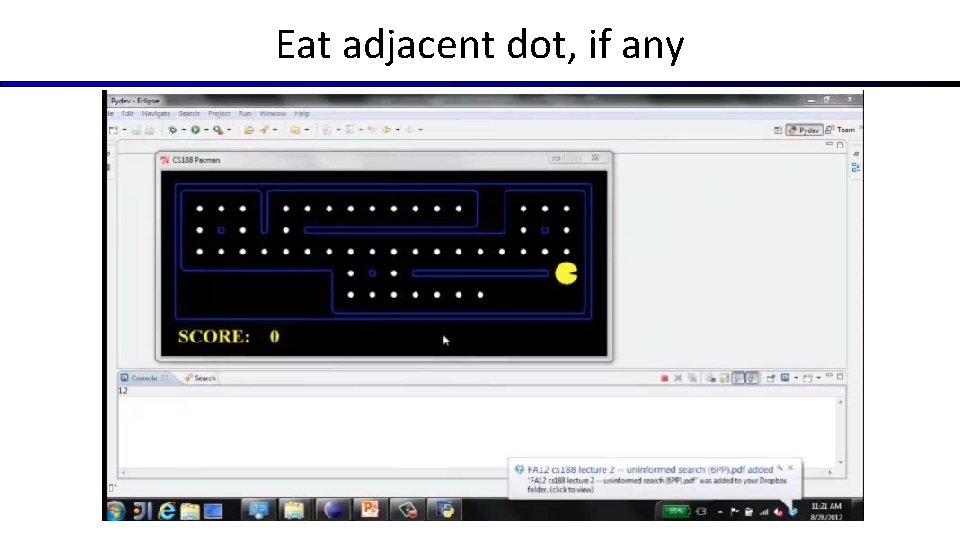
Eat adjacent dot, if any
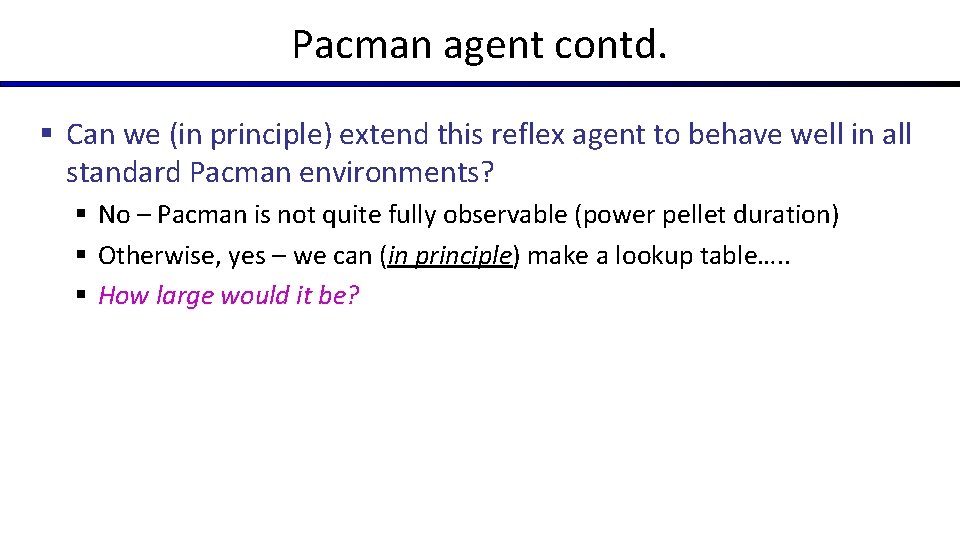
Pacman agent contd. § Can we (in principle) extend this reflex agent to behave well in all standard Pacman environments? § No – Pacman is not quite fully observable (power pellet duration) § Otherwise, yes – we can (in principle) make a lookup table…. . § How large would it be?
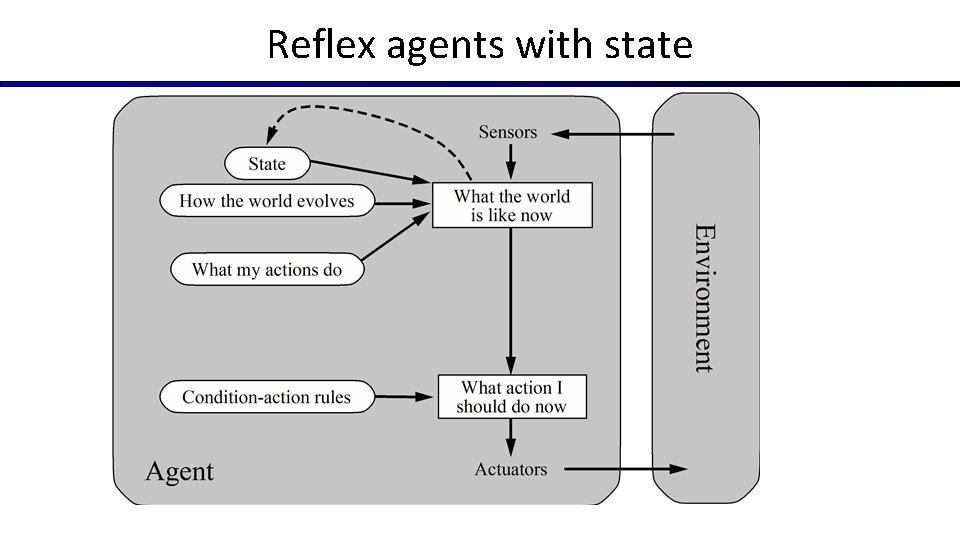
Reflex agents with state
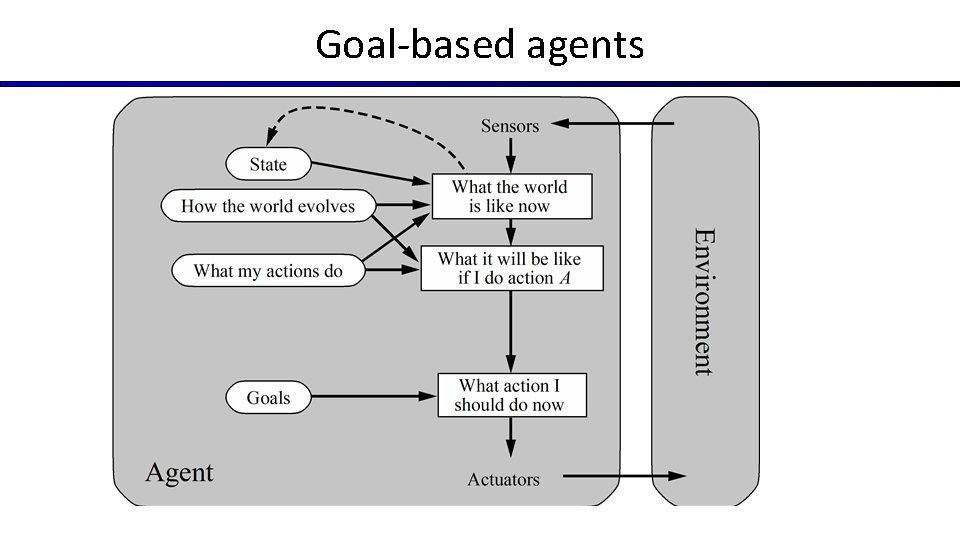
Goal-based agents
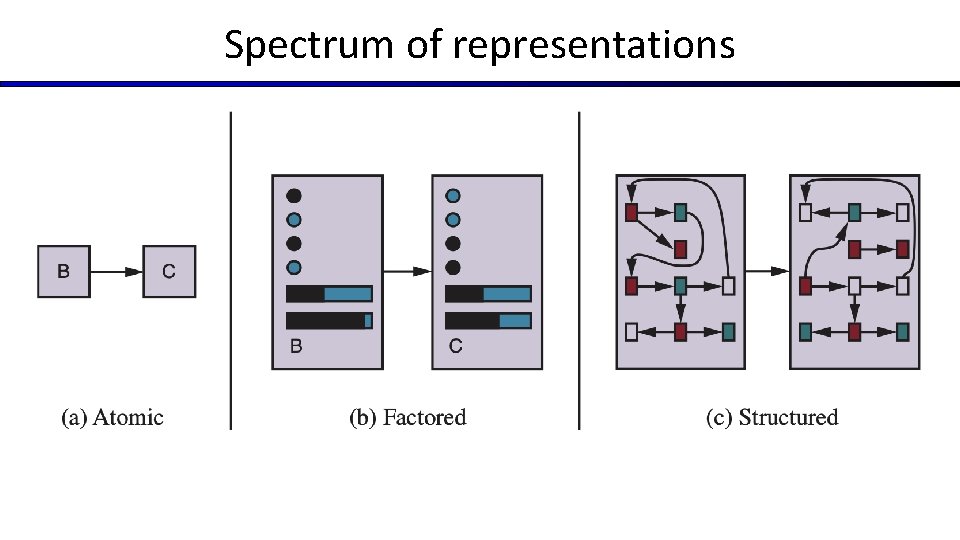
Spectrum of representations
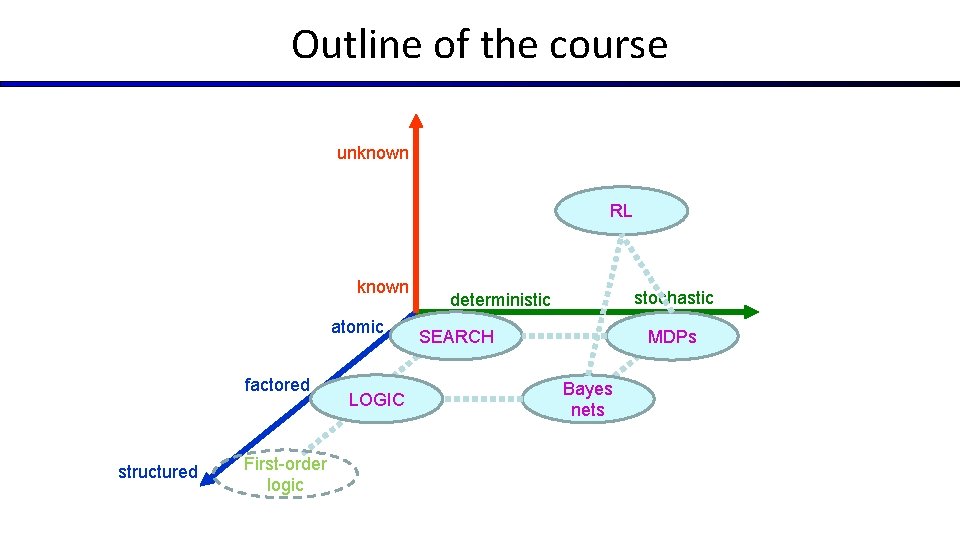
Outline of the course unknown RL known atomic factored structured First-order logic LOGIC stochastic deterministic SEARCH MDPs Bayes nets
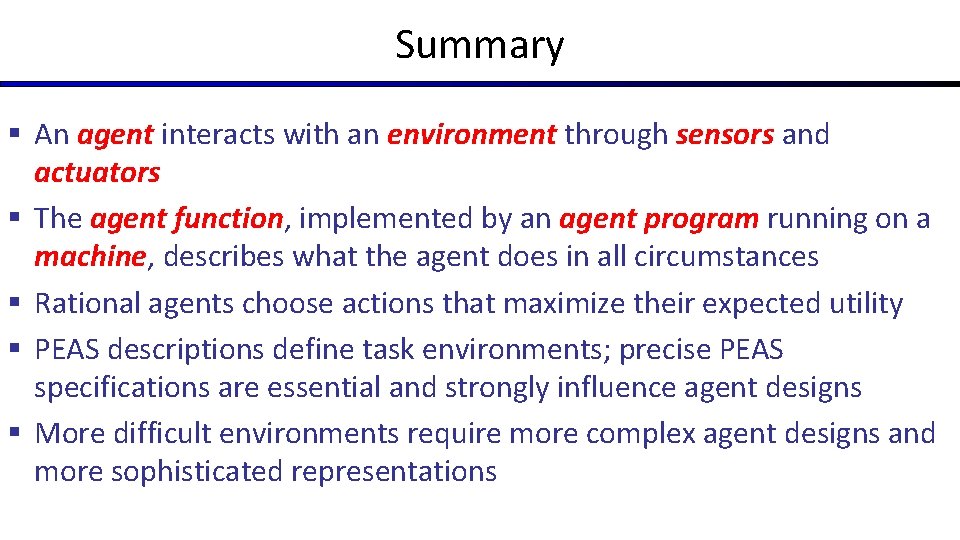
Summary § An agent interacts with an environment through sensors and actuators § The agent function, implemented by an agent program running on a machine, describes what the agent does in all circumstances § Rational agents choose actions that maximize their expected utility § PEAS descriptions define task environments; precise PEAS specifications are essential and strongly influence agent designs § More difficult environments require more complex agent designs and more sophisticated representations
CS 188: Artificial Intelligence Search Instructors: Stuart Russell and Dawn Song University of California, Berkeley [slides adapted from Dan Klein, Pieter Abbeel]
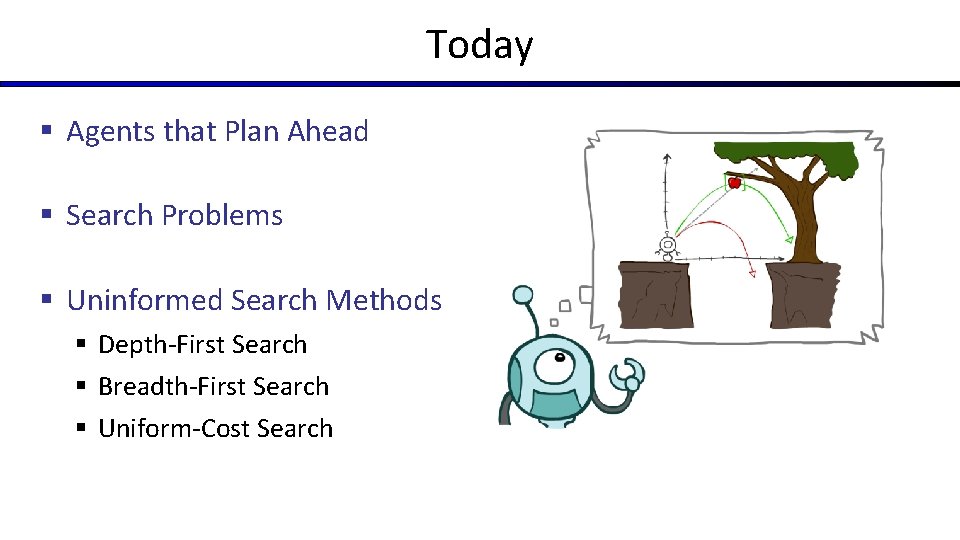
Today § Agents that Plan Ahead § Search Problems § Uninformed Search Methods § Depth-First Search § Breadth-First Search § Uniform-Cost Search
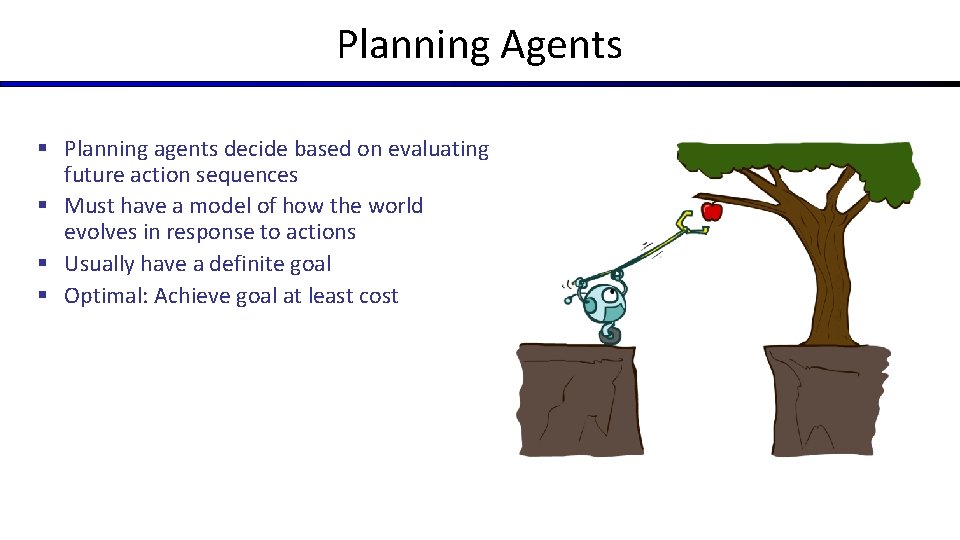
Planning Agents § Planning agents decide based on evaluating future action sequences § Must have a model of how the world evolves in response to actions § Usually have a definite goal § Optimal: Achieve goal at least cost
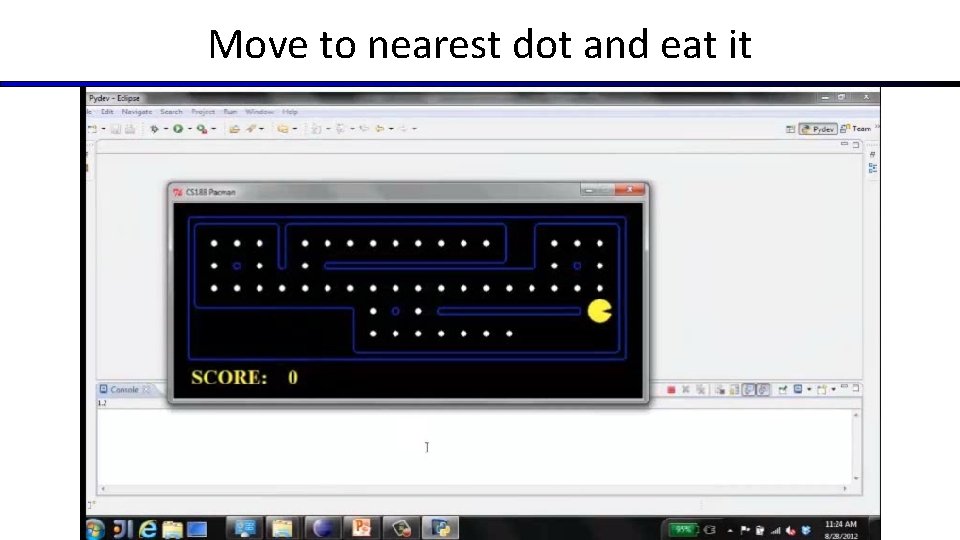
Move to nearest dot and eat it
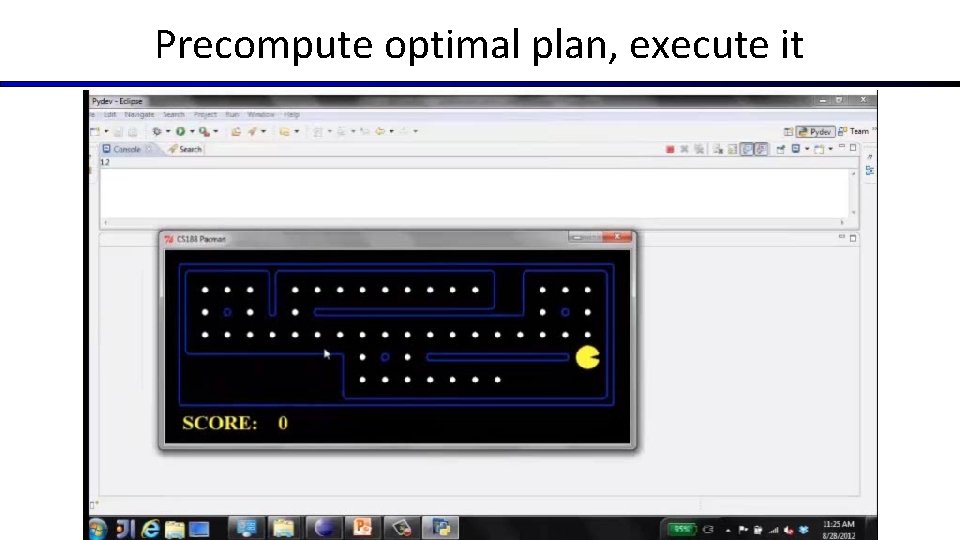
Precompute optimal plan, execute it
Search Problems
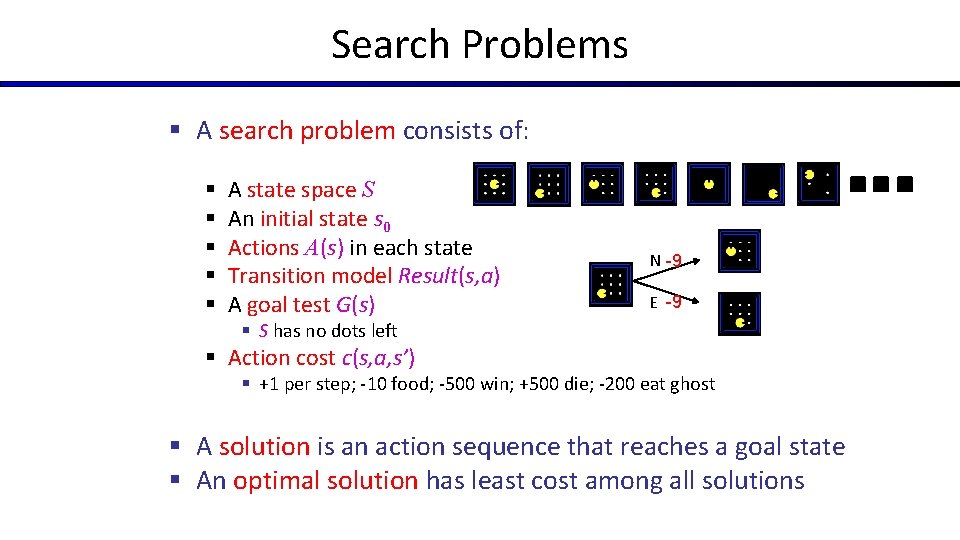
Search Problems § A search problem consists of: § § § A state space S An initial state s 0 Actions A(s) in each state Transition model Result(s, a) A goal test G(s) N -9 E -9 § S has no dots left § Action cost c(s, a, s’) § +1 per step; -10 food; -500 win; +500 die; -200 eat ghost § A solution is an action sequence that reaches a goal state § An optimal solution has least cost among all solutions
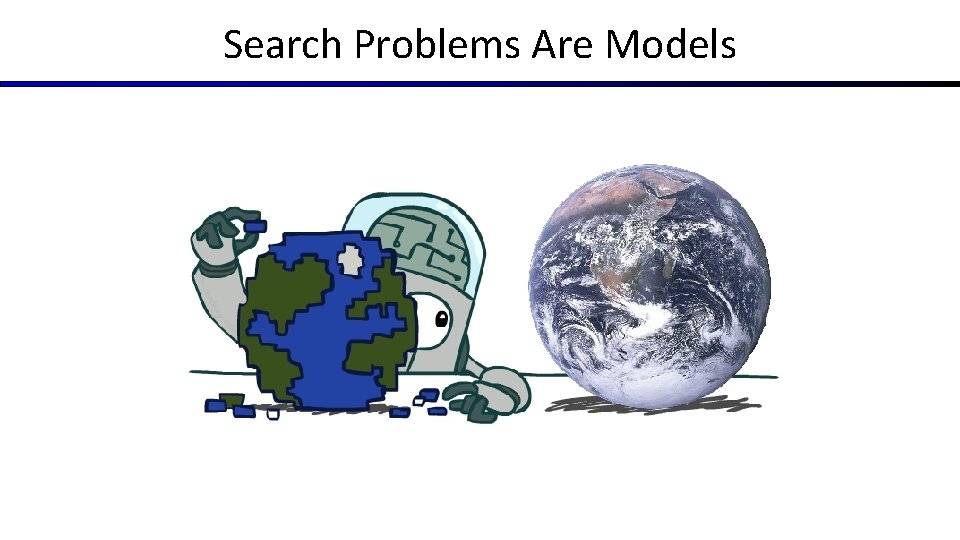
Search Problems Are Models
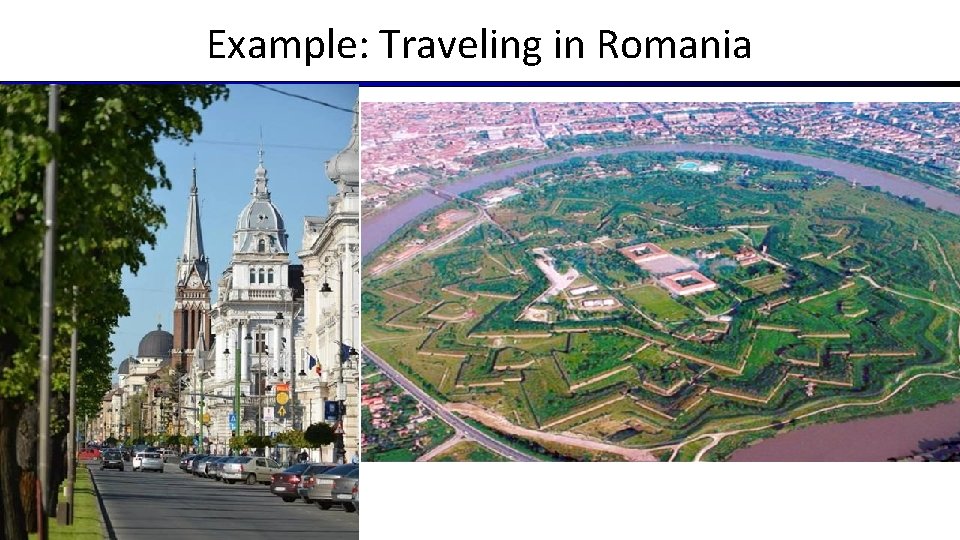
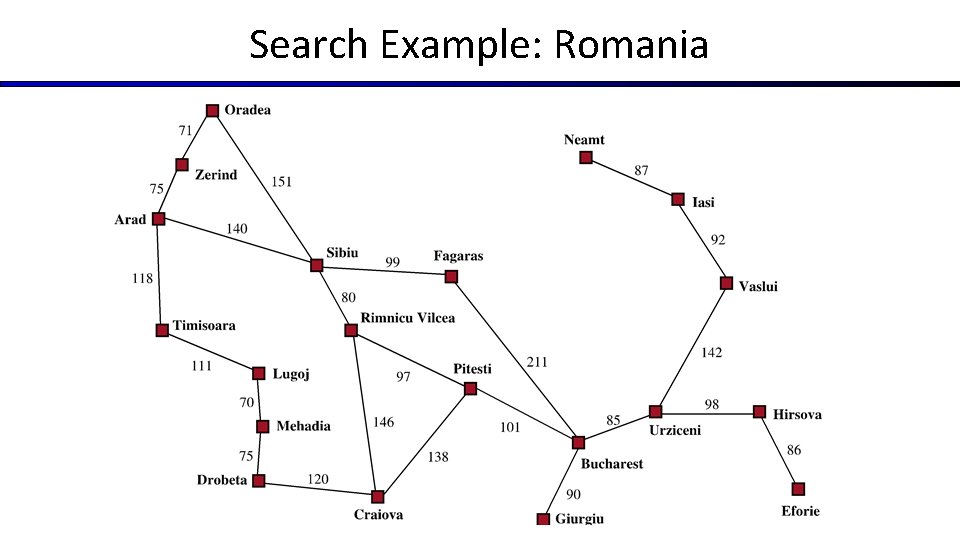
Example: Traveling in Romania
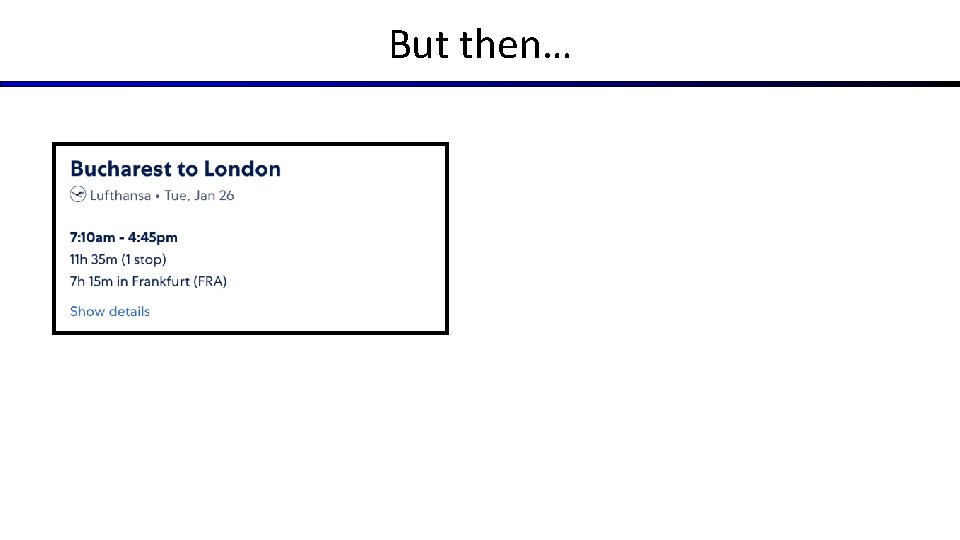
But then…
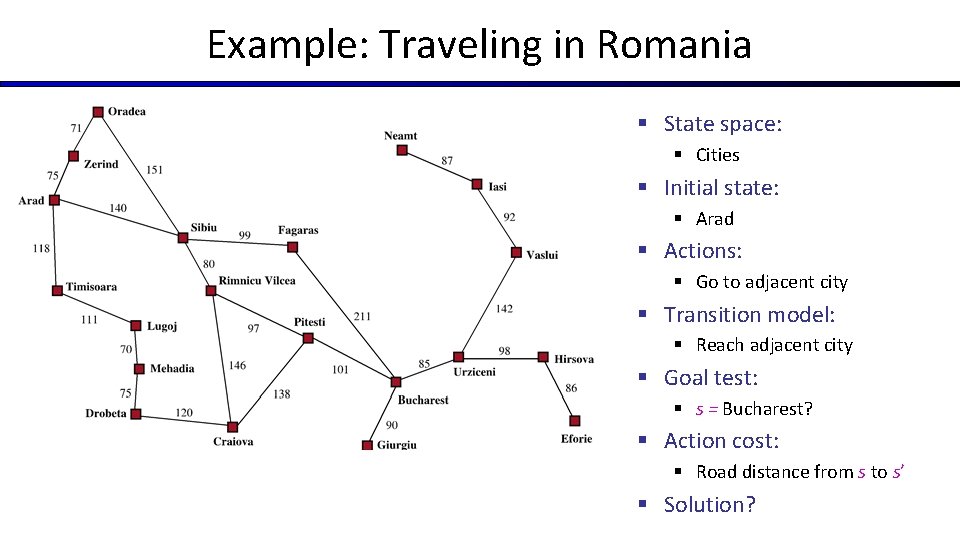
Example: Traveling in Romania § State space: § Cities § Initial state: § Arad § Actions: § Go to adjacent city § Transition model: § Reach adjacent city § Goal test: § s = Bucharest? § Action cost: § Road distance from s to s’ § Solution?
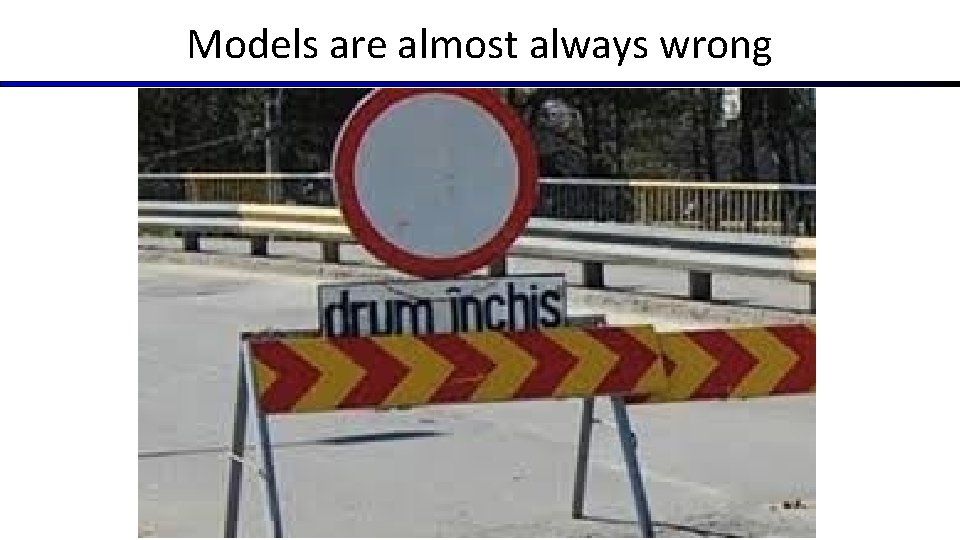
Models are almost always wrong
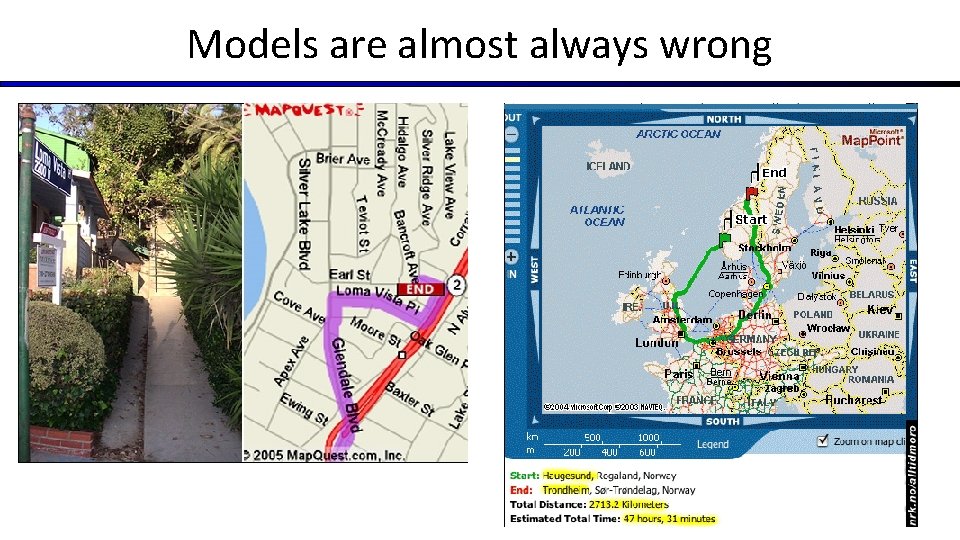
Models are almost always wrong
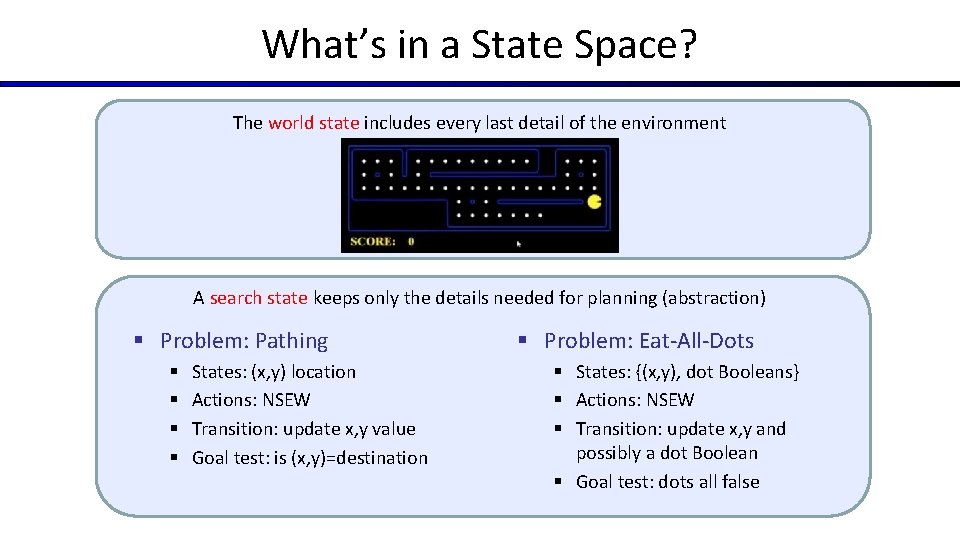
What’s in a State Space? The world state includes every last detail of the environment A search state keeps only the details needed for planning (abstraction) § Problem: Pathing § § States: (x, y) location Actions: NSEW Transition: update x, y value Goal test: is (x, y)=destination § Problem: Eat-All-Dots § States: {(x, y), dot Booleans} § Actions: NSEW § Transition: update x, y and possibly a dot Boolean § Goal test: dots all false
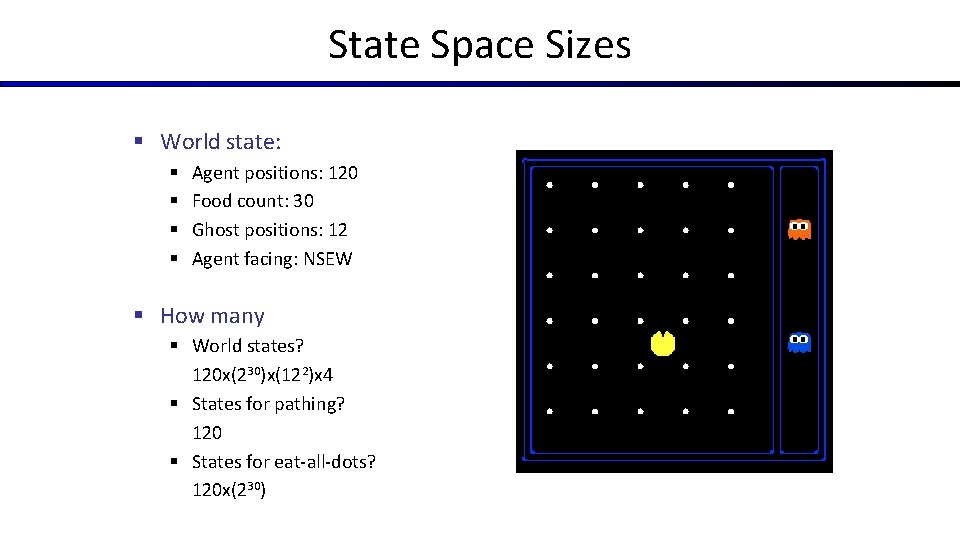
State Space Sizes § World state: § § Agent positions: 120 Food count: 30 Ghost positions: 12 Agent facing: NSEW § How many § World states? 120 x(230)x(122)x 4 § States for pathing? 120 § States for eat-all-dots? 120 x(230)
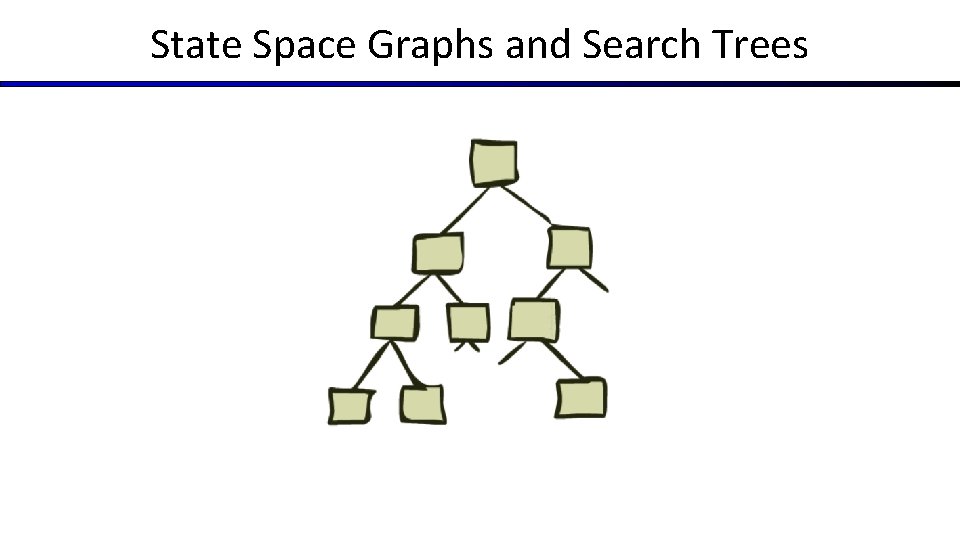
State Space Graphs and Search Trees
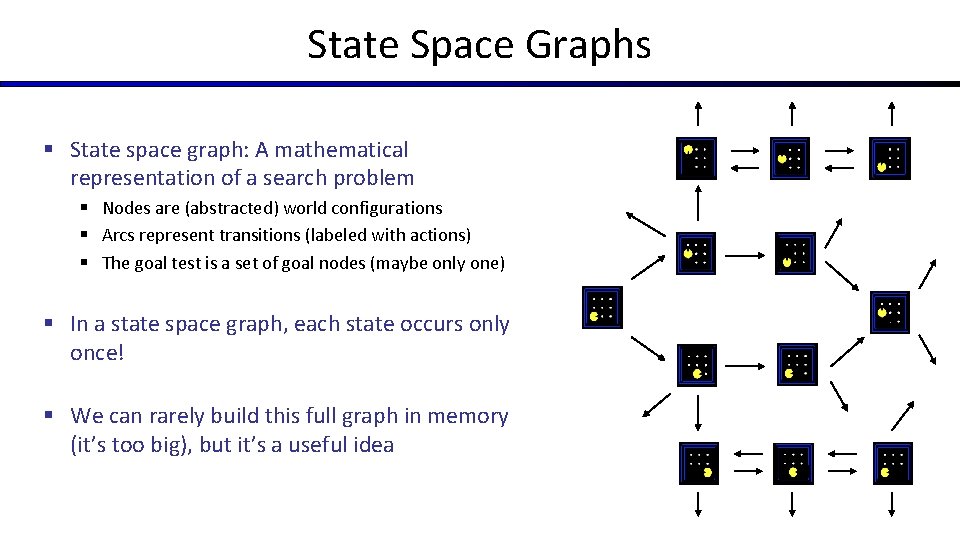
State Space Graphs § State space graph: A mathematical representation of a search problem § Nodes are (abstracted) world configurations § Arcs represent transitions (labeled with actions) § The goal test is a set of goal nodes (maybe only one) § In a state space graph, each state occurs only once! § We can rarely build this full graph in memory (it’s too big), but it’s a useful idea
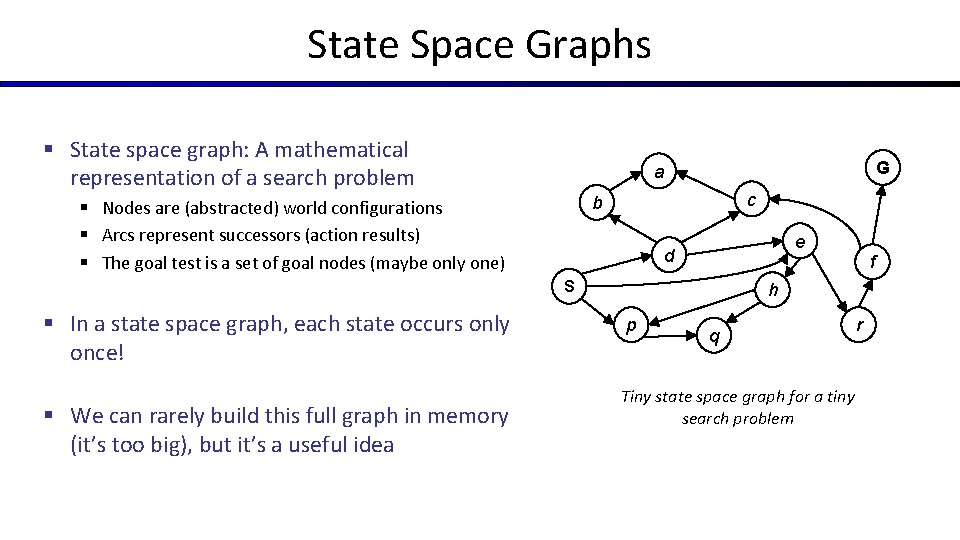
State Space Graphs § State space graph: A mathematical representation of a search problem G a c b § Nodes are (abstracted) world configurations § Arcs represent successors (action results) § The goal test is a set of goal nodes (maybe only one) e d f S § In a state space graph, each state occurs only once! § We can rarely build this full graph in memory (it’s too big), but it’s a useful idea h p q Tiny state space graph for a tiny search problem r
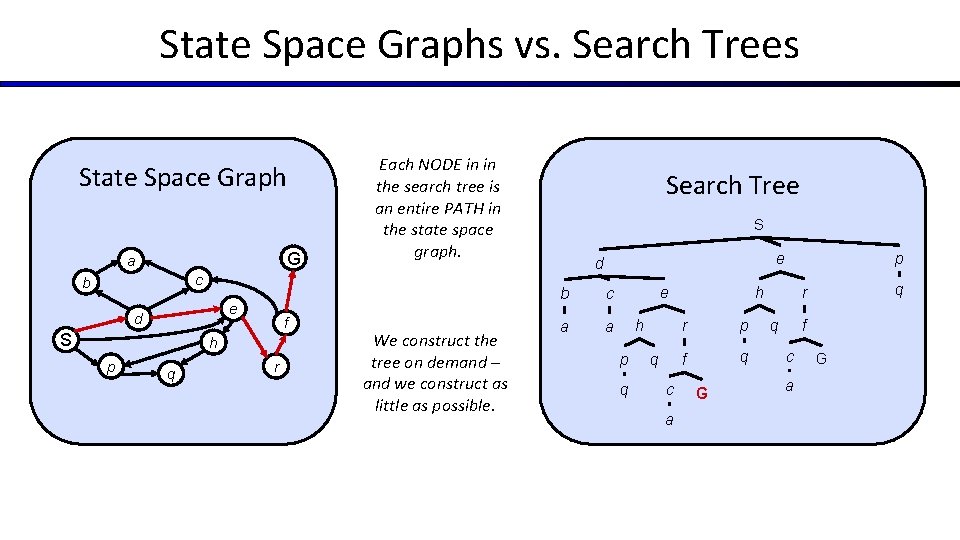
State Space Graphs vs. Search Trees State Space Graph G a Each NODE in in the search tree is an entire PATH in the state space graph. c b e d S f h p q r We construct the tree on demand – and we construct as little as possible. Search Tree S e d b c a a e h p q q c a p h r p f q G q r q f c a G
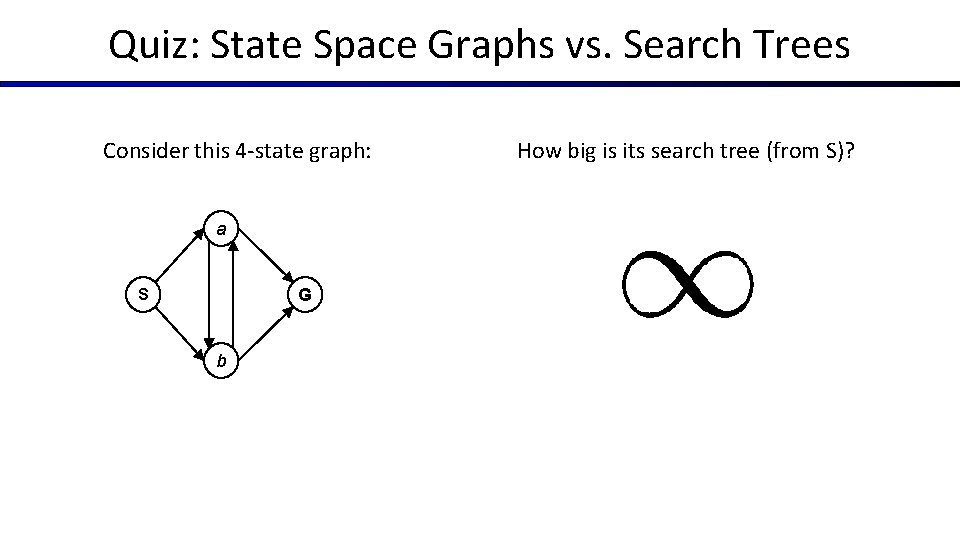
Quiz: State Space Graphs vs. Search Trees Consider this 4 -state graph: a G S b How big is its search tree (from S)?
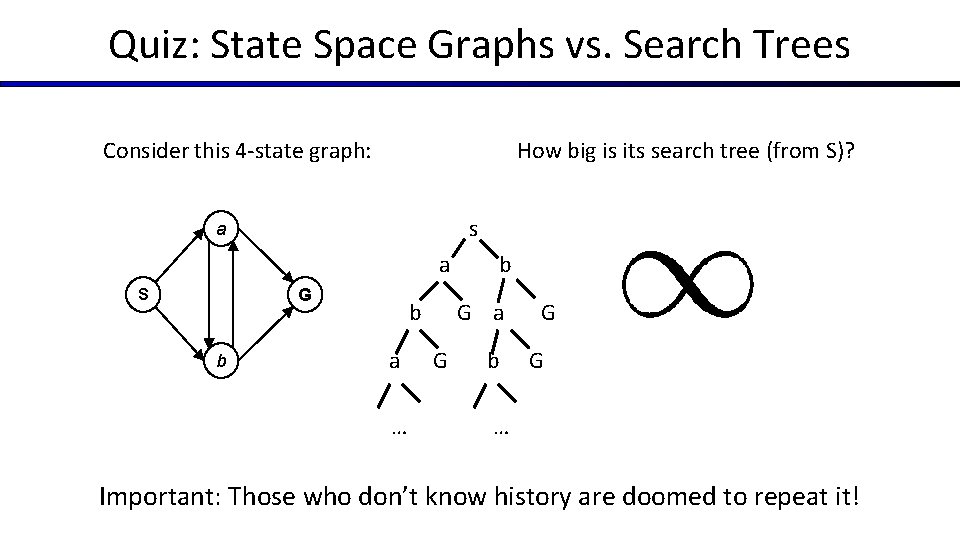
Quiz: State Space Graphs vs. Search Trees Consider this 4 -state graph: How big is its search tree (from S)? s a a G S b b a … b G a G b G G … Important: Those who don’t know history are doomed to repeat it!
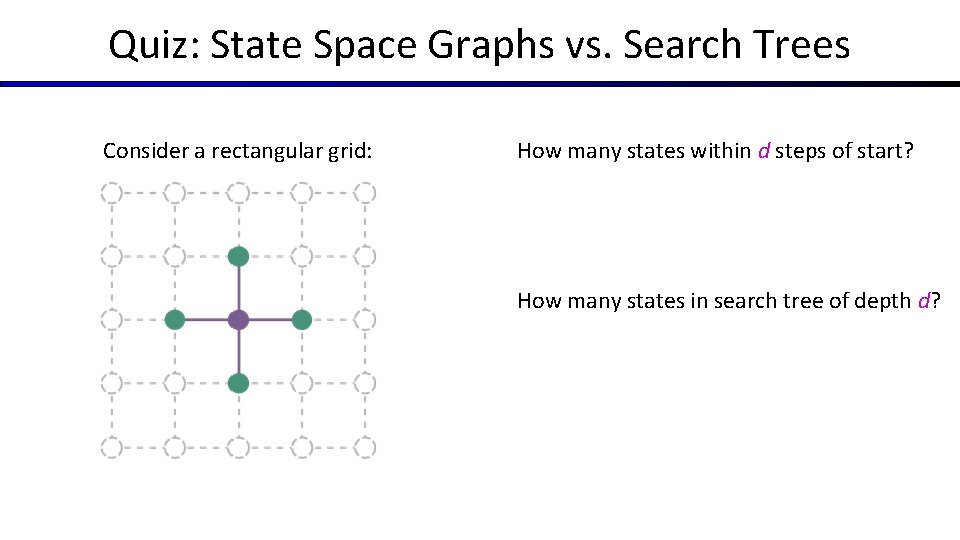
Quiz: State Space Graphs vs. Search Trees Consider a rectangular grid: How many states within d steps of start? How many states in search tree of depth d?
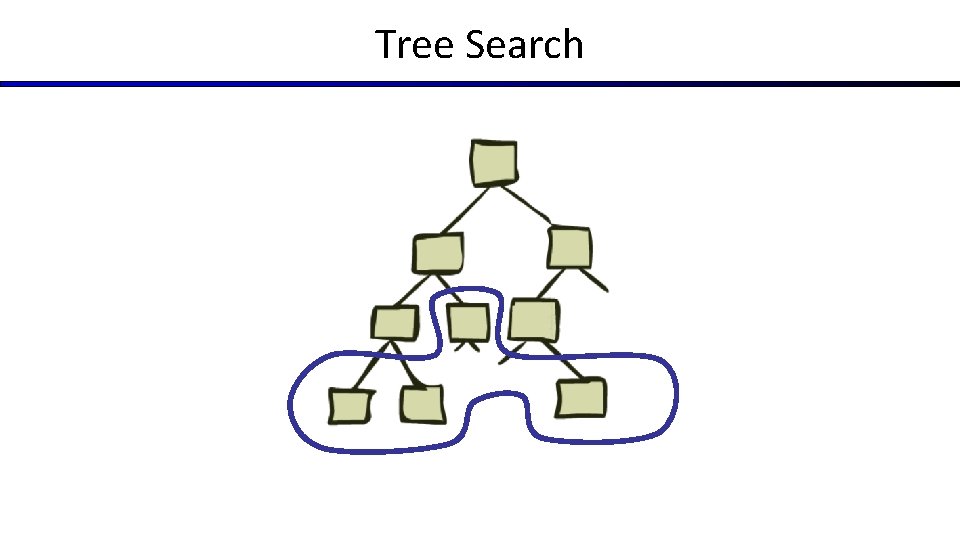
Tree Search
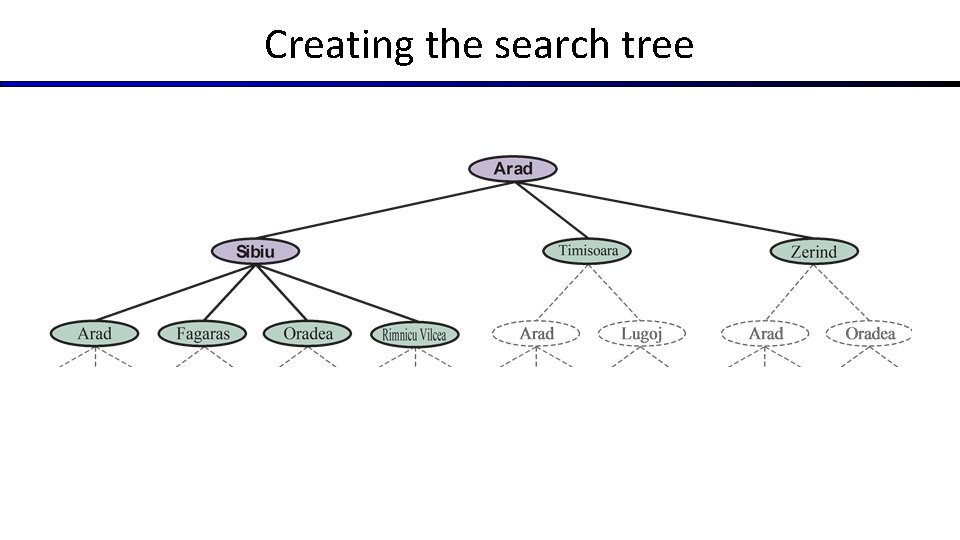
Search Example: Romania
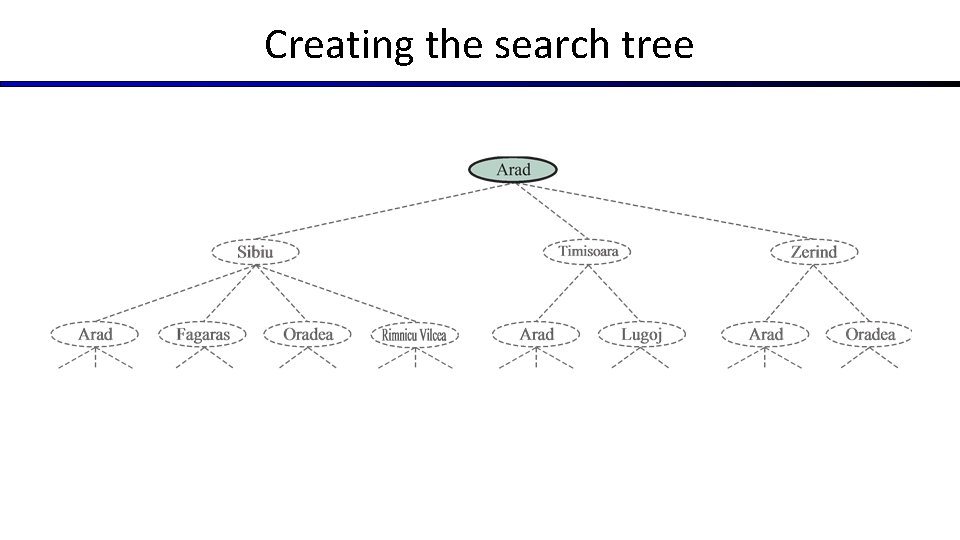
Creating the search tree
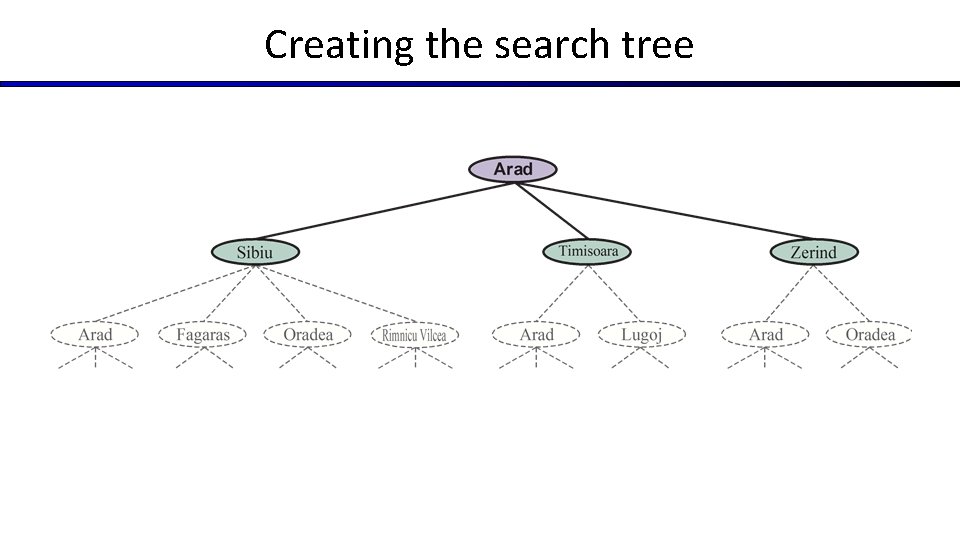
Creating the search tree
Creating the search tree
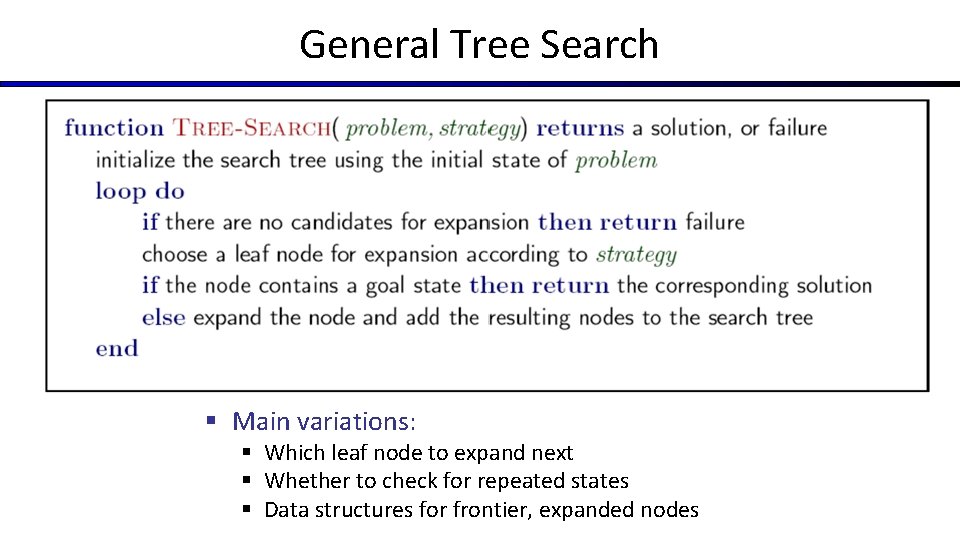
General Tree Search § Main variations: § Which leaf node to expand next § Whether to check for repeated states § Data structures for frontier, expanded nodes
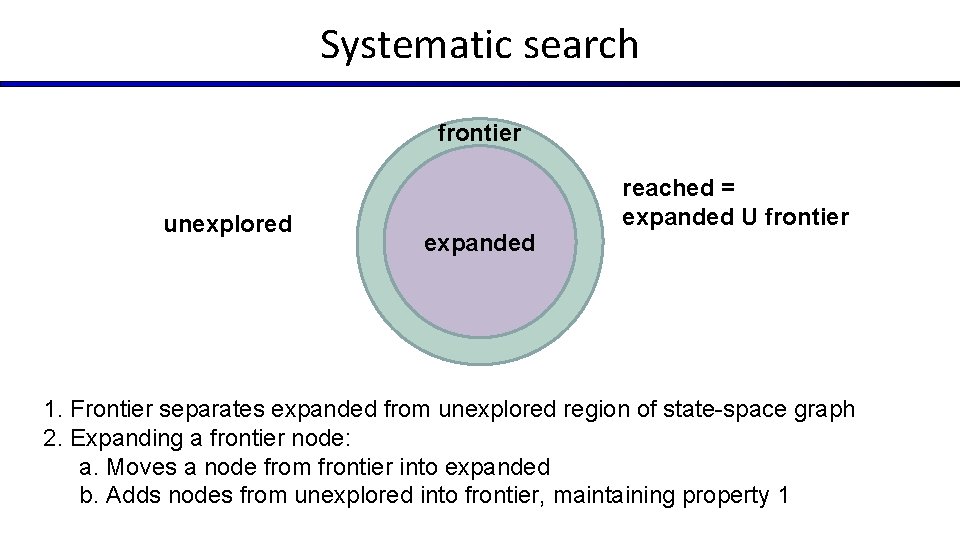
Systematic search frontier unexplored expanded reached = expanded U frontier 1. Frontier separates expanded from unexplored region of state-space graph 2. Expanding a frontier node: a. Moves a node from frontier into expanded b. Adds nodes from unexplored into frontier, maintaining property 1
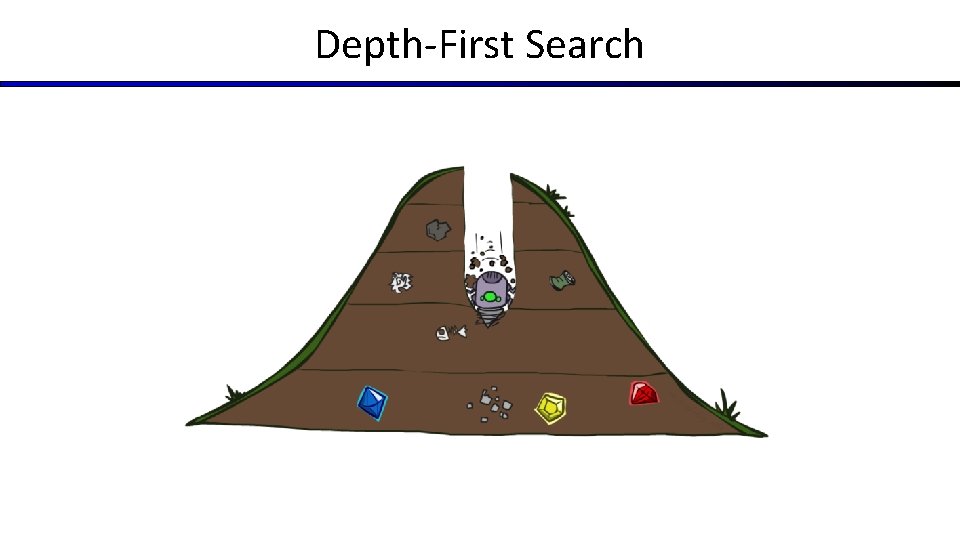
Depth-First Search
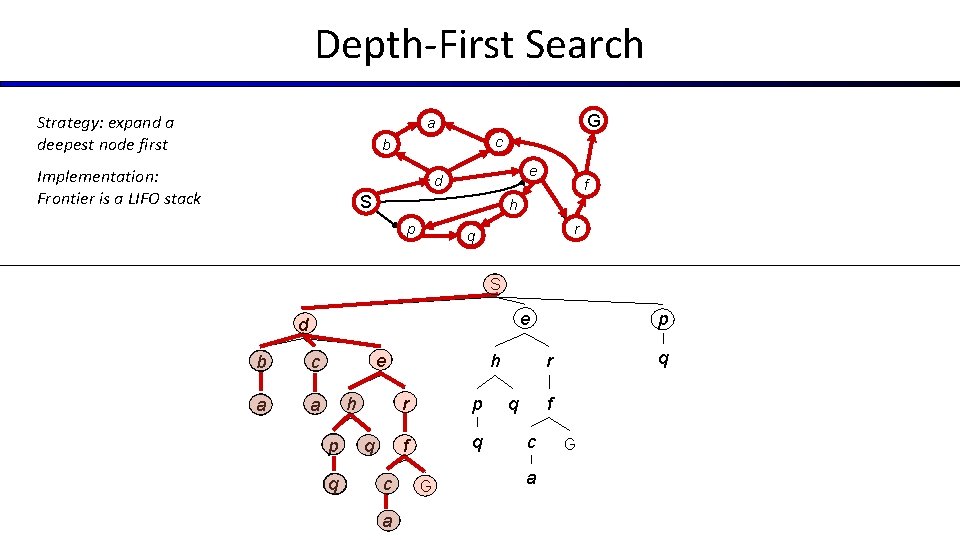
Depth-First Search Strategy: expand a deepest node first G a c b Implementation: Frontier is a LIFO stack e d S f h p r q S e d b c a a h e h p q q c a r p f q G p q r q f c a G
Search Algorithm Properties
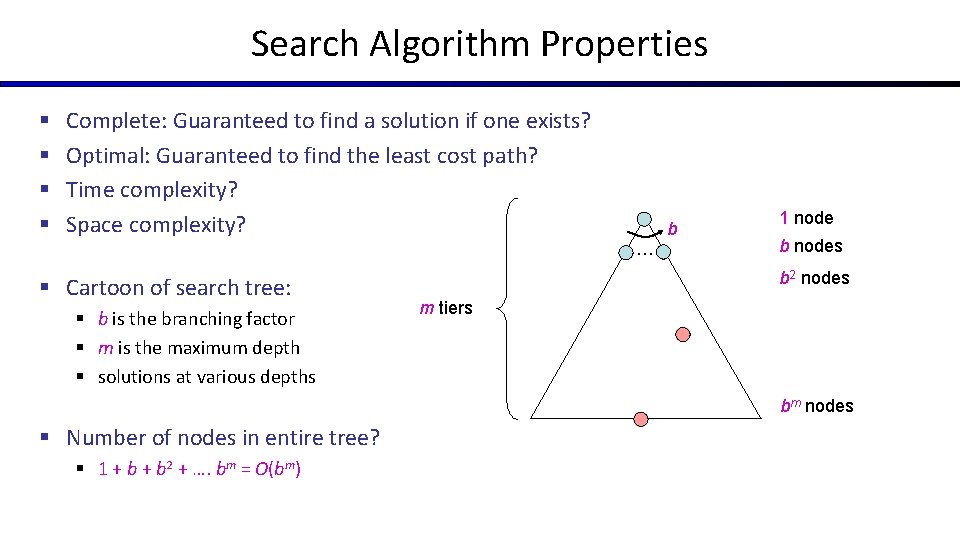
Search Algorithm Properties § § Complete: Guaranteed to find a solution if one exists? Optimal: Guaranteed to find the least cost path? Time complexity? Space complexity? … § Cartoon of search tree: § b is the branching factor § m is the maximum depth § solutions at various depths b 1 node b nodes b 2 nodes m tiers bm nodes § Number of nodes in entire tree? § 1 + b 2 + …. bm = O(bm)
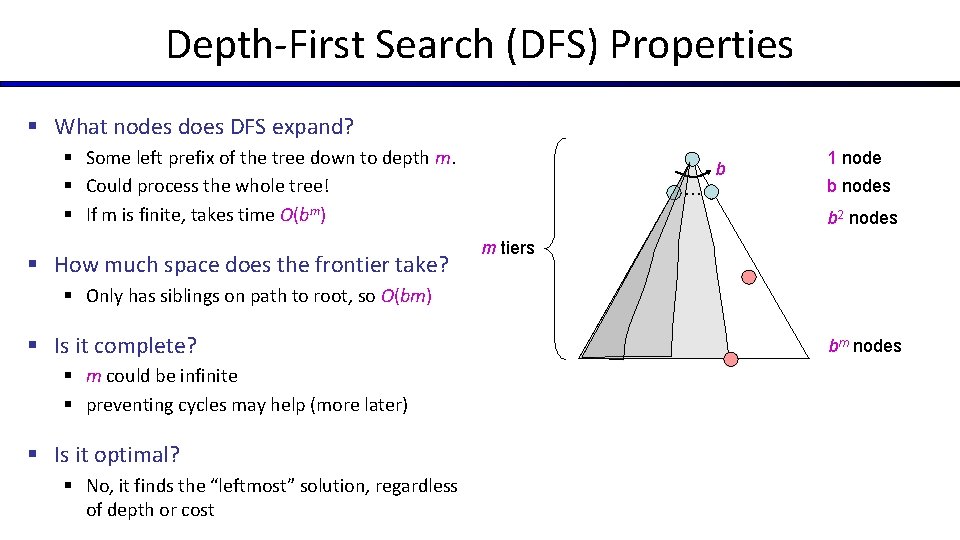
Depth-First Search (DFS) Properties § What nodes does DFS expand? § Some left prefix of the tree down to depth m. § Could process the whole tree! § If m is finite, takes time O(bm) § How much space does the frontier take? … b 1 node b nodes b 2 nodes m tiers § Only has siblings on path to root, so O(bm) § Is it complete? § m could be infinite § preventing cycles may help (more later) § Is it optimal? § No, it finds the “leftmost” solution, regardless of depth or cost bm nodes
Breadth-First Search
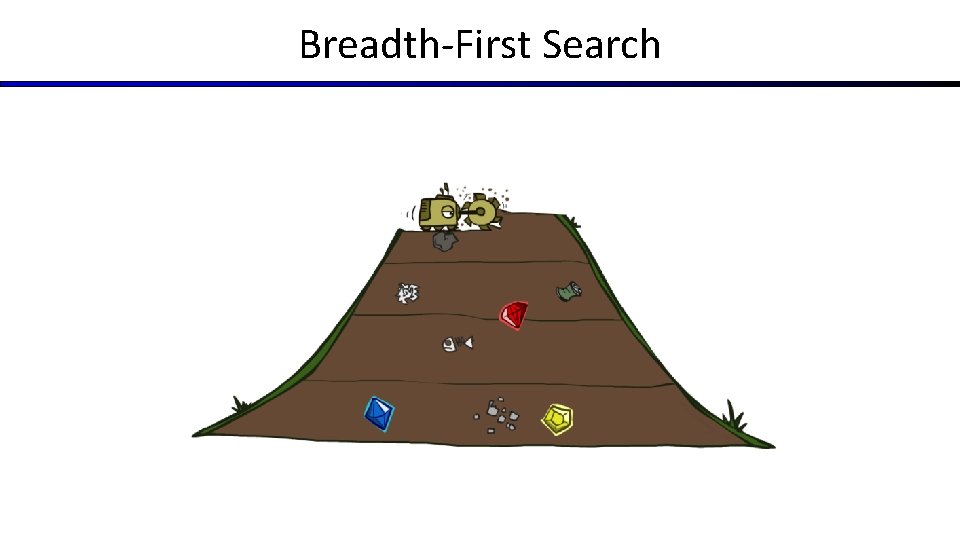
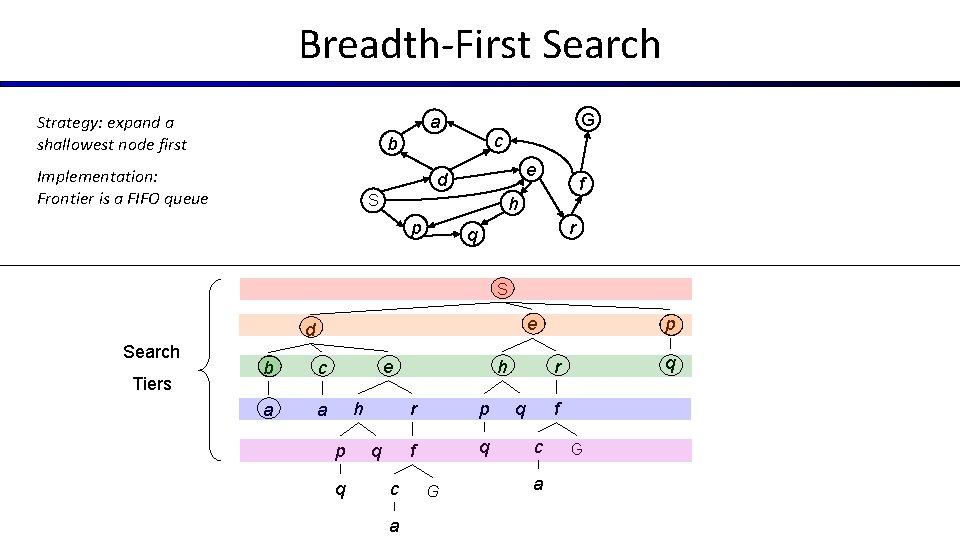
Breadth-First Search Strategy: expand a shallowest node first G a c b Implementation: Frontier is a FIFO queue e d S f h p r q S e d Search Tiers b c a a e h p q q c a h r p f q G p q r q f c a G
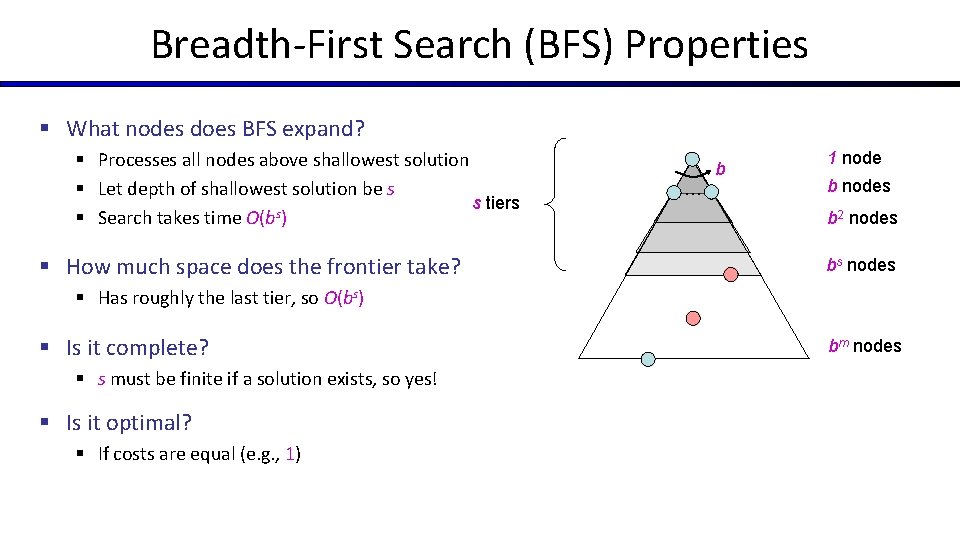
Breadth-First Search (BFS) Properties § What nodes does BFS expand? § Processes all nodes above shallowest solution § Let depth of shallowest solution be s s tiers § Search takes time O(bs) § How much space does the frontier take? … b 1 node b nodes b 2 nodes bs nodes § Has roughly the last tier, so O(bs) § Is it complete? § s must be finite if a solution exists, so yes! § Is it optimal? § If costs are equal (e. g. , 1) bm nodes
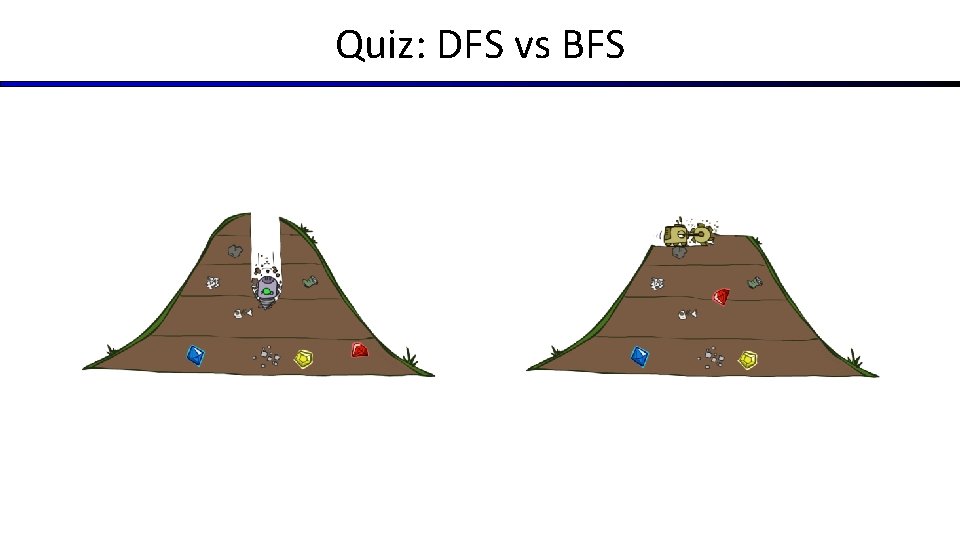
Quiz: DFS vs BFS
Quiz: DFS vs BFS § When will BFS outperform DFS? § When will DFS outperform BFS? [Demo: dfs/bfs maze water (L 2 D 6)]
Example: Maze Water DFS/BFS (part 1)
Example: Maze Water DFS/BFS (part 2)
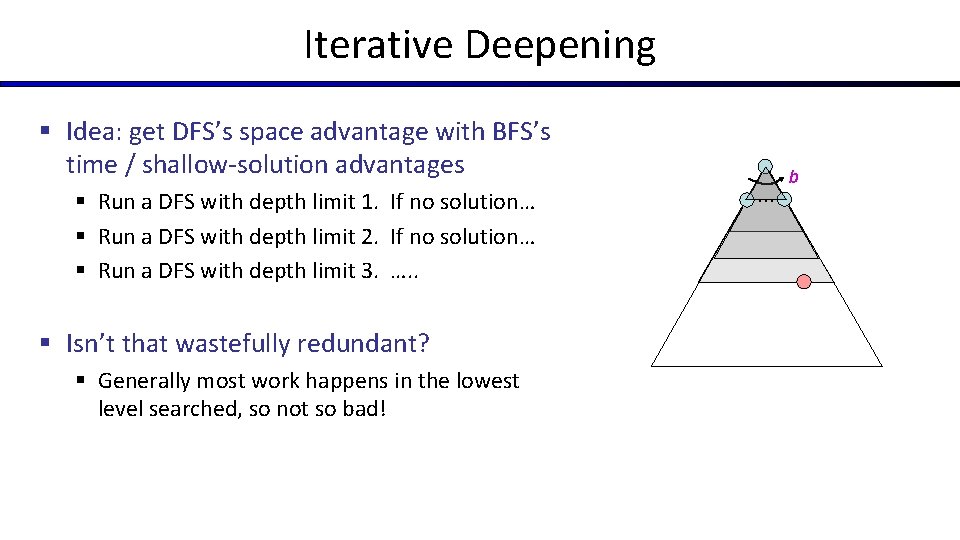
Iterative Deepening § Idea: get DFS’s space advantage with BFS’s time / shallow-solution advantages § Run a DFS with depth limit 1. If no solution… § Run a DFS with depth limit 2. If no solution… § Run a DFS with depth limit 3. …. . § Isn’t that wastefully redundant? § Generally most work happens in the lowest level searched, so not so bad! … b
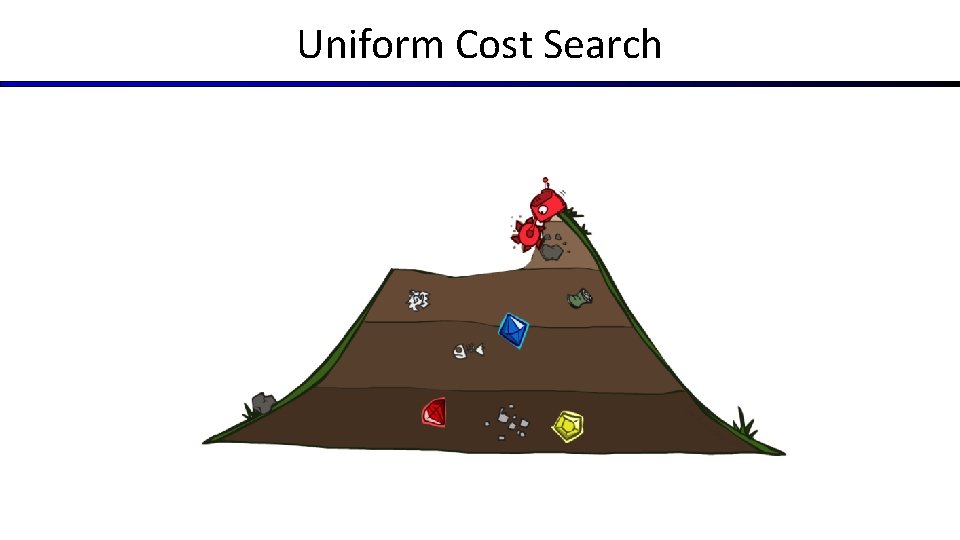
Uniform Cost Search
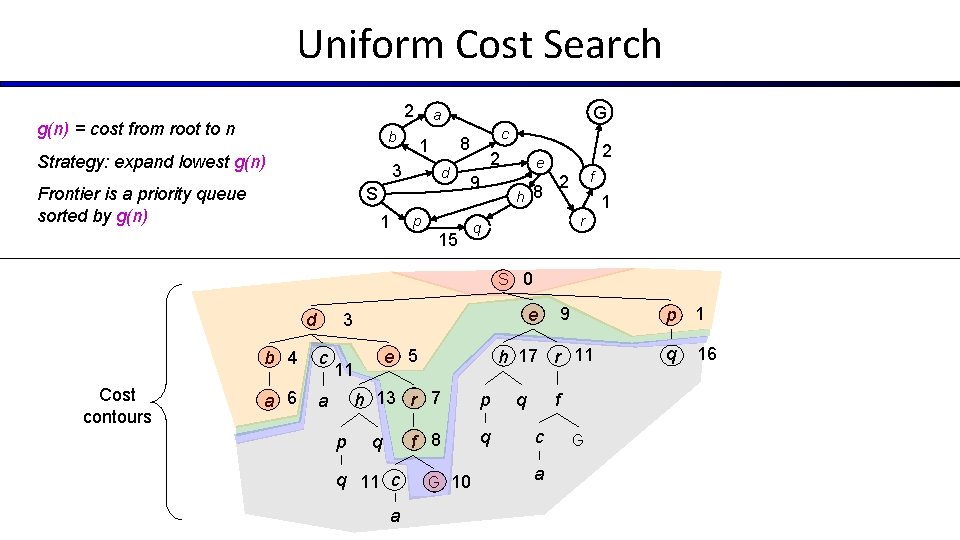
Uniform Cost Search 2 g(n) = cost from root to n b Strategy: expand lowest g(n) d S 1 c 8 1 3 Frontier is a priority queue sorted by g(n) G a 2 9 p 15 2 e 8 h f 2 1 r q S 0 Cost contours b 4 c a 6 a h 17 r 11 e 5 11 p 9 e 3 d h 13 r 7 p f 8 q q q 11 c a G 10 q f c a G p 1 q 16
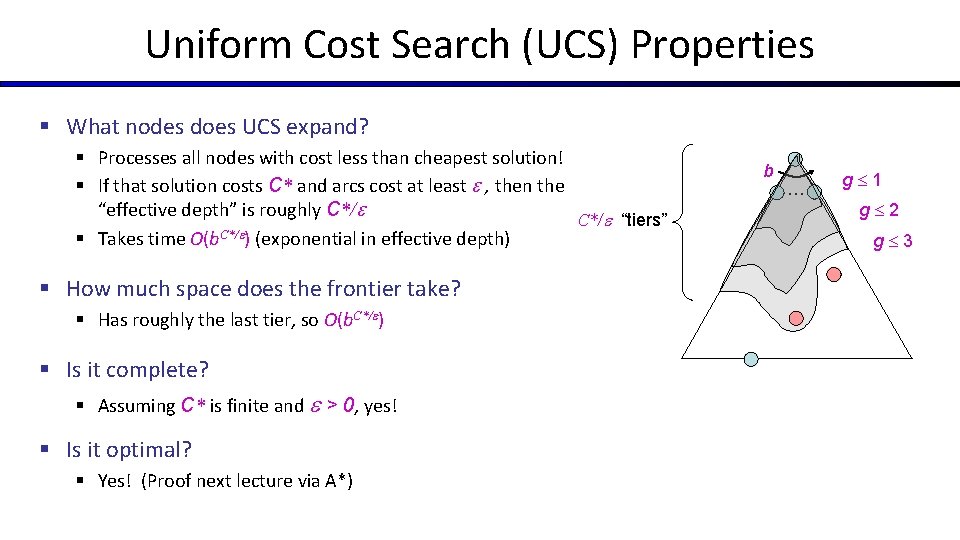
Uniform Cost Search (UCS) Properties § What nodes does UCS expand? § Processes all nodes with cost less than cheapest solution! § If that solution costs C* and arcs cost at least , then the “effective depth” is roughly C*/ “tiers” C*/ § Takes time O(b ) (exponential in effective depth) § How much space does the frontier take? § Has roughly the last tier, so O(b. C*/ ) § Is it complete? § Assuming C* is finite and > 0, yes! § Is it optimal? § Yes! (Proof next lecture via A*) b … g 1 g 2 g 3
Video of Demo Empty UCS
Video of Demo Maze with Deep/Shallow Water --- BFS or UCS? (part 1)
Video of Demo Maze with Deep/Shallow Water --- BFS or UCS? (part 2)