
Age of Enlightenment Enlightenment popularizes and builds on
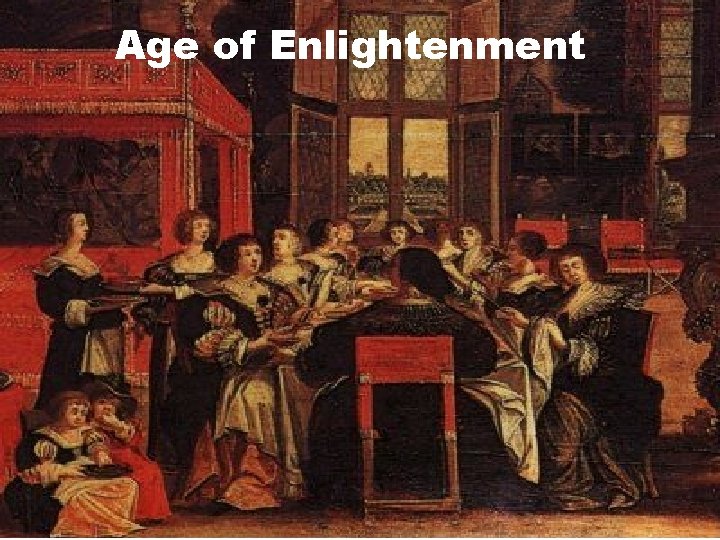
Age of Enlightenment
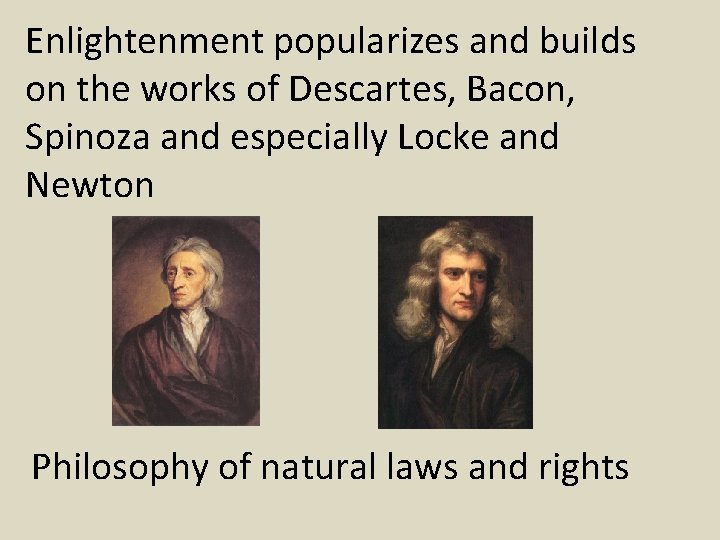
Enlightenment popularizes and builds on the works of Descartes, Bacon, Spinoza and especially Locke and Newton Philosophy of natural laws and rights
Many look to the political stability of England after the Revolution *religious toleration, except Unitarians and Catholics *Relative freedom of press and speech *limited monarchy *economy less regulated than France
What reformists on the Continent see are liberal policies that do not produce disorder or instability What England has is prosperity, stability and loyal citizens
Age of Enlightenment has: • Skepticism of tradition • Convinced of the power of human reason and science • Imbued with the sense of civilization’s advance and progress
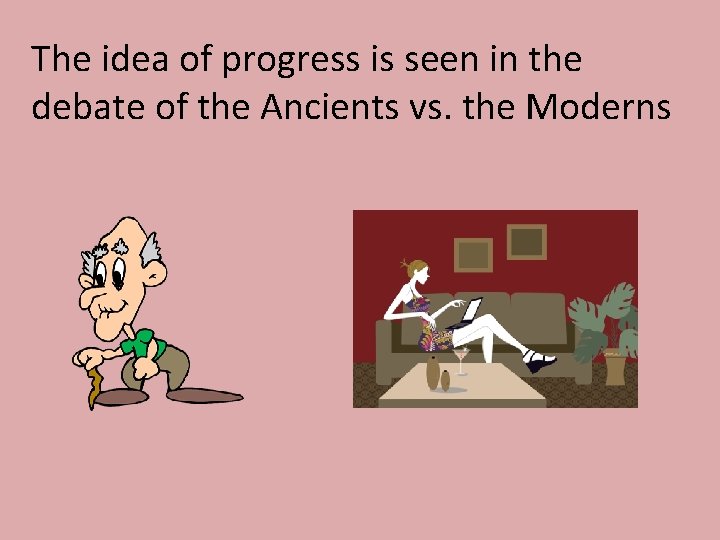
The idea of progress is seen in the debate of the Ancients vs. the Moderns
The ancients believed the Greeks and the Romans were the peak of civilization and can not be topped The Moderns looked at the current science, art, literature and feel the present time period is the best • Built on earlier achievements • If no progress, why try?
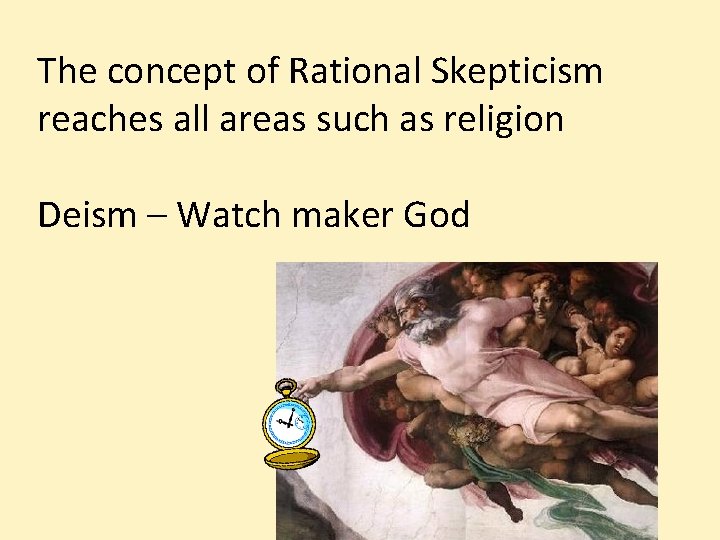
The concept of Rational Skepticism reaches all areas such as religion Deism – Watch maker God
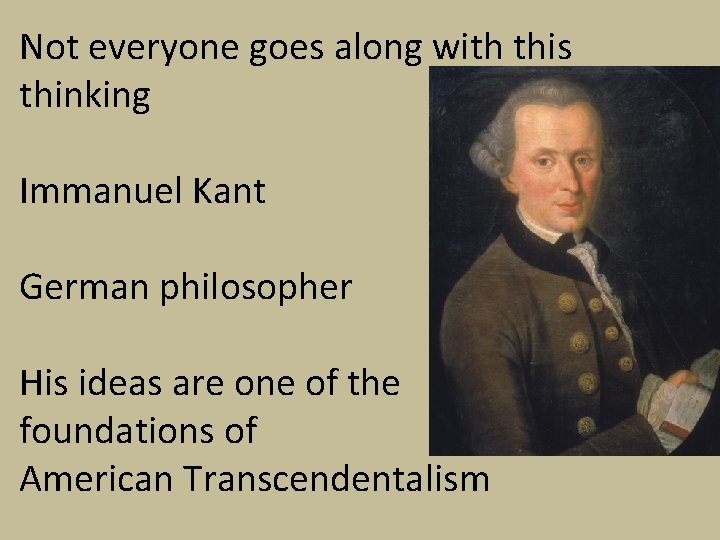
Not everyone goes along with this thinking Immanuel Kant German philosopher His ideas are one of the foundations of American Transcendentalism
Reason comes not from common sense but intuition A moral law within man-conscience-is planted by God Man should try to follow good
Pietists Religion from the heart not the head Quest for the inner light of the soul Improvement of the individual
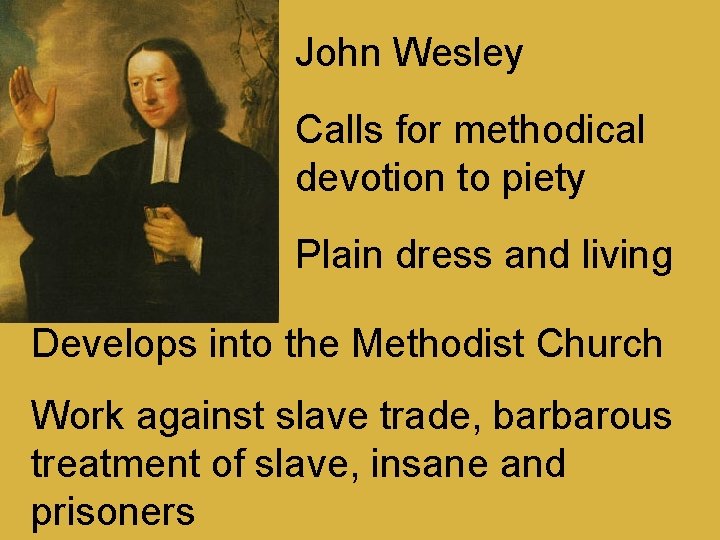
John Wesley Calls for methodical devotion to piety Plain dress and living Develops into the Methodist Church Work against slave trade, barbarous treatment of slave, insane and prisoners
Examples of religious feeling continuing to expand can be seen in music J. S. Bach write church music Handel write the Messiah
Freemasons

At the forefront of the Enlightenment are the Philosophes
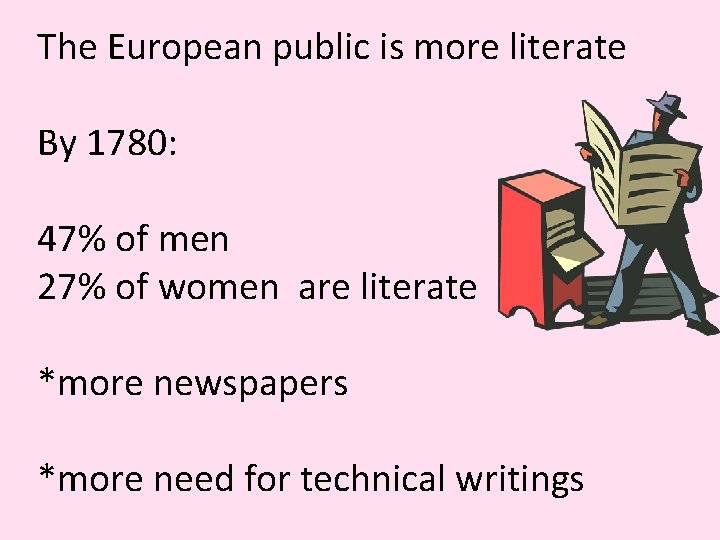
The European public is more literate By 1780: 47% of men 27% of women are literate *more newspapers *more need for technical writings
Social effects on writing: • Public opinion • Reviews • Censorship
Goal of censorship is to protect the people from harmful ideas Level of censorship varies by countries England has little censorship Spain has severe censorship
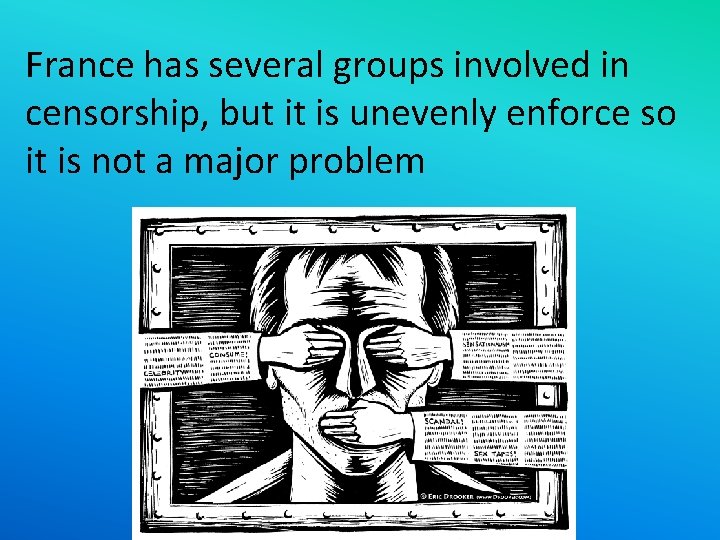
France has several groups involved in censorship, but it is unevenly enforce so it is not a major problem
Laws forbid criticism of the Church or the Government Writers work around this by writing about the “Iroquois” or some made up culture
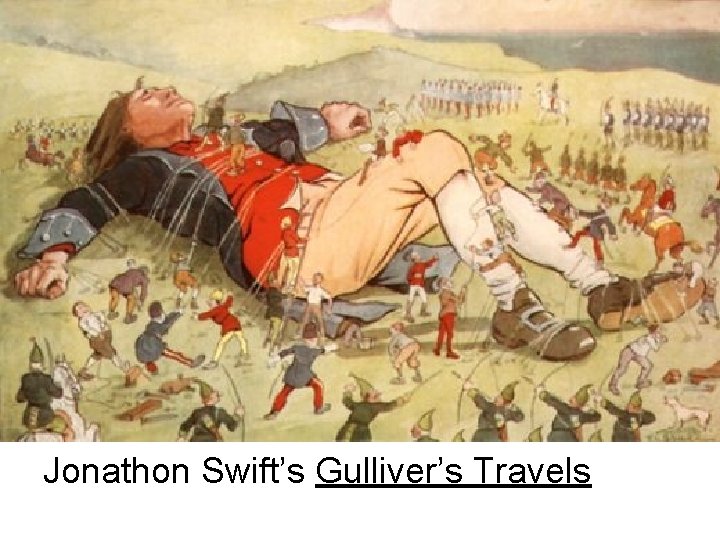
Jonathon Swift’s Gulliver’s Travels
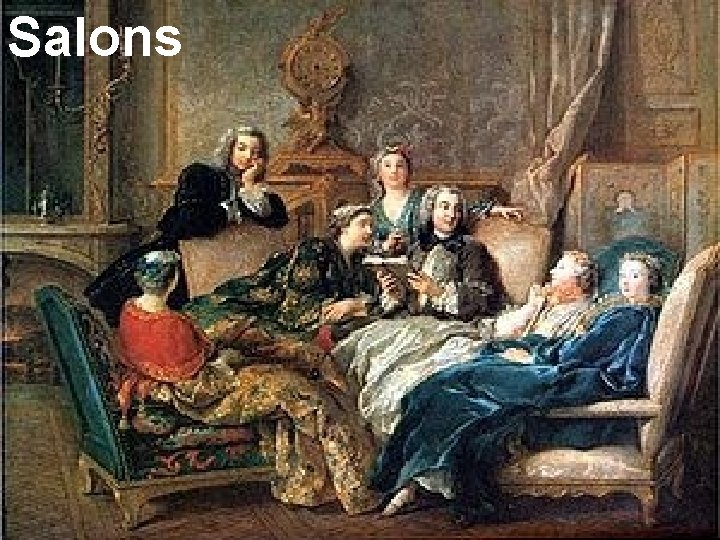
Salons
Salons are social gatherings of the elite to discuss the latest literature, ideas and events Salons were given by a hostess, the wife of a member of the elite
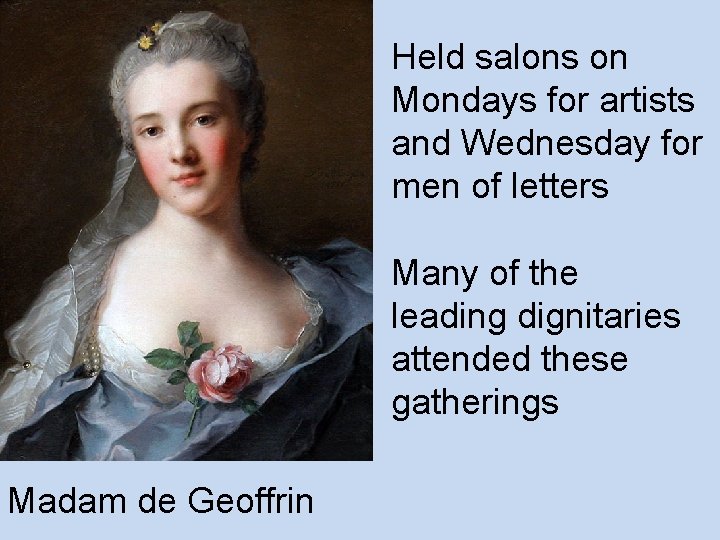
Held salons on Mondays for artists and Wednesday for men of letters Many of the leading dignitaries attended these gatherings Madam de Geoffrin
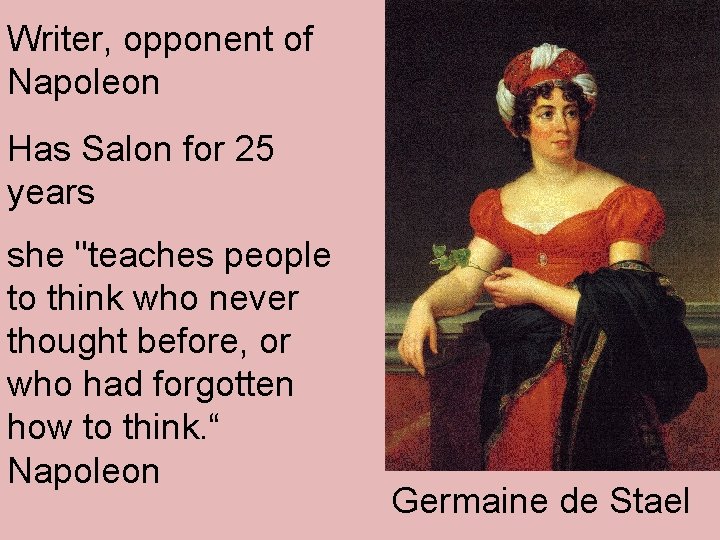
Writer, opponent of Napoleon Has Salon for 25 years she "teaches people to think who never thought before, or who had forgotten how to think. “ Napoleon Germaine de Stael
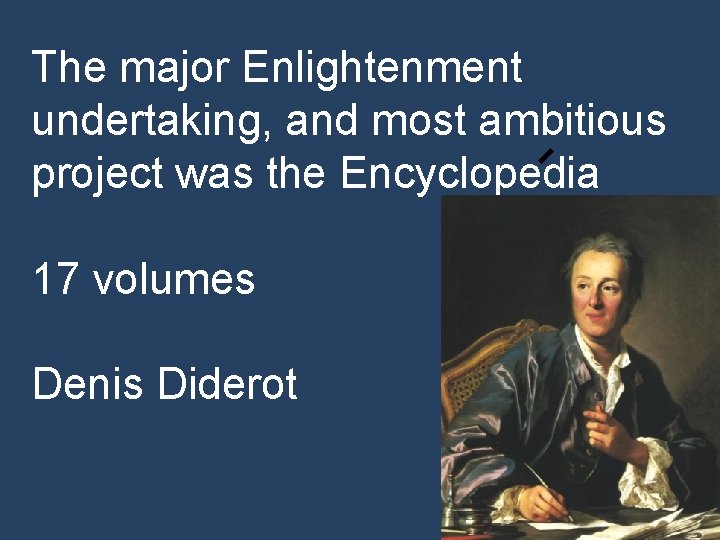
The major Enlightenment undertaking, and most ambitious project was the Encyclopedia 17 volumes Denis Diderot
There are those individuals who are included as Philosophes or are supporters
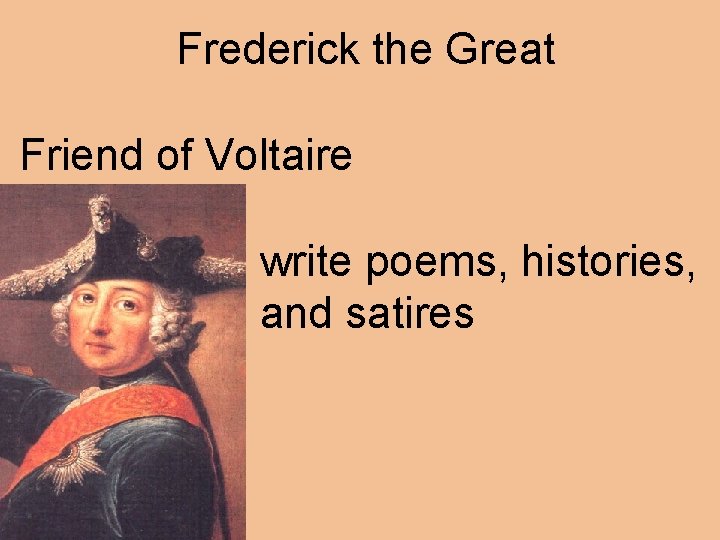
Frederick the Great Friend of Voltaire write poems, histories, and satires
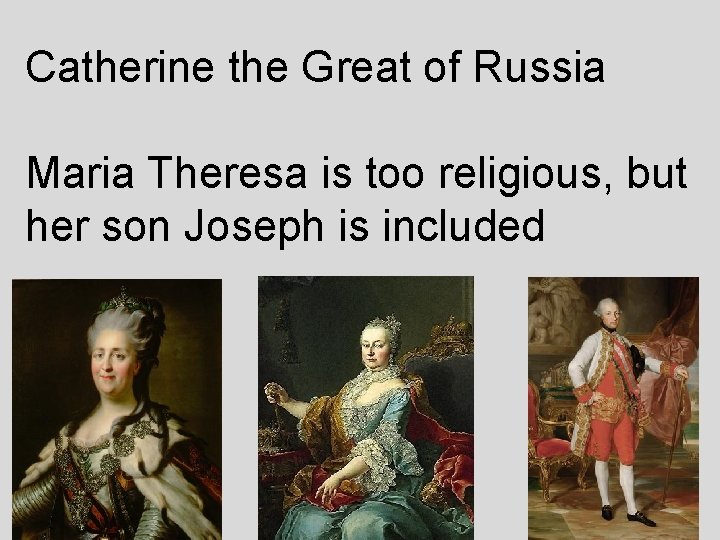
Catherine the Great of Russia Maria Theresa is too religious, but her son Joseph is included
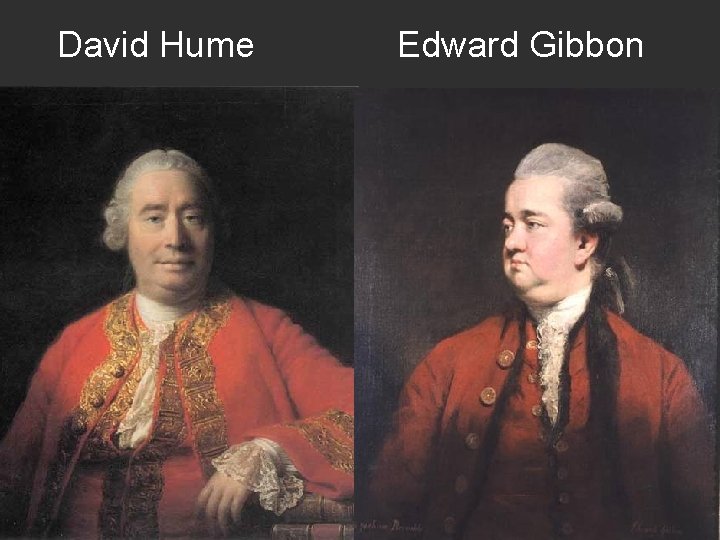
David Hume Edward Gibbon
The three most important figures of the Enlightenment often disagreed in their works, but all write political commentaries and social analysis
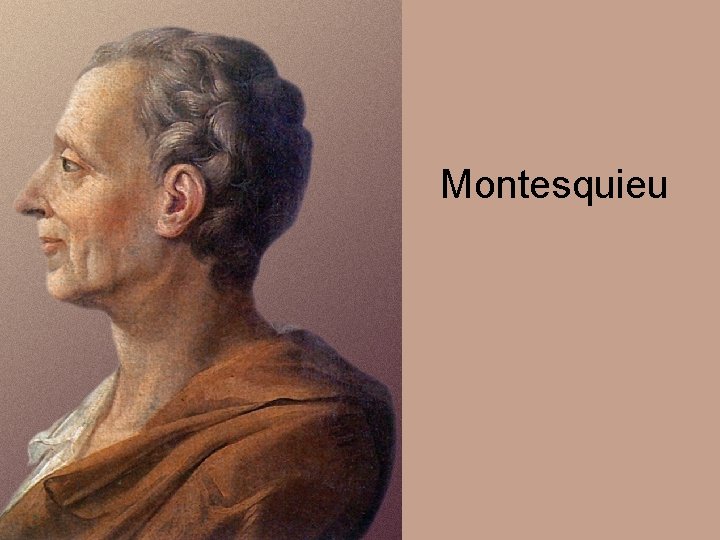
Montesquieu
Major work: The Spirit of the Law Forms of government vary by climate & circumstance Separation and Balance of Power
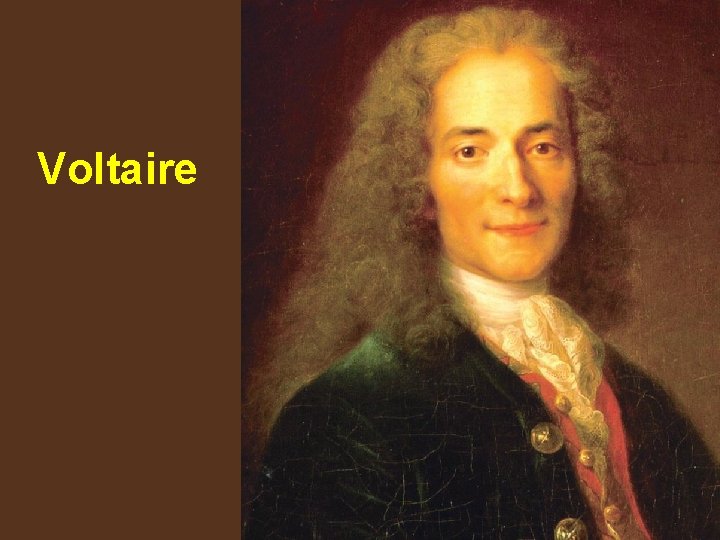
Voltaire
Writes of new scientific ideas Calls for religious tolerance Looks to demystify, demiracle religion Candide
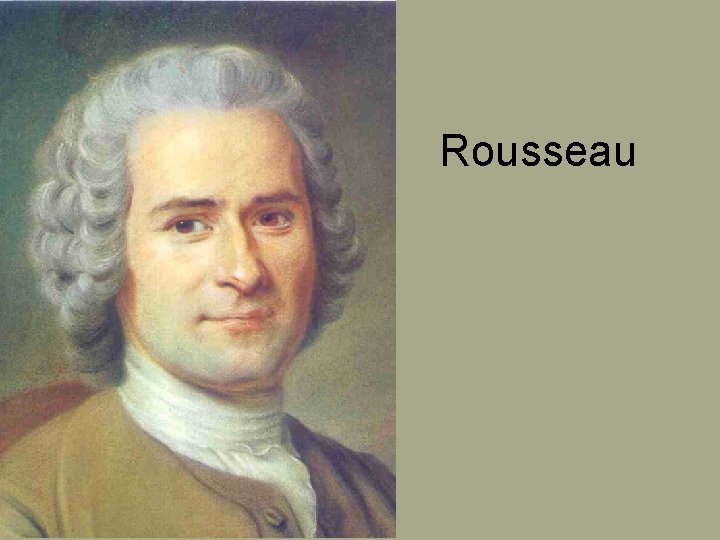
Rousseau
During the Enlightenment there is a new area of study from a group known as the Physiocrats
Most important Physiocrat is: Adam $mith
Enlightened Despotism
The Enlightened Despot does not necessarily do anything different, it is more about style
Enlightened Despot is: *secular -no claims of mandate from heaven -favors religious toleration -dislikes Jesuits
*Rational & reformist -dislikes custom, changes old ways to modern *Acts quickly -wants results now
Failure of Enlightened Despotism in France
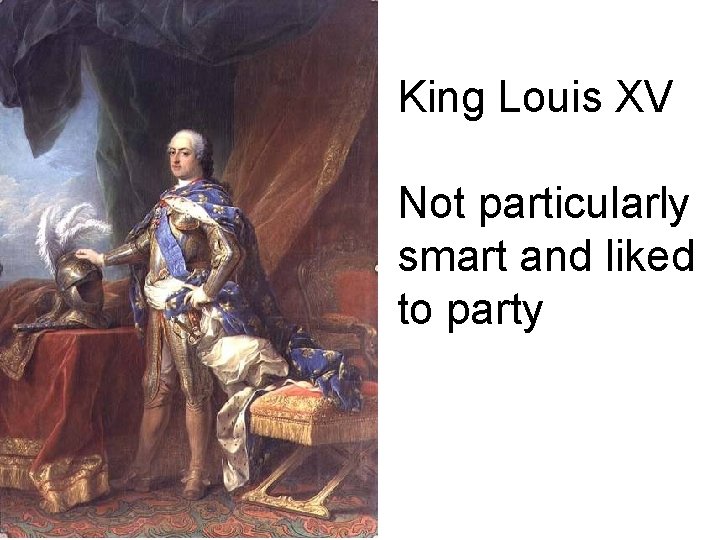
King Louis XV Not particularly smart and liked to party
Louis XV not enlightened • not interested in big questions • Absorbed with routine of Versailles • Doesn’t want to make trouble • Only occasionally interested in running government
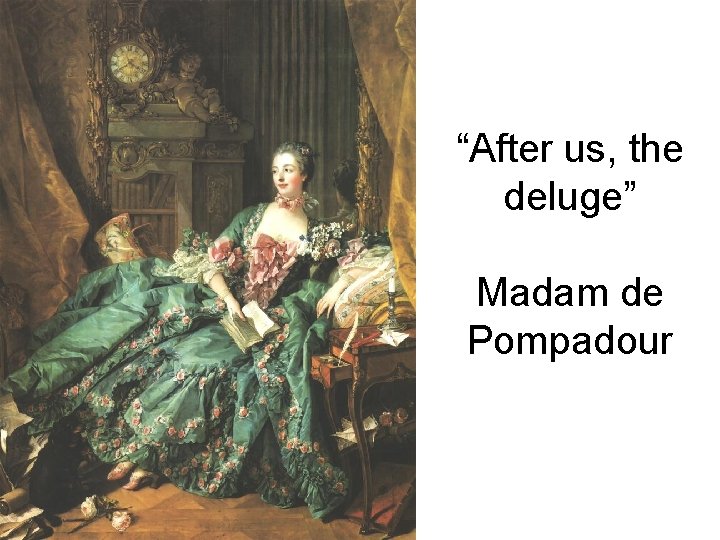
“After us, the deluge” Madam de Pompadour
Major problem is method for raising money Get some money through sale of offices and privleges
Tax on land – taille – paid only by peasants Nobles are exempt So are officeholders, middle class and the Church
Country has wealth but government is poor Several attempts are made at a new tax but fail 1740’s a 5% tax is placed on income of all classes
The tax is not popular, especially with the upper class Local parlement rule tax incompatible with the laws of France Provincial assemblies claim their historic liberties are violated
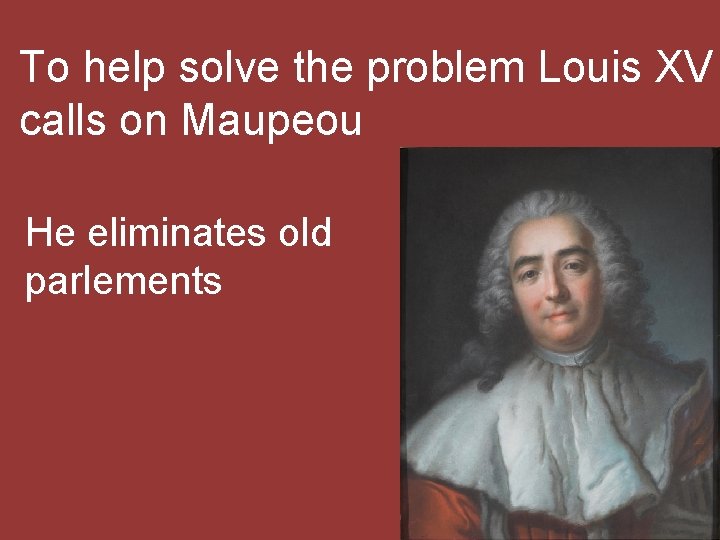
To help solve the problem Louis XV calls on Maupeou He eliminates old parlements
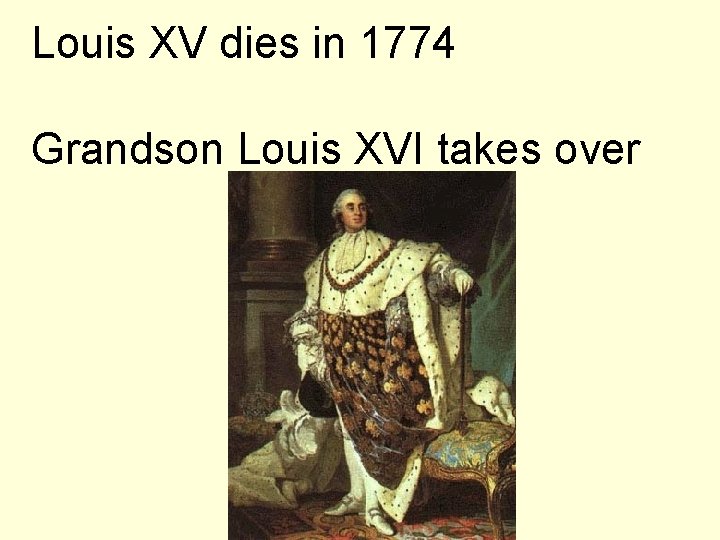
Louis XV dies in 1774 Grandson Louis XVI takes over
Some in country are complaining about Maupeon and want the old parlements back
Louis more willing to run country than grandpa, but no smarter Wants to get off on a good note so fires Maupeon and brings back old parlements Make the wealthy happy
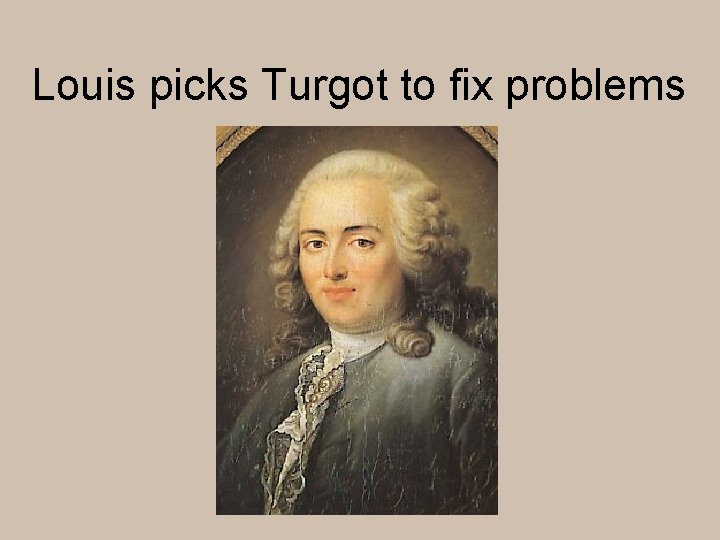
Louis picks Turgot to fix problems
In 1778 France helps America in war with England France has no way to raise money
Austria
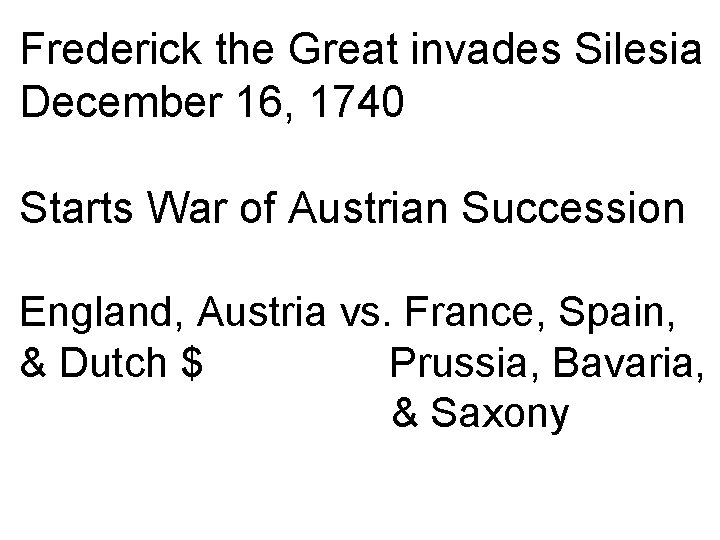
Charles VI of Austria Charles VI Dies October 20, 1740 Daughter Maria Theresa new Queen
Frederick the Great invades Silesia December 16, 1740 Starts War of Austrian Succession England, Austria vs. France, Spain, & Dutch $ Prussia, Bavaria, & Saxony
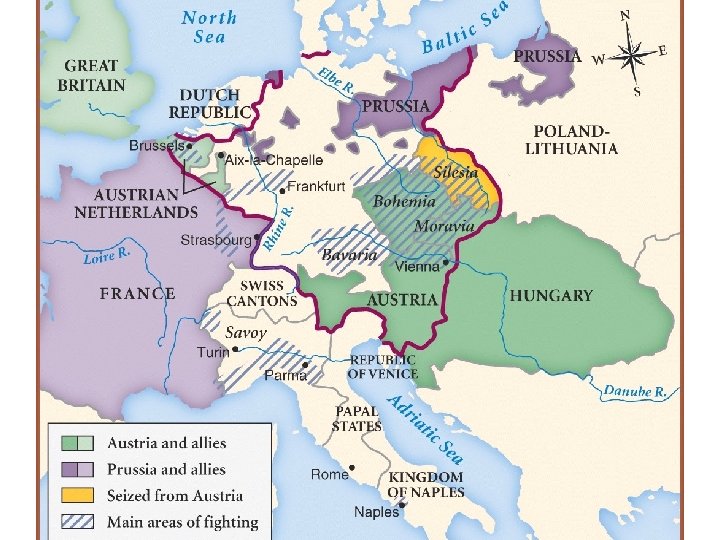
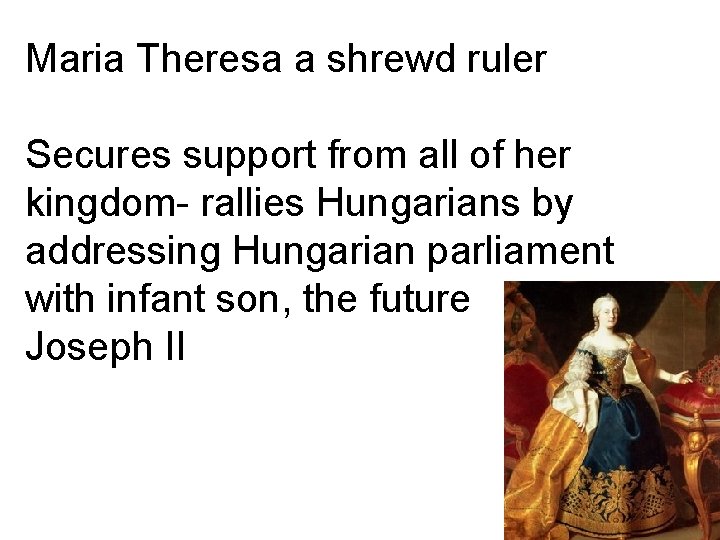
Maria Theresa a shrewd ruler Secures support from all of her kingdom- rallies Hungarians by addressing Hungarian parliament with infant son, the future Joseph II
After winning key battle, Frederick makes allies angry by making separate peace with Austria France doing well in Europe with victories in Bohemia and Belgium
England not pleased: Unhappy with Austria as a ally Feel George II is getting them involved in German politics Willing to talk
Treaty of Aix-la-Chapelle A French/British agreement forced on everyone else France/England return to how it was before-all captured territory returned Frederick keeps Silesia Austria unhappy
Both sides from the war are unhappy with their allies France upset with Frederick’s desertion during the war England unhappy Austria did not protect England’s continential interests (Hanover)
Diplomatic Revolution England feel Prussia will do a better job protecting Hanover France and Austria put aside a century of fighting to join together Seal the deal with engagement of future Louis XVI and Marie Antoinette
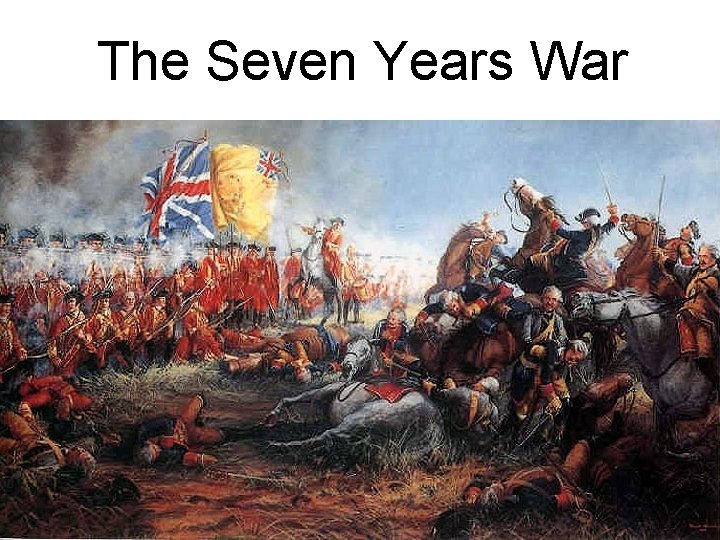
The Seven Years War
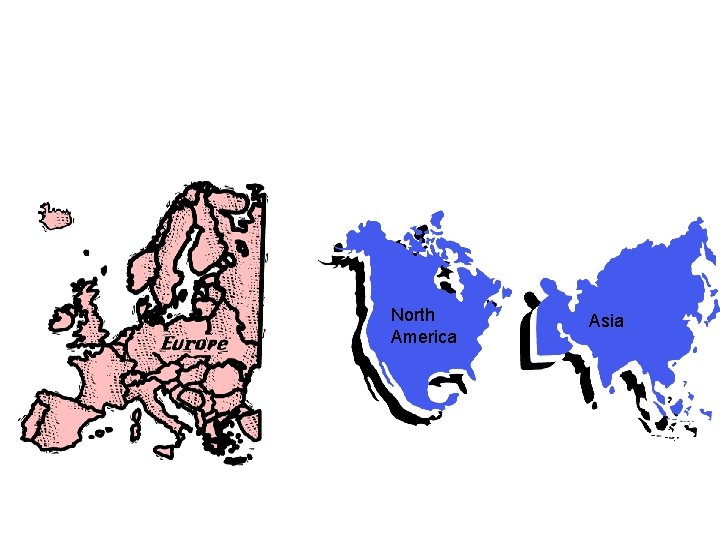
Really two wars in 1 North America Asia
European war is centered on Austria, Russia and France attempting to destroy and dismember Prussia and Frederick
Prussia has a population of 6, 000 Austria, France, and Russia each have at least 20, 000
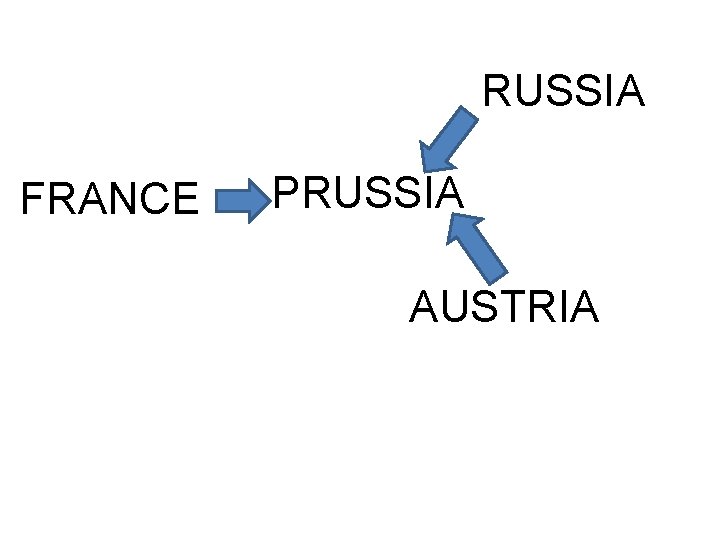
RUSSIA FRANCE PRUSSIA AUSTRIA
Frederick’s problem is he has no help England gives only financial support, no troops Frederick’s people are totally behind him, Junkers and peasants alike
At the lowest point things begin to work out Empress Elizabeth dies (1762)– her son Peter admires Fredrick and changes sides
France is more concerned with her war against England in the colonies The Austrian alliance was not popular with the country Couldn’t get Austria to promise Belgium to France
With only Austria left, Frederick is able to handle them and settle Peace of Huberusburg 1763 Frederick gets to keep Silesia
The wars of Austrian Succession and 7 Years showed that Austria was not strongly united Maria-Theresa works for internal consolidation
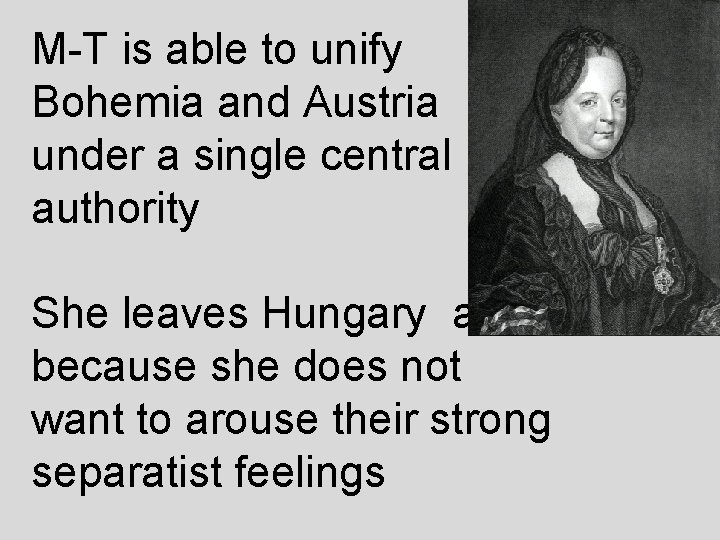
M-T is able to unify Bohemia and Austria under a single central authority She leaves Hungary alone because she does not want to arouse their strong separatist feelings
To get greater control of man power she attacks institution of serfdom M-T reduces work obligation from 6 days to 3 Because of centralization, nobles in local diets have less power
Maria-Theresa dies in 1780
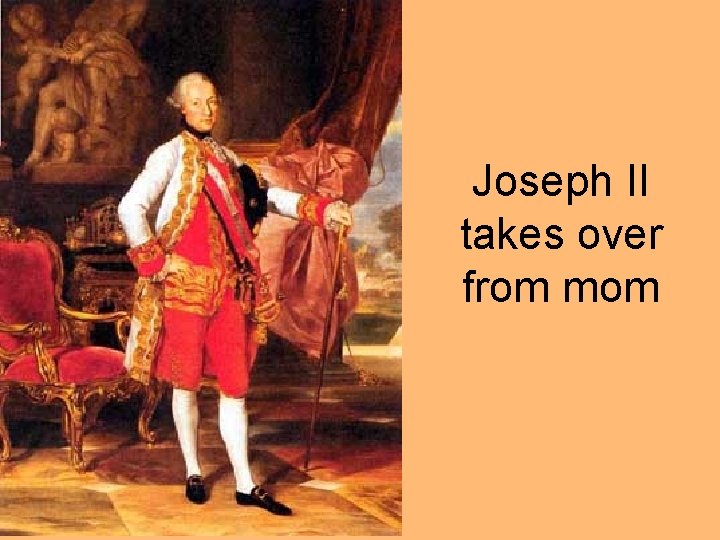
Joseph II takes over from mom
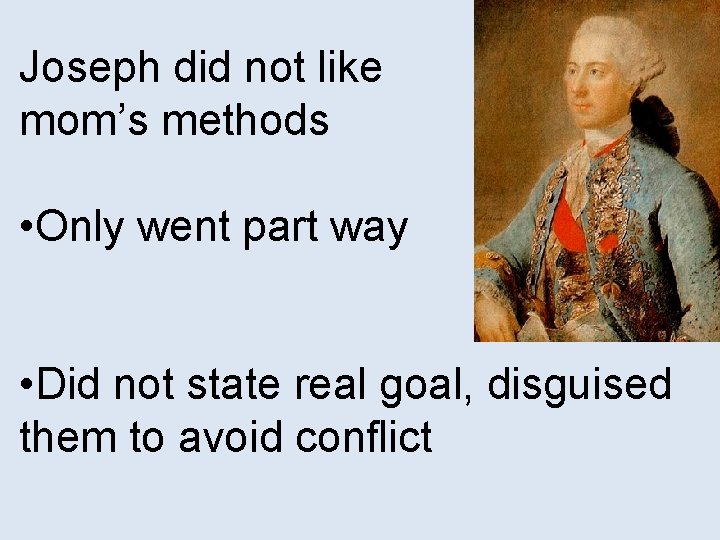
Joseph did not like mom’s methods • Only went part way • Did not state real goal, disguised them to avoid conflict
Joseph felt there was misery among the people and he had to stop it Felt the old guard was selfserving or wrong Felt the purpose of the state was the greatest good for the greatest number
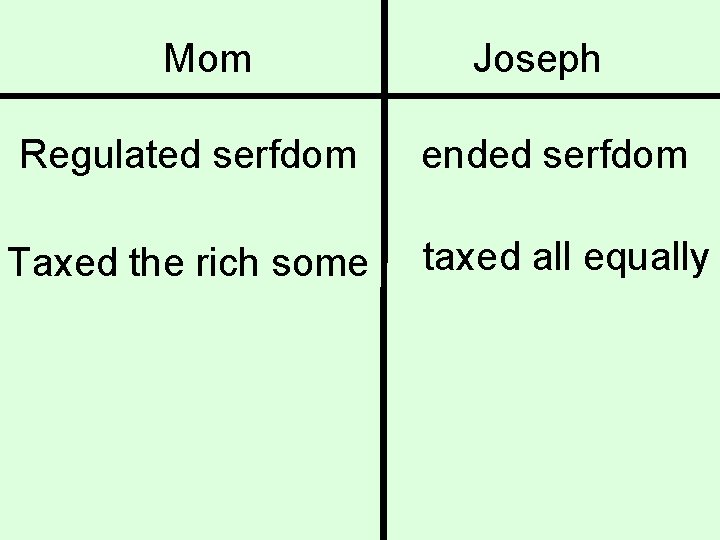
Mom Joseph Regulated serfdom ended serfdom Taxed the rich some taxed all equally
Joseph believes in: Equal punishment for equal crimes whether rich or poor Religious toleration-Jews get civil rights, can serve in army and be nobles
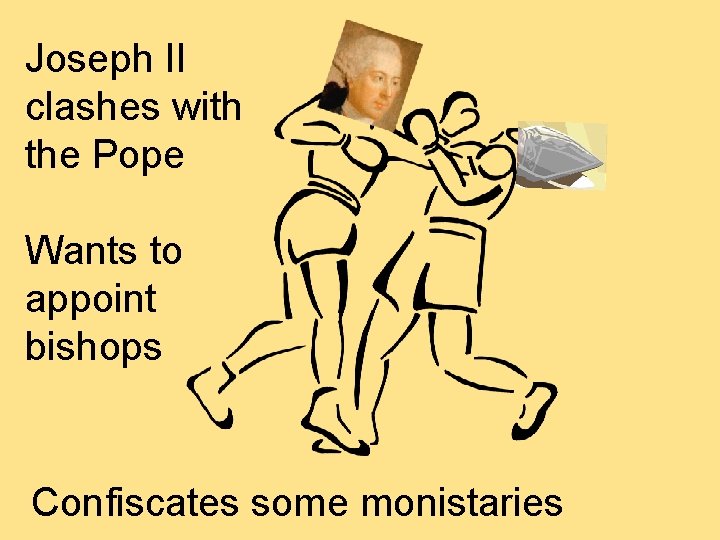
Joseph II clashes with the Pope Wants to appoint bishops Confiscates some monistaries
Centralizes Hungary under Austrian control Picks German for language of administration
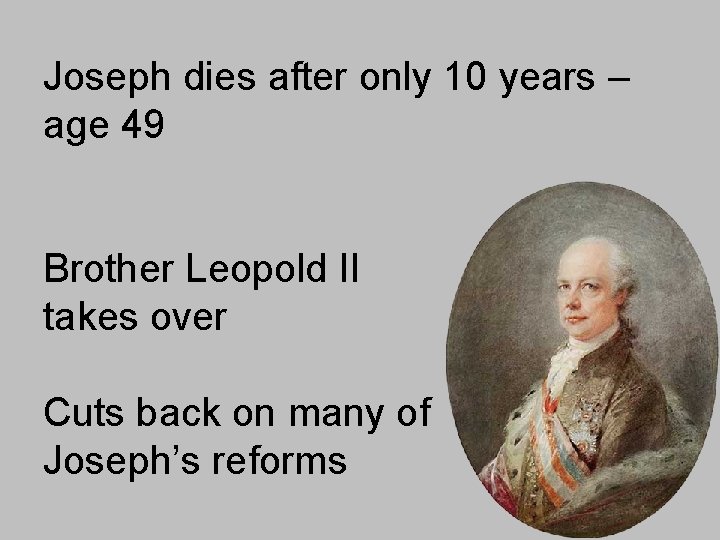
Joseph dies after only 10 years – age 49 Brother Leopold II takes over Cuts back on many of Joseph’s reforms
PRUSSIA Frederick the Great spend the 23 years after the war in relative peace He does not need to reform or change anything since the country is doing well
Prussian society was very segregated with each group being totally separate from each other • Paid different taxes • Owed different duties to the state
Property was legally classified Could not buy property if you were not in the proper class Junkers only
Good for the army Peasants are soldiers Junkers are officers

Frederick does little for the serfs Doesn’t want to upset the landowning Junkers who make up the officer corps
Frederick is absolute ruler-makes all the decisions himself Does not have anyone in government with any power When he dies (1786) there is no trained successor
20 years after his death Prussia will nearly be destroyed by Napoleon
Russia after Peter
Peter dies without a declared successor Had his own son executed Leads to a period of unrest with rival noble families supporting different members of Peter’s family
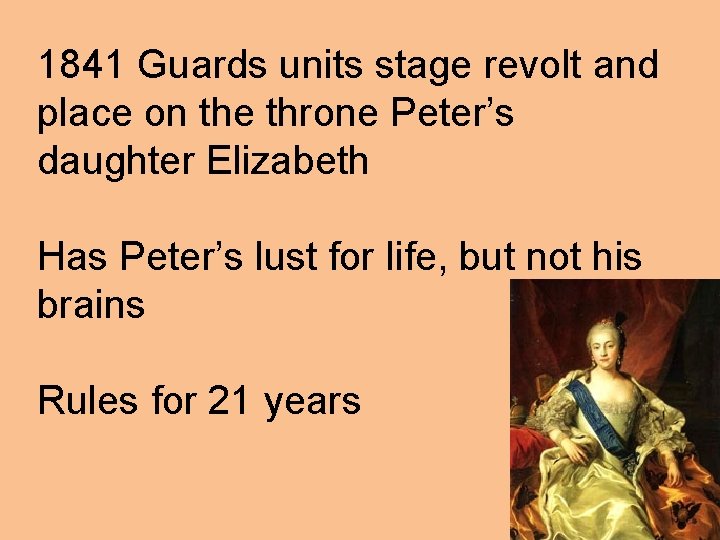
1841 Guards units stage revolt and place on the throne Peter’s daughter Elizabeth Has Peter’s lust for life, but not his brains Rules for 21 years
Elizabeth names as successor her nephew Peter To better establish the line she looks for a wife for Peter Picks a German Princess: Sophia August Frederika
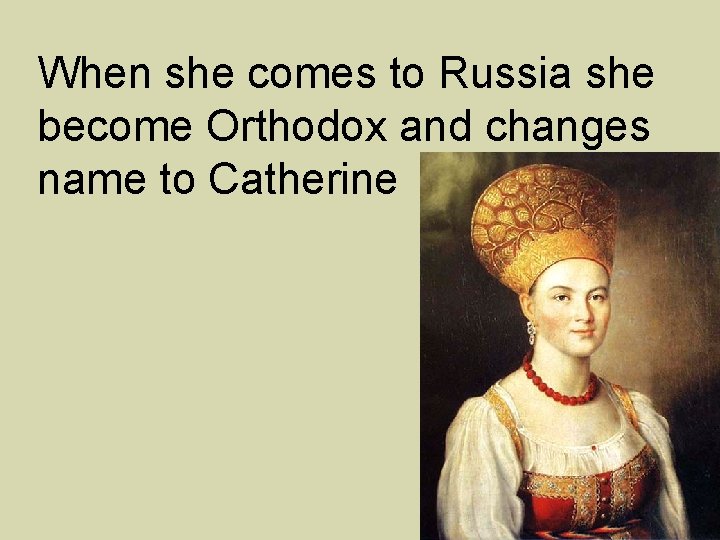
When she comes to Russia she become Orthodox and changes name to Catherine
Catherine and Peter hate each other Catherine has son – Paul who is raised by Elizabeth
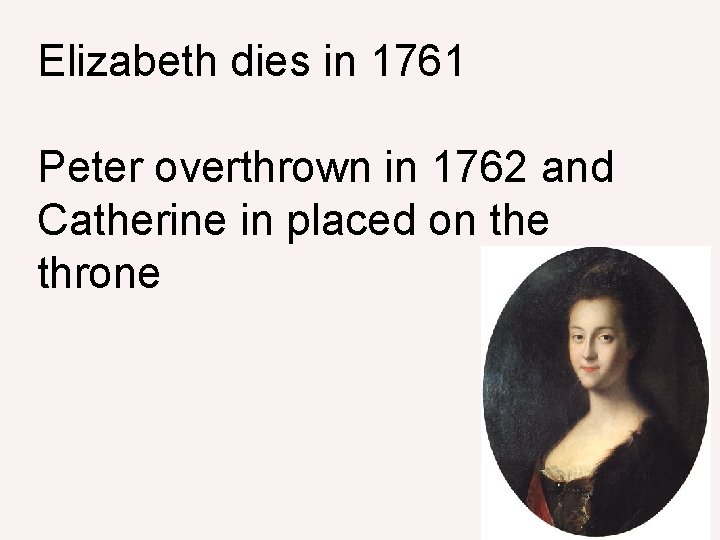
Elizabeth dies in 1761 Peter overthrown in 1762 and Catherine in placed on the throne
Catherine sets out to reform Russia Since Russia is agricultural, she looks to improve farm techniques Brings in modern equipment from England Invites settler from Germany
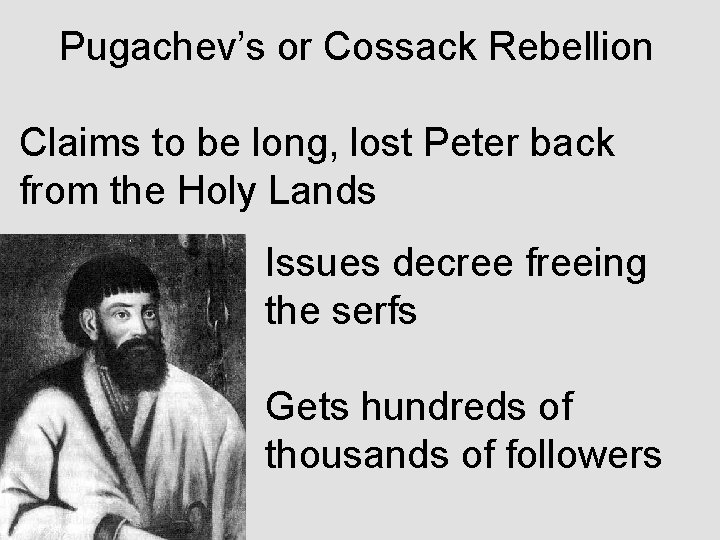
Pugachev’s or Cossack Rebellion Claims to be long, lost Peter back from the Holy Lands Issues decree freeing the serfs Gets hundreds of thousands of followers
Rebellion stopped in part by famine Pugachev is captured and executed Catherine reacts by reorganizing local government to be more responsive
To the nobles she give more control over the peasants and exemption from military and taxes To the middle class in towns she gives some measure of local self government To the serfs she gives nothing
By giving more lands to the nobles she creates more serfs 34 out of 36 million are in a state of serfdom
Foreign Policy Catherine’s goal is to expand Russia Westward into Poland Gain a port on the Black Sea
1763 throne of Poland empty Catherine secures the election of a former “friend” Stanislaus Poniatowski
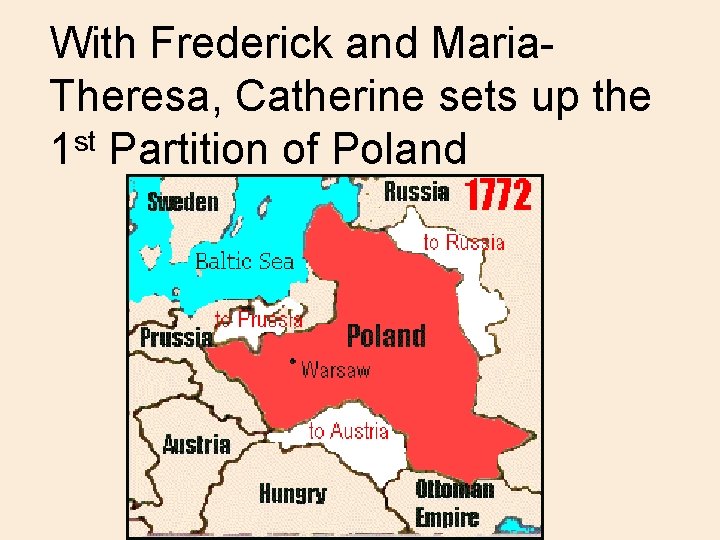
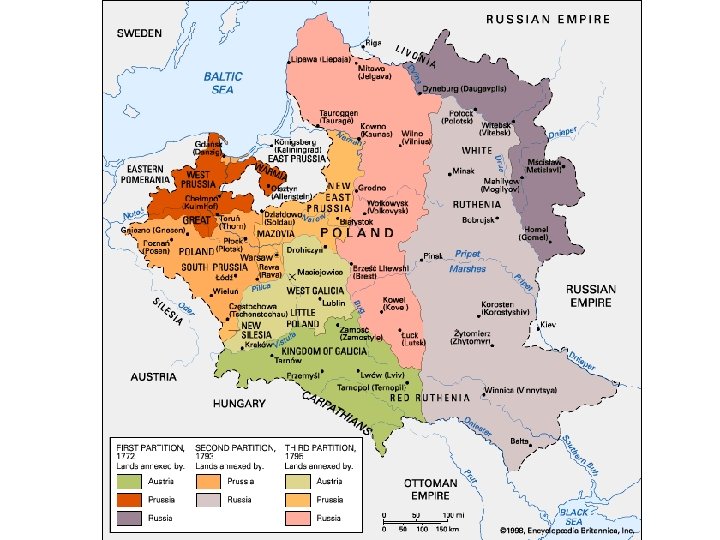
With Frederick and Maria. Theresa, Catherine sets up the 1 st Partition of Poland
Two more partitions will follow (1793 and 1795) so that Poland will cease to exist
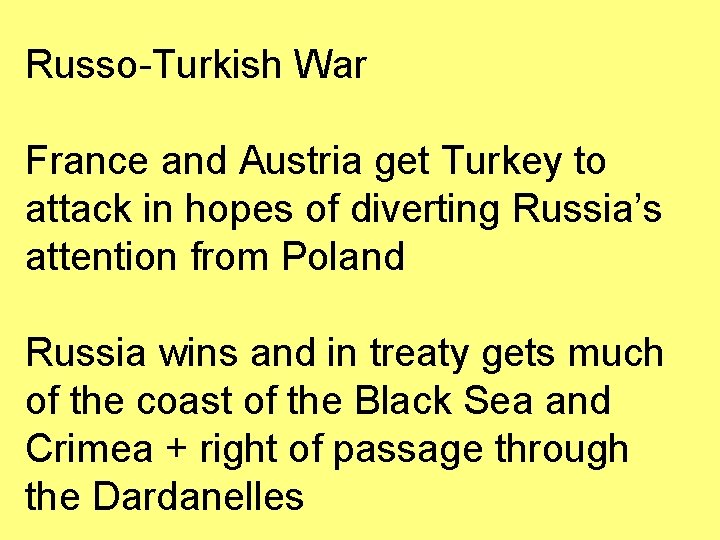
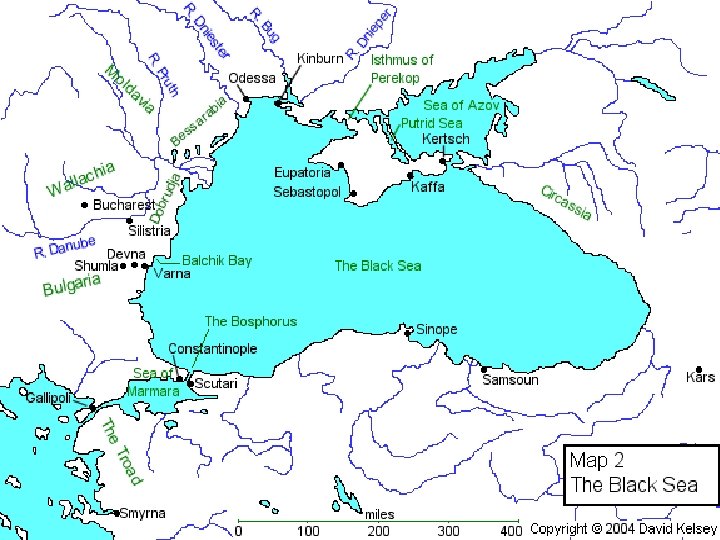
Russo-Turkish War France and Austria get Turkey to attack in hopes of diverting Russia’s attention from Poland Russia wins and in treaty gets much of the coast of the Black Sea and Crimea + right of passage through the Dardanelles
British Reform Movement
Atlantic/Democratic Revolution Why not true democracy? Generally did not demand universal suffrage
Similarities All called for: * liberty & equality * Declaration of rights * written constitution * sovereignty for the people * national citizenship
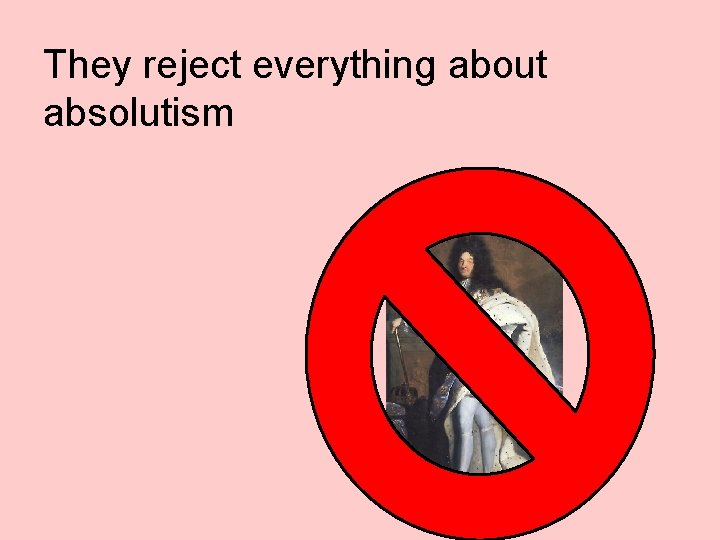
They reject everything about absolutism
It tended to be a middle class movement In Europe some leaders will be nobles who are willing to give up their historic privileges
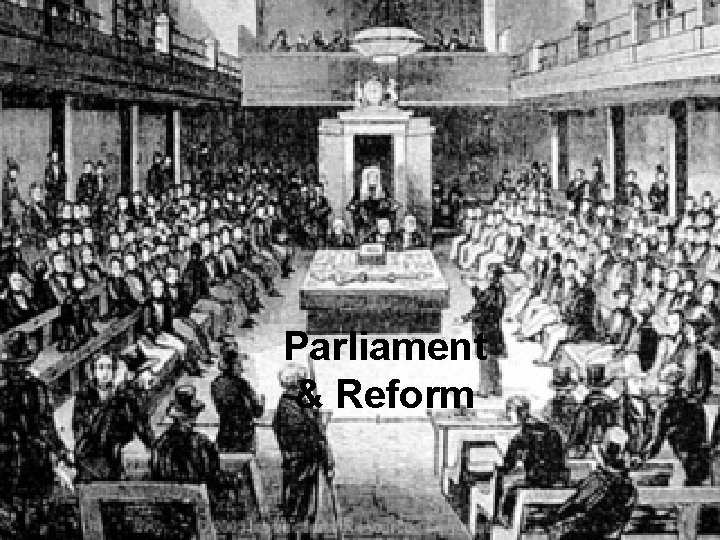
Parliament & Reform
England is content politically after the English Revolution It’s Enlightened writers tend to be more conservative that their French counterparts
Parliament is supreme It had the power “to do all things except change a man to a woman”
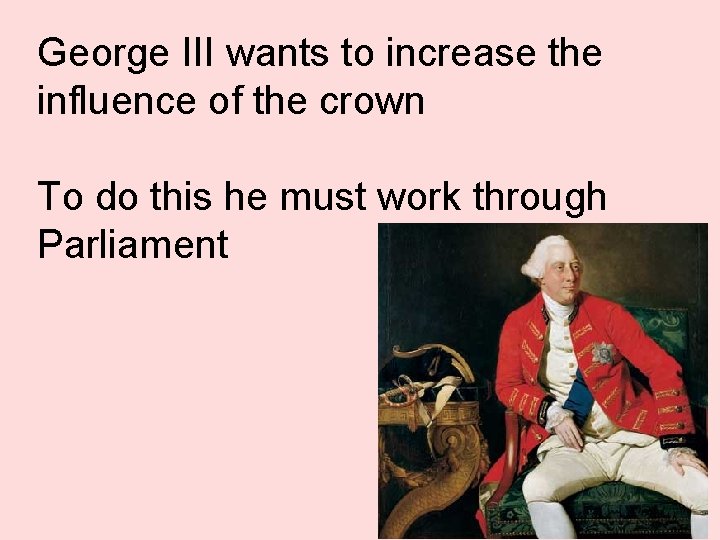
George III wants to increase the influence of the crown To do this he must work through Parliament
George gets involved in buying votes and making deals Forms new faction “King’s Friends” In power from 1770 -1782 King’s Friends were Whigs The Tories are small & ineffective

While everything is calm on the surface, there is an undercurrent of discontent
Irish who want Home Rule Religious dissenters and commonwealthmen Concern for the system of Parliament itself
While the Commons was elected, election were infrequent (7 years) Seats not based on population Towns with the right to send a member(s) were called borough No new boroughs were created between 1688 and 1832
Towns that had shrunk since the Medieval days still had multiple seats and the new industrial towns had none In small areas the local Lord controlled the seats
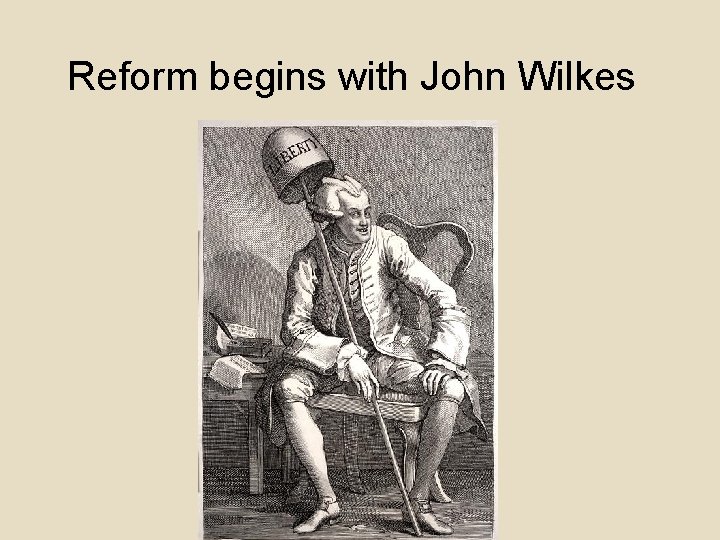
Reform begins with John Wilkes
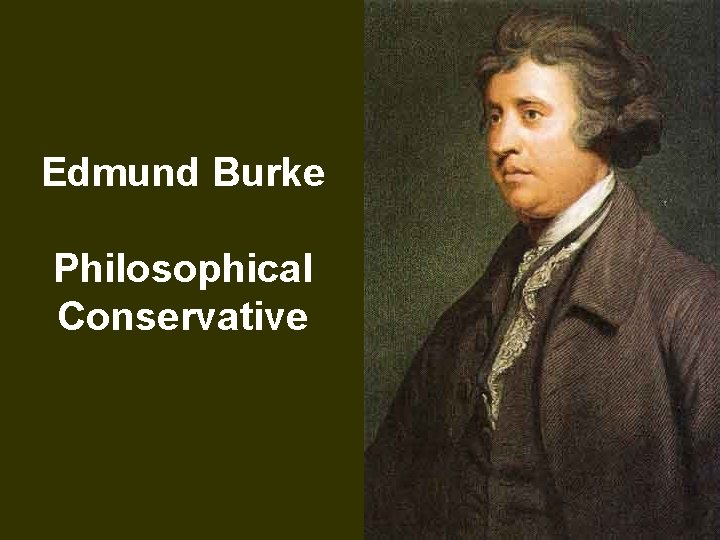
Edmund Burke Philosophical Conservative
England sends troops to subdue the Highlanders who were never under any government control
In Ireland problem is different Catholic Ireland more sympathetic with France During War with France 1793 French try to land army 1798 Irish rise in revolt
England crushes revolt and passes the Act of Union 1801 Given 100 seats in the Commons and 32 in the Lords
England the American Revolution
After the 7 Years War England had built up a debt It was decided by the PM – George Grenville – that England would abandon its policy of Salutary Neglect and start raising revenue from the colonies
England had controlled trade with the colonies by the Navigation Acts She now wanted to enforce these stricter Revenue Act of 1764(Sugar Act) they lowered the tax, but declared that it would be enforced
Parliament follows this up with the Stamp Act and the Townshend Act Parliament is forced to repeal the Acts due to colonial boycott
Colonies claim rights of Englishmen and state ‘no taxation without representation’ England counters with virtual representation
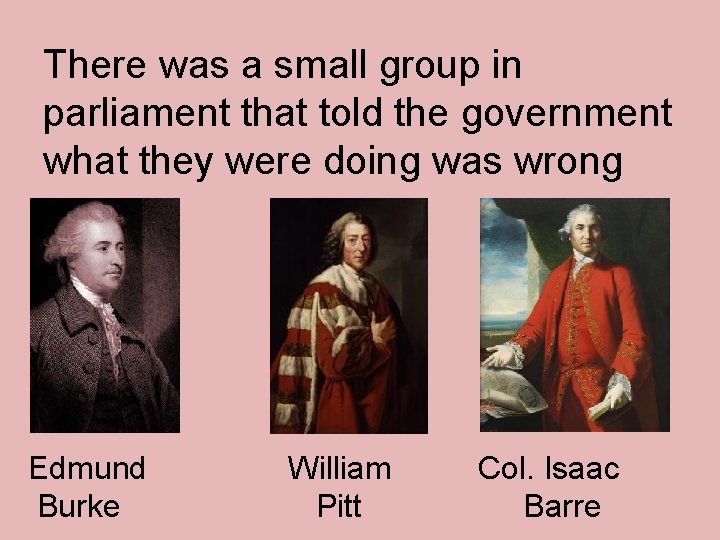
There was a small group in parliament that told the government what they were doing was wrong Edmund Burke William Pitt Col. Isaac Barre
After Tea Party many in England are talking about armed intervention Some see the futility “the whole British Army together would not be enough to conquer America” General Sir William Howe
Secretary of War Viscount Barrington said: “Our contest is merely a point of honor, and will cost us more than we can ever gain by success”
The British will fight the war as they ran the colonies, based on misinformation and emotion. They will have no master strategy and can not coordinate operations.
Impact of American Revolution *Vindication of Enlightenment ideals Americans used ideas from Enlightenment, especially: John Locke-Social Contract and natural rights
Montesquieu – separation of powers * Alters the idea of the colonial system looked at by colonies in Central and South America
*Use of written constitution and a declaration of intent used by many revolutions that follow
- Slides: 144