
AGE OF ANXIETY POST WWI GREAT DEPRESSION TRANSFORMATION
- Slides: 20
AGE OF ANXIETY POST WWI & GREAT DEPRESSION
TRANSFORMATION OF EUROPE • Period of Social Change • Scientific and Cultural Transformation • German Hyperinflation
SOCIAL CHANGES OF THE 20’S • Huge casualties mean more social mobility for those who survive • Class distinctions fade • Government expansion = more “white -collar” jobs (office work, business, etc) • Technology slowed growth of the working class • Women earned the right to vote
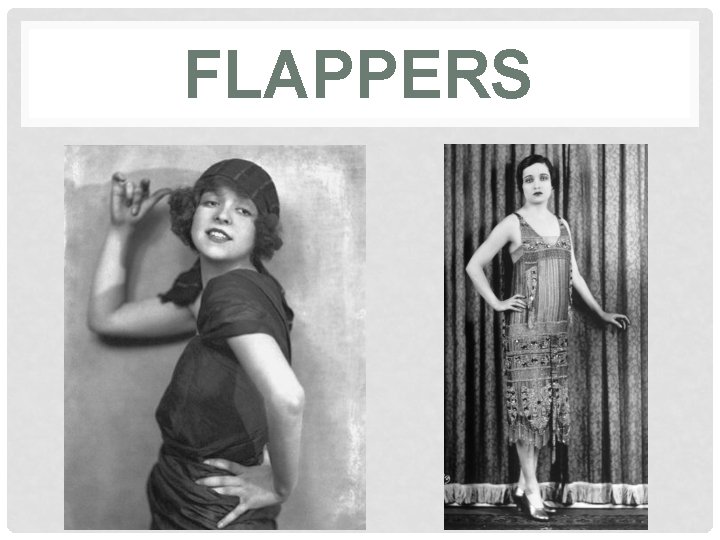
FLAPPERS
GERMAN HYPERINFLATION • German economy collapsed in 1923 • Treaty of Versailles • Loss of: • 15% of its European territory • All colonial possessions • War Guilt Clause • Had to pay the winners back for the war • Leads to hyper-inflation
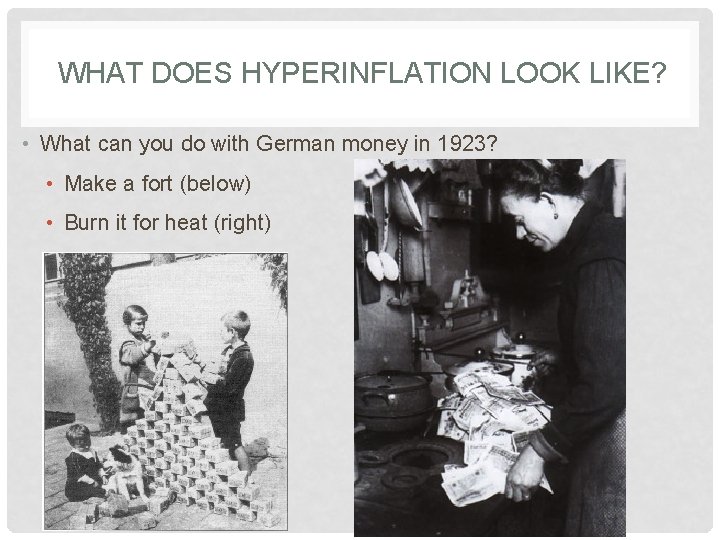
WHAT DOES HYPERINFLATION LOOK LIKE? • What can you do with German money in 1923? • Make a fort (below) • Burn it for heat (right)
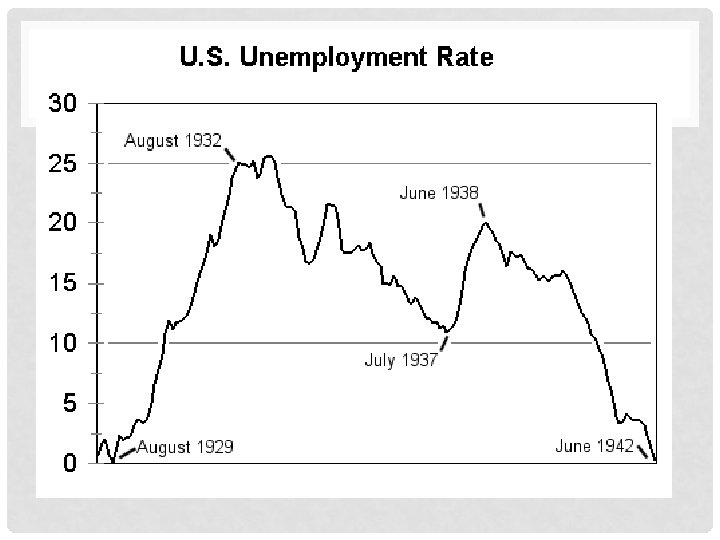
THE GREAT DEPRESSION • Most important event of the Post WWI period • Directly leads to WWII • Shows that capitalism has some pretty serious flaws
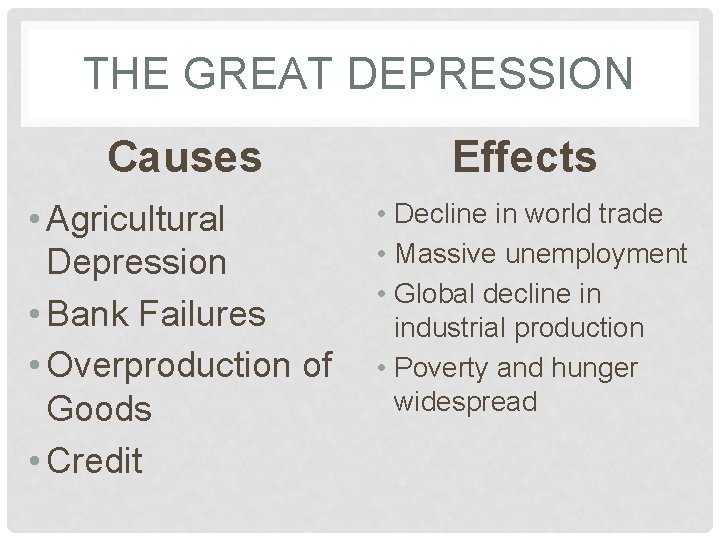
THE GREAT DEPRESSION Causes Effects • Agricultural Depression • Bank Failures • Overproduction of Goods • Credit • Decline in world trade • Massive unemployment • Global decline in industrial production • Poverty and hunger widespread
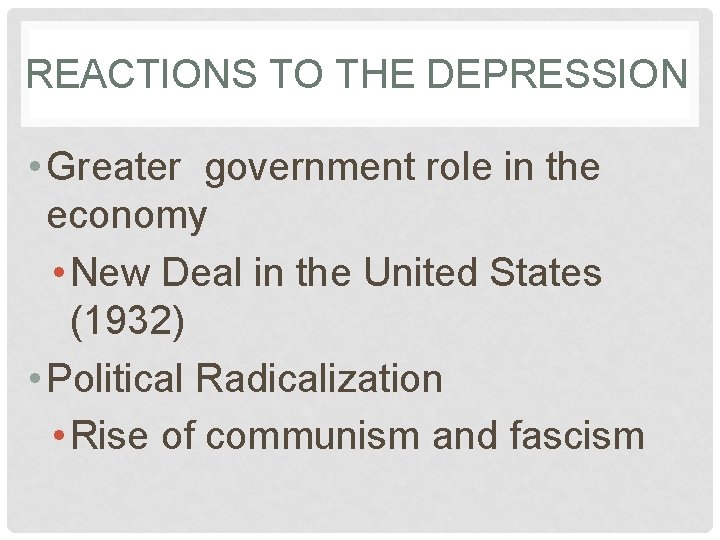
REACTIONS TO THE DEPRESSION • Greater government role in the economy • New Deal in the United States (1932) • Political Radicalization • Rise of communism and fascism
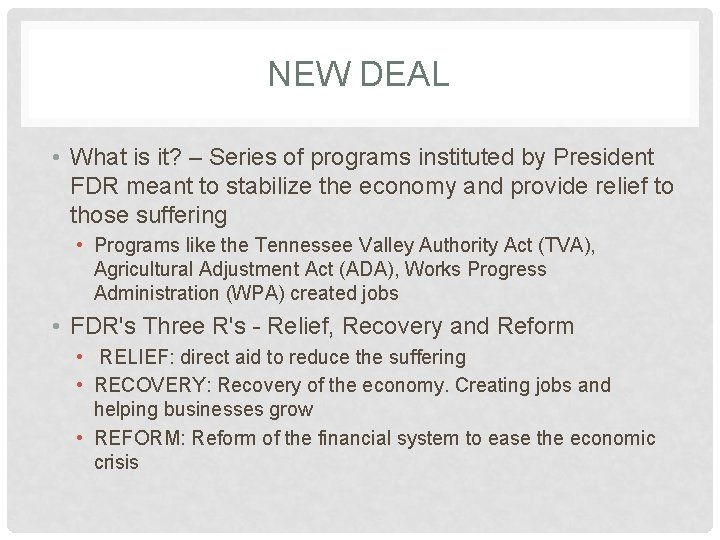
NEW DEAL • What is it? – Series of programs instituted by President FDR meant to stabilize the economy and provide relief to those suffering • Programs like the Tennessee Valley Authority Act (TVA), Agricultural Adjustment Act (ADA), Works Progress Administration (WPA) created jobs • FDR's Three R's - Relief, Recovery and Reform • RELIEF: direct aid to reduce the suffering • RECOVERY: Recovery of the economy. Creating jobs and helping businesses grow • REFORM: Reform of the financial system to ease the economic crisis
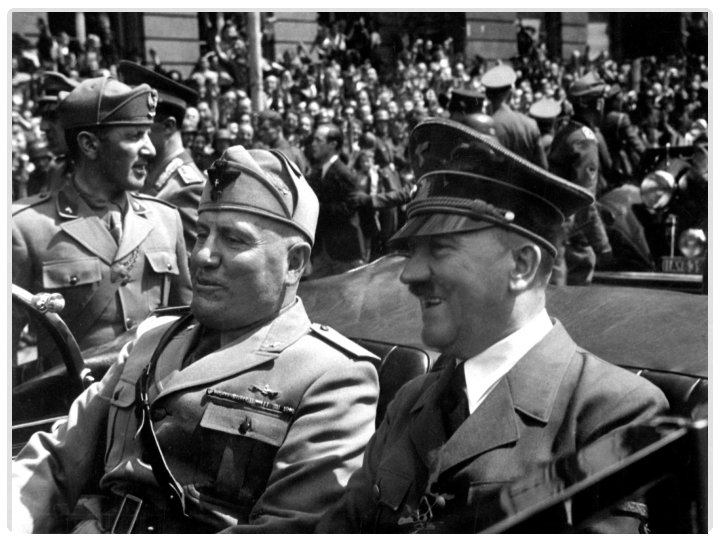
FASCISM • Mussolini – Italy (1922) • Dictatorship • Government took over press, education • Extreme nationalism • Secret police • Fascism appealed to people who feared: • rapid change & economic instability
ADOLF HITLER Rise of Hitler Reforms by Hitler • Austrian • Ignores the Treaty • Served in World of Versailles War I • Ends war • Became reparations chancellor of Germany in 1933 • Remilitarizes Germany
ACTIVITY INTRODUCTION Butcherville, Plainview County, Midwest, USA Spring, 1934 Butcherville is a town located 50 miles from a major urban center. There is no freeway connection and getting to the city can take several hours, as the roads are poorly maintained and susceptible to frequent weather damage. The population of Butcherville is approximately 9, 000 and the major employers are the Stanley Furniture Factory and the Ramshead Textile Factory. The town also has the usual assortment of small businesses and a post office. The Butcherville School district is the third largest employer Plainview County. In spring, 1934, the Great Depression is in full swing throughout the country and is definitely making its presence felt in Butcherville. You and your family have strong ties to the community and love living there. However, the Depression has not only begun to challenge your future, it has caused changes in the reality of the day-to-day present. Your assignment is to deal with the changes in your circumstances by identifying the available alternatives and choosing the best alternative for your family.
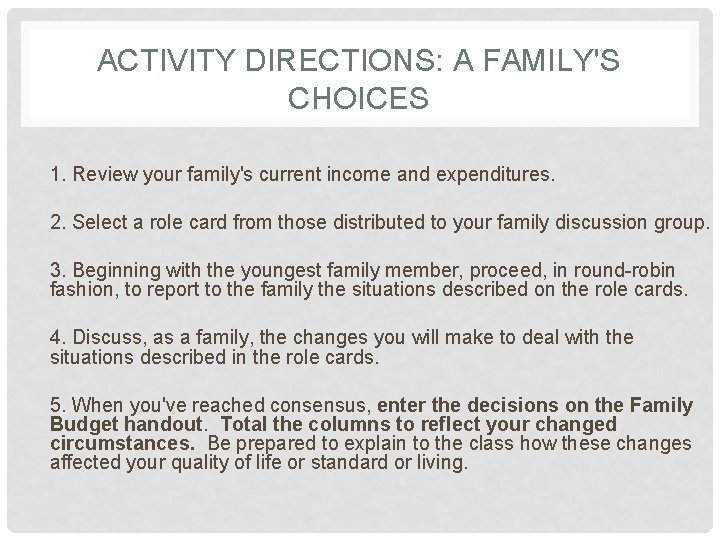
ACTIVITY DIRECTIONS: A FAMILY'S CHOICES 1. Review your family's current income and expenditures. 2. Select a role card from those distributed to your family discussion group. 3. Beginning with the youngest family member, proceed, in round-robin fashion, to report to the family the situations described on the role cards. 4. Discuss, as a family, the changes you will make to deal with the situations described in the role cards. 5. When you've reached consensus, enter the decisions on the Family Budget handout. Total the columns to reflect your changed circumstances. Be prepared to explain to the class how these changes affected your quality of life or standard or living.
A DAY GROUPS 2 A • Taylor family • Jake, Stuart, Emerson, Michael, Madelyn • Anderson family • Lainey, Favour, Charity, Elizabeth, Alyssa • Johnson family • Andrew, Georgia, Jenna, Des, Sarah • Jacinski family • Avery, Anna Y, Will, Laurel, Maie • Mc. Fadden family • Grace M, Grace S, Benjamin, Anna T, Caroline 4 A • Taylor family • Peyton, William G, Liza, Sarah, Kemiya • Anderson family • Flynn, Kristopher, Nan, Reilly K, Z • Johnson family • William F, Jacob, Faith, Jackson, Riley S
B DAY GROUP 4 B • Taylor family • Eleanor, Will, Kristina, Harrison, Abby, Lily • Anderson family • Jager, Ansley, William, Gavin, Katie. Charles • Johnson family • Chandler, Star, Cate, Victoria, Tina. Maria
ACTIVITY DEBRIEF • Answer on a sheet of paper to turn in! In hard economic times, people try to protect themselves from additional hardship by cutting back on consumption. Why would such prudent measures for individuals make people worse off overall during the Great Depression?