
After Digestion And Absorption Of Food What Next

After Digestion And Absorption Of Food What Next?
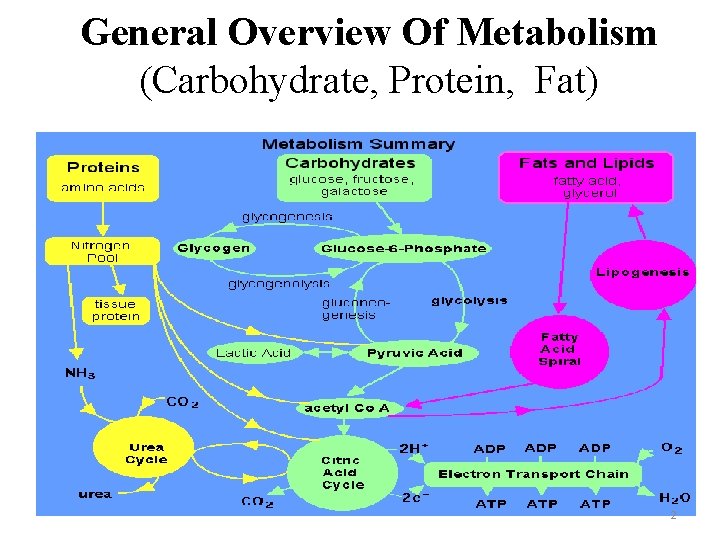
General Overview Of Metabolism (Carbohydrate, Protein, Fat) 2
Carbohydrate Chemistry and Metabolism By Gladys Kaba 3
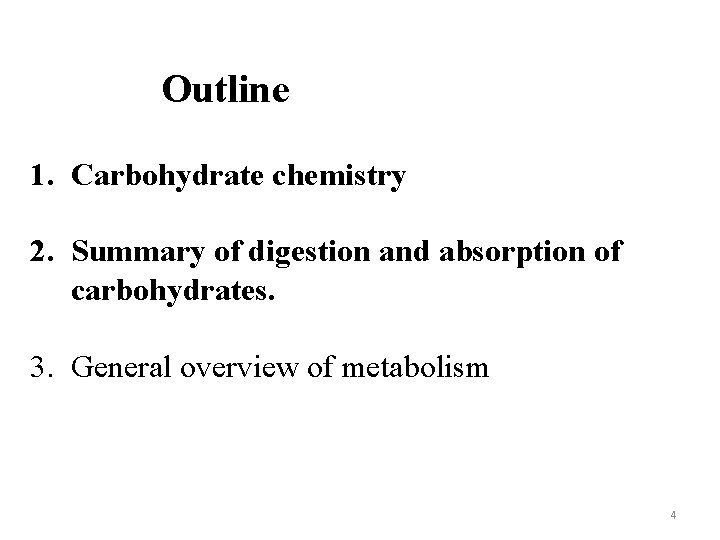
Outline 1. Carbohydrate chemistry 2. Summary of digestion and absorption of carbohydrates. 3. General overview of metabolism 4
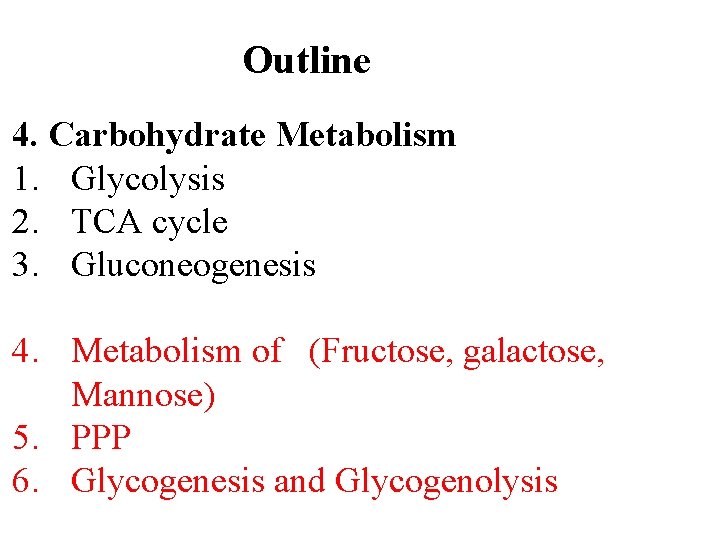
Outline 4. Carbohydrate Metabolism 1. Glycolysis 2. TCA cycle 3. Gluconeogenesis 4. Metabolism of (Fructose, galactose, Mannose) 5. PPP 6. Glycogenesis and Glycogenolysis
After Digestion And Absorption Of Carbohydrates What Next? Carbohydrate Metabolism (Glucose) 6
We eat food containing carbohydrates 7
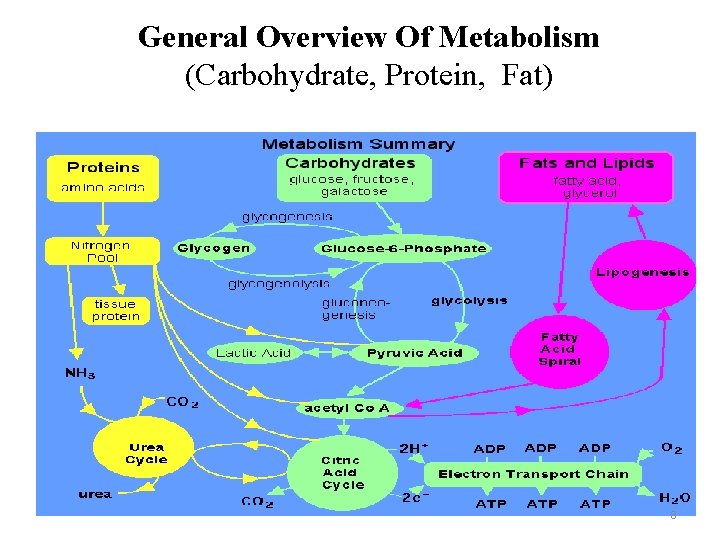
General Overview Of Metabolism (Carbohydrate, Protein, Fat) 8
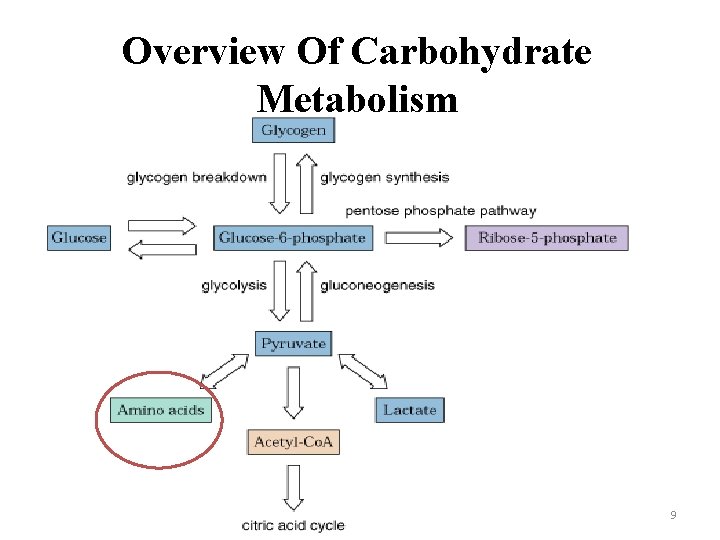
Overview Of Carbohydrate Metabolism 9
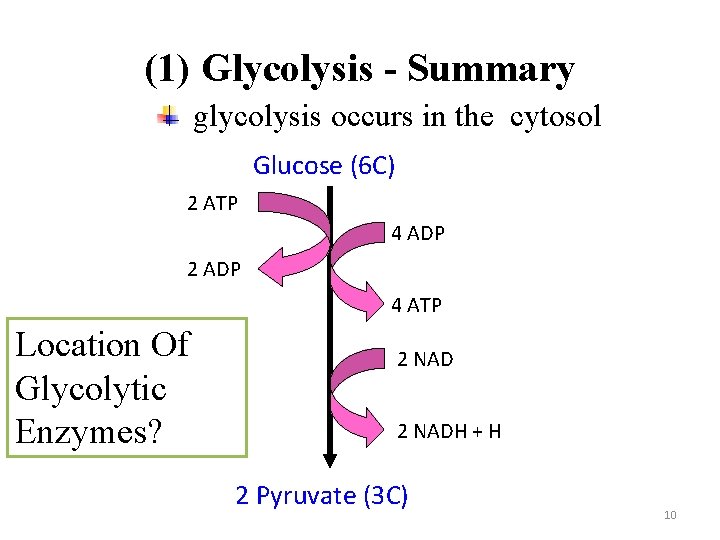
(1) Glycolysis - Summary glycolysis occurs in the cytosol Glucose (6 C) 2 ATP 4 ADP 2 ADP 4 ATP Location Of Glycolytic Enzymes? 2 NADH + H 2 Pyruvate (3 C) 10
Functions/Importance Of Glycolysis Provides Energy 1. 2. 3. 4. Glycolysis Provides Substrate for Oxidation Intermediates Products are used in Other Pathways 2, 3 -bisphoglycerate, fatty acid and cholesterol synthesis Alanine, glycerol 3 -phosphate 11
Cells With Special Needs Of Glycolysis Erythrocytes (Red blood cells) Lens and cornea of the eye Cells in brain cells 12
Physiological And Pathophysiological Conditions with special need for Glycolysis Fed State Exercising muscles Cancer cells-----Warburg effect 13
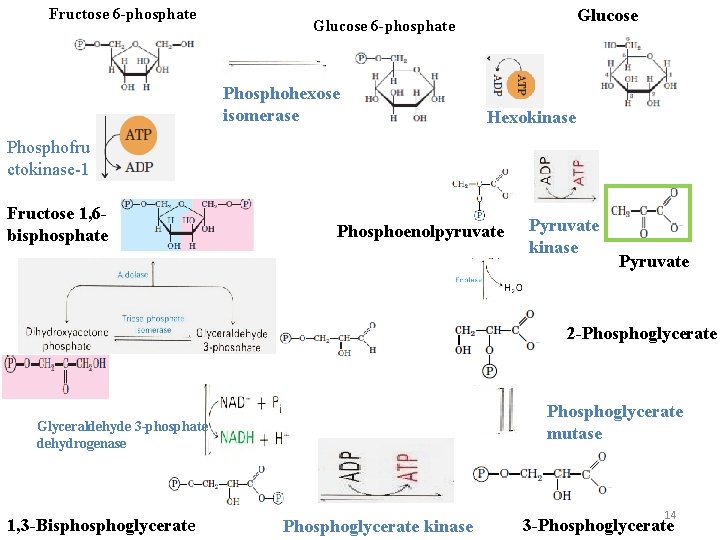
Fructose 6 -phosphate Glucose 6 -phosphate Phosphohexose isomerase Hexokinase Phosphofru ctokinase-1 Fructose 1, 6 bisphosphate Phosphoenolpyruvate Pyruvate kinase Pyruvate 2 -Phosphoglycerate mutase Glyceraldehyde 3 -phosphate dehydrogenase 1, 3 -Bisphoglycerate Phosphoglycerate kinase 14 3 -Phosphoglycerate
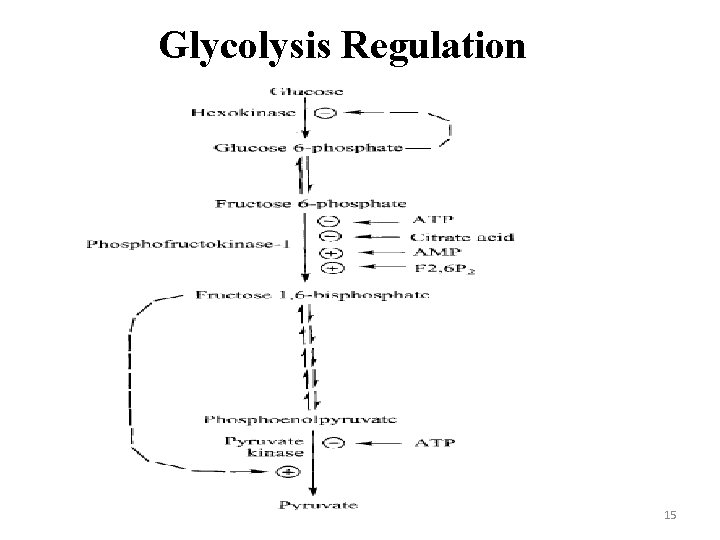
Glycolysis Regulation 15
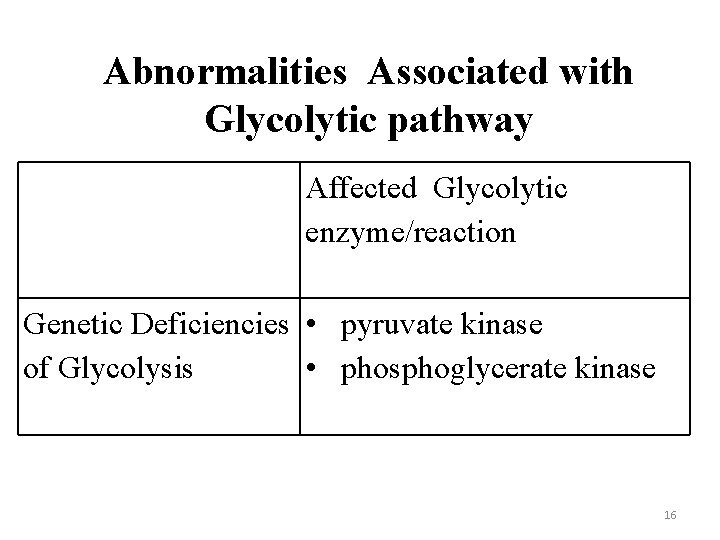
Abnormalities Associated with Glycolytic pathway Affected Glycolytic enzyme/reaction Genetic Deficiencies • pyruvate kinase of Glycolysis • phosphoglycerate kinase 16
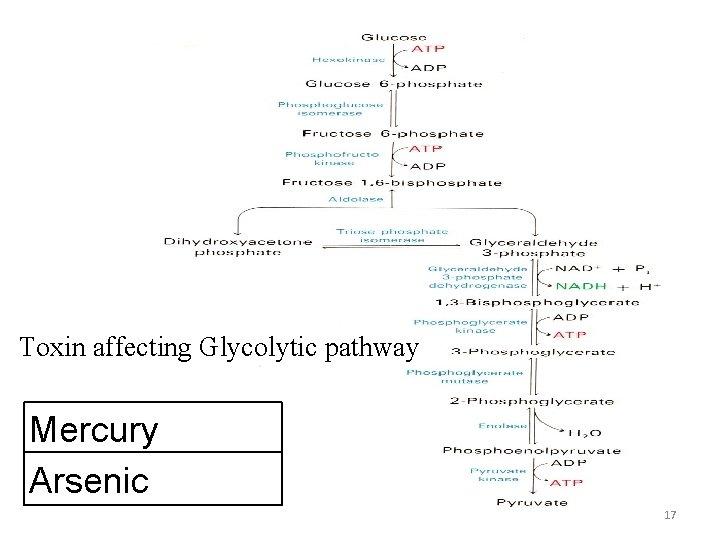
Toxin affecting Glycolytic pathway Mercury Arsenic 17
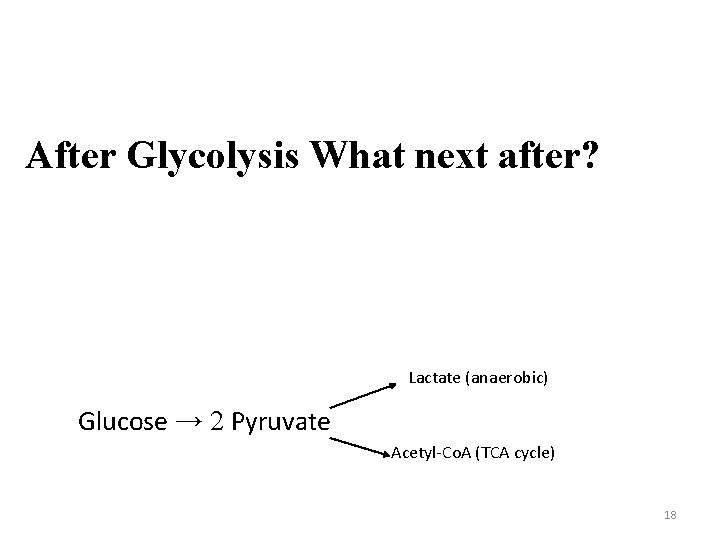
After Glycolysis What next after? Lactate (anaerobic) Glucose → 2 Pyruvate Acetyl-Co. A (TCA cycle) 18
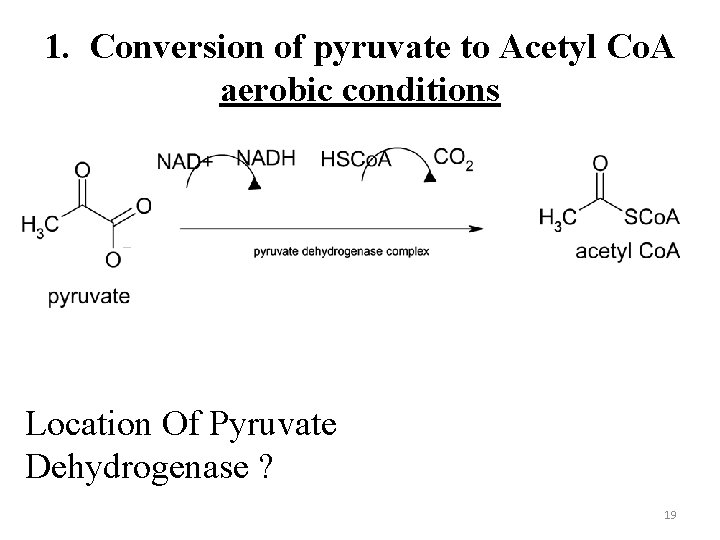
1. Conversion of pyruvate to Acetyl Co. A aerobic conditions Location Of Pyruvate Dehydrogenase ? 19
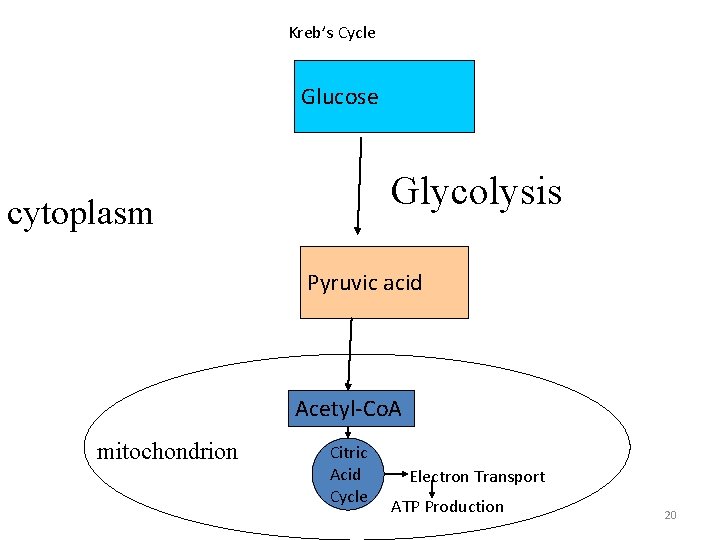
Kreb’s Cycle Glucose Glycolysis cytoplasm Pyruvic acid Acetyl-Co. A mitochondrion Citric Acid Cycle Electron Transport ATP Production 20
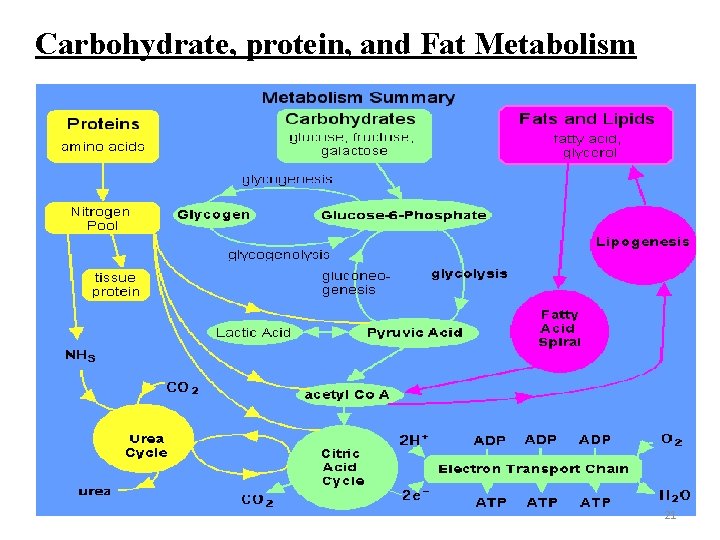
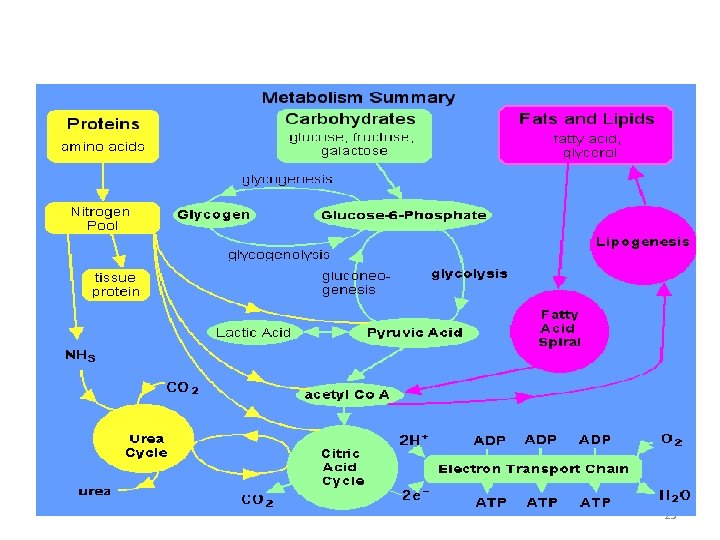
Carbohydrate, protein, and Fat Metabolism 21
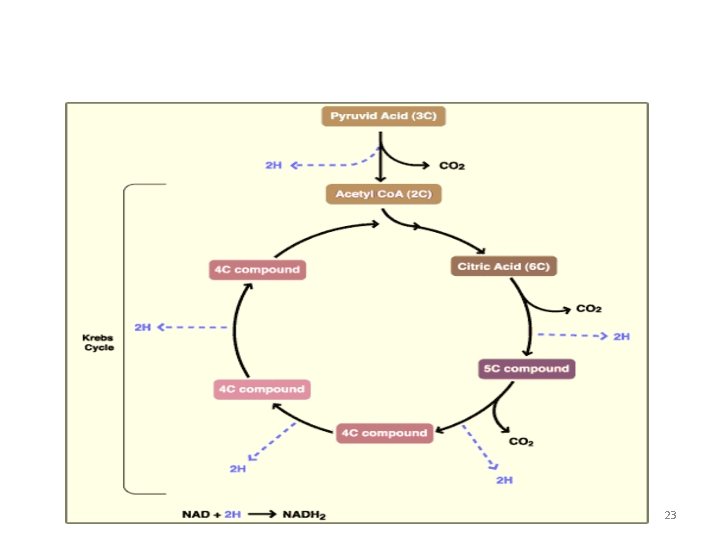
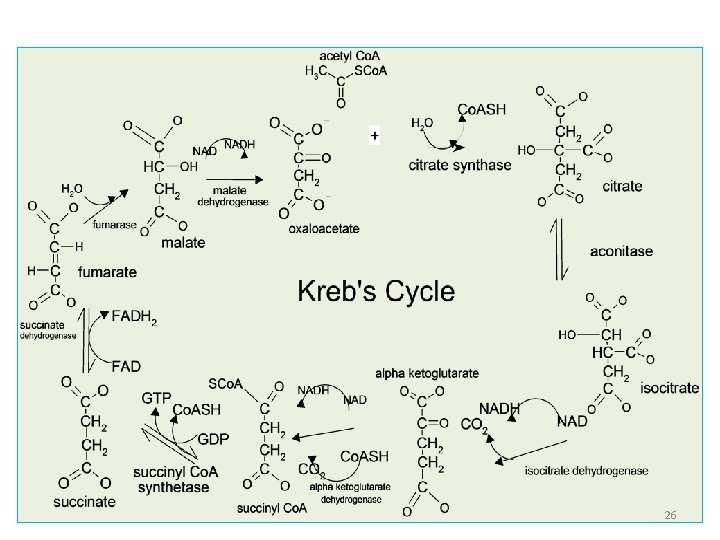
Kreb’s Cycle Aka Tricarboxylic Acid Cycle TCA Cycle Citric Acid Cycle Location Of Pyruvate Dehydrogenase And The TCA-cycle Enzymes? 22
23
Main Function of the Kreb’s cycle • Oxidative process – 3 NADH – FADH 2 – GTP • X 2 per glucose – 6 NADH – 2 FADH 2 – 2 GTP • All ultimately turned into ATP (oxidative phosphorylation/ electron transport chain) 24
25
26
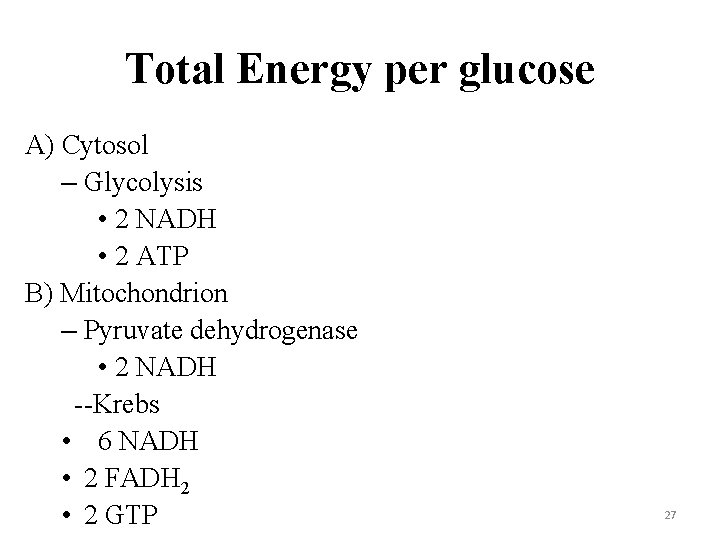
Total Energy per glucose A) Cytosol – Glycolysis • 2 NADH • 2 ATP B) Mitochondrion – Pyruvate dehydrogenase • 2 NADH --Krebs • 6 NADH • 2 FADH 2 • 2 GTP 27
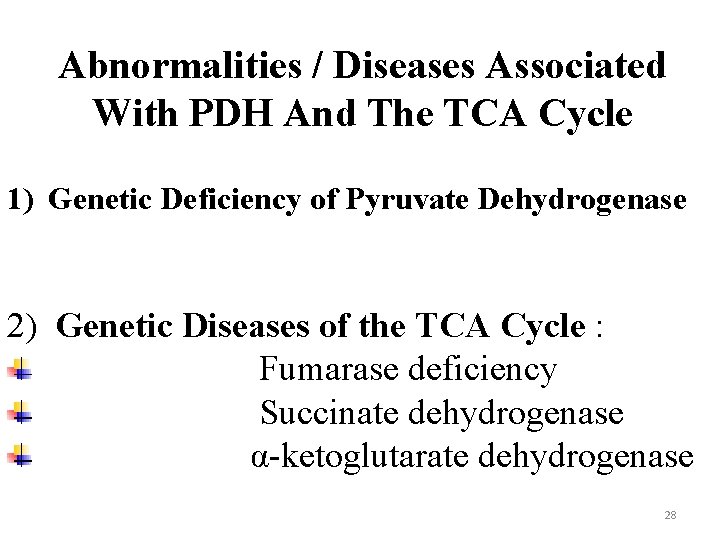
Abnormalities / Diseases Associated With PDH And The TCA Cycle 1) Genetic Deficiency of Pyruvate Dehydrogenase 2) Genetic Diseases of the TCA Cycle : Fumarase deficiency Succinate dehydrogenase α-ketoglutarate dehydrogenase 28
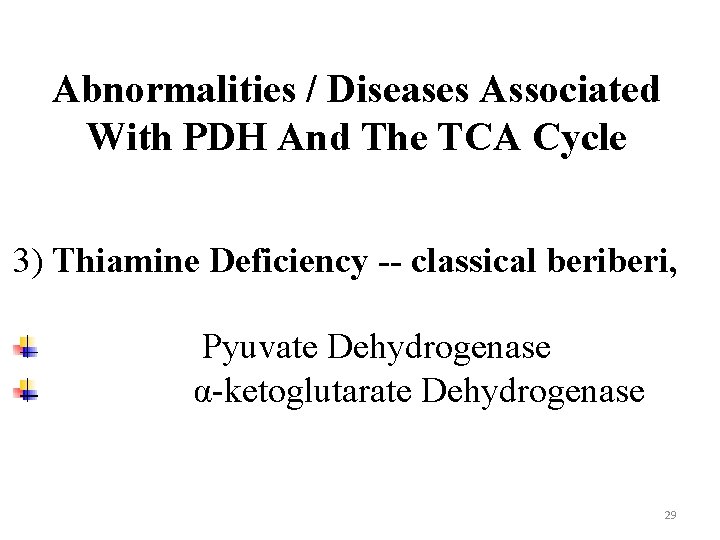
Abnormalities / Diseases Associated With PDH And The TCA Cycle 3) Thiamine Deficiency -- classical beri, Pyuvate Dehydrogenase α-ketoglutarate Dehydrogenase 29
Regulation of the Tricarboxylic Acid Cycle? About half page to be submitted next Wednesday before The class. Students Review Question? Additional questions would be sent through the email on Thursday.
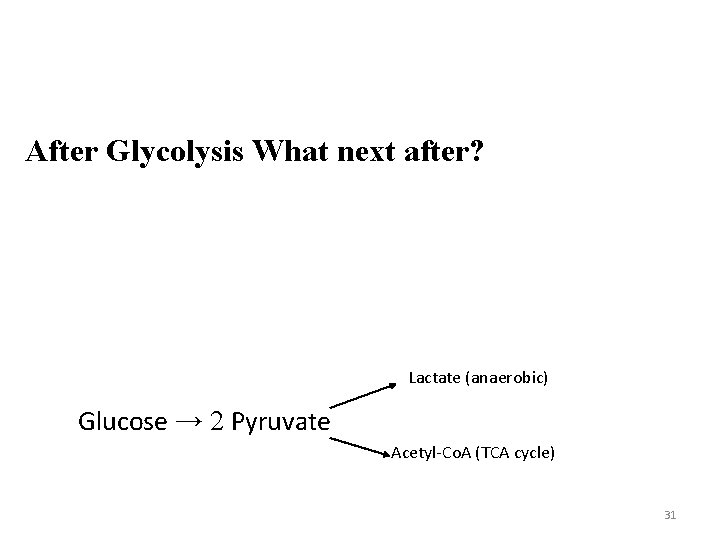
After Glycolysis What next after? Lactate (anaerobic) Glucose → 2 Pyruvate Acetyl-Co. A (TCA cycle) 31
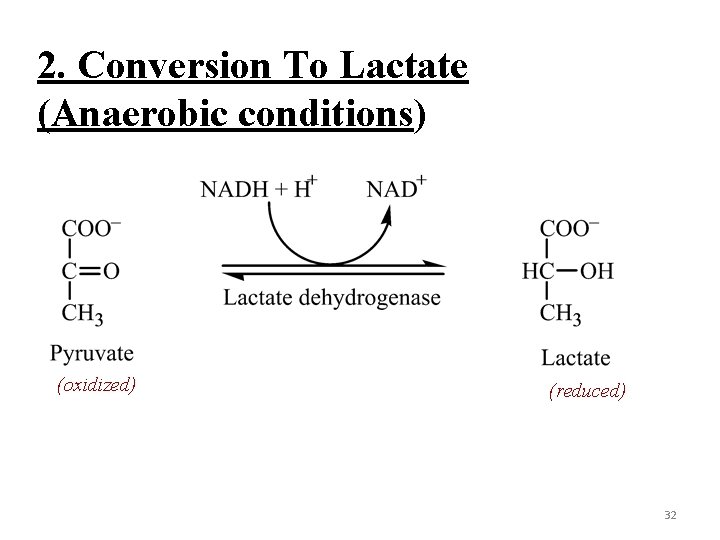
2. Conversion To Lactate (Anaerobic conditions) (oxidized) (reduced) 32
33
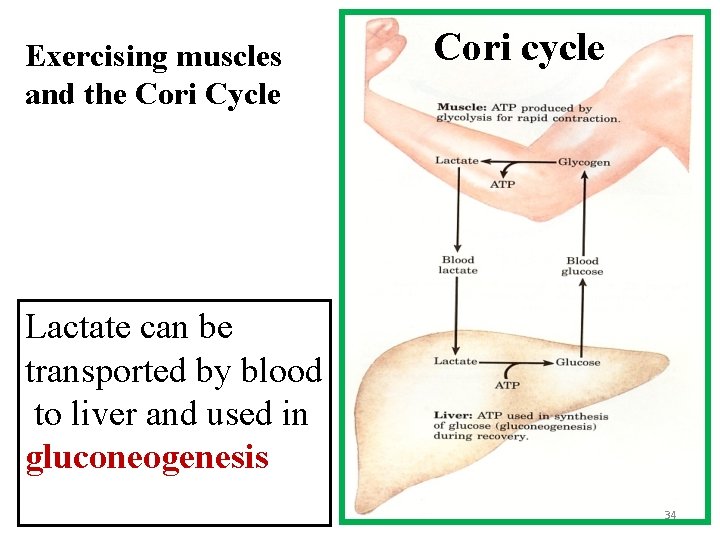
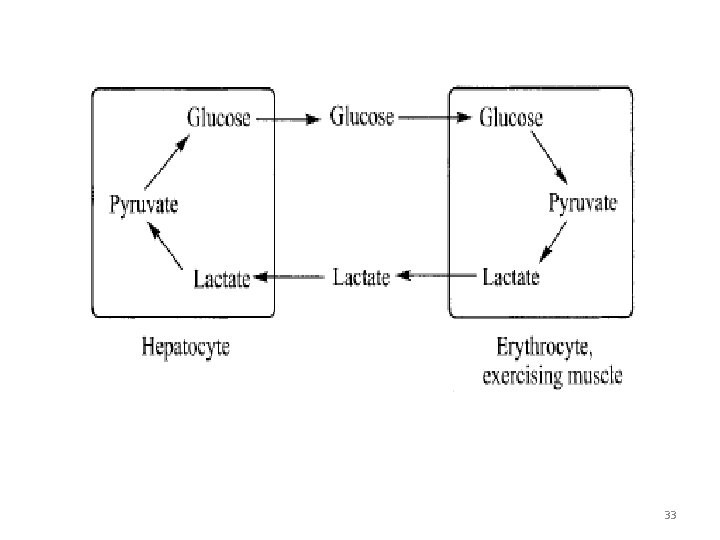
Exercising muscles and the Cori Cycle Cori cycle Lactate can be transported by blood to liver and used in gluconeogenesis 34
How do cytosolic/cytoplasmic NADH get into the mitochondrial?
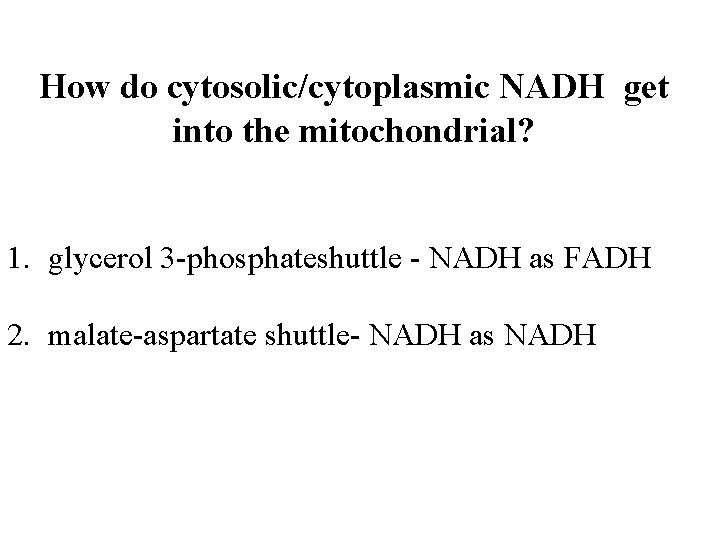
How do cytosolic/cytoplasmic NADH get into the mitochondrial? 1. glycerol 3 -phosphateshuttle - NADH as FADH 2. malate-aspartate shuttle- NADH as NADH
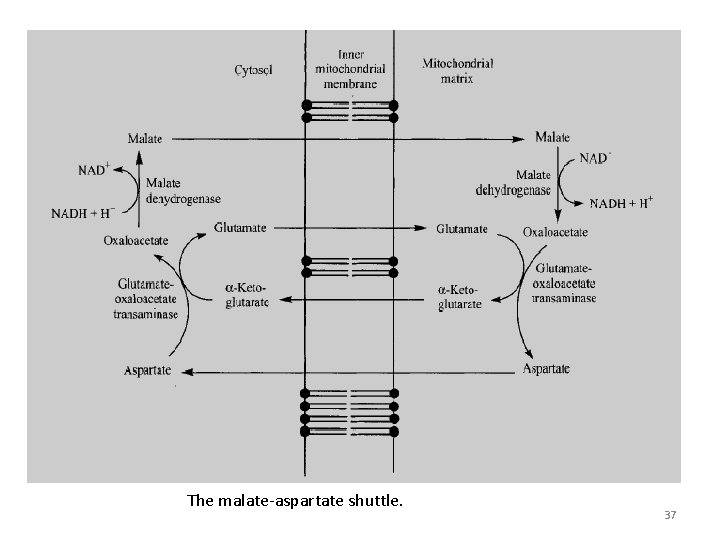
The malate-aspartate shuttle. 37
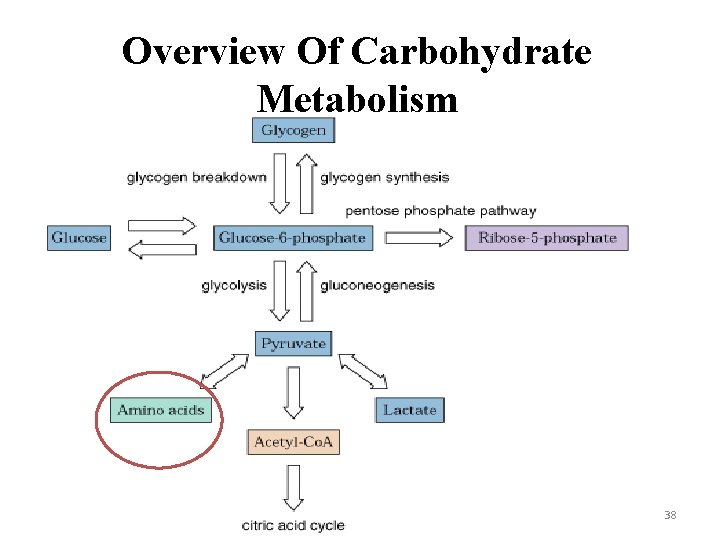
Overview Of Carbohydrate Metabolism 38
Gluconeogenesis vnon-carbohydrate precursors are converted to glucose.
Tissues In Which Gluconeogenesis Is Active 1) liver 2) Renal Cortex
Functions and importance Gluconeogenesis 1) Maintaining the blood glucose in the fasted state 1) But the brain, red blood cells, and renal medulla, rely on glycolysis for ATP.
Physiological Conditions In Which Gluconeogenesis Is Especially Active v fasted state, v when stored as glycogen is depleted v plasma concentration of glucose decline
Physiological Conditions In Which Gluconeogenesis Is Especially Active v During prolonged physical exercise. v important in the neonate. (the first few hours after delivery).
Gluconeogenesis starting material vlactate, vpyruvate, v. Oxaloacetate vglycerol v Some amino acids vpropionic acid ( oxidation of odd-chain fatty acids and branched methyl fatty acids) 44
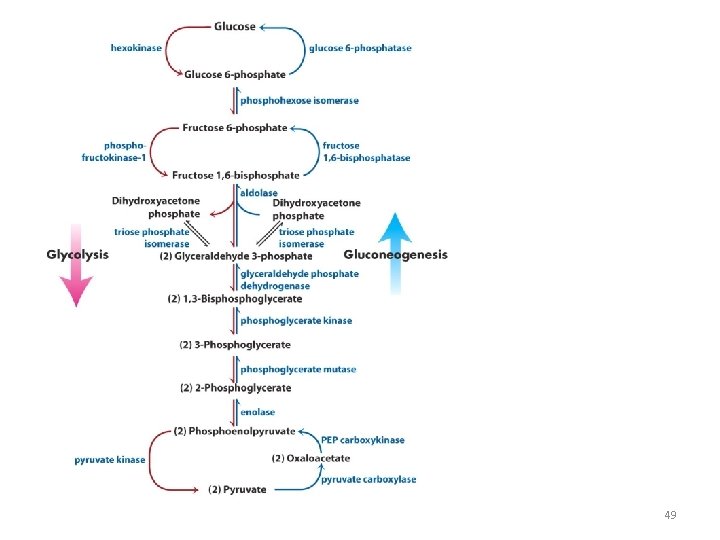
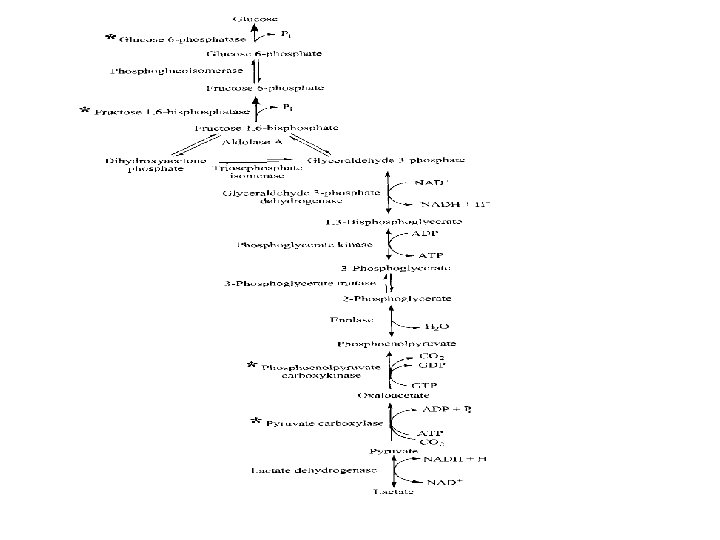
Biochemical Reactions Of Gluconeogenesis 1. Most are the same as glycolysis, 2. But in the opposite direction, 3. With some few exceptions
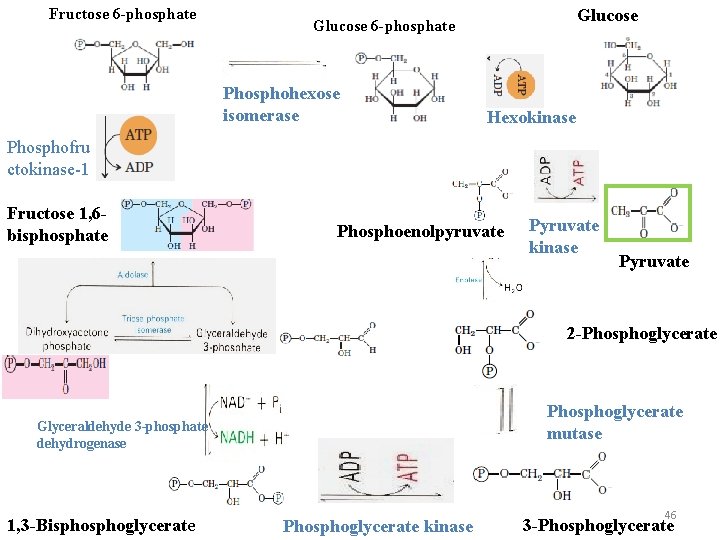
Fructose 6 -phosphate Glucose 6 -phosphate Phosphohexose isomerase Hexokinase Phosphofru ctokinase-1 Fructose 1, 6 bisphosphate Phosphoenolpyruvate Pyruvate kinase Pyruvate 2 -Phosphoglycerate mutase Glyceraldehyde 3 -phosphate dehydrogenase 1, 3 -Bisphoglycerate Phosphoglycerate kinase 46 3 -Phosphoglycerate
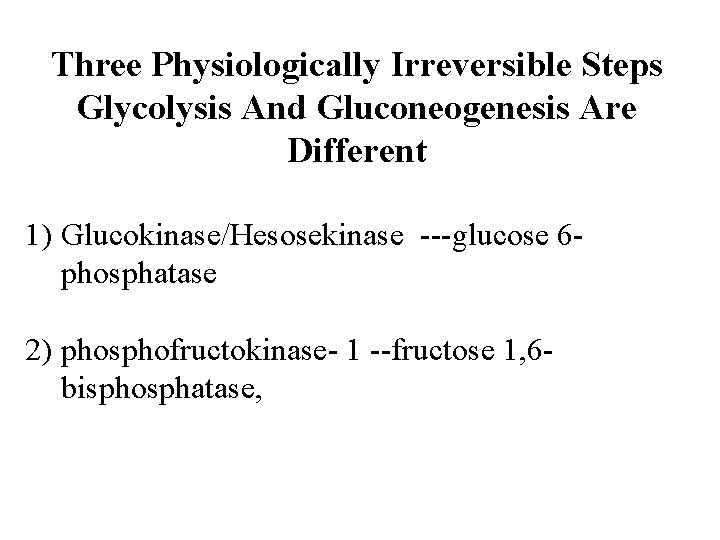
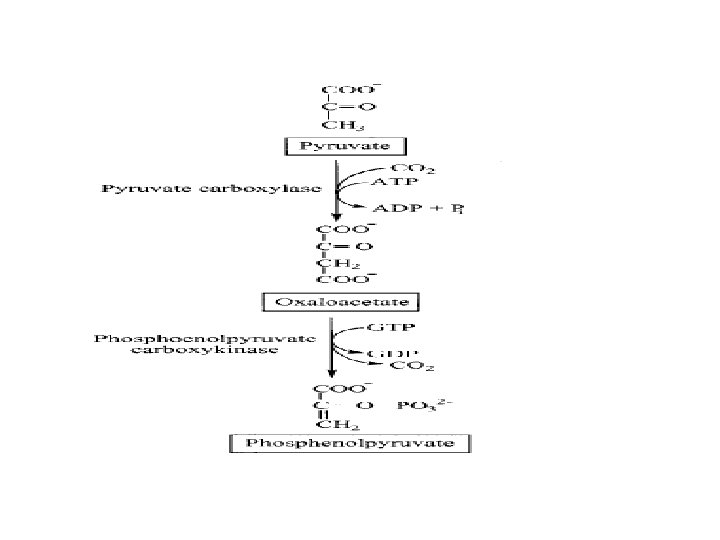
Three Physiologically Irreversible Steps Glycolysis And Gluconeogenesis Are Different 1) Glucokinase/Hesosekinase ---glucose 6 phosphatase 2) phosphofructokinase- 1 --fructose 1, 6 bisphosphatase,
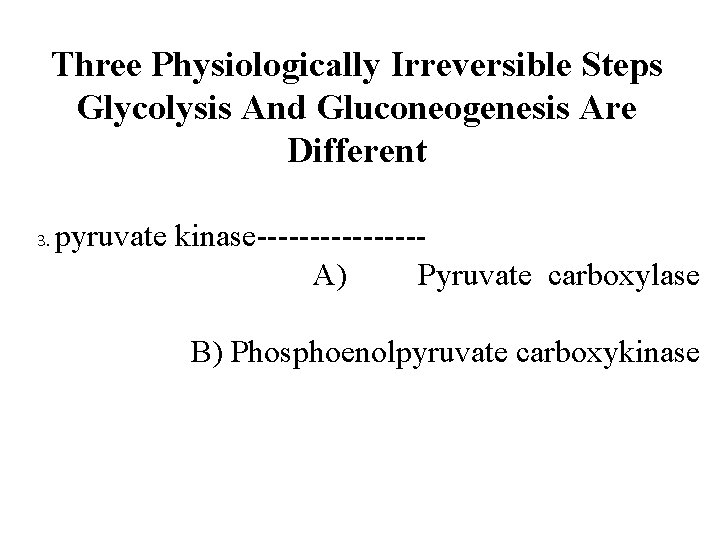
Three Physiologically Irreversible Steps Glycolysis And Gluconeogenesis Are Different 3. pyruvate kinase--------A) Pyruvate carboxylase B) Phosphoenolpyruvate carboxykinase
49
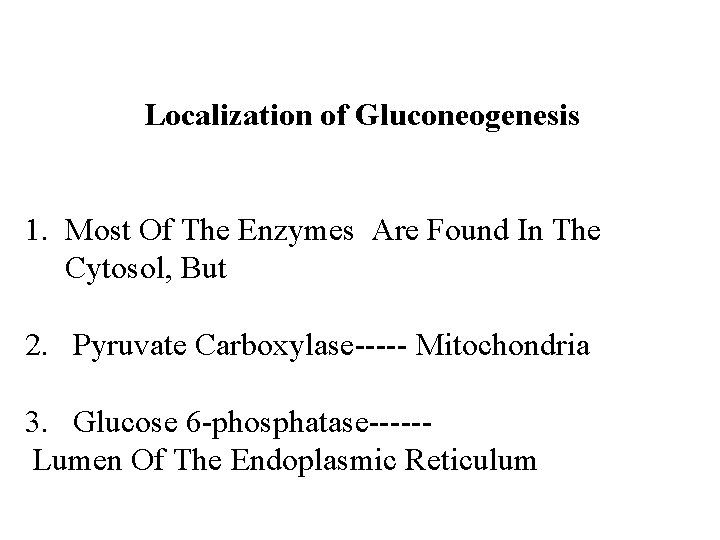
Localization of Gluconeogenesis 1. Most Of The Enzymes Are Found In The Cytosol, But 2. Pyruvate Carboxylase----- Mitochondria 3. Glucose 6 -phosphatase-----Lumen Of The Endoplasmic Reticulum
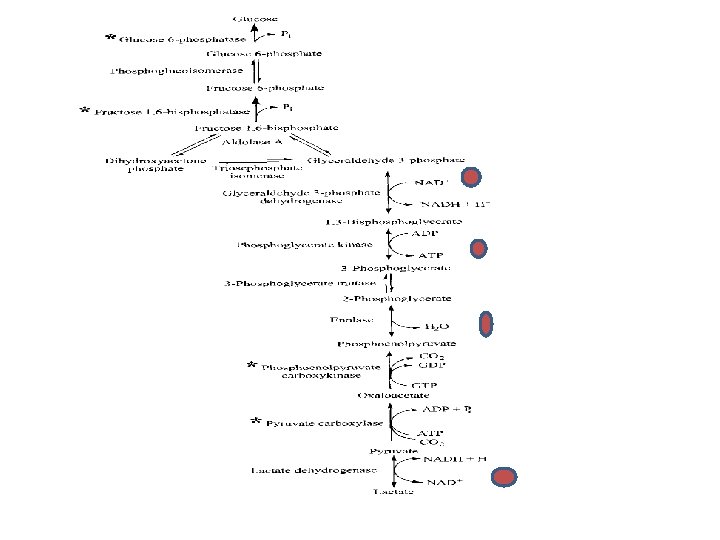
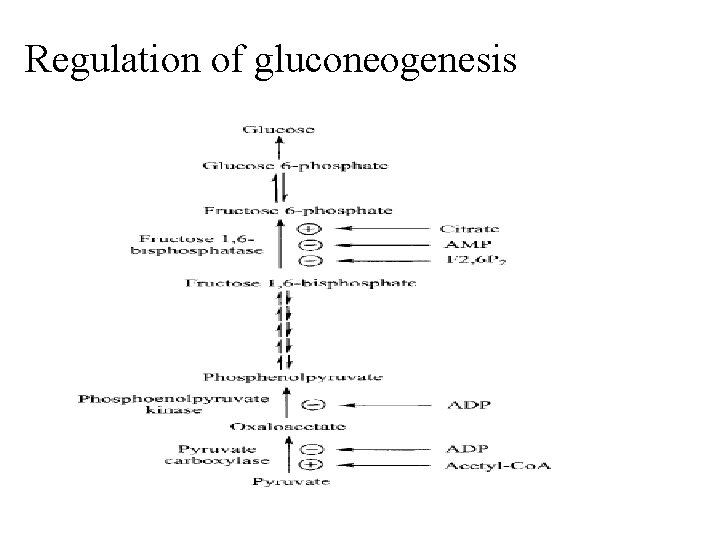
Regulation of gluconeogenesis
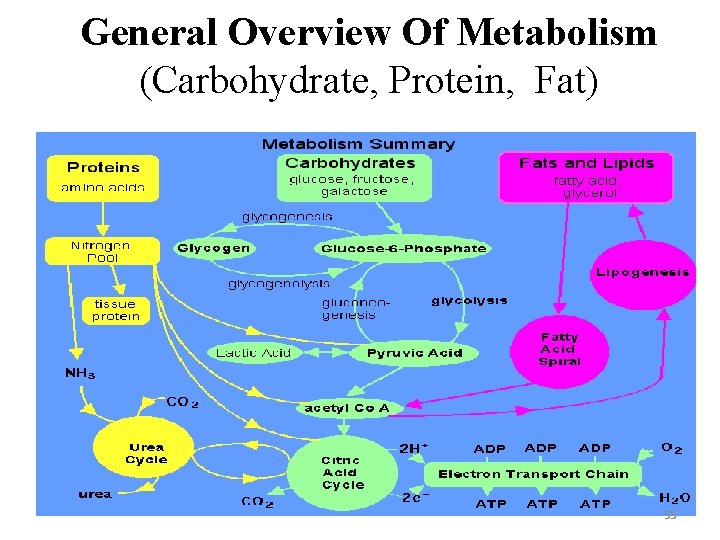
General Overview Of Metabolism (Carbohydrate, Protein, Fat) 55
- Slides: 55