
Africa in the Slave Trade Part 2 African
- Slides: 13
Africa in the Slave Trade Part 2
African Societies, Slavery, & the Slave Trade • The slave trade influenced forms of servitude and the social & political development of African states • African servitude varied from peasantry to chattel slavery • Slavery reinforced hierarchies of various African societies • Islam believed slavery was legitimate for nonbelievers, but illegal for Muslims
Slaving & African Politics • European demand for slaves intensified enslavement in Africa • West & Central Africa • Small, fragmented states • Constant warfare • Military becomes important and feeds into slave trade • States close to the coast become dominant & monopolize the slave trade with Europeans • Leads to war and the disruption of societies as the search for slaves pushes into the interior
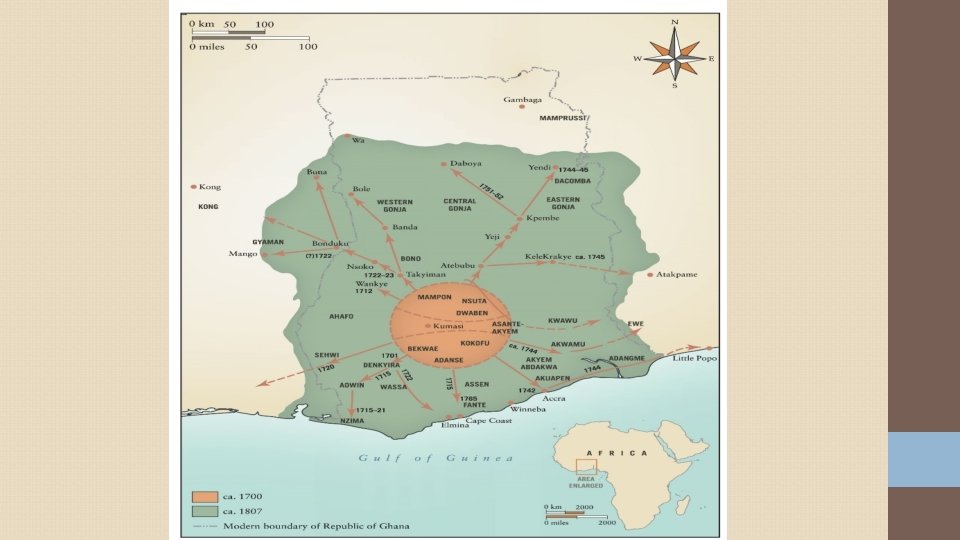
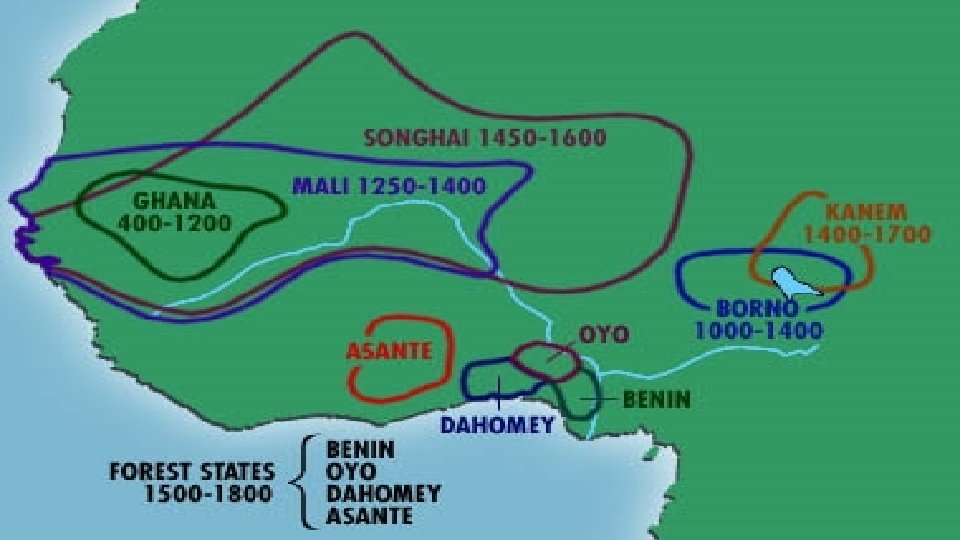
Asante Empire • Asante located along the Gold Coast • Akan people • Kumasi, Hausa, & Mande – centers of trade • Matrilineal clans • Oyoko clan dominates in 1650 due to access to firearms • Leads to centralization & expansion
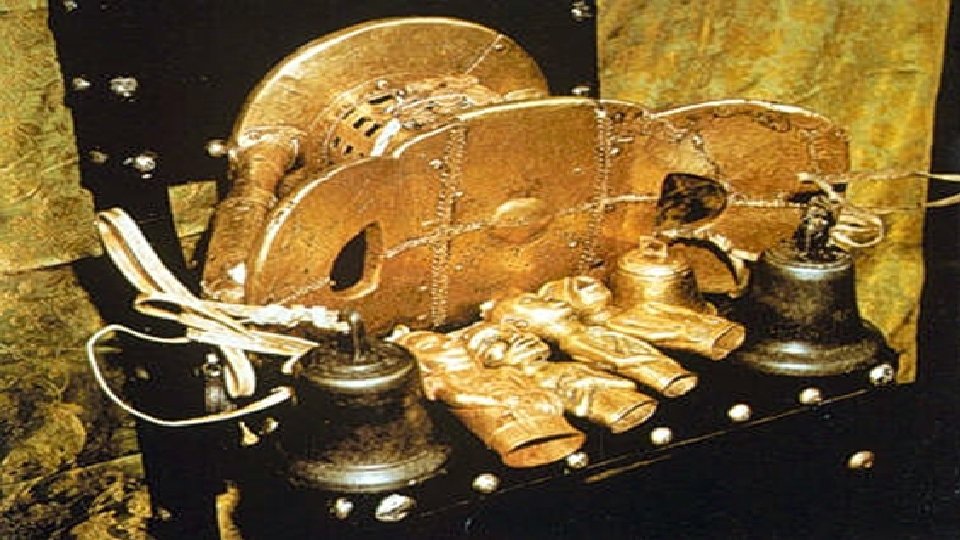
• Osei Tutu • Asantehene (religious & civil leader) • Asante becomes dominate state of the Gold Coast • 2/3 of trade made up of slavery • Dutch trade directly with Asante
Benin (Slave Coast) • Oba limited slave trade • Slavery never primary source of revenue • Control trade with Europeans
Dahomey • Fon Peoples • King Agaja expands toward coast seizing port of Whyda • Major European attraction • Trade controlled by royal court • Slaving state
Other developments in African states • Divine right kingship • Akin to European Absolutism • Some states limit royal power • Oyo, Yoruba people • King & Council share power • State bureaucracies form • Artistic improvements • Guilds form • Specialization of crafts
East Africa & the Sudan • East Coast • Swahili trading towns • Ivory, gold, & slaves to Middle East • Zanzibar • Cloves • Used slaves for plantation work • Slavery became a prominent feature
• Interior • Mostly Bantu speaking people • Luo dynasty • Nilotic migration • Less influenced by Europeans • Northern Savanna • New Islamization • Sufis • Fulani • Pastoral people • Impacted the most by Islam