
Adverse Childhood Experiences What do we know and
![I suggest that [the role of medicine] should be interpreted as follows: To](https://slidetodoc.com/presentation_image_h/11d1901bd94d84b249b4852afd6f5e52/image-2.jpg "I suggest that [the role of medicine] should be interpreted as follows: To")


- Slides: 55
Adverse Childhood Experiences: What do we know and what can be done about it? Anne Menahemy, MD
I suggest that [the role of medicine] should be interpreted as follows: To assist us to come safely into the world and comfortably out of it, and during life to protect the well and care for the sick and disabled. Thomas Mc. Keown The Role of Medicine: Dream, Mirage or Nemesis
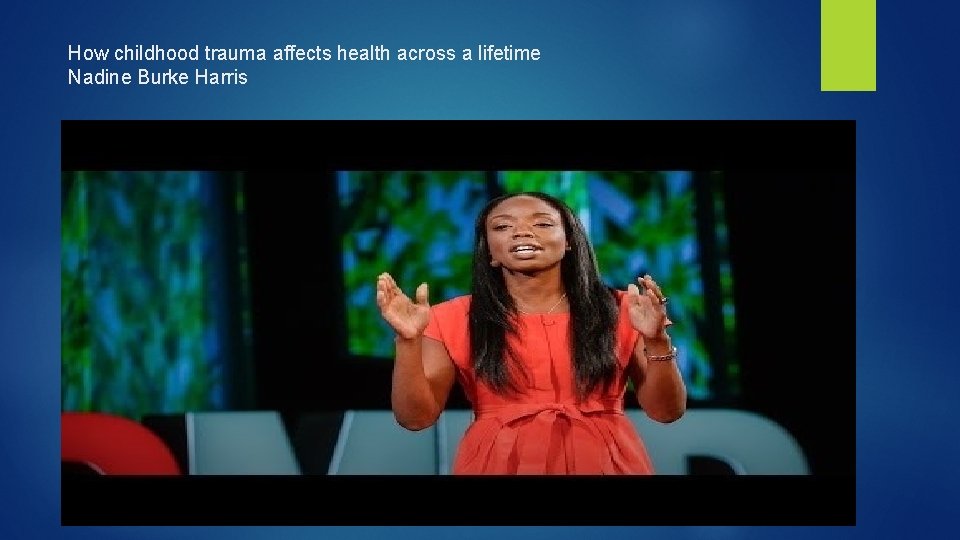
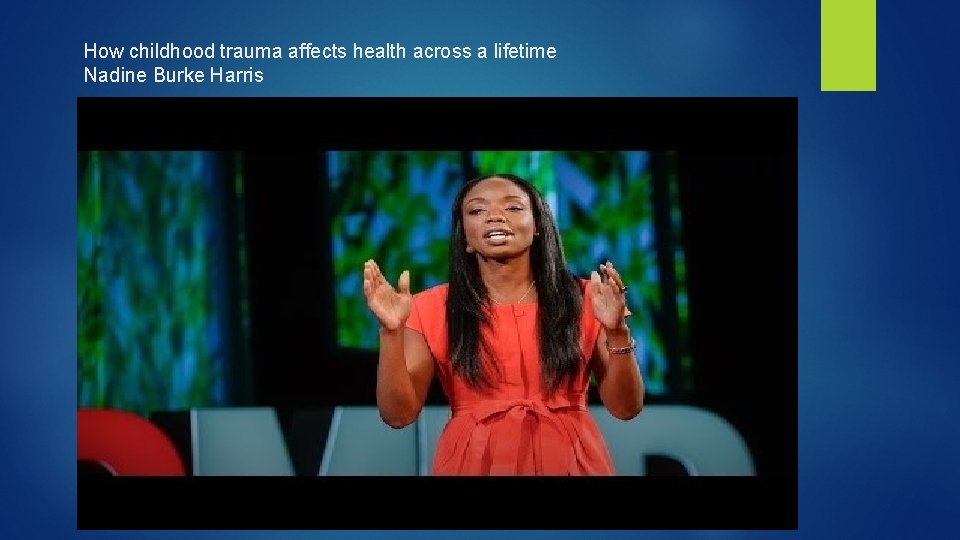
How childhood trauma affects health across a lifetime Nadine Burke Harris
Adverse childhood experiences (ACE) study Epidemiological study: n=17, 000 primary care patients (predominantly white and middle class); collaboration between Dr. V. Felitti at KP San Diego and Dr. R. Anda at CDC Data collected through patient completion of questionnaires at medical office visits and subsequent ACE questionnaires mailed to their homes. All reporting of Adverse Childhood Experiences by retrospective report; health outcomes also self reported.
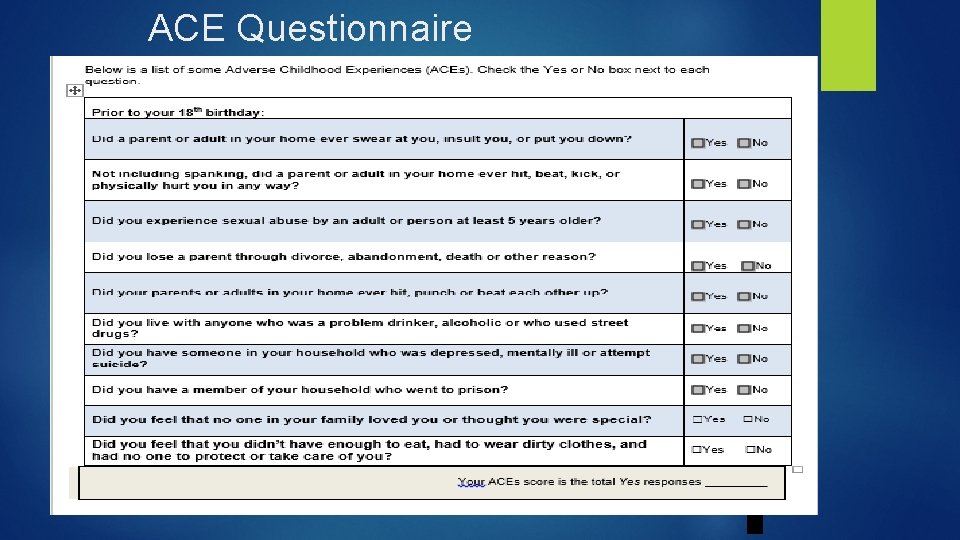
ACE Questionnaire
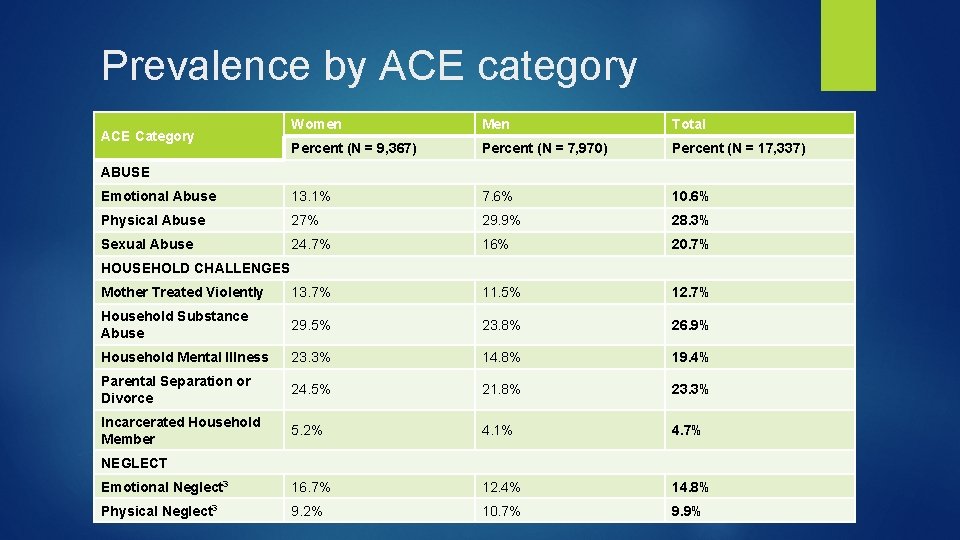
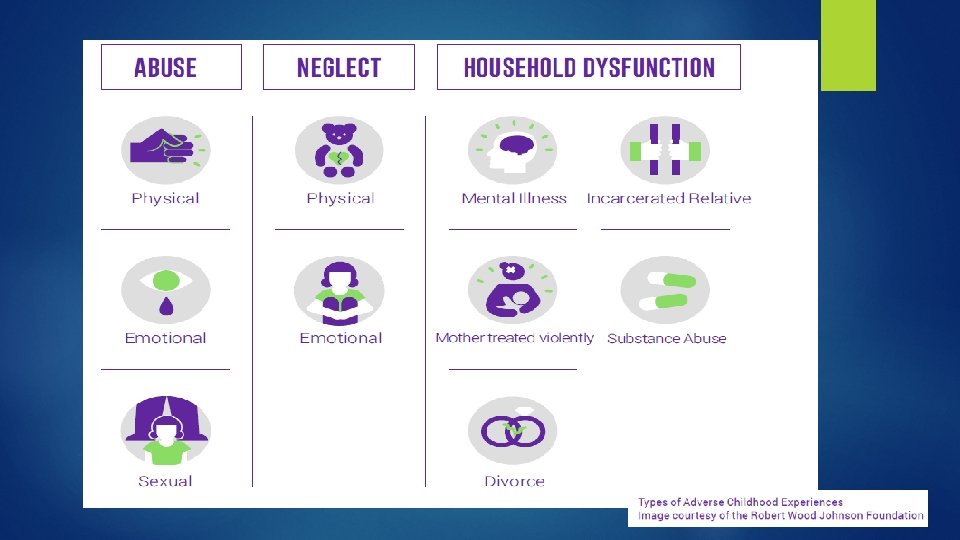
Prevalence by ACE category Women Men Total Percent (N = 9, 367) Percent (N = 7, 970) Percent (N = 17, 337) Emotional Abuse 13. 1% 7. 6% 10. 6% Physical Abuse 27% 29. 9% 28. 3% Sexual Abuse 24. 7% 16% 20. 7% Mother Treated Violently 13. 7% 11. 5% 12. 7% Household Substance Abuse 29. 5% 23. 8% 26. 9% Household Mental Illness 23. 3% 14. 8% 19. 4% Parental Separation or Divorce 24. 5% 21. 8% 23. 3% Incarcerated Household Member 5. 2% 4. 1% 4. 7% Emotional Neglect 3 16. 7% 12. 4% 14. 8% Physical Neglect 3 9. 2% 10. 7% 9. 9% ACE Category ABUSE HOUSEHOLD CHALLENGES NEGLECT
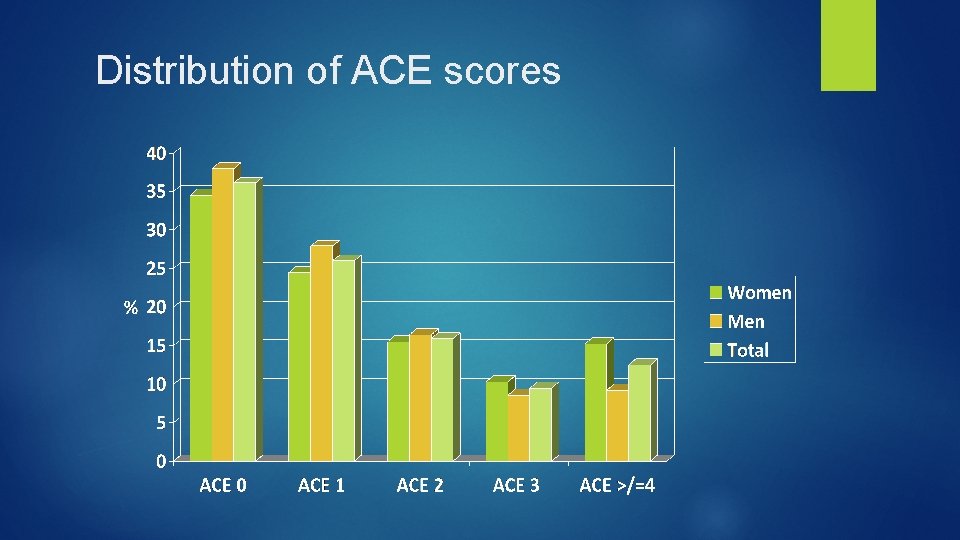
Distribution of ACE scores
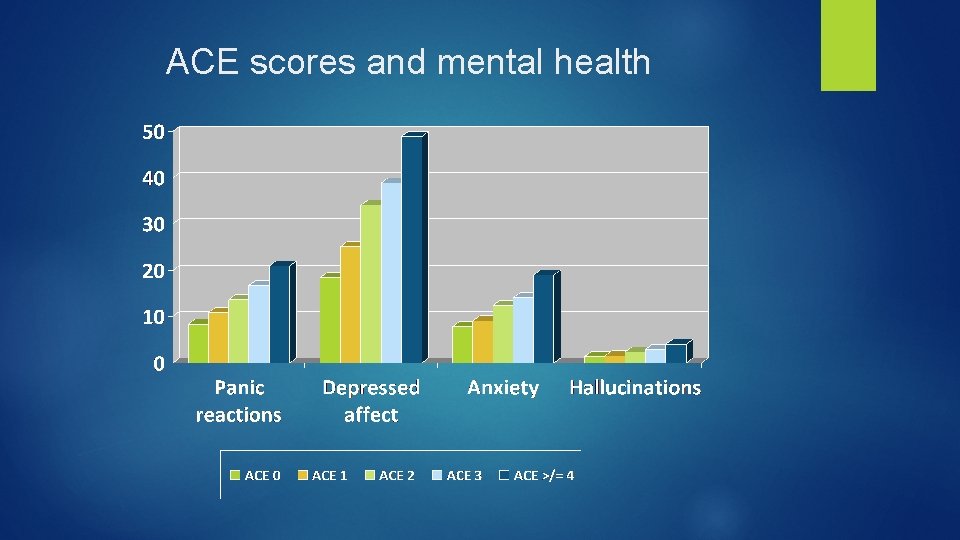
ACE scores and mental health
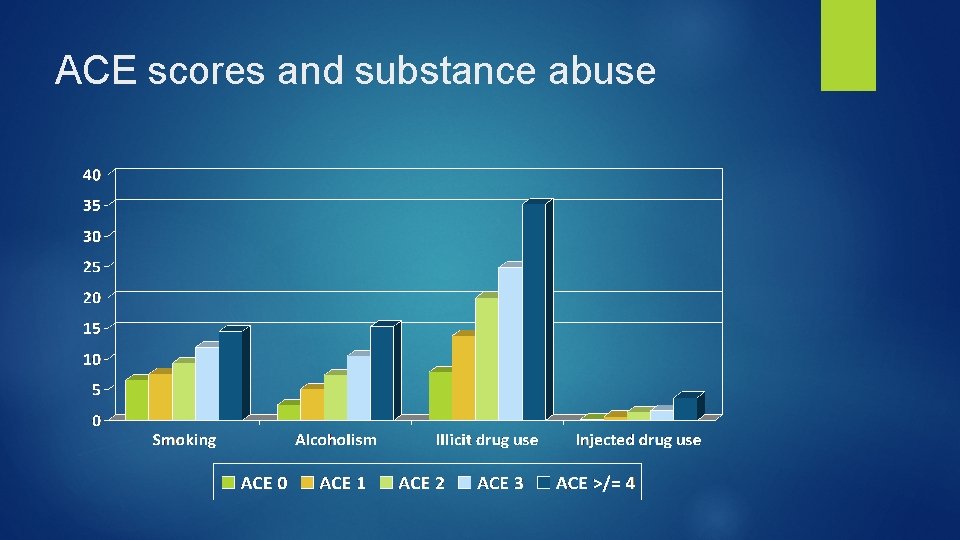
ACE scores and substance abuse
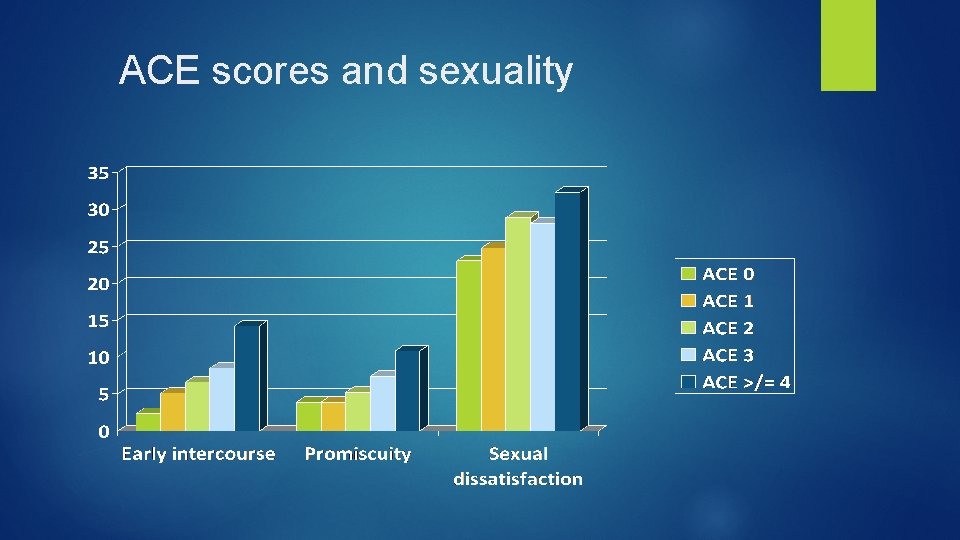
ACE scores and sexuality
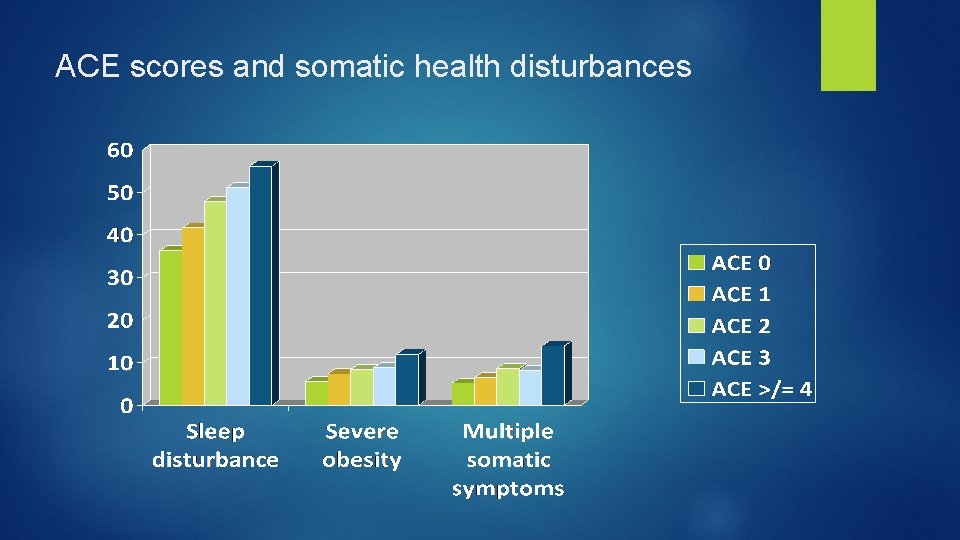
ACE scores and somatic health disturbances
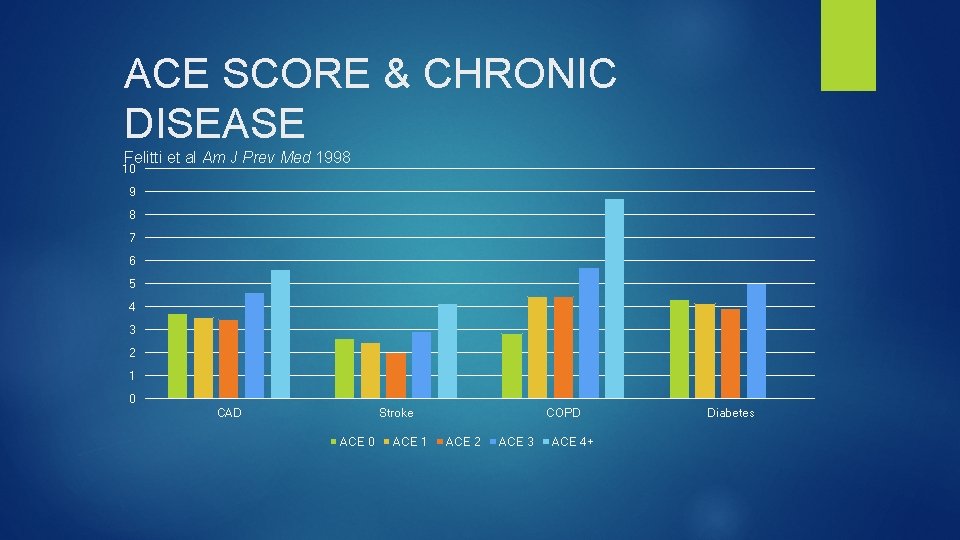
ACE SCORE & CHRONIC DISEASE Felitti et al Am J Prev Med 1998 10 9 8 7 6 5 4 3 2 1 0 CAD Stroke ACE 0 ACE 1 COPD ACE 2 ACE 3 ACE 4+ Diabetes
ACE & ISCHEMIC HEART DISEASE Dong et al Circulation 2004 ACE-IHD relationship mediated more strongly by depression and anger than by traditional IHD risk factors (like smoking, physical inactivity, obesity, diabetes and hypertension)
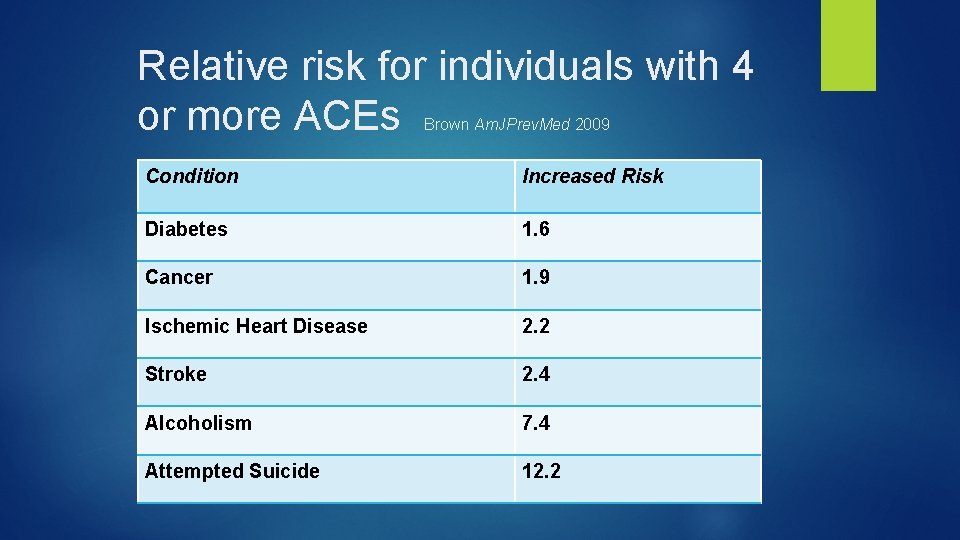
Relative risk for individuals with 4 or more ACEs Brown Am. JPrev. Med 2009 Condition Increased Risk Diabetes 1. 6 Cancer 1. 9 Ischemic Heart Disease 2. 2 Stroke 2. 4 Alcoholism 7. 4 Attempted Suicide 12. 2
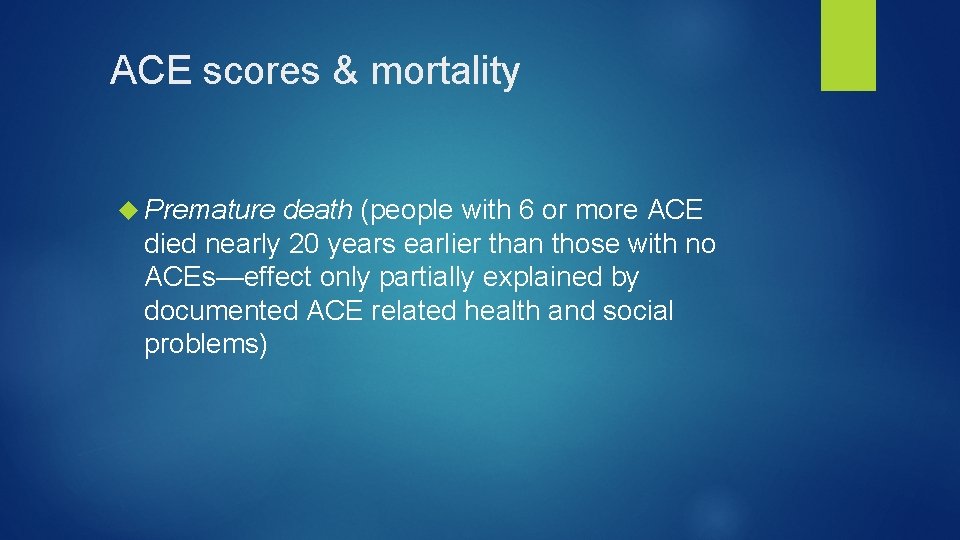
ACE scores & mortality Premature death (people with 6 or more ACE died nearly 20 years earlier than those with no ACEs—effect only partially explained by documented ACE related health and social problems)
How to make sense of this?
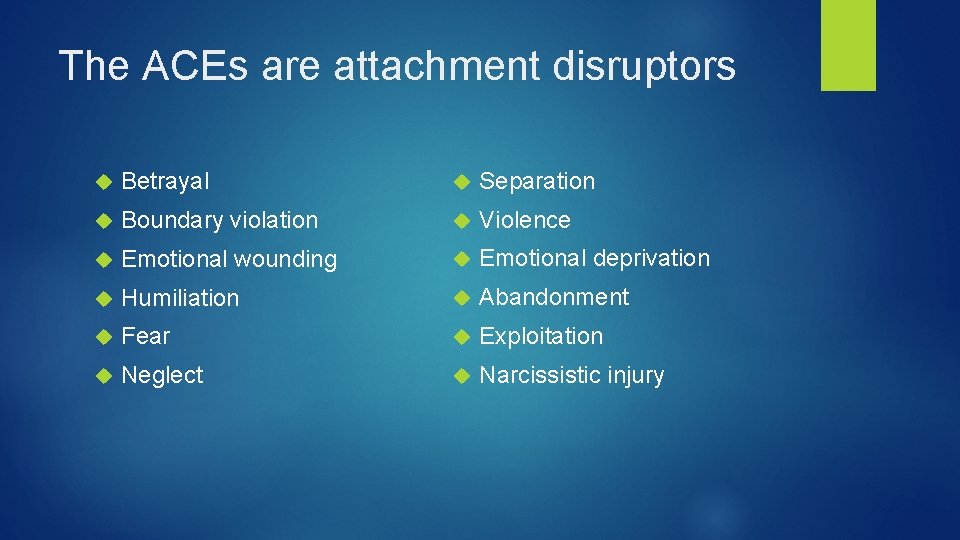
The ACEs are attachment disruptors Betrayal Separation Boundary violation Violence Emotional wounding Emotional deprivation Humiliation Abandonment Fear Exploitation Neglect Narcissistic injury
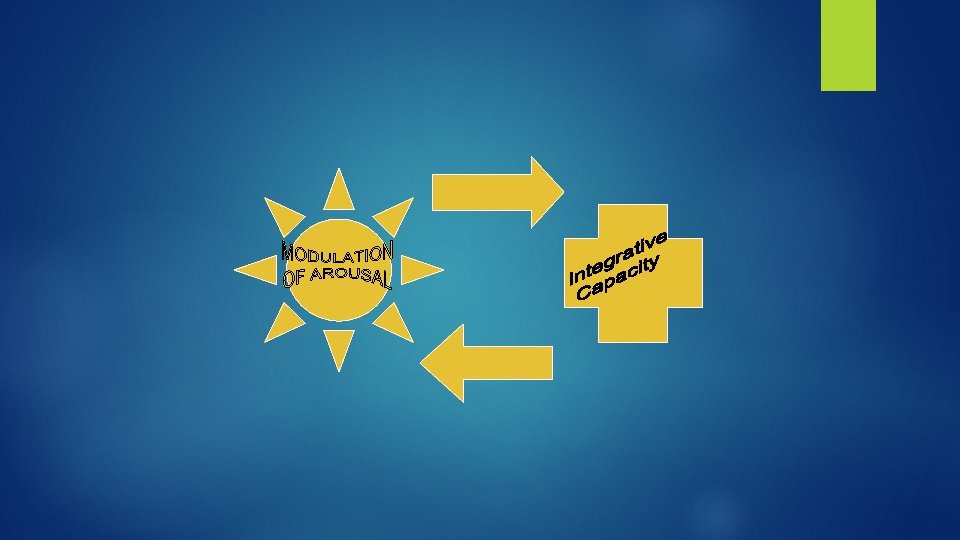
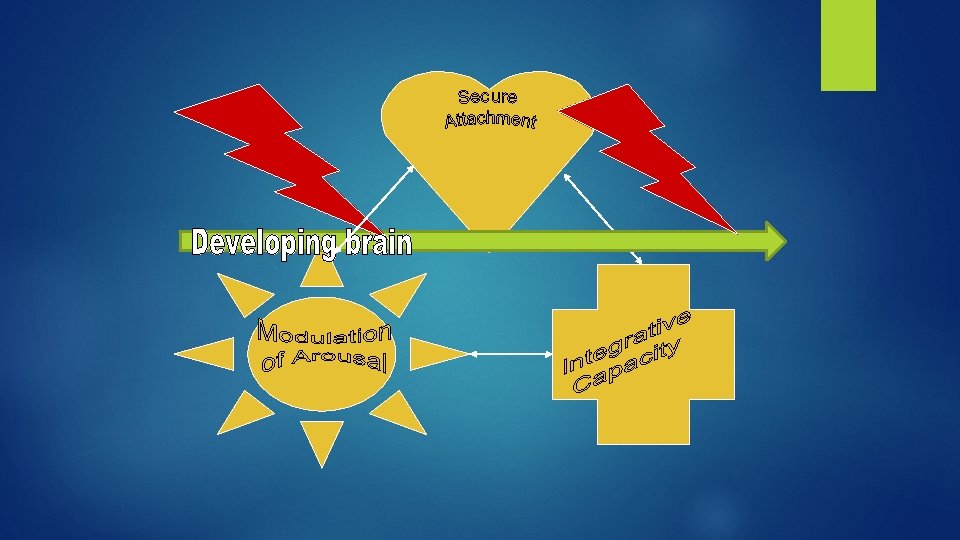
Yet secure attachment is essential for neural development…
Principles of Neurodevelopment Perry, 2009 Sequential development: “from the bottom up” Activity dependent organization: use-dependent modification Disproportional impact of early childhood experience Relational modification of major developmental experiences
If caregivers are depressed, stressed, high, inconsistent, or absent, crucial neural networks develop abnormally. Child becomes more vulnerable to future stressors and less resilient; also less capable of benefiting from subsequent opportunities for connection.
ACEs create the conditions for toxic stress National Scientific Council on the Developing Child, Shonkoff et al JAMA 2009 Positive stress: moderate, short-lived and essential to healthy development Tolerable stress: disruptive but buffered by supportive relationships that facilitate adaptive coping Toxic stress: strong, frequent or prolonged activation of stress response in the absence of buffering protection of adult support
Toxic stress = psychological trauma “Traumatic reactions occur when action is of no avail. When neither resistance nor escape is possible, the human system of selfdefense becomes overwhelmed and disorganized. ” J. Herman 1992
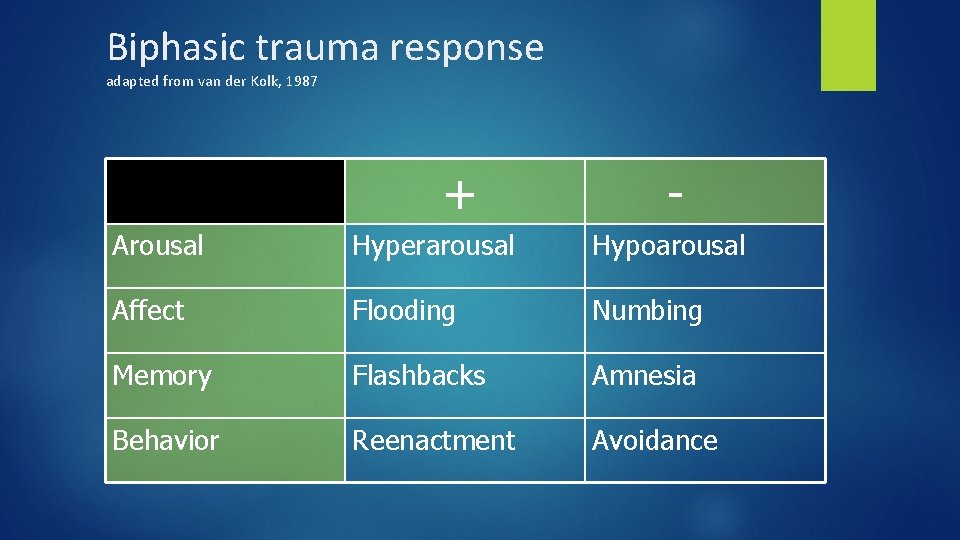
Biphasic trauma response adapted from van der Kolk, 1987 + - Arousal Hyperarousal Hypoarousal Affect Flooding Numbing Memory Flashbacks Amnesia Behavior Reenactment Avoidance
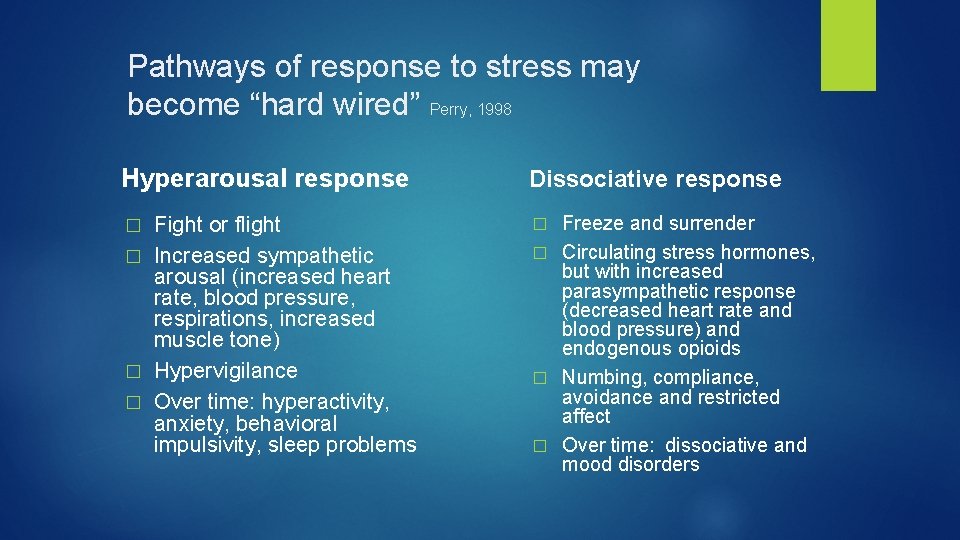
Pathways of response to stress may become “hard wired” Perry, 1998 Hyperarousal response Dissociative response Fight or flight � Increased sympathetic arousal (increased heart rate, blood pressure, respirations, increased muscle tone) � Hypervigilance � Over time: hyperactivity, anxiety, behavioral impulsivity, sleep problems � � Freeze and surrender � Circulating stress hormones, but with increased parasympathetic response (decreased heart rate and blood pressure) and endogenous opioids � Numbing, compliance, avoidance and restricted affect � Over time: dissociative and mood disorders
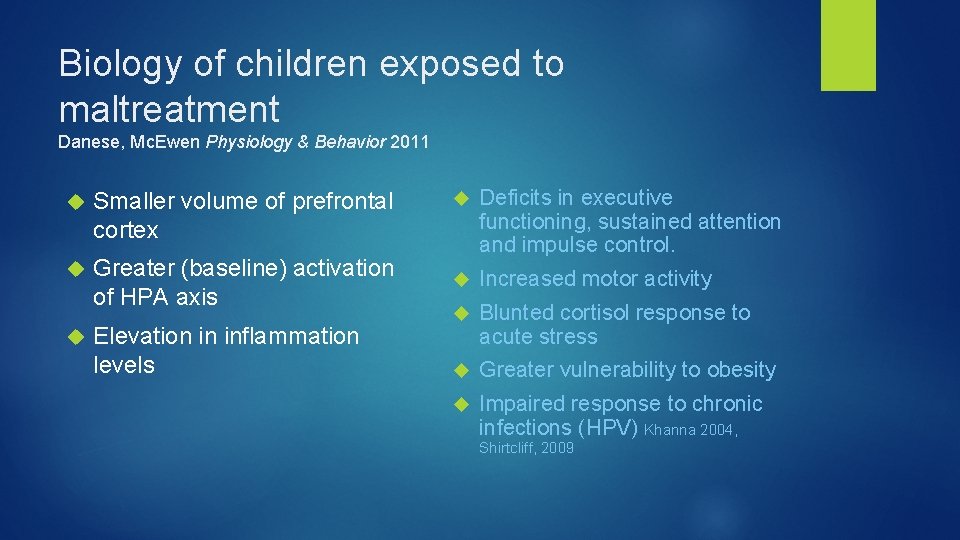
Biology of children exposed to maltreatment Danese, Mc. Ewen Physiology & Behavior 2011 Smaller volume of prefrontal cortex Greater (baseline) activation of HPA axis Elevation in inflammation levels Deficits in executive functioning, sustained attention and impulse control. Increased motor activity Blunted cortisol response to acute stress Greater vulnerability to obesity Impaired response to chronic infections (HPV) Khanna 2004, Shirtcliff, 2009
Biology of children exposed to maltreatment Danese, Mc. Ewen Physiology & Behavior 2011 Smaller volume of prefrontal cortex Greater (baseline) activation of HPA axis Elevation in inflammation levels Deficits in executive functioning, sustained attention and impulse control. Increased motor activity Blunted cortisol response to acute stress Greater vulnerability to obesity Impaired response to chronic infections (HPV) Khanna 2004, Shirtcliff, 2009
Biology of adults exposed to maltreatment in childhood Danese, Mc. Ewen Physiology & Behavior 2011 Smaller volume of prefrontal cortex and hippocampus Chronic activation of HPA axis; high CRH levels in CSF Elevation of inflammation levels (CRP, fibrinogen, WBC, IL-6) Reduced telomere length Deficits in declarative memory Bremner, 2004 Heightened or blunted ACTH and cortisol response to stress Increased risk for cardiovascular disease, diabetes, asthma, and chronic lung disease Accelerated aging
Biology of adults exposed to maltreatment in childhood Danese, Mc. Ewen Physiology & Behavior 2011 Smaller volume of pre-frontal cortex and hippocampus Chronic activation of HPA axis; high CRH levels in CSF Elevation of inflammation levels (CRP, fibrinogen, WBC, IL-6) Reduced telomere length Deficits in declarative memory Bremner, 2004 Heightened or blunted ACTH and cortisol response to stress Increased risk for cardiovascular disease, diabetes, asthma, and chronic lung disease Accelerated aging
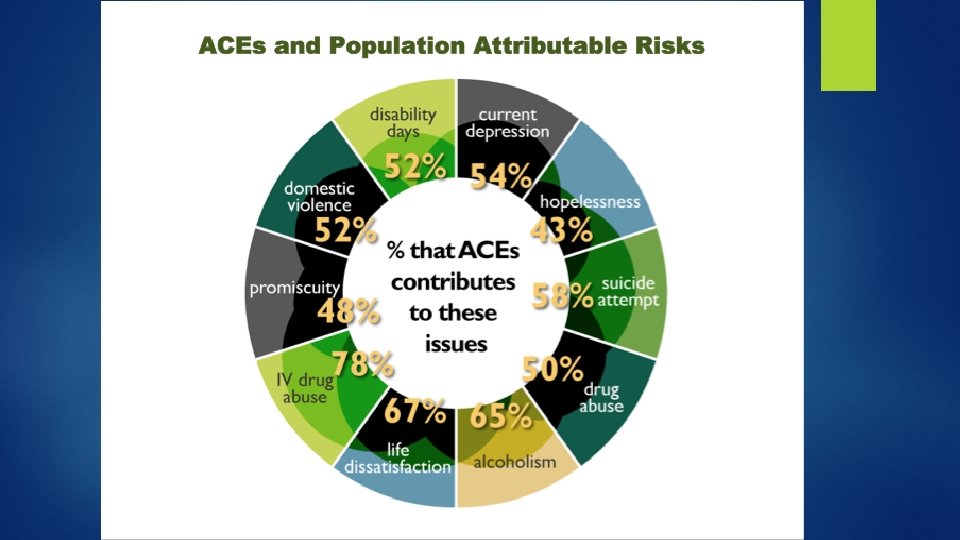
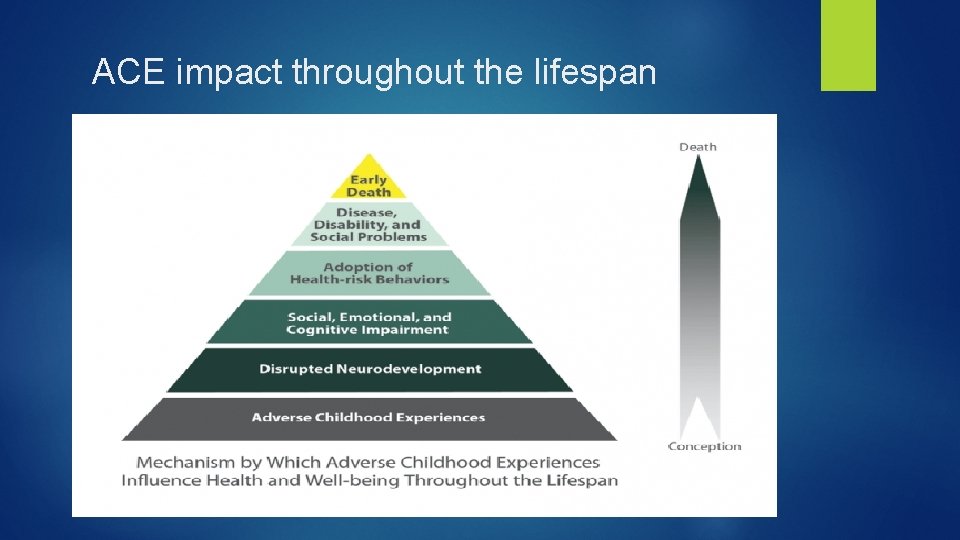
ACE impact throughout the lifespan
What to do?
How childhood trauma affects health across a lifetime Nadine Burke Harris
Asking, listening and accepting are a powerful form of DOING that provides great relief to patients. Vincent Felitti
ACE study Just including questions about psychological trauma in a primary care screening document led to a 35% reduction of office visits, 11% reduction ED visits and 4% reduction in hospitalizations in the following year.
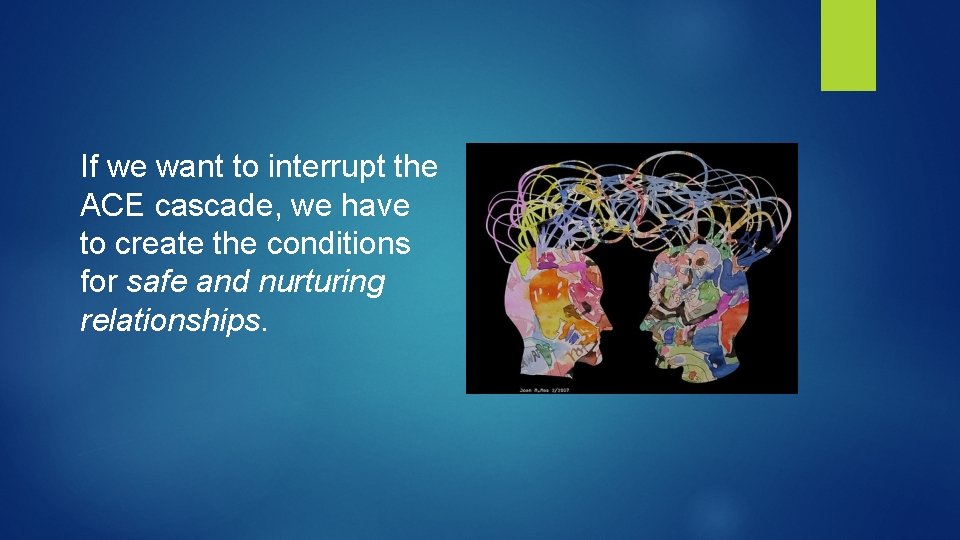
If we want to interrupt the ACE cascade, we have to create the conditions for safe and nurturing relationships.
Trauma informed care is all about creating the conditions for safe and nurturing relationships.
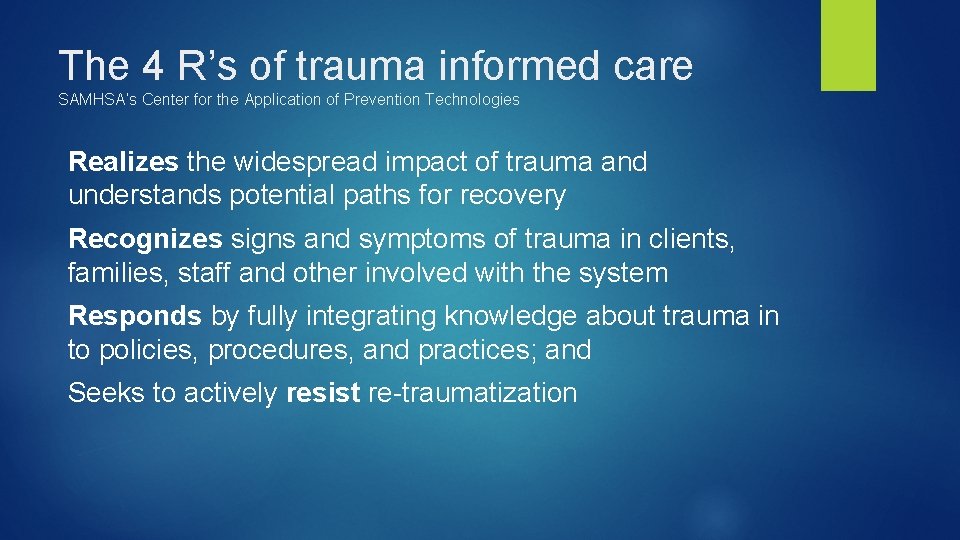
The 4 R’s of trauma informed care SAMHSA’s Center for the Application of Prevention Technologies Realizes the widespread impact of trauma and understands potential paths for recovery Recognizes signs and symptoms of trauma in clients, families, staff and other involved with the system Responds by fully integrating knowledge about trauma in to policies, procedures, and practices; and Seeks to actively resist re-traumatization
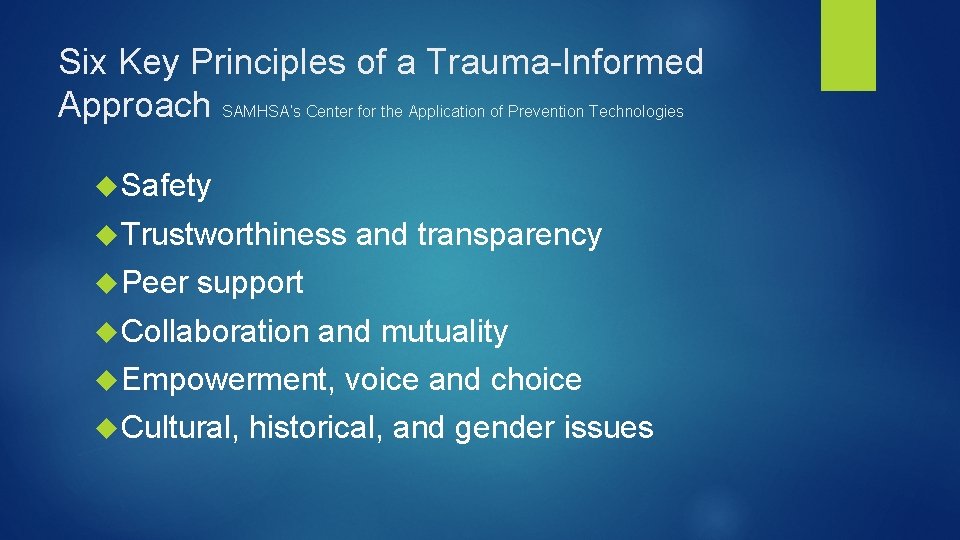
Six Key Principles of a Trauma-Informed Approach SAMHSA’s Center for the Application of Prevention Technologies Safety Trustworthiness Peer and transparency support Collaboration and mutuality Empowerment, Cultural, voice and choice historical, and gender issues
Relationship (connection) is an essential step toward building resilience Kenneth Ginsburg, MD, Ms. Ed Competence Confidence Connection Character Contribution Coping Control
Protect against ACEs by building resilience in individuals and communities SAMHSA’s Center for the Application of Prevention Technologies Capability/Self regulation: activating social engagement in conjunction with calming physical tension in the body helps to improve self regulation Attachment and Belonging: Positive relationships with competent and nurturing adults increase resilience Community, Culture, and Spirituality: Co-creating art, movement, rhythm, and music and developing ceremonies or rituals promote a sense of belonging with social and cultural environment
Intervene in childhood www. developingchild. harvard. edu Strengthen supports and services for struggling parents Increase access to high quality child care and education for at risk children in order to provide stable, supportive relationships with caring adults Expert assistance for parents, caregivers and providers Increase access to quality mental health services for young children Developmental assessment of children suspected to be victims of abuse or neglect
Advocate for social policies that support families National Scientific Council on the Developing Child Flexible family leave Affordable and high quality day care Reduce job turnover in day care (to facilitate long term relationships) Expert help for parents when children are struggling Broaden the mandate of child welfare services
Evidence based interventions for children & families CANarratives High quality home visitation programs resulted in mean 40% reduction in child abuse incidents (CDC meta-analysis) Triple P (Promoting Positive Parenting): in clinical trial reduced substantiated cases (of abuse), out of home placements, and maltreatment injuries; effect size: d=0. 51
Early intervention can be cost effective Cost benefit assessments of early childhood intervention for low income children have documented significant financial returns to society through greater economic productivity, decreased welfare dependency, and lower rates of incarceration. Shonkoff JAMA 2009
In the pediatrician’s office Center for Youth Wellness website Screen for ACEs (screening instrument available on Center for Youth Wellness website) Educate parents and teens about relationship between ACEs and lifelong health Provide integrated multidisciplinary care for high ACE families Parent support Resources for children and teens
Evidence based psychological treatment for children Ghosh Ippen C Child Abuse & Neglect 2011; CANarrative Trauma Focused Cognitive Behavioral Therapy (TFCBT) Child Parent Psychotherapy (CPP) Parent Child Interaction Therapy (PCIT) Treatment improves both children and parents’ mental health outcomes. Treatment seems to restore normal biology of stress response in some instances.
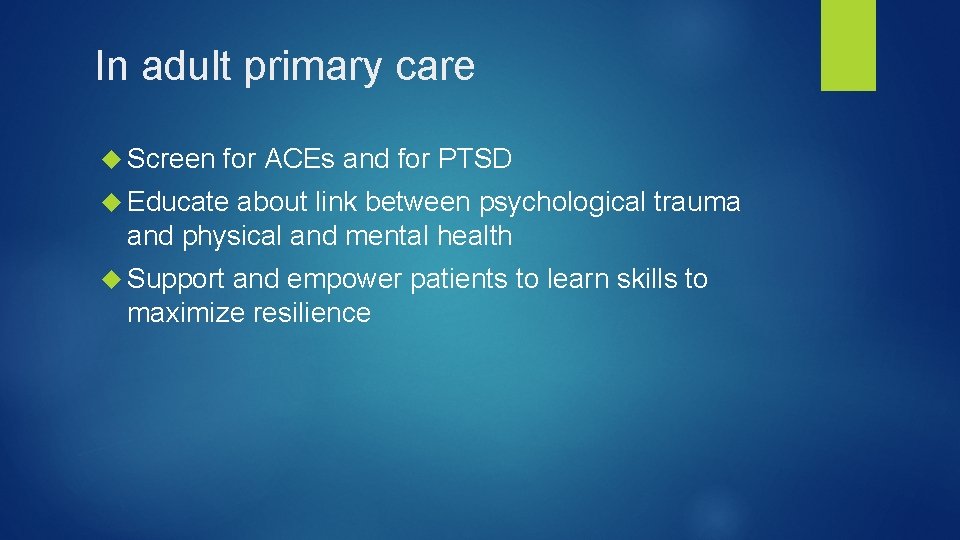
In adult primary care Screen for ACEs and for PTSD Educate about link between psychological trauma and physical and mental health Support and empower patients to learn skills to maximize resilience
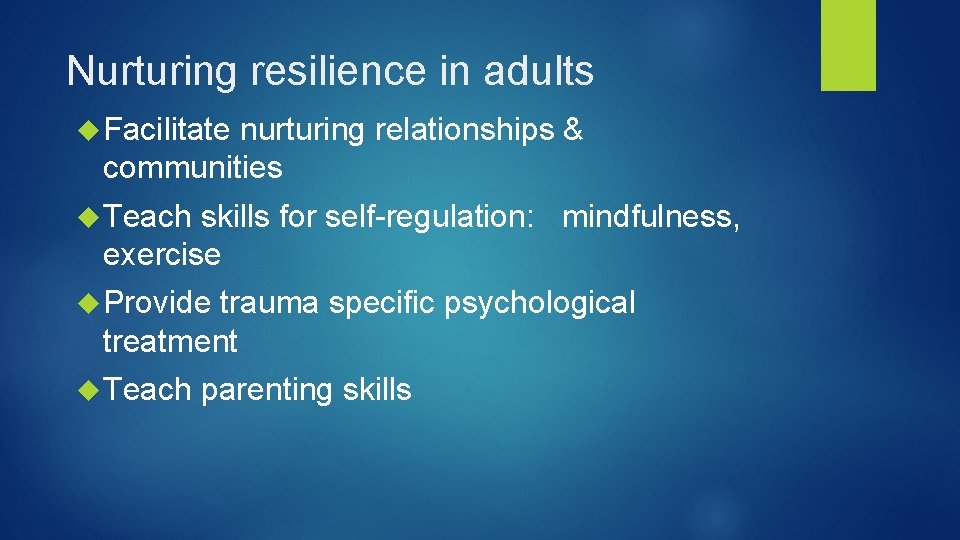
Nurturing resilience in adults Facilitate nurturing relationships & communities Teach skills for self-regulation: mindfulness, exercise Provide trauma specific psychological treatment Teach parenting skills
Thanks to…. Mason Turner, MD Director of Outpatient Mental Health and Addiction Medicine Brigid Mc. Caw, MD, MS, MPH, FACP Medical Director KPNC Family Violence Prevention Program Catherine A Gutfreund, MD Family Violence Prevention Champion Kaiser Permanente
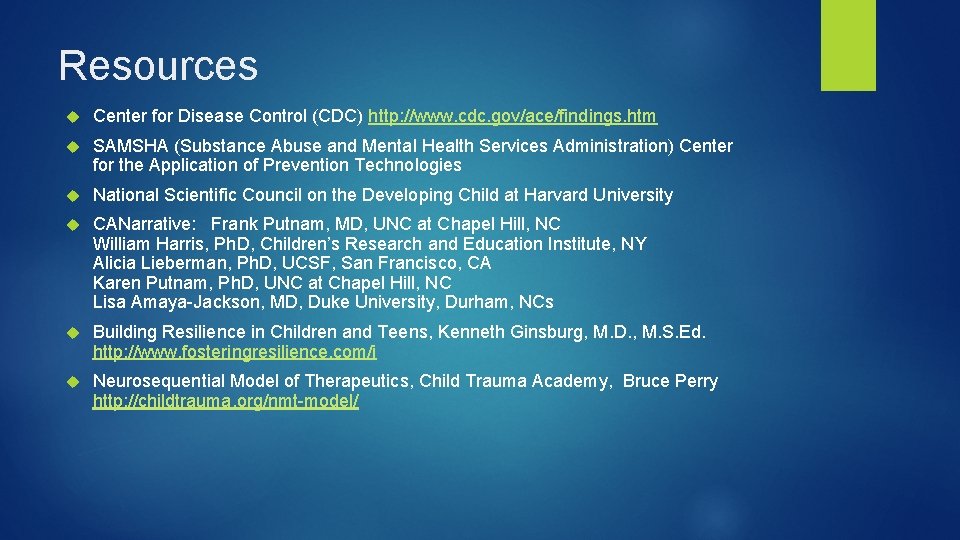
Resources Center for Disease Control (CDC) http: //www. cdc. gov/ace/findings. htm SAMSHA (Substance Abuse and Mental Health Services Administration) Center for the Application of Prevention Technologies National Scientific Council on the Developing Child at Harvard University CANarrative: Frank Putnam, MD, UNC at Chapel Hill, NC William Harris, Ph. D, Children’s Research and Education Institute, NY Alicia Lieberman, Ph. D, UCSF, San Francisco, CA Karen Putnam, Ph. D, UNC at Chapel Hill, NC Lisa Amaya-Jackson, MD, Duke University, Durham, NCs Building Resilience in Children and Teens, Kenneth Ginsburg, M. D. , M. S. Ed. http: //www. fosteringresilience. com/i Neurosequential Model of Therapeutics, Child Trauma Academy, Bruce Perry http: //childtrauma. org/nmt-model/