
Advantages of a Customized Corporate Wide Approach to

- Slides: 36
Advantages of a Customized Corporate. Wide Approach to EHS Training OCTC 30 th Annual Conference April 24, 2018 1
Presenters: • Kevin Sobnosky: HSE Director Environmental, Pepsi. Co • Randy Van Dyne: Executive Director AHTC, The University of Findlayll Hazards 2
ARE YOU PREPARED? 3
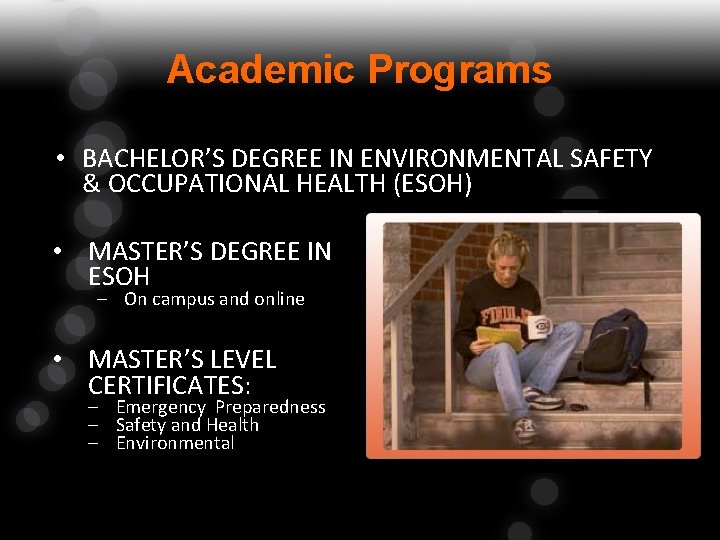
Academic Programs • BACHELOR’S DEGREE IN ENVIRONMENTAL SAFETY & OCCUPATIONAL HEALTH (ESOH) • MASTER’S DEGREE IN ESOH – On campus and online • MASTER’S LEVEL CERTIFICATES: – Emergency Preparedness – Safety and Health – Environmental 4
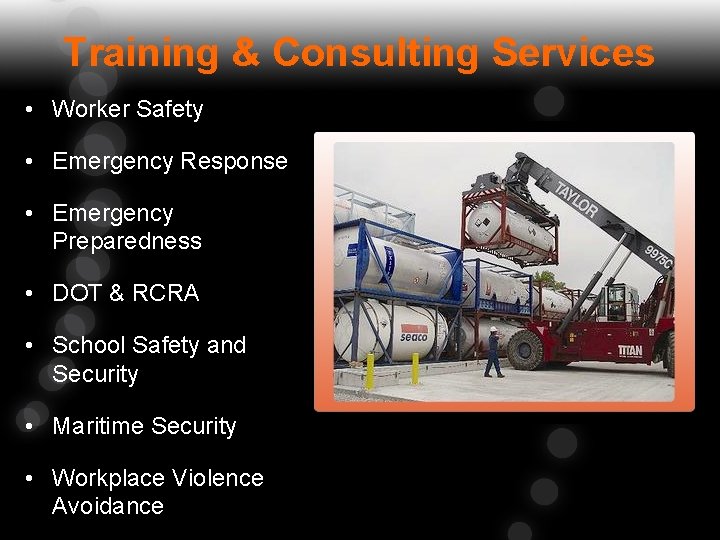
Training & Consulting Services • Worker Safety • Emergency Response • Emergency Preparedness • DOT & RCRA • School Safety and Security • Maritime Security • Workplace Violence Avoidance 5
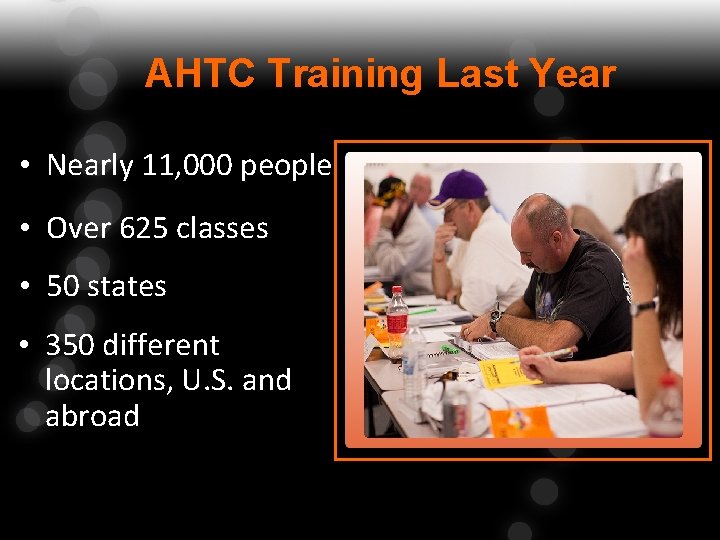
AHTC Training Last Year • Nearly 11, 000 people • Over 625 classes • 50 states • 350 different locations, U. S. and abroad 6
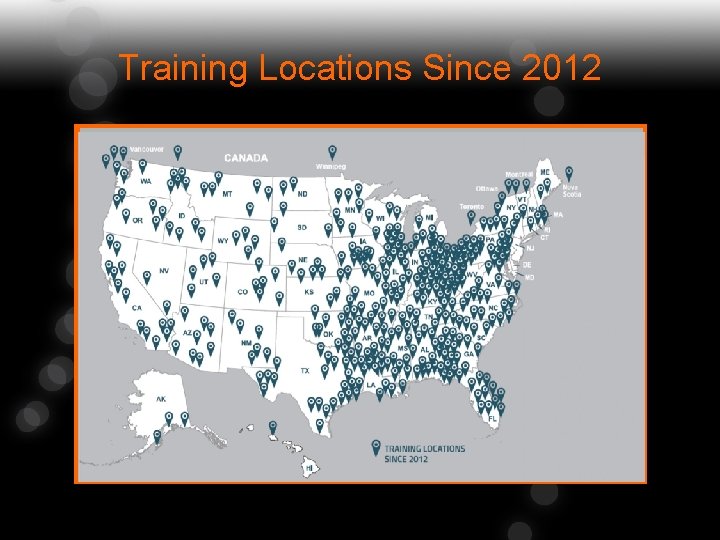
Training Locations Since 2012 7
How EHS Training Services are Selected • Decentralized Approach • This is the “normal/standard” approach • Does not necessarily allow for optimum continuity and consistency across all facilities • Centralized Approach • More and more companies looking at this • Many times occurs as the result of reportable releases and/or fines 8
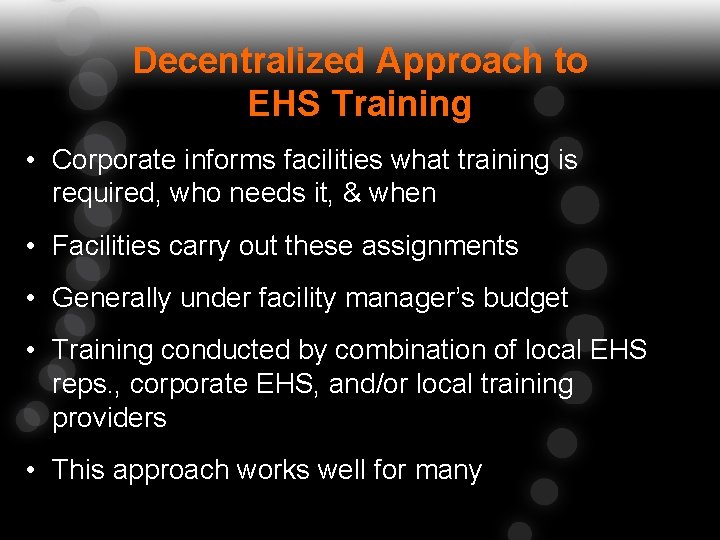
Decentralized Approach to EHS Training • Corporate informs facilities what training is required, who needs it, & when • Facilities carry out these assignments • Generally under facility manager’s budget • Training conducted by combination of local EHS reps. , corporate EHS, and/or local training providers • This approach works well for many 9
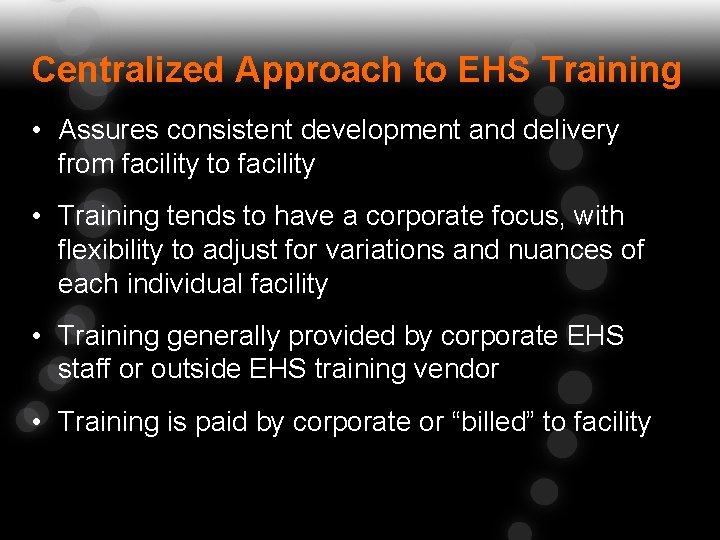
Centralized Approach to EHS Training • Assures consistent development and delivery from facility to facility • Training tends to have a corporate focus, with flexibility to adjust for variations and nuances of each individual facility • Training generally provided by corporate EHS staff or outside EHS training vendor • Training is paid by corporate or “billed” to facility 10
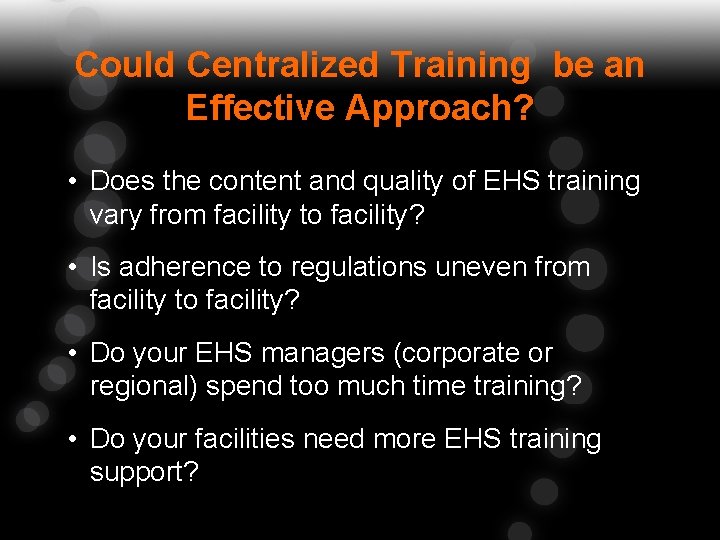
Could Centralized Training be an Effective Approach? • Does the content and quality of EHS training vary from facility to facility? • Is adherence to regulations uneven from facility to facility? • Do your EHS managers (corporate or regional) spend too much time training? • Do your facilities need more EHS training support? p Do 11
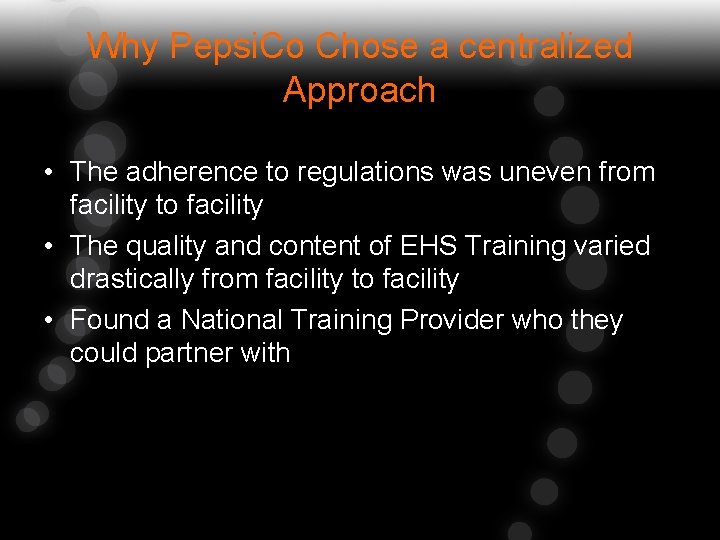
Why Pepsi. Co Chose a centralized Approach • The adherence to regulations was uneven from facility to facility • The quality and content of EHS Training varied drastically from facility to facility • Found a National Training Provider who they could partner with 12
Find out more at: www. Findlay. All. Hazards. com or call: 800 -521 -1292 13
AMMONIA TRAINING Pepsi. Co – North American Beverages Kevin Sobnosky: HSE Director Environmental April 24, 2018
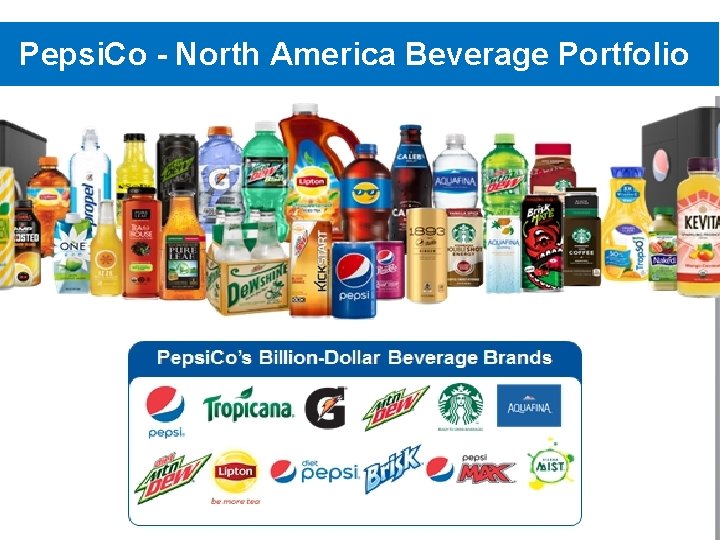
Pepsi. Co - North America Beverage Portfolio
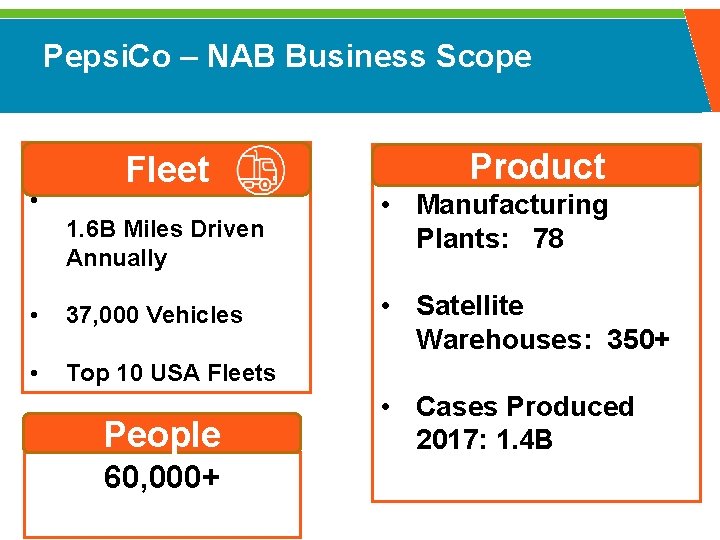
Pepsi. Co – NAB Business Scope • Fleet 1. 6 B Miles Driven Annually • 37, 000 Vehicles • Top 10 USA Fleets People 60, 000+ Product • Manufacturing Plants: 78 • Satellite Warehouses: 350+ • Cases Produced 2017: 1. 4 B
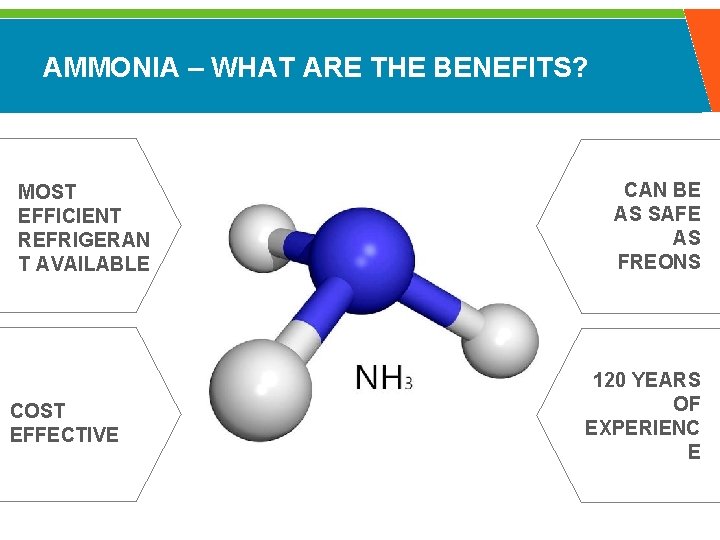
AMMONIA – WHAT ARE THE BENEFITS? MOST EFFICIENT REFRIGERAN T AVAILABLE COST EFFECTIVE CAN BE AS SAFE AS FREONS 120 YEARS OF EXPERIENC E
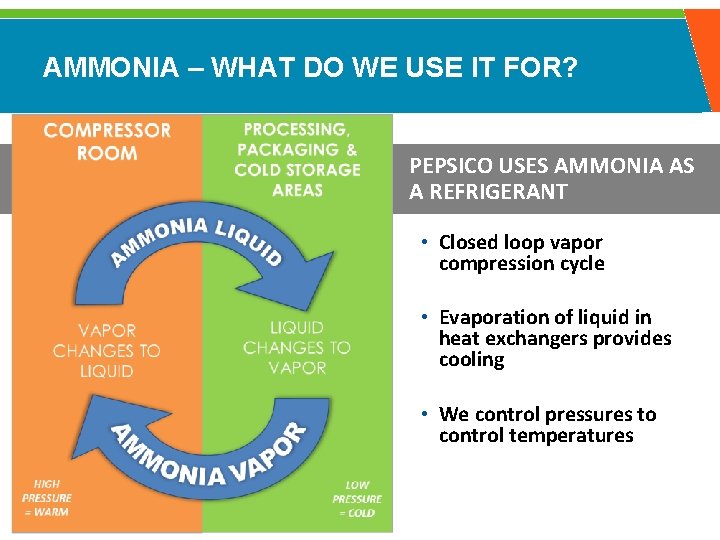
AMMONIA – WHAT DO WE USE IT FOR? PEPSICO USES AMMONIA AS A REFRIGERANT • Closed loop vapor compression cycle • Evaporation of liquid in heat exchangers provides cooling • We control pressures to control temperatures
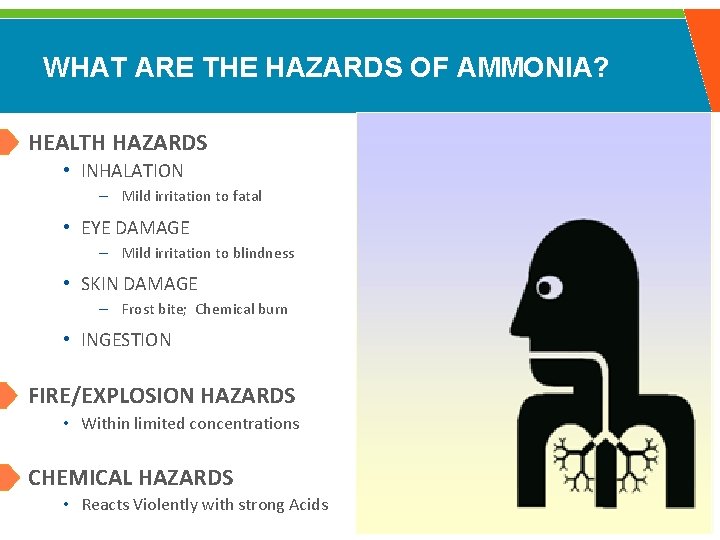
WHAT ARE THE HAZARDS OF AMMONIA? HEALTH HAZARDS • INHALATION – Mild irritation to fatal • EYE DAMAGE – Mild irritation to blindness • SKIN DAMAGE – Frost bite; Chemical burn • INGESTION FIRE/EXPLOSION HAZARDS • Within limited concentrations CHEMICAL HAZARDS • Reacts Violently with strong Acids
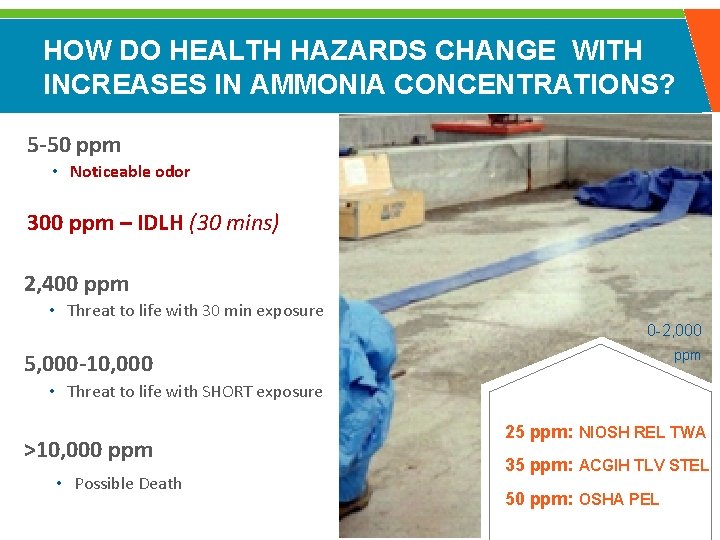
HOW DO HEALTH HAZARDS CHANGE WITH INCREASES IN AMMONIA CONCENTRATIONS? 5 -50 ppm • Noticeable odor 300 ppm – IDLH (30 mins) 2, 400 ppm • Threat to life with 30 min exposure 0 -2, 000 ppm 5, 000 -10, 000 • Threat to life with SHORT exposure >10, 000 ppm • Possible Death 25 ppm: NIOSH REL TWA 35 ppm: ACGIH TLV STEL 50 ppm: OSHA PEL
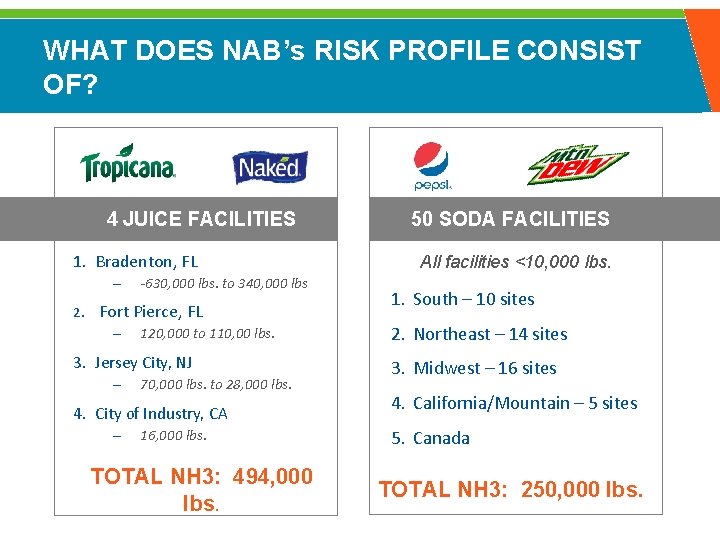
WHAT DOES NAB’s RISK PROFILE CONSIST OF? 4 JUICE FACILITIES 1. Bradenton, FL – -630, 000 lbs. to 340, 000 lbs 2. Fort Pierce, FL – 120, 000 to 110, 00 lbs. 3. Jersey City, NJ – 70, 000 lbs. to 28, 000 lbs. 4. City of Industry, CA – 16, 000 lbs. TOTAL NH 3: 494, 000 lbs. 50 SODA FACILITIES All facilities <10, 000 lbs. 1. South – 10 sites 2. Northeast – 14 sites 3. Midwest – 16 sites 4. California/Mountain – 5 sites 5. Canada TOTAL NH 3: 250, 000 lbs.
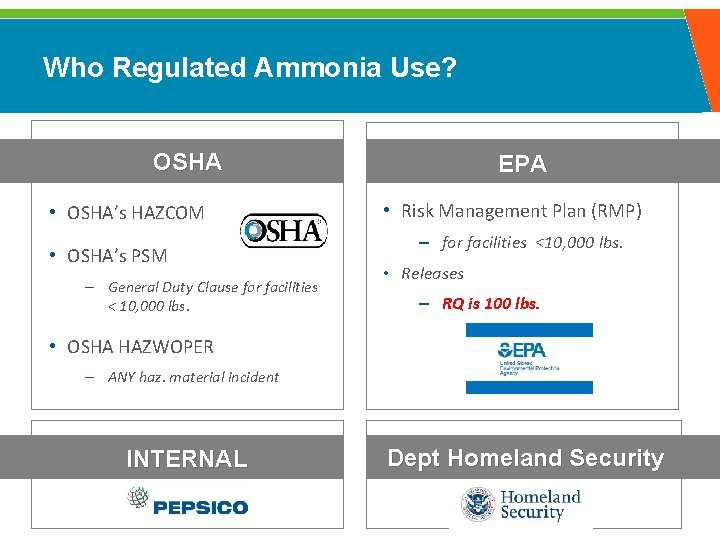
Who Regulated Ammonia Use? OSHA • OSHA’s HAZCOM • OSHA’s PSM – General Duty Clause for facilities < 10, 000 lbs. EPA • Risk Management Plan (RMP) – for facilities <10, 000 lbs. • Releases – RQ is 100 lbs. • OSHA HAZWOPER – ANY haz. material incident INTERNAL Dept Homeland Security
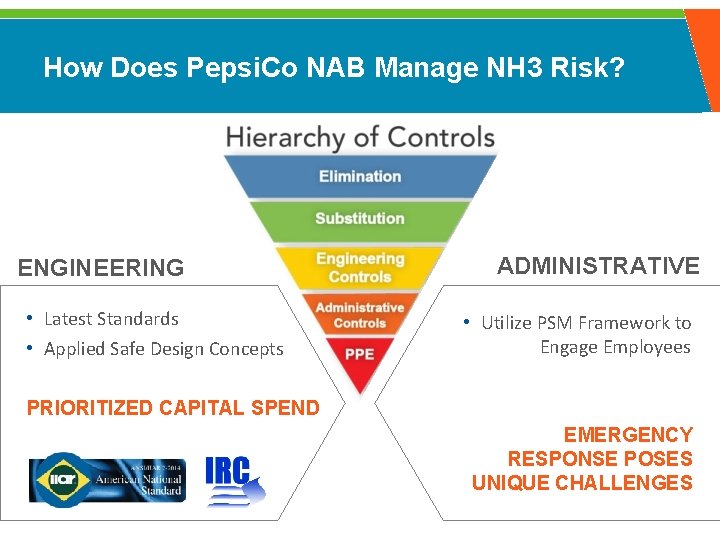
How Does Pepsi. Co NAB Manage NH 3 Risk? ENGINEERING • Latest Standards • Applied Safe Design Concepts ADMINISTRATIVE • Utilize PSM Framework to Engage Employees PRIORITIZED CAPITAL SPEND EMERGENCY RESPONSE POSES UNIQUE CHALLENGES
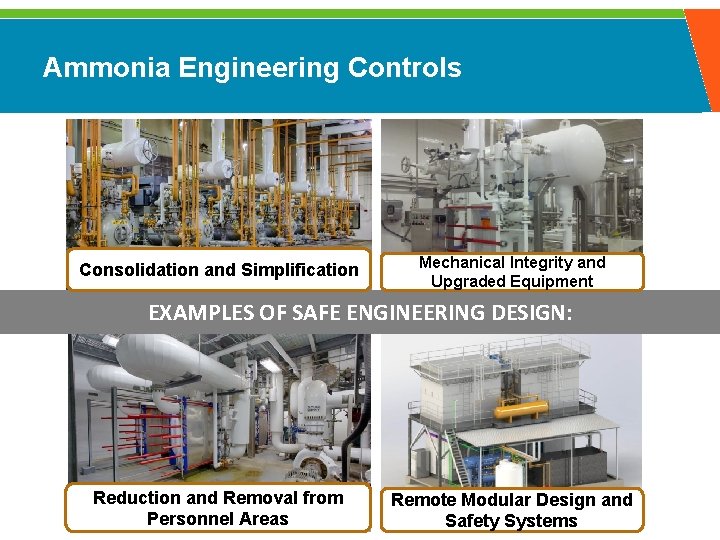
Ammonia Engineering Controls Consolidation and Simplification Mechanical Integrity and Upgraded Equipment EXAMPLES OF SAFE ENGINEERING DESIGN: Reduction and Removal from Personnel Areas Remote Modular Design and Safety Systems
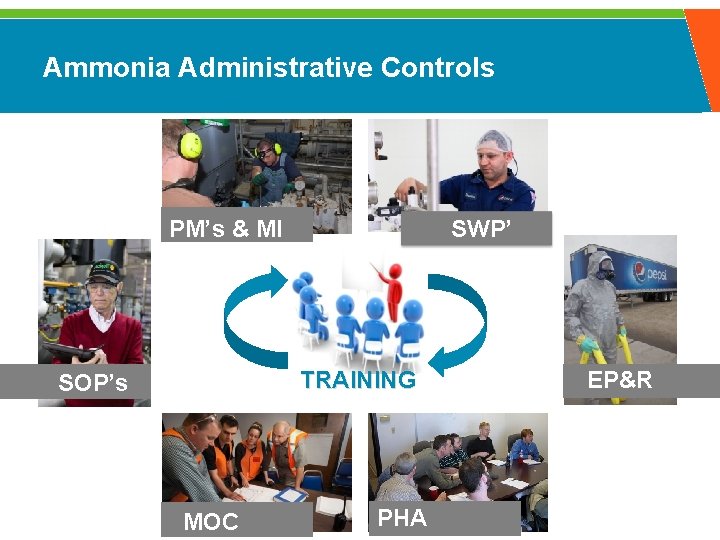
Ammonia Administrative Controls PM’s & MI SWP’ s TRAINING SOP’s MOC PHA EP&R
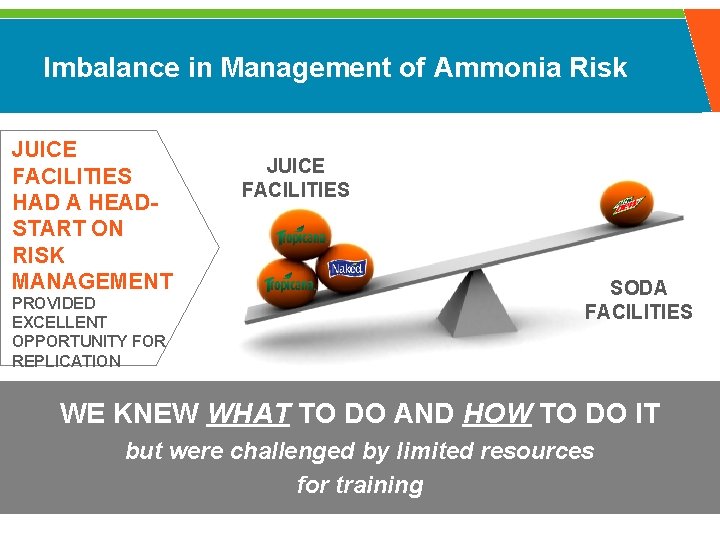
Imbalance in Management of Ammonia Risk JUICE FACILITIES HAD A HEADSTART ON RISK MANAGEMENT PROVIDED EXCELLENT OPPORTUNITY FOR REPLICATION JUICE FACILITIES SODA FACILITIES WE KNEW WHAT TO DO AND HOW TO DO IT but were challenged by limited resources for training
THE CHALLENGE. . . • 50+ Sites across US + Canada • Needed Consistency + Customization • Hourly employees
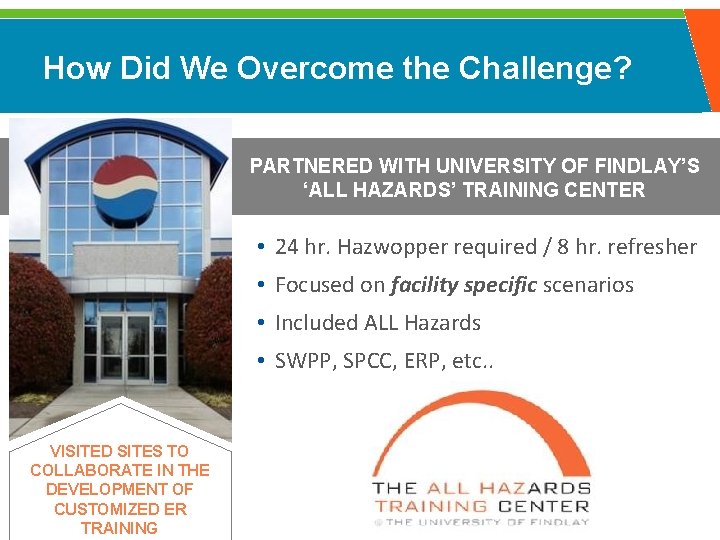
How Did We Overcome the Challenge? PARTNERED WITH UNIVERSITY OF FINDLAY’S ‘ALL HAZARDS’ TRAINING CENTER • 24 hr. Hazwopper required / 8 hr. refresher • Focused on facility specific scenarios • Included ALL Hazards • SWPP, SPCC, ERP, etc. . VISITED SITES TO COLLABORATE IN THE DEVELOPMENT OF CUSTOMIZED ER TRAINING
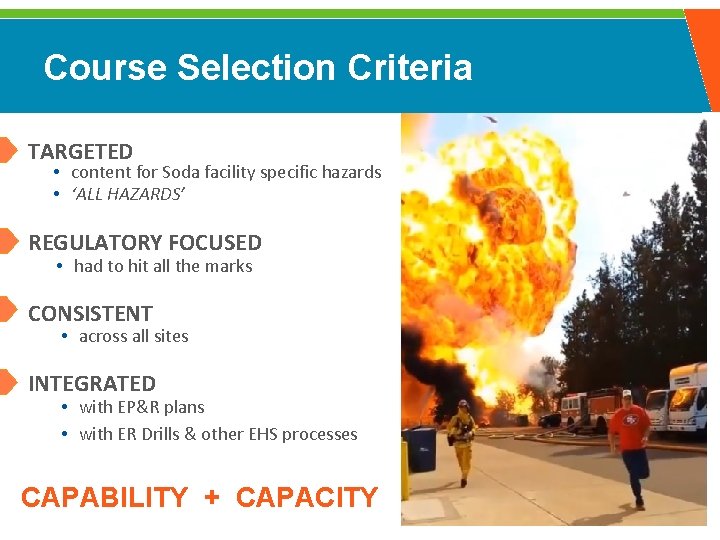
Course Selection Criteria TARGETED • content for Soda facility specific hazards • ‘ALL HAZARDS’ REGULATORY FOCUSED • had to hit all the marks CONSISTENT • across all sites INTEGRATED • with EP&R plans • with ER Drills & other EHS processes CAPABILITY + CAPACITY
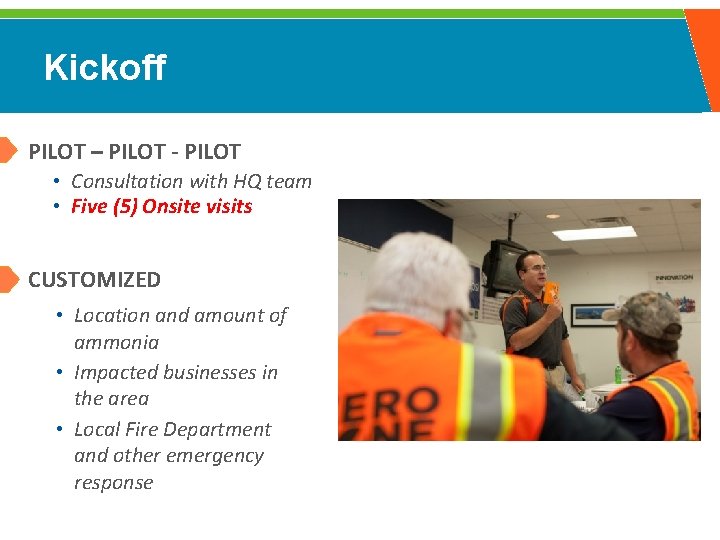
Kickoff PILOT – PILOT - PILOT • Consultation with HQ team • Five (5) Onsite visits CUSTOMIZED • Location and amount of ammonia • Impacted businesses in the area • Local Fire Department and other emergency response
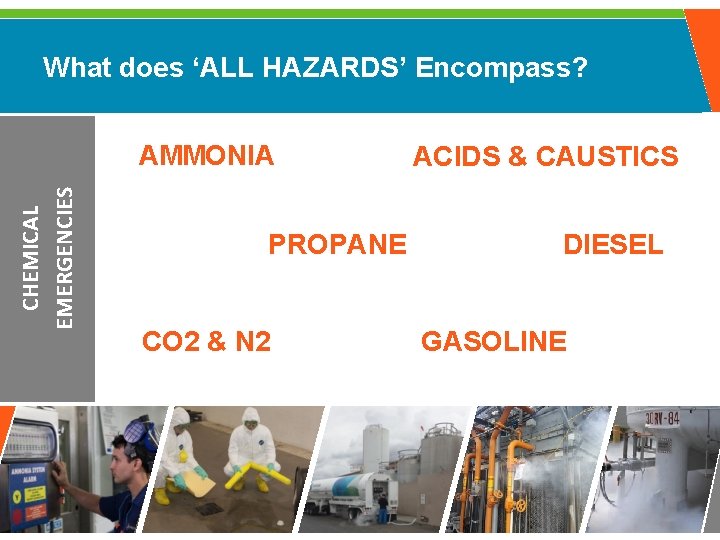
What does ‘ALL HAZARDS’ Encompass? CHEMICAL EMERGENCIES AMMONIA PROPANE CO 2 & N 2 ACIDS & CAUSTICS DIESEL GASOLINE
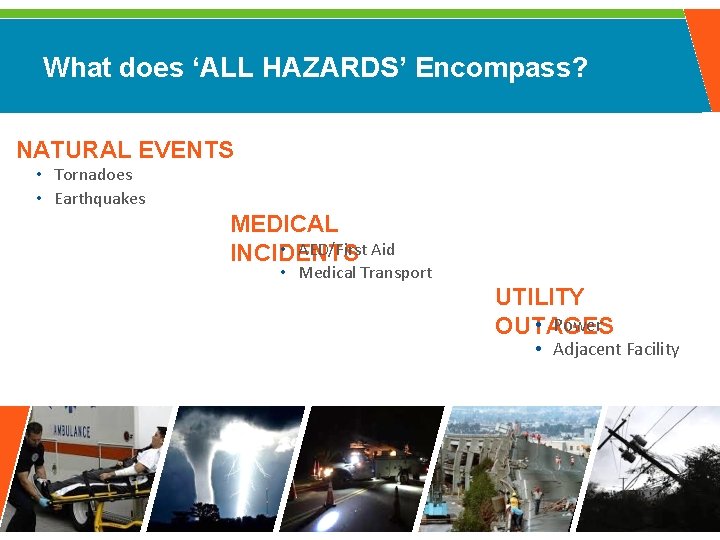
What does ‘ALL HAZARDS’ Encompass? NATURAL EVENTS • Tornadoes • Earthquakes MEDICAL • AED/First Aid INCIDENTS • Medical Transport UTILITY • Power OUTAGES • Adjacent Facility
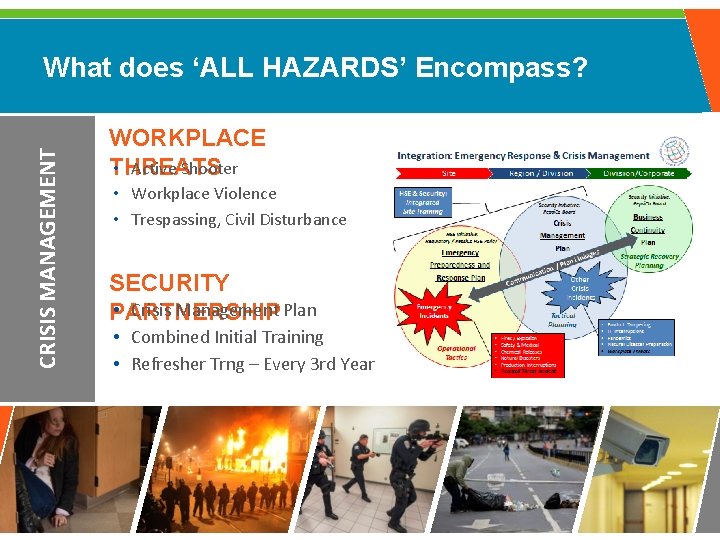
CRISIS MANAGEMENT What does ‘ALL HAZARDS’ Encompass? WORKPLACE • Active Shooter THREATS • Workplace Violence • Trespassing, Civil Disturbance SECURITY • Crisis Management Plan PARTNERSHIP • Combined Initial Training • Refresher Trng – Every 3 rd Year
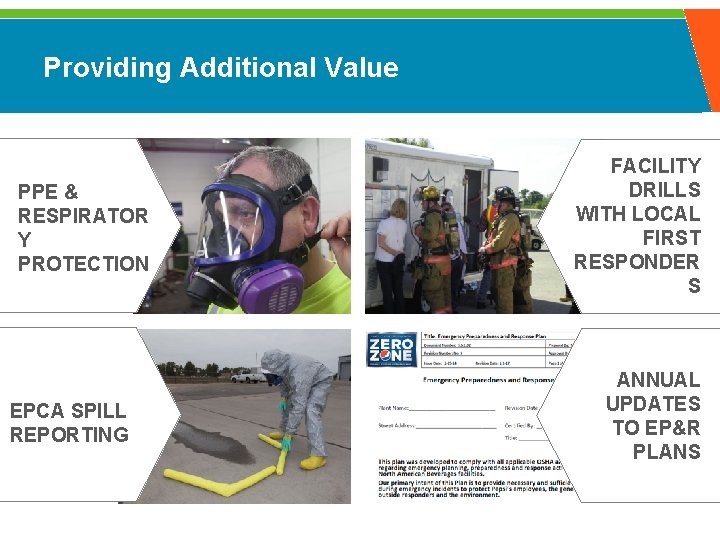
Providing Additional Value PPE & RESPIRATOR Y PROTECTION EPCA SPILL REPORTING FACILITY DRILLS WITH LOCAL FIRST RESPONDER S ANNUAL UPDATES TO EP&R PLANS
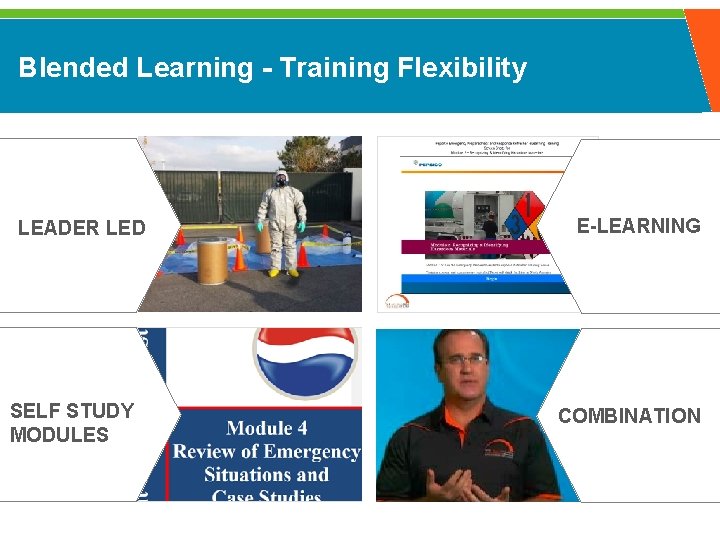
Blended Learning - Training Flexibility LEADER LED SELF STUDY MODULES E-LEARNING COMBINATION
QUESTIONS?