
Advanced Microwave Scanning RadiometerEOS AMSRE Satellite Data for

- Slides: 10
Advanced Microwave Scanning Radiometer-EOS (AMSR-E) Satellite Data for Cold Land Processes Experiment Mary Jo Brodzik Richard Armstrong, Terry Haran, Ken Knowles, Matt Savoie National Snow and Ice Data Center University of Colorado brodzik@nsidc. org 9 th Workshop, CLP Working Group, May, 2003
Outline • • • AMSR-E instrument specs How sampling compares to SSM/I No. Hem. EASE-Grid TBs Validation effort (Dome C) CLP subset, TBs + SWE
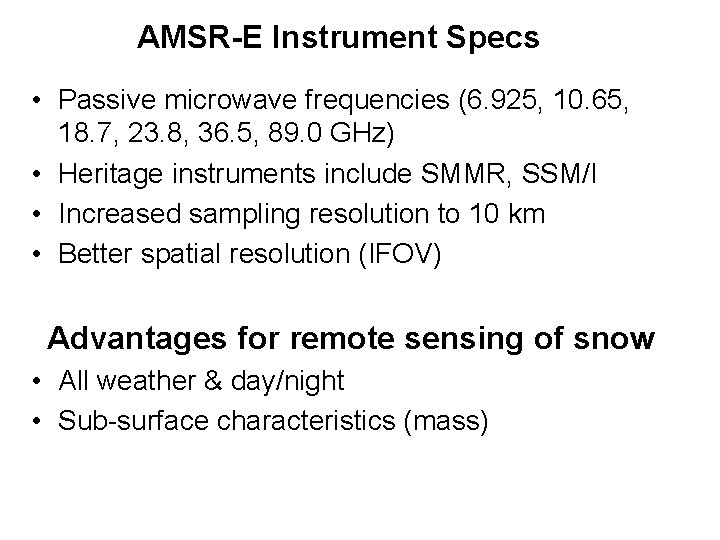
AMSR-E Instrument Specs • Passive microwave frequencies (6. 925, 10. 65, 18. 7, 23. 8, 36. 5, 89. 0 GHz) • Heritage instruments include SMMR, SSM/I • Increased sampling resolution to 10 km • Better spatial resolution (IFOV) Advantages for remote sensing of snow • All weather & day/night • Sub-surface characteristics (mass)
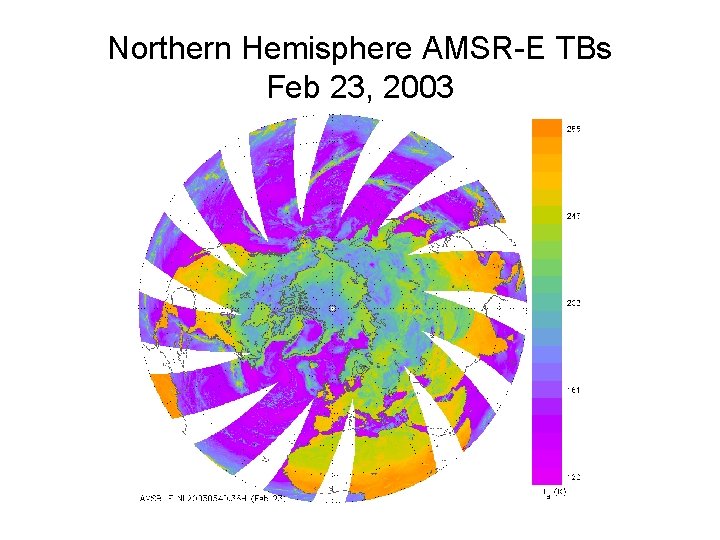
Northern Hemisphere AMSR-E TBs Feb 23, 2003
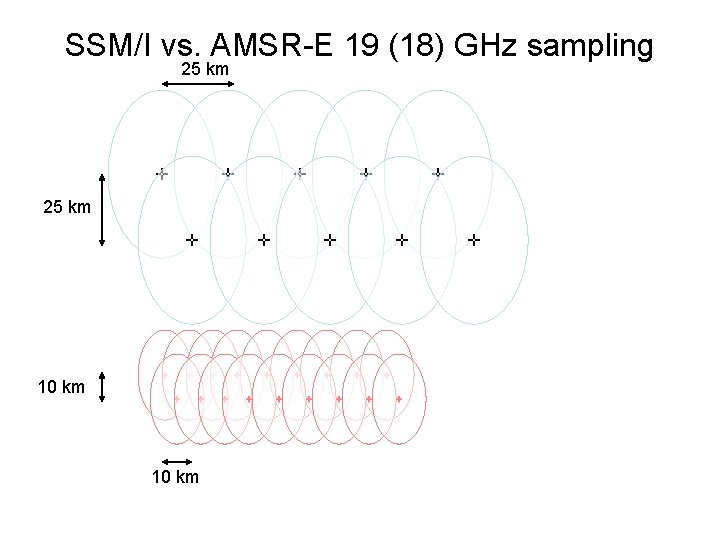
SSM/I vs. AMSR-E 19 (18) GHz sampling 25 km 10 km
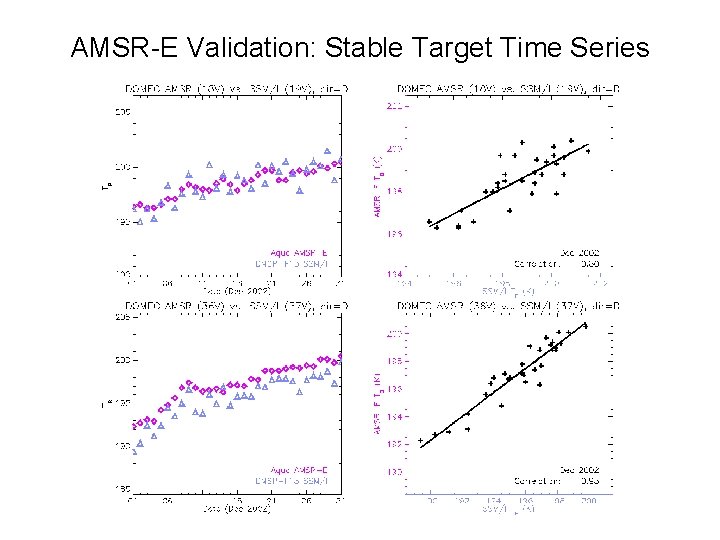
AMSR-E Validation: Stable Target Time Series
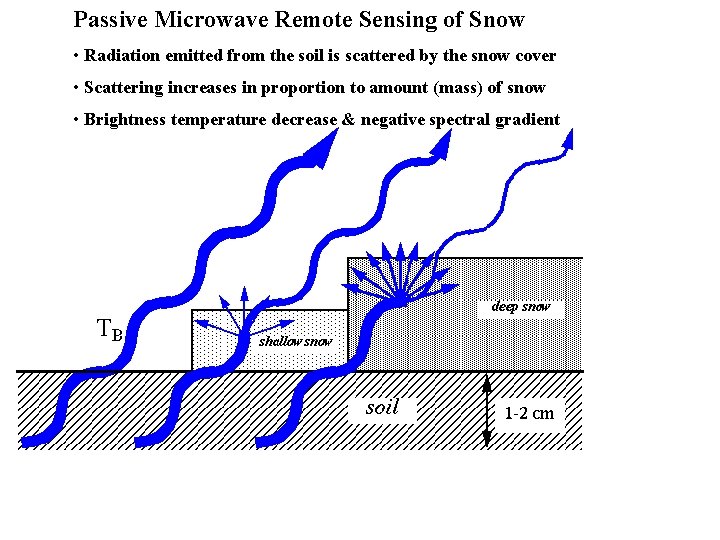
Passive Microwave Remote Sensing of Snow • Radiation emitted from the soil is scattered by the snow cover • Scattering increases in proportion to amount (mass) of snow • Brightness temperature decrease & negative spectral gradient
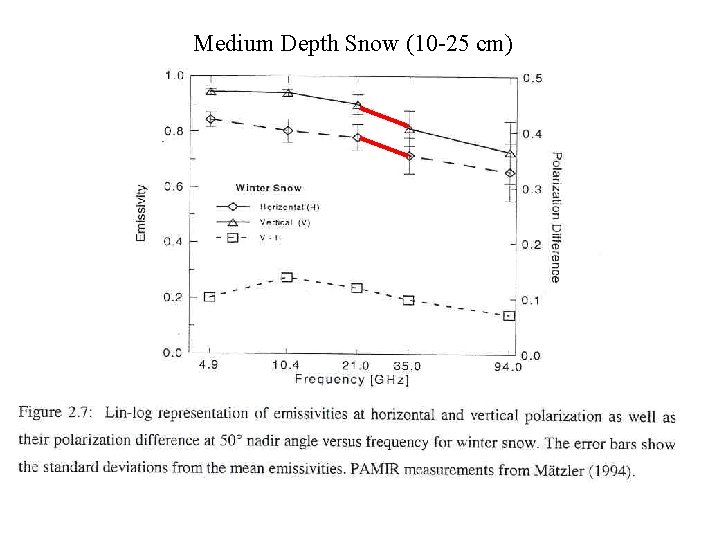
Medium Depth Snow (10 -25 cm)
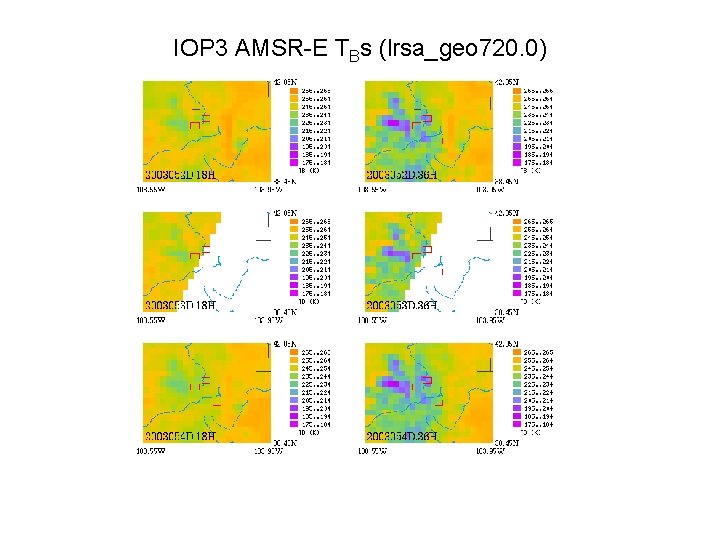
IOP 3 AMSR-E TBs (lrsa_geo 720. 0)
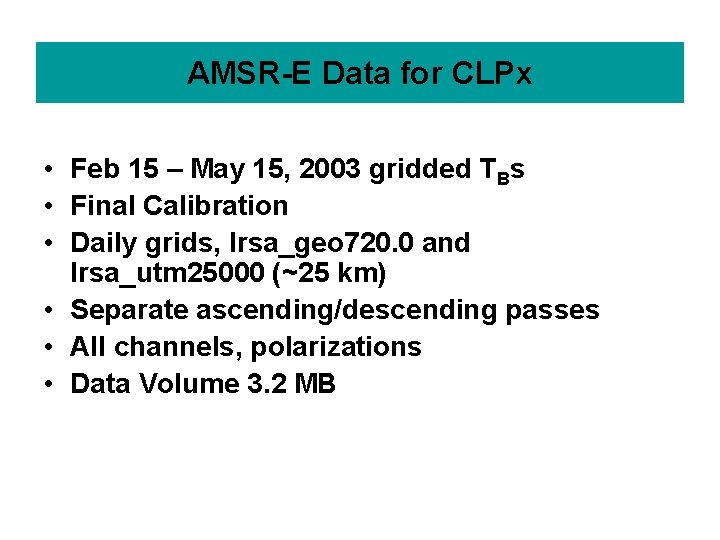
AMSR-E Data for CLPx • Feb 15 – May 15, 2003 gridded TBs • Final Calibration • Daily grids, lrsa_geo 720. 0 and lrsa_utm 25000 (~25 km) • Separate ascending/descending passes • All channels, polarizations • Data Volume 3. 2 MB