
Advanced Investigative Analysis National Certified Investigator and Inspector


- Slides: 76
Advanced Investigative Analysis National Certified Investigator and Inspector Training Specialized Program
Session Introduction
Upon completion of the session, you will be able to: Learning Objectives § Identify the strengths and weaknesses of our individual analysis process § Expand the way we view, analyze and investigate a case § Understand accept investigative intuition § Analyze a scene in a detailed and open-minded manner § Analyze written statements to detect indicators of stress induced choices or intentional omissions
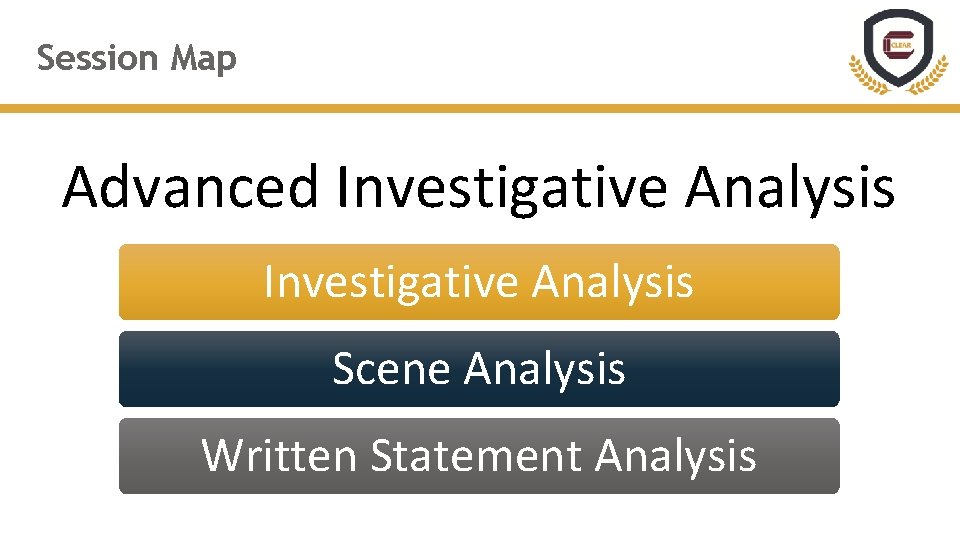
Session Map Advanced Investigative Analysis Scene Analysis Written Statement Analysis
Investigative Analysis
Think Beyond the Obvious Give yourself permission to ask any question Play the “What if…” game Accept any theory as valid until it is proven otherwise
Two Areas of Focus Scene of the violation Written statements produced
Scene Analysis
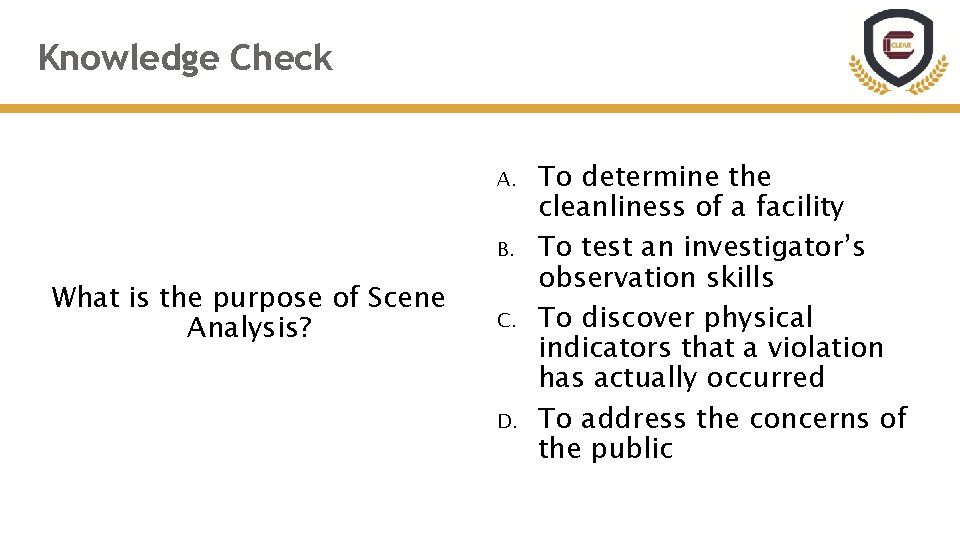
Analysis of the Complaint/Violation Scene Purpose of scene analysis is to discover physical indicators of a violation and how it may have taken place Physical indicators can: § Assist in interview or interrogation preparation § Prove or disprove written or verbal statements
Broaden Our Investigative Thinking Our skills in interpreting a physical scene are limited by our experience and training Push yourself to accept what is not obvious and think outside the box Allow yourself to be wrong!
Steps of a Complaint/Violation Scene Analysis Be Aware of Investigative Paradigm Know the Profession Look at the Overall Scene Examine the Details Paradigm refers to the frame of reference of anyone looking at a set of facts or questions Paradigms are created by experience, education, and training Our investigative reality is shaped by our individual analysis process and is based on the paradigms we hold
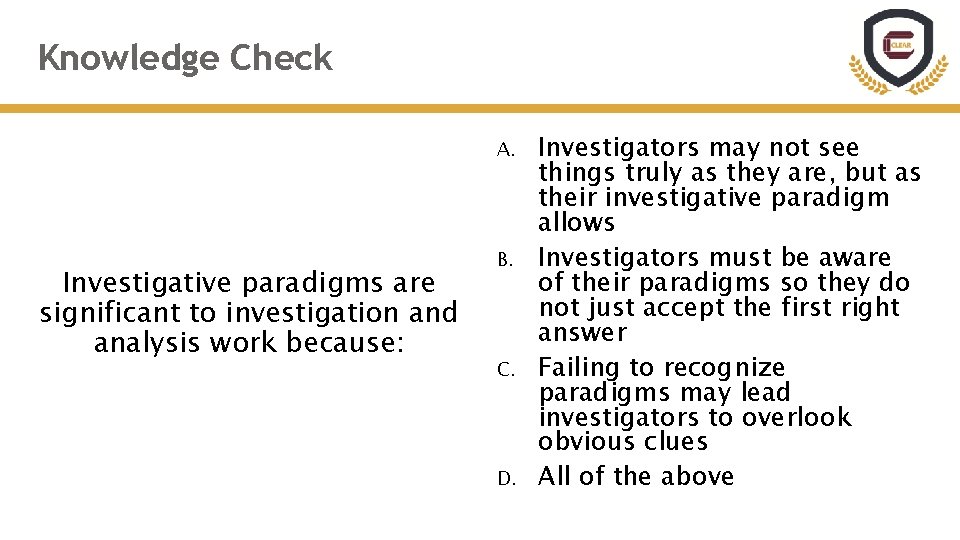
Steps of a Complaint/Violation Scene Analysis Be Aware of Investigative Paradigm Know the Profession Look at the Overall Scene Examine the Details We may see things not as they are, but as our paradigms allow Deliberately seek alternative theories and accept them as viable leads until proven otherwise Don’t accept the first right answer Failing to recognize paradigms can cause the obvious to be overlooked
Steps of a Complaint/Violation Scene Analysis Be Aware of Investigative Paradigm Know the Profession Look at the Overall Scene Examine the Details BTK Serial Killer 1974 -1991 (Wichita, KS) Subject fit almost all of the FBI profile criteria Subject did not fit the criteria for anticipated lifestyle Subject excluded from consideration and hid for over 20 years due to rigid adherence to FBI’s profile
Steps of a Complaint/Violation Scene Analysis Be Aware of Investigative Paradigm Know the Profession Look at the Overall Scene Examine the Details We become victims of our own paradigms There are more possibilities than impossibilities Keep an open mind Take what you know, and apply it to what you see
Steps of a Complaint/Violation Scene Analysis Be Aware of Investigative Paradigm Know the Profession Look at the Overall Scene Examine the Details Are you licensed in the profession you regulate? § If so, how might that influence your assessments and judgment? Be wary of the my way or the highway trap Different isn’t necessarily bad
Steps of a Complaint/Violation Scene Analysis Be Aware of Investigative Paradigm Know the Profession Look at the Overall Scene Examine the Details If the investigator is not trained in the profession being investigated, knowledge must first be obtained Is it reasonable to think a dental examiner would be a successful investigator of long-term care facilities? Why or why not?
Steps of a Complaint/Violation Scene Analysis Be Aware of Investigative Paradigm Know the Profession Look at the Overall Scene Examine the Details Tips for gaining additional expertise and knowledge Training with, or by nationally recognized experts to learn standards and usual practices Reading professional journals, peer reviewed articles and case decisions Consulting with experts on cases
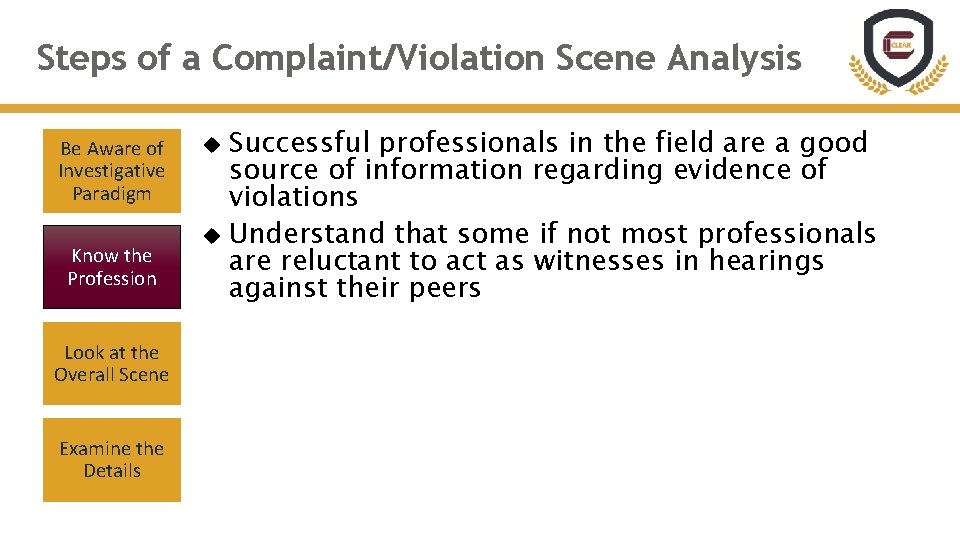
Steps of a Complaint/Violation Scene Analysis Be Aware of Investigative Paradigm Know the Profession Look at the Overall Scene Examine the Details Successful professionals in the field are a good source of information regarding evidence of violations Understand that some if not most professionals are reluctant to act as witnesses in hearings against their peers
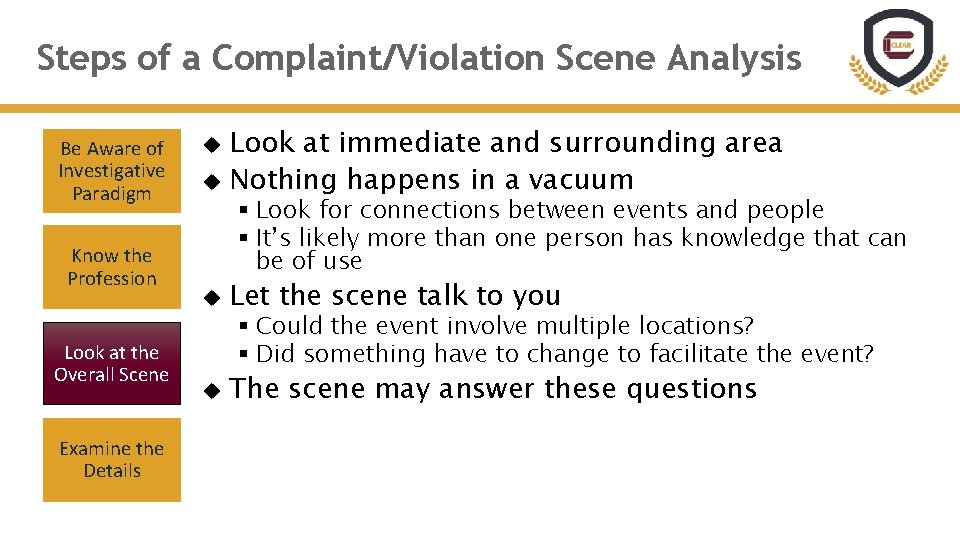
Steps of a Complaint/Violation Scene Analysis Be Aware of Investigative Paradigm Know the Profession Look at the Overall Scene Examine the Details Look at immediate and surrounding area Nothing happens in a vacuum § Look for connections between events and people § It’s likely more than one person has knowledge that can be of use Let the scene talk to you The scene may answer these questions § Could the event involve multiple locations? § Did something have to change to facilitate the event?
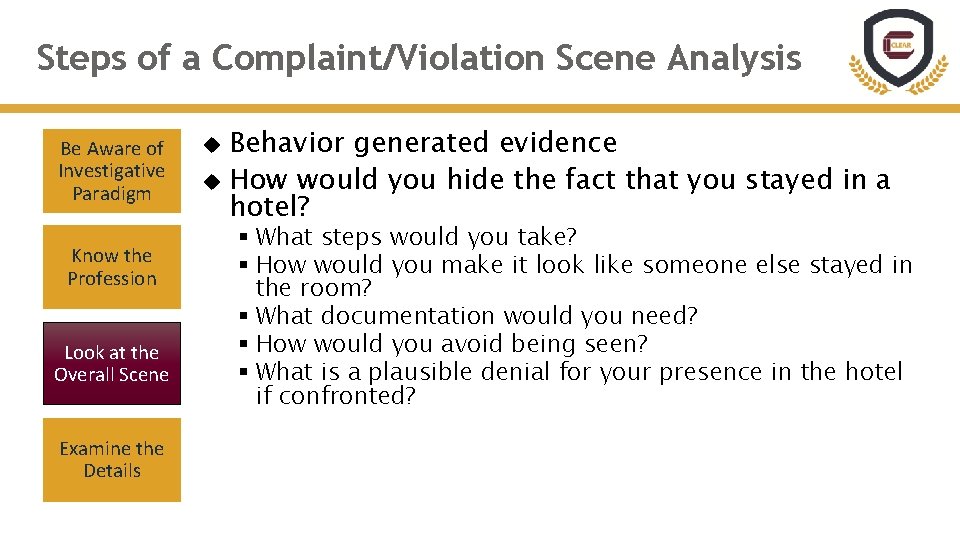
Steps of a Complaint/Violation Scene Analysis Be Aware of Investigative Paradigm Know the Profession Look at the Overall Scene Examine the Details Behavior generated evidence How would you hide the fact that you stayed in a hotel? § What steps would you take? § How would you make it look like someone else stayed in the room? § What documentation would you need? § How would you avoid being seen? § What is a plausible denial for your presence in the hotel if confronted?
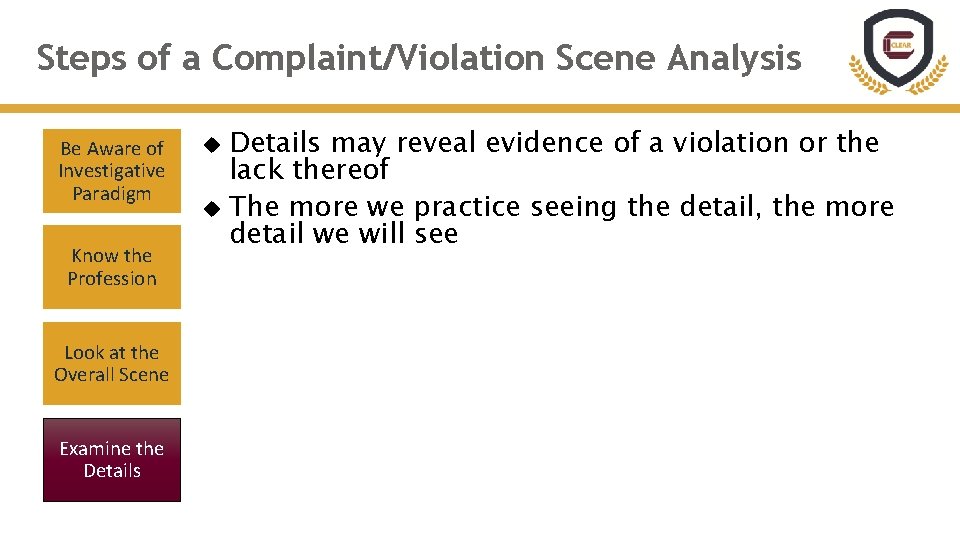
Steps of a Complaint/Violation Scene Analysis Be Aware of Investigative Paradigm Know the Profession Look at the Overall Scene Examine the Details may reveal evidence of a violation or the lack thereof The more we practice seeing the detail, the more detail we will see
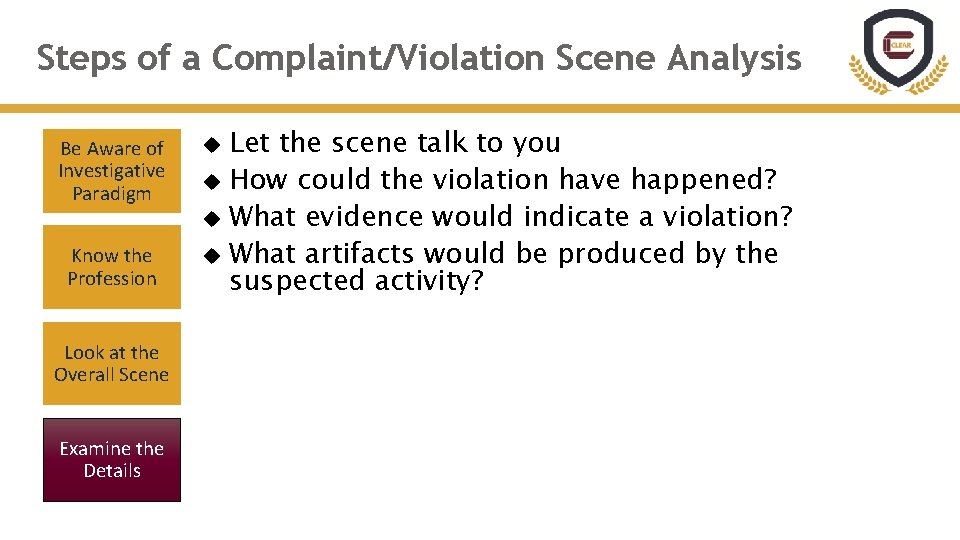
Steps of a Complaint/Violation Scene Analysis Be Aware of Investigative Paradigm Know the Profession Look at the Overall Scene Examine the Details Let the scene talk to you How could the violation have happened? What evidence would indicate a violation? What artifacts would be produced by the suspected activity?
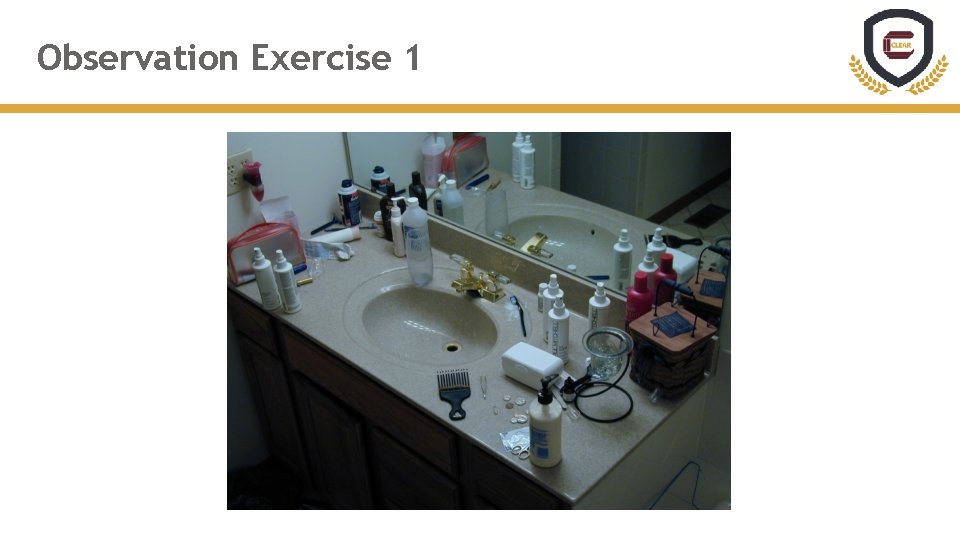
Observation Exercise 1
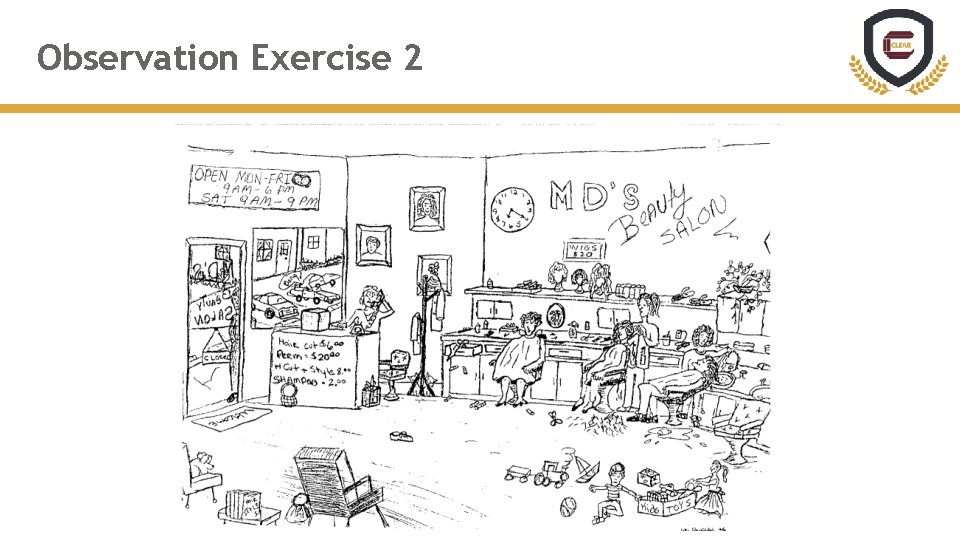
Observation Exercise 2
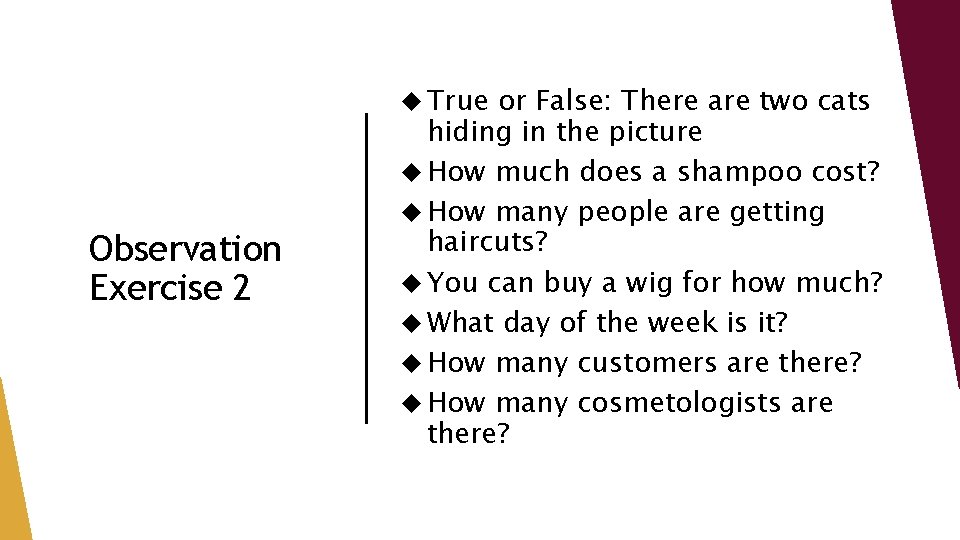
True Observation Exercise 2 or False: There are two cats hiding in the picture How much does a shampoo cost? How many people are getting haircuts? You can buy a wig for how much? What day of the week is it? How many customers are there? How many cosmetologists are there?
What Observation Exercise 2 time of day is it? What is the name of the salon? True or False: A hat costs less than a haircut How many vehicles are involved in the accident? How many people are in the picture? How many cosmetologists had a license displayed? True or False: There are five total chairs in the picture
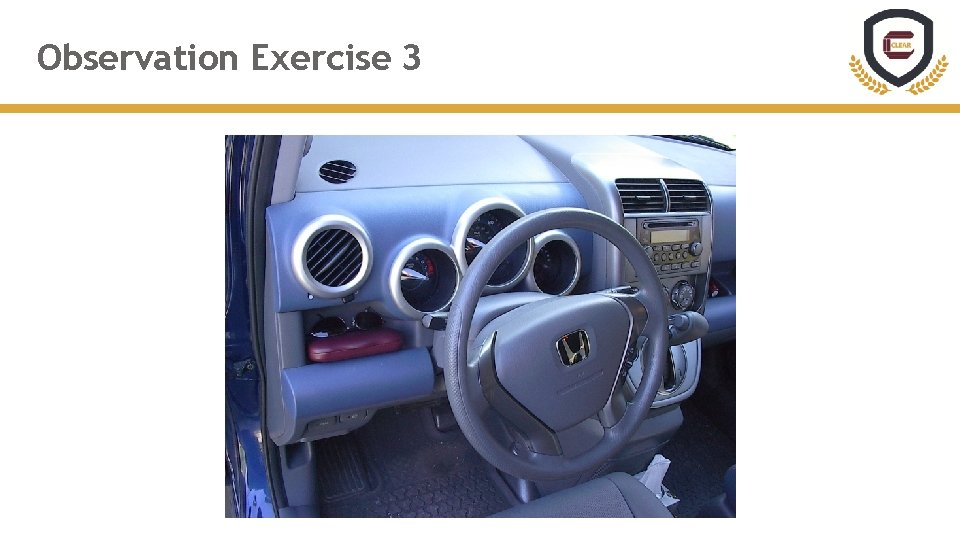
Observation Exercise 3
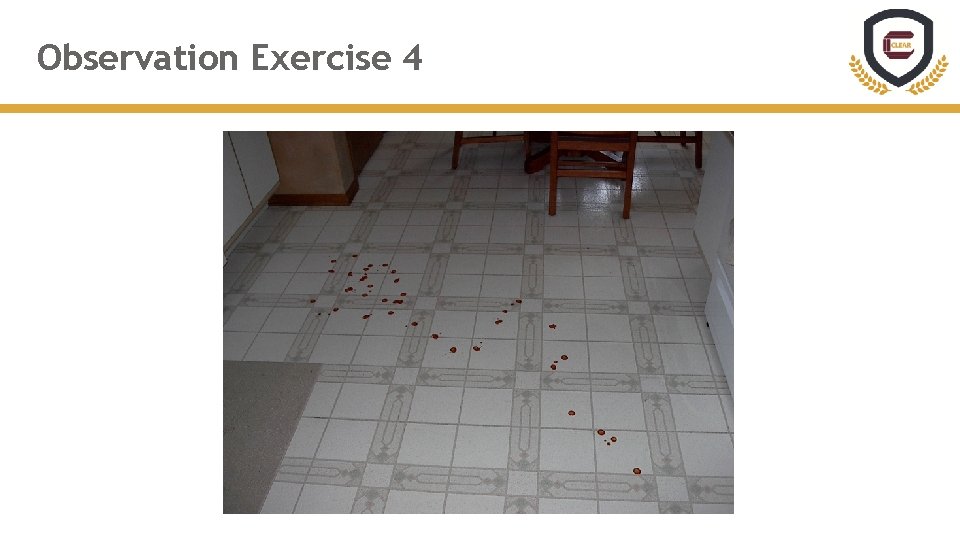
Observation Exercise 4
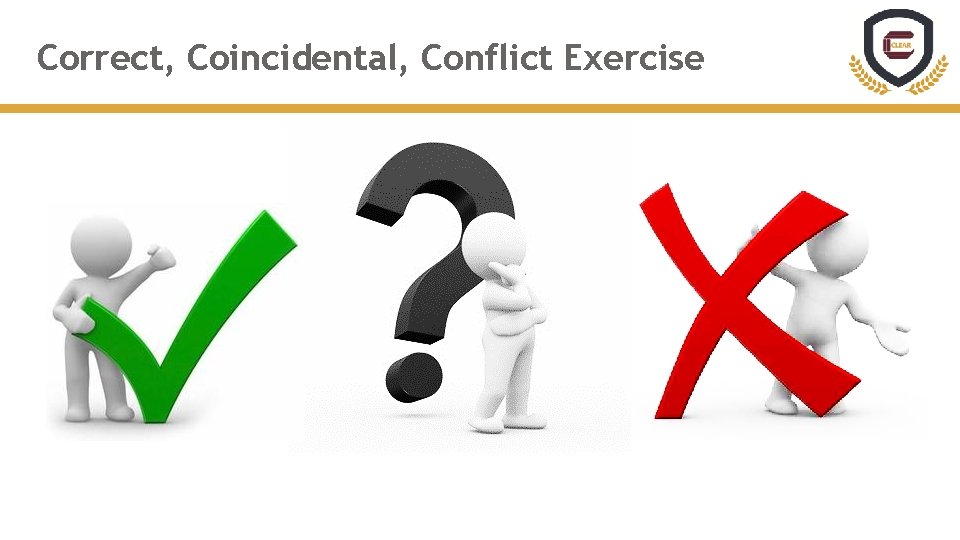
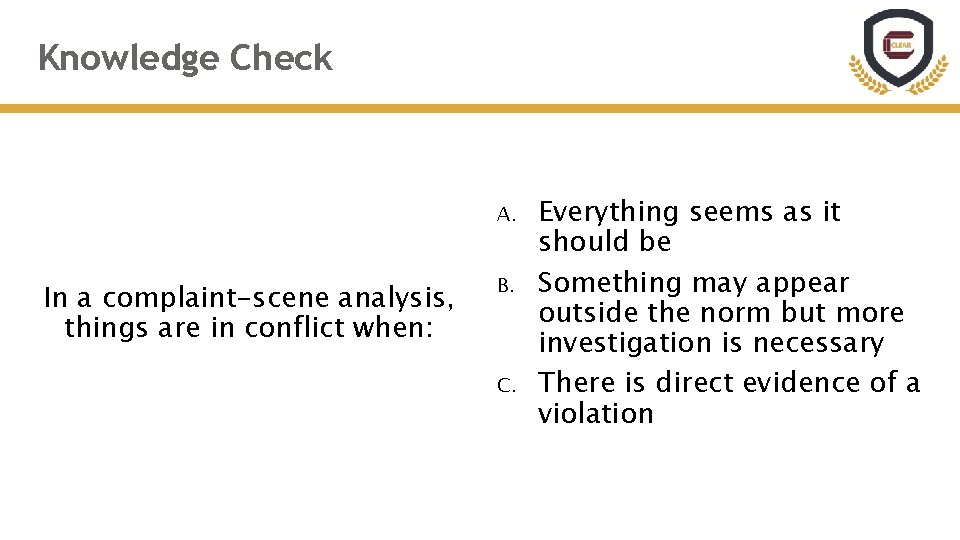
The 3 C’s Rule Correct § Everything is okay Coincidence § Some things are odd but you can’t put your finger on it Conflict § Obvious indicators of a violation
Scene Analysis Scene analysis involves moving beyond our personal paradigms Success requires being creative and not just reactive Apply the 3 C’s rule The devil is in the details Nothing is as obvious as we may think
Correct, Coincidental, Conflict Exercise
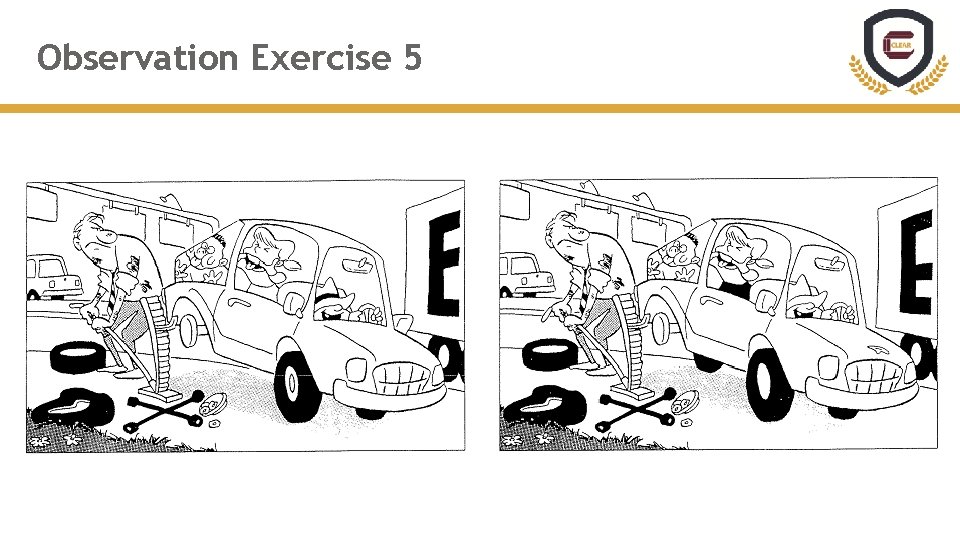
Observation Exercise 5
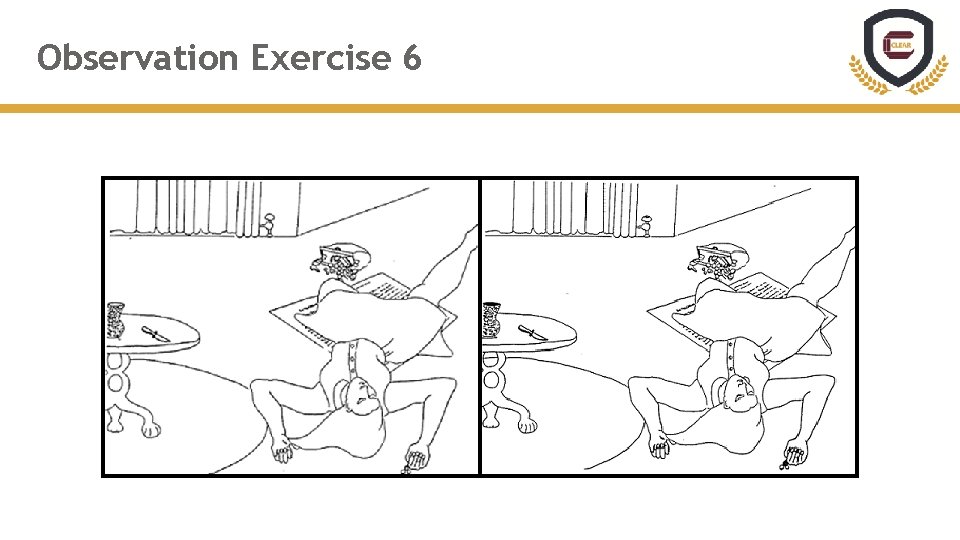
Observation Exercise 6
http: //www. ojp. usdoj. gov/nij Free Reference Manual for Scene Investigation National Criminal Justice Reference Service PO Box 6000 Rockville, MD 20849 -6000 1 (800) 851 -3420 askncjrs@ncjrs. org
Written Statement Analysis
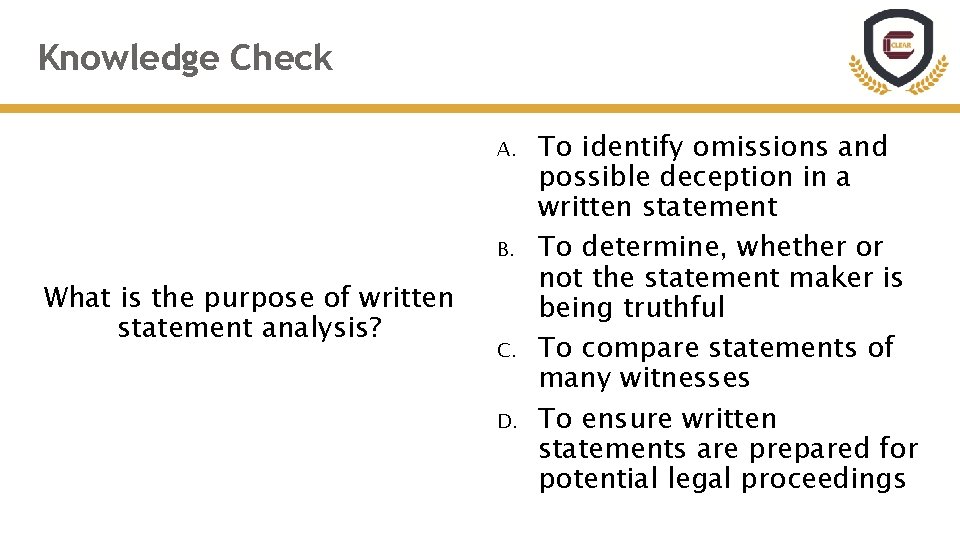
Written Statement Analysis Investigative method used to identify intentional omissions and stress induced choices in a written statement As is true with Behavioral Analysis Questioning, nothing is absolutely conclusive, everything must be taken in context Nothing found through this method is considered proof, only indicators of something to look into further
Importance of Written Statement Analysis Many regulatory agencies routinely obtain written statements as part of their investigations People experience stress when writing about critical or sensitive issues They may not want to tell the truth but they want to say something Only concerned with word choice
Behavior Analysis We are not dealing with reality, but rather with perceptions of reality There is no single indicator that a subject is misstating facts or omitting information from a statement Guidelines for statement analysis help identify problem areas in a statement
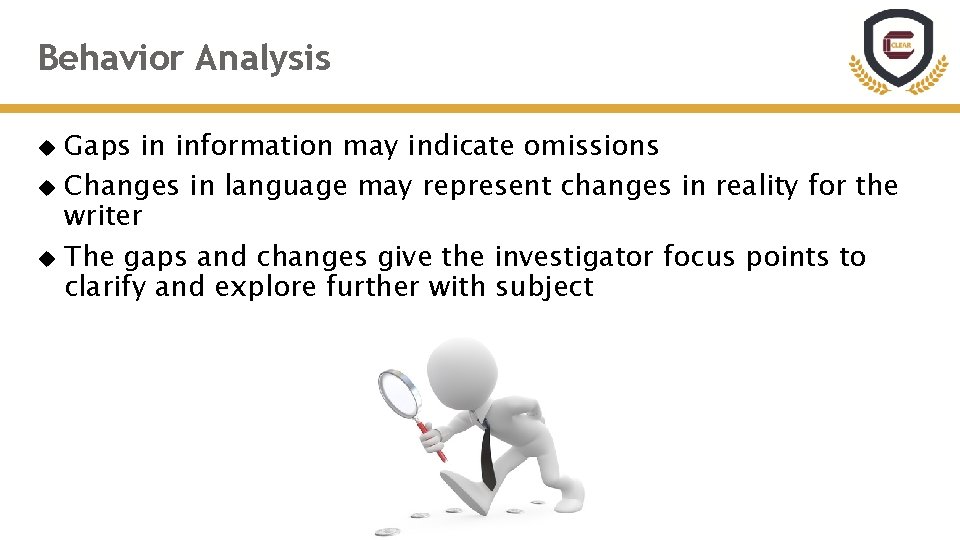
Behavior Analysis Gaps in information may indicate omissions Changes in language may represent changes in reality for the writer The gaps and changes give the investigator focus points to clarify and explore further with subject
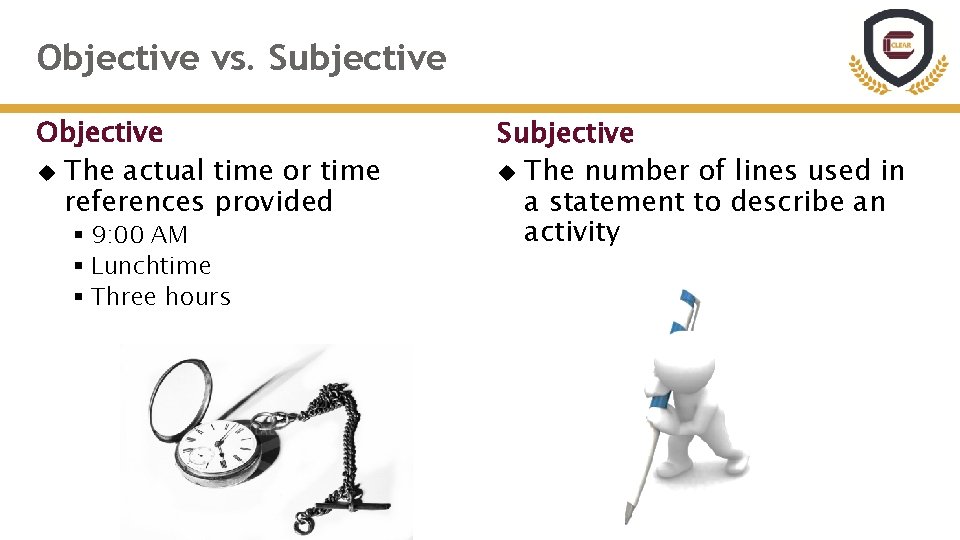
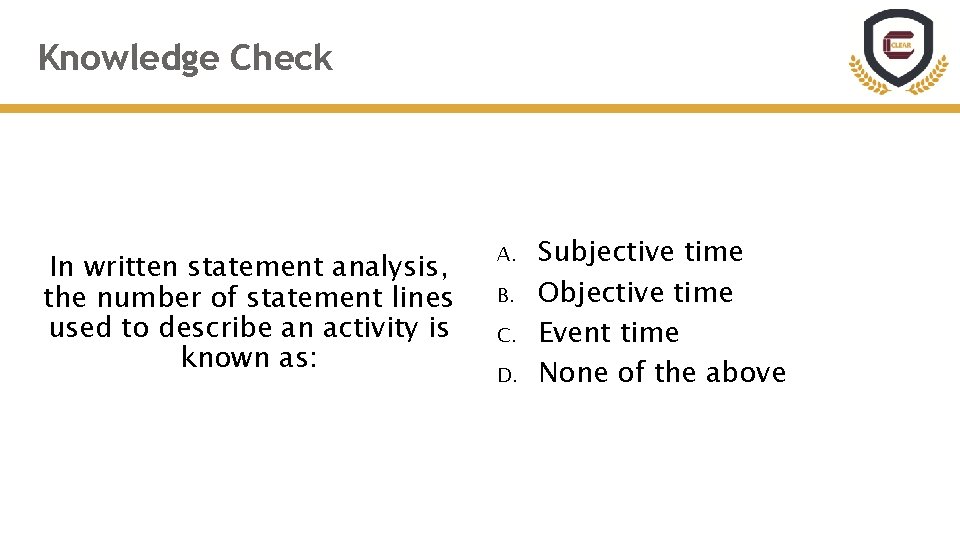
Objective vs. Subjective Objective The actual time or time references provided § 9: 00 AM § Lunchtime § Three hours Subjective The number of lines used in a statement to describe an activity
How Subjective Timing Exercise many lines were used to describe the time before the incident? How many lines were used to describe the time during the incident? How many lines were used to describe the time after the incident?
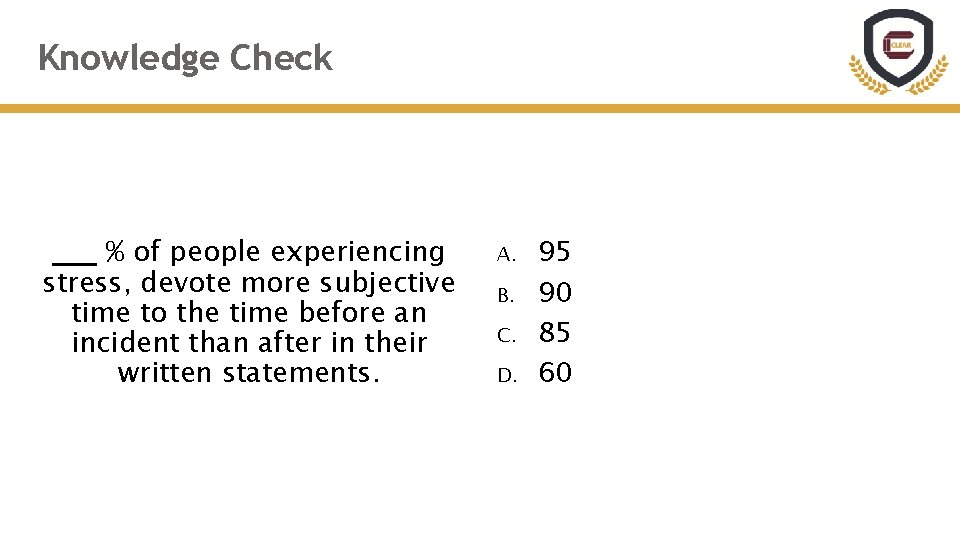
Subjective Time Approximately 85% of people who misstate, or omit information in a statement devote more subjective time to before the incident than after If you have read 1/3 of the statement and still haven’t read anything about the incident, be wary If considerable subjective time is used in any one part of statement, you should ask yourself why
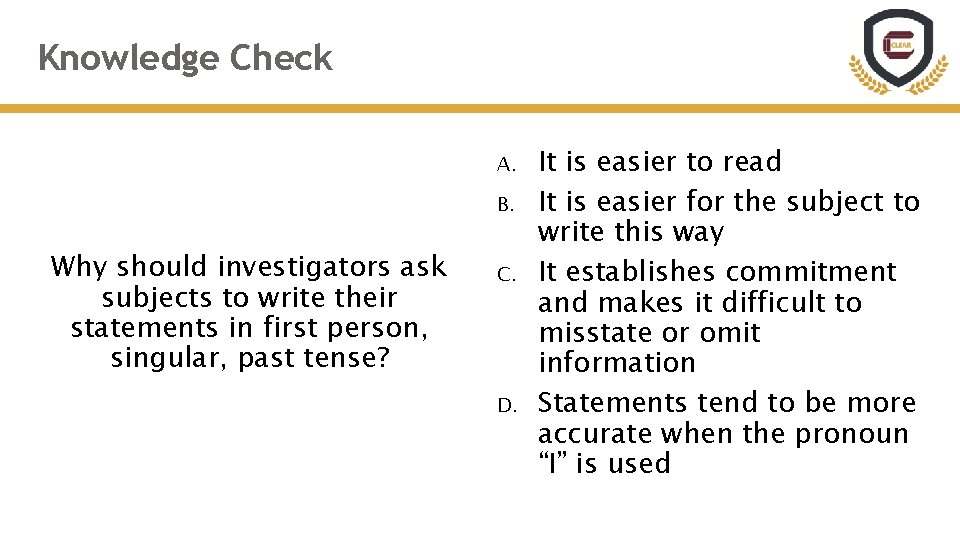
Statement Instructions Ask subject to write in first person, singular, past tense § Using the “I” pronoun establishes commitment and makes it more difficult to misstate or omit facts § Using past tense makes the subject connect themselves to an event or time, in which they want to say they were somewhere else § Writing in both first person, and past tense makes it difficult to lie
Four Ways Subjects Avoid Using “I” We § We left work at the end of our shift Third person § Someone must of taken the money Passive Language § The drugs were taken Omitting pronouns § Got up, took a shower, got dressed
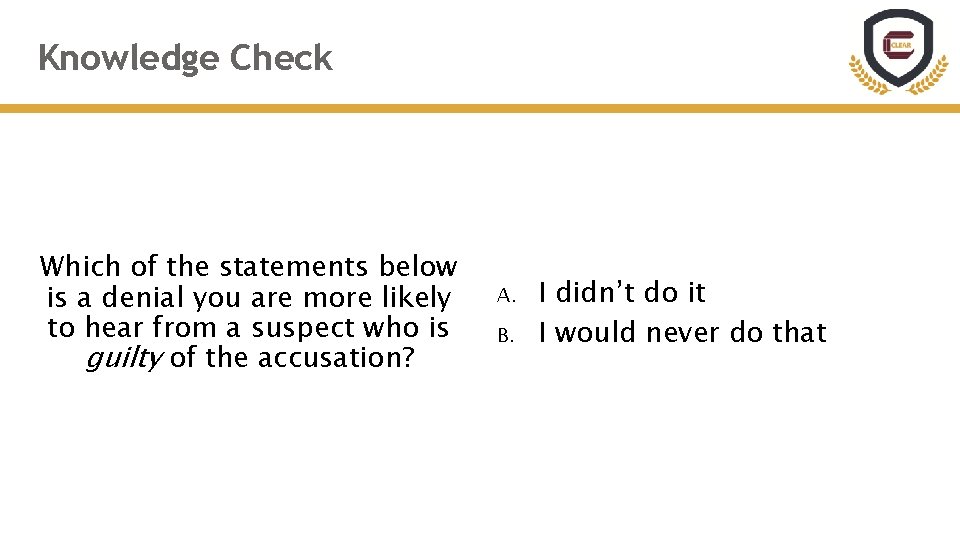
Avoiding Past Tense Common way to get around using past tense is to say “would” which suggests future tense “I wouldn’t do something like that” doesn’t mean you didn’t, just that you wouldn’t in the future
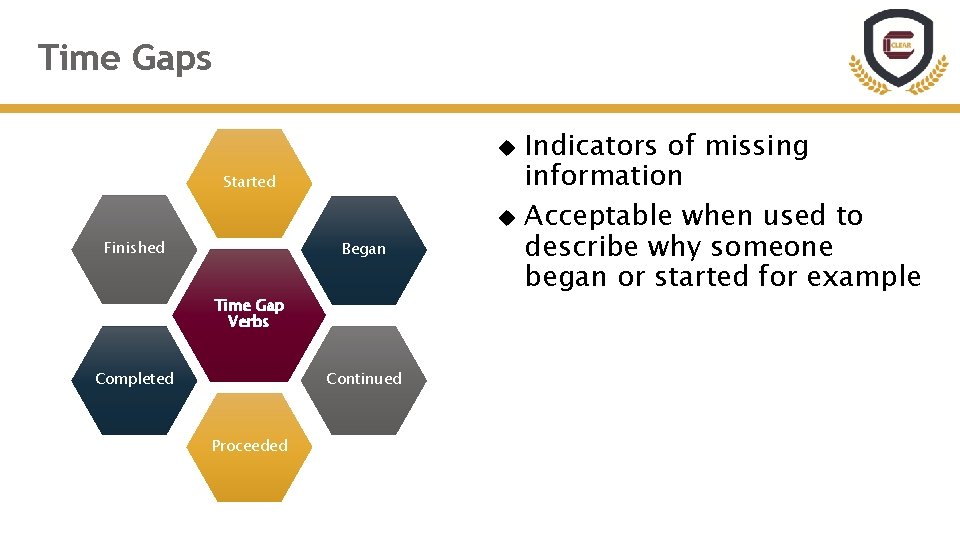
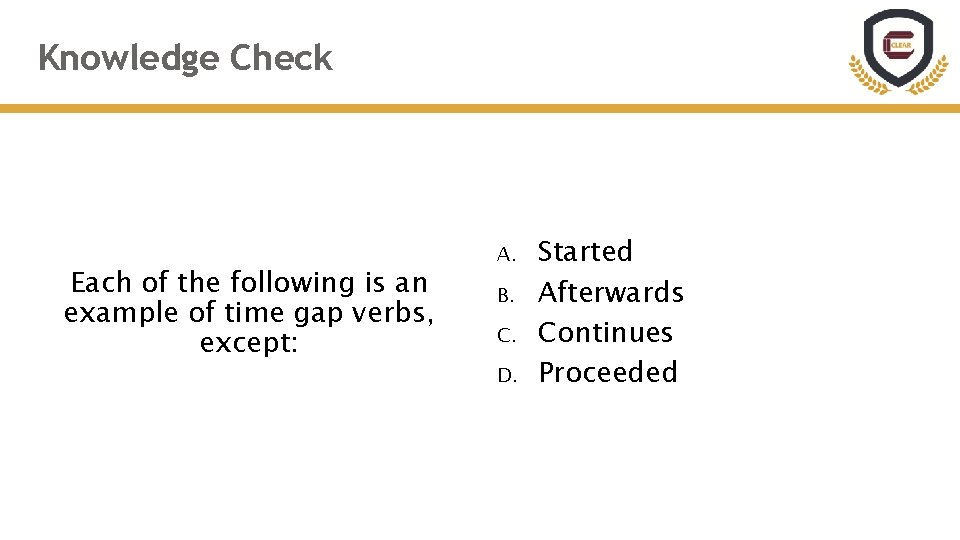
Time Gaps Indicators of missing information Acceptable when used to describe why someone began or started for example Started Finished Began Time Gap Verbs Continued Completed Proceeded
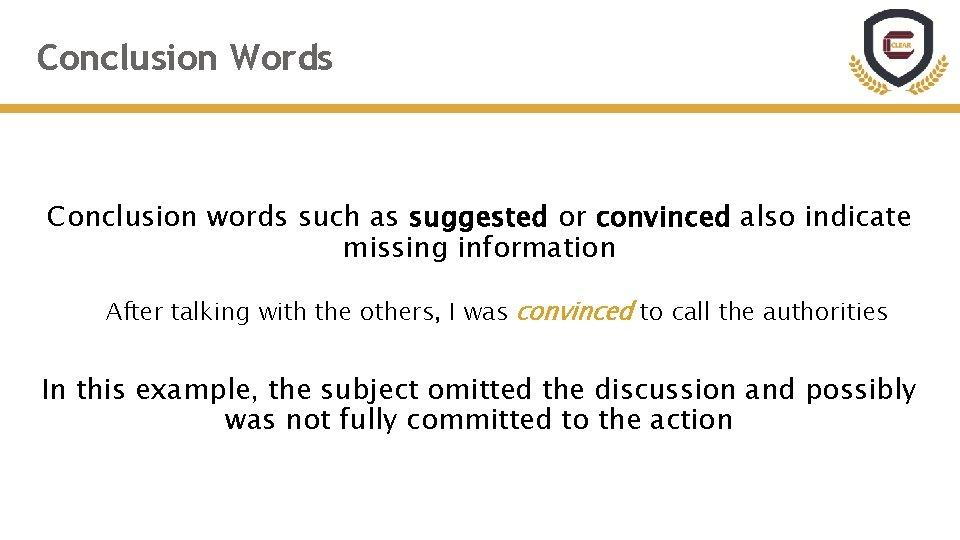
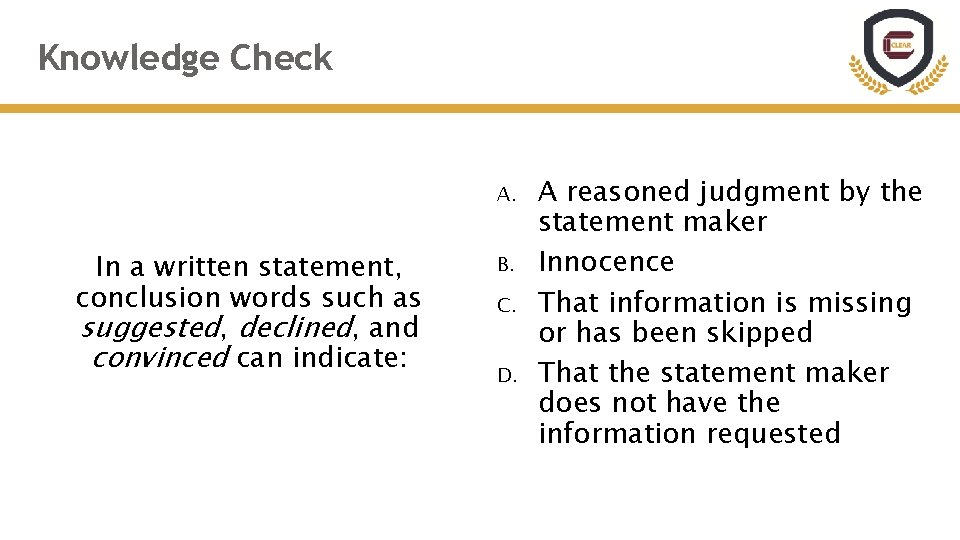
Conclusion Words Conclusion words such as suggested or convinced also indicate missing information After talking with the others, I was convinced to call the authorities In this example, the subject omitted the discussion and possibly was not fully committed to the action
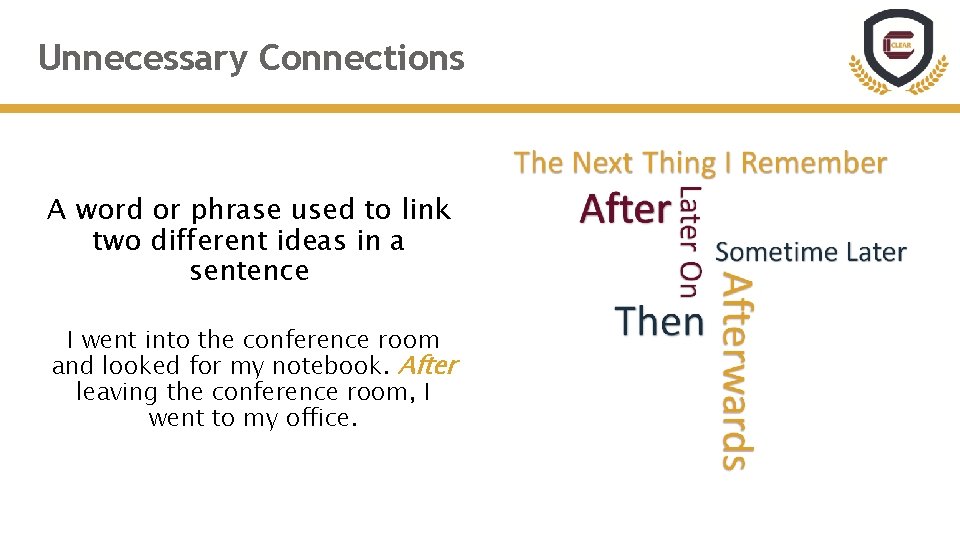
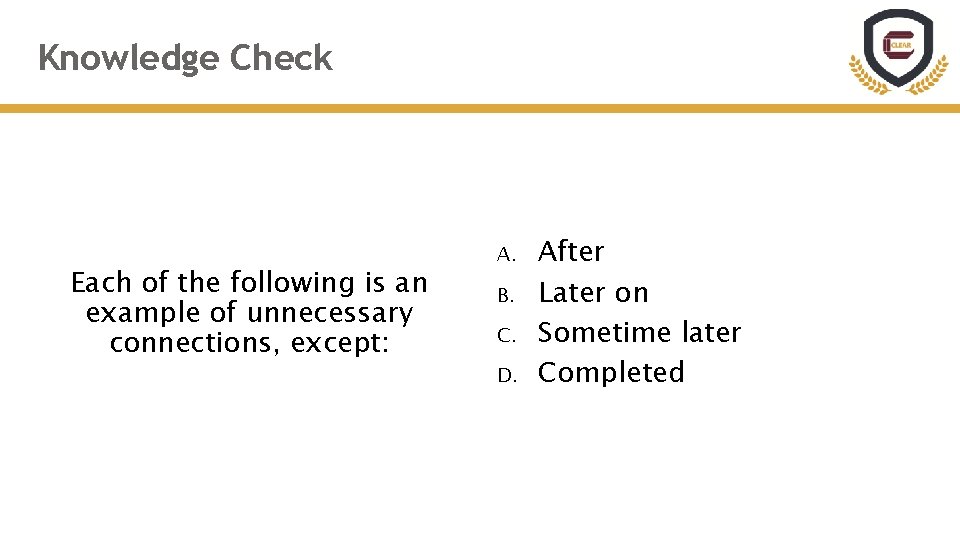
Unnecessary Connections A word or phrase used to link two different ideas in a sentence I went into the conference room and looked for my notebook. After leaving the conference room, I went to my office.
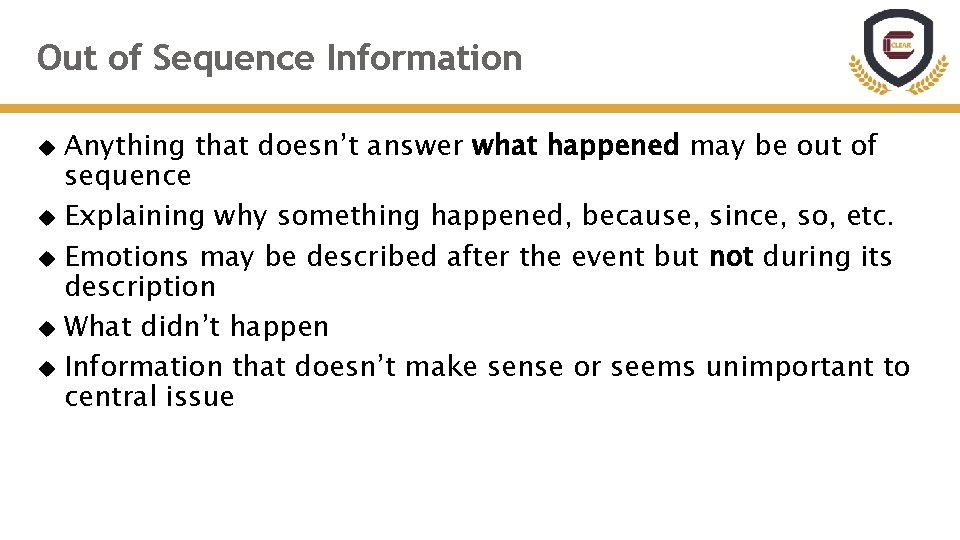
Out of Sequence Information Anything that doesn’t answer what happened may be out of sequence Explaining why something happened, because, since, so, etc. Emotions may be described after the event but not during its description What didn’t happen Information that doesn’t make sense or seems unimportant to central issue
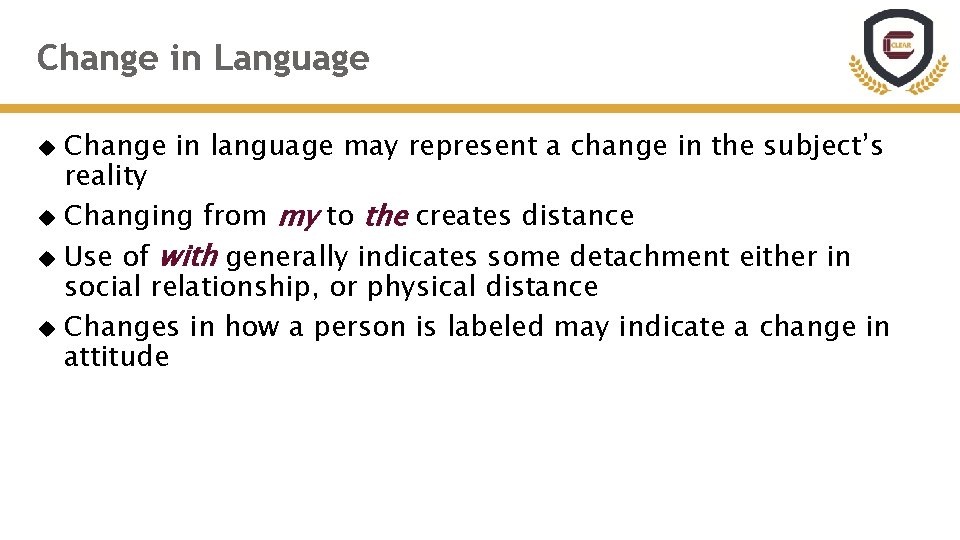
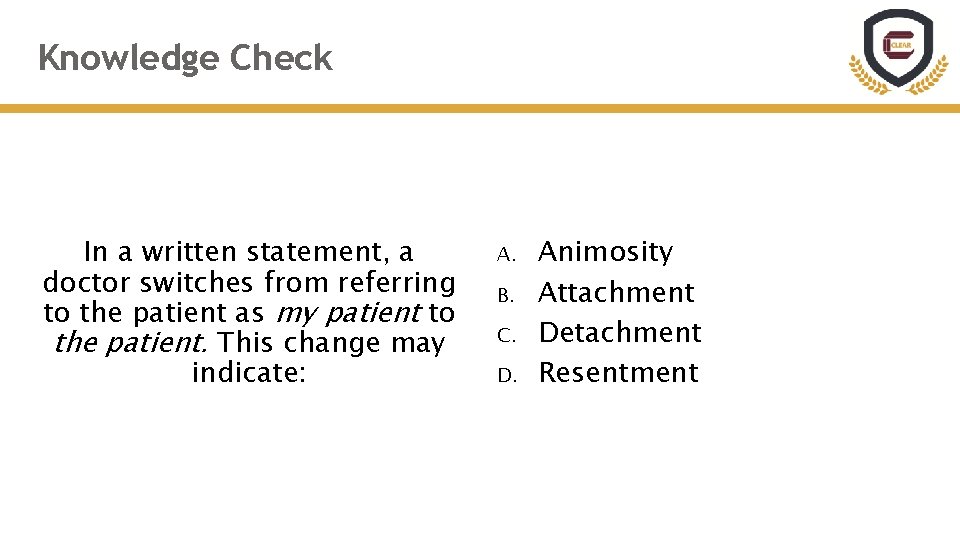
Change in Language Change in language may represent a change in the subject’s reality Changing from my to the creates distance Use of with generally indicates some detachment either in social relationship, or physical distance Changes in how a person is labeled may indicate a change in attitude
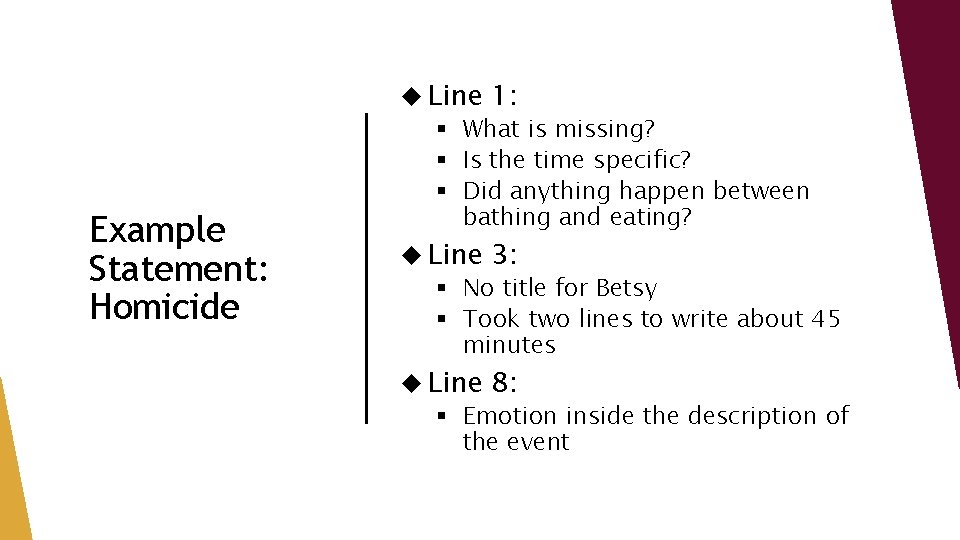
Example Statement: Homicide Line 1: § What is missing? § Is the time specific? § Did anything happen between bathing and eating? Line 3: § No title for Betsy § Took two lines to write about 45 minutes Line 8: § Emotion inside the description of the event
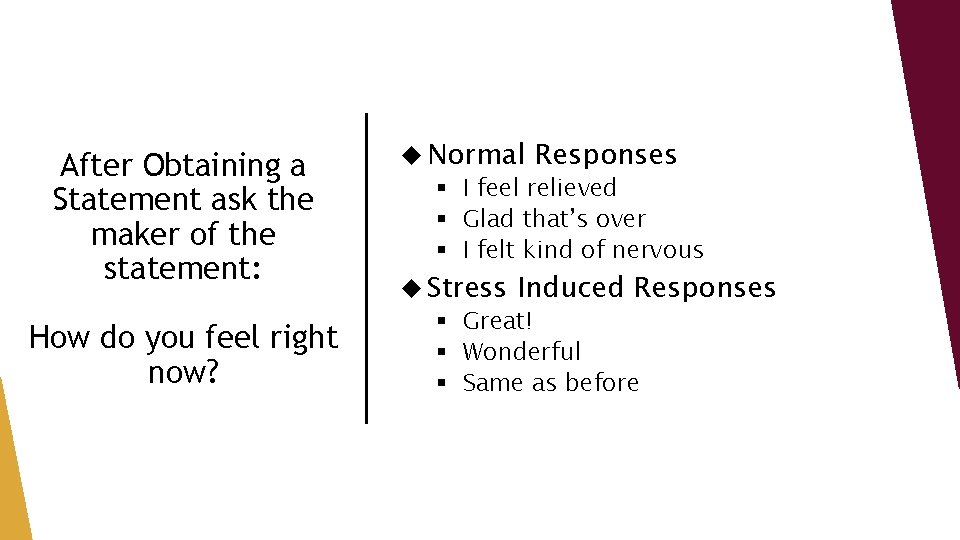
After Obtaining a Statement ask the maker of the statement: How do you feel right now? Normal Responses § I feel relieved § Glad that’s over § I felt kind of nervous Stress Induced Responses § Great! § Wonderful § Same as before
There is an excellent article, related to this subject available online: Suggested Reading www. fbi. gov/publications/leb/200 4/oct 4 leb. pdf “Are you telling me the truth? Written by Susan H. Adams, Ph. D. , FBI Special Agent & Instructor in the Law Enforcement Communication Unit at the FBI Academy and John P. Jarvis, Ph. D. , a research specialist in the Behavioral Science Unit at the FBI Academy
Session Review
Knowledge Check A. In a complaint-scene analysis, things are in conflict when: B. C. Everything seems as it should be Something may appear outside the norm but more investigation is necessary There is direct evidence of a violation
Knowledge Check A. B. What is the purpose of Scene Analysis? C. D. To determine the cleanliness of a facility To test an investigator’s observation skills To discover physical indicators that a violation has actually occurred To address the concerns of the public
Knowledge Check A. Investigative paradigms are significant to investigation and analysis work because: B. C. D. Investigators may not see things truly as they are, but as their investigative paradigm allows Investigators must be aware of their paradigms so they do not just accept the first right answer Failing to recognize paradigms may lead investigators to overlook obvious clues All of the above
Knowledge Check In written statement analysis, the number of statement lines used to describe an activity is known as: A. B. C. D. Subjective time Objective time Event time None of the above
Knowledge Check A. In a written statement, conclusion words such as suggested, declined, and convinced can indicate: B. C. D. A reasoned judgment by the statement maker Innocence That information is missing or has been skipped That the statement maker does not have the information requested
Knowledge Check Which of the statements below is a denial you are more likely to hear from a suspect who is guilty of the accusation? A. B. I didn’t do it I would never do that
Knowledge Check In a written statement, a doctor switches from referring to the patient as my patient to the patient. This change may indicate: A. B. C. D. Animosity Attachment Detachment Resentment
Knowledge Check Each of the following is an example of unnecessary connections, except: A. B. C. D. After Later on Sometime later Completed
Knowledge Check Each of the following is an example of time gap verbs, except: A. B. C. D. Started Afterwards Continues Proceeded
Knowledge Check A. B. What is the purpose of written statement analysis? C. D. To identify omissions and possible deception in a written statement To determine, whether or not the statement maker is being truthful To compare statements of many witnesses To ensure written statements are prepared for potential legal proceedings
Knowledge Check % of people experiencing stress, devote more subjective time to the time before an incident than after in their written statements. A. B. C. D. 95 90 85 60
Knowledge Check A. B. Why should investigators ask subjects to write their statements in first person, singular, past tense? C. D. It is easier to read It is easier for the subject to write this way It establishes commitment and makes it difficult to misstate or omit information Statements tend to be more accurate when the pronoun “I” is used
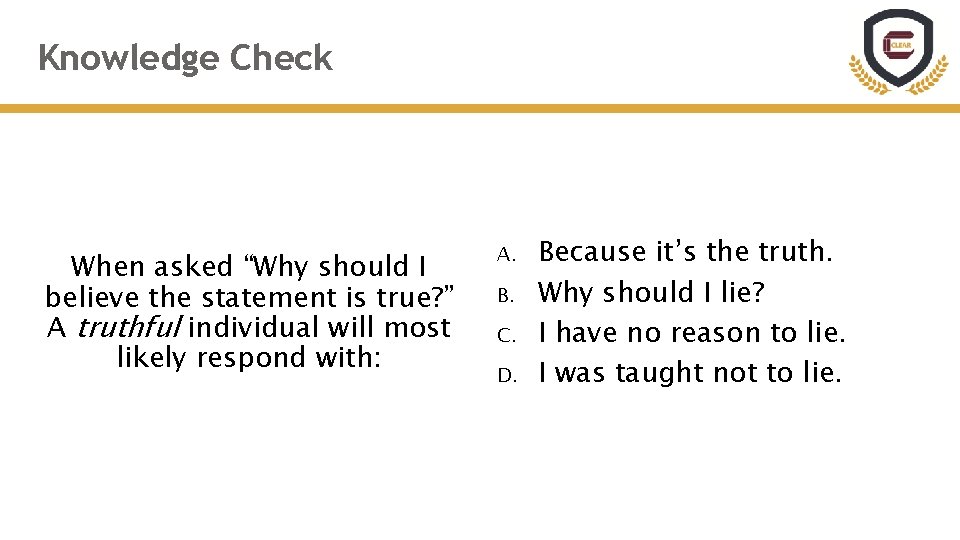
Knowledge Check When asked “Why should I believe the statement is true? ” A truthful individual will most likely respond with: A. B. C. D. Because it’s the truth. Why should I lie? I have no reason to lie. I was taught not to lie.
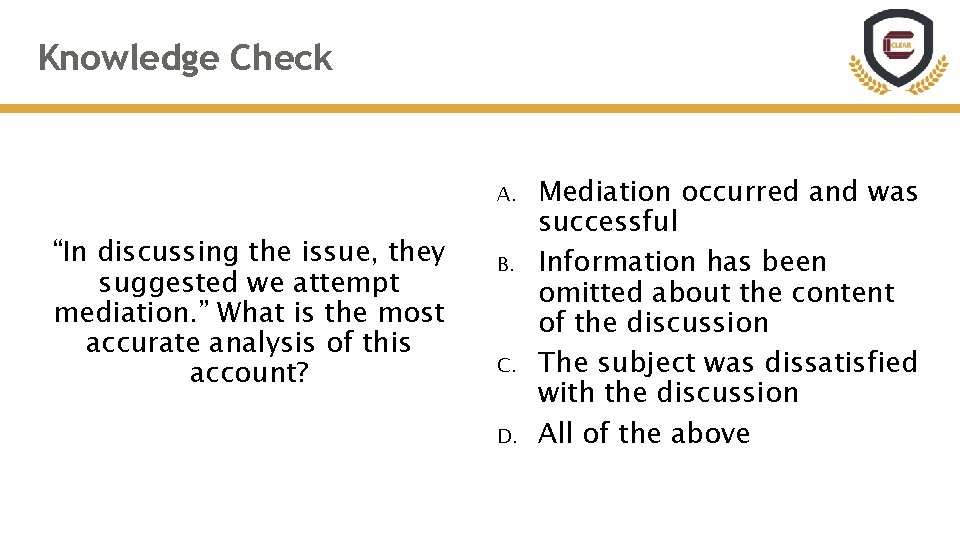
Knowledge Check A. “In discussing the issue, they suggested we attempt mediation. ” What is the most accurate analysis of this account? B. C. D. Mediation occurred and was successful Information has been omitted about the content of the discussion The subject was dissatisfied with the discussion All of the above
You Learning Objectives Review should now be able to: § Identify the strengths and weaknesses of our individual analysis process § Expand the way we view, analyze and investigate a case § Understand accept investigative intuition § Analyze a scene in a detailed and open-minded manner § Analyze written statements to detect indicators of stress induced choices or intentional omissions
Questions ?
Session Evaluation
In general, this instructor: A. B. C. D. E. Is Unacceptable Needs Improvement Is Good Is Very Good Is Excellent
The style of delivery: A. B. C. D. E. Is Unacceptable Needs Improvement Is Good Is Very Good Is Excellent
The content: A. B. C. D. E. Is Unacceptable Needs Improvement Is Good Is Very Good Is Excellent
The amount of material covered: A. B. C. D. E. Is Unacceptable Needs Improvement Is Good Is Very Good Is Excellent
The usefulness of this session: A. B. C. D. E. Is Unacceptable Needs Improvement Is Good Is Very Good Is Excellent