
ADVANCED ENGINE PERFORMANCE DIAGNOSIS CHAPTER 22 Fuel Pumps
- Slides: 31
ADVANCED ENGINE PERFORMANCE DIAGNOSIS CHAPTER 22 Fuel Pumps, Lines, and Filters Advanced Engine Performance Diagnosis, 6 e James D. Halderman Copyright © 2016 by Pearson Education, Inc. All Rights Reserved
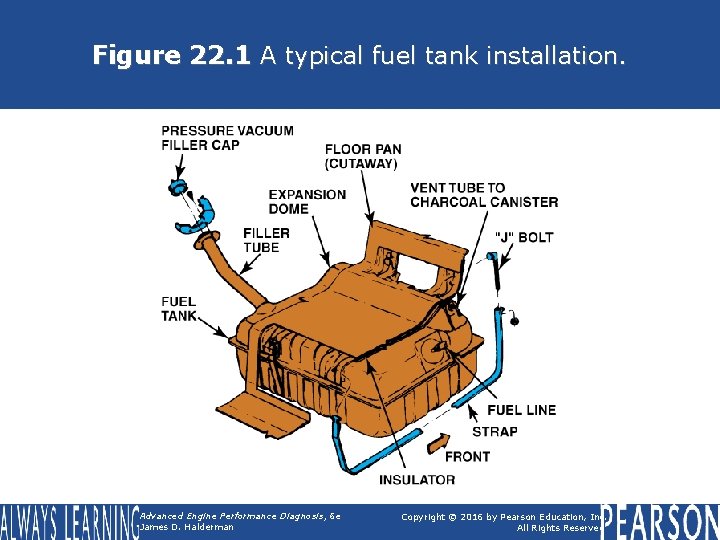
Figure 22. 1 A typical fuel tank installation. Advanced Engine Performance Diagnosis, 6 e James D. Halderman Copyright © 2016 by Pearson Education, Inc. All Rights Reserved
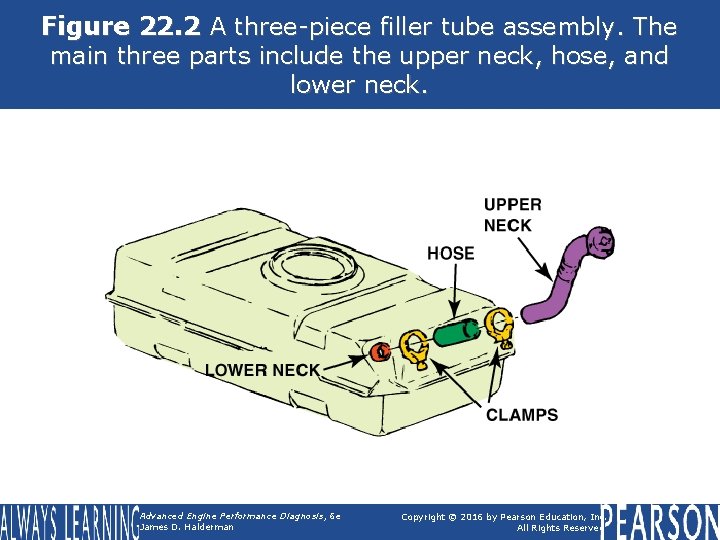
Figure 22. 2 A three-piece filler tube assembly. The main three parts include the upper neck, hose, and lower neck. Advanced Engine Performance Diagnosis, 6 e James D. Halderman Copyright © 2016 by Pearson Education, Inc. All Rights Reserved
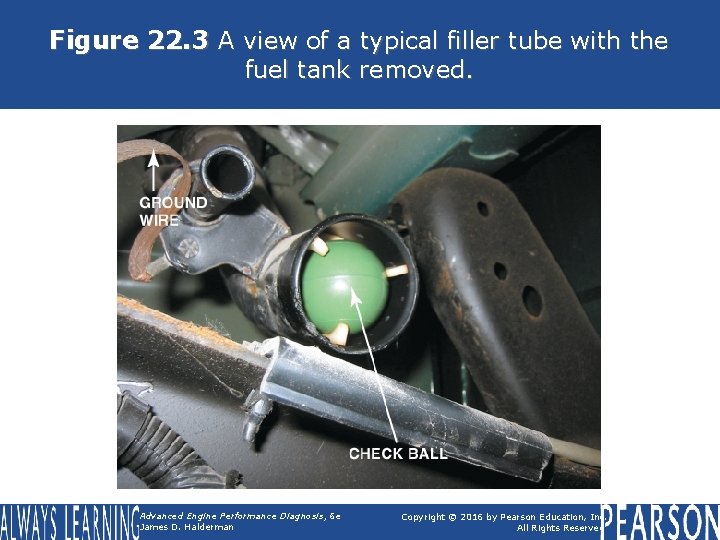
Figure 22. 3 A view of a typical filler tube with the fuel tank removed. Advanced Engine Performance Diagnosis, 6 e James D. Halderman Copyright © 2016 by Pearson Education, Inc. All Rights Reserved
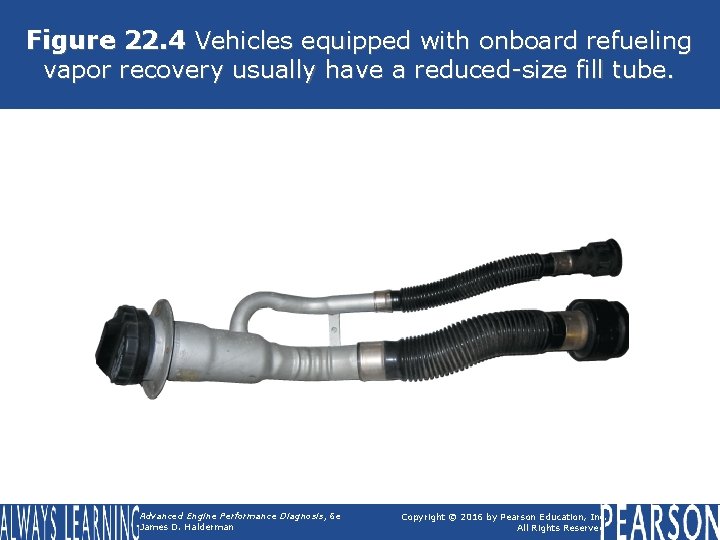
Figure 22. 4 Vehicles equipped with onboard refueling vapor recovery usually have a reduced-size fill tube. Advanced Engine Performance Diagnosis, 6 e James D. Halderman Copyright © 2016 by Pearson Education, Inc. All Rights Reserved
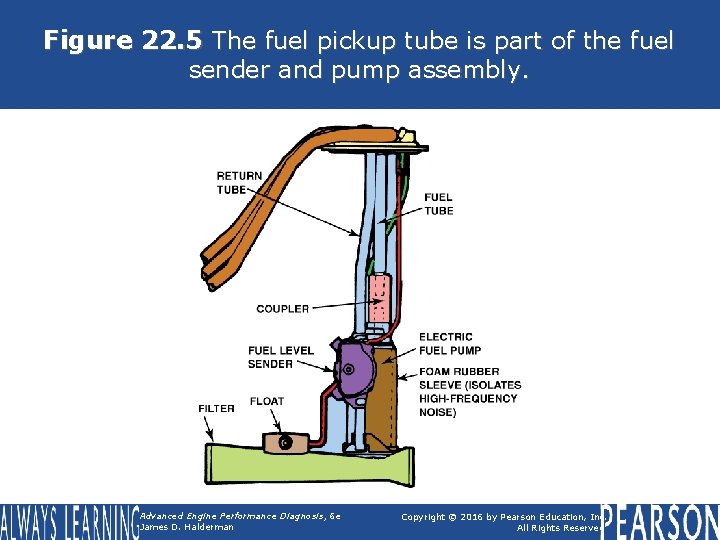
Figure 22. 5 The fuel pickup tube is part of the fuel sender and pump assembly. Advanced Engine Performance Diagnosis, 6 e James D. Halderman Copyright © 2016 by Pearson Education, Inc. All Rights Reserved
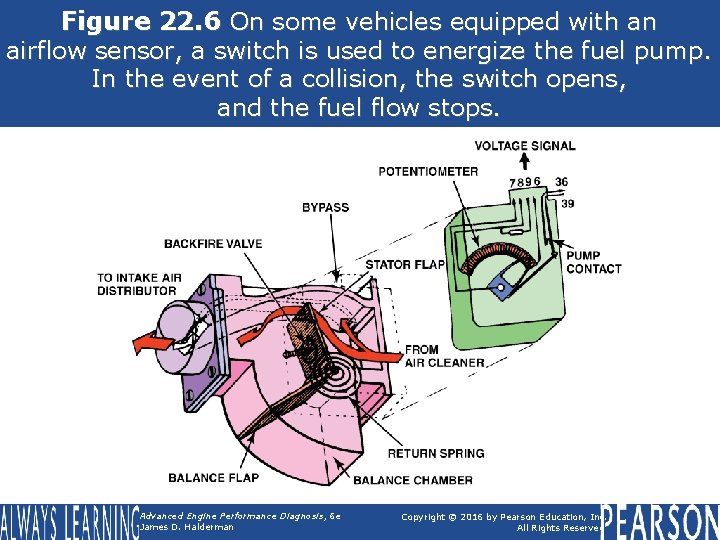
Figure 22. 6 On some vehicles equipped with an airflow sensor, a switch is used to energize the fuel pump. In the event of a collision, the switch opens, and the fuel flow stops. Advanced Engine Performance Diagnosis, 6 e James D. Halderman Copyright © 2016 by Pearson Education, Inc. All Rights Reserved
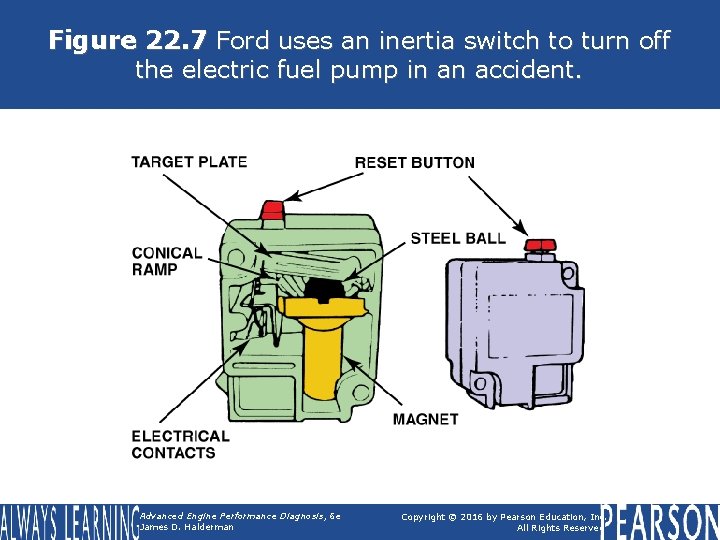
Figure 22. 7 Ford uses an inertia switch to turn off the electric fuel pump in an accident. Advanced Engine Performance Diagnosis, 6 e James D. Halderman Copyright © 2016 by Pearson Education, Inc. All Rights Reserved
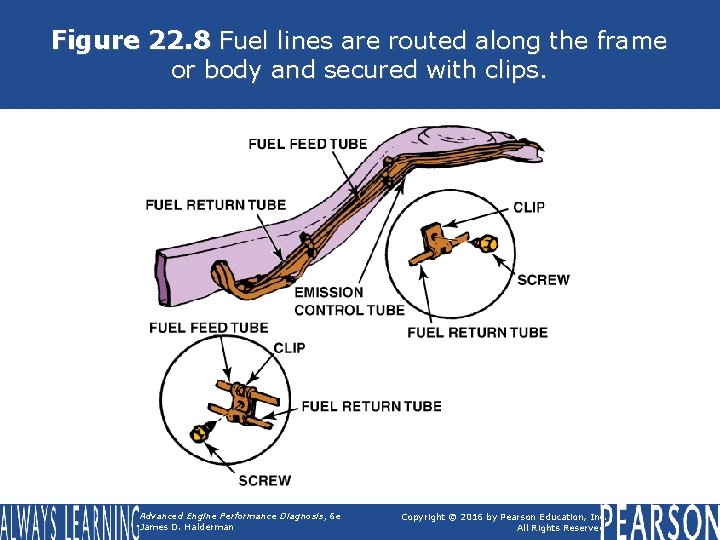
Figure 22. 8 Fuel lines are routed along the frame or body and secured with clips. Advanced Engine Performance Diagnosis, 6 e James D. Halderman Copyright © 2016 by Pearson Education, Inc. All Rights Reserved
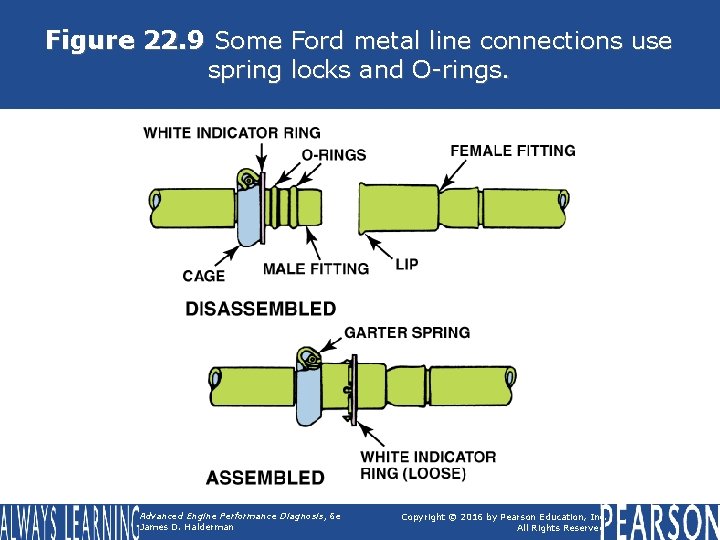
Figure 22. 9 Some Ford metal line connections use spring locks and O-rings. Advanced Engine Performance Diagnosis, 6 e James D. Halderman Copyright © 2016 by Pearson Education, Inc. All Rights Reserved
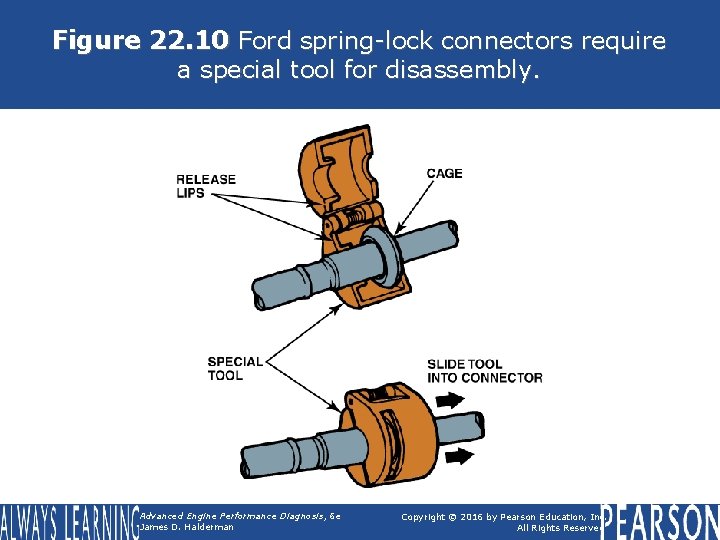
Figure 22. 10 Ford spring-lock connectors require a special tool for disassembly. Advanced Engine Performance Diagnosis, 6 e James D. Halderman Copyright © 2016 by Pearson Education, Inc. All Rights Reserved
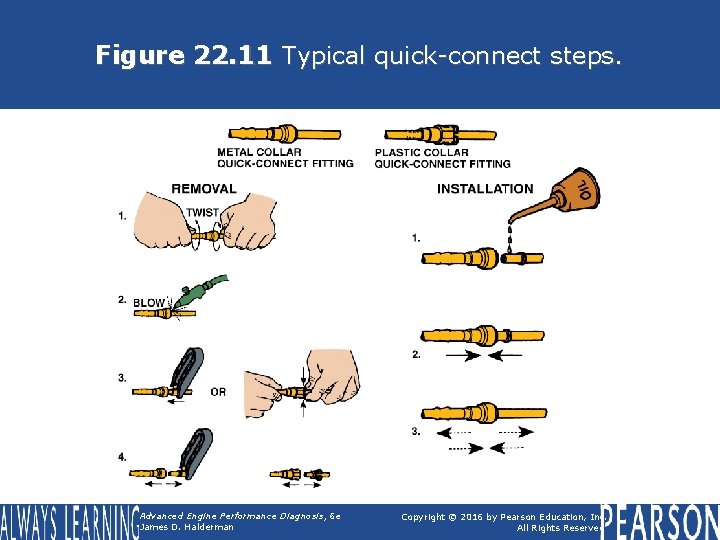
Figure 22. 11 Typical quick-connect steps. Advanced Engine Performance Diagnosis, 6 e James D. Halderman Copyright © 2016 by Pearson Education, Inc. All Rights Reserved
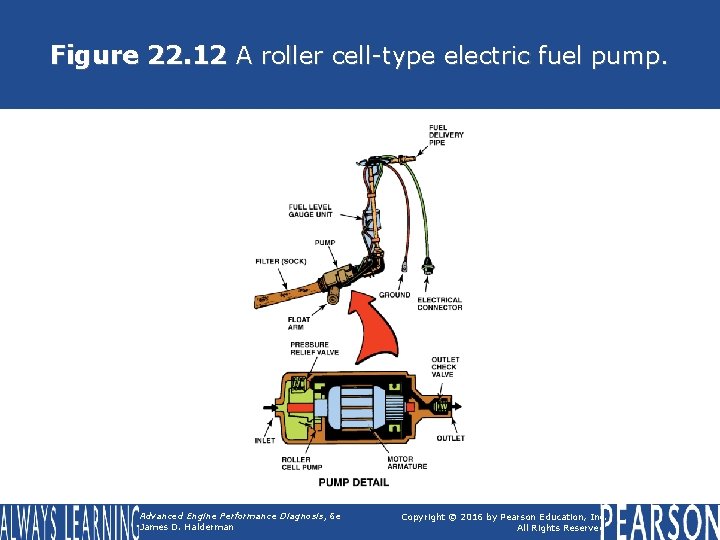
Figure 22. 12 A roller cell-type electric fuel pump. Advanced Engine Performance Diagnosis, 6 e James D. Halderman Copyright © 2016 by Pearson Education, Inc. All Rights Reserved
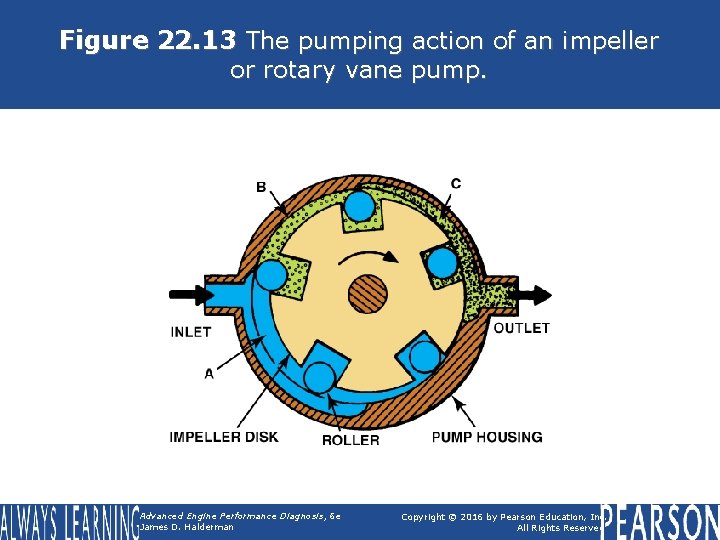
Figure 22. 13 The pumping action of an impeller or rotary vane pump. Advanced Engine Performance Diagnosis, 6 e James D. Halderman Copyright © 2016 by Pearson Education, Inc. All Rights Reserved
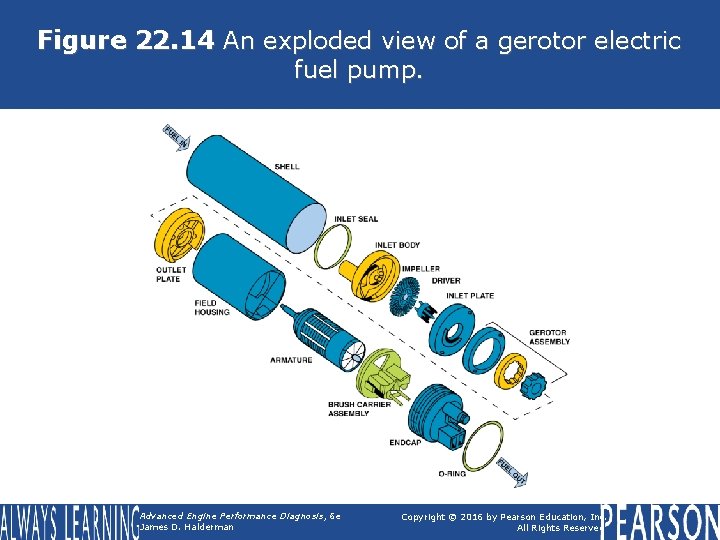
Figure 22. 14 An exploded view of a gerotor electric fuel pump. Advanced Engine Performance Diagnosis, 6 e James D. Halderman Copyright © 2016 by Pearson Education, Inc. All Rights Reserved
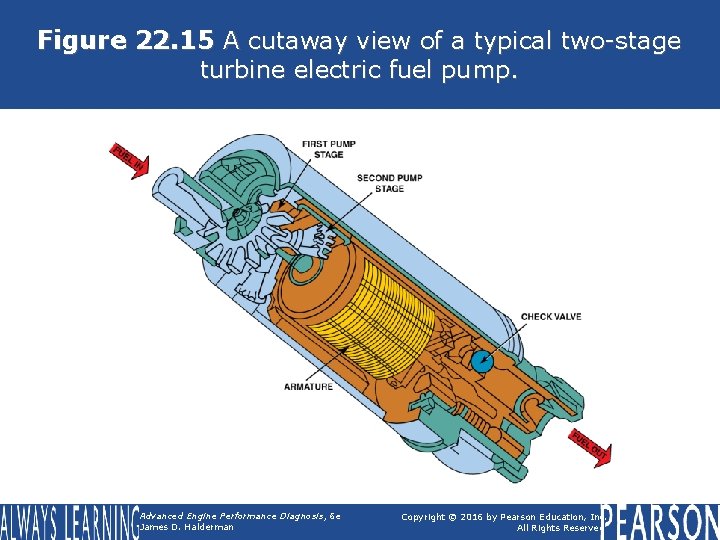
Figure 22. 15 A cutaway view of a typical two-stage turbine electric fuel pump. Advanced Engine Performance Diagnosis, 6 e James D. Halderman Copyright © 2016 by Pearson Education, Inc. All Rights Reserved
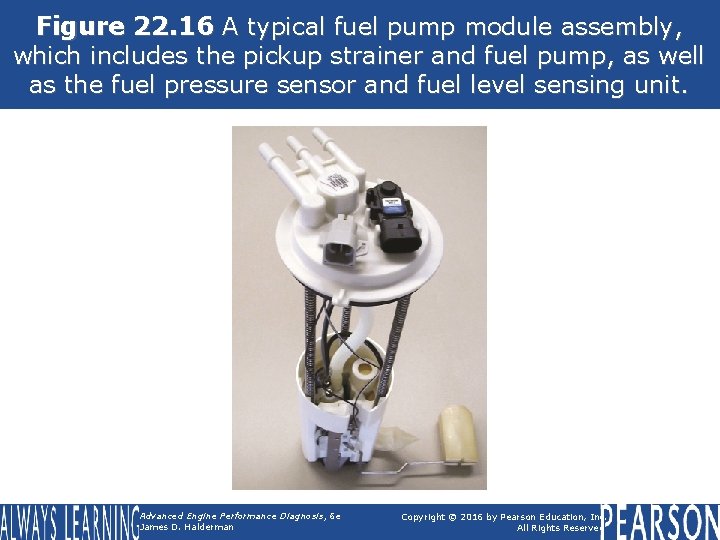
Figure 22. 16 A typical fuel pump module assembly, which includes the pickup strainer and fuel pump, as well as the fuel pressure sensor and fuel level sensing unit. Advanced Engine Performance Diagnosis, 6 e James D. Halderman Copyright © 2016 by Pearson Education, Inc. All Rights Reserved
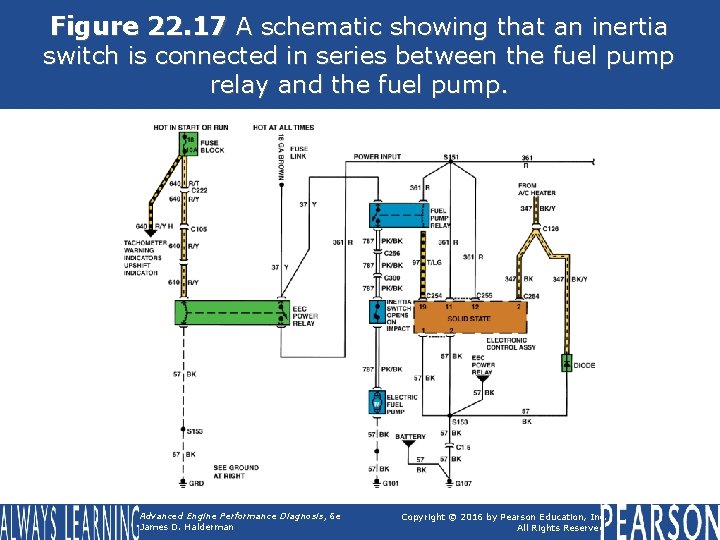
Figure 22. 17 A schematic showing that an inertia switch is connected in series between the fuel pump relay and the fuel pump. Advanced Engine Performance Diagnosis, 6 e James D. Halderman Copyright © 2016 by Pearson Education, Inc. All Rights Reserved
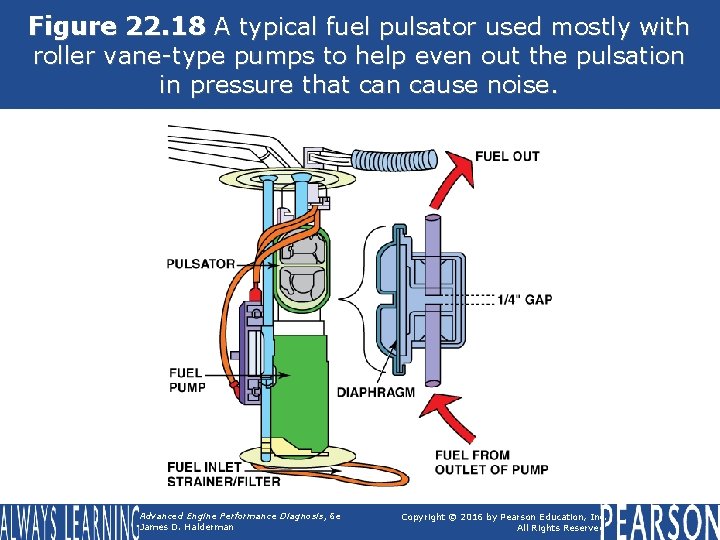
Figure 22. 18 A typical fuel pulsator used mostly with roller vane-type pumps to help even out the pulsation in pressure that can cause noise. Advanced Engine Performance Diagnosis, 6 e James D. Halderman Copyright © 2016 by Pearson Education, Inc. All Rights Reserved
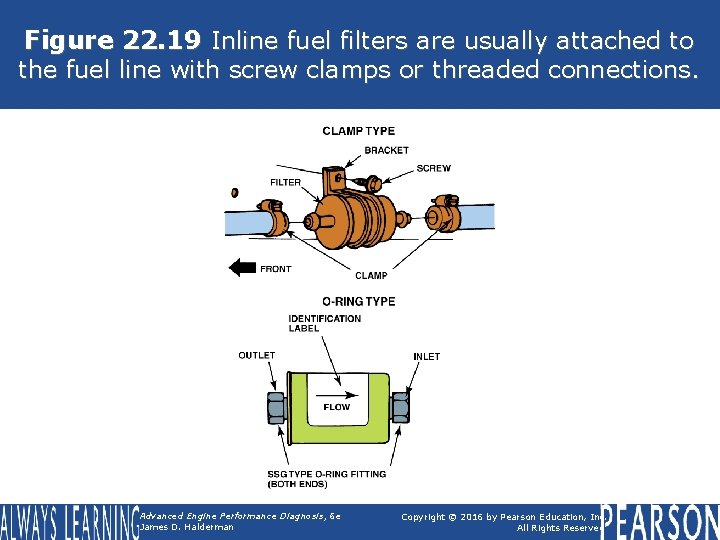
Figure 22. 19 Inline fuel filters are usually attached to the fuel line with screw clamps or threaded connections. Advanced Engine Performance Diagnosis, 6 e James D. Halderman Copyright © 2016 by Pearson Education, Inc. All Rights Reserved
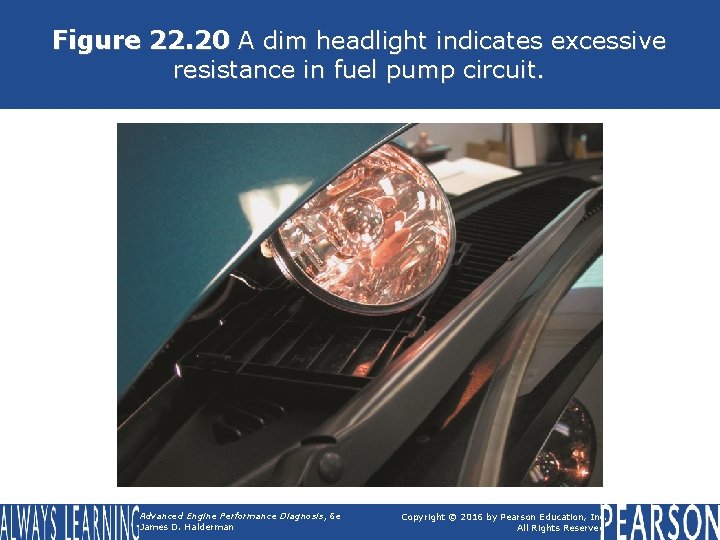
Figure 22. 20 A dim headlight indicates excessive resistance in fuel pump circuit. Advanced Engine Performance Diagnosis, 6 e James D. Halderman Copyright © 2016 by Pearson Education, Inc. All Rights Reserved
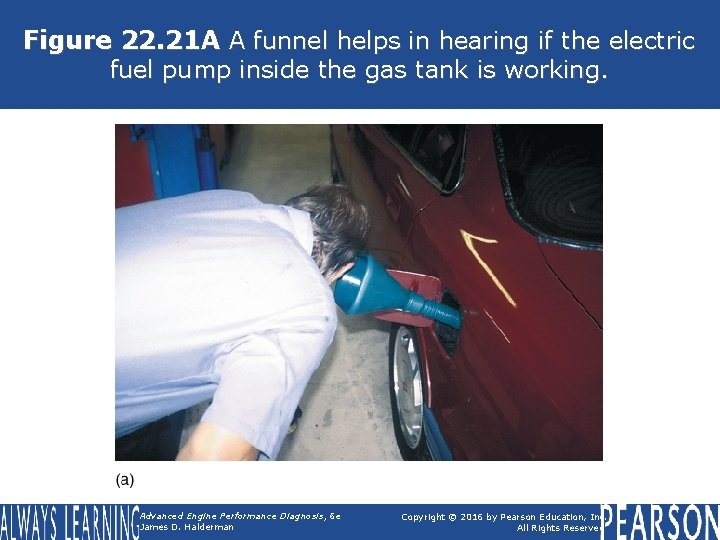
Figure 22. 21 A A funnel helps in hearing if the electric fuel pump inside the gas tank is working. Advanced Engine Performance Diagnosis, 6 e James D. Halderman Copyright © 2016 by Pearson Education, Inc. All Rights Reserved
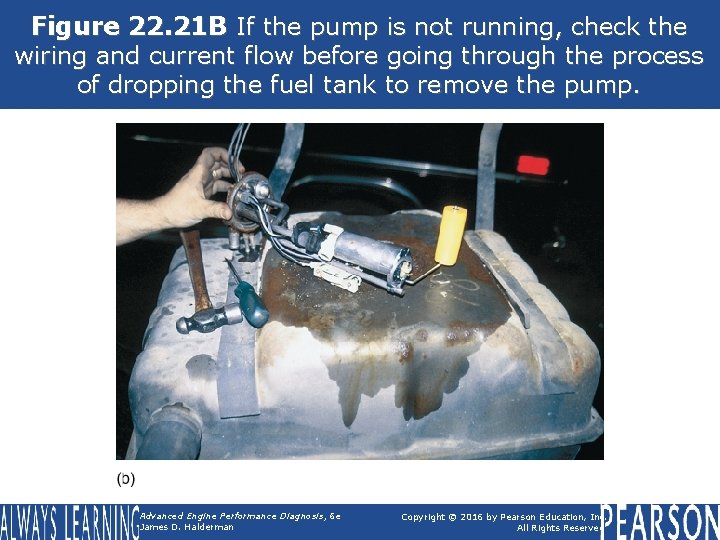
Figure 22. 21 B If the pump is not running, check the wiring and current flow before going through the process of dropping the fuel tank to remove the pump. Advanced Engine Performance Diagnosis, 6 e James D. Halderman Copyright © 2016 by Pearson Education, Inc. All Rights Reserved
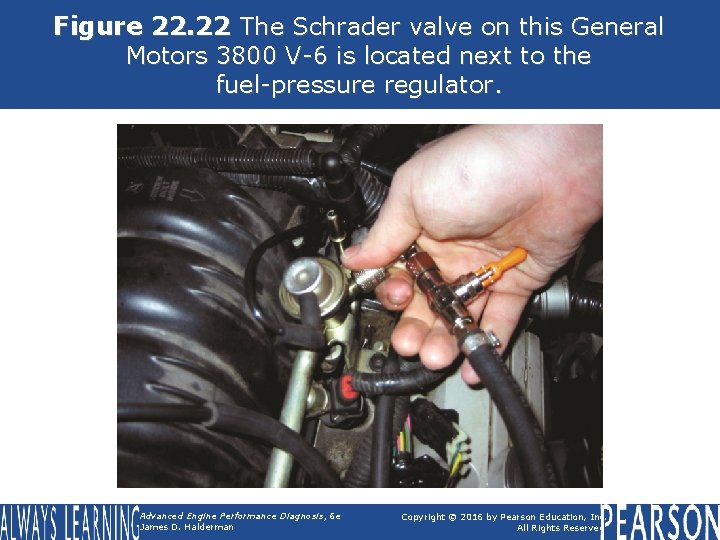
Figure 22. 22 The Schrader valve on this General Motors 3800 V-6 is located next to the fuel-pressure regulator. Advanced Engine Performance Diagnosis, 6 e James D. Halderman Copyright © 2016 by Pearson Education, Inc. All Rights Reserved
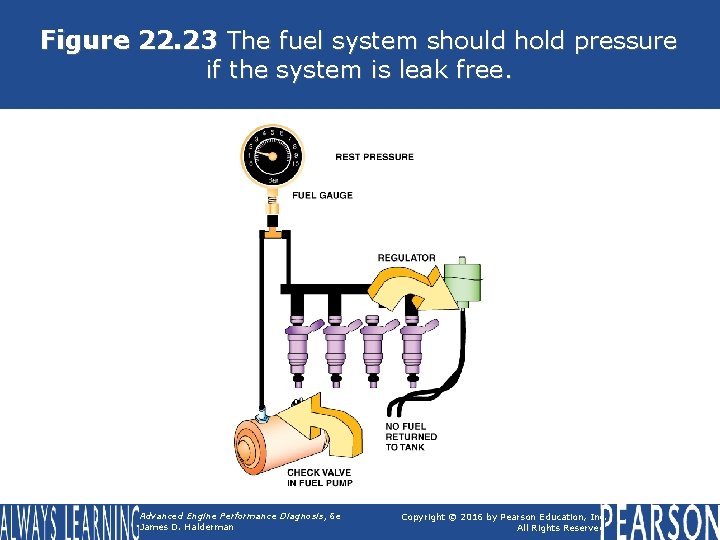
Figure 22. 23 The fuel system should hold pressure if the system is leak free. Advanced Engine Performance Diagnosis, 6 e James D. Halderman Copyright © 2016 by Pearson Education, Inc. All Rights Reserved
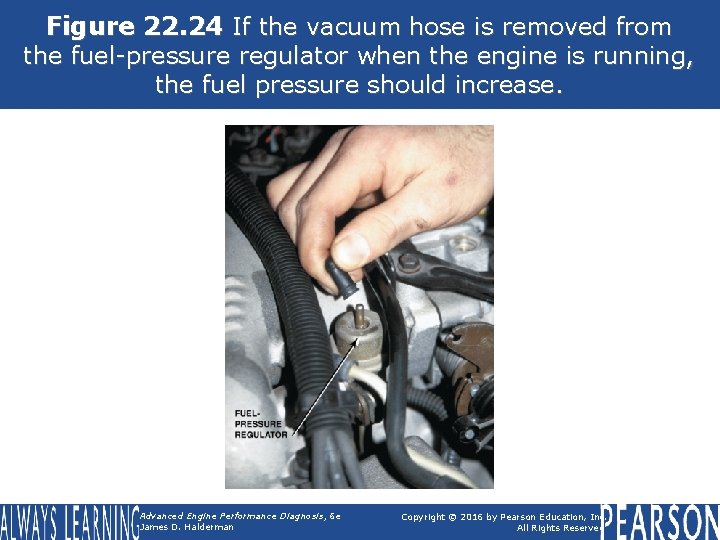
Figure 22. 24 If the vacuum hose is removed from the fuel-pressure regulator when the engine is running, the fuel pressure should increase. Advanced Engine Performance Diagnosis, 6 e James D. Halderman Copyright © 2016 by Pearson Education, Inc. All Rights Reserved
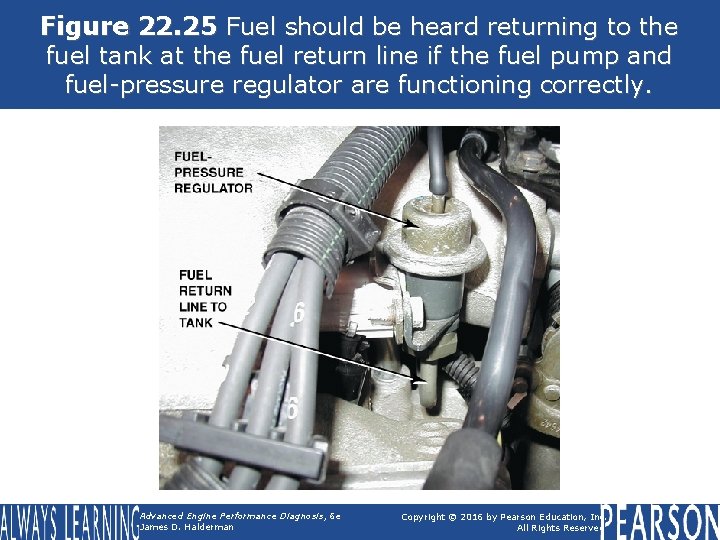
Figure 22. 25 Fuel should be heard returning to the fuel tank at the fuel return line if the fuel pump and fuel-pressure regulator are functioning correctly. Advanced Engine Performance Diagnosis, 6 e James D. Halderman Copyright © 2016 by Pearson Education, Inc. All Rights Reserved
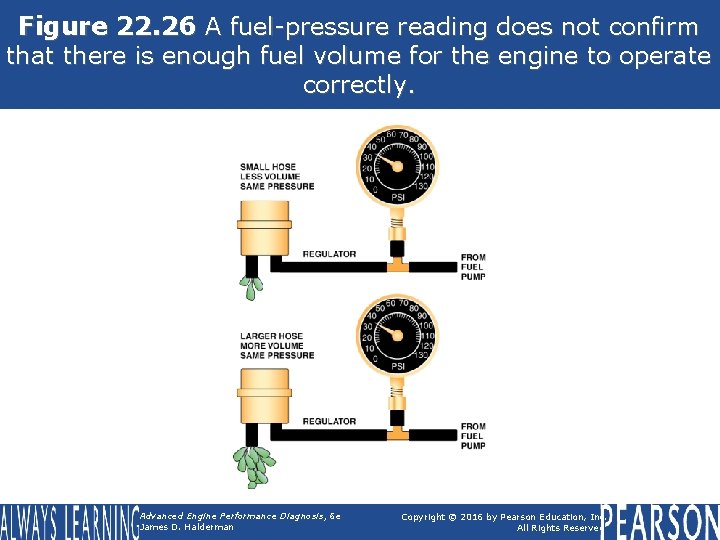
Figure 22. 26 A fuel-pressure reading does not confirm that there is enough fuel volume for the engine to operate correctly. Advanced Engine Performance Diagnosis, 6 e James D. Halderman Copyright © 2016 by Pearson Education, Inc. All Rights Reserved
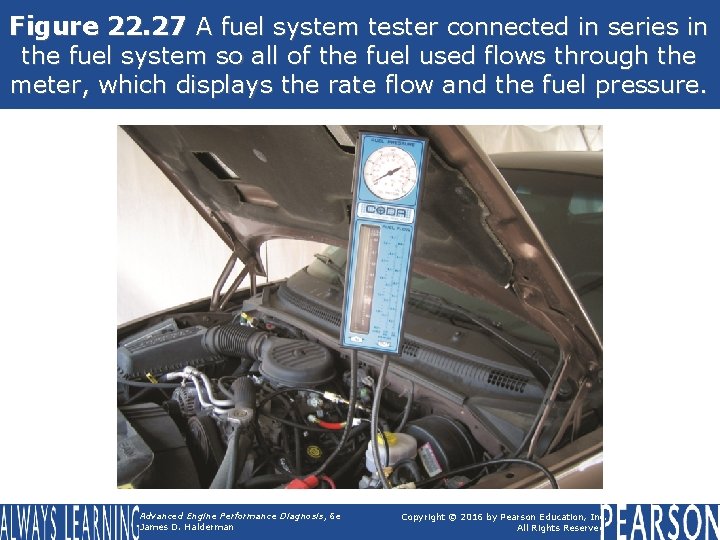
Figure 22. 27 A fuel system tester connected in series in the fuel system so all of the fuel used flows through the meter, which displays the rate flow and the fuel pressure. Advanced Engine Performance Diagnosis, 6 e James D. Halderman Copyright © 2016 by Pearson Education, Inc. All Rights Reserved
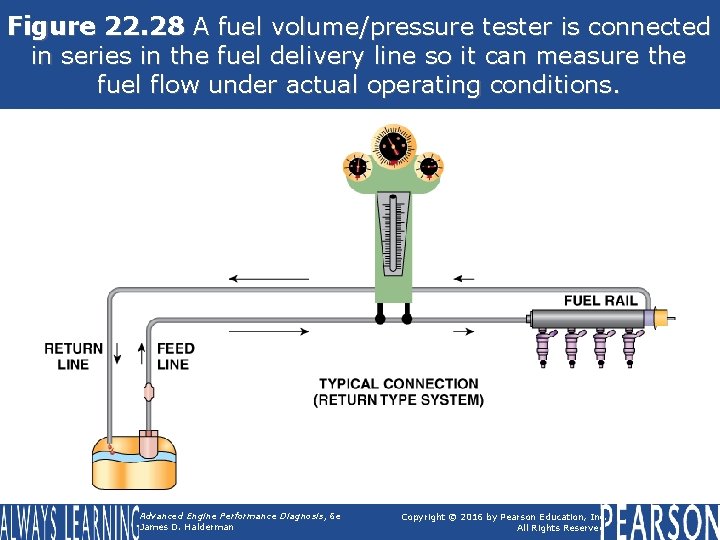
Figure 22. 28 A fuel volume/pressure tester is connected in series in the fuel delivery line so it can measure the fuel flow under actual operating conditions. Advanced Engine Performance Diagnosis, 6 e James D. Halderman Copyright © 2016 by Pearson Education, Inc. All Rights Reserved
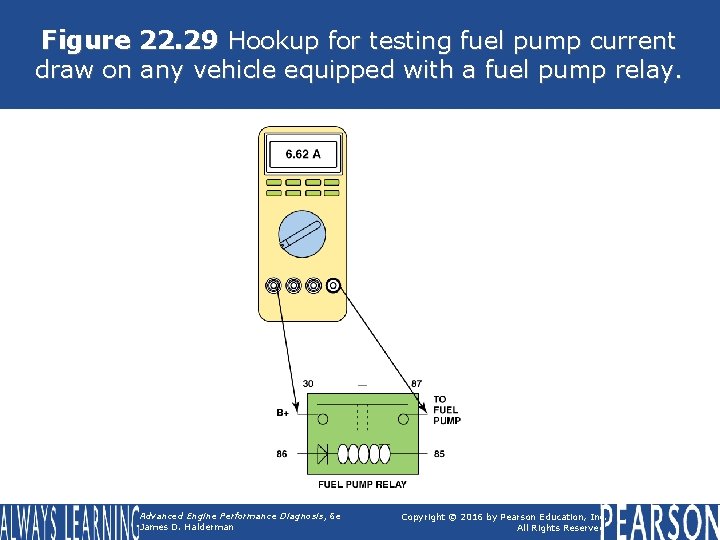
Figure 22. 29 Hookup for testing fuel pump current draw on any vehicle equipped with a fuel pump relay. Advanced Engine Performance Diagnosis, 6 e James D. Halderman Copyright © 2016 by Pearson Education, Inc. All Rights Reserved