
Adult Stem Cells Homeostasis Developmental Biology 2017 5
Adult Stem Cells & Homeostasis Developmental Biology 曾艺 生化与细胞所 2017 -5 -15
Outline • Adult Stem cell • Niche • Tissue models for studying adult stem cells • Experimental assays • Adult stem cell & Cancer • Adult stem cell & Regenerative medicine
Medicine Benefits of Stem Cells Research
Adult Stem Cells • Adult stem cells are undifferentiated cells found in many organs/tissues • Adult stem cells self-renew and differentiate to maintain tissue homeostasis

Homeostasis
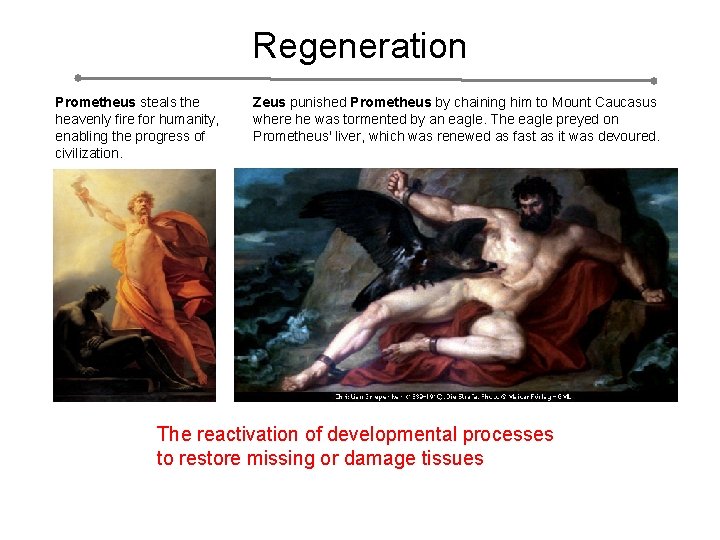
Regeneration Prometheus steals the heavenly fire for humanity, enabling the progress of civilization. Zeus punished Prometheus by chaining him to Mount Caucasus where he was tormented by an eagle. The eagle preyed on Prometheus' liver, which was renewed as fast as it was devoured. The reactivation of developmental processes to restore missing or damage tissues
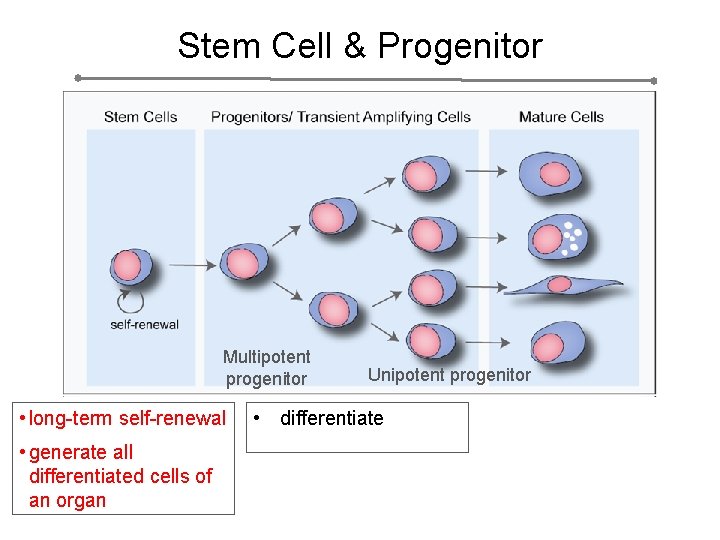
Stem Cell & Progenitor Multipotent progenitor • long-term self-renewal • generate all differentiated cells of an organ Unipotent progenitor • differentiate
Outline • Adult Stem cell • Niche • Tissue models for studying adult stem cells • Experimental assays • Adult stem cell & Cancer • Adult stem cell & Regenerative medicine
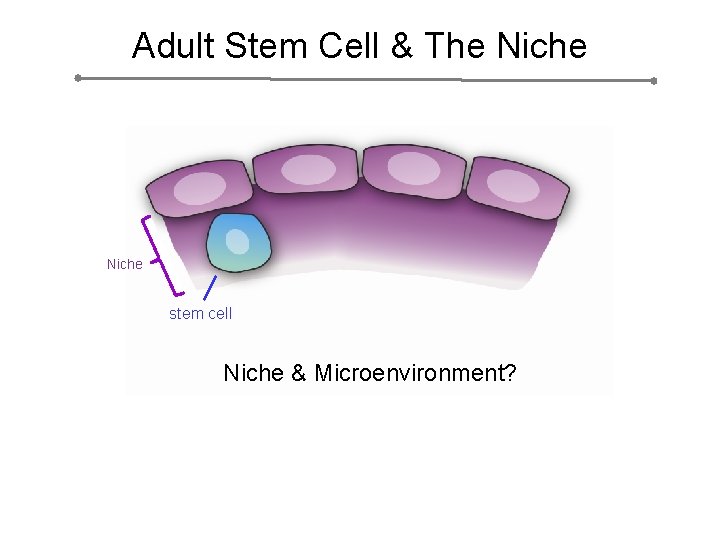
Adult Stem Cell & The Niche stem cell Niche & Microenvironment?
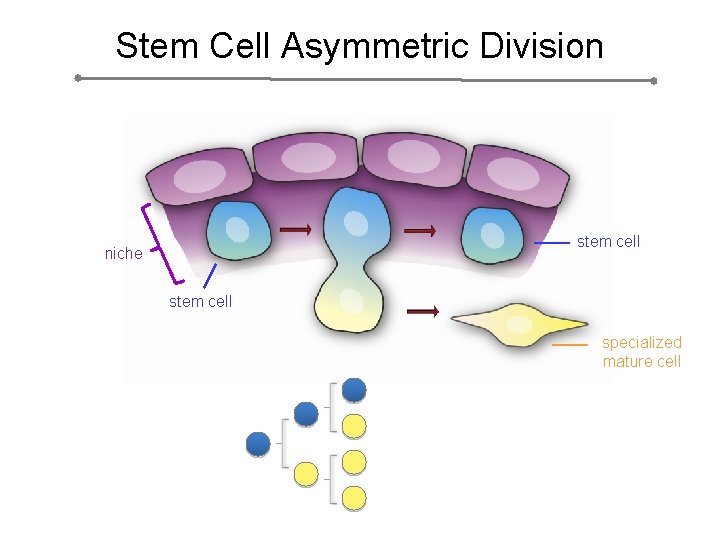
Stem Cell Asymmetric Division stem cell niche stem cell specialized mature cell

Stem Cell Symmetric Division Niche stem cell symmetric division stem cell expansion
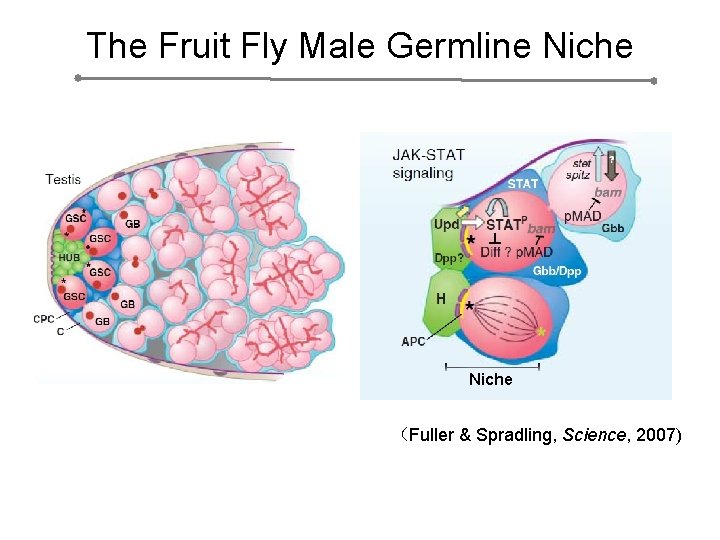
The Fruit Fly Male Germline Niche (Fuller & Spradling, Science, 2007)
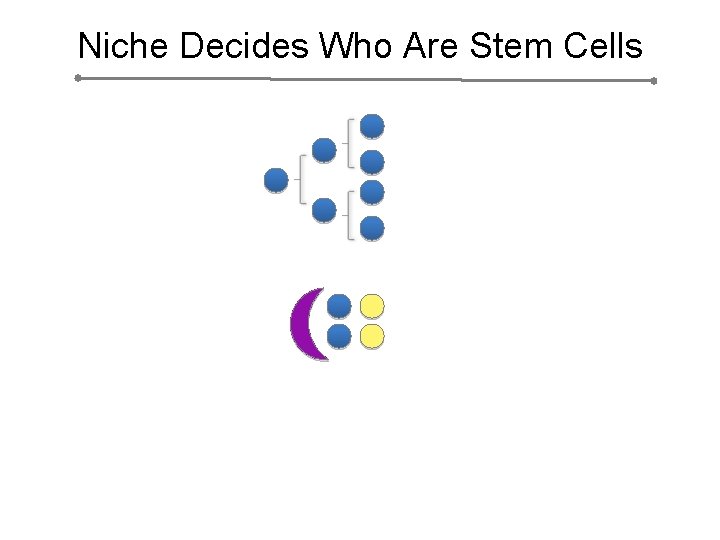
Niche Decides Who Are Stem Cells
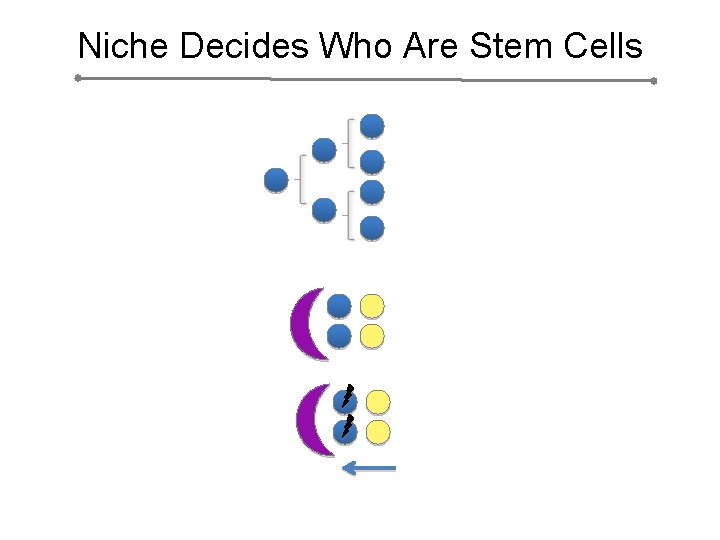
Niche Decides Who Are Stem Cells
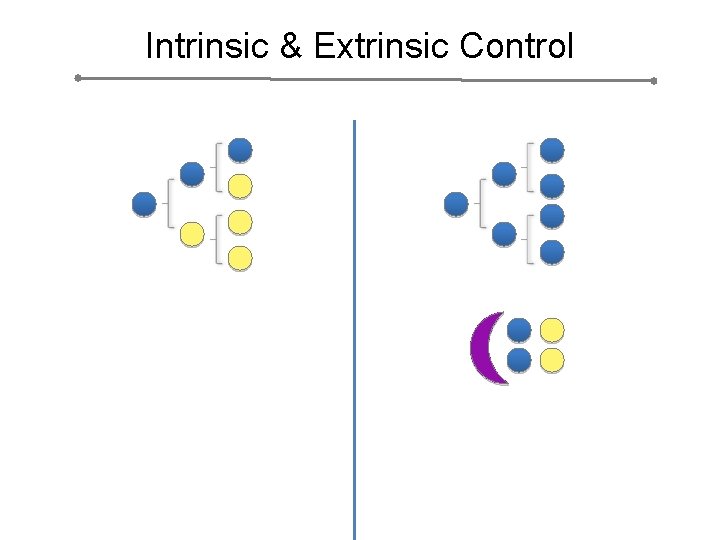
Intrinsic & Extrinsic Control
Outline • Adult Stem cell • Niche • Tissue models for studying adult stem cells • Experimental assays • Adult stem cell & Cancer • Adult stem cell & Regenerative medicine
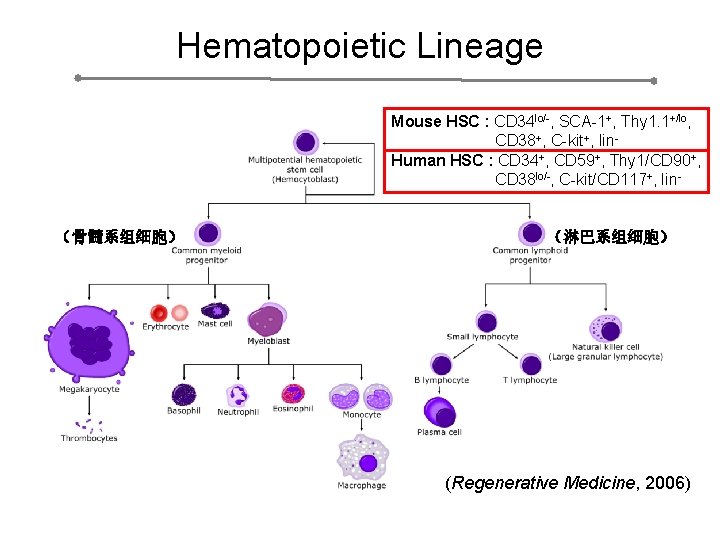
Hematopoietic Lineage Mouse HSC : CD 34 lo/-, SCA-1+, Thy 1. 1+/lo, CD 38+, C-kit+, lin. Human HSC : CD 34+, CD 59+, Thy 1/CD 90+, CD 38 lo/-, C-kit/CD 117+, lin- (骨髓系组细胞) (淋巴系组细胞) (Regenerative Medicine, 2006)
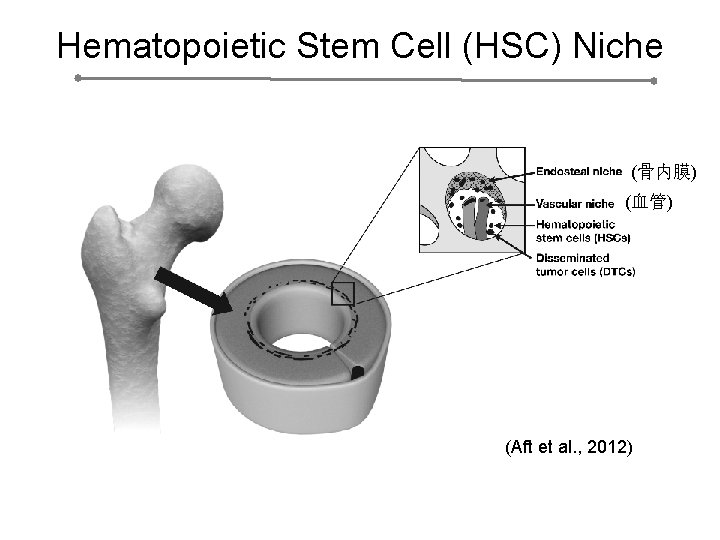
Hematopoietic Stem Cell (HSC) Niche (骨内膜) (血管) (Aft et al. , 2012)
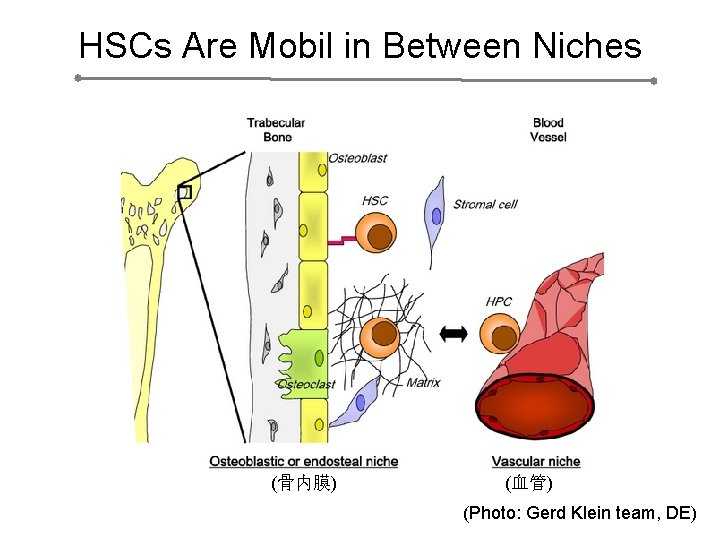
HSCs Are Mobil in Between Niches (骨内膜) (血管) (Photo: Gerd Klein team, DE)
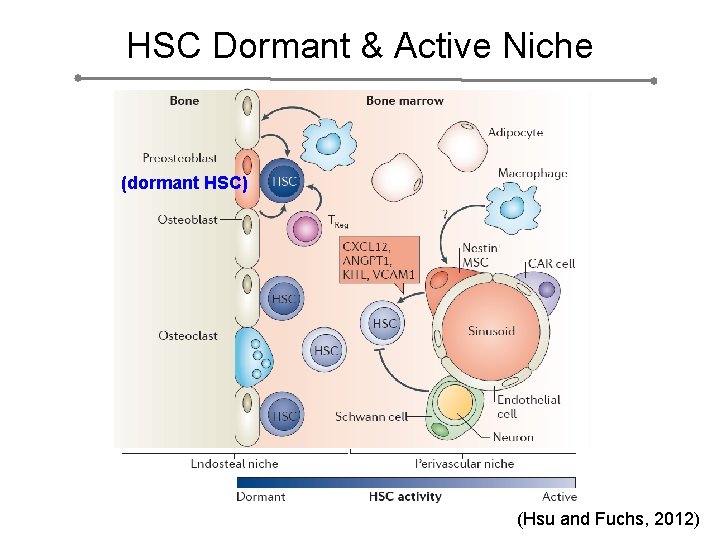
HSC Dormant & Active Niche (dormant HSC) (Hsu and Fuchs, 2012)
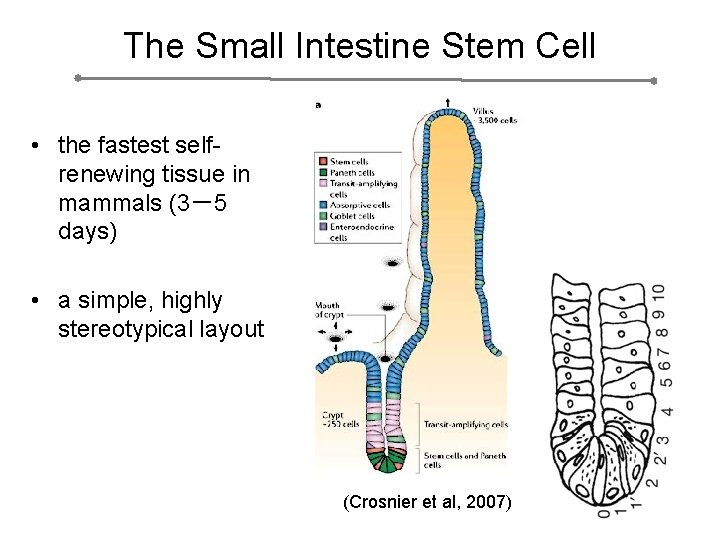
The Small Intestine Stem Cell • the fastest selfrenewing tissue in mammals (3-5 days) • a simple, highly stereotypical layout (Crosnier et al, 2007)
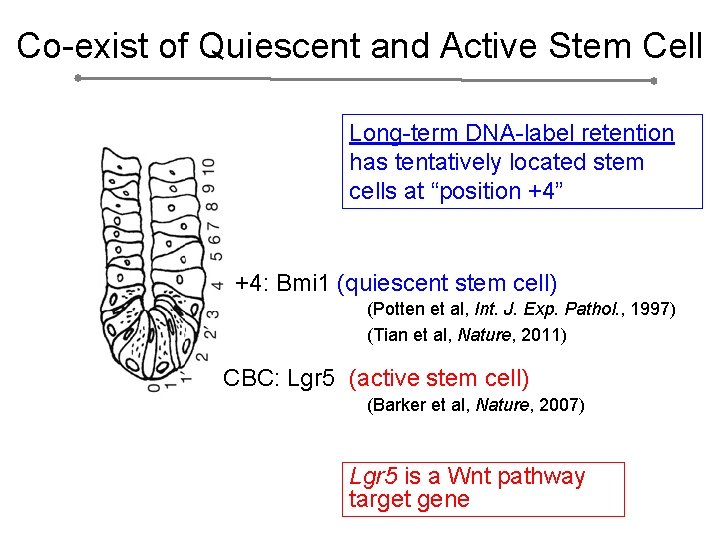
Co-exist of Quiescent and Active Stem Cell Long-term DNA-label retention has tentatively located stem cells at “position +4” +4: Bmi 1 (quiescent stem cell) (Potten et al, Int. J. Exp. Pathol. , 1997) (Tian et al, Nature, 2011) CBC: Lgr 5 (active stem cell) (Barker et al, Nature, 2007) Lgr 5 is a Wnt pathway target gene
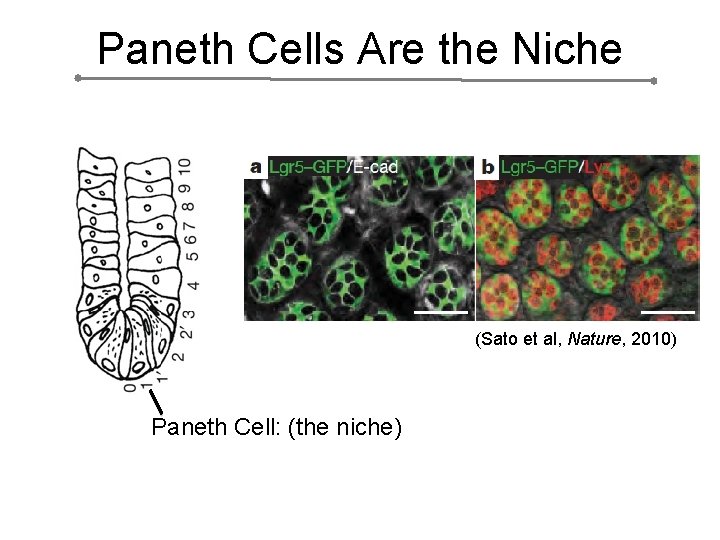
Paneth Cells Are the Niche (Sato et al, Nature, 2010) Paneth Cell: (the niche)
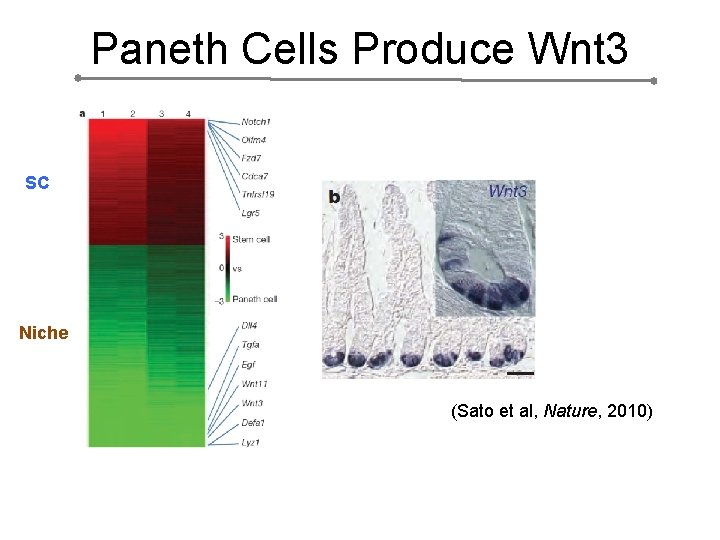
Paneth Cells Produce Wnt 3 SC Niche (Sato et al, Nature, 2010)
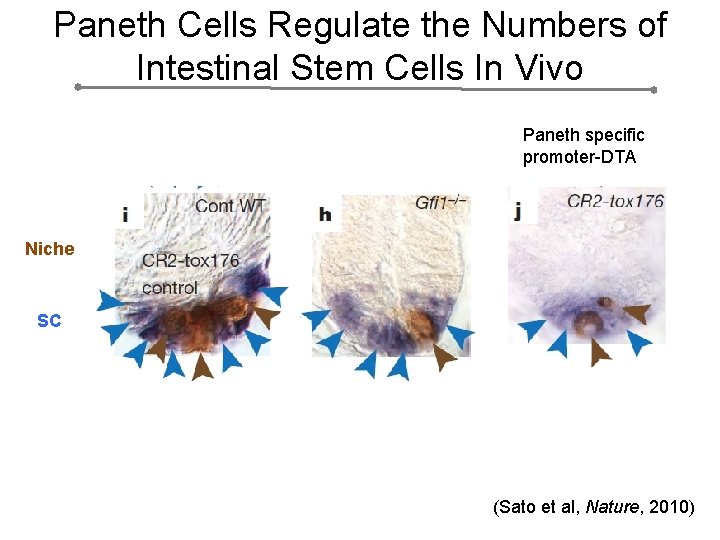
Paneth Cells Regulate the Numbers of Intestinal Stem Cells In Vivo Paneth specific promoter-DTA Niche SC (Sato et al, Nature, 2010)
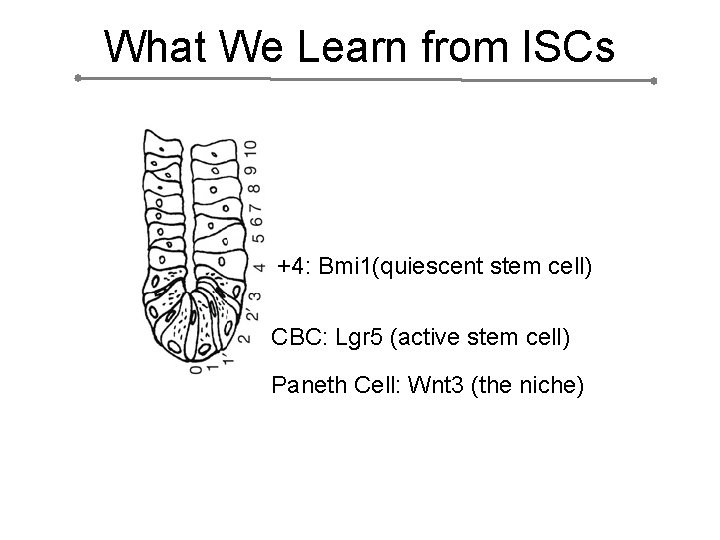
What We Learn from ISCs +4: Bmi 1(quiescent stem cell) CBC: Lgr 5 (active stem cell) Paneth Cell: Wnt 3 (the niche)
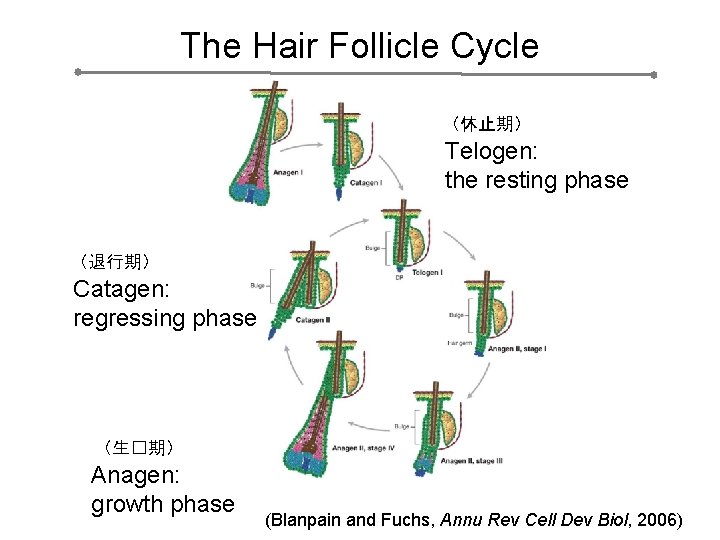
The Hair Follicle Cycle (休止期) Telogen: the resting phase (退行期) Catagen: regressing phase (生�期) Anagen: growth phase (Blanpain and Fuchs, Annu Rev Cell Dev Biol, 2006)
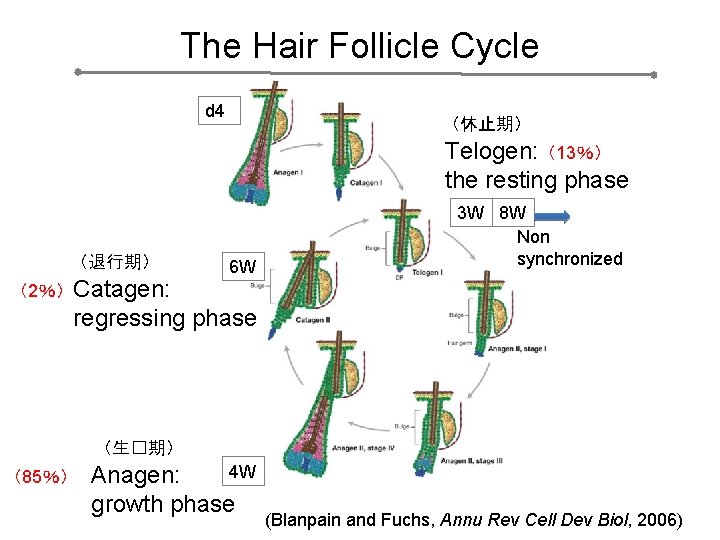
The Hair Follicle Cycle d 4 (休止期) Telogen: (13%) the resting phase (退行期) (2%) 6 W 3 W 8 W Non synchronized Catagen: regressing phase (生�期) (85%) 4 W Anagen: growth phase (Blanpain and Fuchs, Annu Rev Cell Dev Biol, 2006)
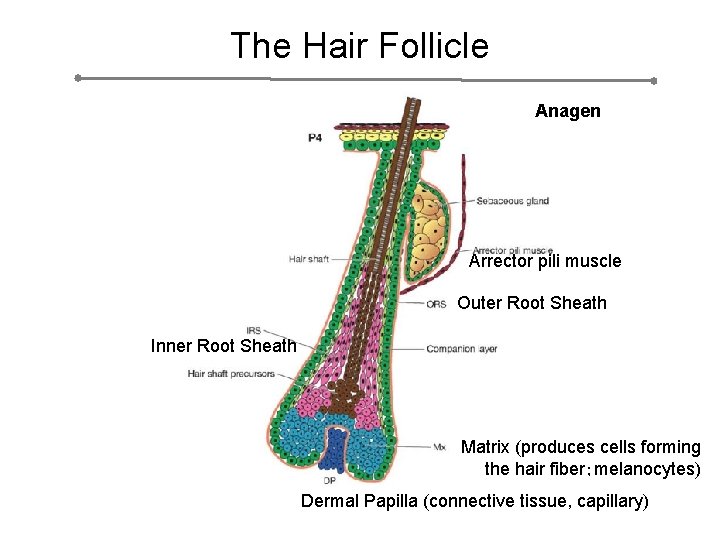
The Hair Follicle Anagen Arrector pili muscle Outer Root Sheath Inner Root Sheath Matrix (produces cells forming the hair fiber;melanocytes) Dermal Papilla (connective tissue, capillary)
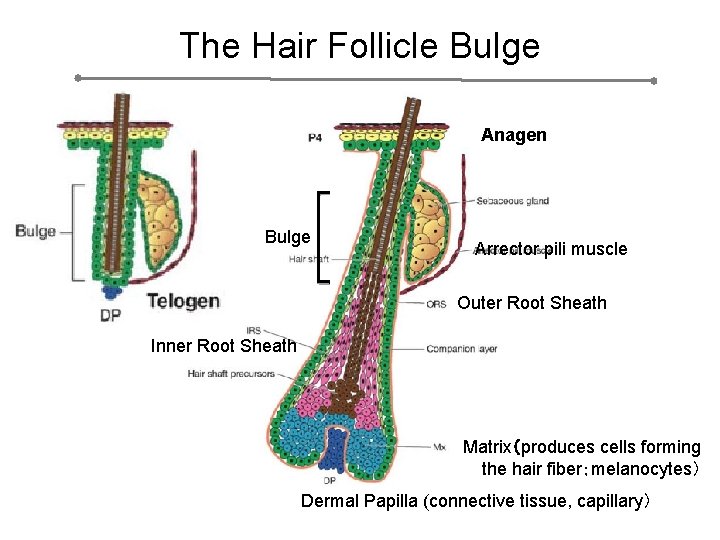
The Hair Follicle Bulge Anagen Bulge Arrector pili muscle Outer Root Sheath Inner Root Sheath Matrix(produces cells forming the hair fiber;melanocytes) Dermal Papilla (connective tissue, capillary)
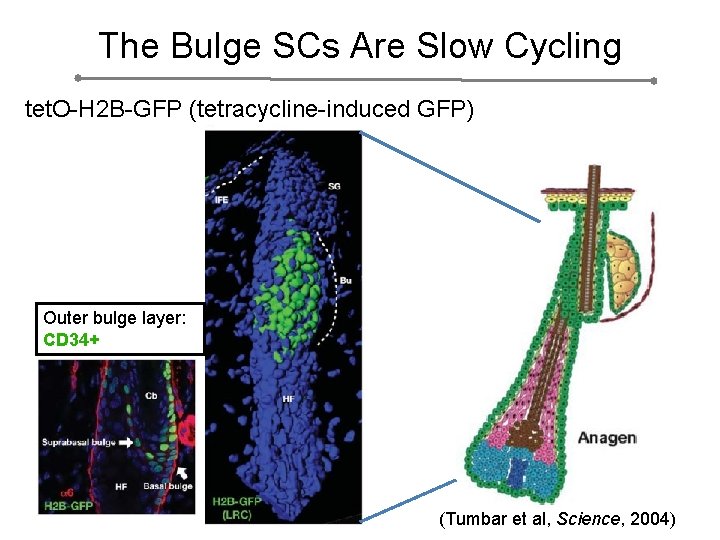
The Bulge SCs Are Slow Cycling tet. O-H 2 B-GFP (tetracycline-induced GFP) Outer bulge layer: CD 34+ (Tumbar et al, Science, 2004)
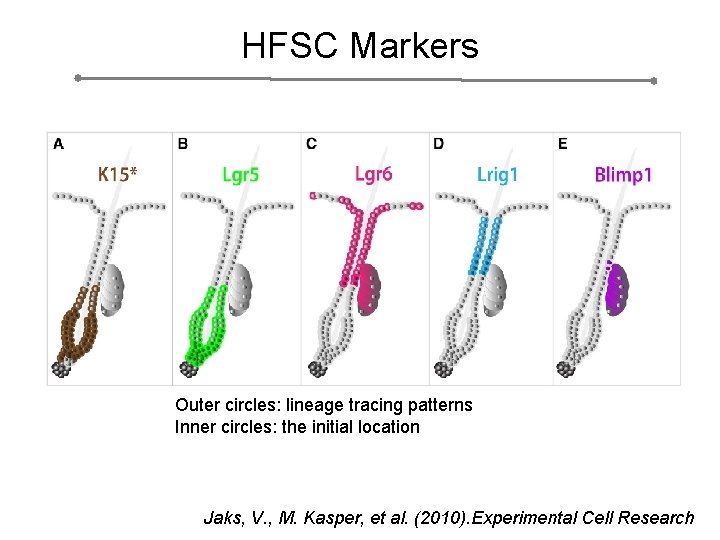
HFSC Markers Outer circles: lineage tracing patterns Inner circles: the initial location Jaks, V. , M. Kasper, et al. (2010). Experimental Cell Research
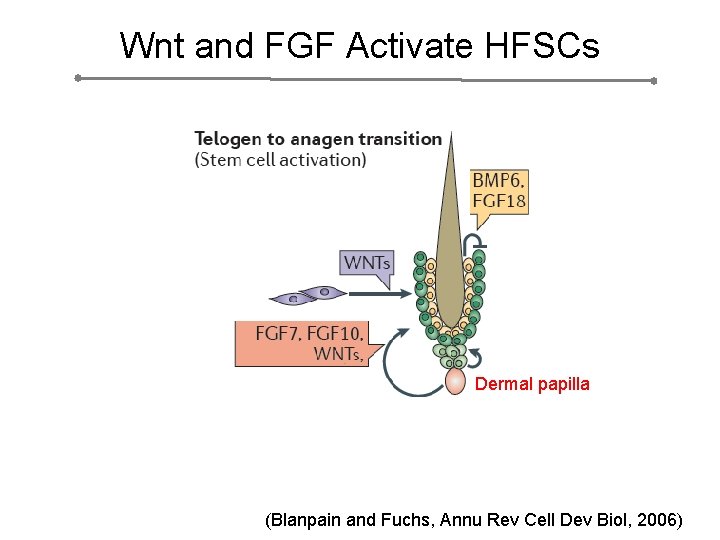
Wnt and FGF Activate HFSCs Dermal papilla (Blanpain and Fuchs, Annu Rev Cell Dev Biol, 2006)
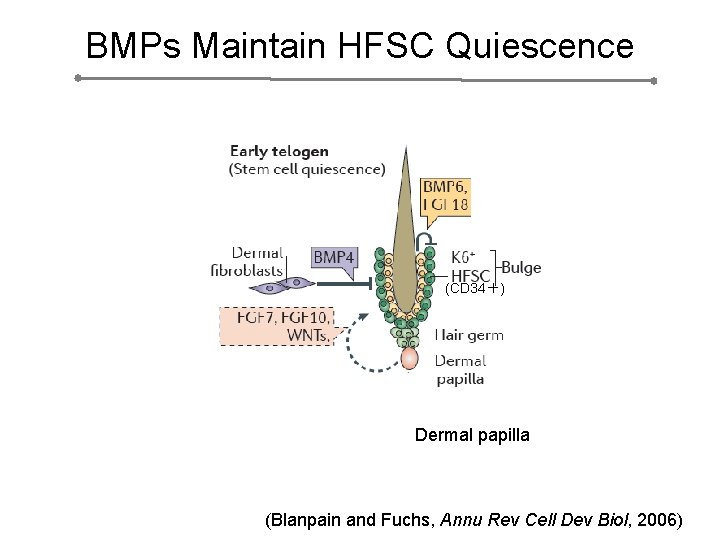
BMPs Maintain HFSC Quiescence (CD 34+) Dermal papilla (Blanpain and Fuchs, Annu Rev Cell Dev Biol, 2006)
Summary 1 • Stem cell and niche (Drosophila male germ line) • Asymmetric & symmetric division • Hematopoietic SC (dynamic niche) • Intestine SC (quiescent and active SCs) • Hair follicle SC (activation cycle)
Outline • Adult Stem cell • Niche • Tissue models for studying adult stem cells • Experimental assays • Adult stem cell & Cancer • Adult stem cell & Regenerative medicine
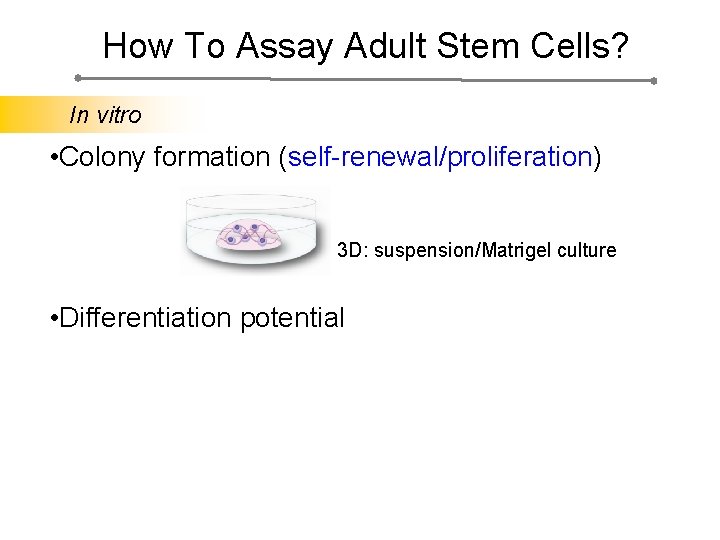
How To Assay Adult Stem Cells? In vitro • Colony formation (self-renewal/proliferation) 3 D: suspension/Matrigel culture • Differentiation potential
How To Assay Adult Stem Cells? In vitro • Colony formation (proliferation) • Differentiation potential In vivo • Transplantation (blood, hair follicle, mammary gland) • Injury & healing (liver, lung, trachea) • Lineage tracing
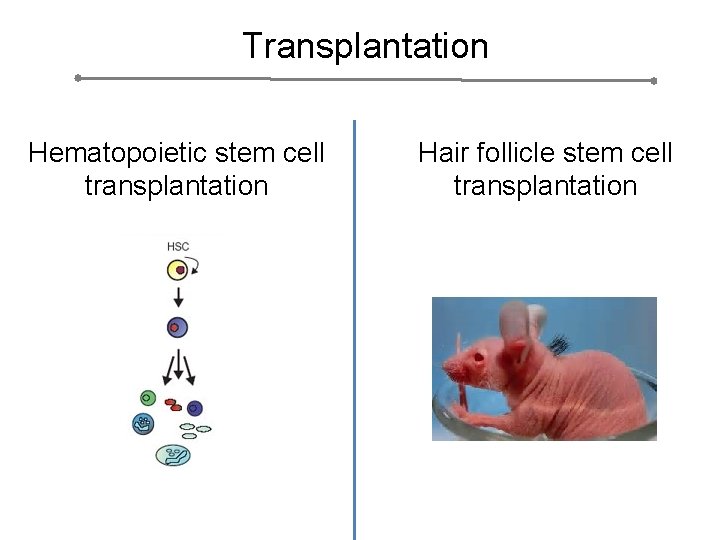
Transplantation Hematopoietic stem cell transplantation Hair follicle stem cell transplantation
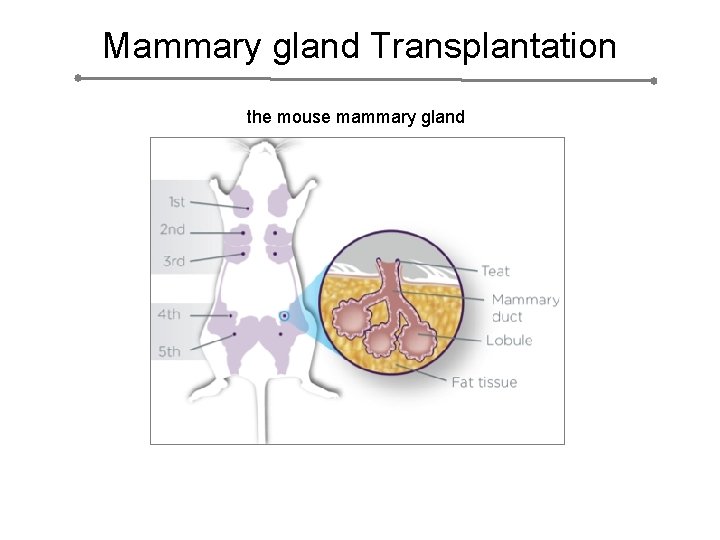
Mammary gland Transplantation the mouse mammary gland
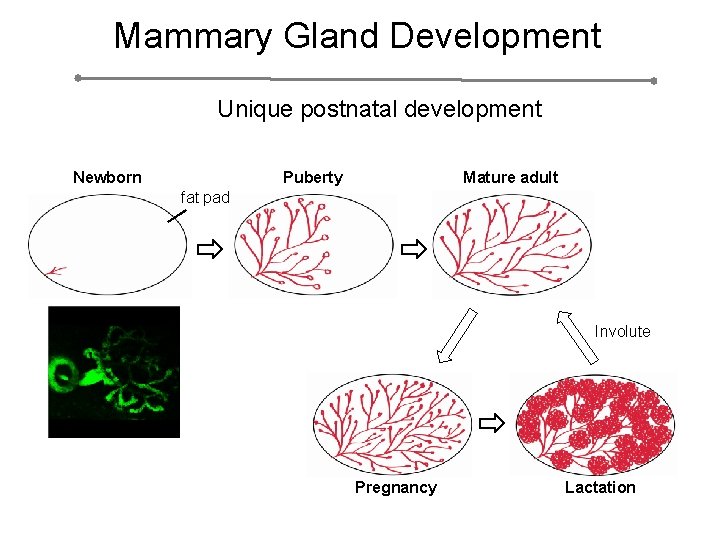
Mammary Gland Development Unique postnatal development Newborn Mature adult Puberty fat pad Involute Pregnancy Lactation
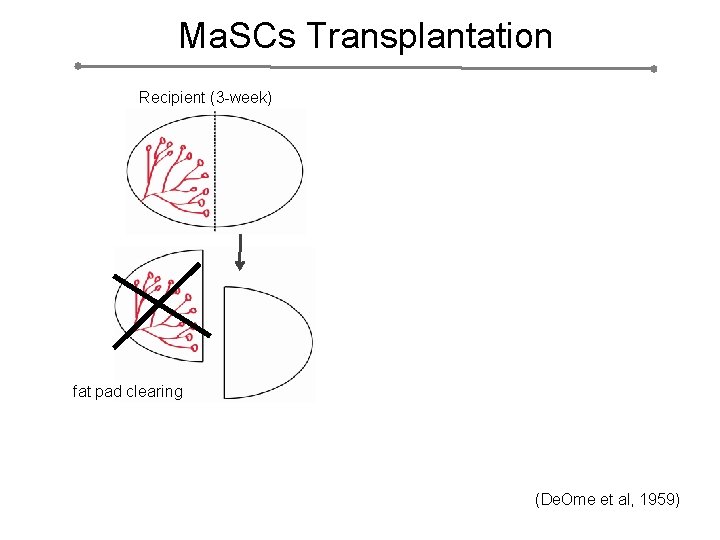
Ma. SCs Transplantation Recipient (3 -week) fat pad clearing (De. Ome et al, 1959)
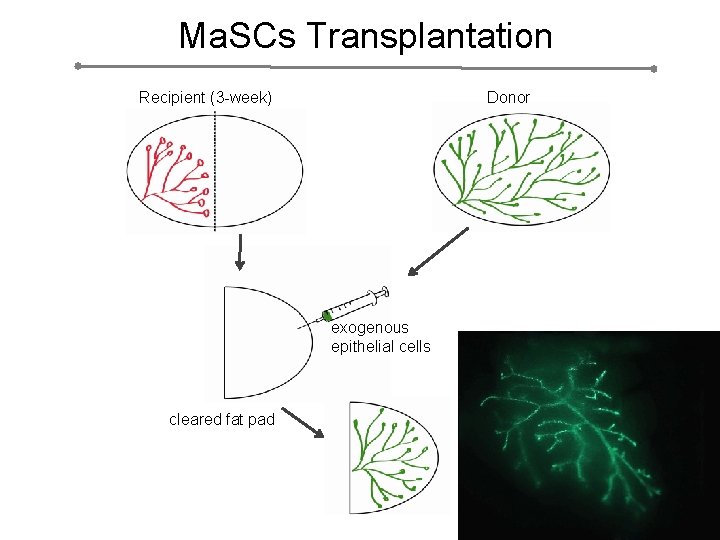
Ma. SCs Transplantation Recipient (3 -week) Donor exogenous epithelial cells fat pad clearing cleared fat pad (De. Ome et al, 1959)
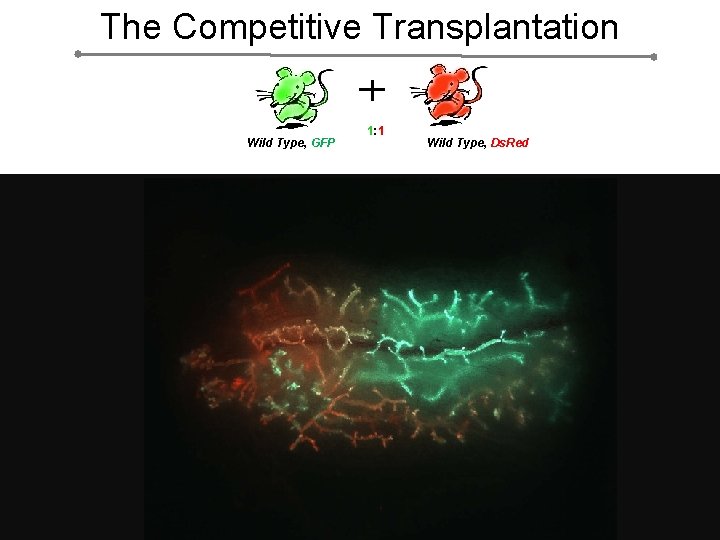
The Competitive Transplantation Wild Type, GFP 1: 1 Wild Type, Ds. Red
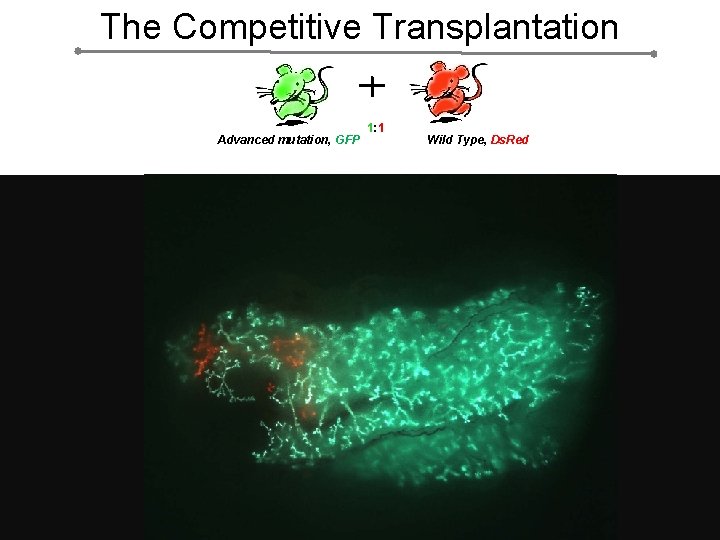
The Competitive Transplantation Advanced mutation, GFP 1: 1 Wild Type, Ds. Red
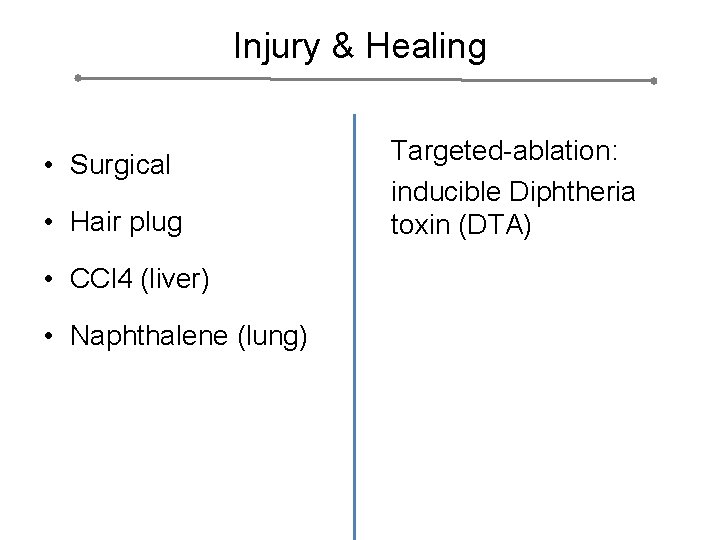
Injury & Healing • Surgical • Hair plug • CCl 4 (liver) • Naphthalene (lung) Targeted-ablation: inducible Diphtheria toxin (DTA)
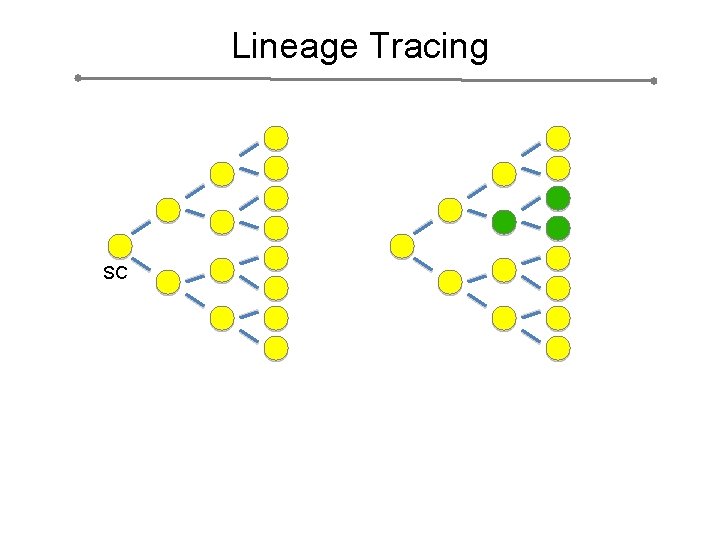
Lineage Tracing SC
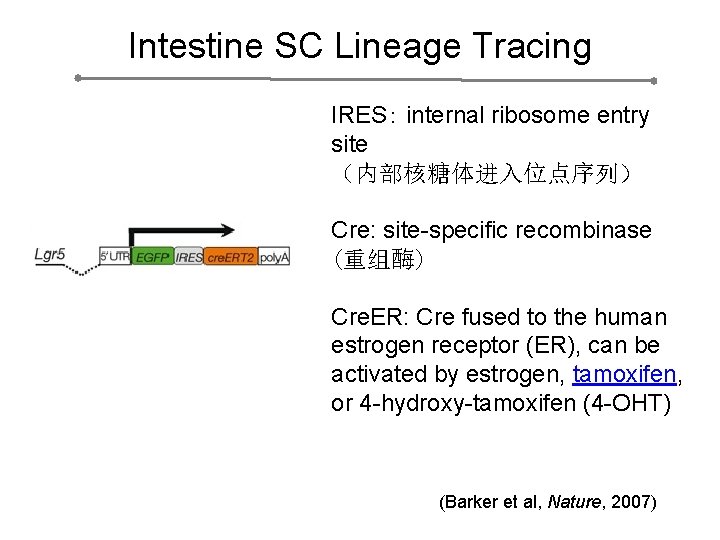
Intestine SC Lineage Tracing IRES: internal ribosome entry site (内部核糖体进入位点序列) Cre: site-specific recombinase (重组酶) Cre. ER: Cre fused to the human estrogen receptor (ER), can be activated by estrogen, tamoxifen, or 4 -hydroxy-tamoxifen (4 -OHT) (Barker et al, Nature, 2007)
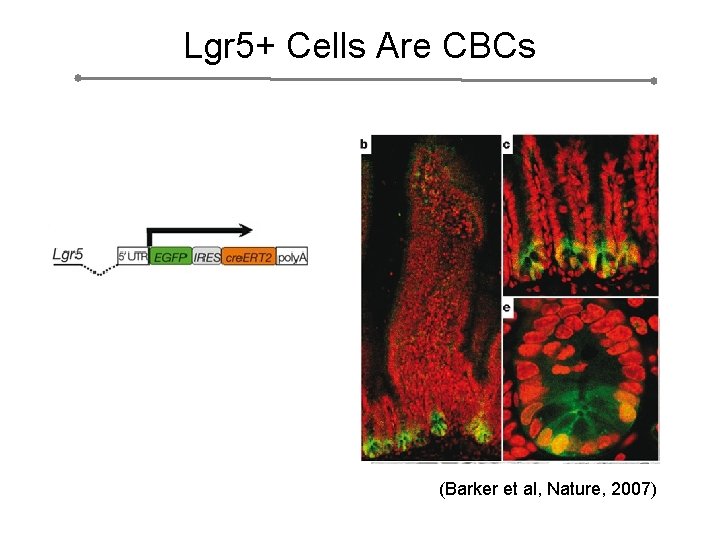
Lgr 5+ Cells Are CBCs (Barker et al, Nature, 2007)
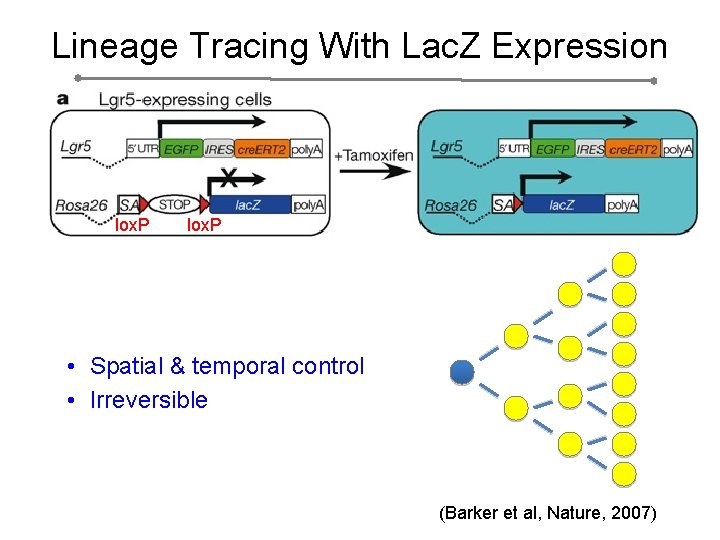
Lineage Tracing With Lac. Z Expression lox. P • Spatial & temporal control • Irreversible (Barker et al, Nature, 2007)
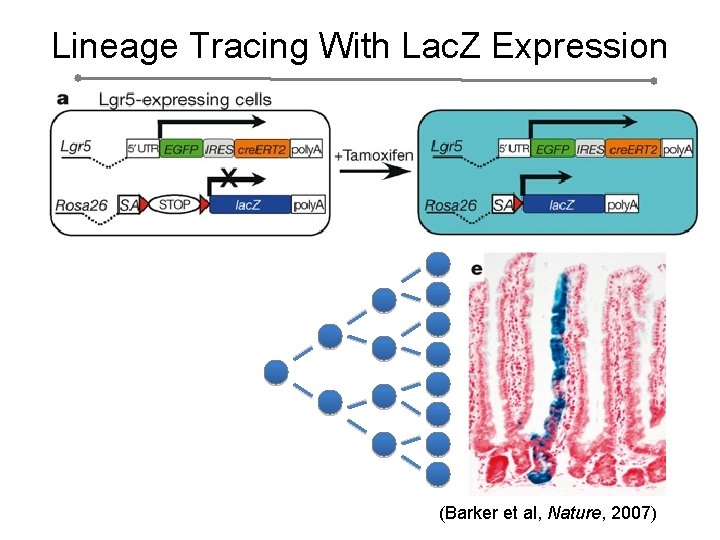
Lineage Tracing With Lac. Z Expression (Barker et al, Nature, 2007)
The ISC Lineage Tracing
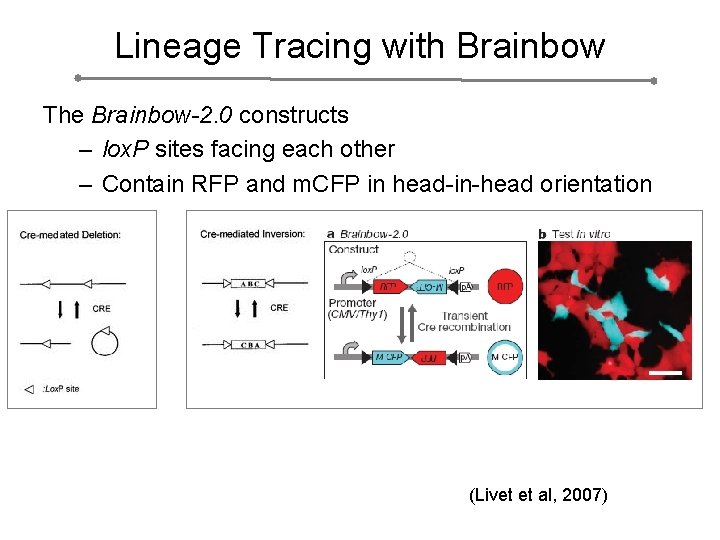
Lineage Tracing with Brainbow The Brainbow-2. 0 constructs – lox. P sites facing each other – Contain RFP and m. CFP in head-in-head orientation (Livet et al, 2007)
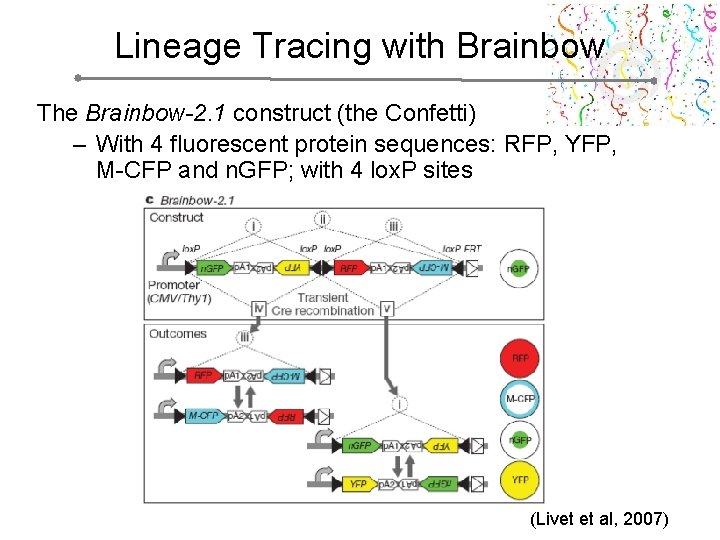
Lineage Tracing with Brainbow The Brainbow-2. 1 construct (the Confetti) – With 4 fluorescent protein sequences: RFP, YFP, M-CFP and n. GFP; with 4 lox. P sites (Livet et al, 2007)
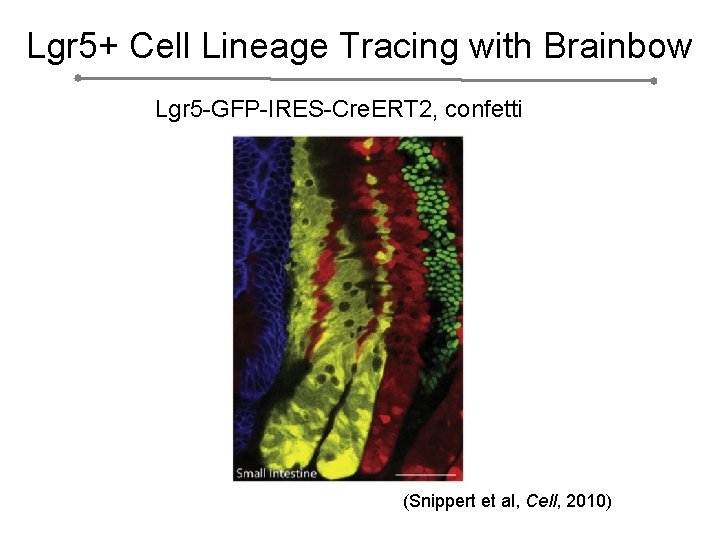
Lgr 5+ Cell Lineage Tracing with Brainbow Lgr 5 -GFP-IRES-Cre. ERT 2, confetti (Snippert et al, Cell, 2010)
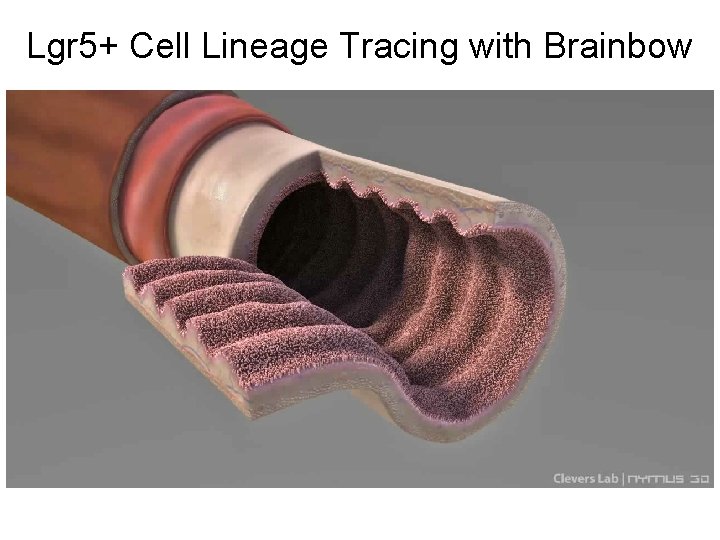
Lgr 5+ Cell Lineage Tracing with Brainbow
Potential > Fate In vivo • Transplantation (blood, hair follicle, mammary gland) • Injury & healing (liver, lung, trachea) • Lineage tracing
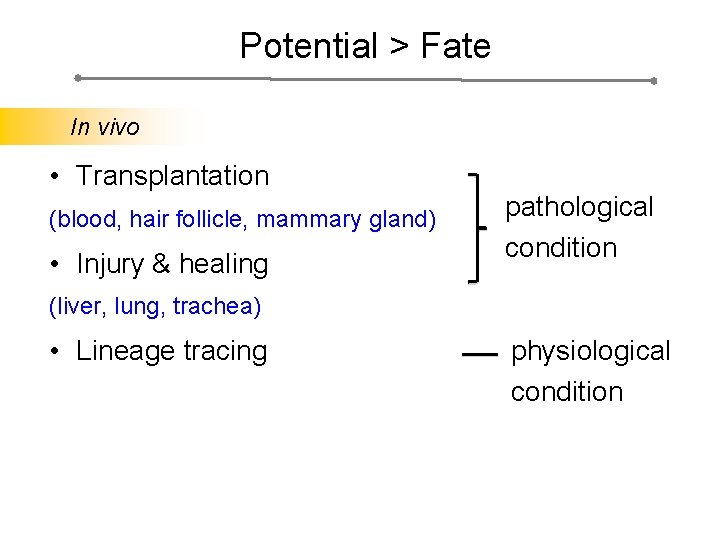
Potential > Fate In vivo • Transplantation (blood, hair follicle, mammary gland) • Injury & healing pathological condition (liver, lung, trachea) • Lineage tracing physiological condition
Outline • Adult Stem cell • Niche • Tissue models for studying adult stem cells • Experimental assays • Adult stem cell & Cancer • Adult stem cell & Regenerative medicine
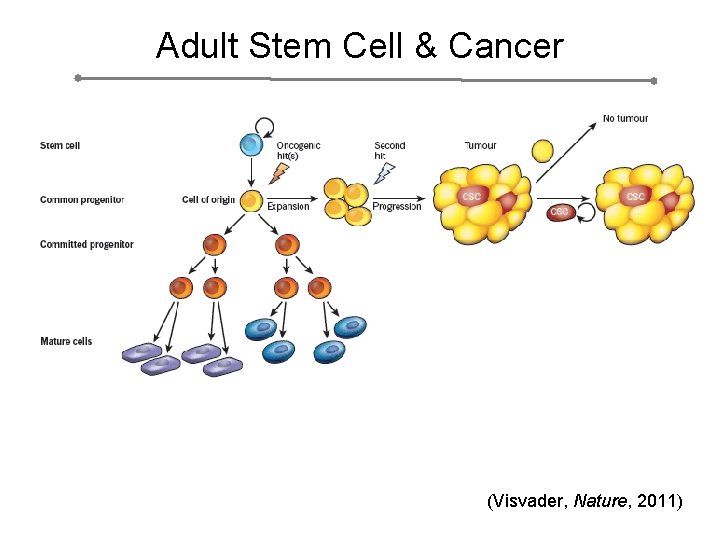
Adult Stem Cell & Cancer stem cell: (Visvader, Nature, 2011)
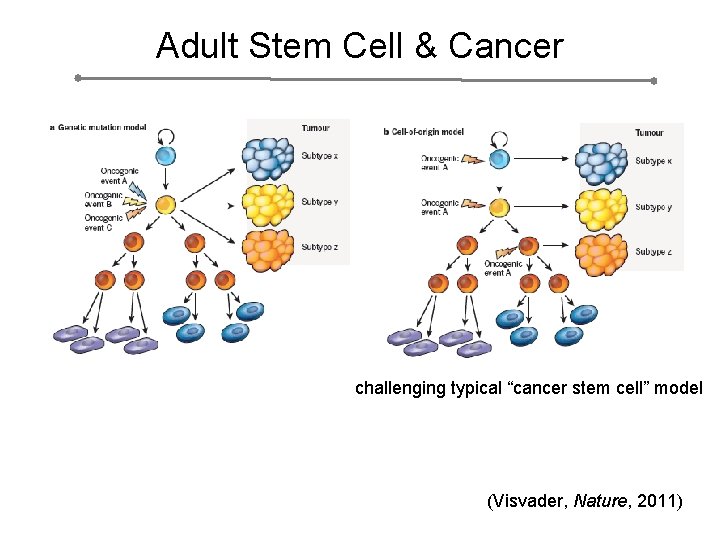
Adult Stem Cell & Cancer challenging typical “cancer stem cell” model (Visvader, Nature, 2011)
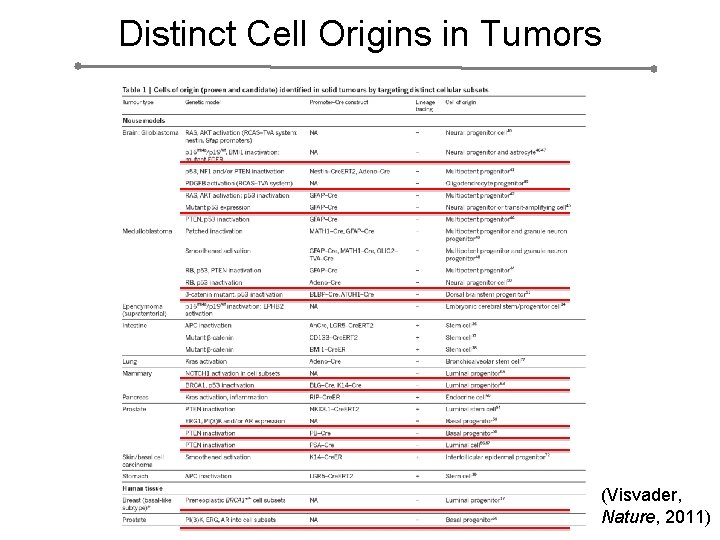
Distinct Cell Origins in Tumors (Visvader, Nature, 2011)
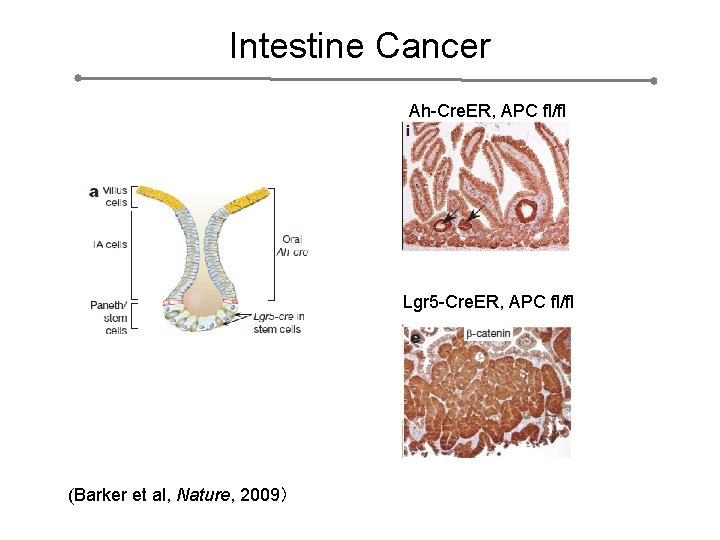
Intestine Cancer Ah-Cre. ER, APC fl/fl Lgr 5 -Cre. ER, APC fl/fl (Barker et al, Nature, 2009)
Intestine Cancer
Outline • Adult Stem cell • Niche • Tissue models for studying adult stem cells • Experimental assays • Adult stem cell & Cancer • Adult stem cell & Regenerative medicine
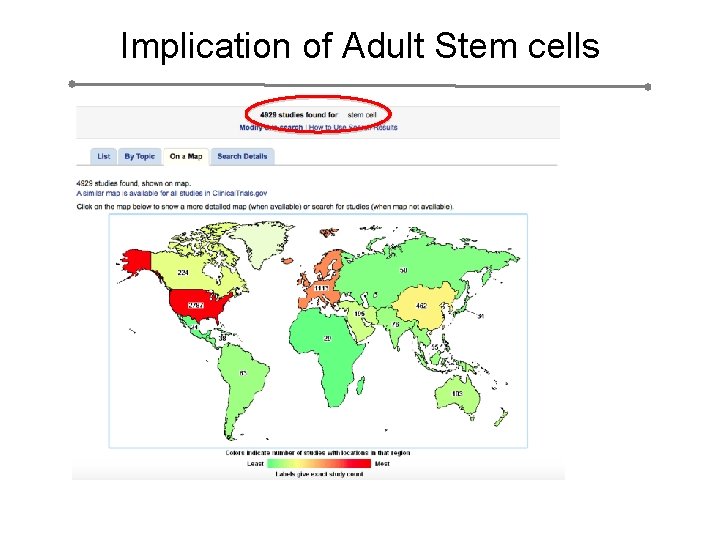
Implication of Adult Stem cells
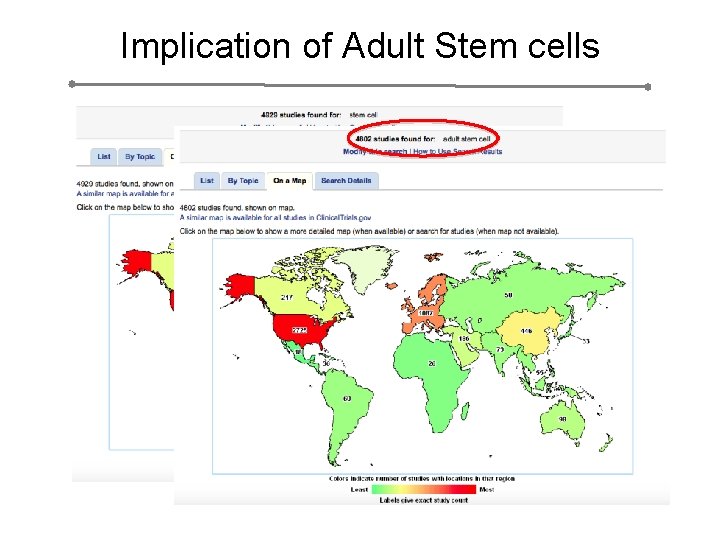
Implication of Adult Stem cells
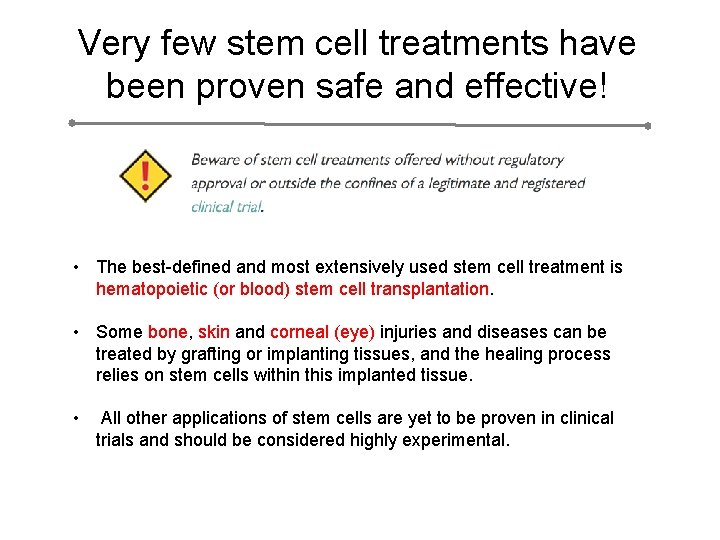
Very few stem cell treatments have been proven safe and effective! • The best-defined and most extensively used stem cell treatment is hematopoietic (or blood) stem cell transplantation. • Some bone, skin and corneal (eye) injuries and diseases can be treated by grafting or implanting tissues, and the healing process relies on stem cells within this implanted tissue. • All other applications of stem cells are yet to be proven in clinical trials and should be considered highly experimental.
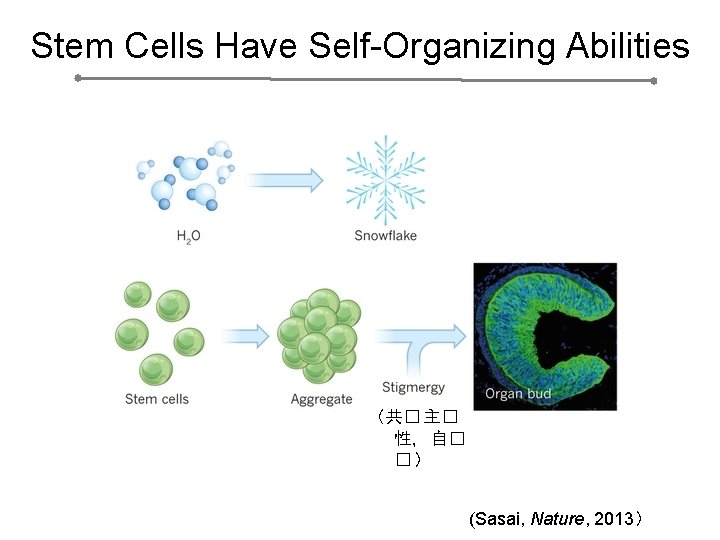
Stem Cells Have Self-Organizing Abilities (共� 主� 性,自� �) (Sasai, Nature, 2013)
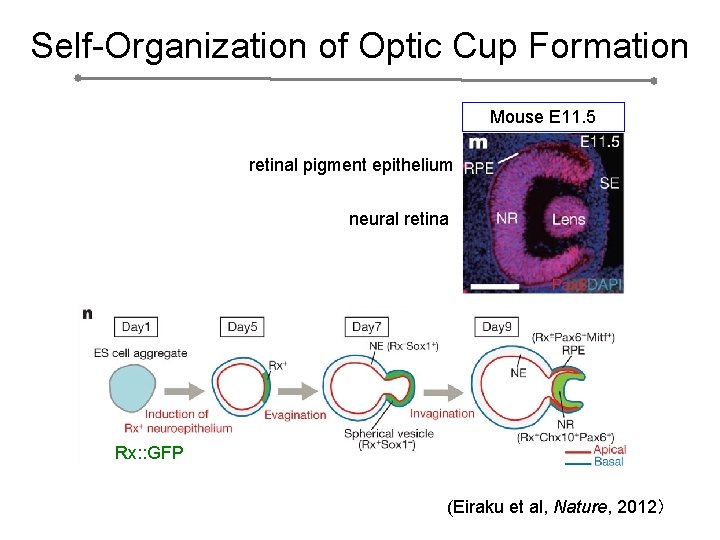
Self-Organization of Optic Cup Formation Mouse E 11. 5 retinal pigment epithelium neural retina Rx: : GFP (Eiraku et al, Nature, 2012)
Self-Organization of Optic Cup Formation Evagination of Rx: : GFP vesicles (day 4. 5 -6. 5) (Eiraku et al, Nature, 2012)
Self-Organization of Optic Cup Formation Invagination of Rx: : GFP vesicles (day 6. 75 -9. 0) (Eiraku et al, Nature, 2012)
Safety of Using Self-Organizing Organoids Sasai emphasizes that the cells in the optic cup are “pure”, unlike those in two-dimensional aggregates, which may still contain embryonic stem cells. This reduces concerns that transplants of such cells might develop cancerous growths or fragments of unrelated tissues. “It’s like pulling an apple from a tree. You wouldn’t expect iron to be growing inside, ” says Sasai. “You’d have no more reason to expect bone to be growing in these eyes. ” (Cyranoski, Nature, 2012)
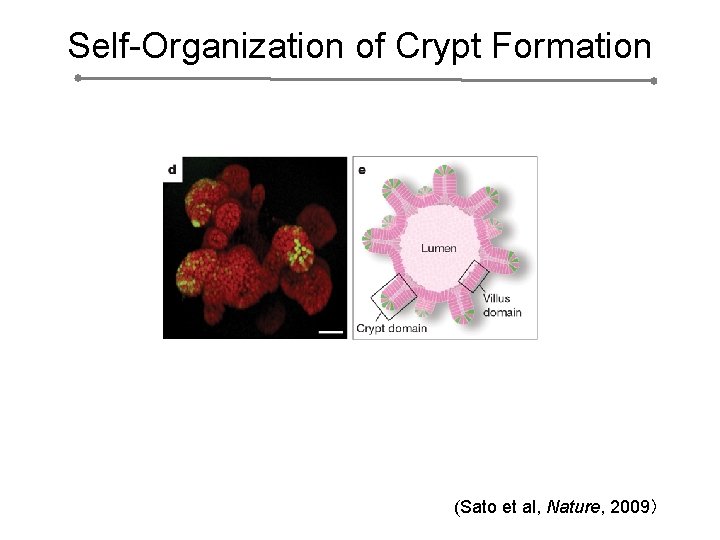
Self-Organization of Crypt Formation (Sato et al, Nature, 2009)
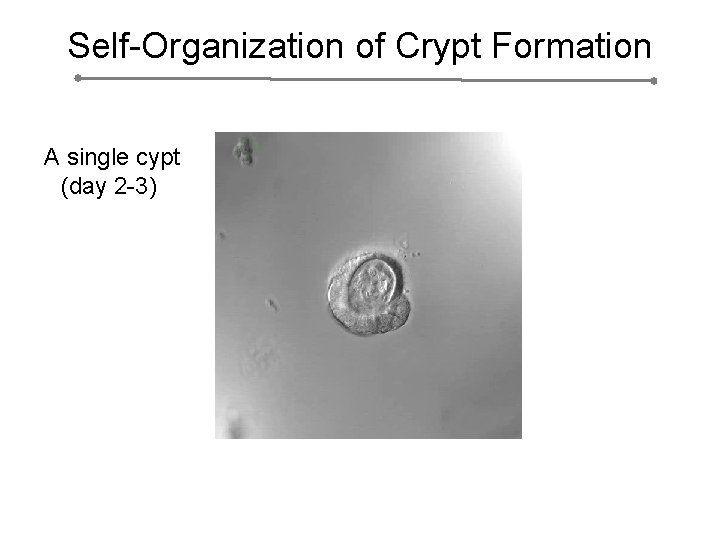
Self-Organization of Crypt Formation A single cypt (day 2 -3)
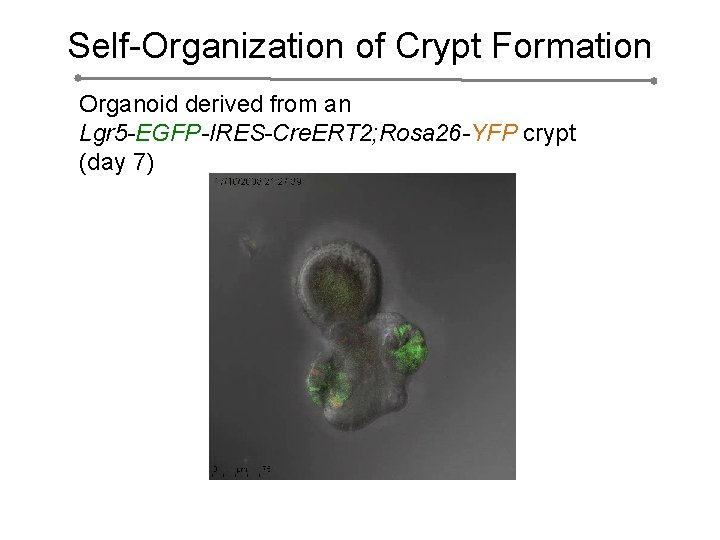
Self-Organization of Crypt Formation Organoid derived from an Lgr 5 -EGFP-IRES-Cre. ERT 2; Rosa 26 -YFP crypt (day 7)
Summary • Adult Stem cell • Niche (Drosophila male germ line) • Tissue models for studying adult stem cells (hematopoietic, intestine, hair follicle SC) • Experimental assays (transplantation, injury & lineage tracing) • Adult stem cell & Cancer • Adult stem cell & Regenerative medicine
Take Home Messages • What are the characteristics of adult stem cells? (the dual jobs) • What are the in vivo assays for examining adult stem cell properties?

Thank You
- Slides: 79