
Adult learning Theories Many different theoretical approaches Instrumental
- Slides: 21
Adult learning Theories
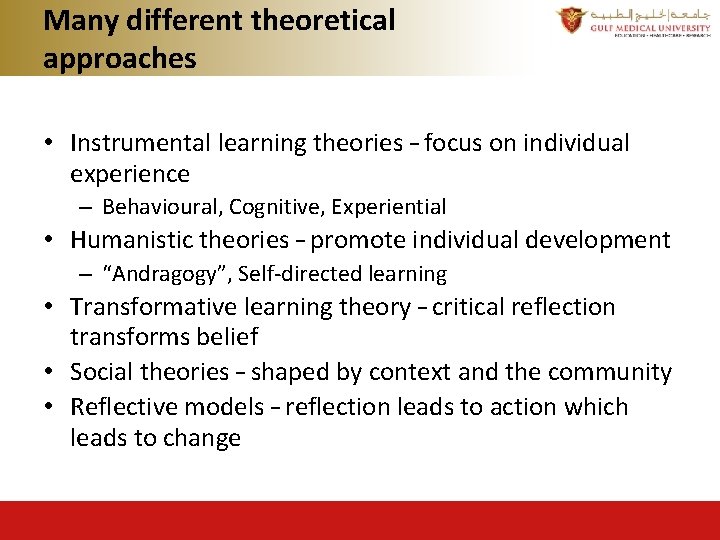
Many different theoretical approaches • Instrumental learning theories – focus on individual experience – Behavioural, Cognitive, Experiential • Humanistic theories – promote individual development – “Andragogy”, Self-directed learning • Transformative learning theory – critical reflection transforms belief • Social theories – shaped by context and the community • Reflective models – reflection leads to action which leads to change
Summary of discussion • Key points from previous discussion to be added here: • … • … • …
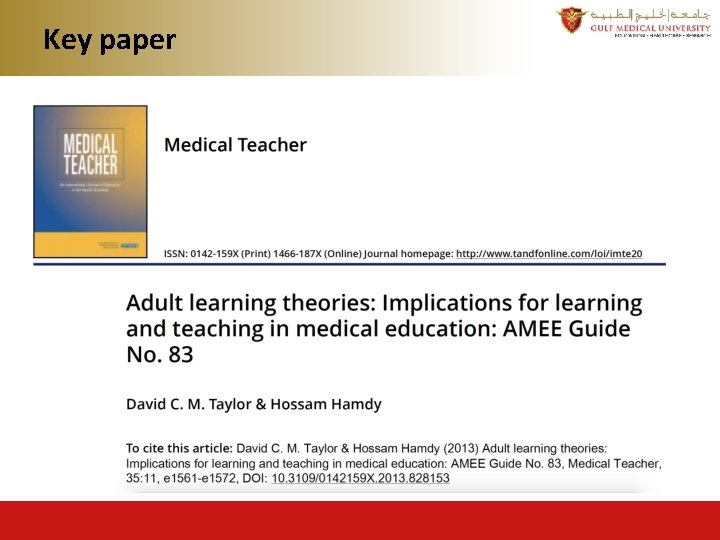
Key paper
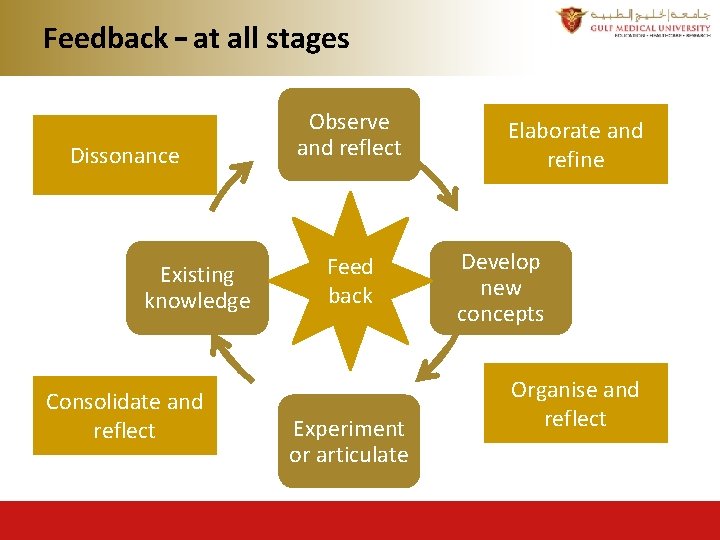
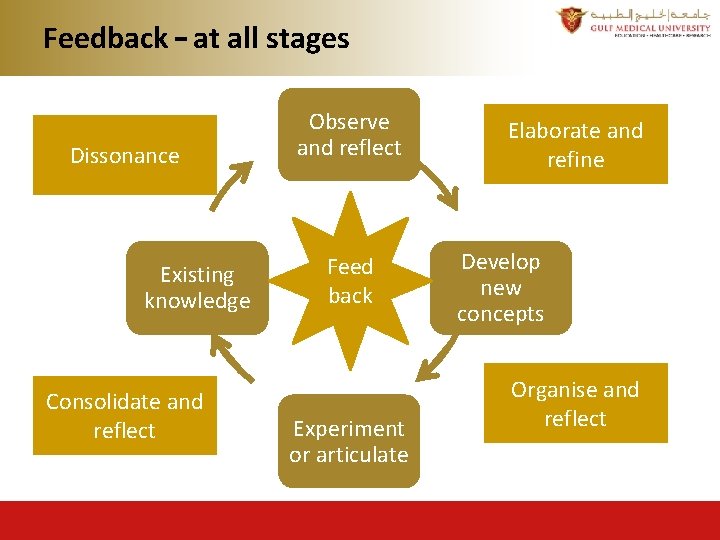
Feedback – at all stages Dissonance Existing knowledge Consolidate and reflect Observe and reflect Feed back Experiment or articulate Elaborate and refine Develop new concepts Organise and reflect
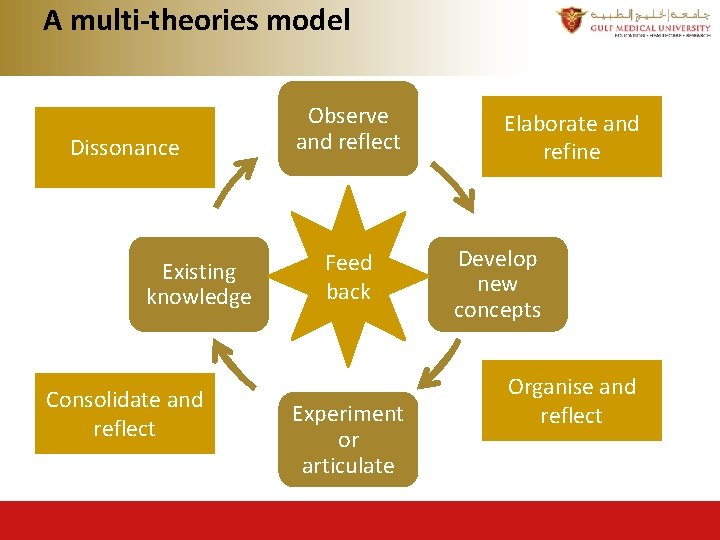
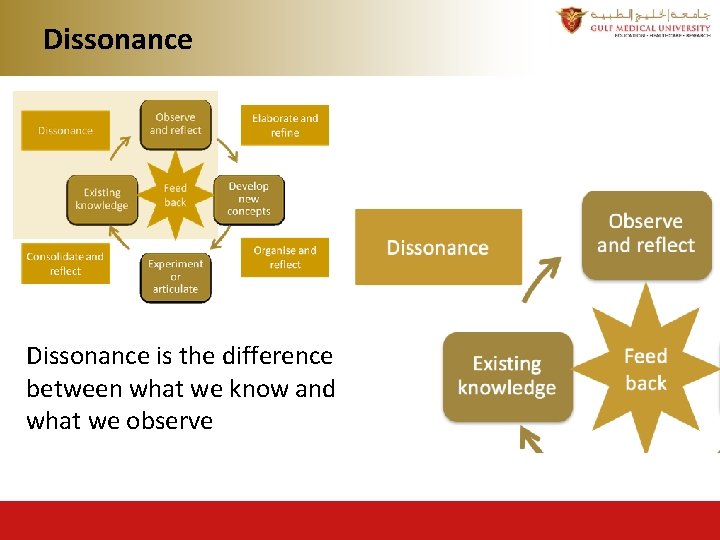
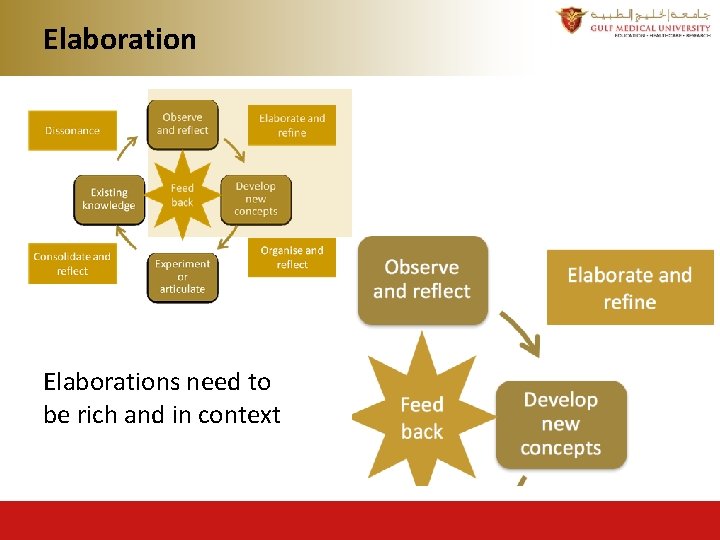
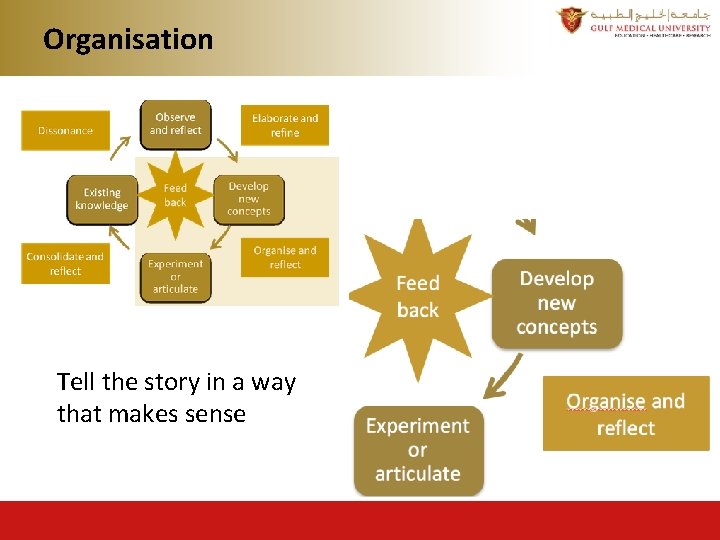
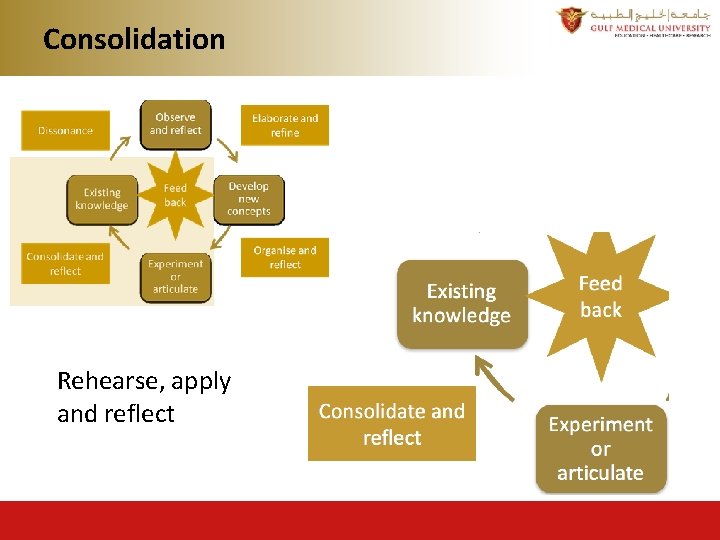
A multi-theories model Dissonance Existing knowledge Consolidate and reflect Observe and reflect Feed back Experiment or articulate Elaborate and refine Develop new concepts Organise and reflect
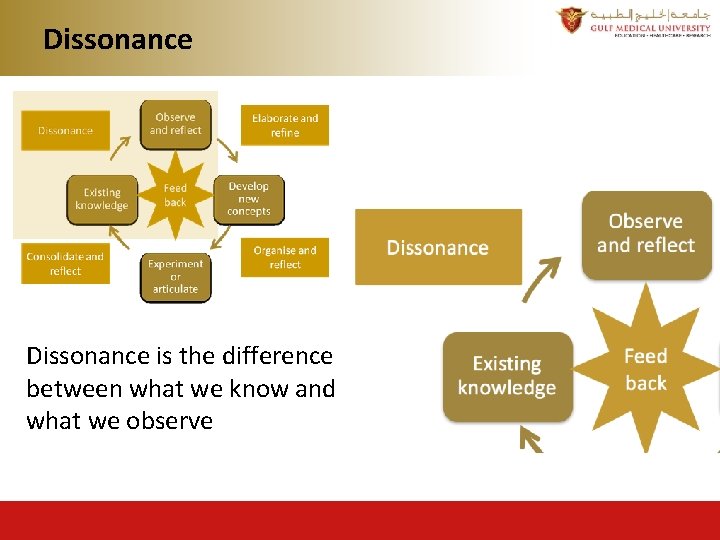
Dissonance is the difference between what we know and what we observe
The Task • We give the students a task in order to promote dissonance • It must link in with their existing knowledge • And should take a number of other factors into account
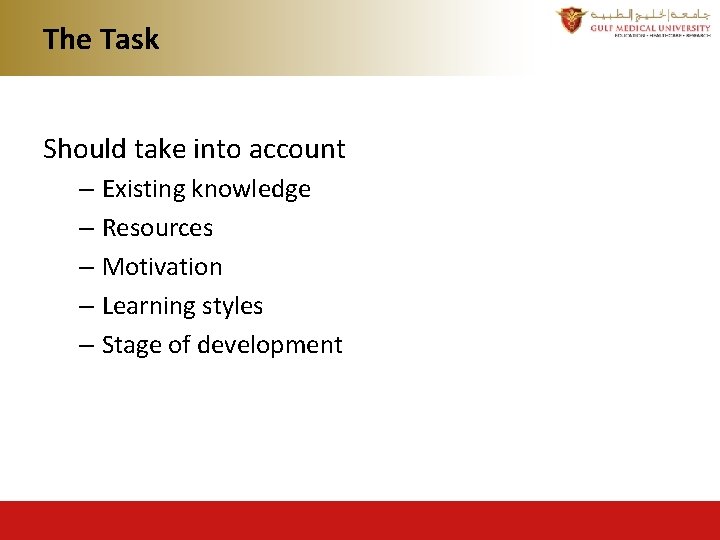
The Task Should take into account – Existing knowledge – Resources – Motivation – Learning styles – Stage of development
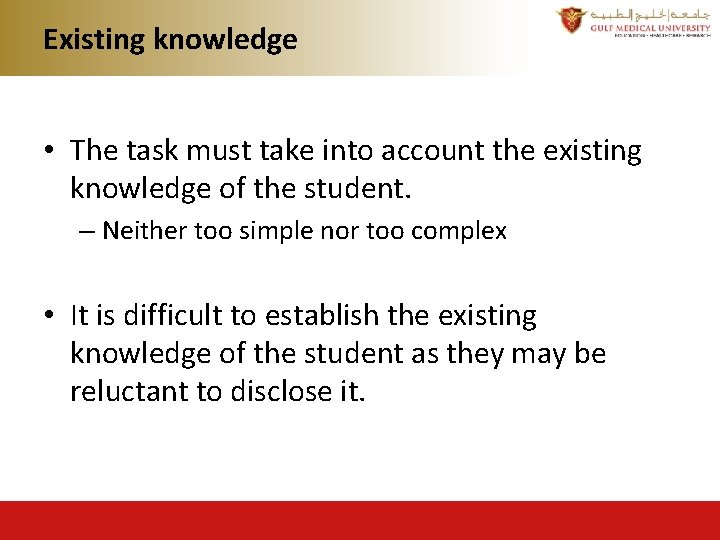
Existing knowledge • The task must take into account the existing knowledge of the student. – Neither too simple nor too complex • It is difficult to establish the existing knowledge of the student as they may be reluctant to disclose it.
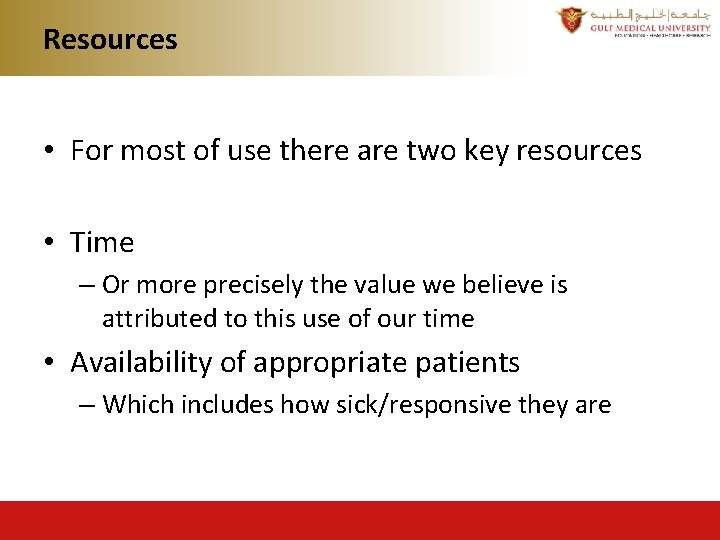
Resources • For most of use there are two key resources • Time – Or more precisely the value we believe is attributed to this use of our time • Availability of appropriate patients – Which includes how sick/responsive they are
Motivation • Is an issue for both staff and students • The key is the perceived “return on investment”
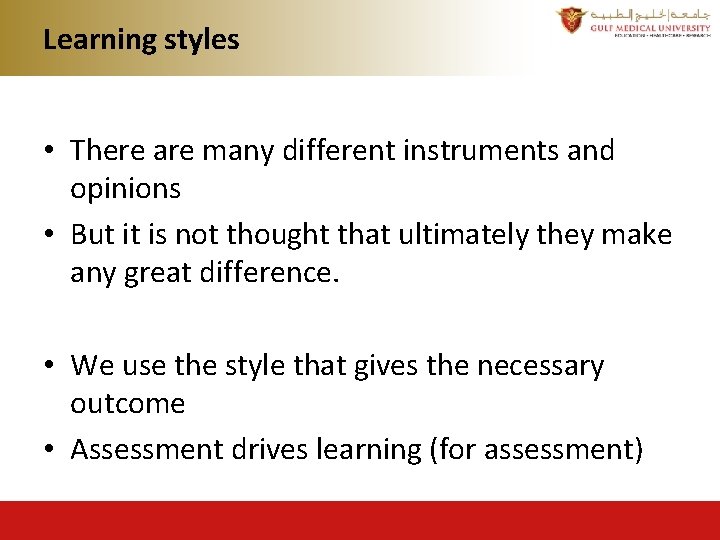
Learning styles • There are many different instruments and opinions • But it is not thought that ultimately they make any great difference. • We use the style that gives the necessary outcome • Assessment drives learning (for assessment)
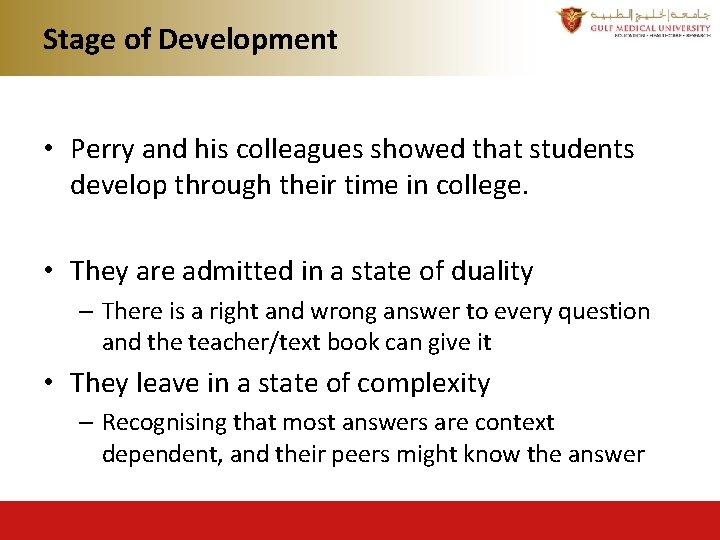
Stage of Development • Perry and his colleagues showed that students develop through their time in college. • They are admitted in a state of duality – There is a right and wrong answer to every question and the teacher/text book can give it • They leave in a state of complexity – Recognising that most answers are context dependent, and their peers might know the answer
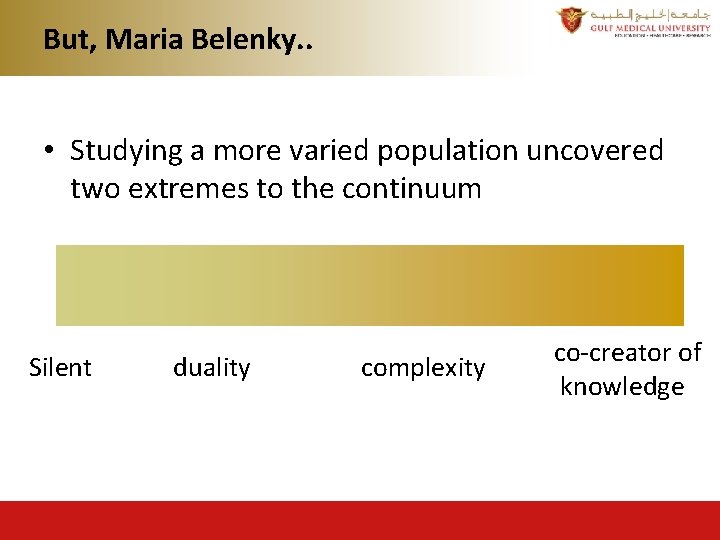
But, Maria Belenky. . • Studying a more varied population uncovered two extremes to the continuum Silent duality complexity co-creator of knowledge
Dissonance is the difference between what we know and what we observe
Elaborations need to be rich and in context
Organisation Tell the story in a way that makes sense
Consolidation Rehearse, apply and reflect
Feedback – at all stages Dissonance Existing knowledge Consolidate and reflect Observe and reflect Feed back Experiment or articulate Elaborate and refine Develop new concepts Organise and reflect
But, before we go much further. . • In your groups please briefly discuss the following question ready to feedback to the rest of the course What do we want our students to be able to do? Knowledge Skills Attitudes Other things/qualities? ?