
Adoption of the Gestational Diabetes Management System GDmhealth
Adoption of the Gestational Diabetes Management System (GDm-health) Ms Tracey Marriott, Director of Innovation Adoption, BA Hons, Dip, MBA Oxford Academic Health Science Network Dr Lucy Mackillop, Consultant Obstetric Physician Honorary Senior Clinical Lecturer Oxford University Hospitals NHS Trust
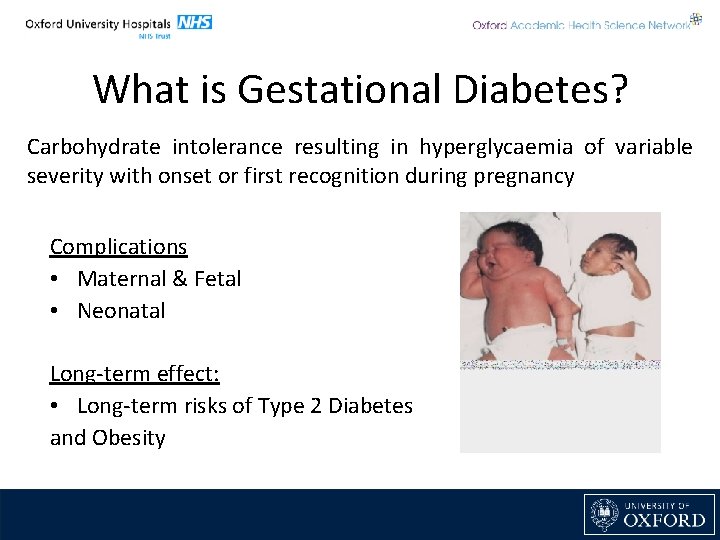
What is Gestational Diabetes? Carbohydrate intolerance resulting in hyperglycaemia of variable severity with onset or first recognition during pregnancy Complications • Maternal & Fetal • Neonatal Long-term effect: • Long-term risks of Type 2 Diabetes and Obesity
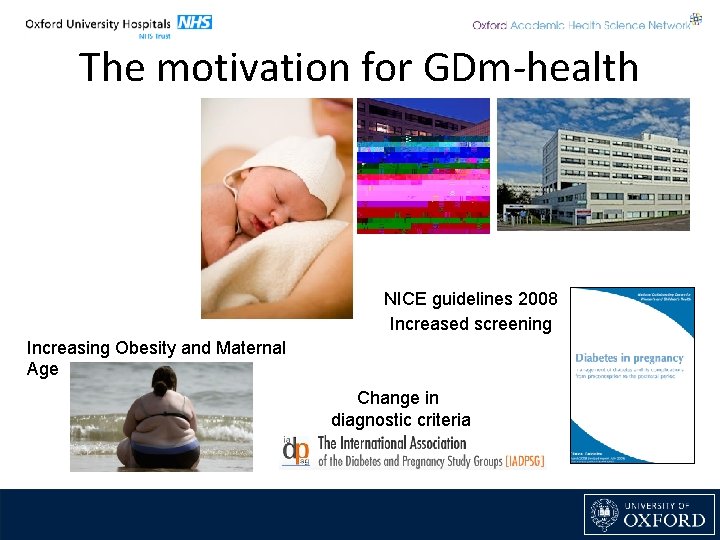
The motivation for GDm-health NICE guidelines 2008 Increased screening Increasing Obesity and Maternal Age Change in diagnostic criteria
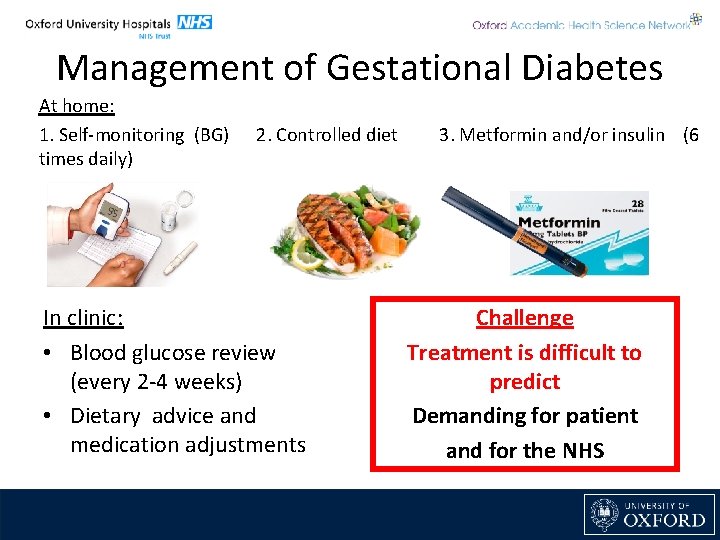
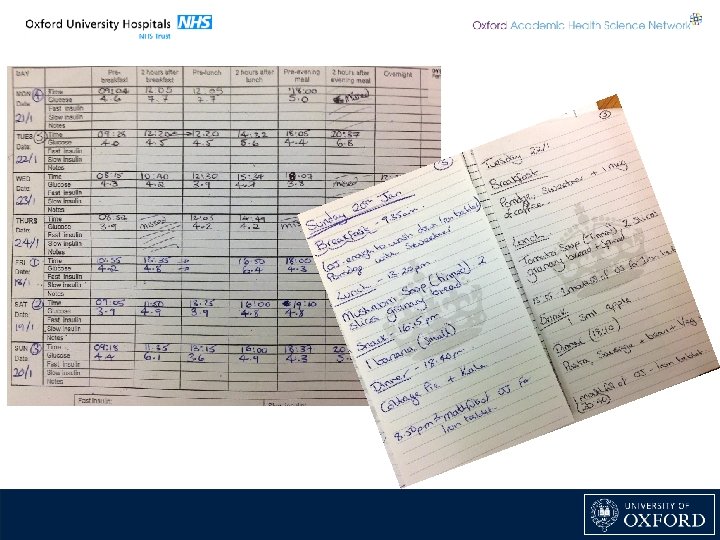
Management of Gestational Diabetes At home: 1. Self-monitoring (BG) 2. Controlled diet times daily) In clinic: • Blood glucose review (every 2 -4 weeks) • Dietary advice and medication adjustments 3. Metformin and/or insulin (6 Challenge Treatment is difficult to predict Demanding for patient and for the NHS
How can we deliver high quality care to many more women while reducing costs for both healthcare providers and women?
1. AJ Farmer et al (2005), Diabetes Care, vol. 28, 11, pp. 2697 -2702 2. ME Larsen et al (2010), J Telemed Telecare, 16, pp. 433 -440 3. J Turner et al (2009), Inform Prim Care, 17, pp. 47 -53
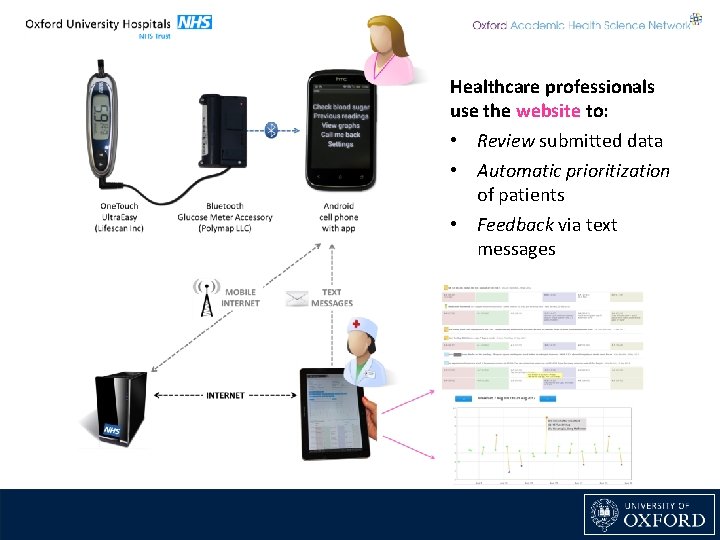
Healthcare professionals use the website to: • Review submitted data • Automatic prioritization of patients • Feedback via text messages
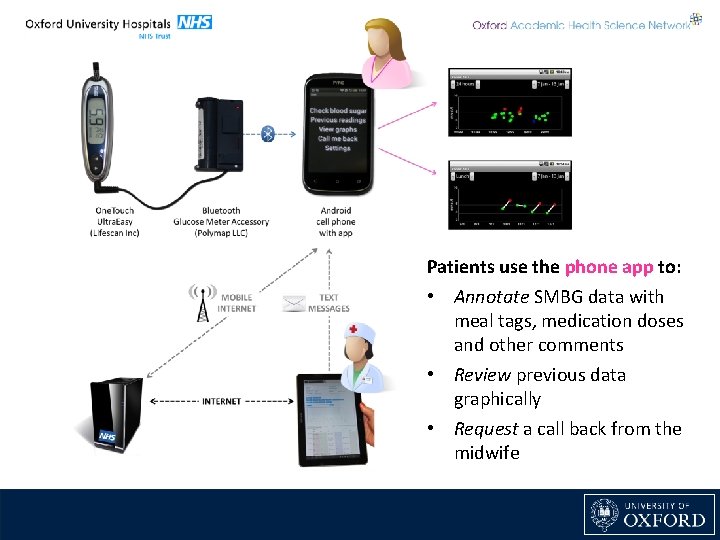
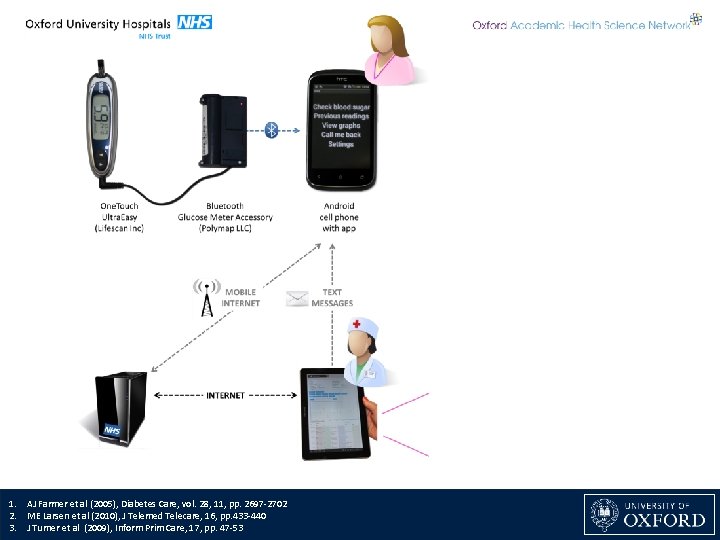
Patients use the phone app to: • Annotate SMBG data with meal tags, medication doses and other comments • Review previous data graphically • Request a call back from the midwife
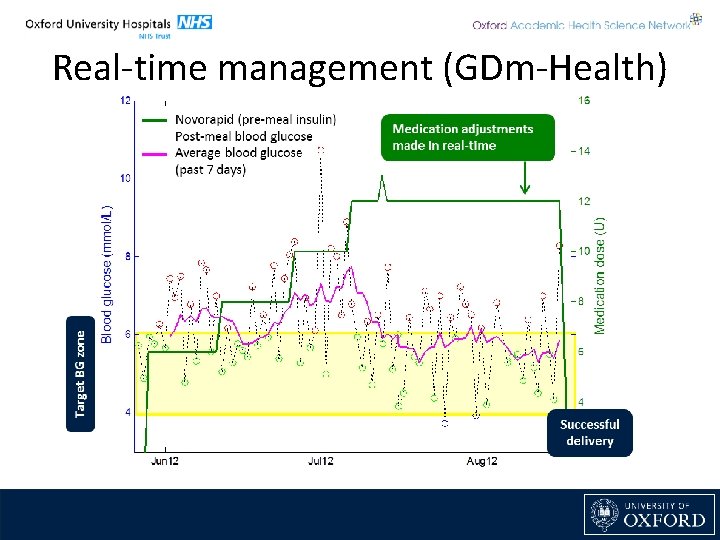
Real-time management (GDm-Health)
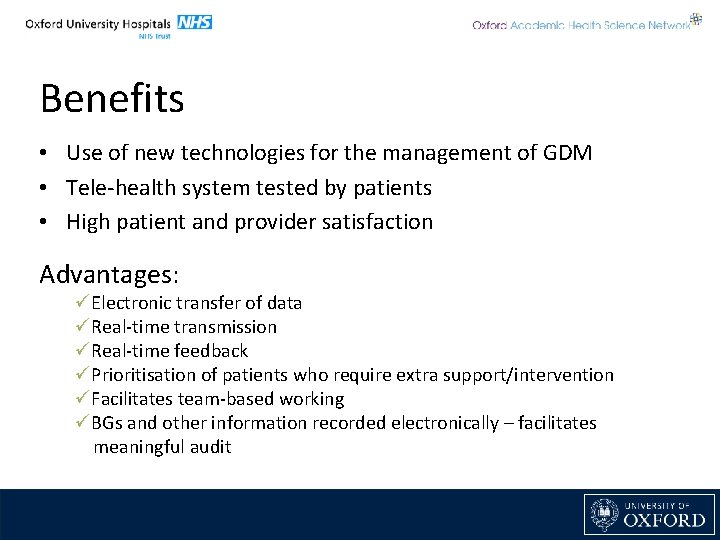
Benefits • Use of new technologies for the management of GDM • Tele-health system tested by patients • High patient and provider satisfaction Advantages: üElectronic transfer of data üReal-time transmission üReal-time feedback üPrioritisation of patients who require extra support/intervention üFacilitates team-based working üBGs and other information recorded electronically – facilitates meaningful audit
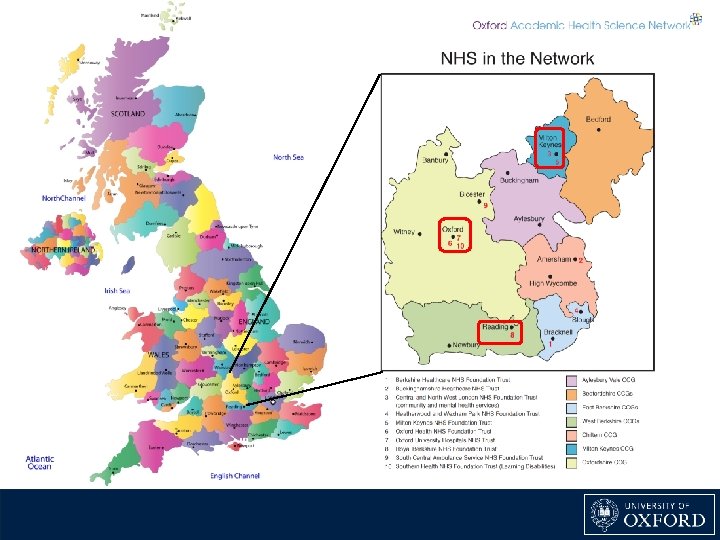
Clinical Innovation Adoption Programme The key objective is to increase the speed of Clinical Innovation Adoption across the region by: • Assessing the strategic priorities and clinical needs of the population • Identifying best innovations that contribute to the resolution of the priorities • Redesigning clinical pathways with the objective to integrate innovations at all relevant points so as to increase quality of care and cost efficiency • Working closely with Wealth Creation to develop meaningful engagement with Industry and to deliver the above and to articulate the requirements • Embedding innovation adoption in local NHS planning and contracting so that projects provide maximum quality impact and cost savings.
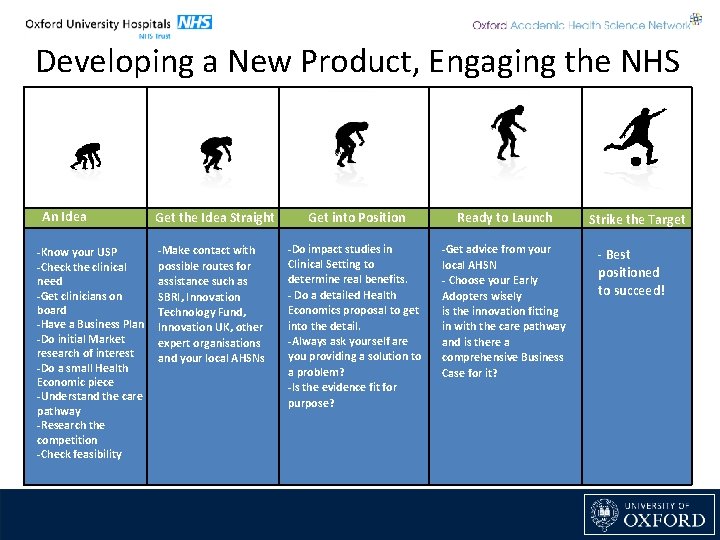
Developing a New Product, Engaging the NHS An Idea Get the Idea Straight -Know your USP An idea -Check the clinical need -Get clinicians on board -Have a Business Plan -Do initial Market research of interest -Do a small Health Economic piece -Understand the care pathway -Research the competition -Check feasibility Get into Position Ready to Launch Strike the Target -Do impact studies in -Make contact with Getting the idea Getting into Clinical Setting to possible routes for straight Position determine real benefits. assistance such as - Make contact - Do a detailed Health SBRI, Innovation with possible Economics proposal to get Technology Fund, routes for into the detail. Innovation UK, other assistance such -Always ask yourself are expert organisations as SBRI, you providing a solution to and your local AHSNs Innovation a problem? -Is the evidence fit for Technology purpose? Fund, Innovation UK, your local AHSNs -Get advice from your local AHSN - Choose your Early Adopters wisely Ready to launch is the innovation fitting in with the care pathway and is there a comprehensive Business Case for it? - Best positioned Strike the target to succeed!
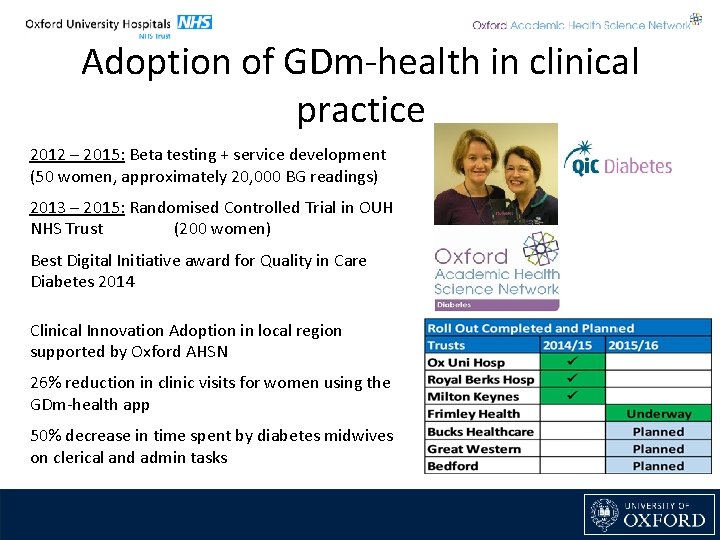
Adoption of GDm-health in clinical practice 2012 – 2015: Beta testing + service development (50 women, approximately 20, 000 BG readings) 2013 – 2015: Randomised Controlled Trial in OUH NHS Trust (200 women) Best Digital Initiative award for Quality in Care Diabetes 2014 Clinical Innovation Adoption in local region supported by Oxford AHSN 26% reduction in clinic visits for women using the GDm-health app 50% decrease in time spent by diabetes midwives on clerical and admin tasks
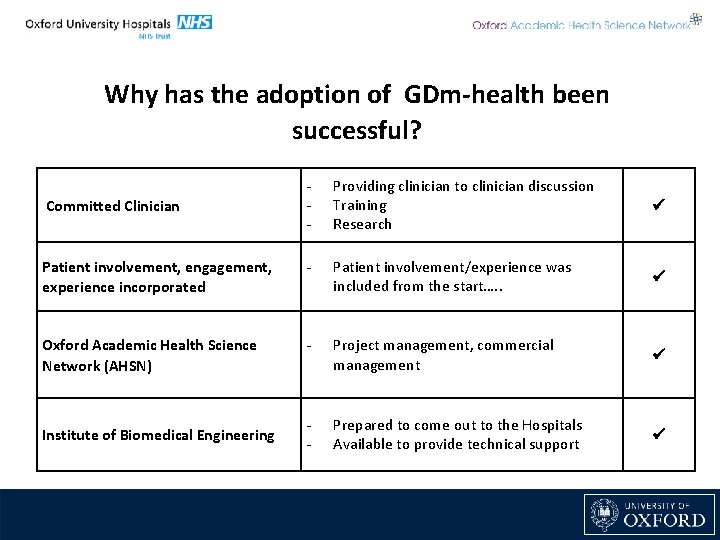
Why has the adoption of GDm-health been successful? - Providing clinician to clinician discussion Training Research Patient involvement, engagement, experience incorporated - Patient involvement/experience was included from the start…. . Oxford Academic Health Science Network (AHSN) - Project management, commercial management - Prepared to come out to the Hospitals Available to provide technical support Committed Clinician Institute of Biomedical Engineering
Thank you for listening Lucy Mackillop Lucy. mackillop@ouh. nhs. uk Oxford Academic Health Science Network info@oxfordahsn. org
- Slides: 17