
Adhoc OnDemand Distance Vector Routing AODV Sirisha R
- Slides: 20
Ad-hoc On-Demand Distance Vector Routing (AODV) Sirisha R. Medidi
Overview Introduction AODV • • • Example • • Path Discovery Reverse Path Setup Forward Path Setup Route Table Management Path Maintenance Conclusion
Introduction • • AODV -- On-demand route discovery Effective use of available bandwidth Highly scalable Minimizes broadcasts & transmission latency
AODV Primary Objectives • Minimalist broadcasts • To separate local connectivity management & topology maintenance • Disseminate local connectivity changes to active mobile nodes Uses a broadcast route discovery mechanism as in DSR Dynamic route table entry establishment at intermediate nodes Most current routing information through destination sequence numbers
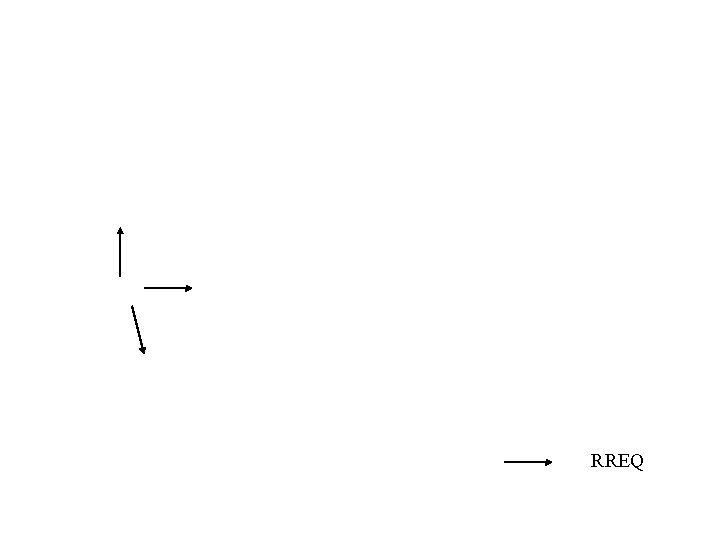
Path Discovery Initiated when a communication need arises Source node initiates path discovery by broadcasting a route request (RREQ) packet to its neighbors Every node maintains two separate counters Sequence number Broadcast-id
Path Discovery (Cont. ) A neighbor either broadcasts the RREQ to its neighbors or satisfies the RREQ by sending a RREP back to the source Later copies of the same RREQ request are discarded
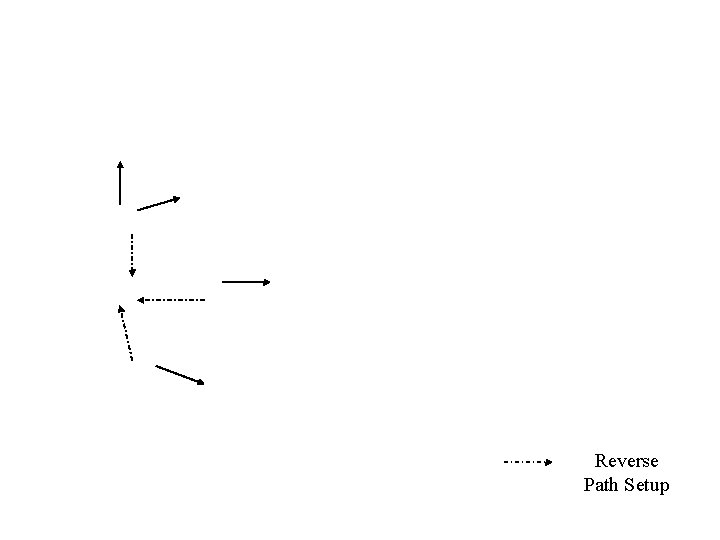
Reverse Path Setup Reverse path are automatically set-up Node records the address of the sender of RREQ Entries are discarded after a time-out period
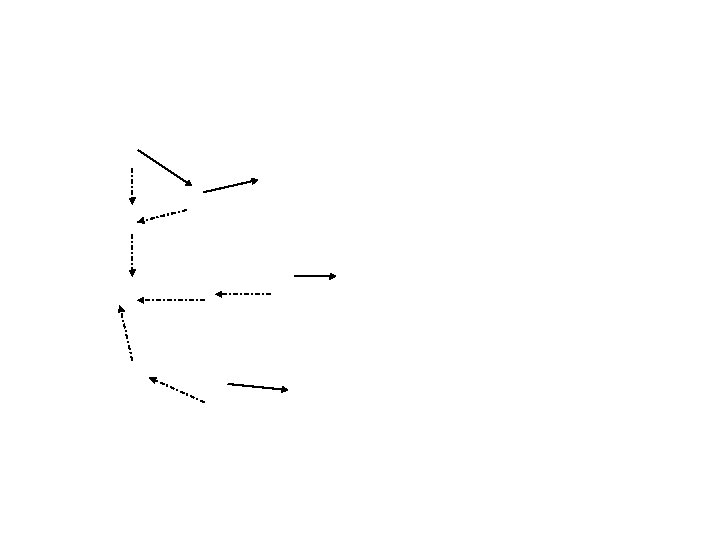
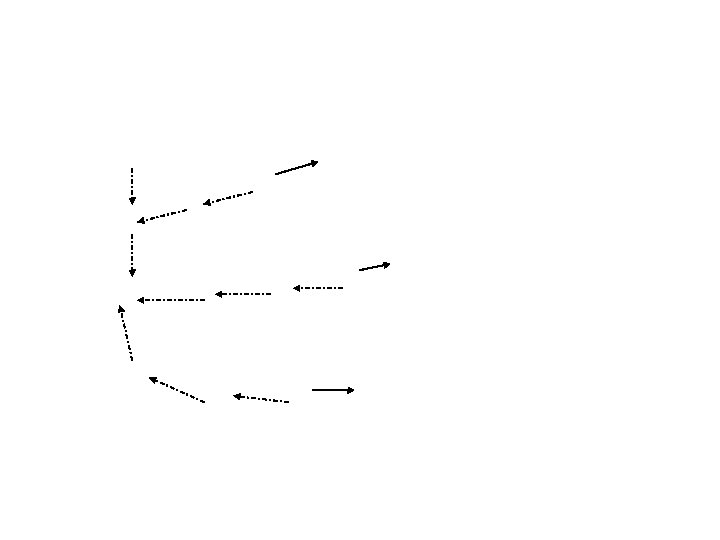
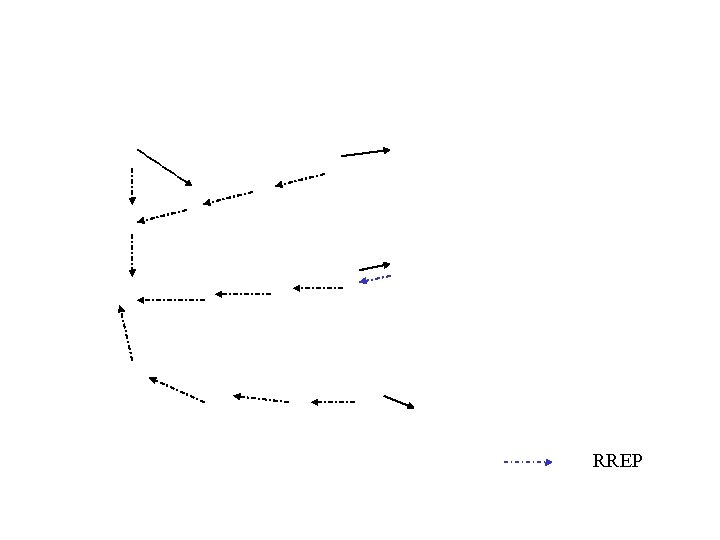
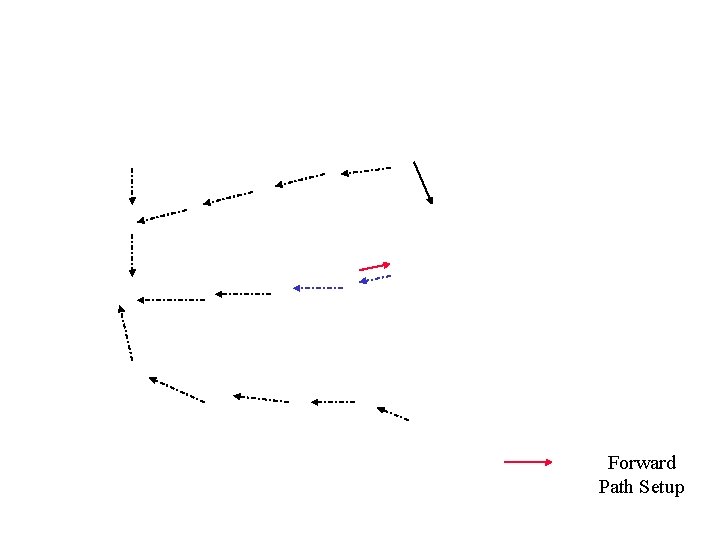
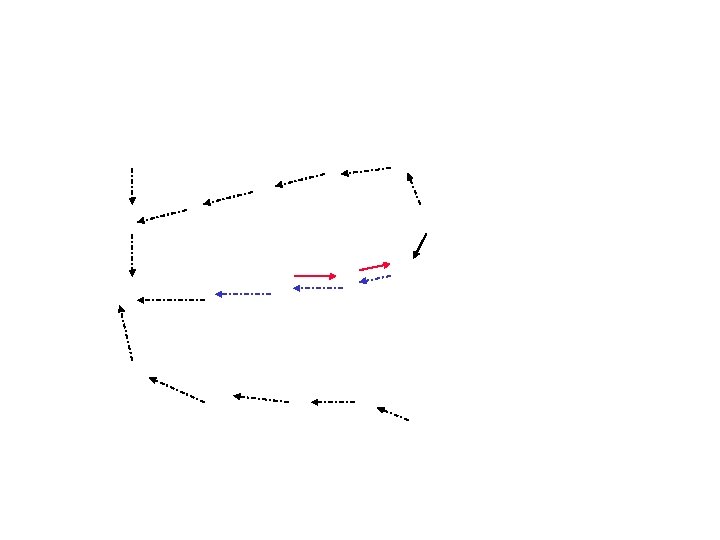
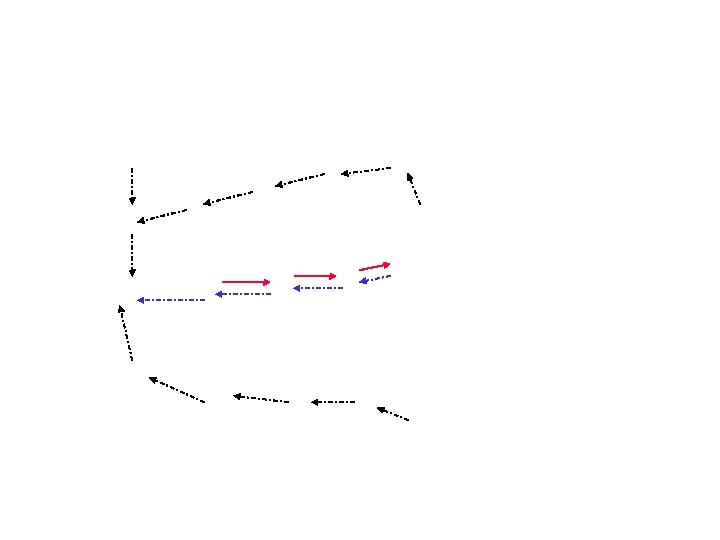
Forward Path Setup Eventually, a RREQ arrives at a node that possesses the current route for the destination (Comparison of sequence numbers) Node unicasts a route reply packet (RREP) back to the neighbor from which it received the RREQ. The RREP travels along the path established in the reverse path set-up Each node along the RREP journey sets up a forward pointer, updates time-out entries, records the destination sequence number of requested destination.
RREQ
Reverse Path Setup
RREP
Forward Path Setup
Route Table Management Soft-state maintenance of route table entries • Route request expiration timer • Route caching timeout • Active timeout period
Path Maintenance Varying effects (based on the type of node) with node movement • Nodes not on the active path => No effect • Source node => Re-initiate path discovery • Destination/Intermediate nodes => Special RREP
Conclusion • AODV -- efficient algorithm for ad-hoc networks • Highly Scalable • Need for broadcast is minimized • Quick response to link breakage in active routes • Loop free routes