
Adhering to Medical Advice Assist Prof Merve Topcu


- Slides: 15
Adhering to Medical Advice Assist. Prof. Merve Topcu PSY 411 Health Psychology Department of Psychology Çankaya University 2016 -2017, Fall 1
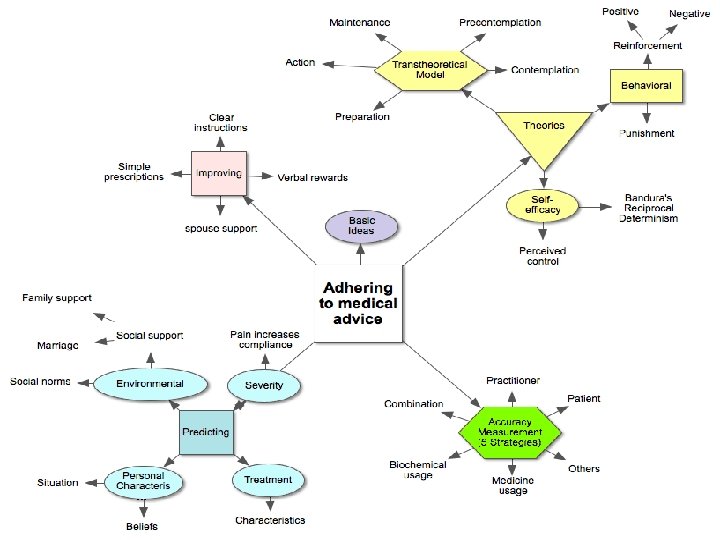
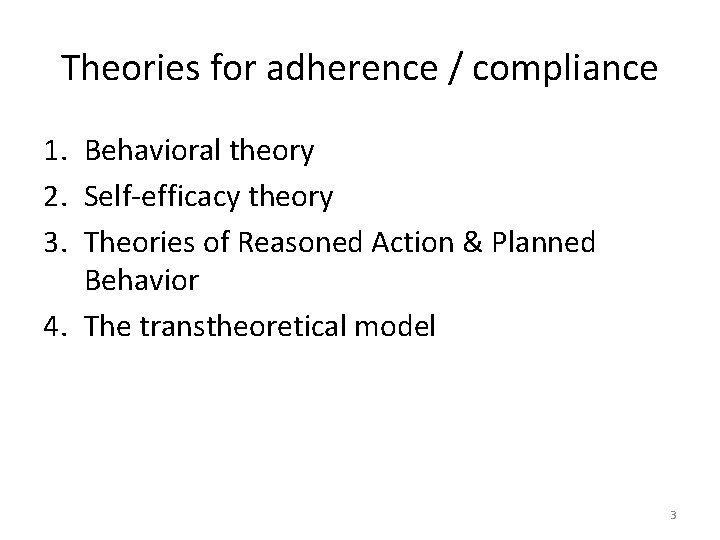
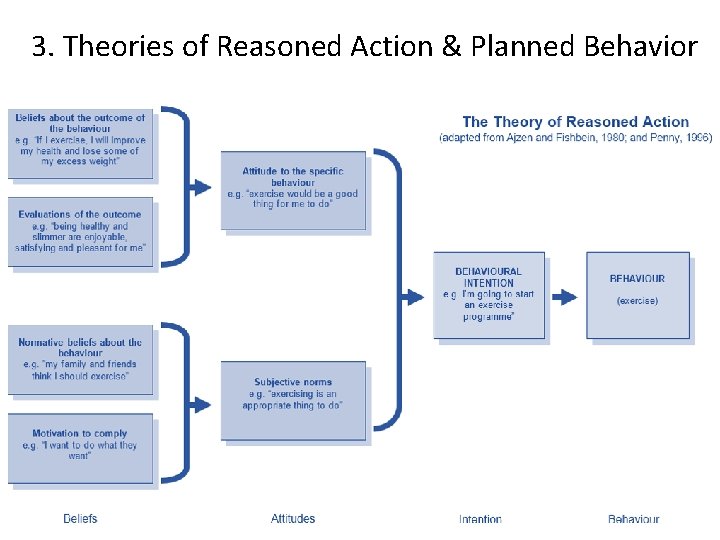
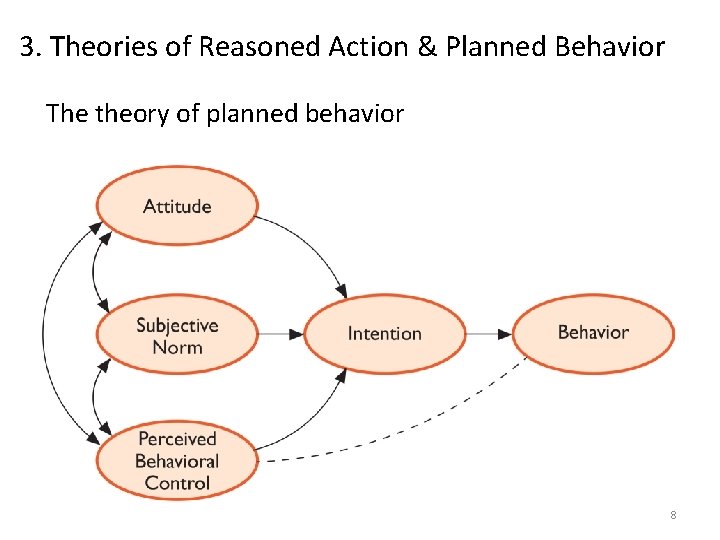
Theories for adherence / compliance 1. Behavioral theory 2. Self-efficacy theory 3. Theories of Reasoned Action & Planned Behavior 4. The transtheoretical model 3
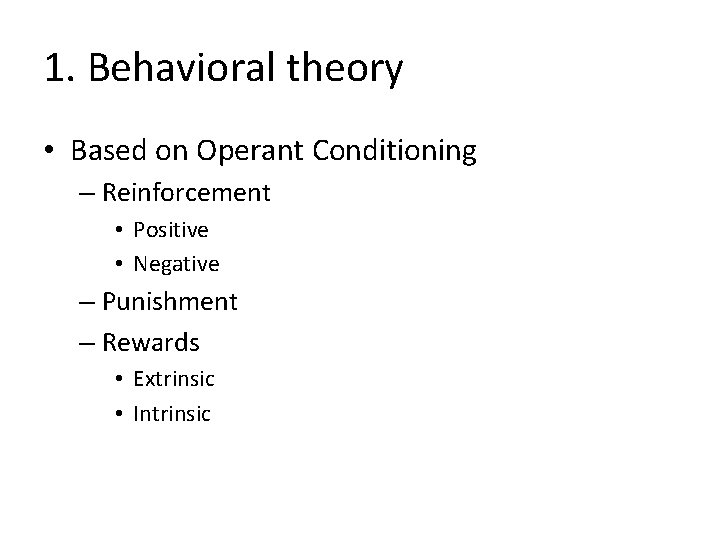
1. Behavioral theory • Based on Operant Conditioning – Reinforcement • Positive • Negative – Punishment – Rewards • Extrinsic • Intrinsic
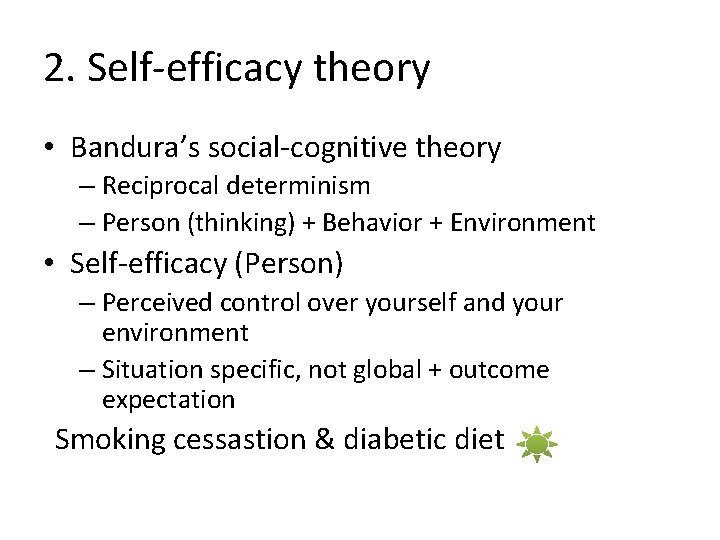
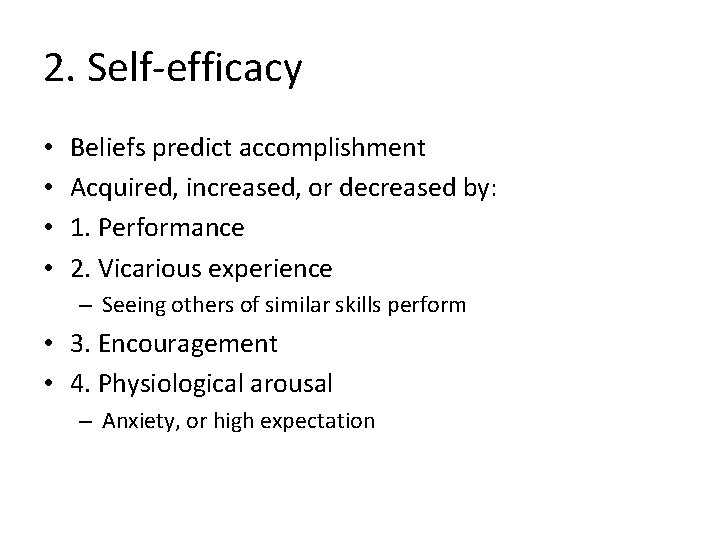
2. Self-efficacy theory • Bandura’s social-cognitive theory – Reciprocal determinism – Person (thinking) + Behavior + Environment • Self-efficacy (Person) – Perceived control over yourself and your environment – Situation specific, not global + outcome expectation Smoking cessastion & diabetic diet
2. Self-efficacy • • Beliefs predict accomplishment Acquired, increased, or decreased by: 1. Performance 2. Vicarious experience – Seeing others of similar skills perform • 3. Encouragement • 4. Physiological arousal – Anxiety, or high expectation
3. Theories of Reasoned Action & Planned Behavior 7
3. Theories of Reasoned Action & Planned Behavior The theory of planned behavior Jjjj 8
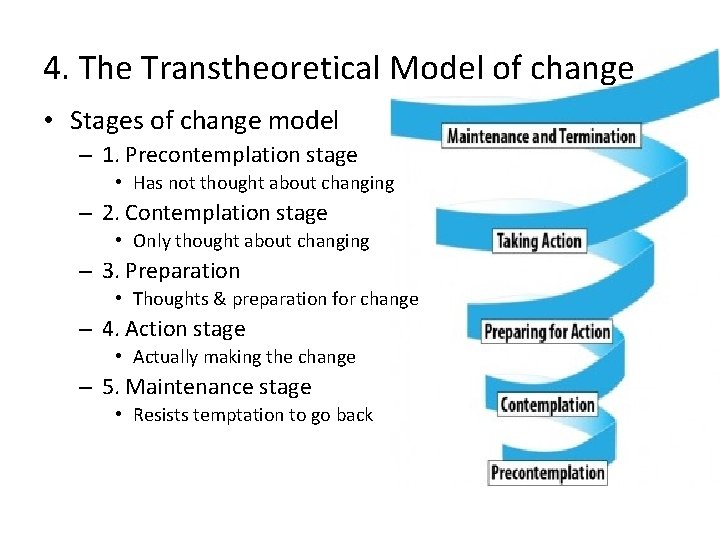
4. The Transtheoretical Model of change • Stages of change model – 1. Precontemplation stage • Has not thought about changing – 2. Contemplation stage • Only thought about changing – 3. Preparation • Thoughts & preparation for change – 4. Action stage • Actually making the change – 5. Maintenance stage • Resists temptation to go back
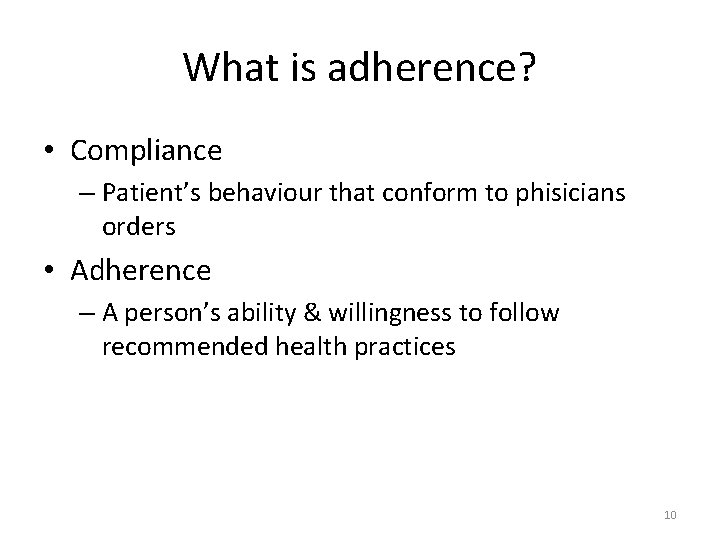
What is adherence? • Compliance – Patient’s behaviour that conform to phisicians orders • Adherence – A person’s ability & willingness to follow recommended health practices 10
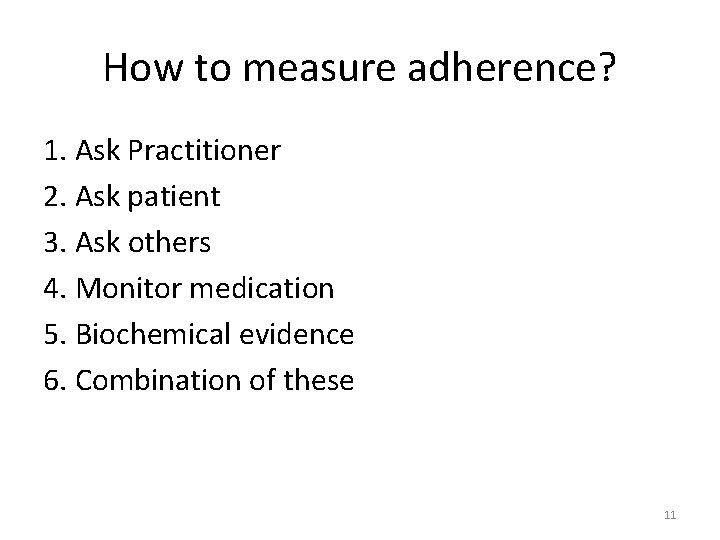
How to measure adherence? 1. Ask Practitioner 2. Ask patient 3. Ask others 4. Monitor medication 5. Biochemical evidence 6. Combination of these 11
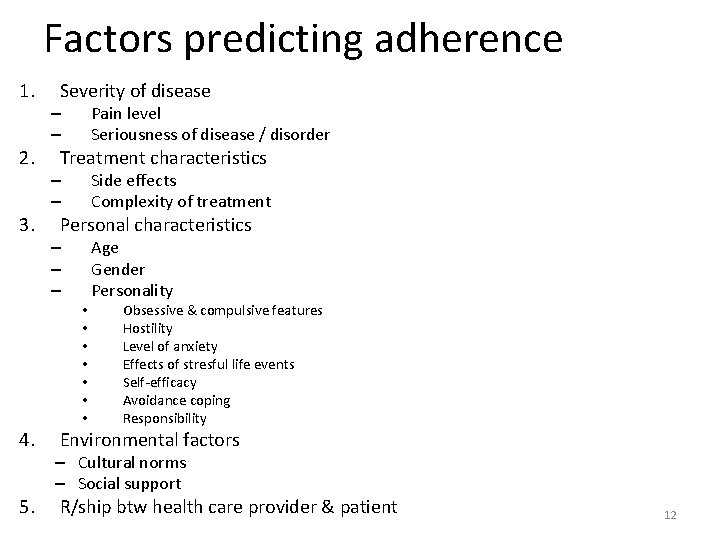
Factors predicting adherence 1. 2. 3. Severity of disease Pain level Seriousness of disease / disorder – – Treatment characteristics Side effects Complexity of treatment – – Personal characteristics – – – • • 4. 5. Age Gender Personality Obsessive & compulsive features Hostility Level of anxiety Effects of stresful life events Self-efficacy Avoidance coping Responsibility Environmental factors – Cultural norms – Social support R/ship btw health care provider & patient 12
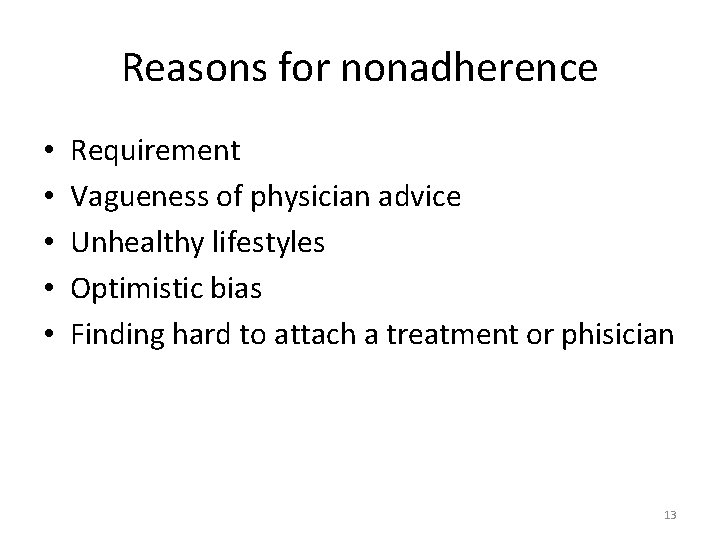
Reasons for nonadherence • • • Requirement Vagueness of physician advice Unhealthy lifestyles Optimistic bias Finding hard to attach a treatment or phisician 13
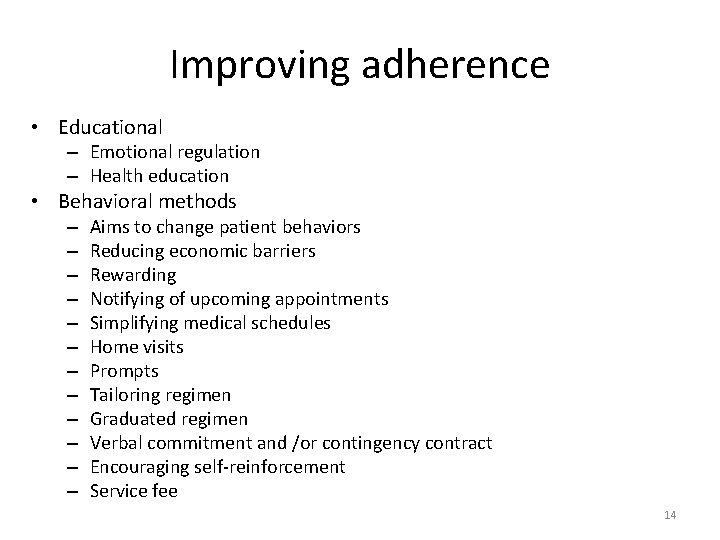
Improving adherence • Educational – Emotional regulation – Health education • Behavioral methods – – – Aims to change patient behaviors Reducing economic barriers Rewarding Notifying of upcoming appointments Simplifying medical schedules Home visits Prompts Tailoring regimen Graduated regimen Verbal commitment and /or contingency contract Encouraging self-reinforcement Service fee 14
To be continued. . . 15