
Adherence in Asthma Care Michael S Blaiss MD
Adherence in Asthma Care Michael S. Blaiss, MD Clinical Professor of Pediatrics and Medicine University of Tennessee Health Science Center Memphis, Tennessee

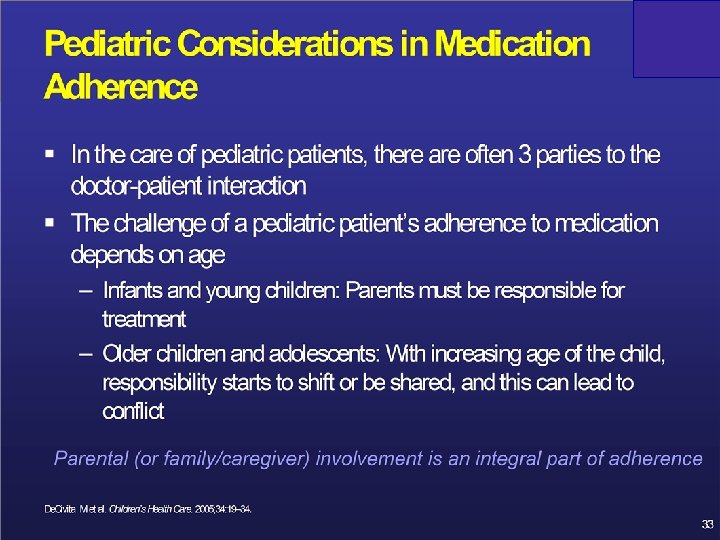
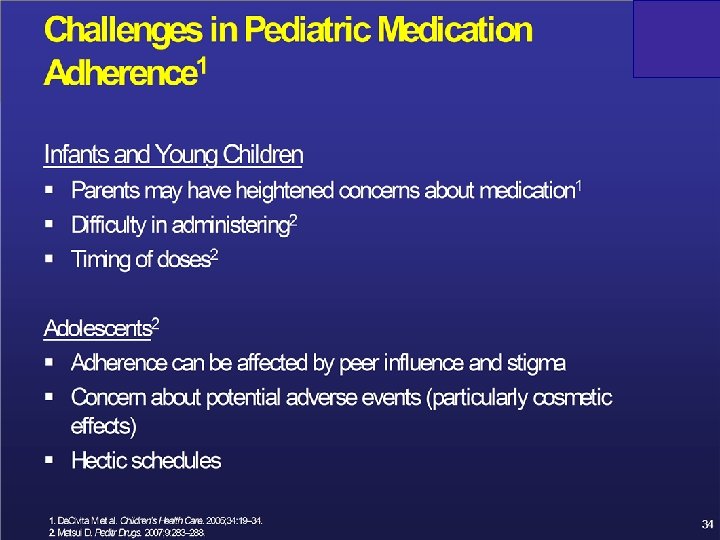
Learning Objectives • Explain how patient understanding impacts adherence • Relate how economic reality impacts the ability to comply • Learn what we can do to improve adherence in our asthma patients
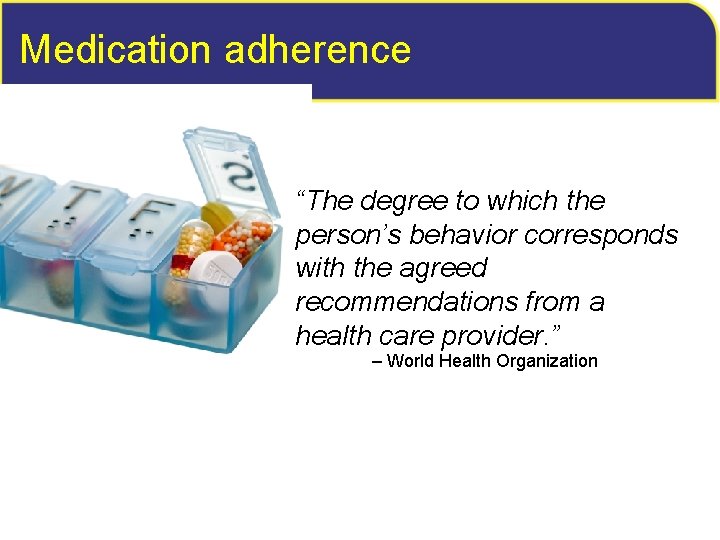
Medication adherence “The degree to which the person’s behavior corresponds with the agreed recommendations from a health care provider. ” – World Health Organization
Definitions of Adherence and Compliance • Adherence is the term used to describe the patient’s behavior of taking medications correctly – in the right dose, with the right frequency, and at the correct time • A critical aspect of adherence is the patient’s involvement in deciding whether or not to take the medications • Compliance means the patient does what he or she has been told to do by the doctor/pharmacist

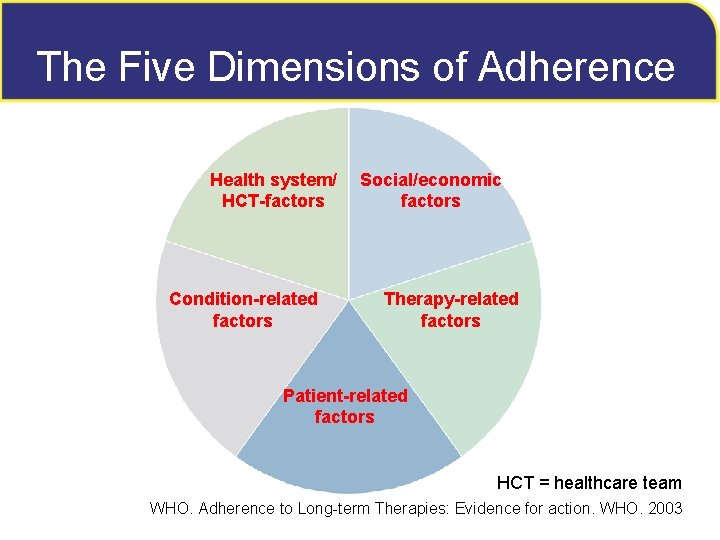
The Five Dimensions of Adherence Health system/ HCT-factors Condition-related factors Social/economic factors Therapy-related factors Patient-related factors HCT = healthcare team WHO. Adherence to Long-term Therapies: Evidence for action. WHO. 2003
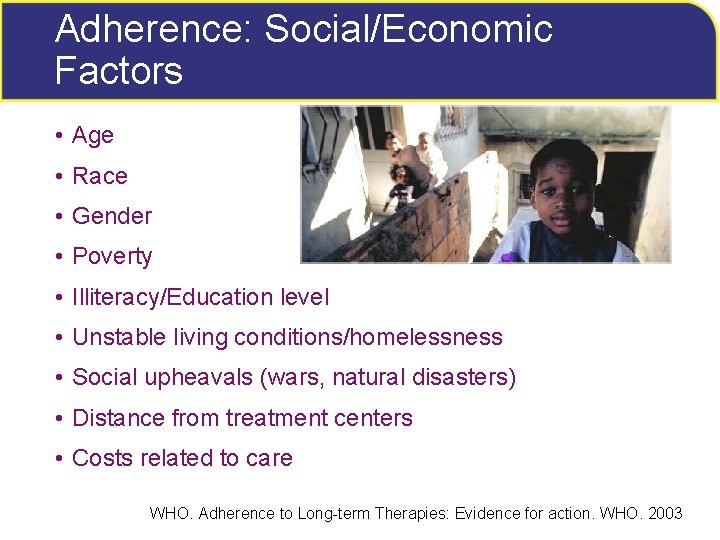
Adherence: Social/Economic Factors • Age • Race • Gender • Poverty • Illiteracy/Education level • Unstable living conditions/homelessness • Social upheavals (wars, natural disasters) • Distance from treatment centers • Costs related to care WHO. Adherence to Long-term Therapies: Evidence for action. WHO. 2003
Healthcare Team/System-Related Factors that affect adherence: • Lack of awareness and knowledge about adherence • Lack of skills/tools to assess adherence and address poor adherence • Lack of skills/tools to assist with patient behavioral change • Poor communication between healthcare team and patients • Lack of access to care • Gaps in provision of care WHO. Adherence to Long-term Therapies: Evidence for action. WHO. 2003
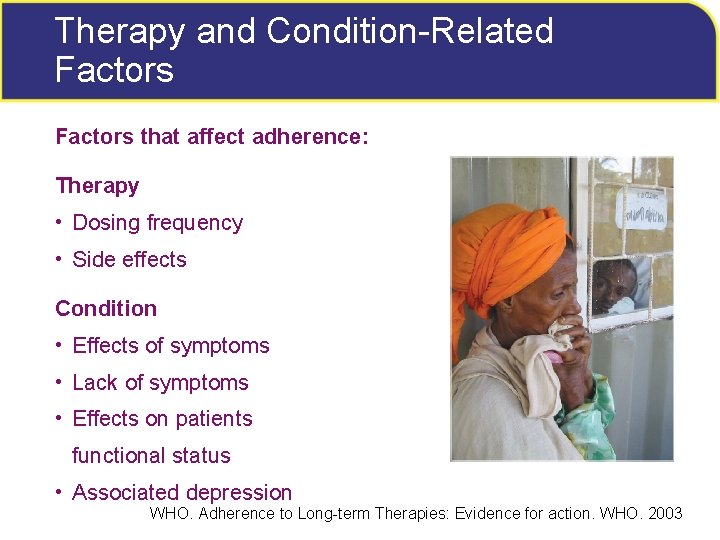
Therapy and Condition-Related Factors that affect adherence: Therapy • Dosing frequency • Side effects Condition • Effects of symptoms • Lack of symptoms • Effects on patients functional status • Associated depression WHO. Adherence to Long-term Therapies: Evidence for action. WHO. 2003
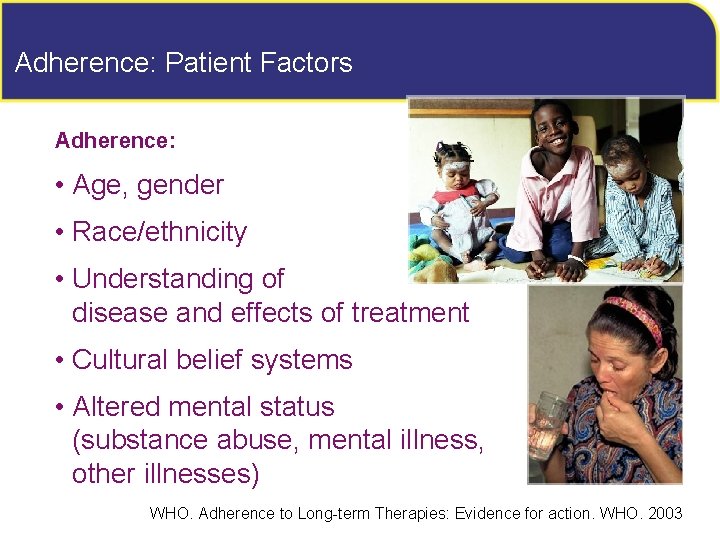
Adherence: Patient Factors Adherence: • Age, gender • Race/ethnicity • Understanding of disease and effects of treatment • Cultural belief systems • Altered mental status (substance abuse, mental illness, other illnesses) WHO. Adherence to Long-term Therapies: Evidence for action. WHO. 2003
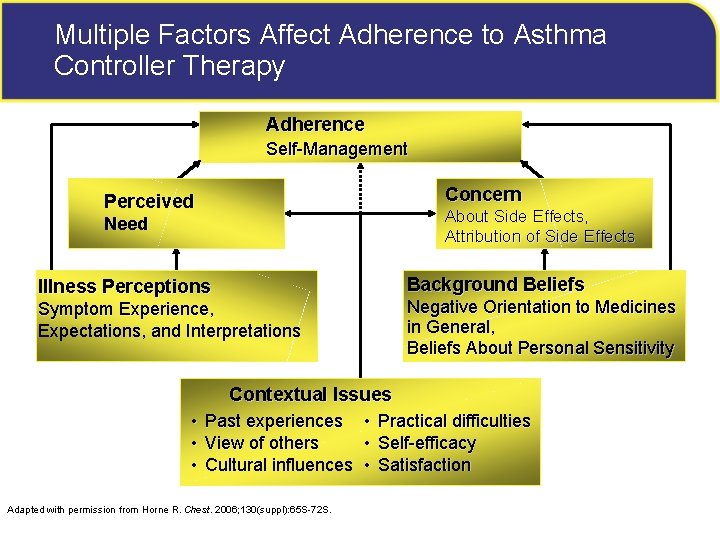
Multiple Factors Affect Adherence to Asthma Controller Therapy Adherence Self-Management Concern Perceived About Side Effects, Attribution of Side Effects Need Illness Perceptions Symptom Experience, Expectations, and Interpretations • • • Background Beliefs Negative Orientation to Medicines in General, Beliefs About Personal Sensitivity Contextual Issues Past experiences • Practical difficulties View of others • Self-efficacy Cultural influences • Satisfaction Adapted with permission from Horne R. Chest. 2006; 130(suppl): 65 S-72 S.
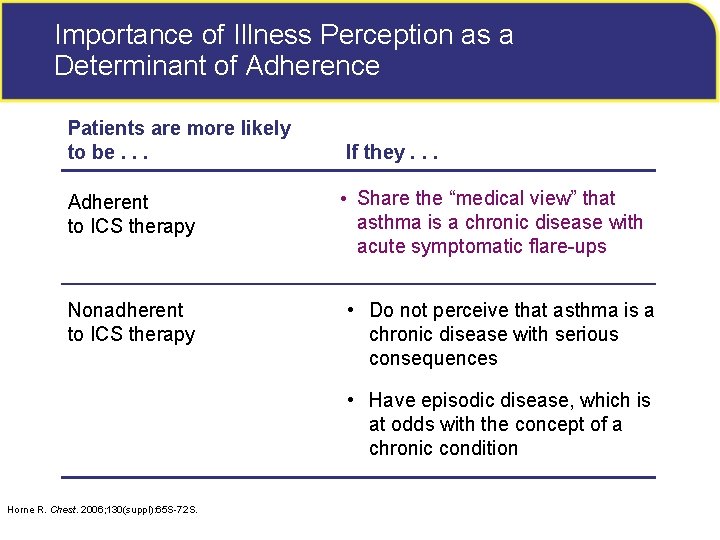
Importance of Illness Perception as a Determinant of Adherence Patients are more likely to be. . . Adherent to ICS therapy Nonadherent to ICS therapy If they. . . • Share the “medical view” that asthma is a chronic disease with acute symptomatic flare-ups • Do not perceive that asthma is a chronic disease with serious consequences • Have episodic disease, which is at odds with the concept of a chronic condition Horne R. Chest. 2006; 130(suppl): 65 S-72 S.
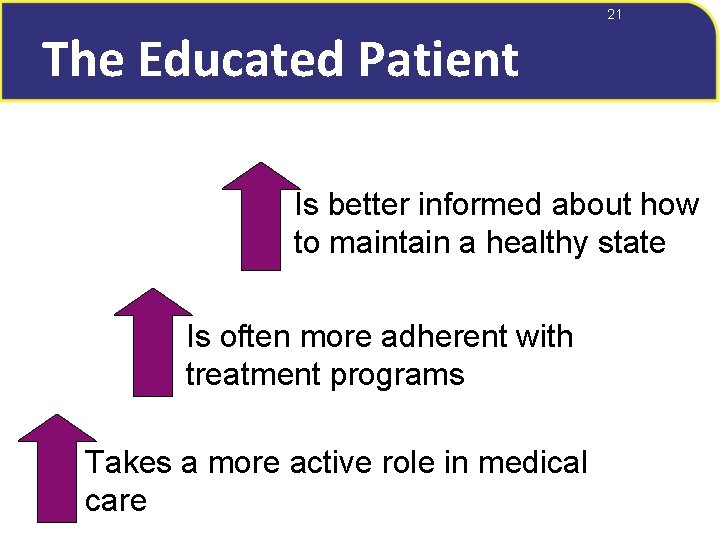
21 The Educated Patient Is better informed about how to maintain a healthy state Is often more adherent with treatment programs Takes a more active role in medical care
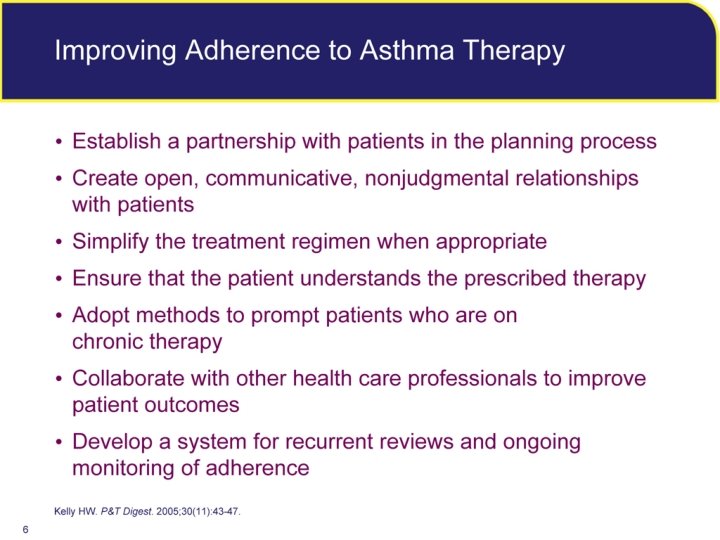
Conclusions • There are numerous factors that led to poor adherence in the treatment of asthma treatments • We need to do a better job in educating patients about their conditions and understand abilities to of patients to afford their medications
“DRUGS DON’T WORK IN PATIENTS WHO DON’T TAKE THEM. ” C. Everett Koop, M. D. Former Surgeon General of the US Osterberg & Blaschke, 2005, “Adherence to Medication” NEJM.
- Slides: 24