
ADDICTION THE BASICS Why Do People Use Drugs
ADDICTION: THE BASICS
Why Do People Use Drugs? � � � � To feel good To feel better Because others are doing it Curiosity Performance enhancement Rite of passage Religious ceremony
� � � What Drugs Are Involved in Addiction? Alcohol Tobacco Caffeine Cannabis Opioids � � � Sedatives � � � � � Barbiturates Benzodiazepines “Non-benzodiazepine” hypnotics Muscle relaxants Antihistamines Stimulants � � Drugs derived from the opium poppy seed Synthetic drugs that are similar in chemical structure to the opiates or stimulate the same receptors Cocaine Amphetamine, methamphetamine Methylphenidate Phentermine Hallucinogens Inhalants � � Gases Volatile hydrocarbons
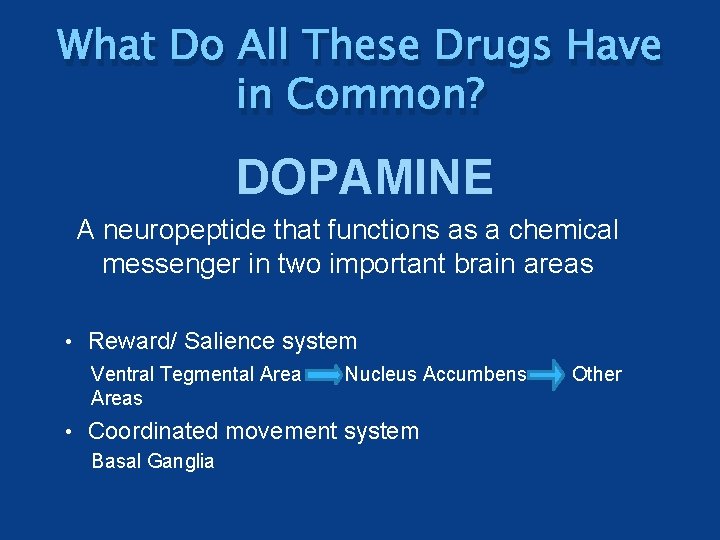
What Do All These Drugs Have in Common? DOPAMINE A neuropeptide that functions as a chemical messenger in two important brain areas • Reward/ Salience system Ventral Tegmental Areas • Nucleus Accumbens Coordinated movement system Basal Ganglia Other
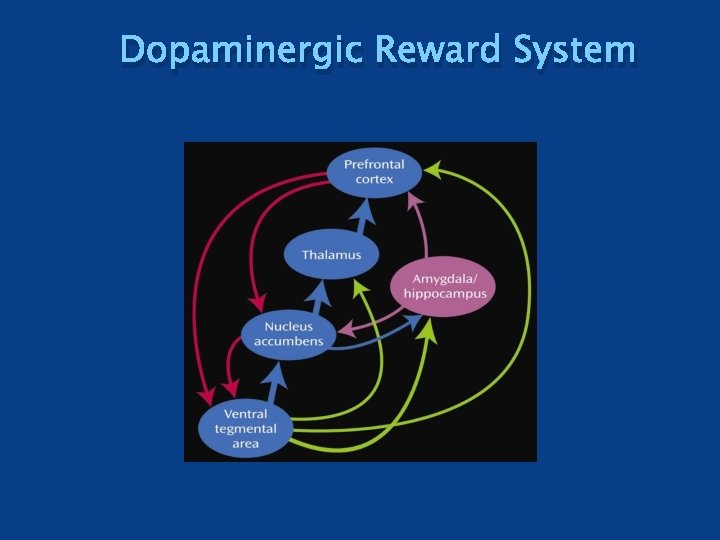
Dopaminergic Reward System
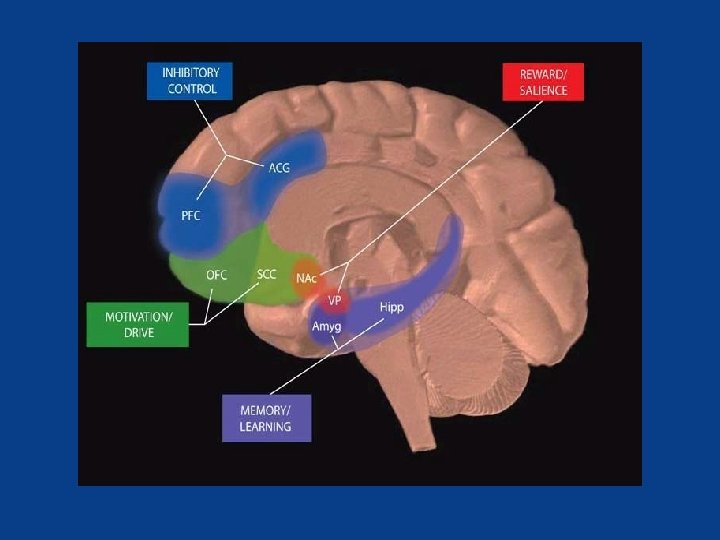
Reward System Is Vital to Survival � Stimulated when individual engages in behavior that promotes survival � Fighting � Fleeing � Feeding � Sexual � � activity Also stimulated by dopaminergic drugs that mimic these natural brain responses Very primitive part of brain

Why Do Some People Become Addicted? � Risk factors � Family history � Co-Occurring disorders � Environmental factors � Age � � Drug of choice Route of administration
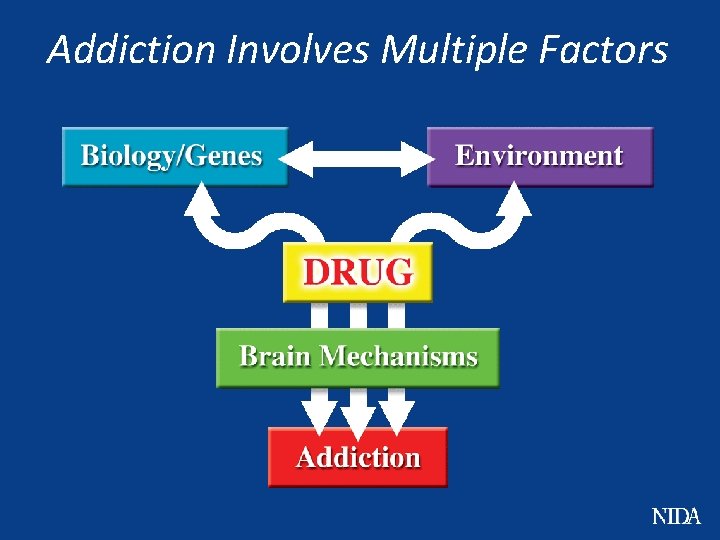
Addiction Involves Multiple Factors
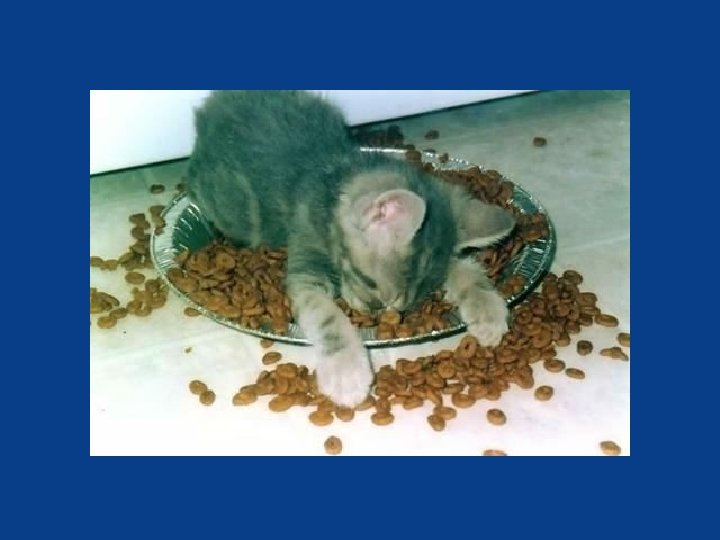
Why Is Addiction Stigmatized? � � Throughout history, we have tried to explain addiction using a moral model Persons with addiction appear to be choosing to use drugs Persons with addiction appear to be self-centered, morally bankrupt, evil, crazy or stupid One person in active addiction can ruin your whole day
In Vulnerable Individual, Drug Use Leads to Brain Modification § § § Changes in receptor sensitivity Changes in brain stores of neurotransmitters Changes in balance of neurotransmitters Changes in memory functions and affect Modifications in cortical structures and function Behavior and thinking changes in response to these brain changes
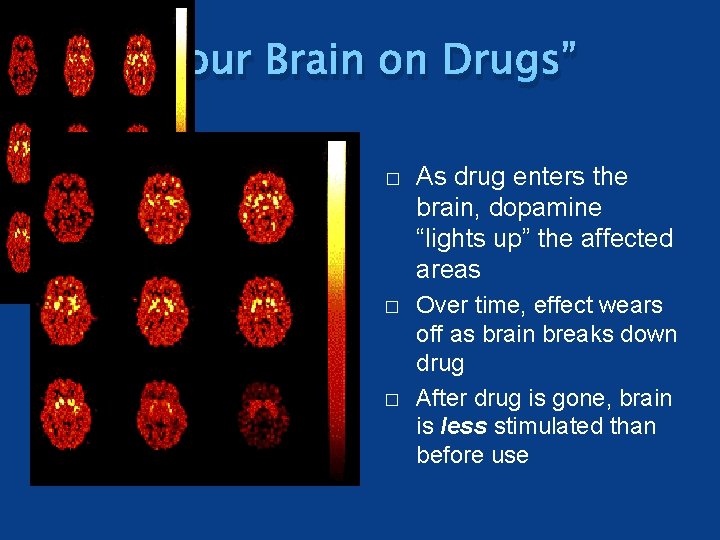
“Your Brain on Drugs” � � � As drug enters the brain, dopamine “lights up” the affected areas Over time, effect wears off as brain breaks down drug After drug is gone, brain is less stimulated than before use
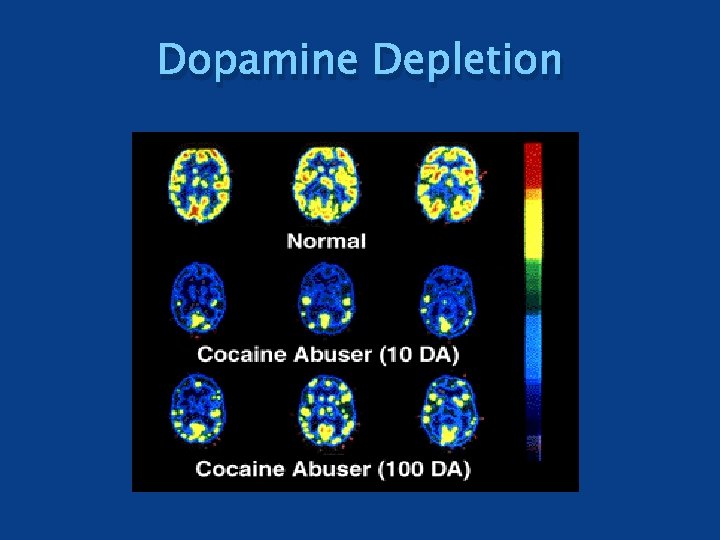
Dopamine Depletion
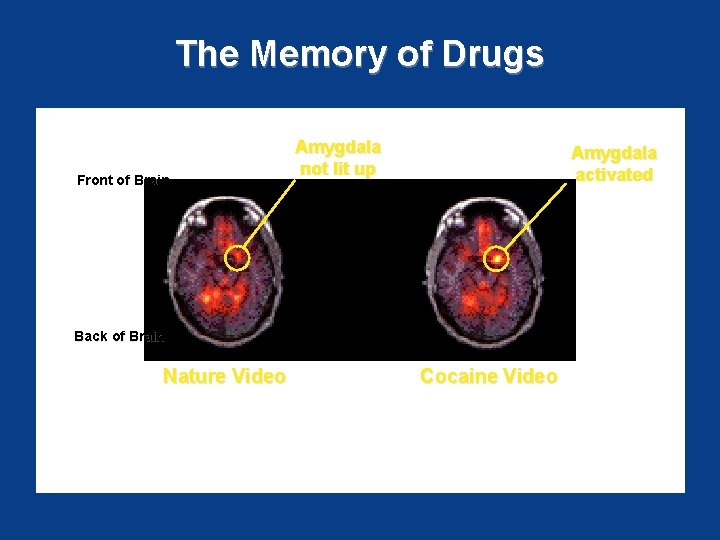
The Memory of Drugs Front of Brain Amygdala not lit up Amygdala activated Back of Brain Nature Video Cocaine Video
Changes in Thinking and Behavior � Early stages � Pathological attachment � Denial � Multiple � attempts to, promises to control, stop Later stages � Memory alterations and mood aberrations � Loss of Impulse control � Impairment of judgment � Loss of drive, motivation
Keys to Working Effectively with Addicted Persons � � � Remember that, in active addiction, the primitive brain is dominating Just because a person didn’t use drugs today, it doesn’t mean that his/her brain is not chemically affected (it can take many months to years for this to change) The person in active addiction or early recovery is “not playing with a full deck!”
- Slides: 18