
Adaptive Pathways for the Future Indigenous Peoples Traditional
- Slides: 19
Adaptive Pathways for the Future: Indigenous Peoples, Traditional Knowledge and Climate Change Kirsty Galloway Mc. Lean United Nations University Traditional Knowledge Initiative 2010 International Climate Change Adaptation Conference, 1 July 2010
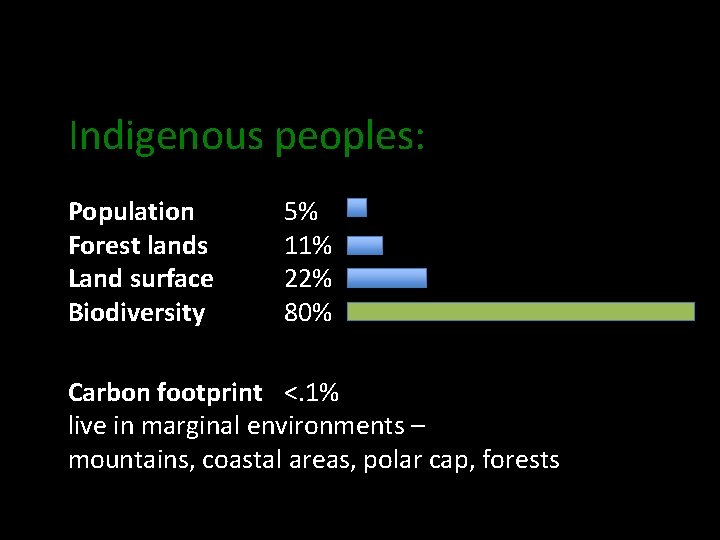
Indigenous peoples: Population Forest lands Land surface Biodiversity 5% 11% 22% 80% Carbon footprint <. 1% live in marginal environments – mountains, coastal areas, polar cap, forests
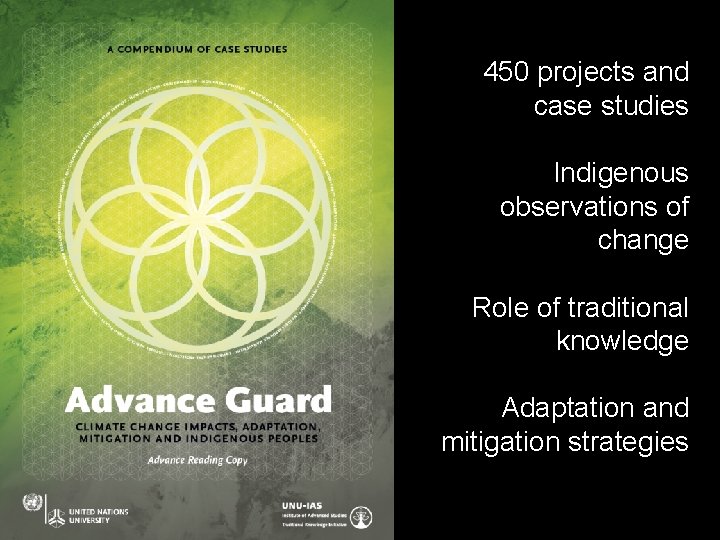
450 projects and case studies Indigenous observations of change Role of traditional knowledge Adaptation and mitigation strategies
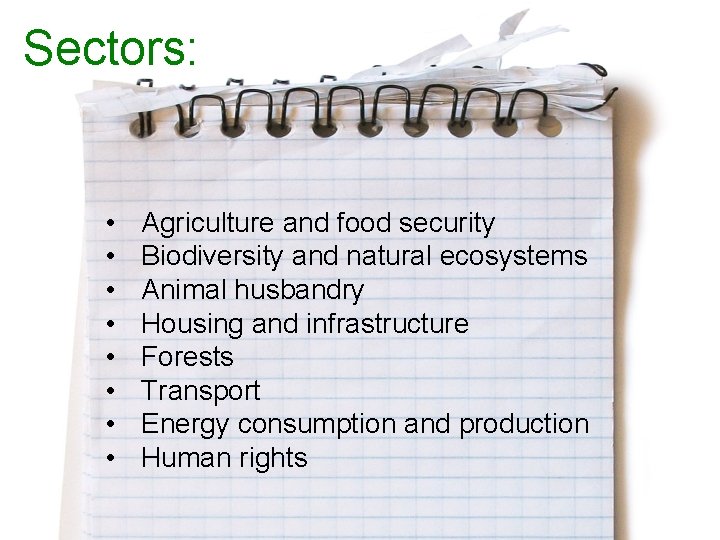
Sectors: • • Agriculture and food security Biodiversity and natural ecosystems Animal husbandry Housing and infrastructure Forests Transport Energy consumption and production Human rights
The majority of successful adaptive strategies rely in some way on traditional ecological knowledge
Traditional knowledge: Knowledge, innovations and practices of Indigenous Peoples Intergenerational transmission of knowledge over thousands of years History of effective response to changing climate
Changes in hunting and gathering periods Crop diversification Shifting resource bases
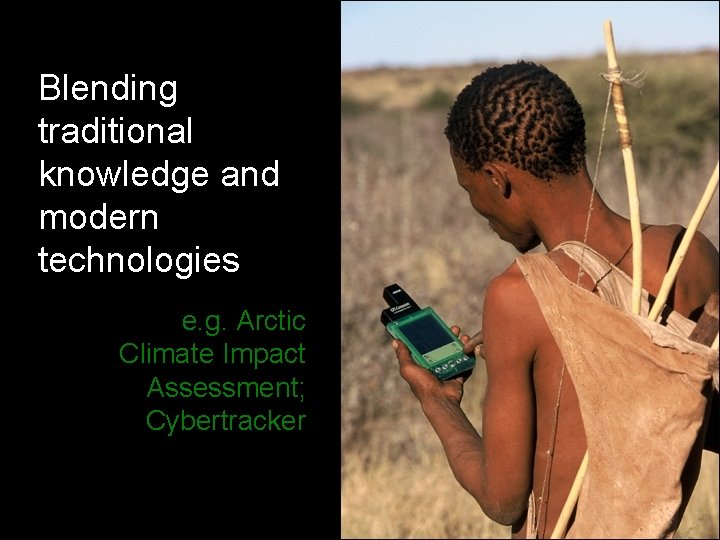
Blending traditional knowledge and modern technologies e. g. Arctic Climate Impact Assessment; Cybertracker
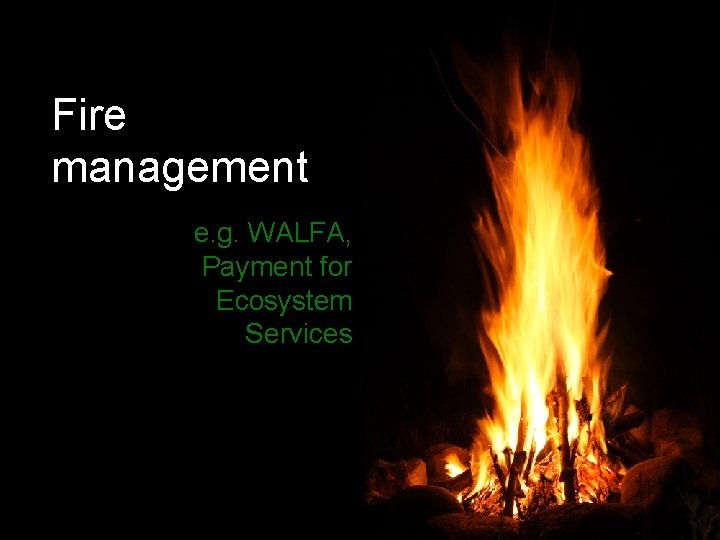
Fire management e. g. WALFA, Payment for Ecosystem Services
traditional wisdom + scientific method = new partnerships + innovative ways of thinking
What do we need to change?
We urgently need to generate, interpret and use information…
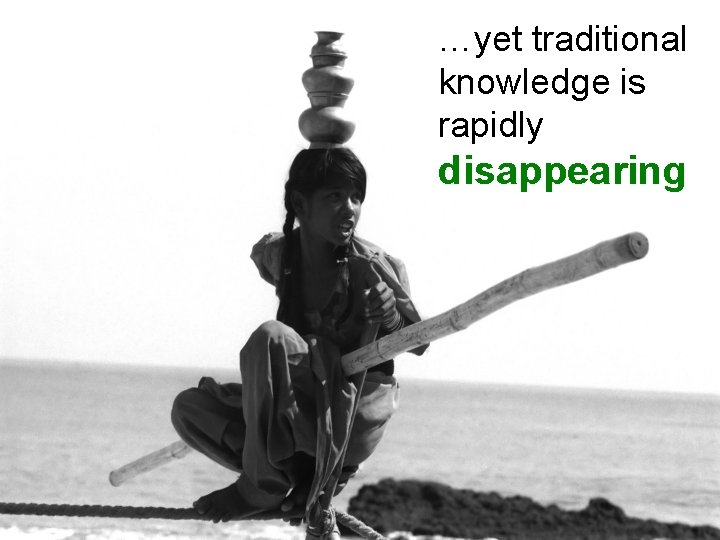
…yet traditional knowledge is rapidly disappearing
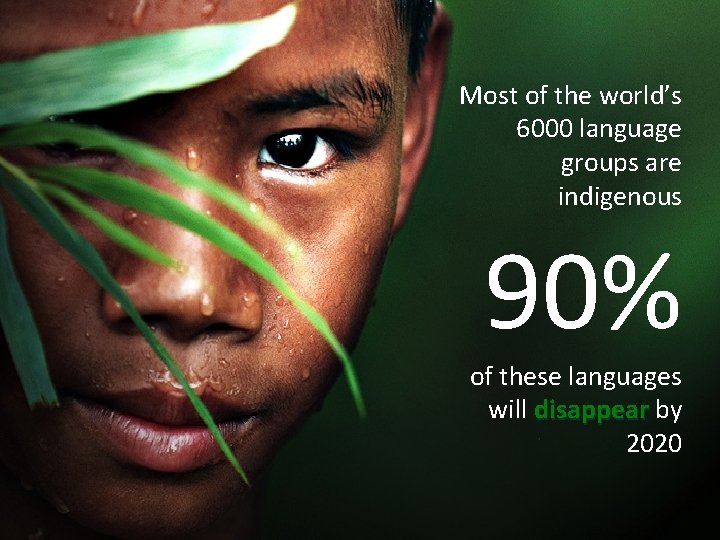
Most of the world’s 6000 language groups are indigenous 90% of these languages will disappear by 2020
Global modeling outputs / structure Improve understanding impact / response to change at local level
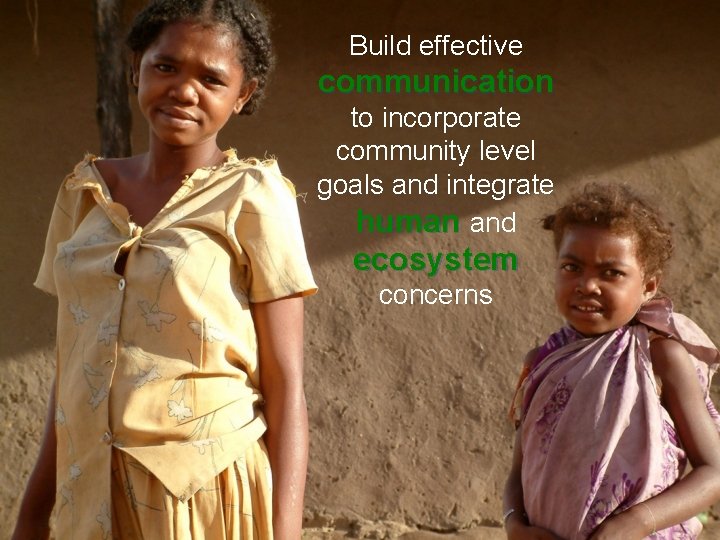
Build effective communication to incorporate community level goals and integrate human and ecosystem concerns
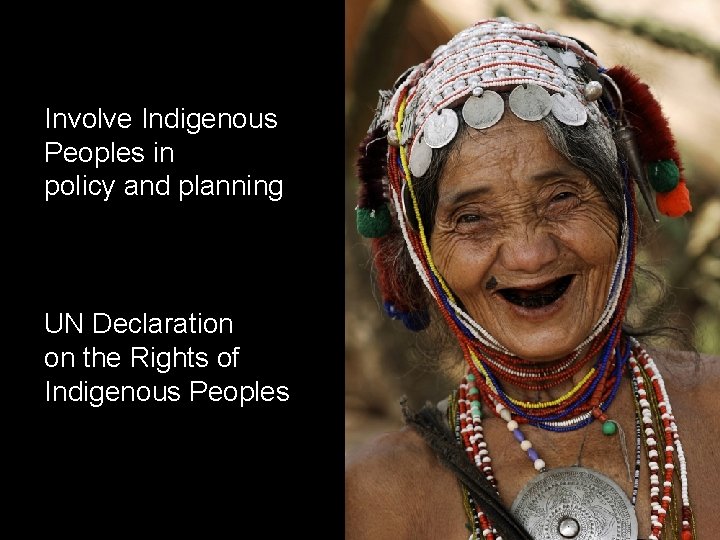
Involve Indigenous Peoples in policy and planning UN Declaration on the Rights of Indigenous Peoples
Published late July 2010 Requests: tki@ias. unu. edu Advance reading copy currently available for download http: //www. unutki. org/news. php? news_id=92&doc_id=101
UNU-IAS TKI Building 1, Level 3, Red Precinct Charles Darwin University Casuarina Campus Ellengowan Drive Darwin, NT 0909 Australia Tel: Fax: E-mail: Web: +61 -8 -8946 -6792 / 7652 +61 -8 -8946 -7720 tki@ias. unu. edu http: //www. unutki. org | http: //ias. unu. edu