
Adaptations and Modifications Power Point Created by Specially

Adaptations and Modifications Power. Point Created by: Specially Designed Education Services info@sdesworks. com www. styer-fitzgerald. com 1
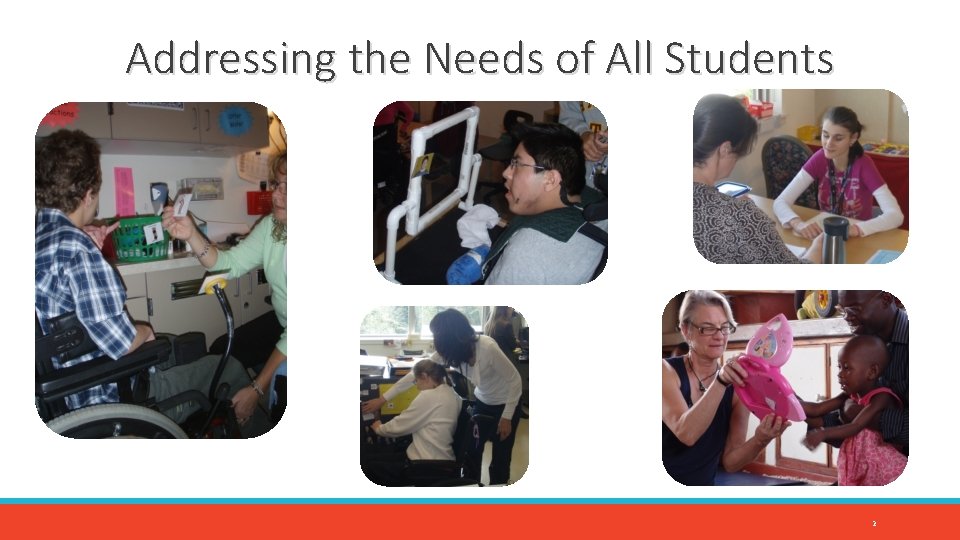
Addressing the Needs of All Students 2

Appropriate Adaptations and Modifications § Enlarge materials. § Use contrasting colors for students with visual impairments. § Change the position of the materials so students can touch or gaze at the answer. For example: § Use a yardstick and Velcro to present 3 choices. § Use an eye gaze and position accordingly. § Minimize distracters (use 2 choices instead of 3). § Reduce work periods (short work sessions throughout the day). § Determine the appropriate sections to teach individual students (if a student can’t hold a pencil, skip the writing section). 3
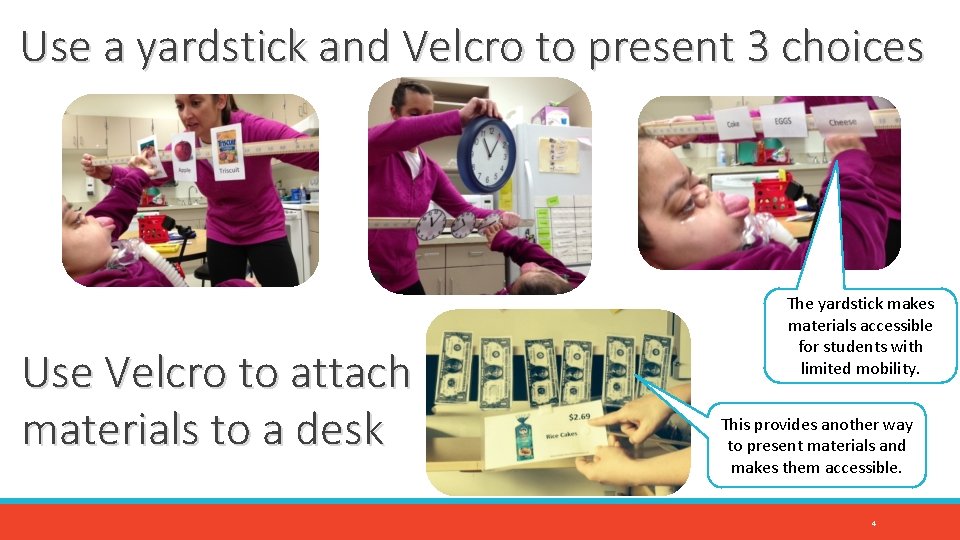
Use a yardstick and Velcro to present 3 choices Use Velcro to attach materials to a desk The yardstick makes materials accessible for students with limited mobility. This provides another way to present materials and makes them accessible. 4
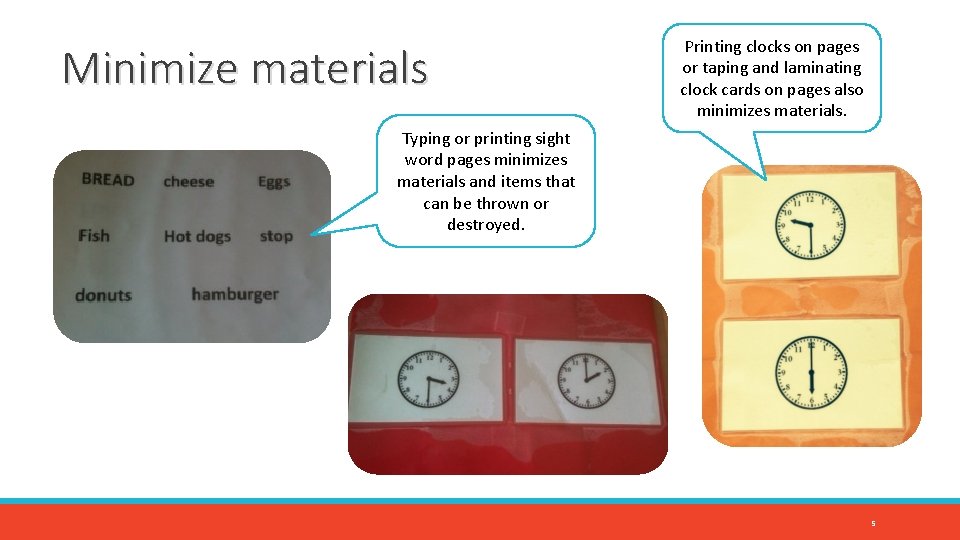
Minimize materials Printing clocks on pages or taping and laminating clock cards on pages also minimizes materials. Typing or printing sight word pages minimizes materials and items that can be thrown or destroyed. 5
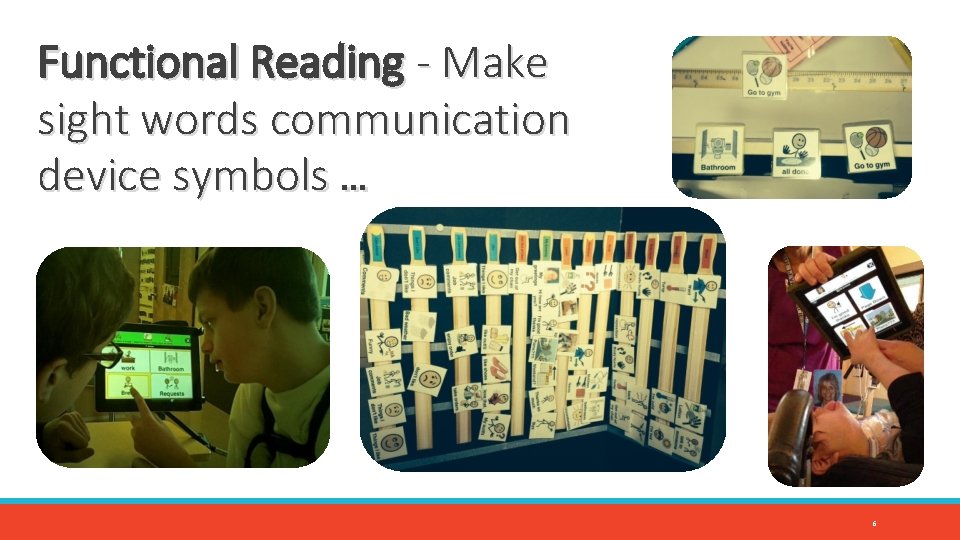
Functional Reading - Make sight words communication device symbols … 6
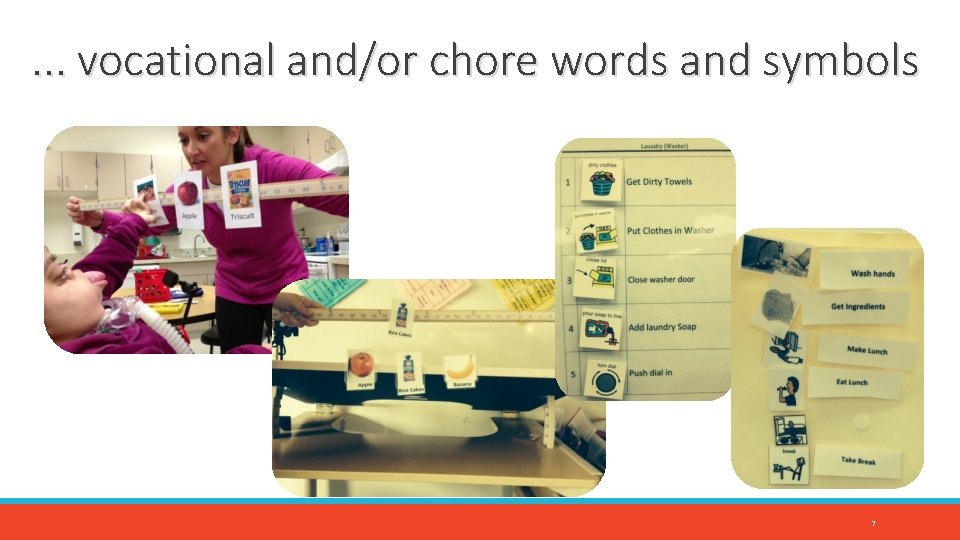
. . . vocational and/or chore words and symbols 7
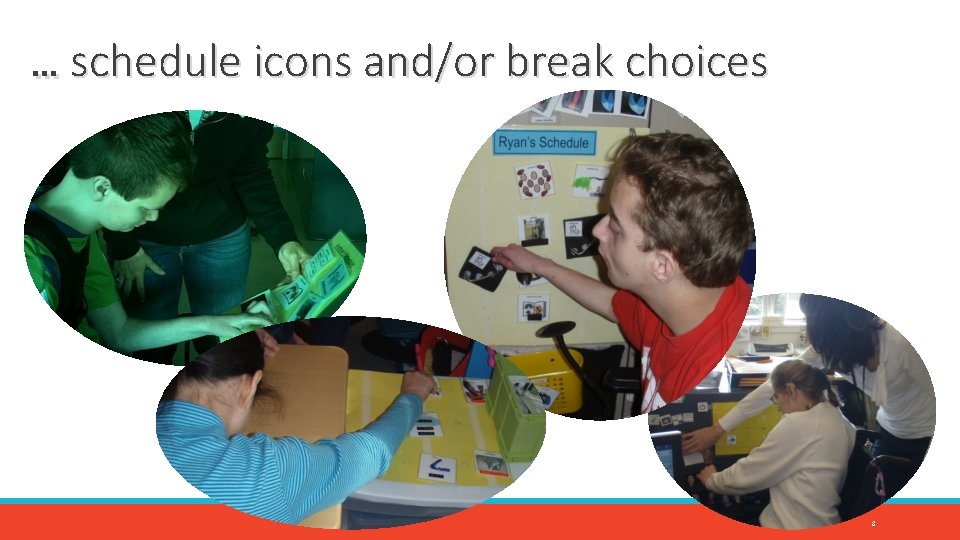
… schedule icons and/or break choices 8
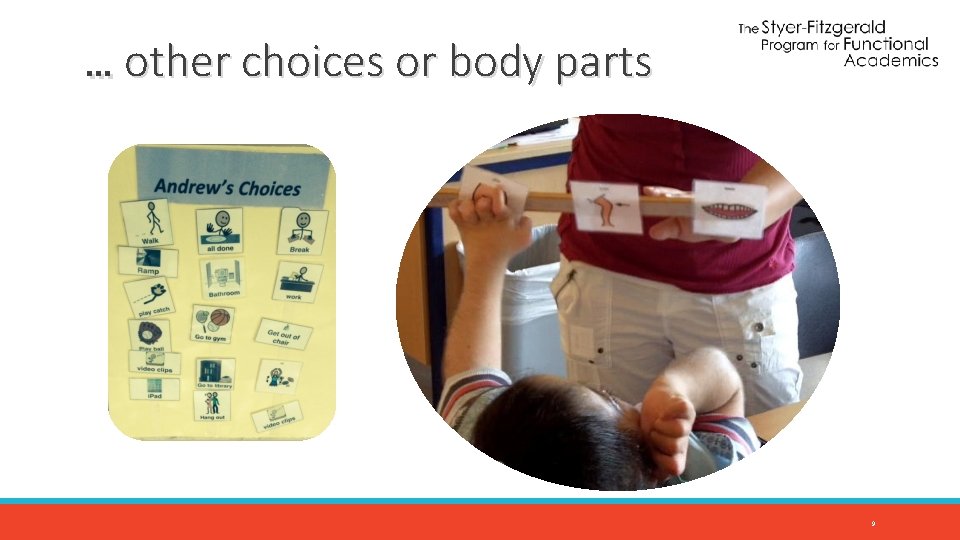
… other choices or body parts 9
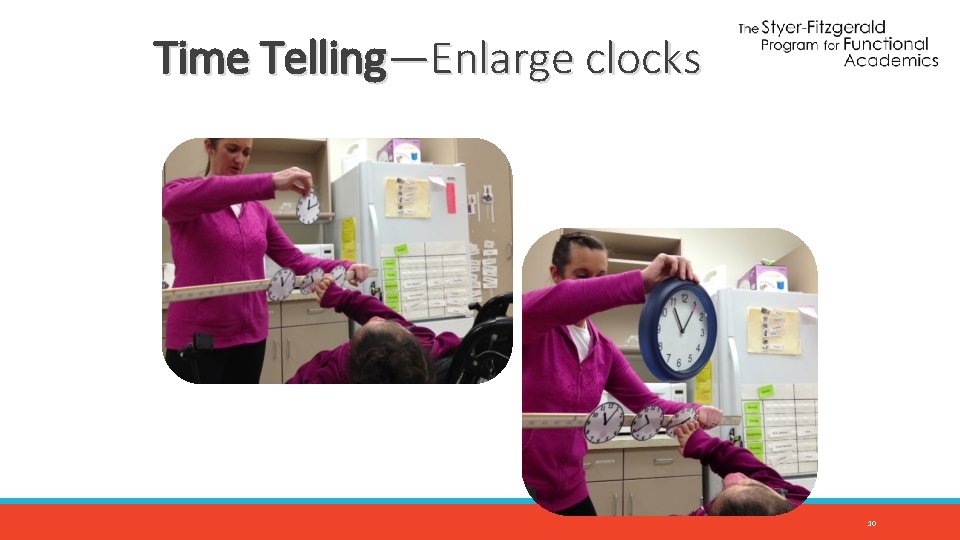
Time Telling—Enlarge clocks 10
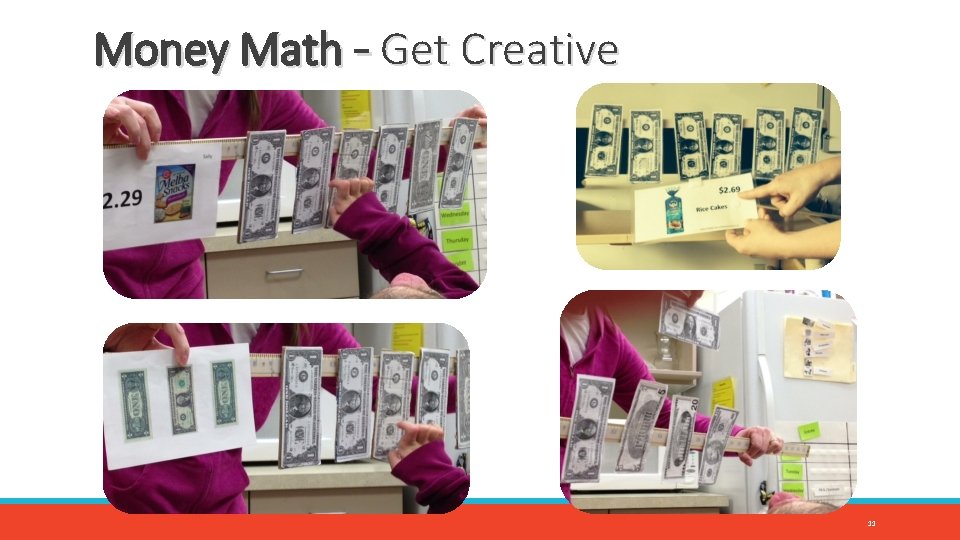
Money Math – Get Creative 11
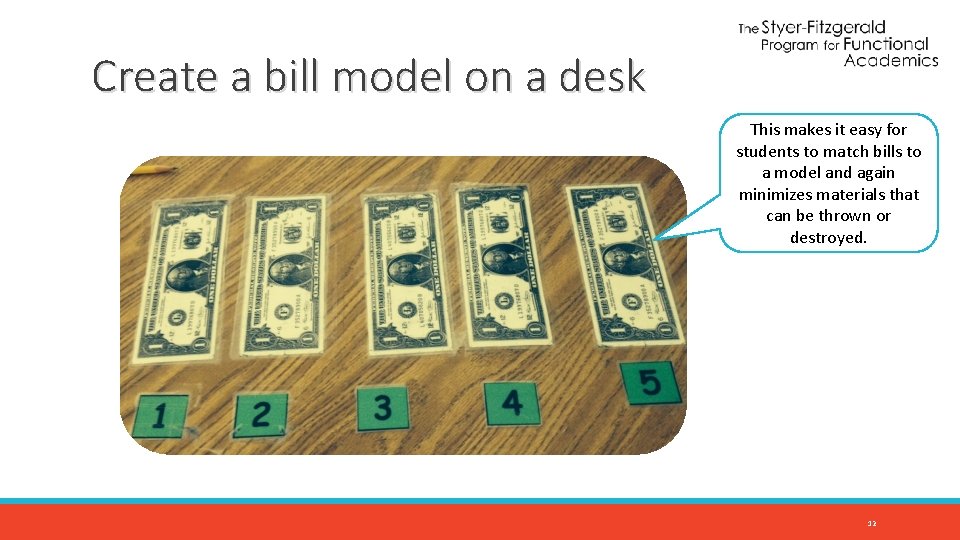
Create a bill model on a desk This makes it easy for students to match bills to a model and again minimizes materials that can be thrown or destroyed. 12
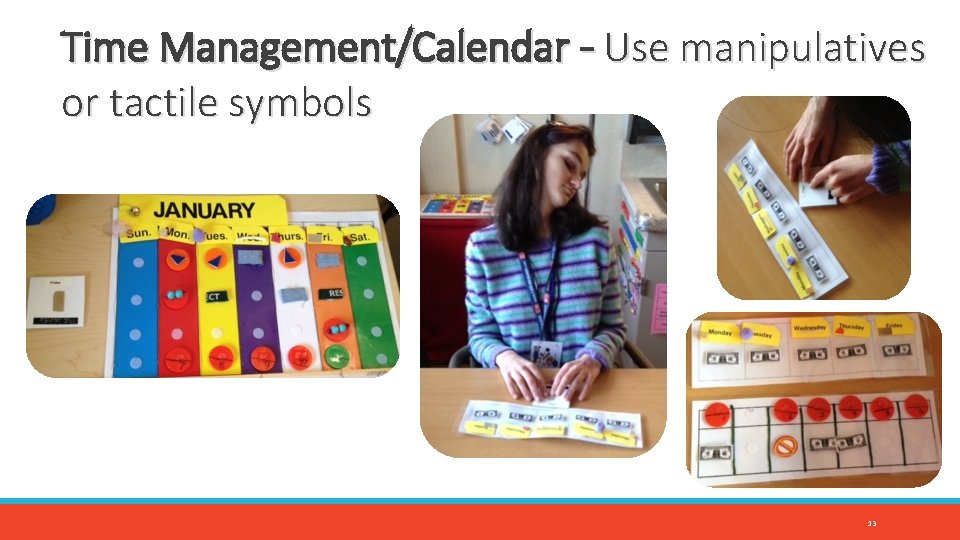
Time Management/Calendar – Use manipulatives or tactile symbols 13
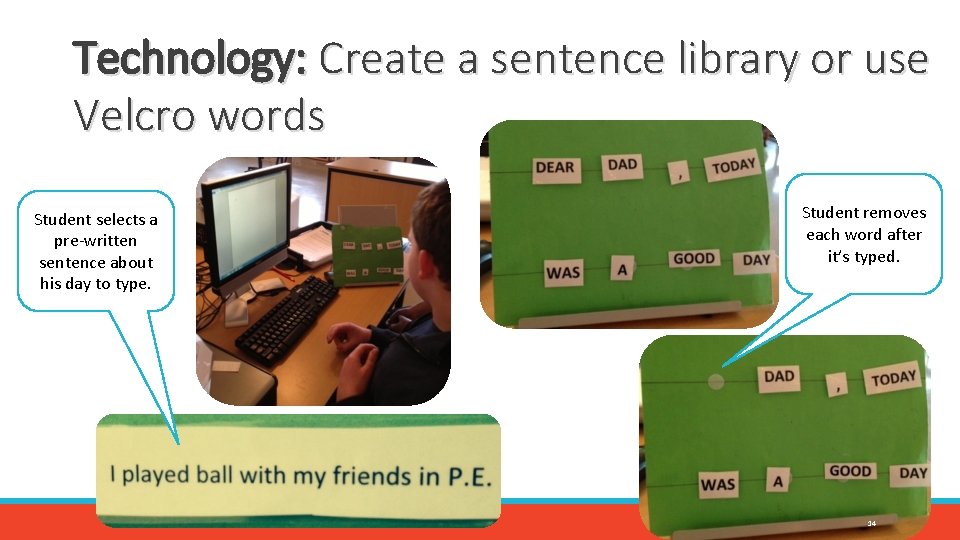
Technology: Create a sentence library or use Velcro words Student selects a pre-written sentence about his day to type. Student removes each word after it’s typed. 14
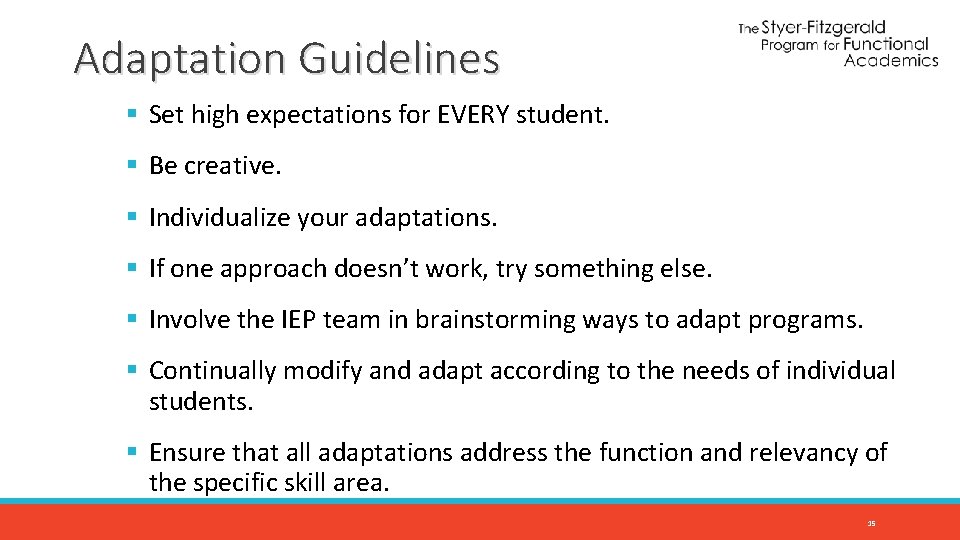
Adaptation Guidelines § Set high expectations for EVERY student. § Be creative. § Individualize your adaptations. § If one approach doesn’t work, try something else. § Involve the IEP team in brainstorming ways to adapt programs. § Continually modify and adapt according to the needs of individual students. § Ensure that all adaptations address the function and relevancy of the specific skill area. 15

Questions? info@sdesworks. com www. styer-fitzgerald. com 16
- Slides: 16