
Adaptation to the anthropogenic environment Domestication and Breeds
Adaptation to the anthropogenic environment Domestication and Breeds
The growing human population has changed planet Earth’s environment.
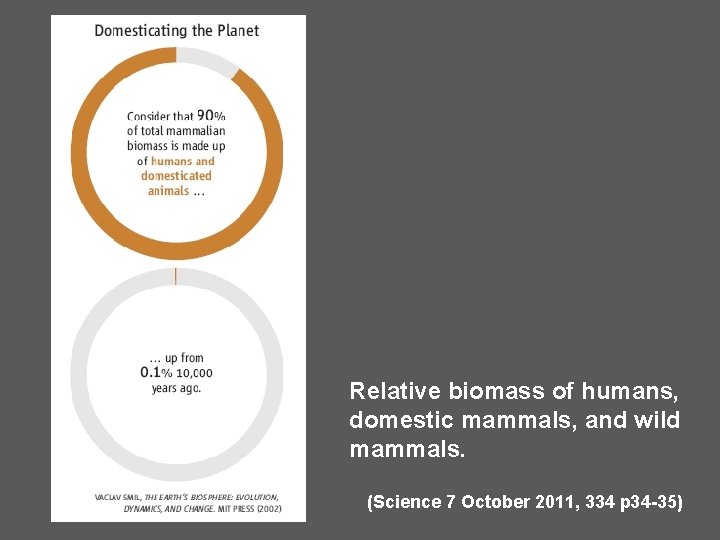
Relative biomass of humans, domestic mammals, and wild mammals. (Science 7 October 2011, 334 p 34 -35)

Humans are increasingly exerting control over Earth’s fresh water through reservoirs, dams, and canals. (Science 7 October 2011, 334 p 34 -35. )
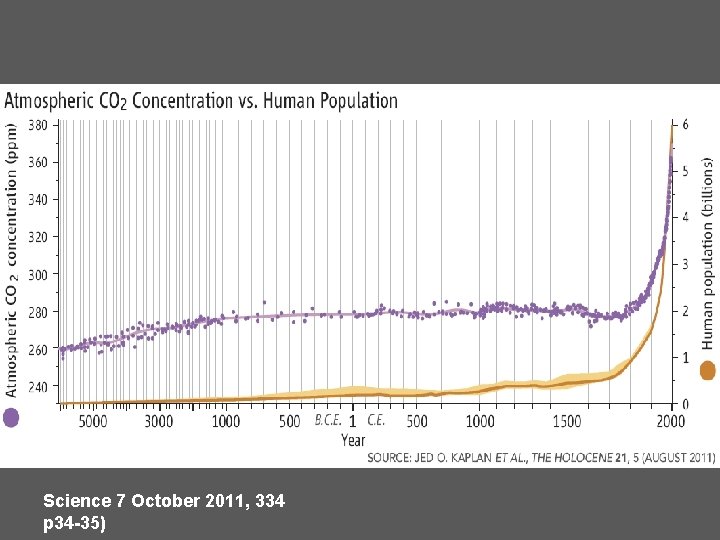
Science 7 October 2011, 334 p 34 -35)
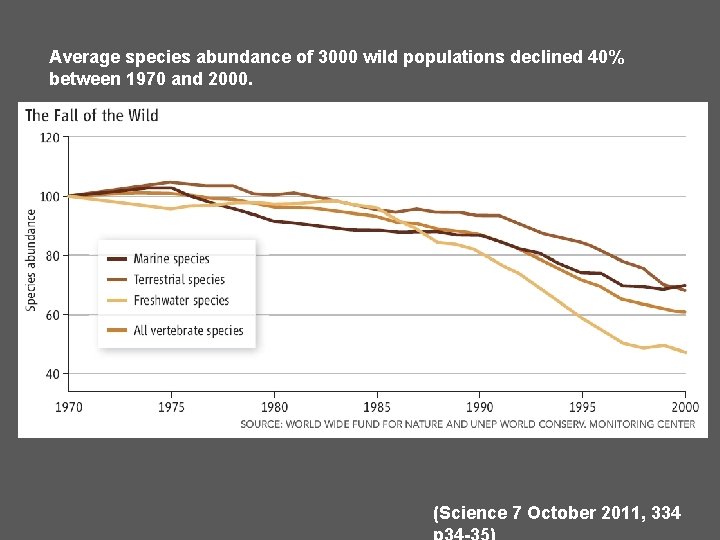
Average species abundance of 3000 wild populations declined 40% between 1970 and 2000. (Science 7 October 2011, 334
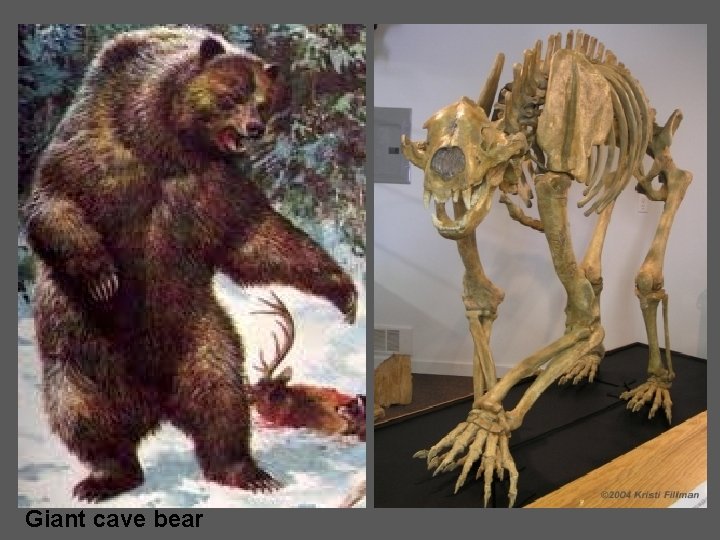
Giant cave bear
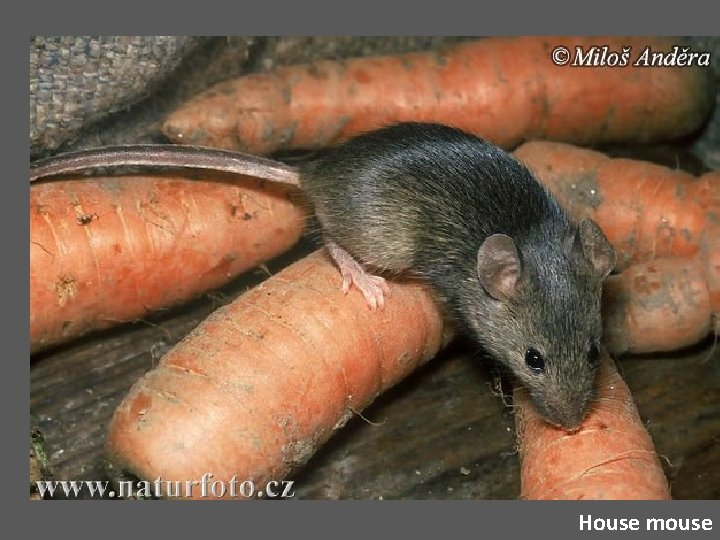
House mouse
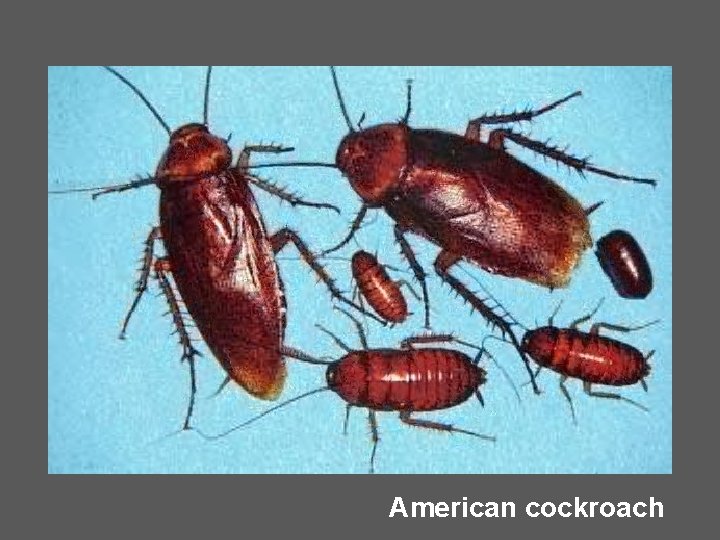
American cockroach
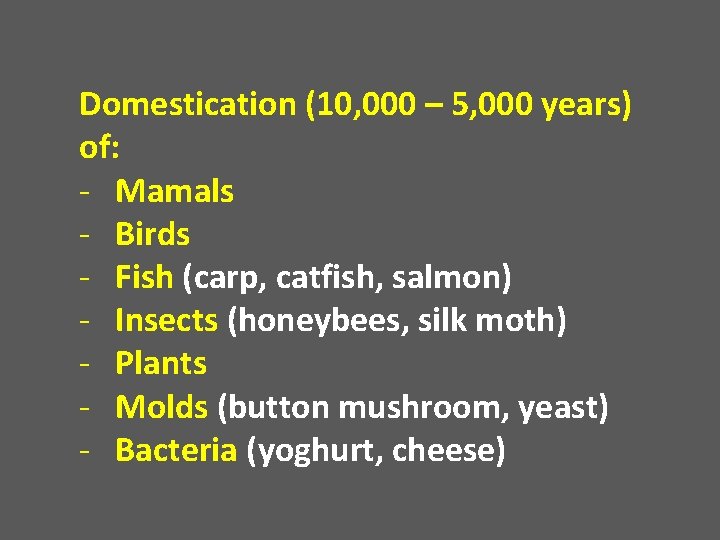
Domestication (10, 000 – 5, 000 years) of: - Mamals - Birds - Fish (carp, catfish, salmon) - Insects (honeybees, silk moth) - Plants - Molds (button mushroom, yeast) - Bacteria (yoghurt, cheese)
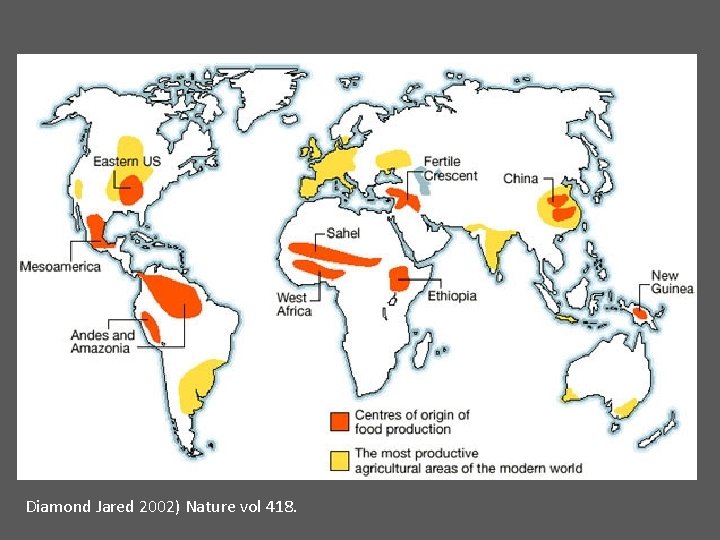
Diamond Jared 2002) Nature vol 418.
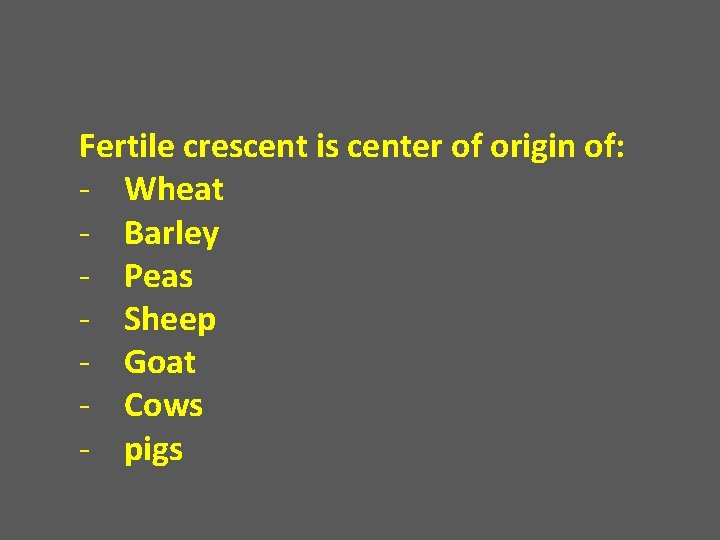
Fertile crescent is center of origin of: - Wheat - Barley - Peas - Sheep - Goat - Cows - pigs
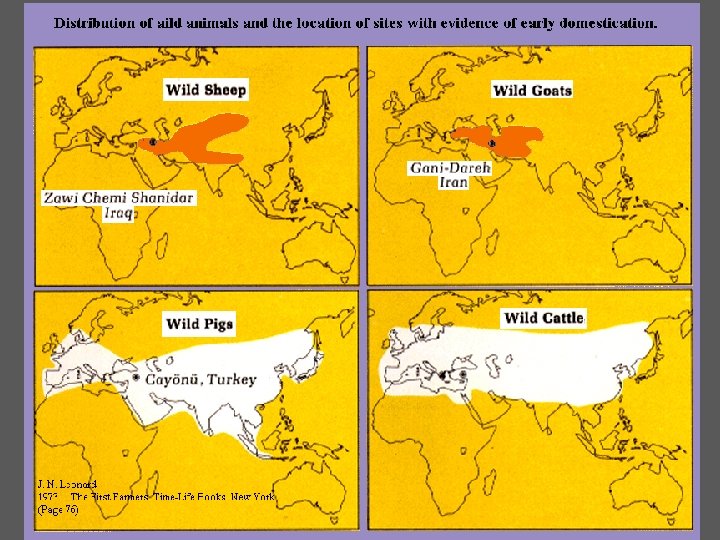
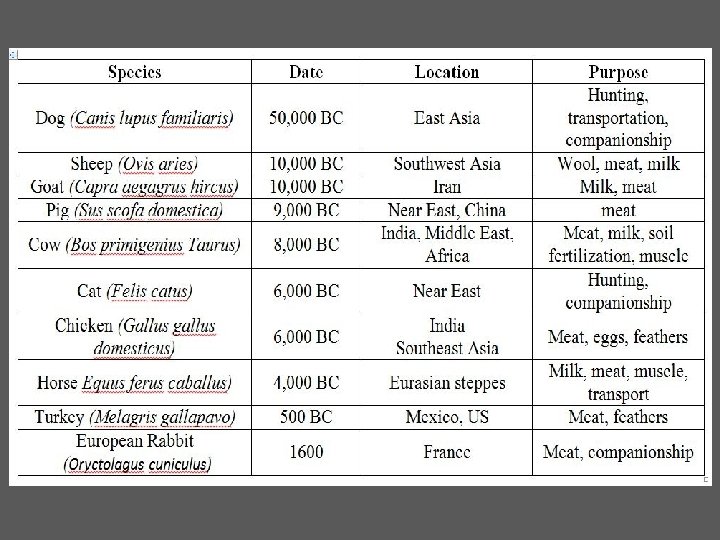
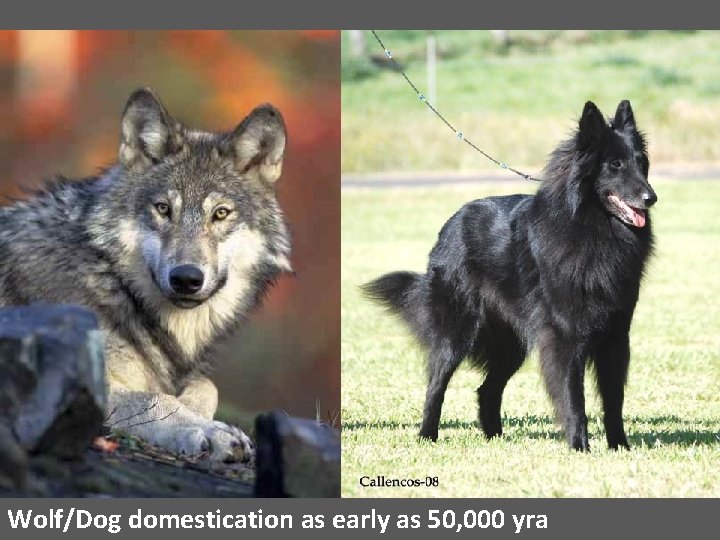
Wolf/Dog domestication as early as 50, 000 yra
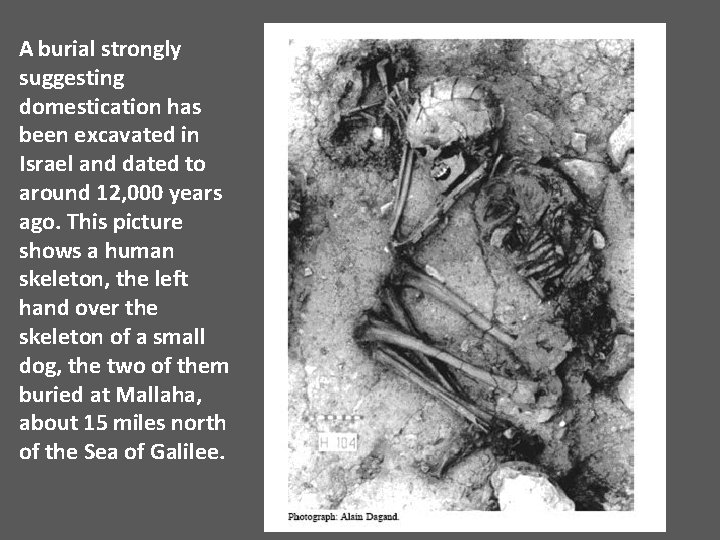
A burial strongly suggesting domestication has been excavated in Israel and dated to around 12, 000 years ago. This picture shows a human skeleton, the left hand over the skeleton of a small dog, the two of them buried at Mallaha, about 15 miles north of the Sea of Galilee.
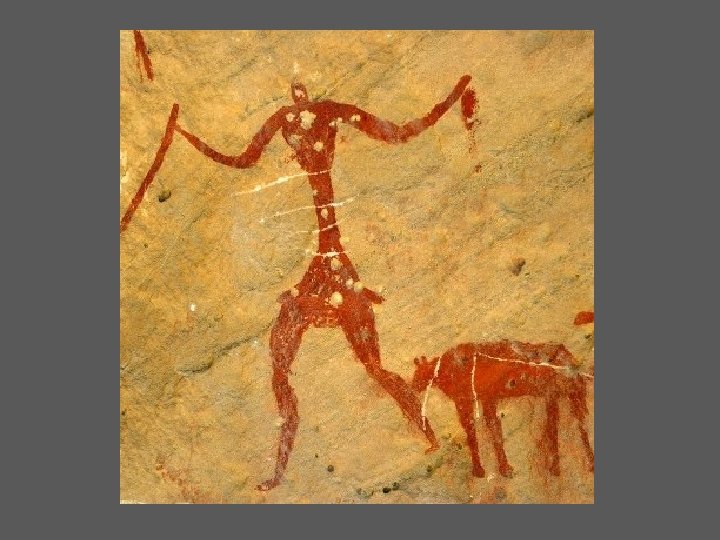
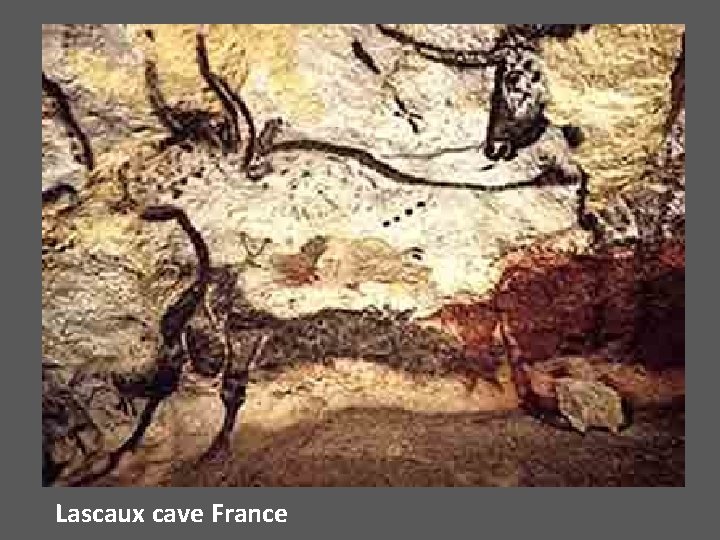
Lascaux cave France
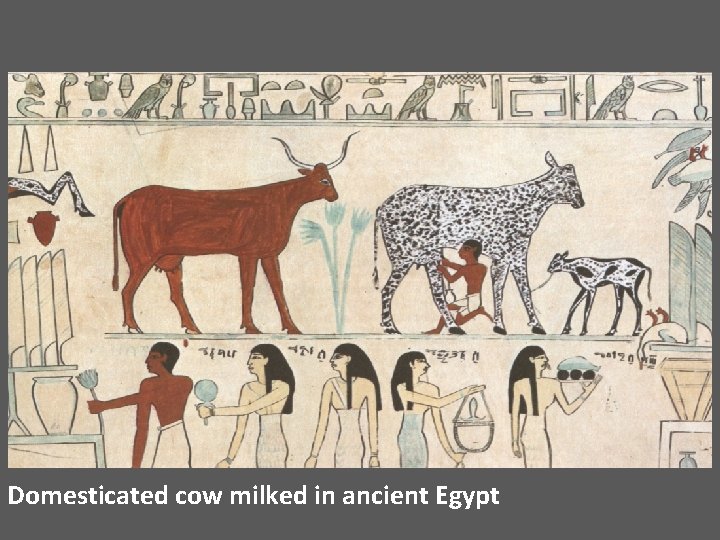
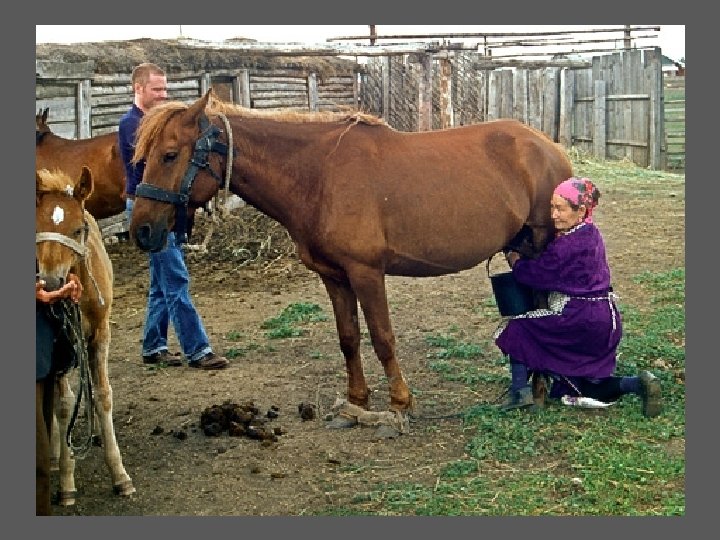
Domesticated cow milked in ancient Egypt
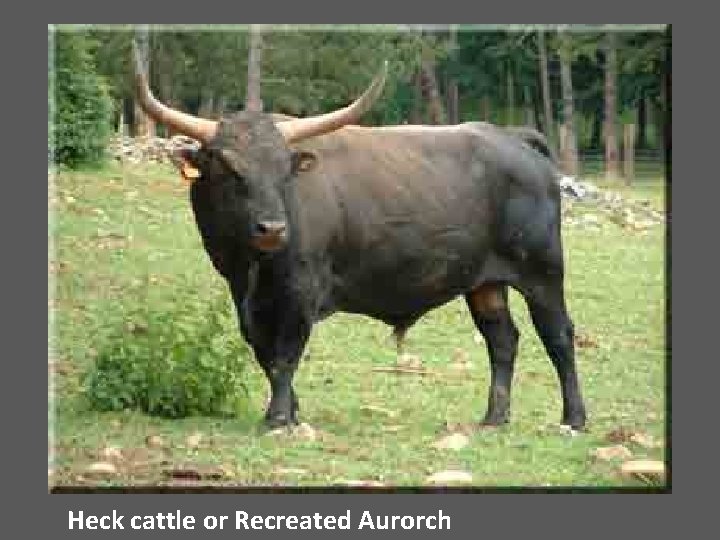
Heck cattle or Recreated Aurorch
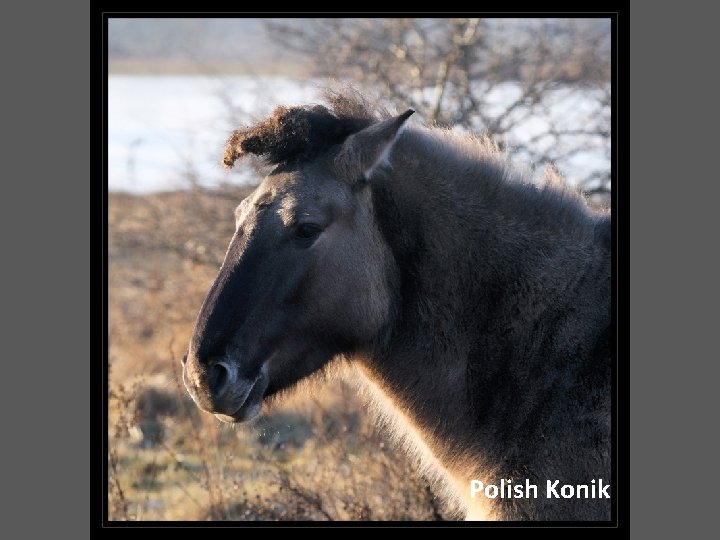
Polish Konik
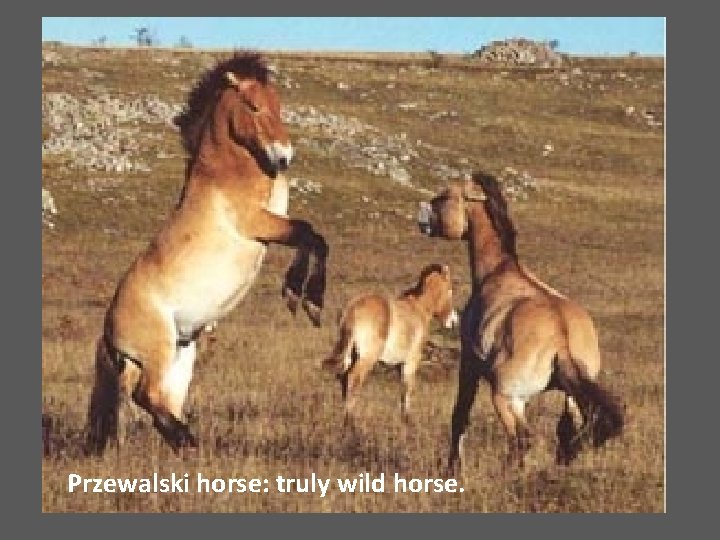
Przewalski horse: truly wild horse.
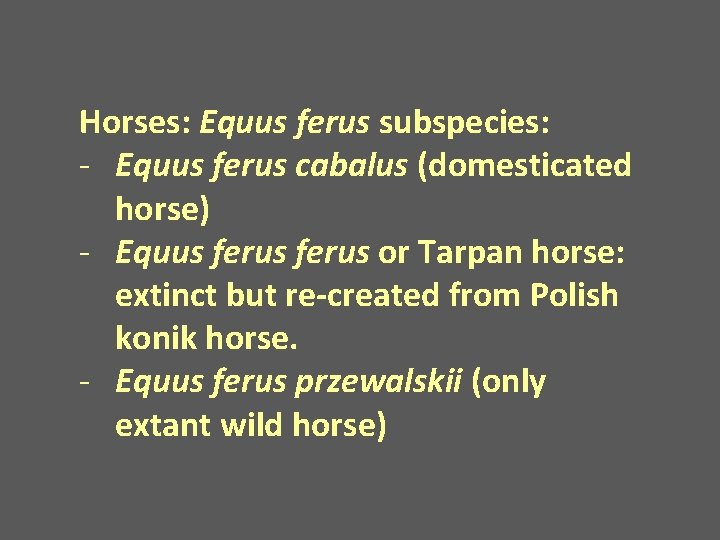
Horses: Equus ferus subspecies: - Equus ferus cabalus (domesticated horse) - Equus ferus or Tarpan horse: extinct but re-created from Polish konik horse. - Equus ferus przewalskii (only extant wild horse)
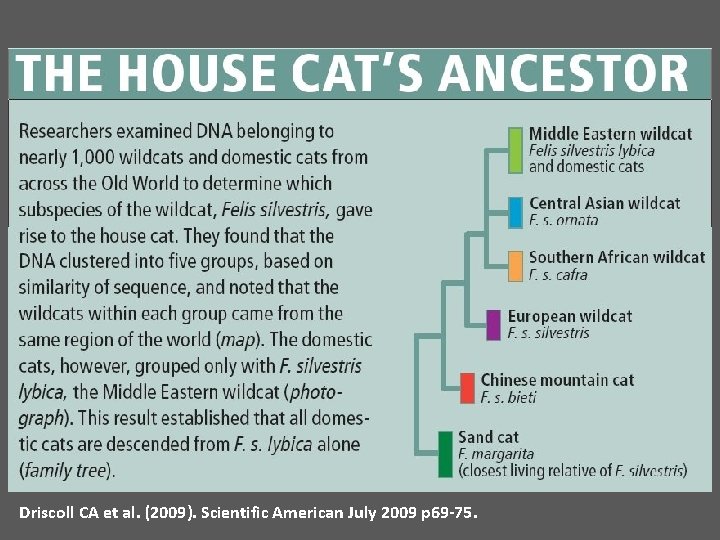
Driscoll CA et al. (2009). Scientific American July 2009 p 69 -75.
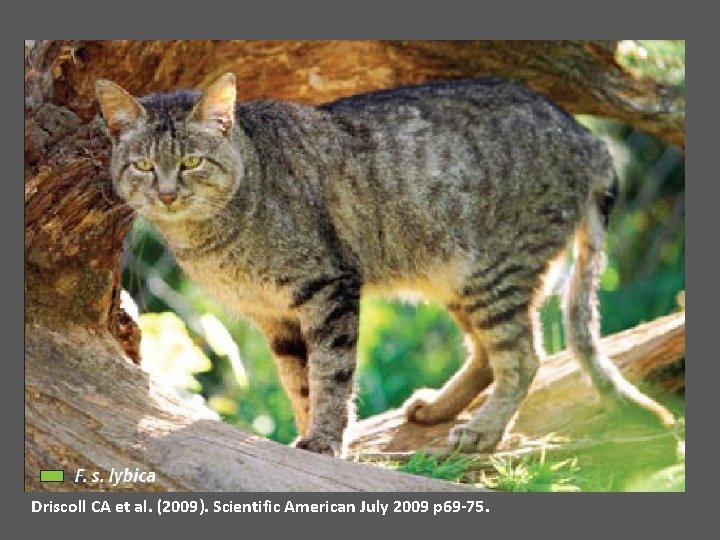
Driscoll CA et al. (2009). Scientific American July 2009 p 69 -75.
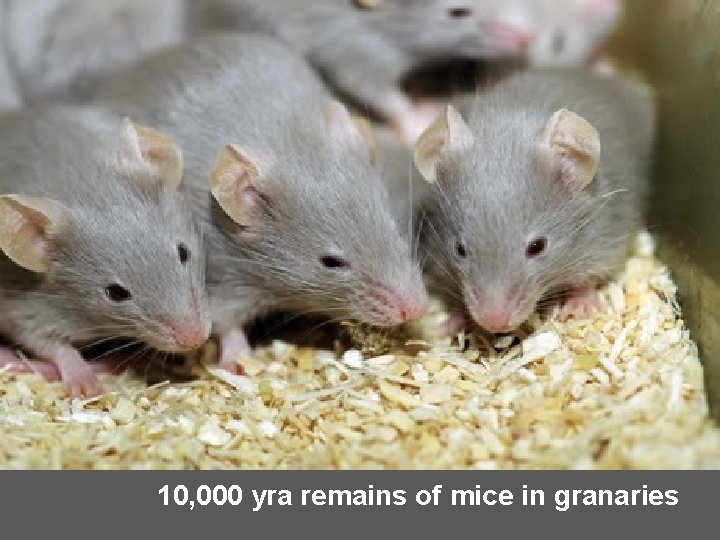
10, 000 yra remains of mice in granaries
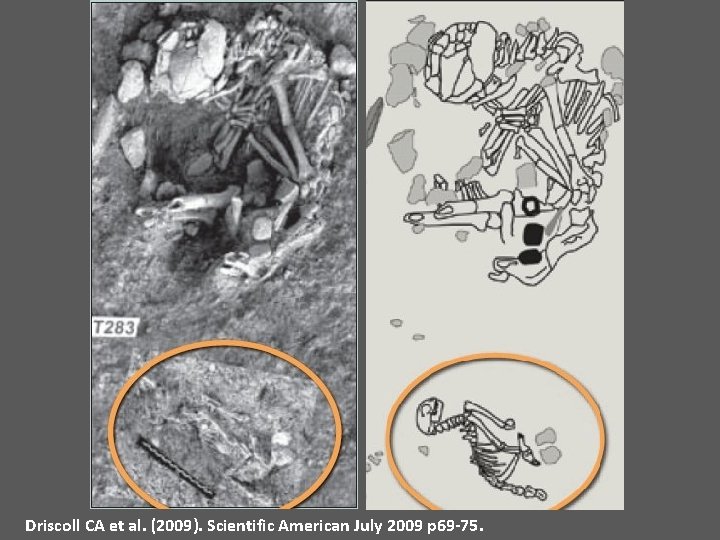
Driscoll CA et al. (2009). Scientific American July 2009 p 69 -75.
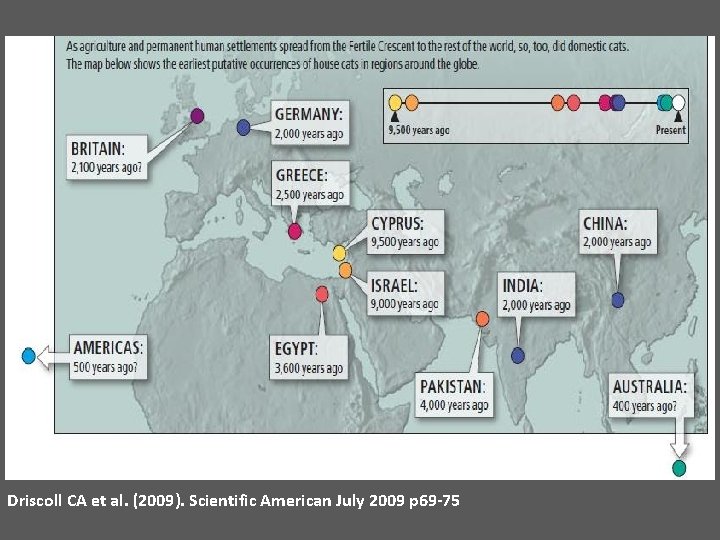
Driscoll CA et al. (2009). Scientific American July 2009 p 69 -75
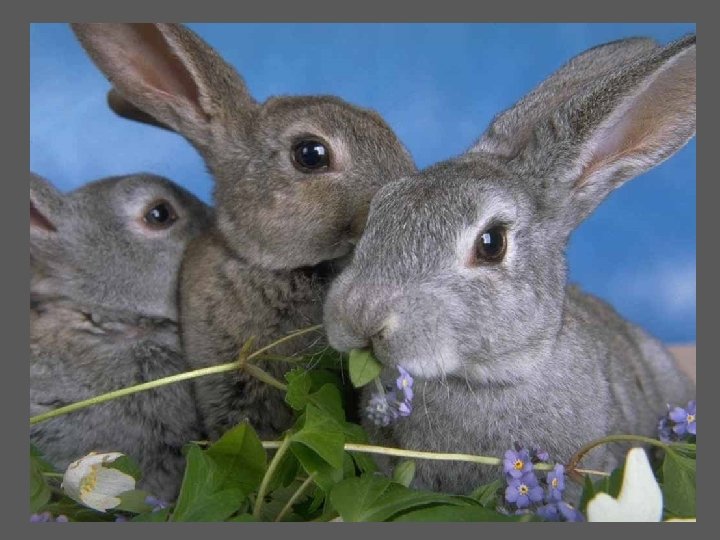
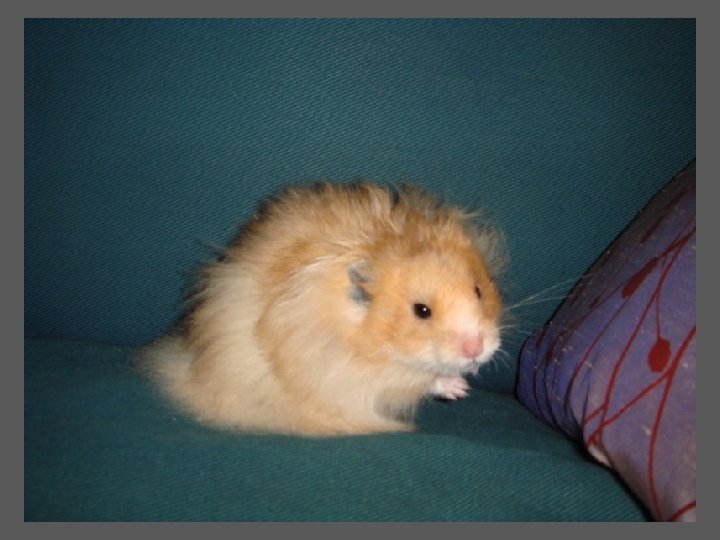
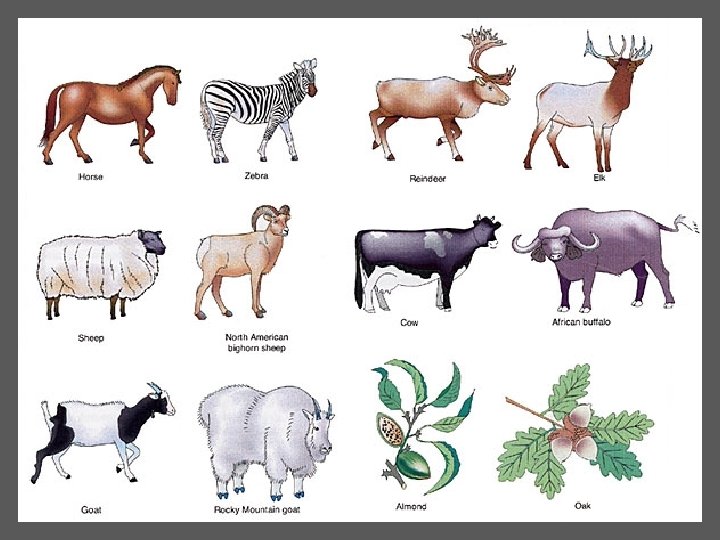
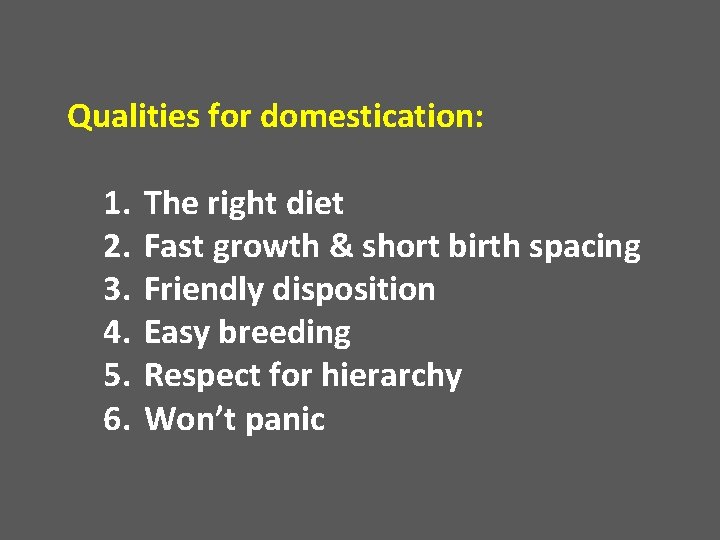
Qualities for domestication: 1. 2. 3. 4. 5. 6. The right diet Fast growth & short birth spacing Friendly disposition Easy breeding Respect for hierarchy Won’t panic
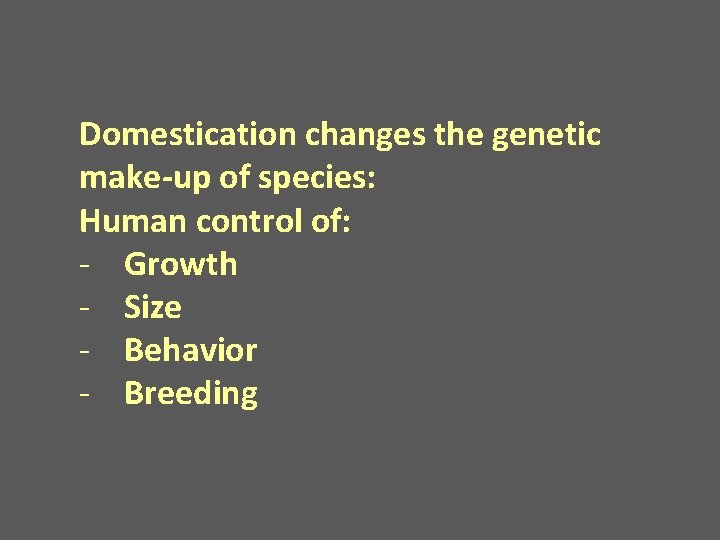
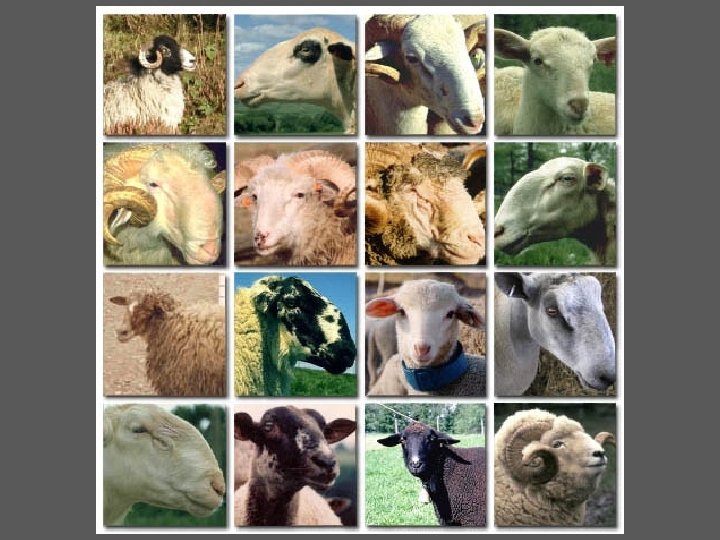
Domestication changes the genetic make-up of species: Human control of: - Growth - Size - Behavior - Breeding
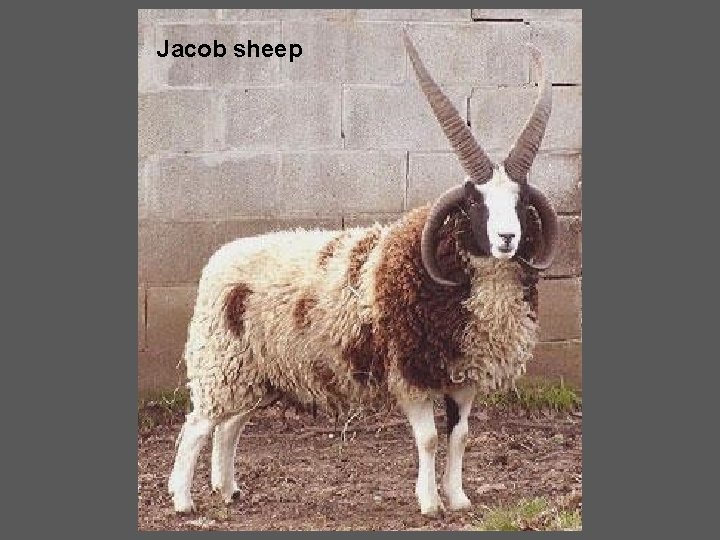
Jacob sheep
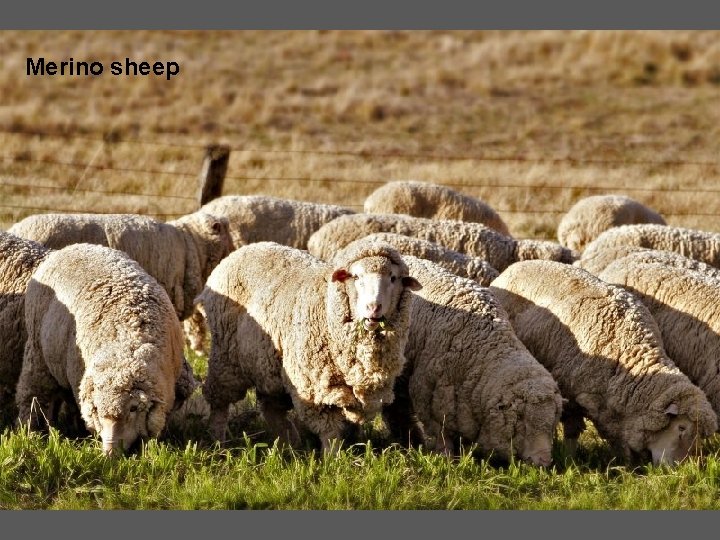
Merino sheep
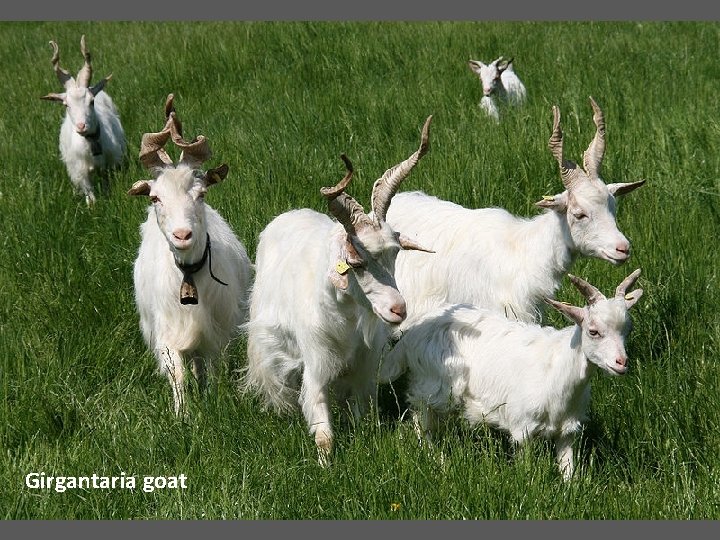
Girgantaria goat
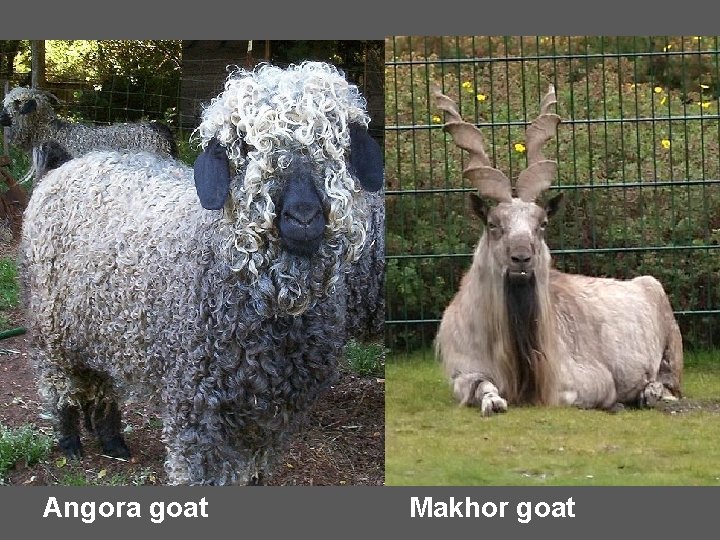
Angora goat Makhor goat
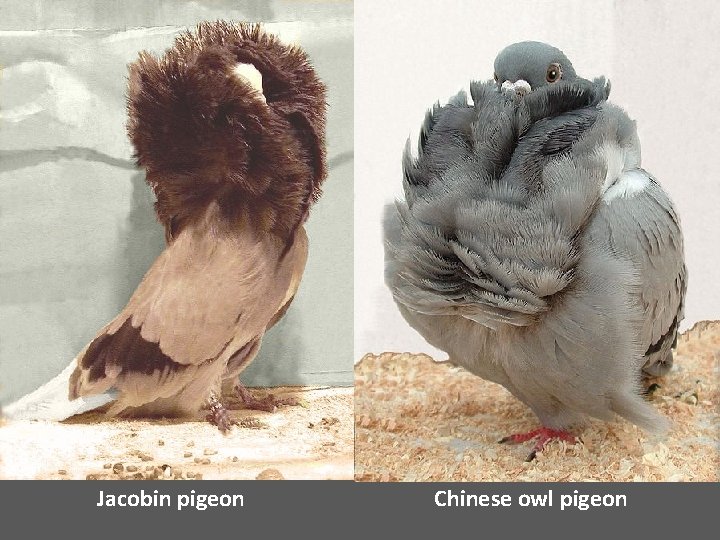
Jacobin pigeon Chinese owl pigeon
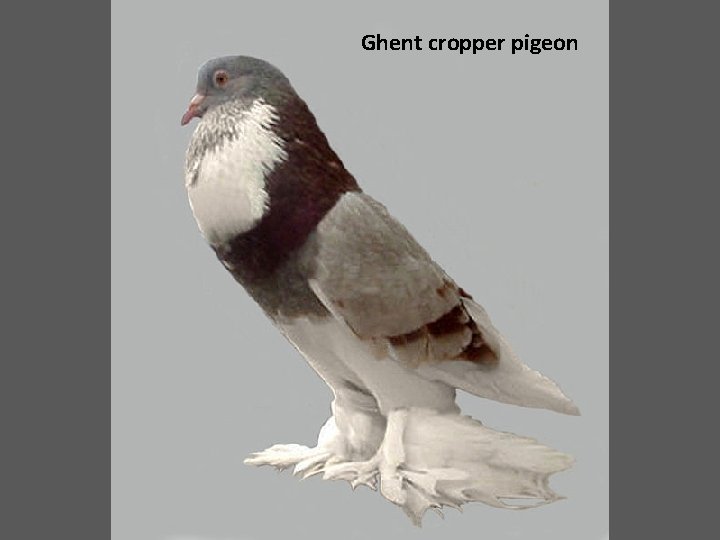
Ghent cropper pigeon
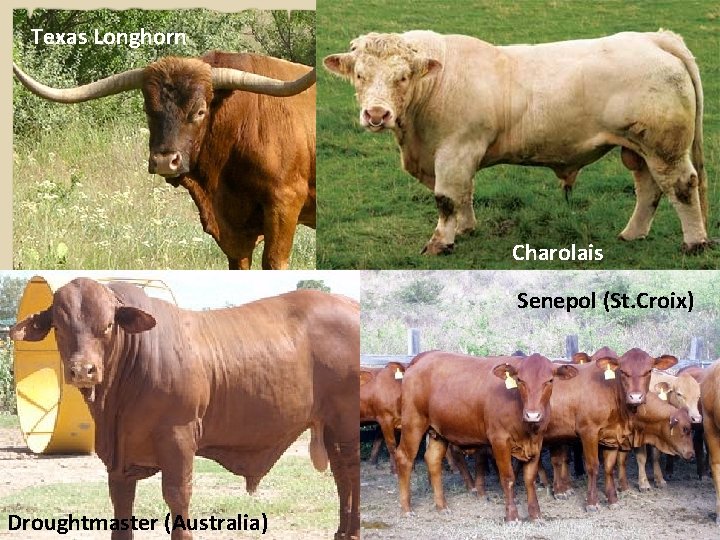
Texas Longhorn Charolais Senepol (St. Croix) Droughtmaster (Australia)
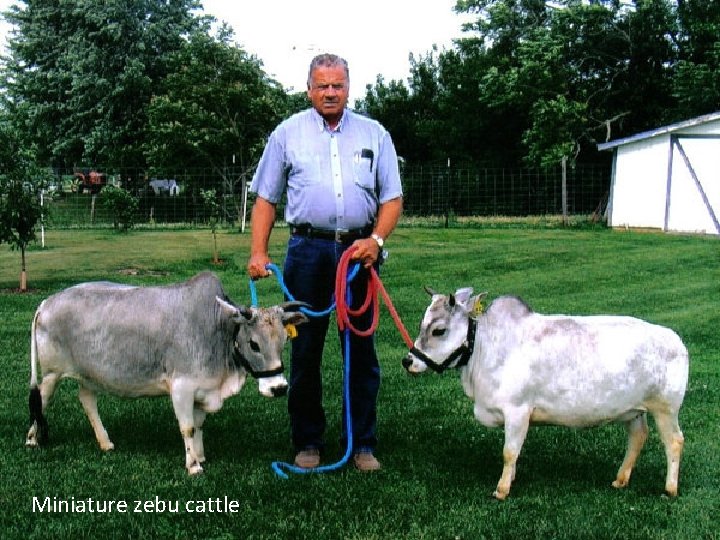
Miniature zebu cattle
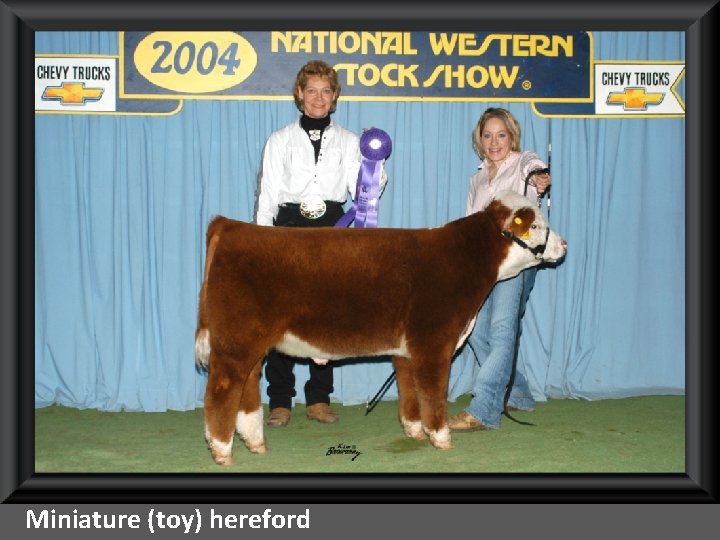
Miniature (toy) hereford
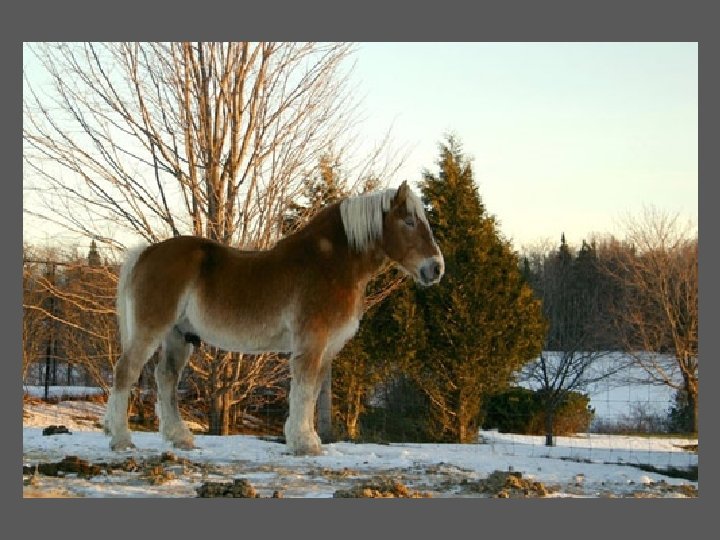
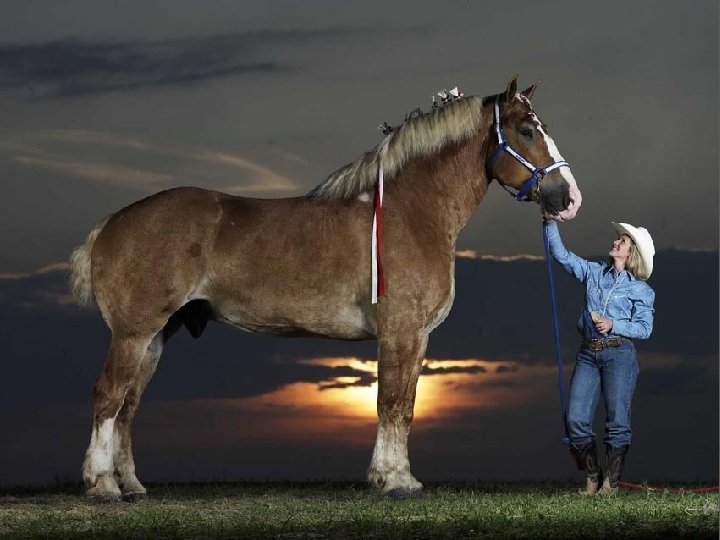
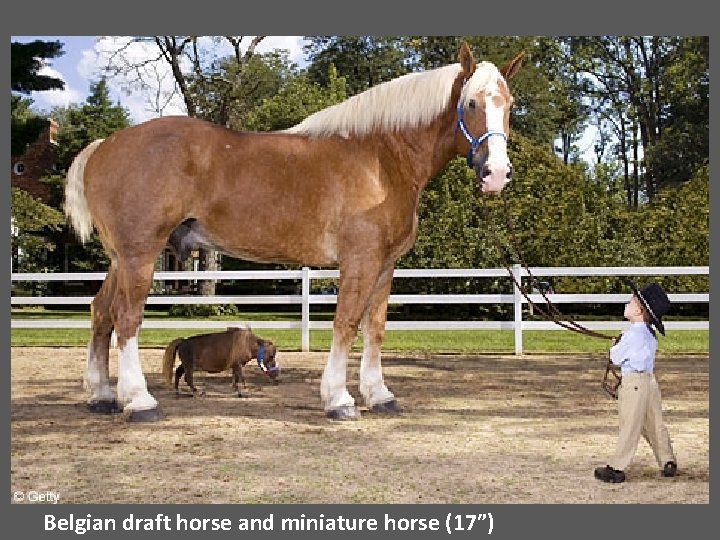
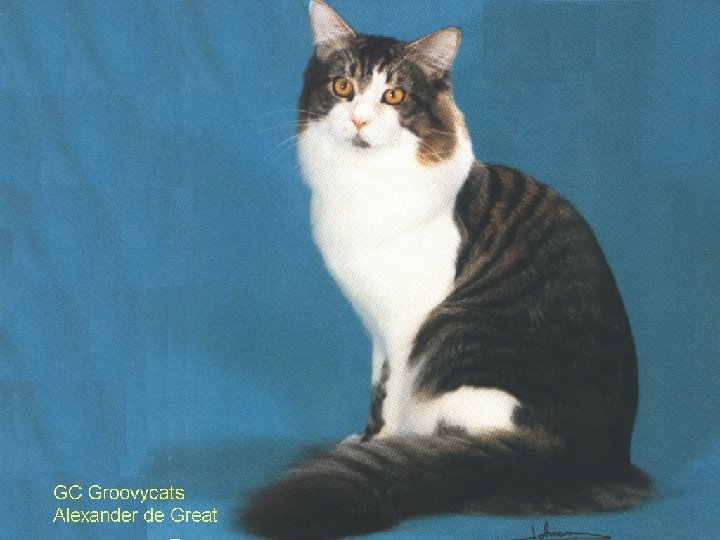
Belgian draft horse and miniature horse (17”)
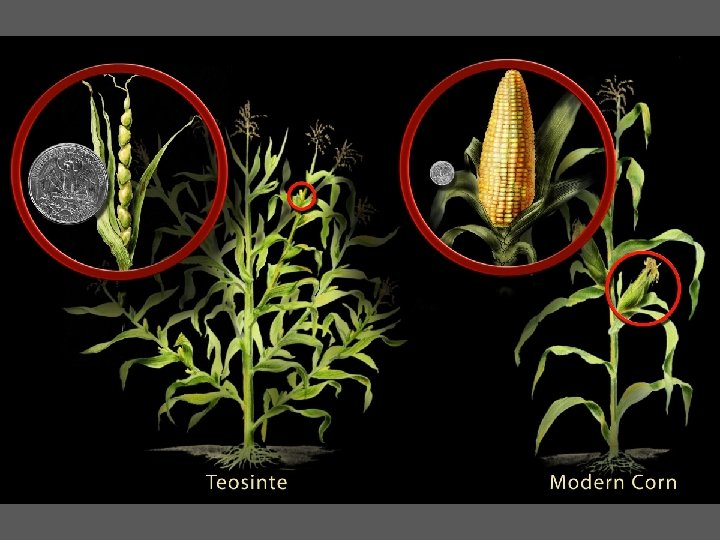
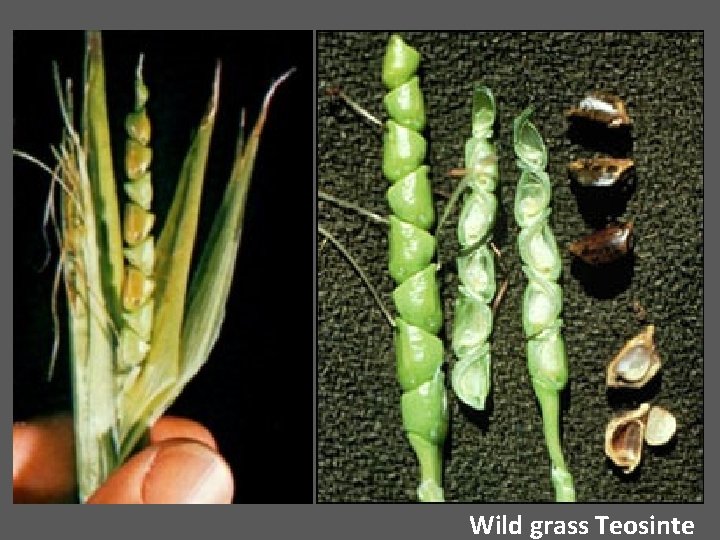
Wild grass Teosinte
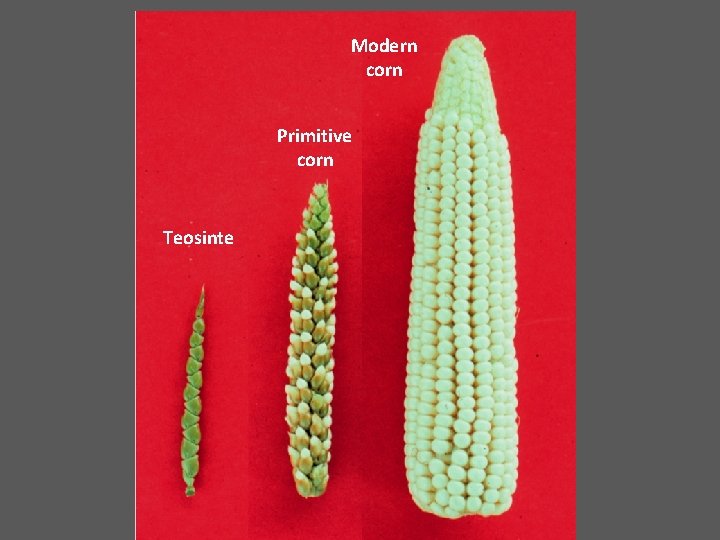
Modern corn Primitive corn Teosinte
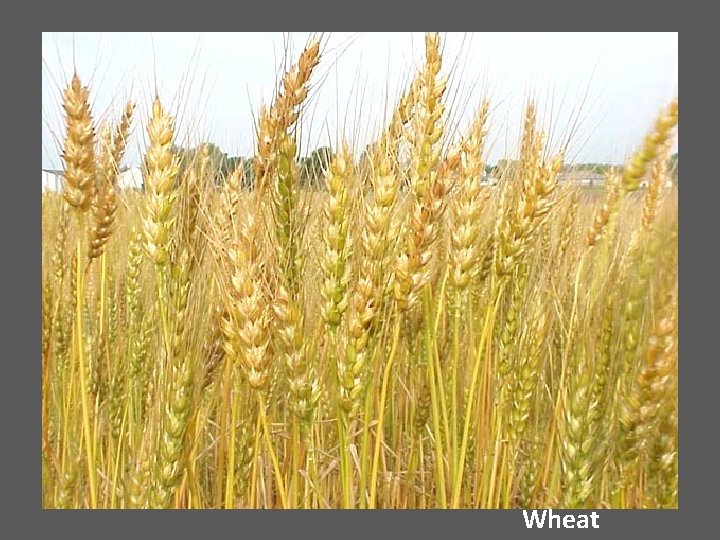
Wheat
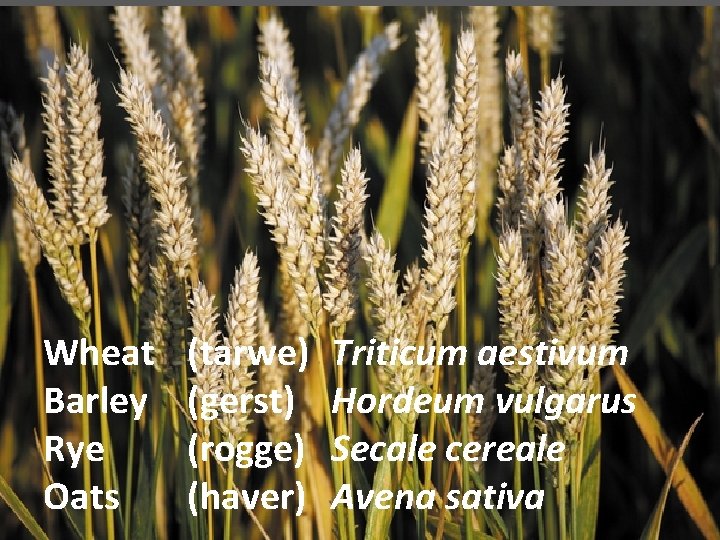
Wheat Barley Rye Oats (tarwe) (gerst) (rogge) (haver) Triticum aestivum Hordeum vulgarus Secale cereale Avena sativa
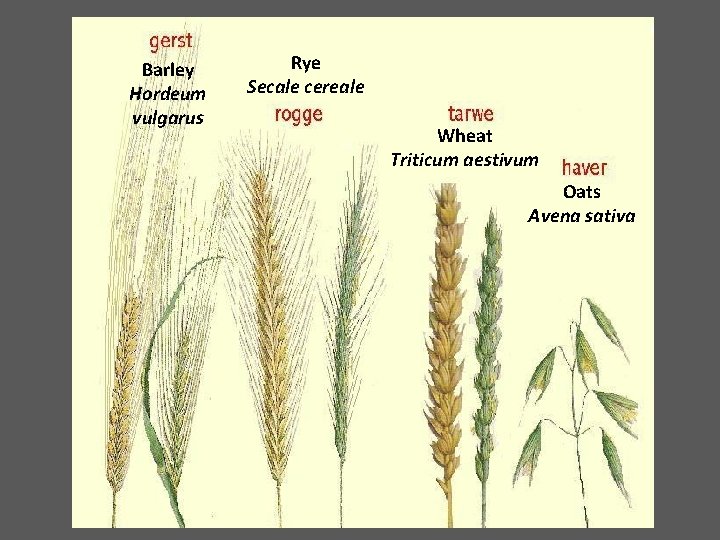
Barley Hordeum vulgarus Rye Secale cereale Wheat Triticum aestivum Oats Avena sativa
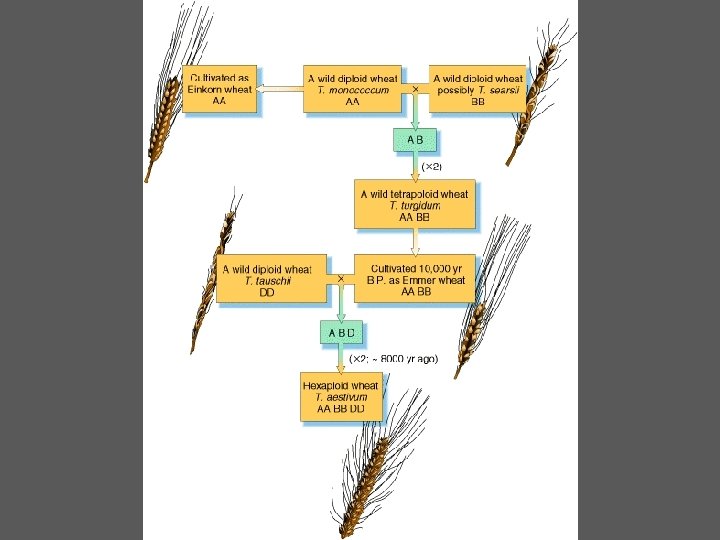
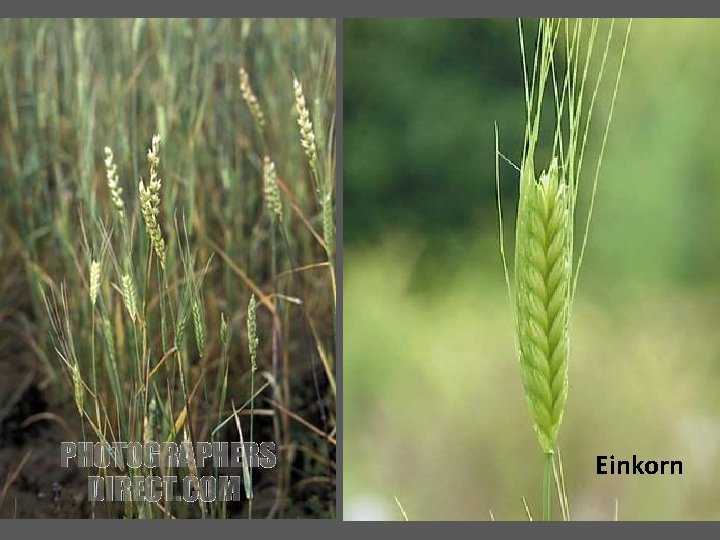
Einkorn
- Slides: 66