
Adaptation The behaviors and physical characteristics of species
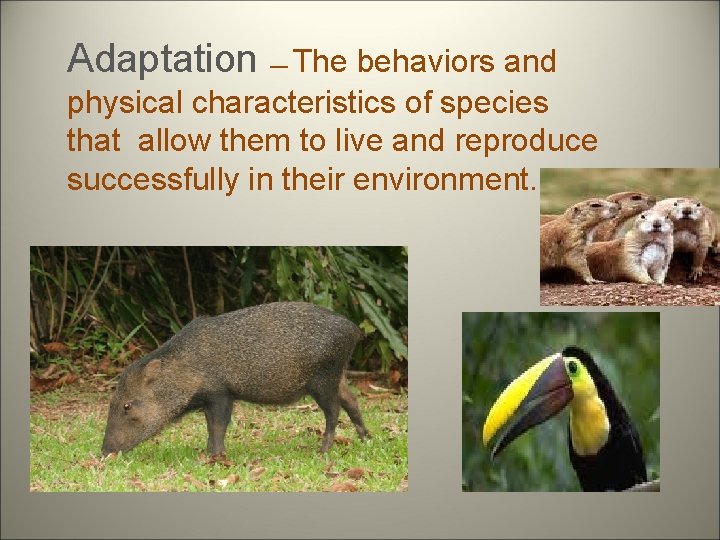
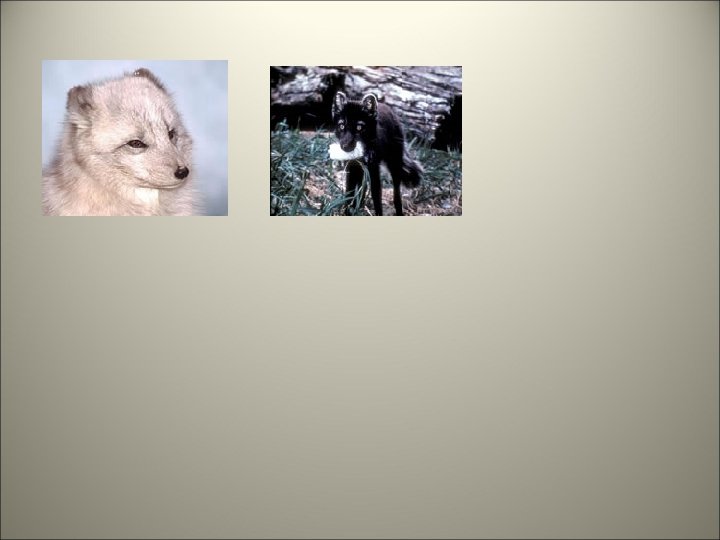
Adaptation — The behaviors and physical characteristics of species that allow them to live and reproduce successfully in their environment.
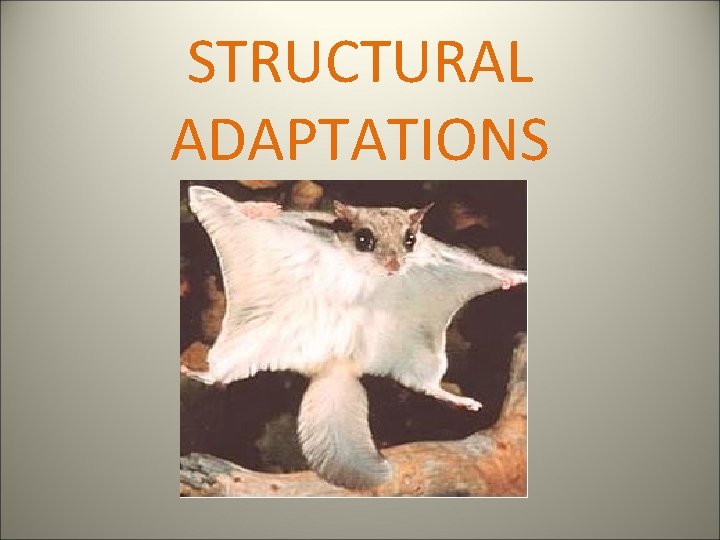
STRUCTURAL ADAPTATIONS
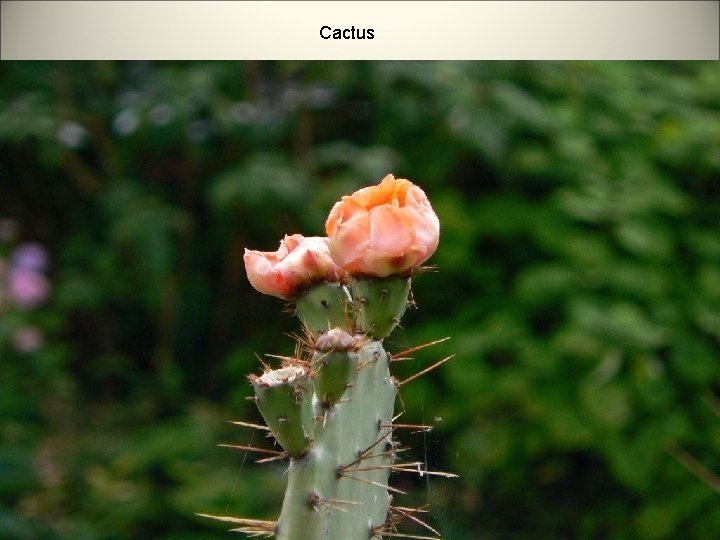
Cactus
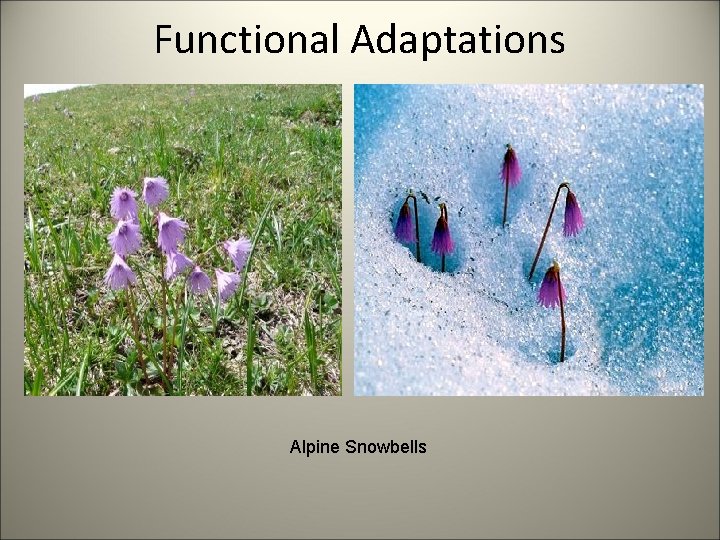
Functional Adaptations Alpine Snowbells
Functional Adaptations A functional adaptation is a feature of the way an organism’s body works. EXAMPLES: 1. Increase in heart rate when you exercise. Your body automatically makes your heart beat faster to supply more blood to your muscle. 2. A snake can kill and eat a frog because its body chemistry can produce poison. The production of poison is a functional adaptation because it helps the snake obtain food and therefore survive. 3. Photosynthesis is a functional adaptation because it is the chemical means by which the plant produces the food materials it requires.
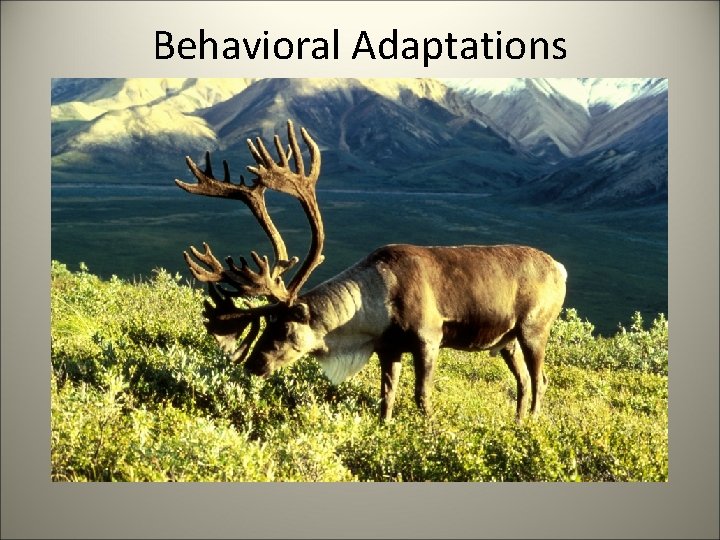
Behavioral Adaptations
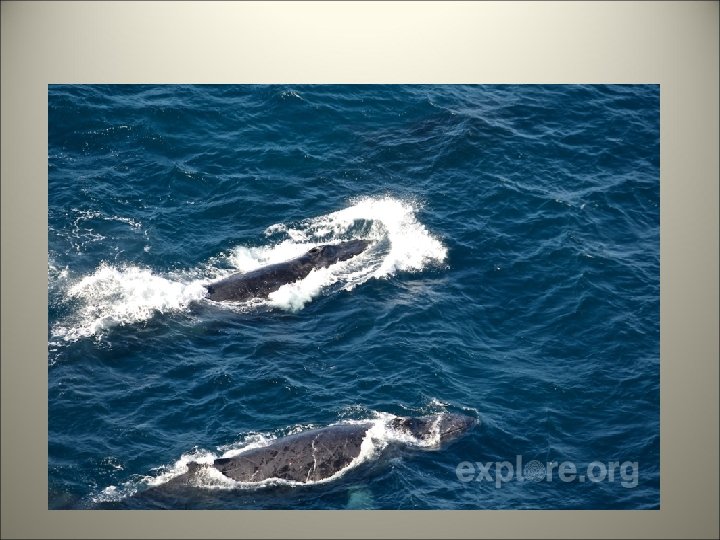
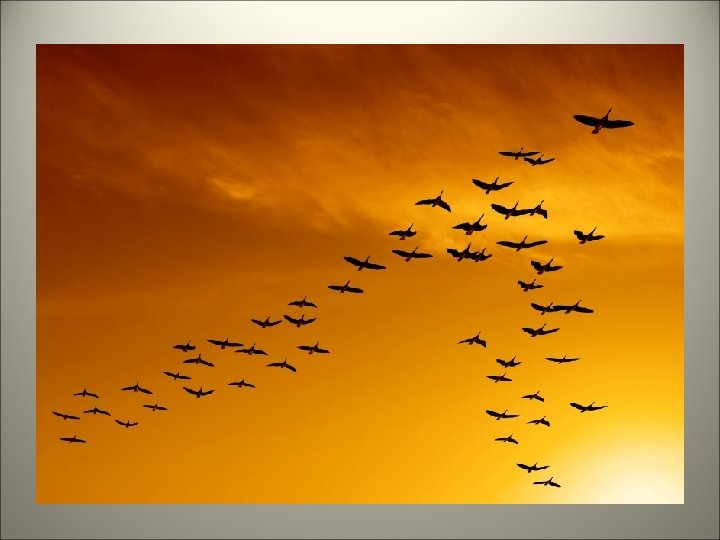
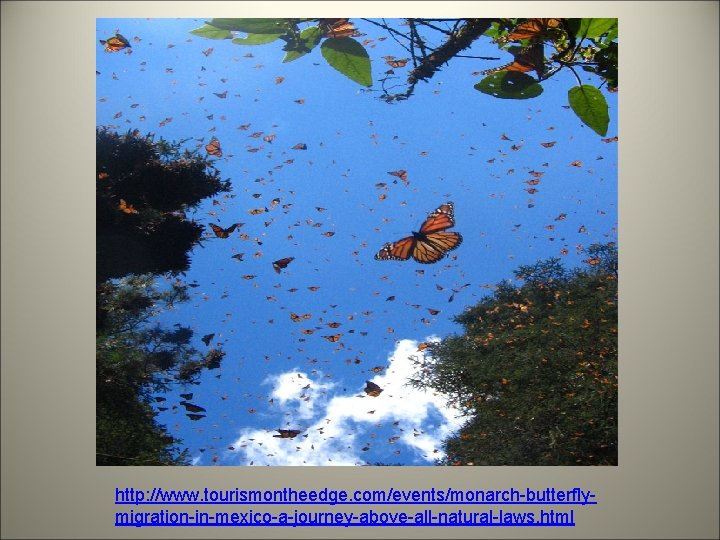
http: //www. tourismontheedge. com/events/monarch-butterflymigration-in-mexico-a-journey-above-all-natural-laws. html
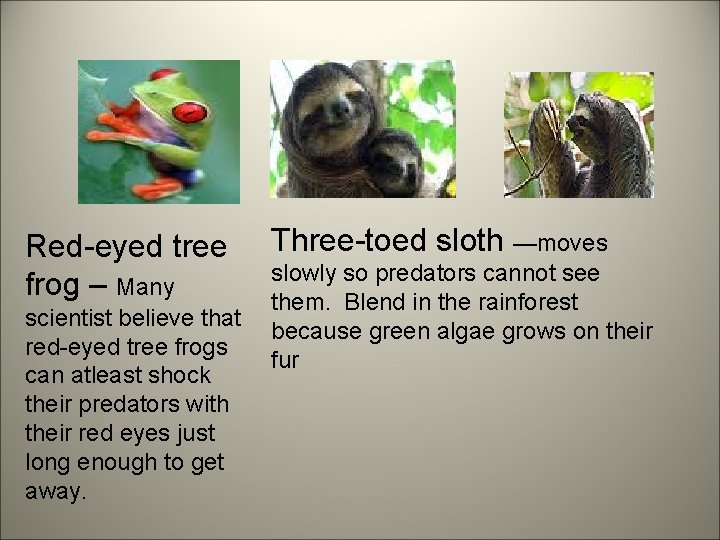
Red-eyed tree frog – Many scientist believe that red-eyed tree frogs can atleast shock their predators with their red eyes just long enough to get away. Three-toed sloth —moves slowly so predators cannot see them. Blend in the rainforest because green algae grows on their fur
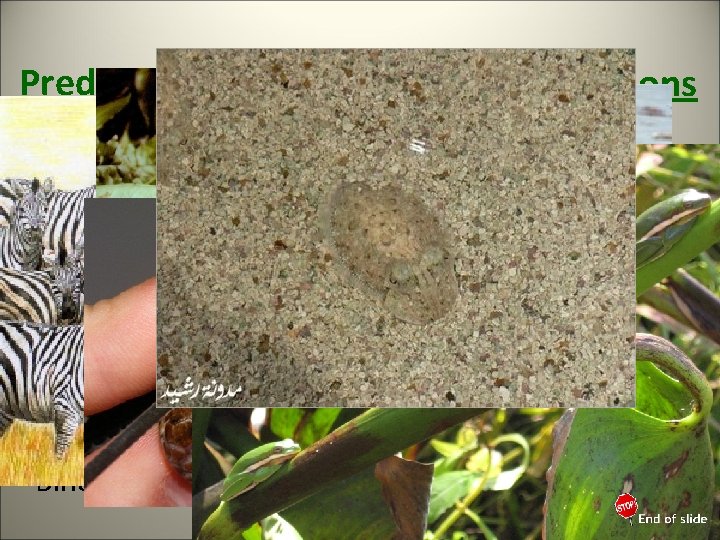
Predator adaptations Prey adaptations • Claws • Speed • Teeth • Camouflage • Speed • Herds • Camouflage • Monocular vision • Poison/venom • Cooperation • Binocular vision • Claws
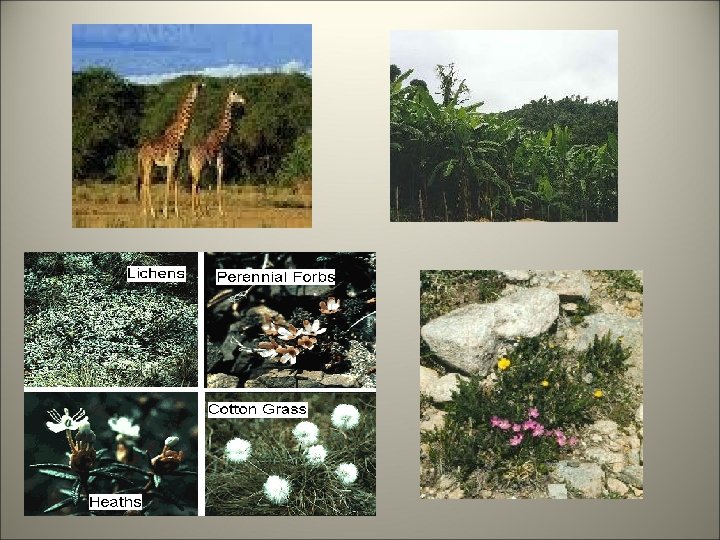
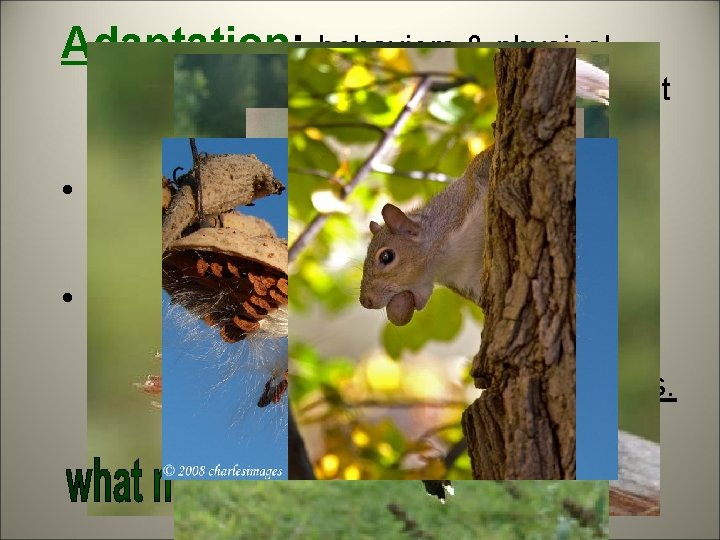
Adaptation: behaviors & physical characteristics of a species that allows it to live successfully • Every organism has a variety of adaptations • Adaptations allow organisms to survive and fulfill a specific role in an ecosystem. This is called niches.
- Slides: 14