
Adaptation of pelagic zone organism OCN 1105 Marine



- Slides: 17
Adaptation of pelagic zone organism OCN 1105 Marine Ecology
• Submitted By: Zahid hasan ASH 1818036 M • Submitted To: Najmus Sakib Khan Lecturer, Dpt. Of Oceanography NSTU
Introduction to Pelagic zone: • The pelagic zone comprises the water column that is overlying sea floor. • Environment changes influence only the upper layers of the water column and the rest of this pelagic zone is stable and uniform.
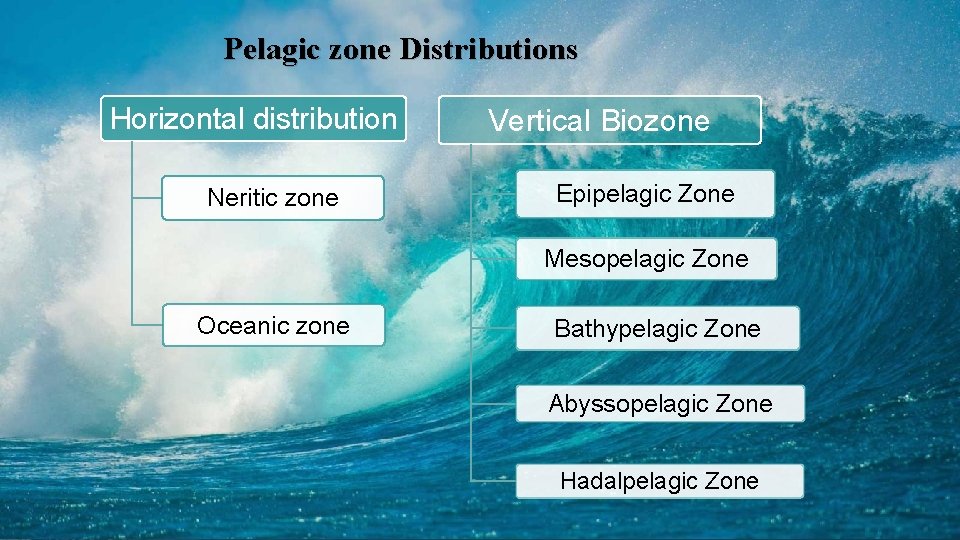
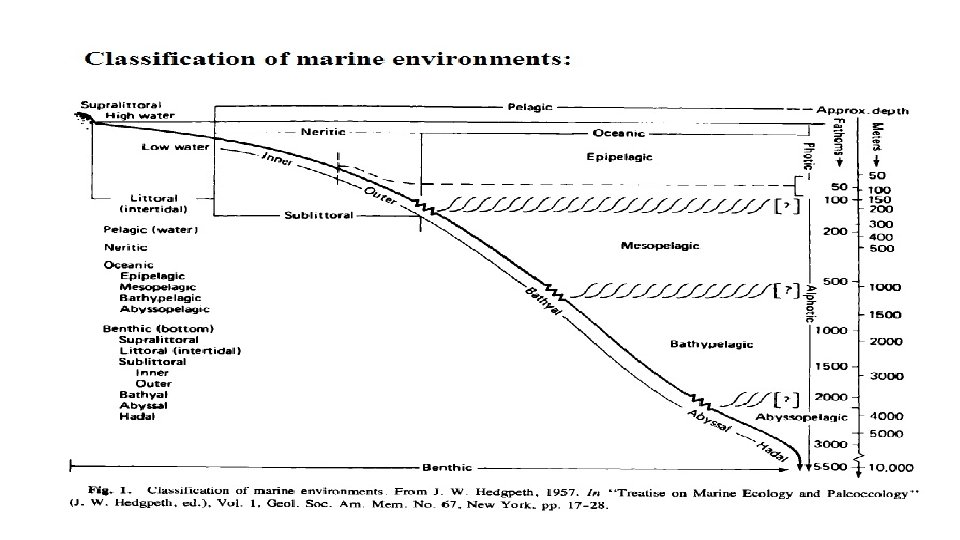
Pelagic zone Distributions Horizontal distribution Neritic zone Vertical Biozone Epipelagic Zone Mesopelagic Zone Oceanic zone Bathypelagic Zone Abyssopelagic Zone Hadalpelagic Zone
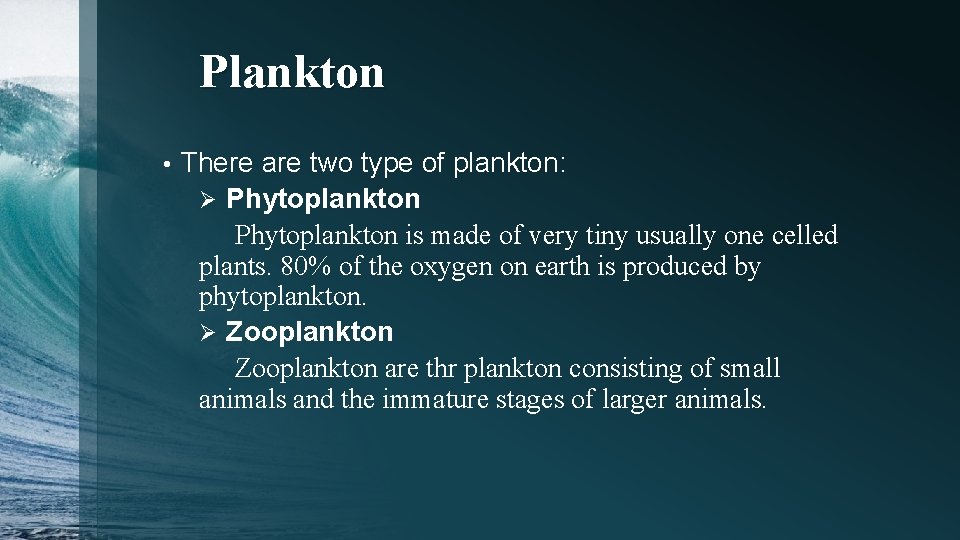
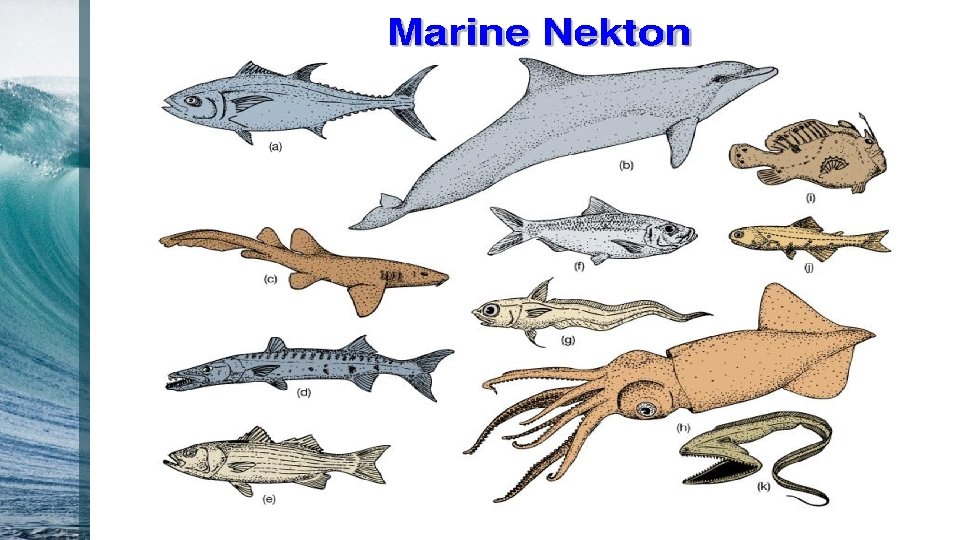
Pelagic Organisms • The pelagic zone Organisms are grouped into two brood categoriesq Plankton includes plants and animals that float along at the mercy of the sea's tides and currents. q Nekton aquatic animals that are able to swim and move independently of water currents.
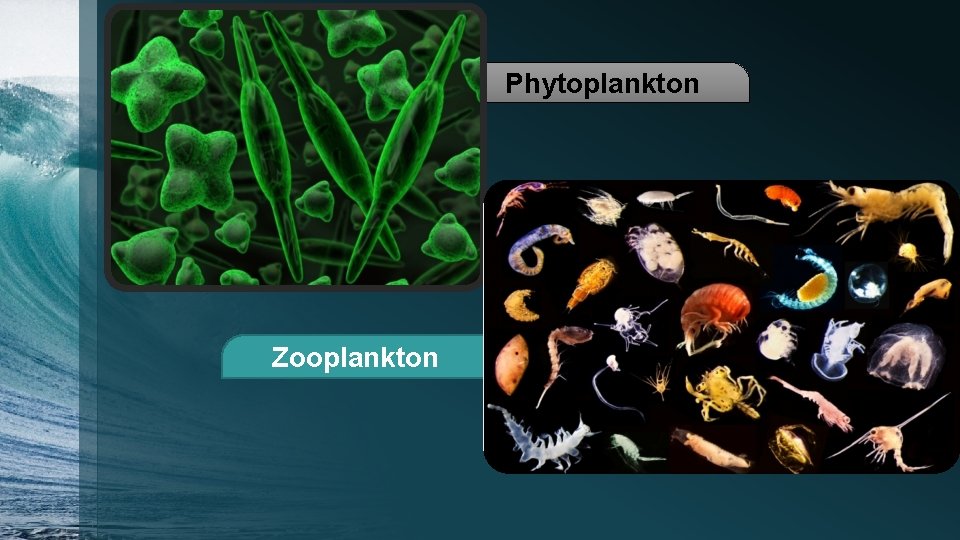
Plankton • There are two type of plankton: Ø Phytoplankton is made of very tiny usually one celled plants. 80% of the oxygen on earth is produced by phytoplankton. Ø Zooplankton are thr plankton consisting of small animals and the immature stages of larger animals.
Phytoplankton Zooplankton
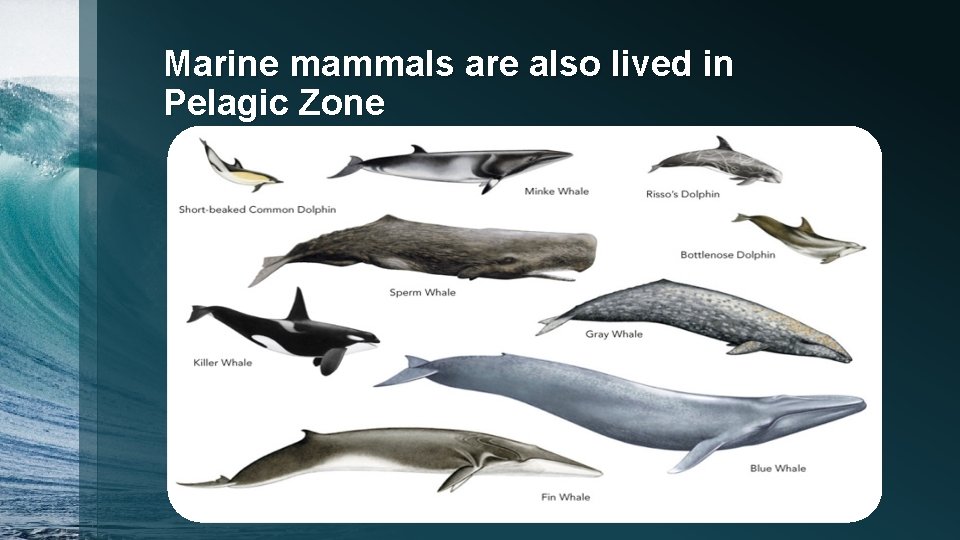
Marine mammals are also lived in Pelagic Zone
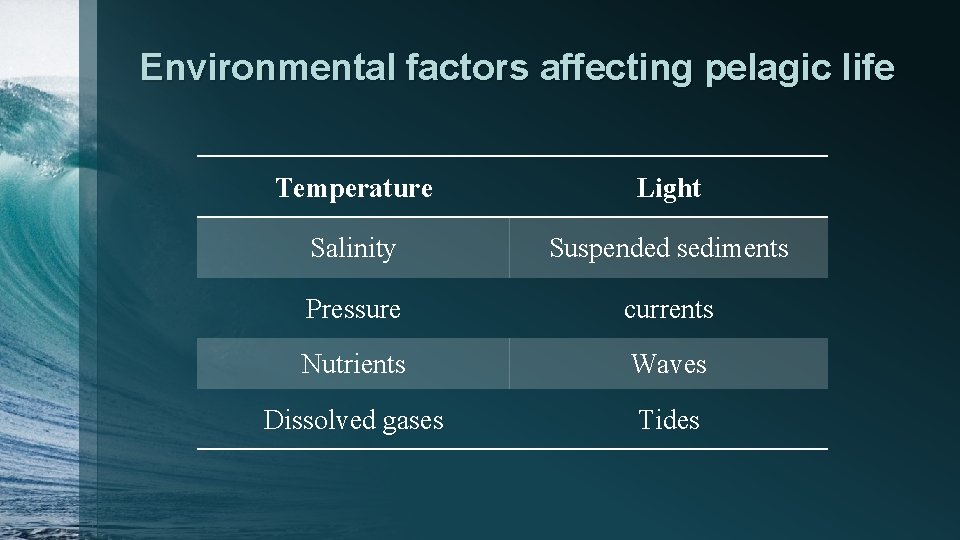
Environmental factors affecting pelagic life Temperature Light Salinity Suspended sediments Pressure currents Nutrients Waves Dissolved gases Tides
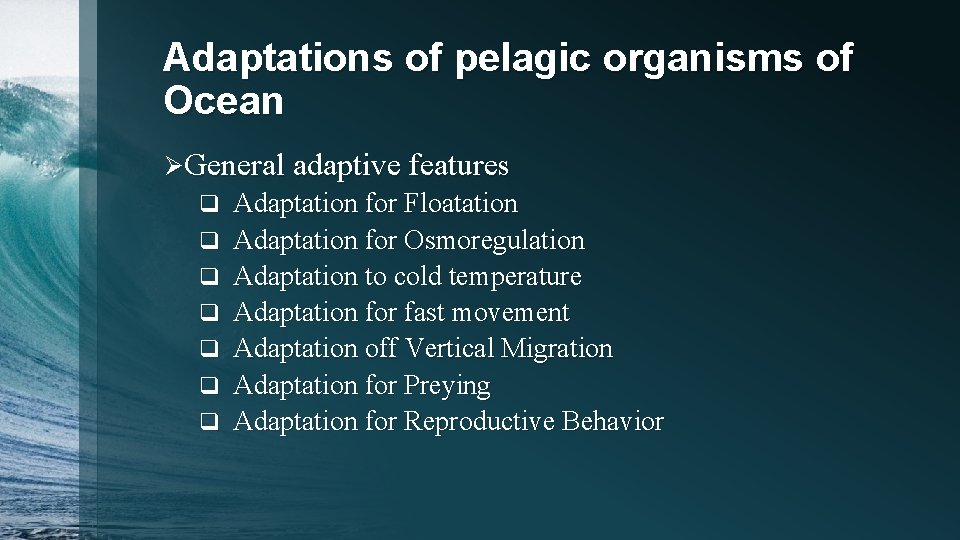
Adaptations of pelagic organisms of Ocean ØGeneral adaptive features q q q q Adaptation for Floatation Adaptation for Osmoregulation Adaptation to cold temperature Adaptation for fast movement Adaptation off Vertical Migration Adaptation for Preying Adaptation for Reproductive Behavior
Marine Primary Producers • Phytoplankton
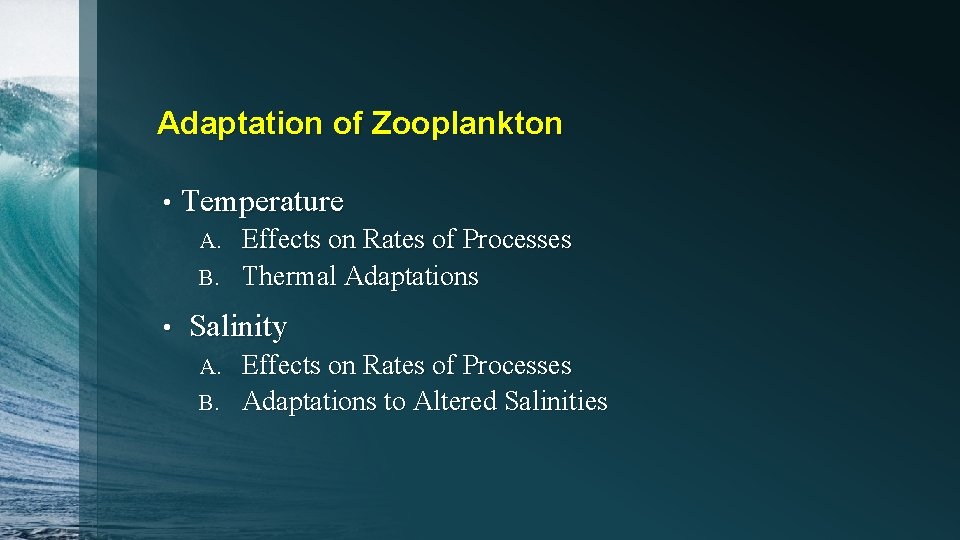
Adaptation of Zooplankton • Temperature Effects on Rates of Processes B. Thermal Adaptations A. • Salinity Effects on Rates of Processes B. Adaptations to Altered Salinities A.
Invertebrates Adaptation • A. Feeding • B. Metabolic and Respiratory Adaptations • C. Reproduction • D. Sensory Physiology • E. Buoyancy
Vertebrates Adaptation • Respiratory Adaptations • Metabolic Adaptations • Temperature Adaptations
Th ank s to All