
Acute and Chronic Inflammation and their Mediators Objectives
Acute and Chronic Inflammation and their Mediators
Objectives • Understand the chain, progression, sequence of both vascular and cellular events in the evolution of acute inflammation. • Understand the role of various chemical mediators. • Know the 3 possible outcomes of acute inflammation. • Understand chronic inflammation and its consequences.
• Stimuli which causes injury also provokes a host response called inflammation in vascularized tissues. • Inflammation agents such as microbes and damaged, usually necrotic, cells that consists of vascular responses and systemic reactions. • Invertebrates with no vascular system, and even single-celled organisms, are able to get rid of injurious agents such as microbes by a variety of mechanisms.
• These mechanisms include entrapment and phagocytosis of the offending agent and neutralization of noxious stimuli by hypertrophy of the host cell or one of its organelles. • These cellular reactions have been retained through evolution, and the more potent defensive reaction of inflammation has been added in higher species.
• The unique feature of the inflammatory process is-- • the reaction of blood vessels, leading to the accumulation of fluid and leukocytes in extravascular tissues.
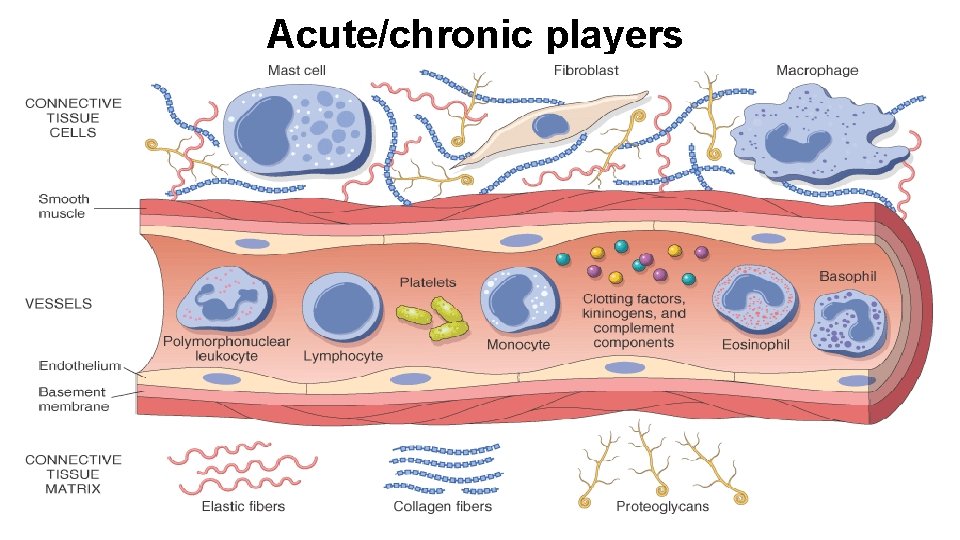
Acute/chronic players
The major local manifestations of acute inflammation (1) Vascular dilation and increased blood flow (causing erythema and warmth) (2) Extravasation and deposition of plasma fluid and proteins (edema), (3) Leukocyte emigration and accumulation in the site of injury.
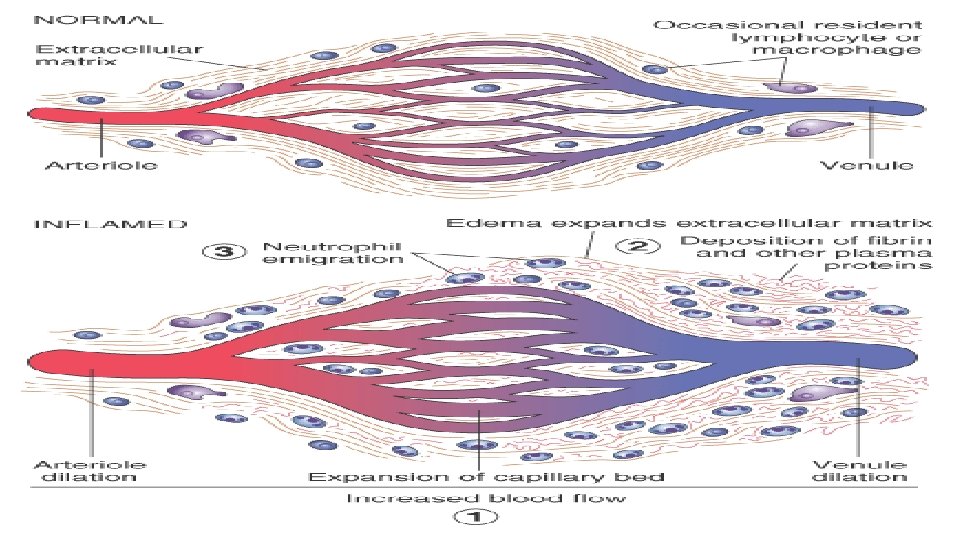
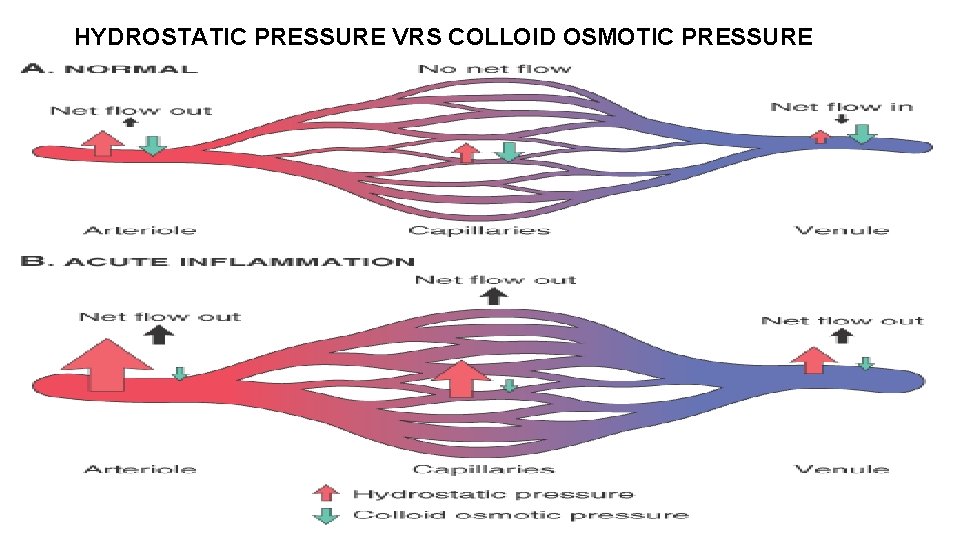
HYDROSTATIC PRESSURE VRS COLLOID OSMOTIC PRESSURE
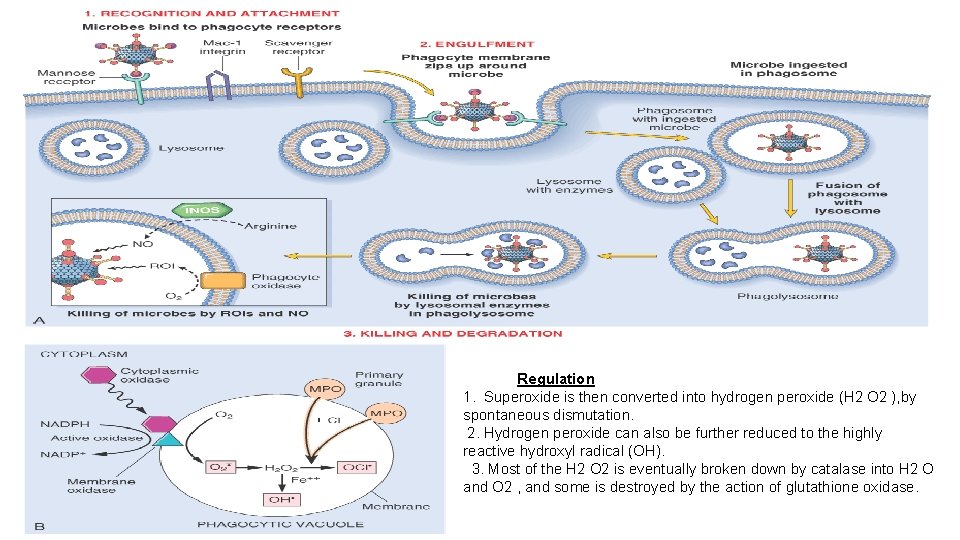
Regulation 1. Superoxide is then converted into hydrogen peroxide (H 2 O 2 ), by spontaneous dismutation. 2. Hydrogen peroxide can also be further reduced to the highly reactive hydroxyl radical (OH). 3. Most of the H 2 O 2 is eventually broken down by catalase into H 2 O and O 2 , and some is destroyed by the action of glutathione oxidase.
OTHER KILLING STRATEGIES • Bacterial killing can also occur by oxygen-independent mechanisms, through the action of substances in leukocyte granules. [34] These include bactericidal permeability increasing protein (BPI), • lysozyme, which hydrolyzes the muramic acid-N-acetyl-glucosamine bond, found in the glycopeptide coat of all bacteria • lactoferrin, an iron-binding protein present in specific granules; • major basic protein, a cationic protein of eosinophils cytotoxic to many parasites • defensins; peptides that are cytotoxic to microbes
TERMINATION OF THE ACUTE INFLAMMATORY RESPONSE 1. Simply because the mediators of inflammation have short half-lives, are degraded after their release, and are produced in quick bursts, only as long as the stimulus persists. 2. As inflammation develops, the process also triggers a variety of stop signals that serve to actively terminate the reaction.
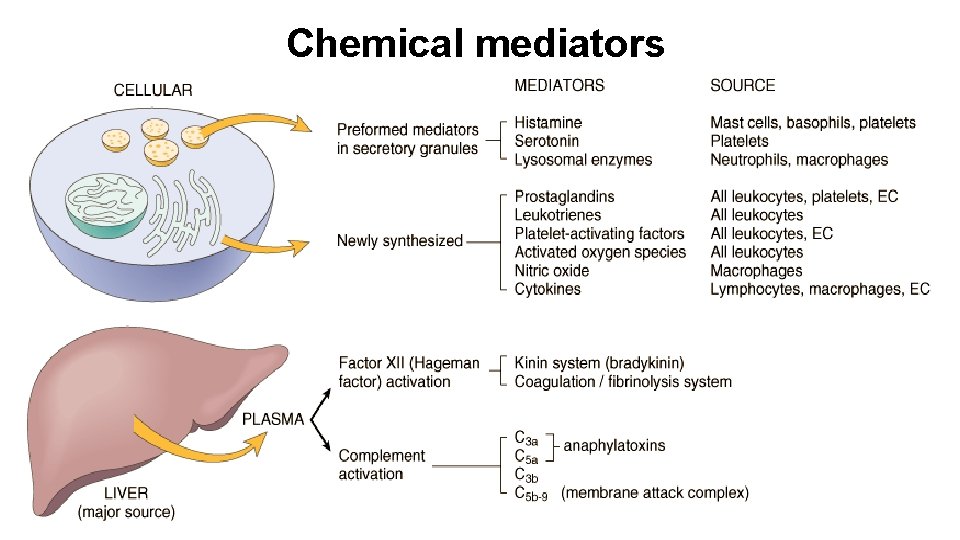
Chemical mediators
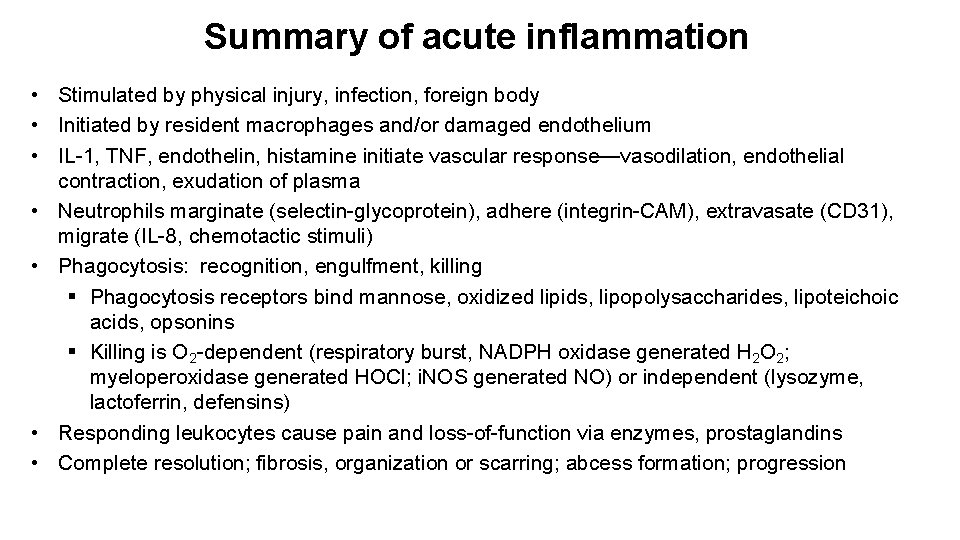
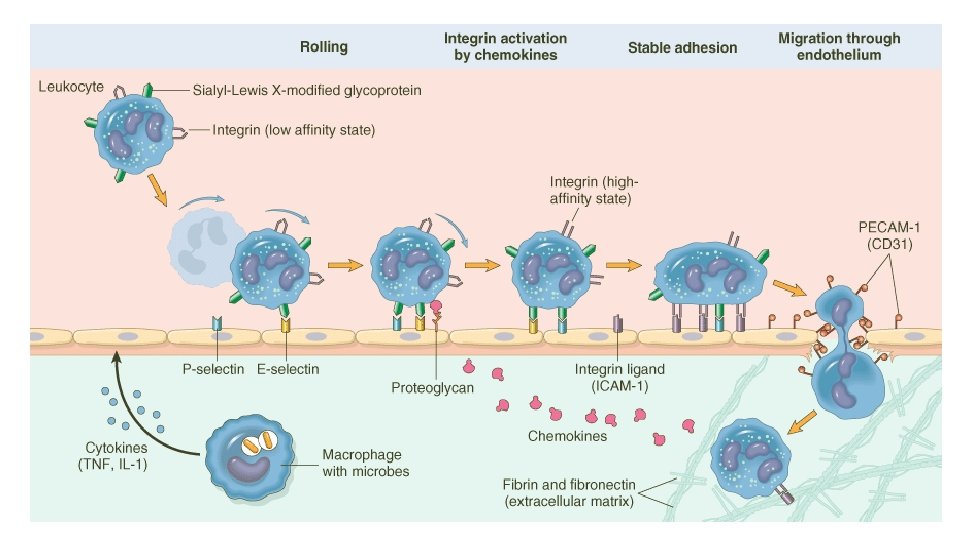
Summary of acute inflammation • Stimulated by physical injury, infection, foreign body • Initiated by resident macrophages and/or damaged endothelium • IL-1, TNF, endothelin, histamine initiate vascular response—vasodilation, endothelial contraction, exudation of plasma • Neutrophils marginate (selectin-glycoprotein), adhere (integrin-CAM), extravasate (CD 31), migrate (IL-8, chemotactic stimuli) • Phagocytosis: recognition, engulfment, killing § Phagocytosis receptors bind mannose, oxidized lipids, lipopolysaccharides, lipoteichoic acids, opsonins § Killing is O 2 -dependent (respiratory burst, NADPH oxidase generated H 2 O 2; myeloperoxidase generated HOCl; i. NOS generated NO) or independent (lysozyme, lactoferrin, defensins) • Responding leukocytes cause pain and loss-of-function via enzymes, prostaglandins • Complete resolution; fibrosis, organization or scarring; abcess formation; progression
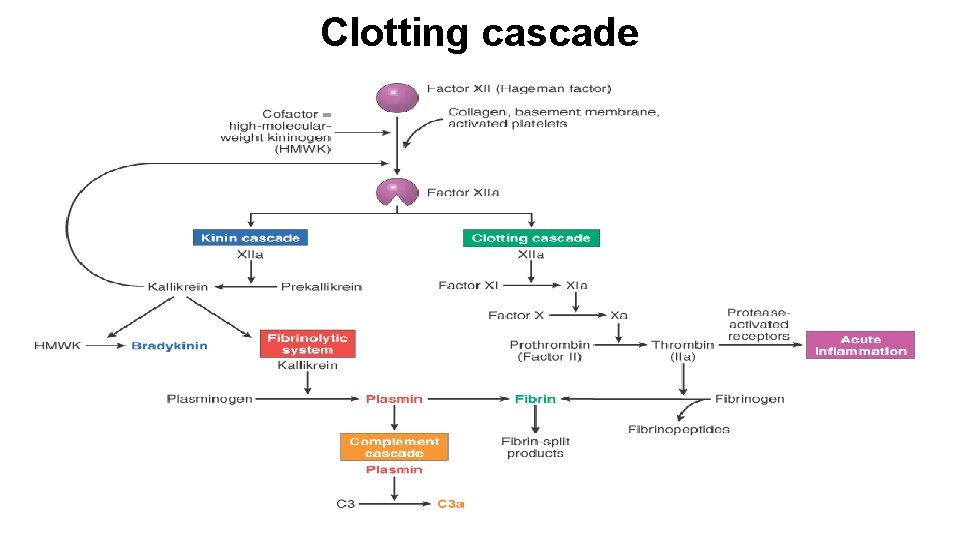
Clotting cascade
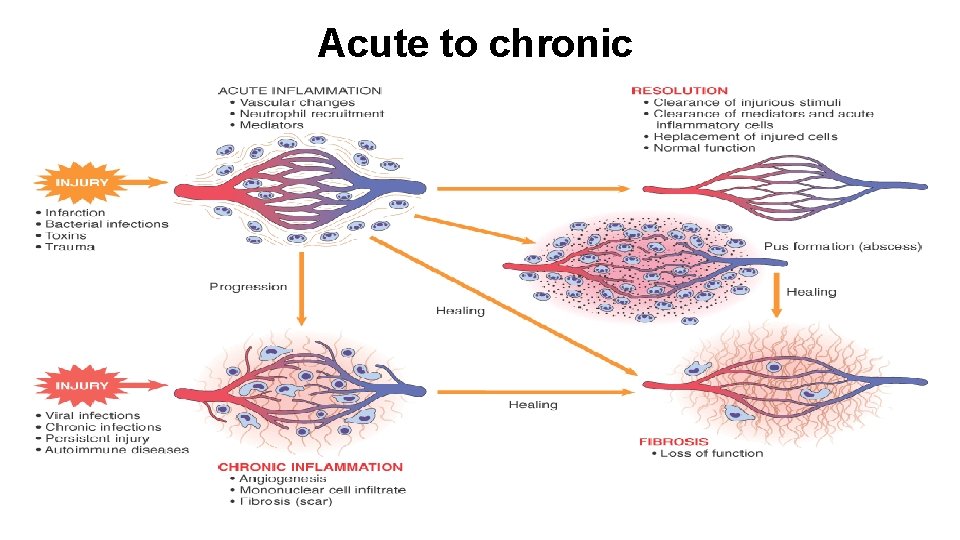
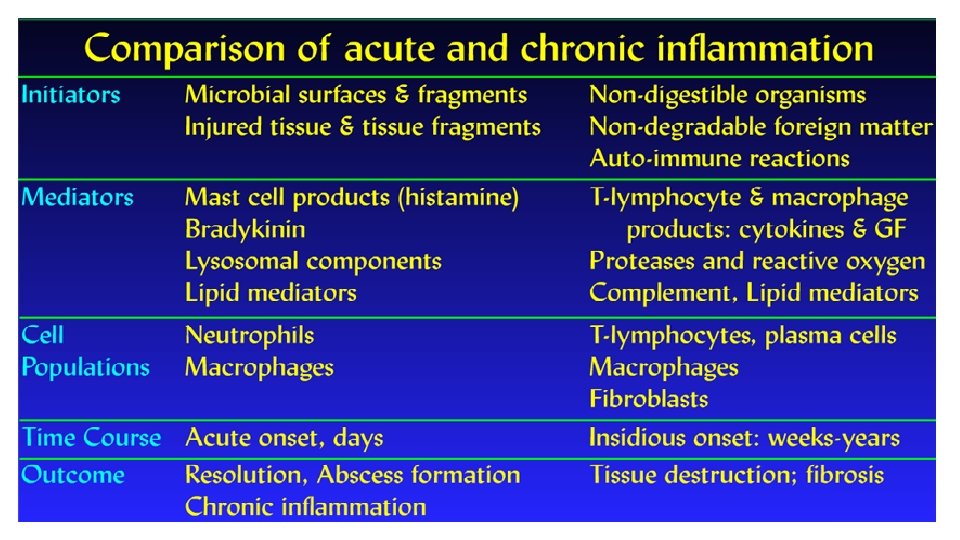
Acute to chronic
Outcomes of acute inflammation • 1. Complete resolution. Resolution is the usual outcome when the injury is limited or short-lived or when there has been little tissue destruction and the damaged parenchymal cells can regenerate. • Events in the resolution of inflammation: • • • (1) return to normal vascular permeability; (2) drainage of edema fluid and proteins into lymphatics or (3) by pinocytosis into macrophages (4) phagocytosis of apoptotic neutrophils (5) phagocytosis of necrotic debris • (6) disposal of macrophages. Macrophages
• 2. Healing by connective tissue replacement (fibrosis). This occurs after substantial tissue destruction, when the inflammatory injury involves tissues that are incapable of regeneration or when there is abundant fibrin exudation • 3. Progression of the tissue response to chronic inflammation. This may follow acute inflammation, or the response may be chronic almost from the onset.
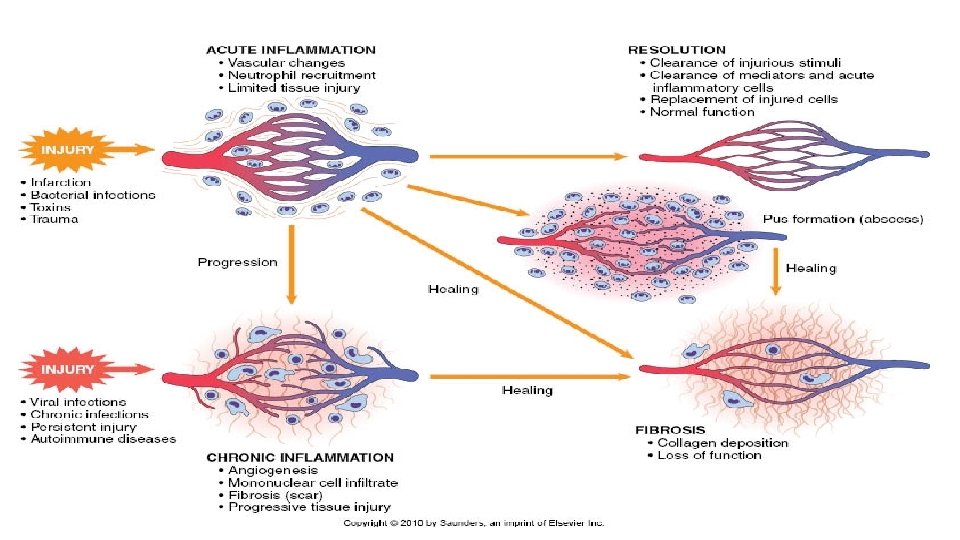
Chronic inflammation • Chronic inflammation is prolonged (weeks or months) • Inflammation, tissue injury, and attempts at repair coexist, in varying combinations • May follow acute inflammation • May begin insidiously without any manifestations of an acute reaction
Causes of chronic inflammation • Persistent infections § Organisms usually of low toxicity that invoke delayed hypersensitivity reaction § M. tuberculosis and T. pallidum causes granulomatous reaction • Prolonged exposure to potentially toxic agents § Exogenous agents include silica which causes silicosis § Endogenous causes include atherosclerosis caused by toxic plasma lipid components • Autoimmunity § Auto-antigens provoke self-perpetuating immune responses that cause chronic inflammatory diseases like RA, MS § Responses against common environmental substances cause chronic allergic diseases, such as bronchial asthma
Histologic features • Infiltration with mononuclear cells (eg. macrophages, lymphocytes and plasma cells) due to persistent reaction to injury • Tissue destruction induced by persistent agent or inflammatory cells • Attempts at healing by connective tissue replacement of damaged tissue with angiogenesis and fibrosis
Macrophages in chronic inflammation • Mononuclear phagocytes arise from a common precursor in the bone marrow • From the blood, monocytes migrate into various tissues and differentiate into macrophages § The half-life of blood monocytes is about 1 day § The life span of tissue macrophages is several months or years • Monocytes begin to emigrate into extravascular tissues quite early in acute inflammation • In chronic inflammation, macrophage accumulation persists as a result of continuous recruitment from the circulation and local proliferation at the site of inflammation
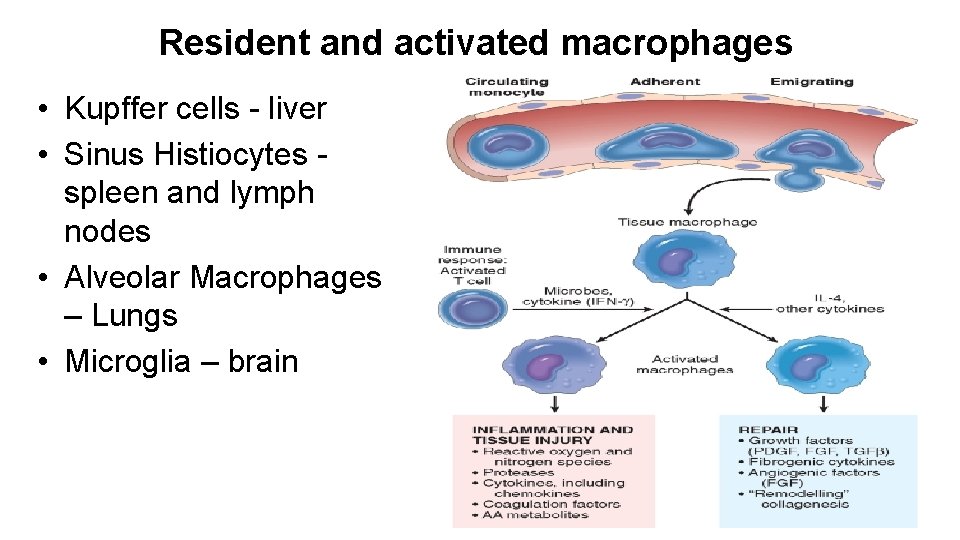
Resident and activated macrophages • Kupffer cells - liver • Sinus Histiocytes spleen and lymph nodes • Alveolar Macrophages – Lungs • Microglia – brain
Lymphocytes in chronic inflammation • T and B cells § Cytokines from activated macrophages, mainly TNF, IL-1, and chemokines, promote leukocyte recruitment § Macrophages display antigens to T cells and produce membrane molecules (costimulators) and cytokines (notably IL-12) that stimulate T-cell responses § Activated T lymphocytes recruit monocytes from the circulation with IFN-γ, a powerful activator of macrophages § Plasma cells develop from activated B lymphocytes and produce antibodies § Accumulations of lymphocytes, antigen-presenting cells, and plasma cells may assume the morphologic features of lymph nodes, called tertiary lymphoid organs
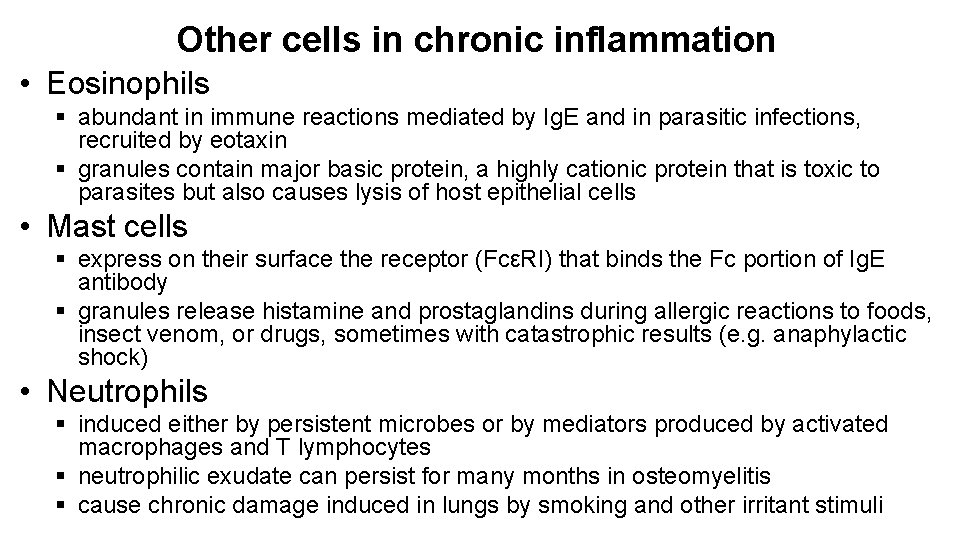
Other cells in chronic inflammation • Eosinophils § abundant in immune reactions mediated by Ig. E and in parasitic infections, recruited by eotaxin § granules contain major basic protein, a highly cationic protein that is toxic to parasites but also causes lysis of host epithelial cells • Mast cells § express on their surface the receptor (FcεRI) that binds the Fc portion of Ig. E antibody § granules release histamine and prostaglandins during allergic reactions to foods, insect venom, or drugs, sometimes with catastrophic results (e. g. anaphylactic shock) • Neutrophils § induced either by persistent microbes or by mediators produced by activated macrophages and T lymphocytes § neutrophilic exudate can persist for many months in osteomyelitis § cause chronic damage induced in lungs by smoking and other irritant stimuli
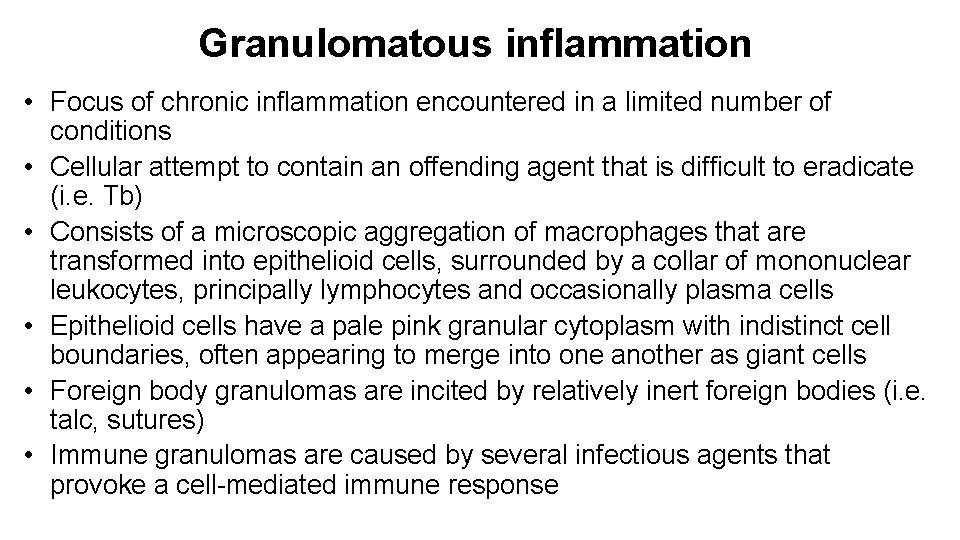
Granulomatous inflammation • Focus of chronic inflammation encountered in a limited number of conditions • Cellular attempt to contain an offending agent that is difficult to eradicate (i. e. Tb) • Consists of a microscopic aggregation of macrophages that are transformed into epithelioid cells, surrounded by a collar of mononuclear leukocytes, principally lymphocytes and occasionally plasma cells • Epithelioid cells have a pale pink granular cytoplasm with indistinct cell boundaries, often appearing to merge into one another as giant cells • Foreign body granulomas are incited by relatively inert foreign bodies (i. e. talc, sutures) • Immune granulomas are caused by several infectious agents that provoke a cell-mediated immune response
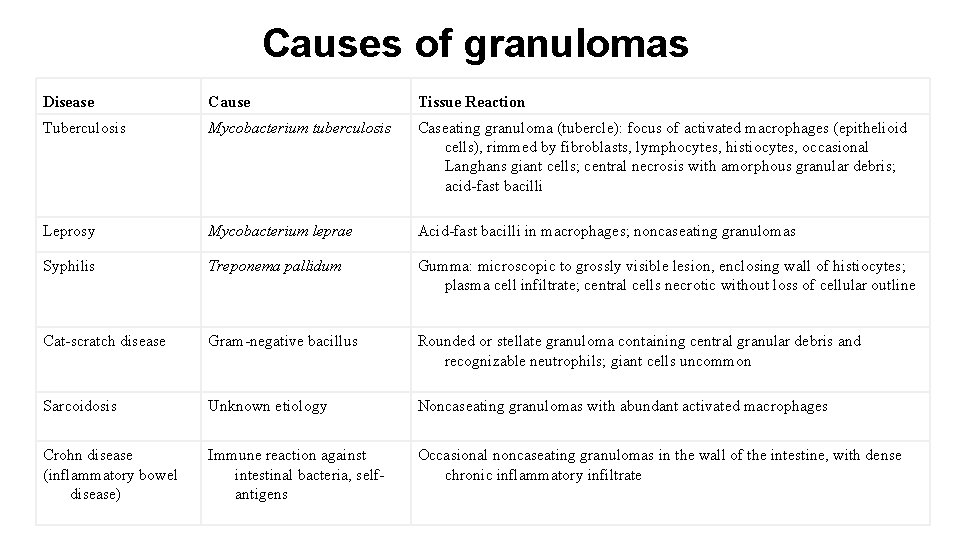
Causes of granulomas Disease Cause Tissue Reaction Tuberculosis Mycobacterium tuberculosis Caseating granuloma (tubercle): focus of activated macrophages (epithelioid cells), rimmed by fibroblasts, lymphocytes, histiocytes, occasional Langhans giant cells; central necrosis with amorphous granular debris; acid-fast bacilli Leprosy Mycobacterium leprae Acid-fast bacilli in macrophages; noncaseating granulomas Syphilis Treponema pallidum Gumma: microscopic to grossly visible lesion, enclosing wall of histiocytes; plasma cell infiltrate; central cells necrotic without loss of cellular outline Cat-scratch disease Gram-negative bacillus Rounded or stellate granuloma containing central granular debris and recognizable neutrophils; giant cells uncommon Sarcoidosis Unknown etiology Noncaseating granulomas with abundant activated macrophages Crohn disease (inflammatory bowel disease) Immune reaction against intestinal bacteria, selfantigens Occasional noncaseating granulomas in the wall of the intestine, with dense chronic inflammatory infiltrate
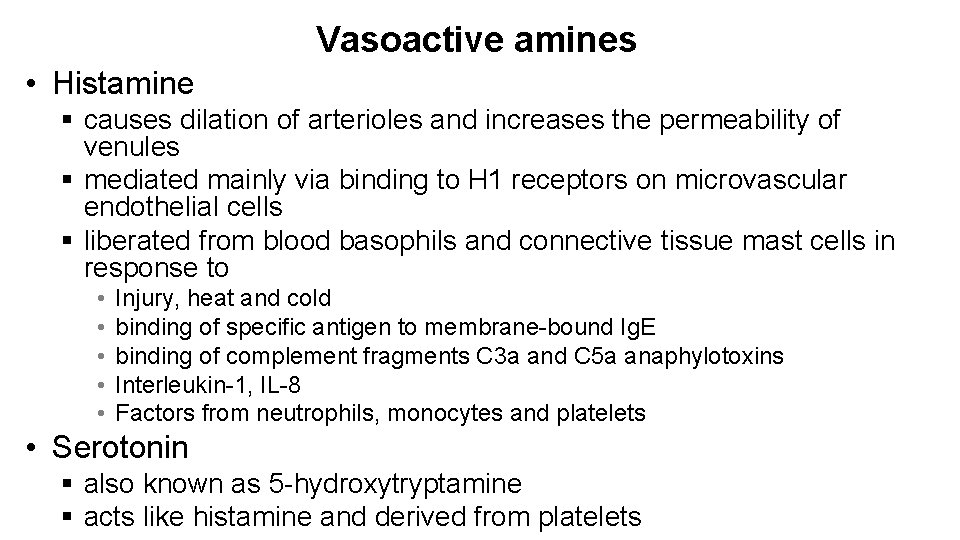
Vasoactive amines • Histamine § causes dilation of arterioles and increases the permeability of venules § mediated mainly via binding to H 1 receptors on microvascular endothelial cells § liberated from blood basophils and connective tissue mast cells in response to • • • Injury, heat and cold binding of specific antigen to membrane-bound Ig. E binding of complement fragments C 3 a and C 5 a anaphylotoxins Interleukin-1, IL-8 Factors from neutrophils, monocytes and platelets • Serotonin § also known as 5 -hydroxytryptamine § acts like histamine and derived from platelets
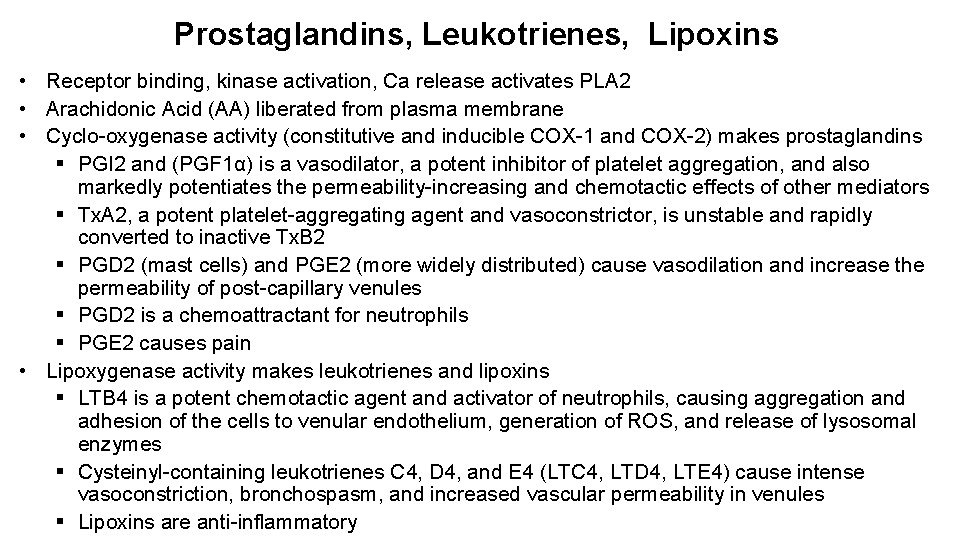
Prostaglandins, Leukotrienes, Lipoxins • Receptor binding, kinase activation, Ca release activates PLA 2 • Arachidonic Acid (AA) liberated from plasma membrane • Cyclo-oxygenase activity (constitutive and inducible COX-1 and COX-2) makes prostaglandins § PGI 2 and (PGF 1α) is a vasodilator, a potent inhibitor of platelet aggregation, and also markedly potentiates the permeability-increasing and chemotactic effects of other mediators § Tx. A 2, a potent platelet-aggregating agent and vasoconstrictor, is unstable and rapidly converted to inactive Tx. B 2 § PGD 2 (mast cells) and PGE 2 (more widely distributed) cause vasodilation and increase the permeability of post-capillary venules § PGD 2 is a chemoattractant for neutrophils § PGE 2 causes pain • Lipoxygenase activity makes leukotrienes and lipoxins § LTB 4 is a potent chemotactic agent and activator of neutrophils, causing aggregation and adhesion of the cells to venular endothelium, generation of ROS, and release of lysosomal enzymes § Cysteinyl-containing leukotrienes C 4, D 4, and E 4 (LTC 4, LTD 4, LTE 4) cause intense vasoconstriction, bronchospasm, and increased vascular permeability in venules § Lipoxins are anti-inflammatory
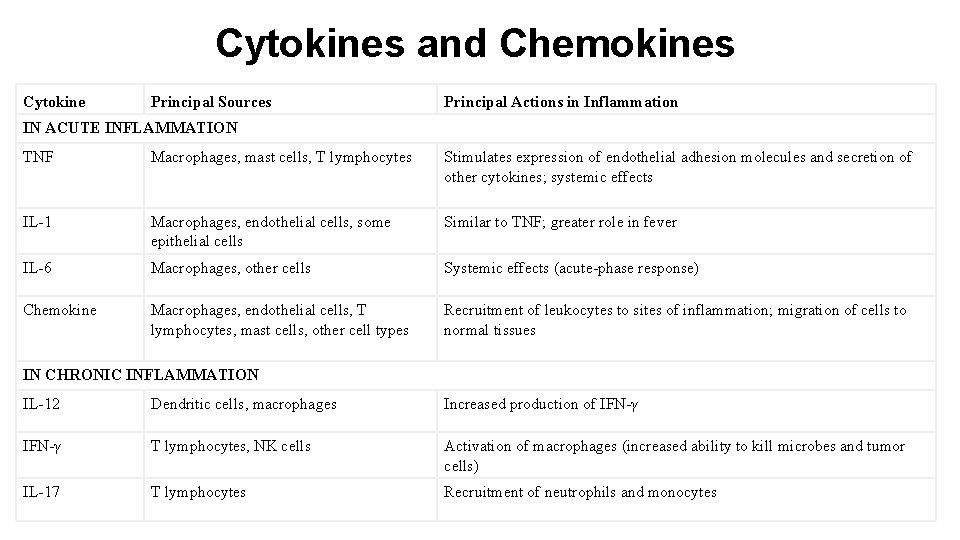
Cytokines and Chemokines Cytokine Principal Sources Principal Actions in Inflammation IN ACUTE INFLAMMATION TNF Macrophages, mast cells, T lymphocytes Stimulates expression of endothelial adhesion molecules and secretion of other cytokines; systemic effects IL-1 Macrophages, endothelial cells, some epithelial cells Similar to TNF; greater role in fever IL-6 Macrophages, other cells Systemic effects (acute-phase response) Chemokine Macrophages, endothelial cells, T lymphocytes, mast cells, other cell types Recruitment of leukocytes to sites of inflammation; migration of cells to normal tissues IN CHRONIC INFLAMMATION IL-12 Dendritic cells, macrophages Increased production of IFN-γ T lymphocytes, NK cells Activation of macrophages (increased ability to kill microbes and tumor cells) IL-17 T lymphocytes Recruitment of neutrophils and monocytes
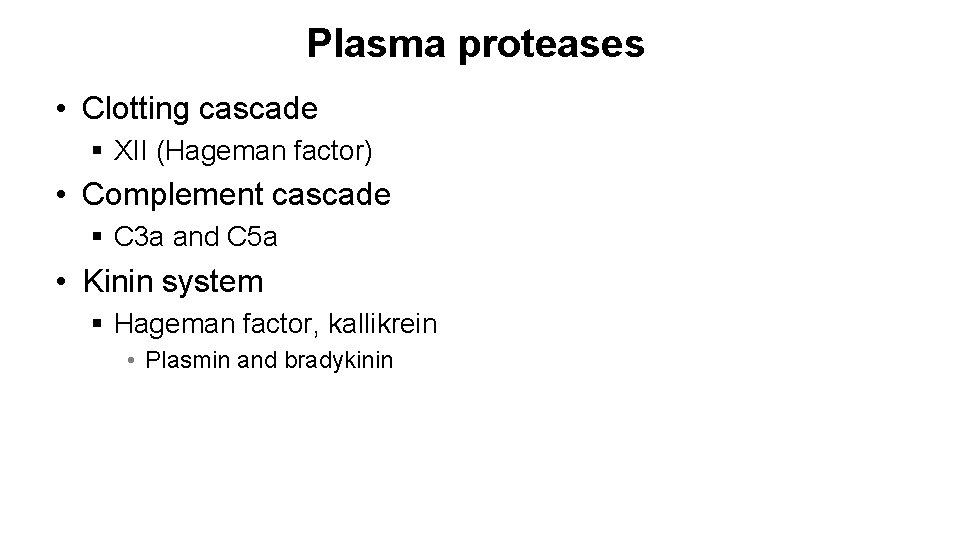
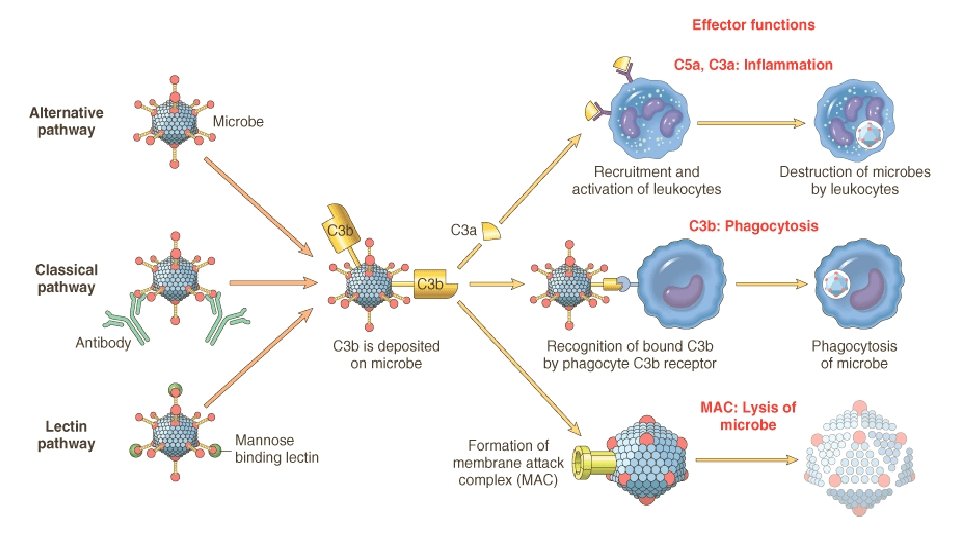
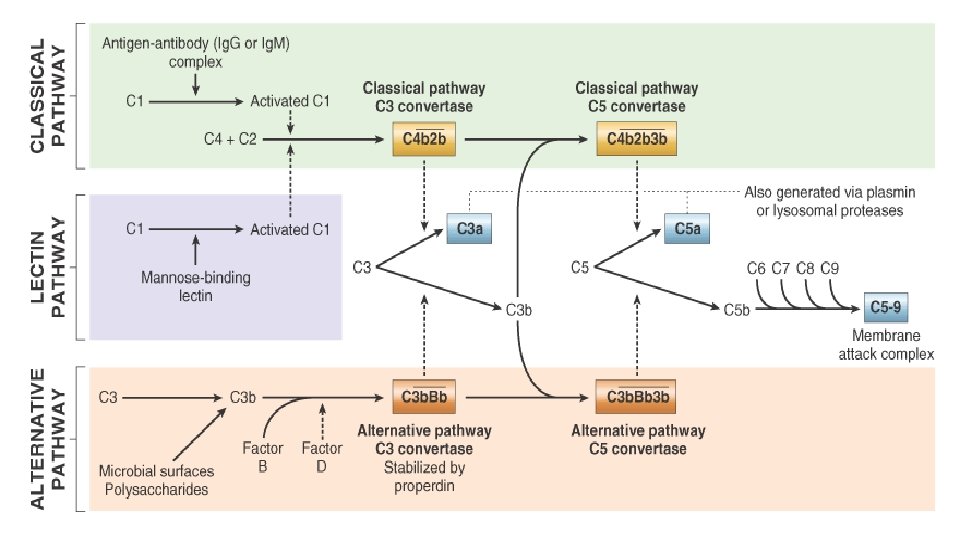
Plasma proteases • Clotting cascade § XII (Hageman factor) • Complement cascade § C 3 a and C 5 a • Kinin system § Hageman factor, kallikrein • Plasmin and bradykinin
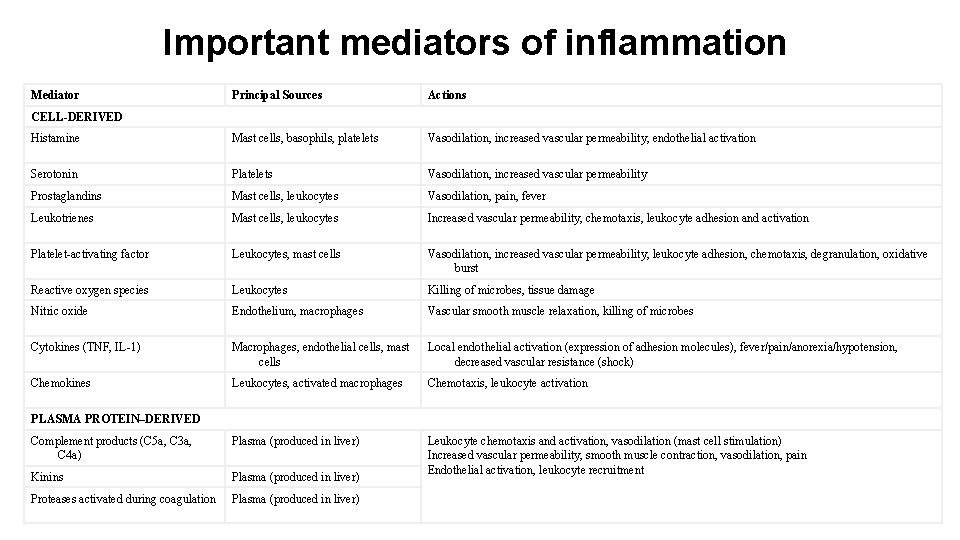
Important mediators of inflammation Mediator Principal Sources Actions Histamine Mast cells, basophils, platelets Vasodilation, increased vascular permeability, endothelial activation Serotonin Platelets Vasodilation, increased vascular permeability Prostaglandins Mast cells, leukocytes Vasodilation, pain, fever Leukotrienes Mast cells, leukocytes Increased vascular permeability, chemotaxis, leukocyte adhesion and activation Platelet-activating factor Leukocytes, mast cells Vasodilation, increased vascular permeability, leukocyte adhesion, chemotaxis, degranulation, oxidative burst Reactive oxygen species Leukocytes Killing of microbes, tissue damage Nitric oxide Endothelium, macrophages Vascular smooth muscle relaxation, killing of microbes Cytokines (TNF, IL-1) Macrophages, endothelial cells, mast cells Local endothelial activation (expression of adhesion molecules), fever/pain/anorexia/hypotension, decreased vascular resistance (shock) Chemokines Leukocytes, activated macrophages Chemotaxis, leukocyte activation Complement products (C 5 a, C 3 a, C 4 a) Plasma (produced in liver) Kinins Plasma (produced in liver) Leukocyte chemotaxis and activation, vasodilation (mast cell stimulation) Increased vascular permeability, smooth muscle contraction, vasodilation, pain Endothelial activation, leukocyte recruitment Proteases activated during coagulation Plasma (produced in liver) CELL-DERIVED PLASMA PROTEIN–DERIVED
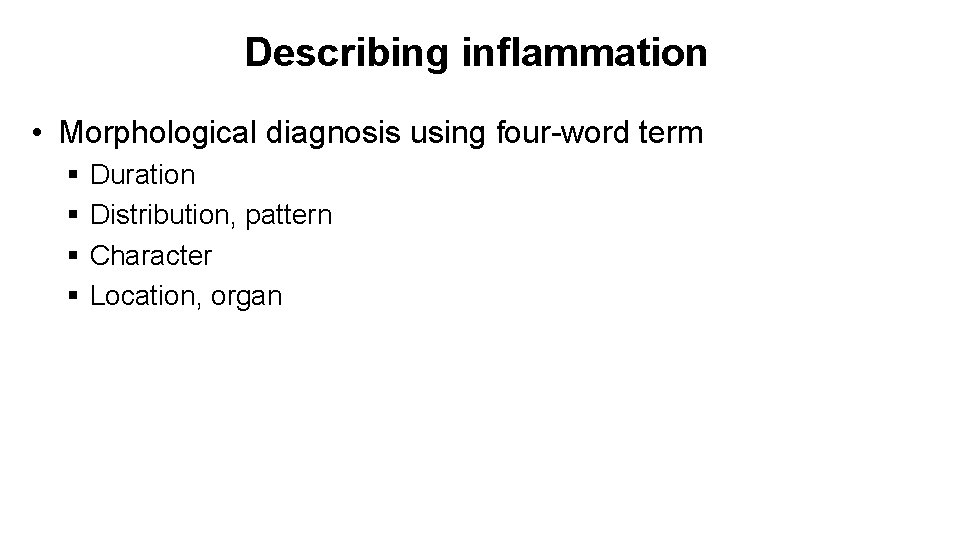
Describing inflammation • Morphological diagnosis using four-word term § § Duration Distribution, pattern Character Location, organ
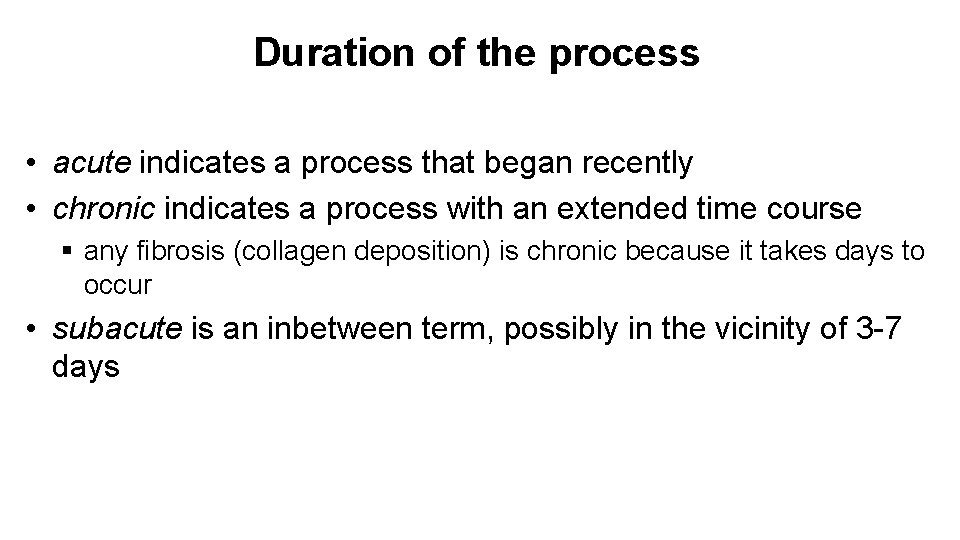
Duration of the process • acute indicates a process that began recently • chronic indicates a process with an extended time course § any fibrosis (collagen deposition) is chronic because it takes days to occur • subacute is an inbetween term, possibly in the vicinity of 3 -7 days
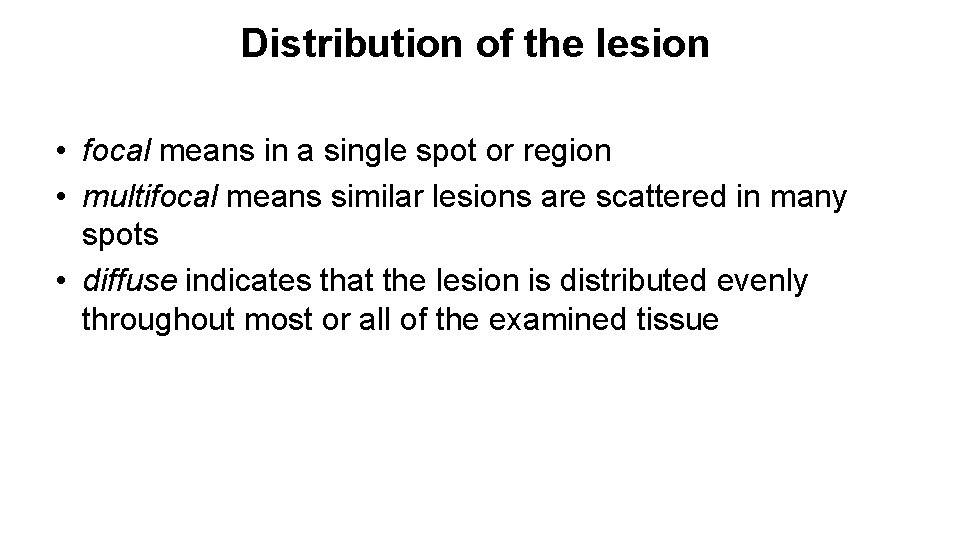
Distribution of the lesion • focal means in a single spot or region • multifocal means similar lesions are scattered in many spots • diffuse indicates that the lesion is distributed evenly throughout most or all of the examined tissue
Character of the exudate • suppurative indicates a prominent component of neutrophils • lymphocytic, plasmacytic, and lymphoplasmacytic indicate a lack of neutrophils and a predominence of lymphoid cells • granulomatous inflammation is always chronic, and contains large, reactive, epitheloid macrophages
Location and presence of inflammation • Terms combine the organ name as a root with the suffix “itis” § tonsillitis, apendicitis, dermatitis, hepatitis, placentitis, nephritis (kidneys), mastitis (mammary glands), orchitis (testis), cholecystitis (gall bladder), etc. • a few tissues have atypical terms § pneumonia and pleurisy
Examples of morphologic diagnoses • acute diffuse suppurative enteritis § inflammation that includes the entire mucosal surface of the small intestine, which began recently and contains neutrophils § acute suppurative inflammation suggests a bacterial infection, such as Salmonella or Campylobacter • subacute multifocal lympoplasmacytic meningoencephalitis § inflammation in multiple scattered spots throughout the brain and meninges, perhaps a week in duration, containing lymphocytes and plasma cells § this type of inflammation is suggestive of a viral infection, perhaps West Nile virus, St. Louis Encephalitis virus, or rabies • chronic focal granulomatous pneumonia § isolated lesion in the lung that is suggestive of tuberculosis
- Slides: 43