
ActorNetwork Theory Translation as Material Culture Grant Kien
- Slides: 20
Actor-Network Theory: Translation as Material Culture Grant Kien Hazal Ertürkan ID 501 Presentation
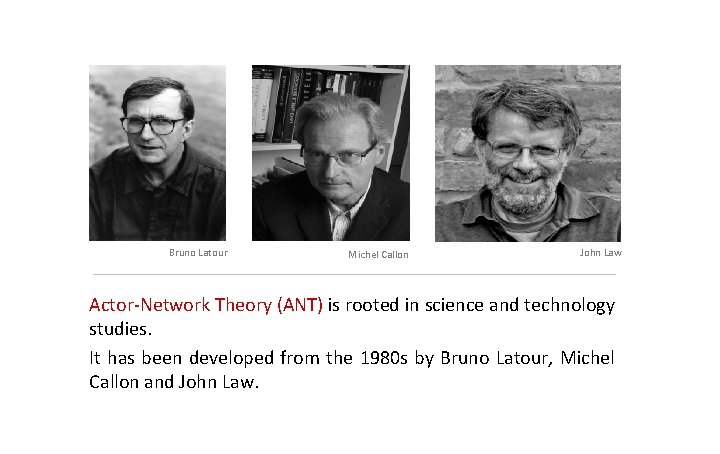
Bruno Latour Michel Callon John Law Actor-Network Theory (ANT) is rooted in science and technology studies. It has been developed from the 1980 s by Bruno Latour, Michel Callon and John Law.
Actor-network theory can be defined as a research method with a focus on the connections between both human and non -human entities. It describes how these connections lead to the creation of new entities.
Actants The word of actant meaning that which accomplishes or undergoes an act is used for the entities in a network. They differ from actors because an actant can not only be a human, but also they can be an animal, object or concept. All actants are equal and they are primary units in building networks.
ANT does not seek to describe how actants act, but rather, what provides actants with their actions, subjectivity, intentionality, morality. ANT researchers do not study actors, but rather, connect with them, recording how worlds are built in specific sites. Law labeled ANT as a term ‘relational materiality’ to describe how form is an effect of relations, made durable and fixed through performance He suggests that ANT is always in a tension between agency (actor) and structure (network).
Two actant join together and become one for a third actant and it grows by becoming many others. To maintain its position, an actant must constantly build relationships with other actants. As long as the actants keep interacting the actant-network will look stable from the outside. However, if the interaction ends, the actant-network will break down. The more relationships, the more stable an actant appears to be. Strength is gained by association. For ANT, no network is stable without the ongoing interactions between actants.
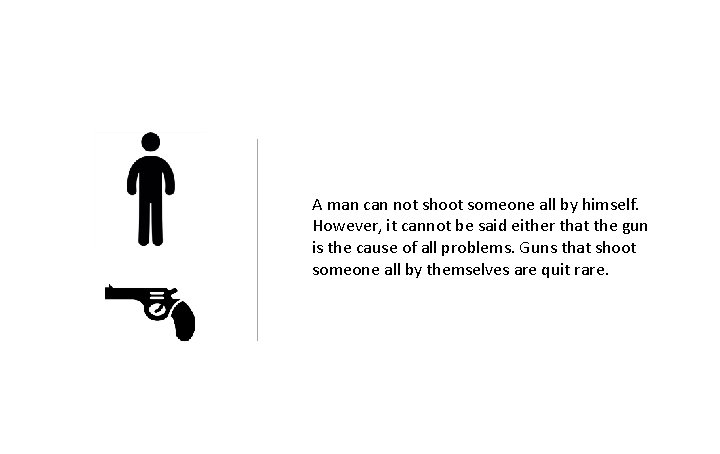
A man can not shoot someone all by himself. However, it cannot be said either that the gun is the cause of all problems. Guns that shoot someone all by themselves are quit rare.
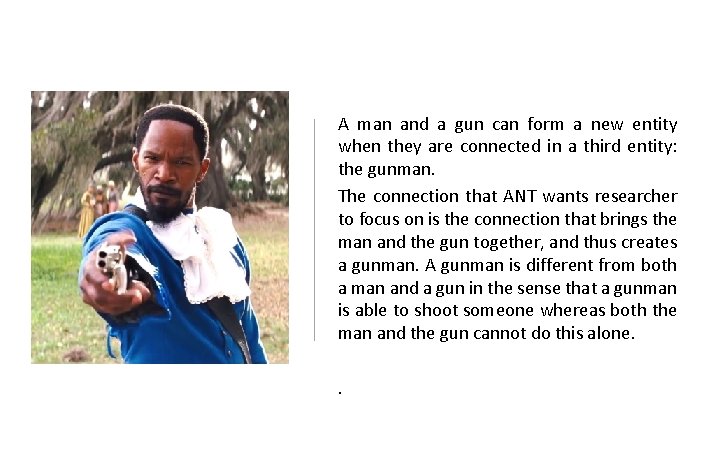
A man and a gun can form a new entity when they are connected in a third entity: the gunman. The connection that ANT wants researcher to focus on is the connection that brings the man and the gun together, and thus creates a gunman. A gunman is different from both a man and a gun in the sense that a gunman is able to shoot someone whereas both the man and the gun cannot do this alone. .
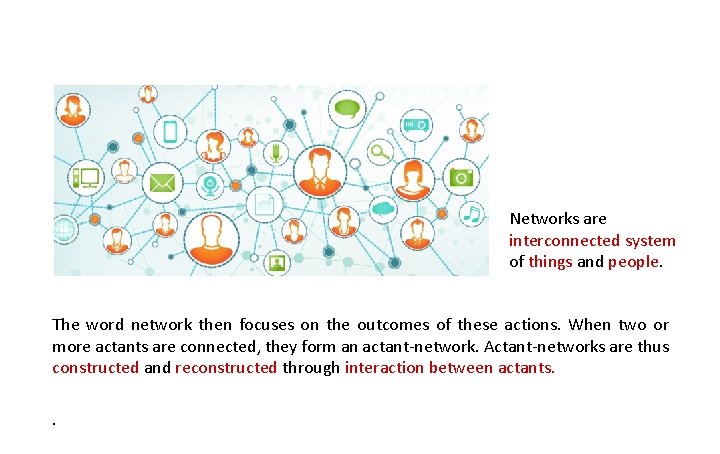
Networks are interconnected system of things and people. The word network then focuses on the outcomes of these actions. When two or more actants are connected, they form an actant-network. Actant-networks are thus constructed and reconstructed through interaction between actants. .
In a sense actant-network is similar to actant. If we zoom out till we cannot see the connections of an actant-network anymore, the actant-network will appear as one actant. The other way around: if we zoom in on any actant, we will be able to trace connections and thus see the actant-network.
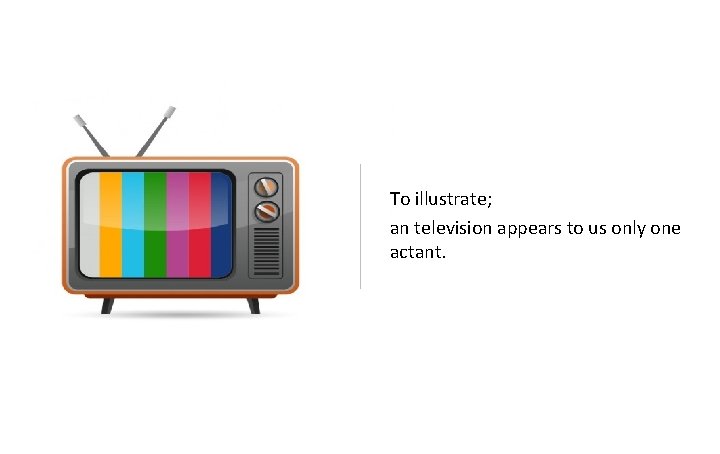
To illustrate; an television appears to us only one actant.
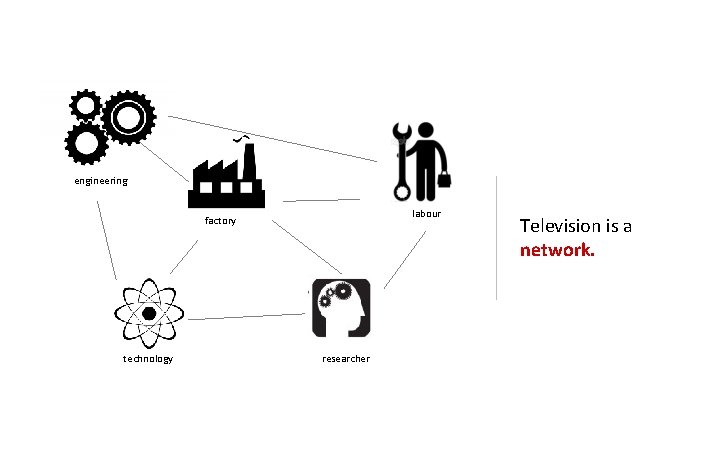
engineering labour factory technology researcher Television is a network.
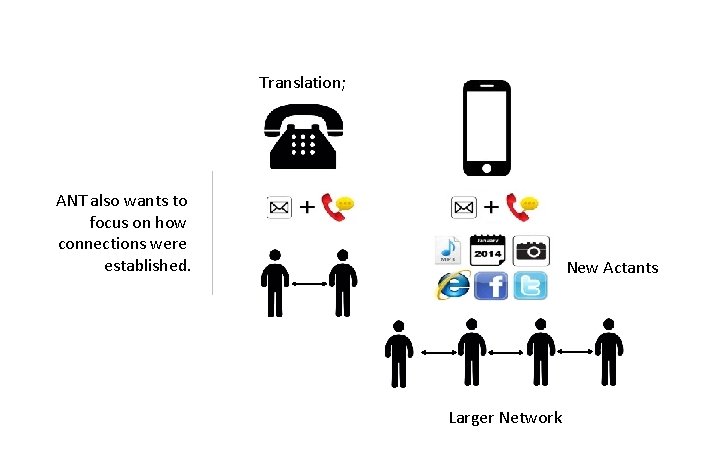
Translation is the term Callon (1986) used to refer to the process of forming a network. In order to establish connections actants have to be displaced and transformed in order to make them fit into an actant-network. The work that is necessary to displace and transform is called translation. When actants have not been translated (or translate themselves), they are not part of the actant-network. If all actants stick to their original characteristics they will not be able to connect to each other in such way that a new actant-network with other characteristics is created. It is proposed that any social phenomena can be analyzed using the model of translation
Translation; ANT also wants to focus on how connections were established. New Actants Larger Network
Actors have the power to change other actors. This power is called agency. During interactions between actants, they change each others.
Translation as Material Culture It is claimed that material culture is used to describe ‘person-thing’ relationships and those things in use (Lury, 1996). ‘Material culture is concerned with the conversion of material objects toward a personally experienced end use. ’ ‘Material objects make visible the categories that we use to conceptulally organize the world in which we live. ’
Society, organizations, agents and machines are all effects generated in patterned networks of diverse(not simply by human) materials. The social is nothing other than patterned networks of heterogeneous materials composed of people, machines, animals, texts architecture, symbolic material (money), and so on. A person is an effect produced by a network of heterogeneous, interacting, materials. Nonhuman actors also order the world. The effects mask the networks that produce them, and we tend to deal with the effects of networks than an ‘endless network of ramification’.
In conclusion; ANT seeks to expose the intimate relations between humans and technologies , machines and machinations, actors and actants and networks. In this method, technology/artifacts/ material object may be allowed to speak its own voice in as much as it may, to describe its own array of alliances, struggles, and victories.
Discussion Overcoming dualisim is just one of ANT’s useful contributions to nonhierarchical understandings of everday life seeing culture as performance and effects of performances. What are the lacks of admiting the all entities as equal, while creating a network composed by human and nonhuman entities?
Thank you for listening! Hazal Ertürkan ID 501 Presentation