
Active Transport Using energy Active Transport Transport methods
- Slides: 23
Active Transport Using energy
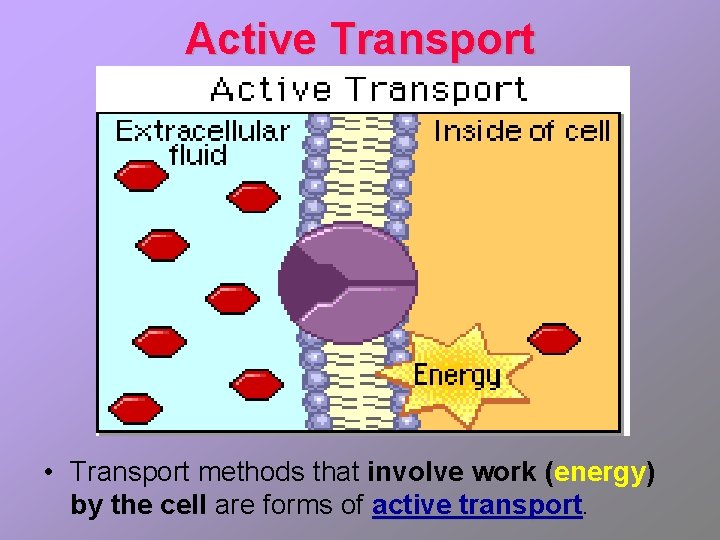
Active Transport • Transport methods that involve work (energy) by the cell are forms of active transport
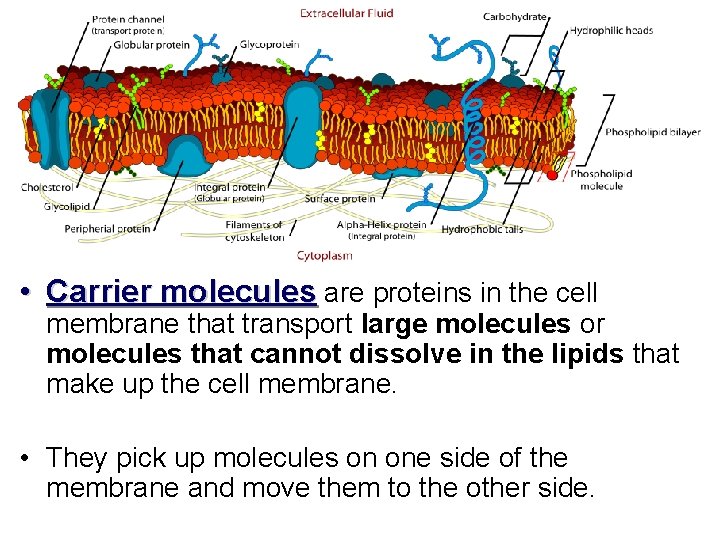
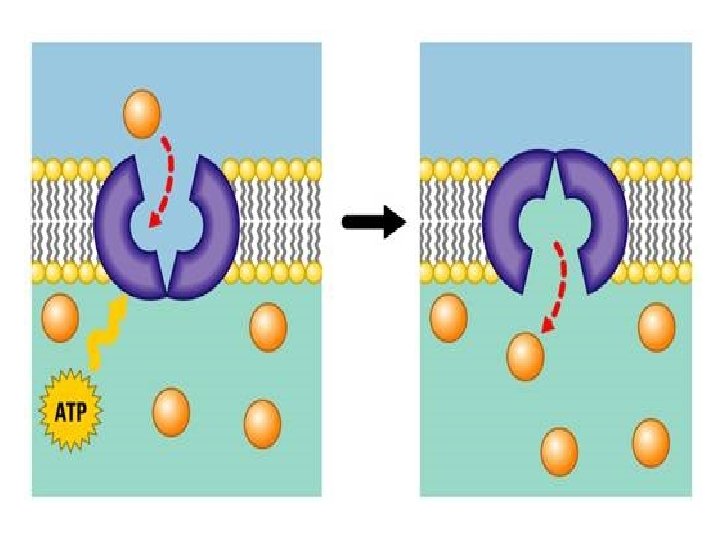
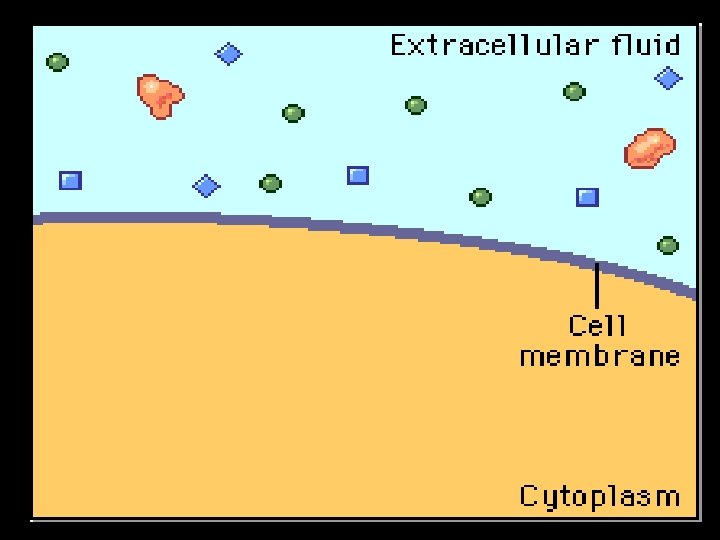
• Carrier molecules are proteins in the cell membrane that transport large molecules or molecules that cannot dissolve in the lipids that make up the cell membrane. • They pick up molecules on one side of the membrane and move them to the other side.
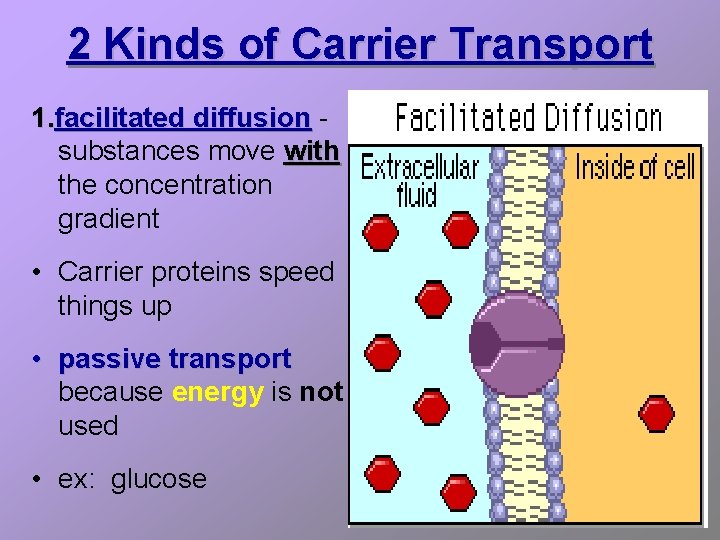
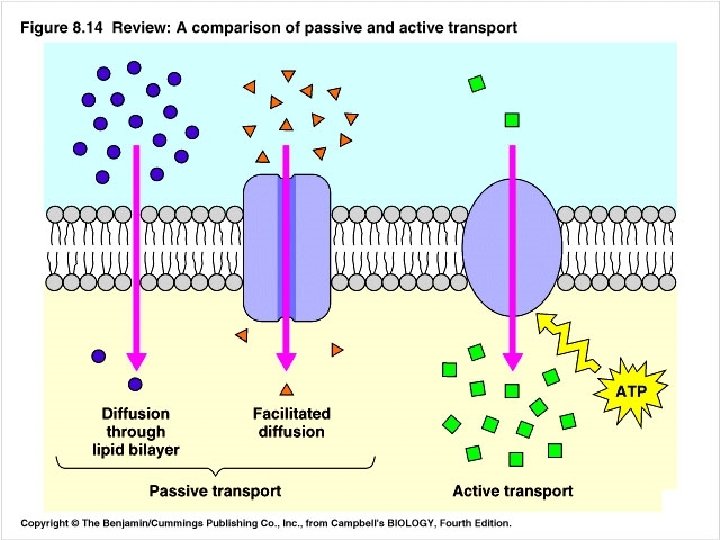
2 Kinds of Carrier Transport 1. facilitated diffusion substances move with the concentration gradient • Carrier proteins speed things up • passive transport because energy is not used • ex: glucose
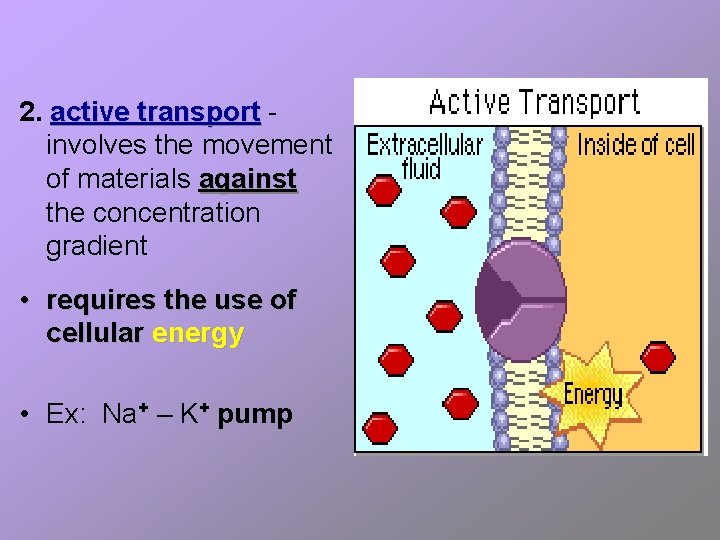
2. active transport involves the movement of materials against the concentration gradient • requires the use of cellular energy • Ex: Na+ – K+ pump
Bulk Transport Movement in Vesicles
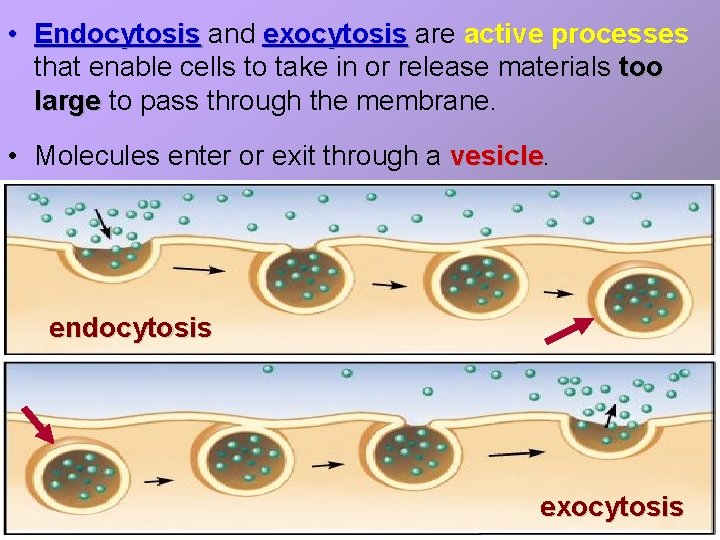
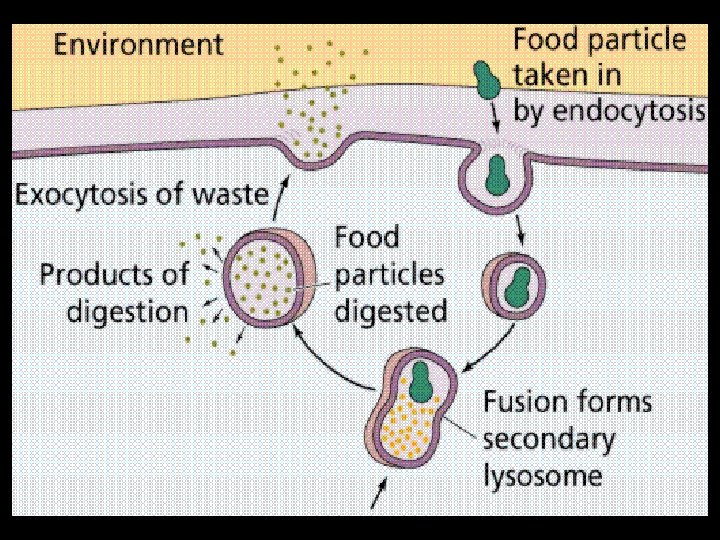
• Endocytosis and exocytosis are active processes that enable cells to take in or release materials too large to pass through the membrane. • Molecules enter or exit through a vesicle endocytosis exocytosis
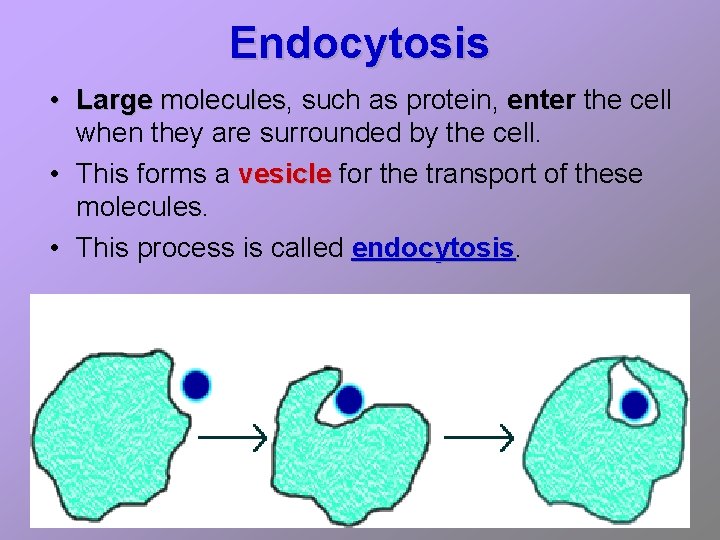
Endocytosis • Large molecules, molecules such as protein, enter the cell when they are surrounded by the cell. • This forms a vesicle for the transport of these molecules. • This process is called endocytosis
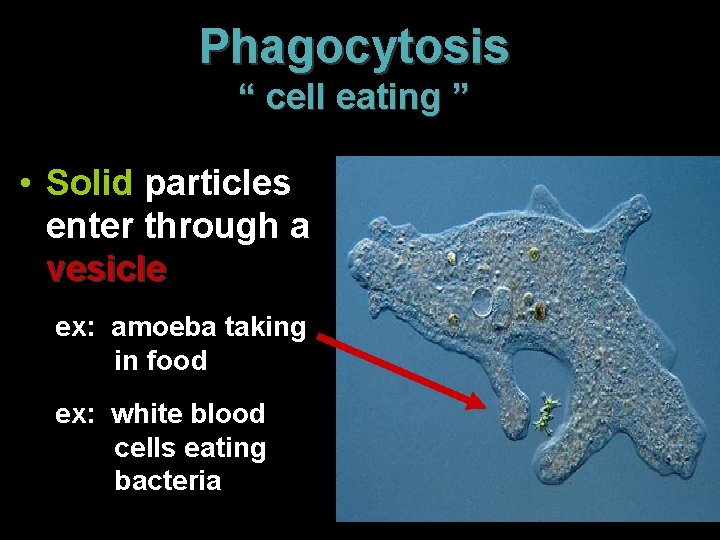
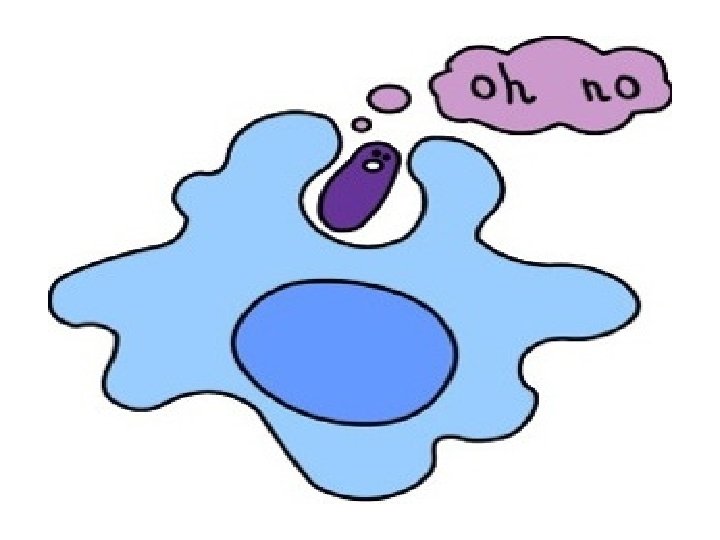
Phagocytosis “ cell eating ” • Solid particles enter through a vesicle ex: amoeba taking in food ex: white blood cells eating bacteria
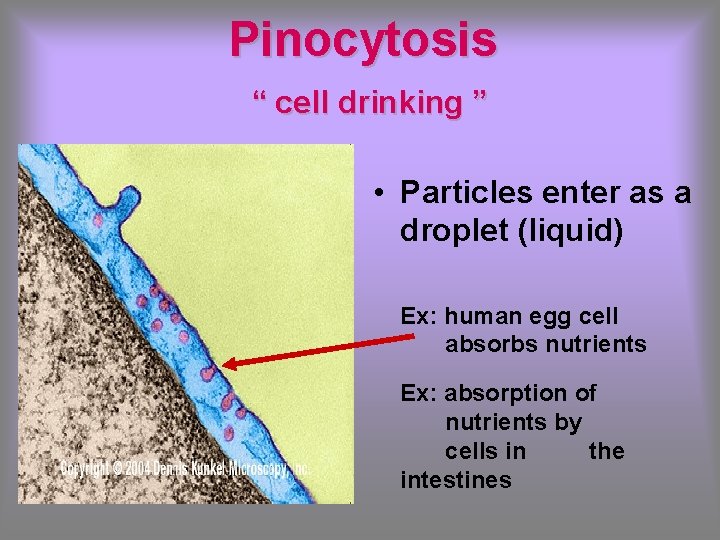
Pinocytosis “ cell drinking ” • Particles enter as a droplet (liquid) Ex: human egg cell absorbs nutrients Ex: absorption of nutrients by cells in the intestines
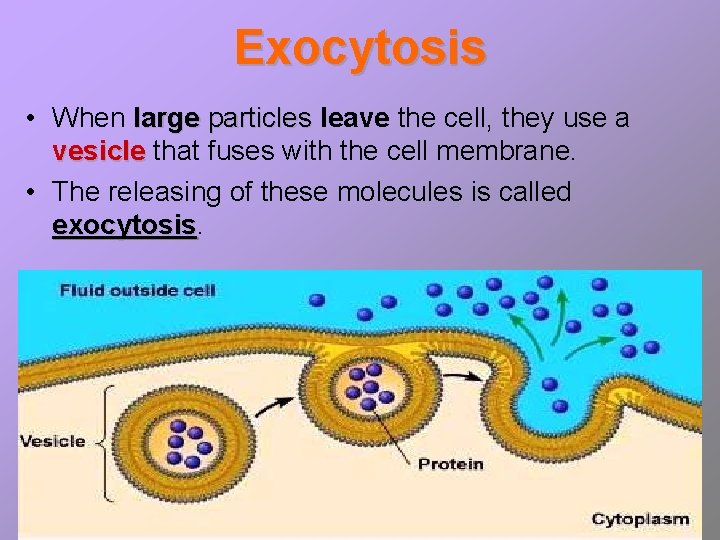
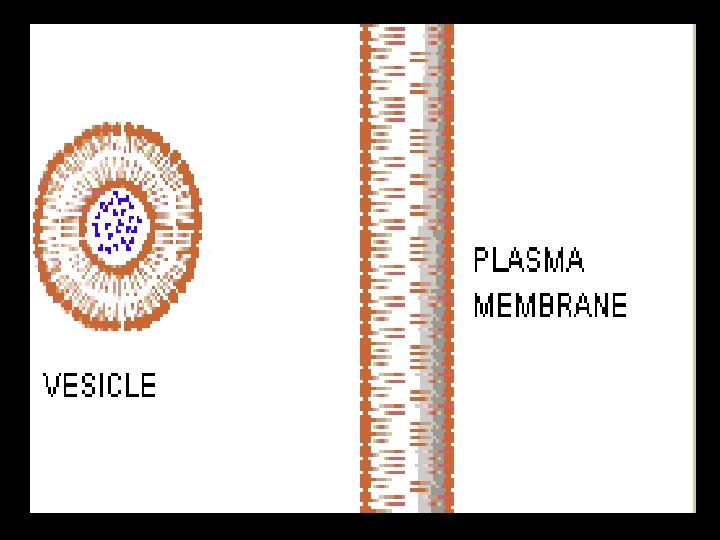
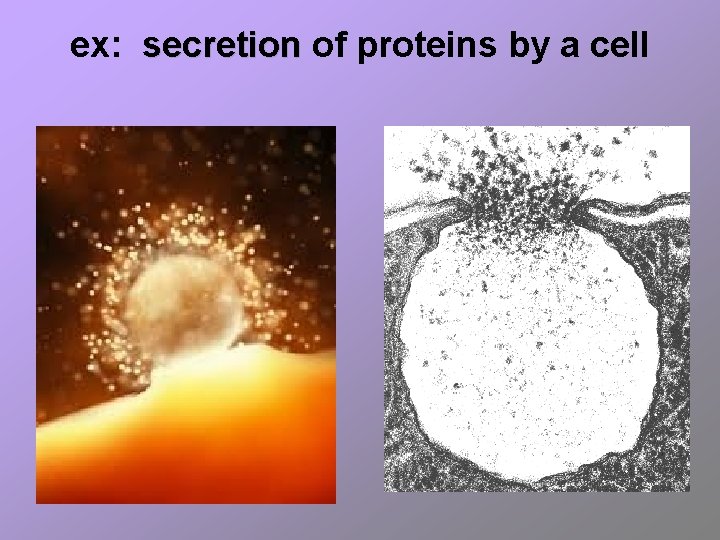
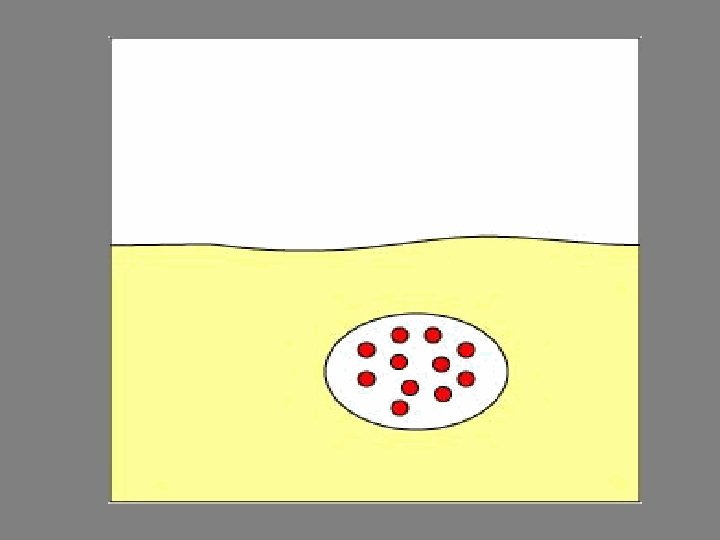
Exocytosis • When large particles leave the cell, they use a vesicle that fuses with the cell membrane. • The releasing of these molecules is called exocytosis
ex: secretion of proteins by a cell
The End