
Active Listening Learning Objectives 1 To understand the
Active Listening
Learning Objectives 1. To understand the difference between listening and ‘actively’ listening 2. To explore ways to actively listen 3. To work together on practicing listening skills tribute to creating a shared class Safe Space
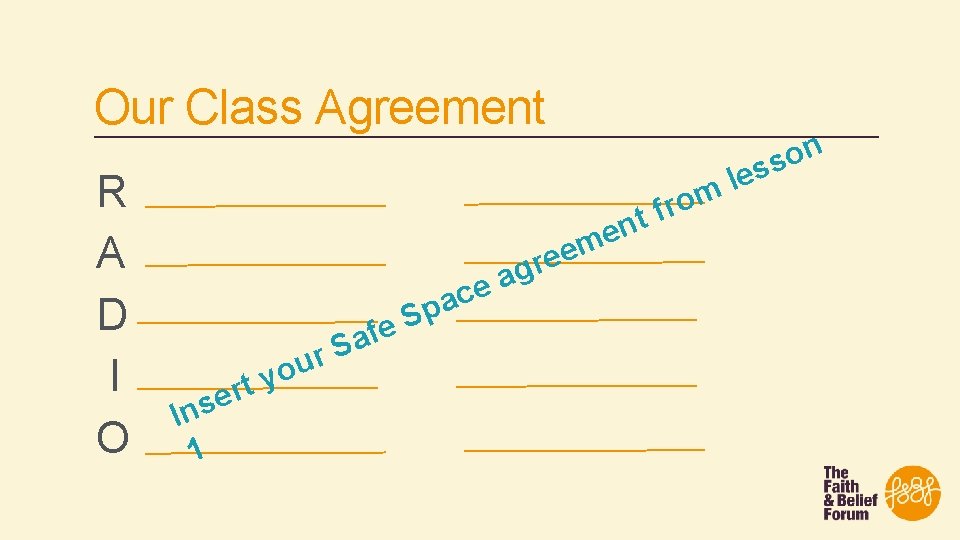
Our Class Agreement R A D I O t n e g a e m e re I o y t r e ns 1 e f a S r u c a Sp e l m o r f n o ss
Safe Space Video Principles to create a space that is comfortable ‘Safe’ to bring people together to get to know each other. PLAY SAFE SPACE FILM https: //youtu. be/6 r. BI 7 UP 9 -hc
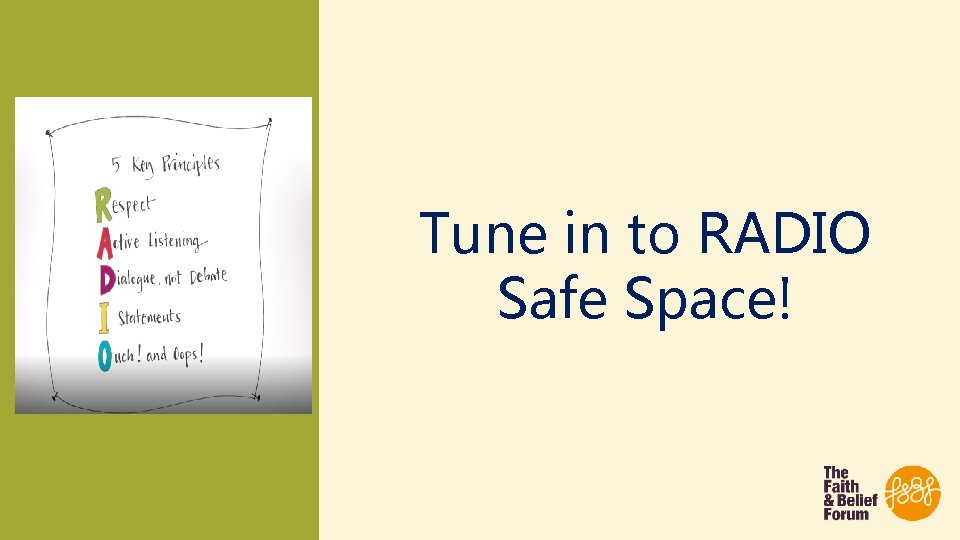
Tune in to RADIO Safe Space!
How can we show Respect?
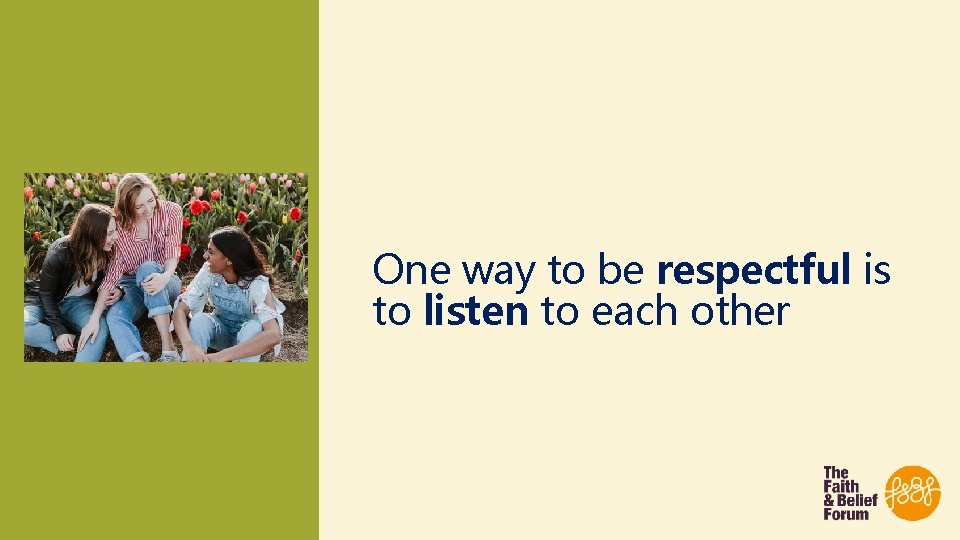
One way to be respectful is to listen to each other
What do you think it means to actively listen?
What do you think it means to actively listen?
Likes & Dislikes
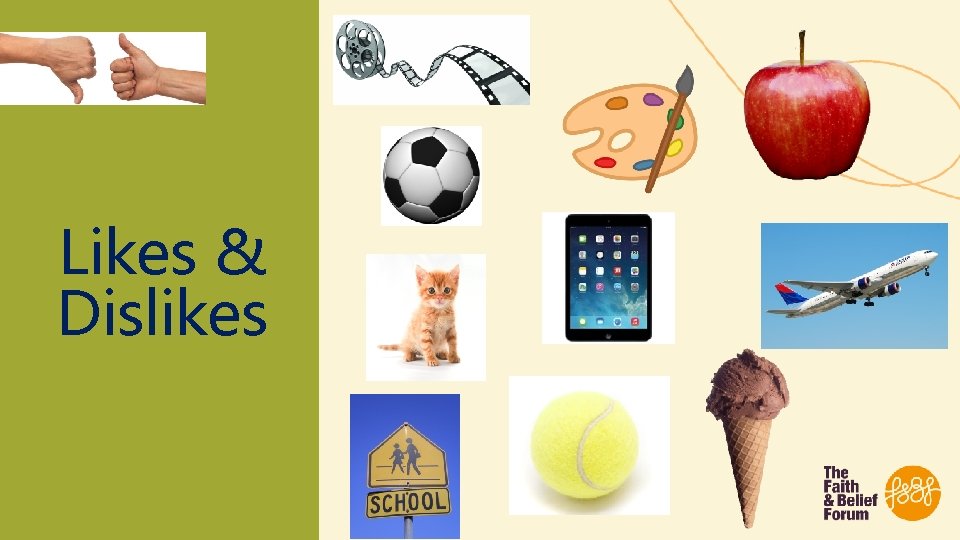
Likes & Dislikes
You learnt something new about someone else?
You felt you were really listening to each other
You found it hard to remember what everyone had said

When listening to some speaking, who sometimes starts thinking about their answer before the person has finished?
Think, Pair, Share What is the difference between regular listening and active listening?
What is the difference between regular listening and active listening?
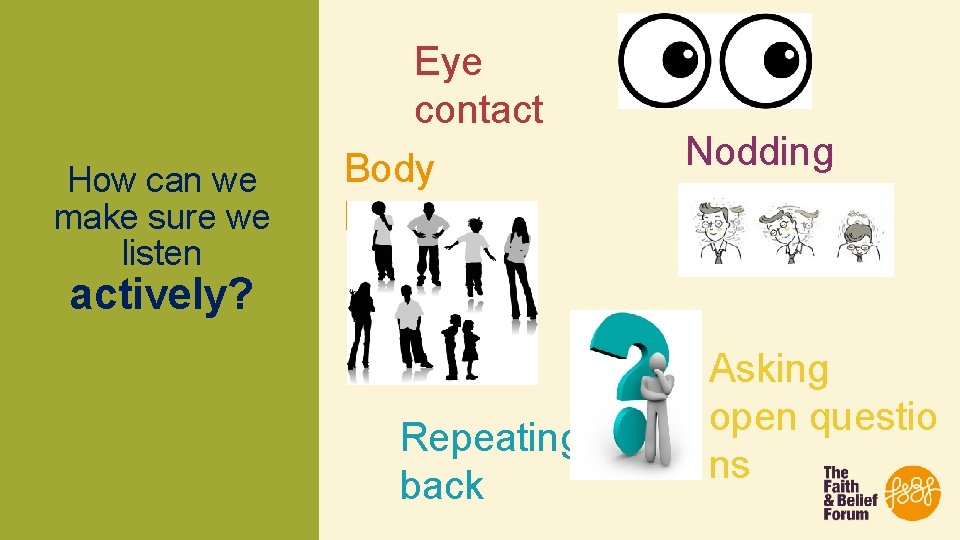
How can we make sure we listen Eye contact Body language Nodding actively? Repeating back Asking open questio ns
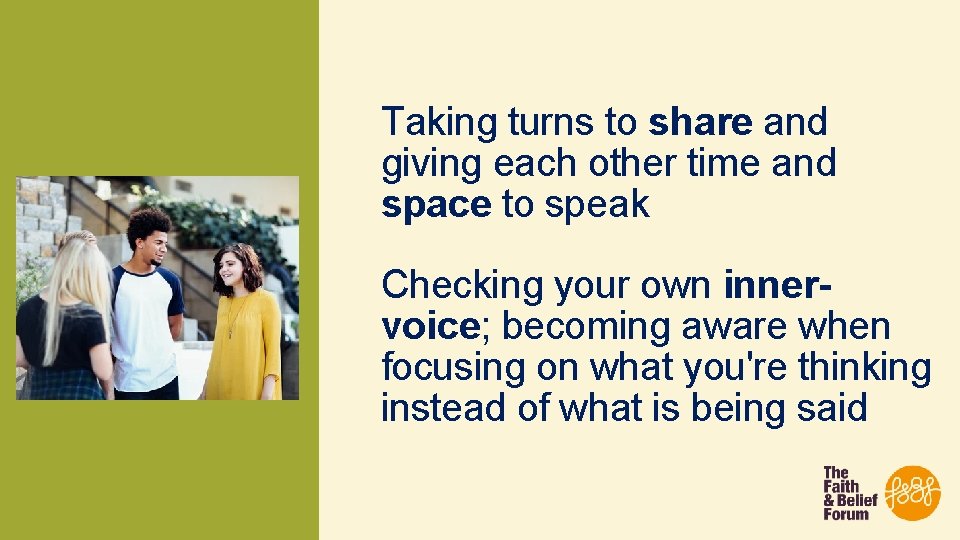
Taking turns to share and giving each other time and space to speak Checking your own innervoice; becoming aware when focusing on what you're thinking instead of what is being said
Think, Pair, Share How can you show someone you are actively listening?
How can we behave to make sure everyone feels comfortable, happy and supported in this space?
1. Asking Questions
Asking questions is important so you can clarify that you understand what you are being told.
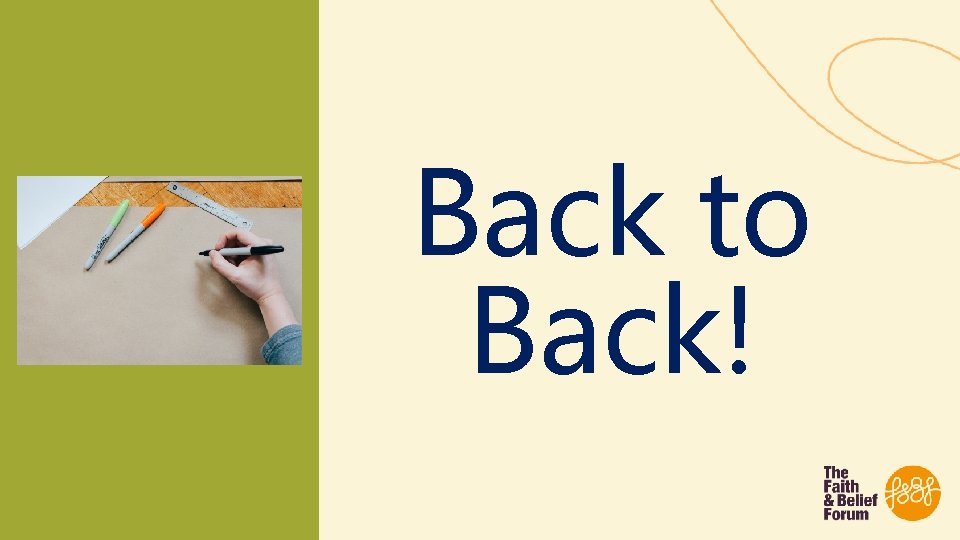
Back to Back!
Reflection questions Was it easy to do? Why/Why not?
Reflection questions Did the drawer ask questions to the describer to make sure they understood?
Reflection questions Did the desbriber ask any questions to the drawer to see if they needed more description?
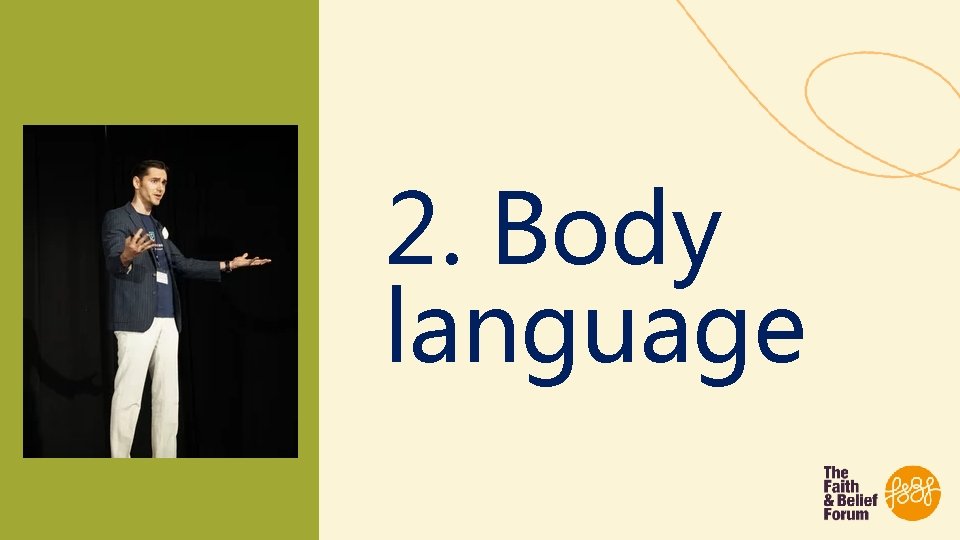
2. Body language
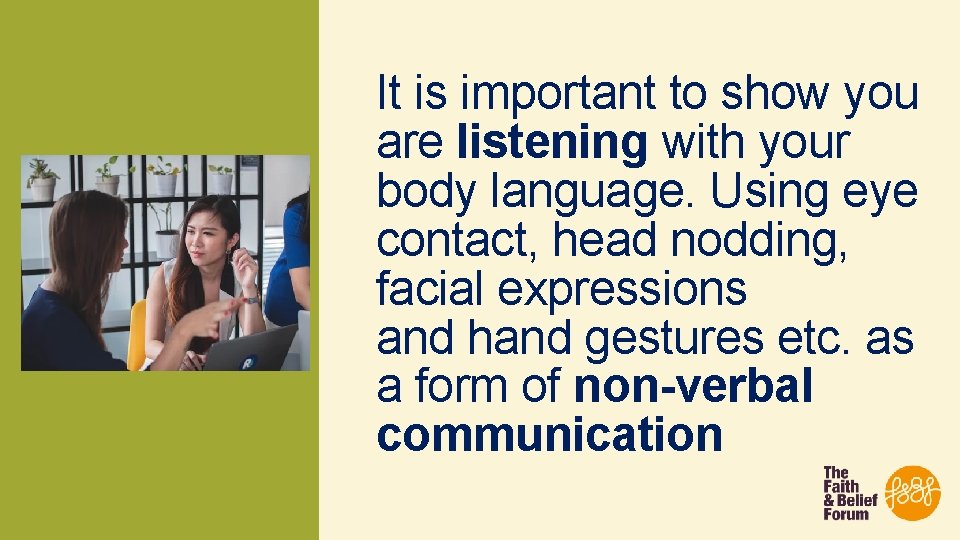
It is important to show you are listening with your body language. Using eye contact, head nodding, facial expressions and hand gestures etc. as a form of non-verbal communication
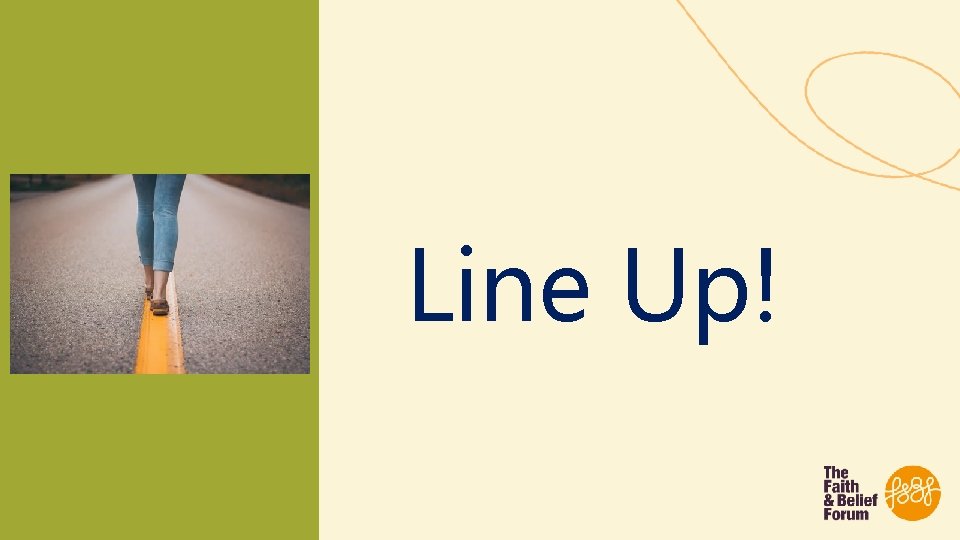
Line Up!
Reflection questions Was it easy to do? Why/Why not?
Reflection questions What was the most important communication skill needed to complete the activity?

3. Repeating back
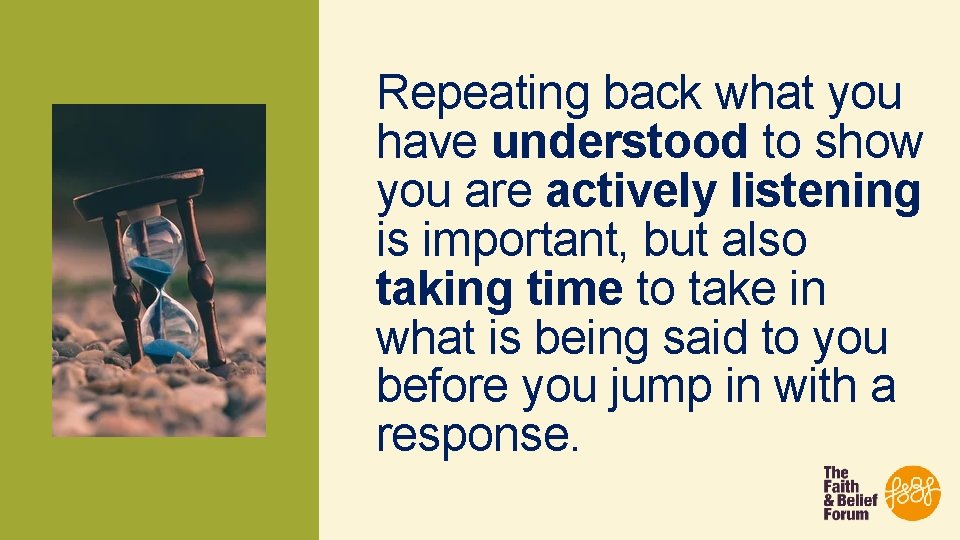
Repeating back what you have understood to show you are actively listening is important, but also taking time to take in what is being said to you before you jump in with a response.

Are you listening? ! Script

1. Who ate all the Cornflakes? 2. What time was Person 1. hungry? 3. What adjectives were used to describe the pancakes? 4. What word did Person 1. use to describe their breakfast?
Summary Questions 1. How can you show someone you are actively listening? 2. Why is it important to really listen to someone? 3. What happens when we do not listen actively to others?
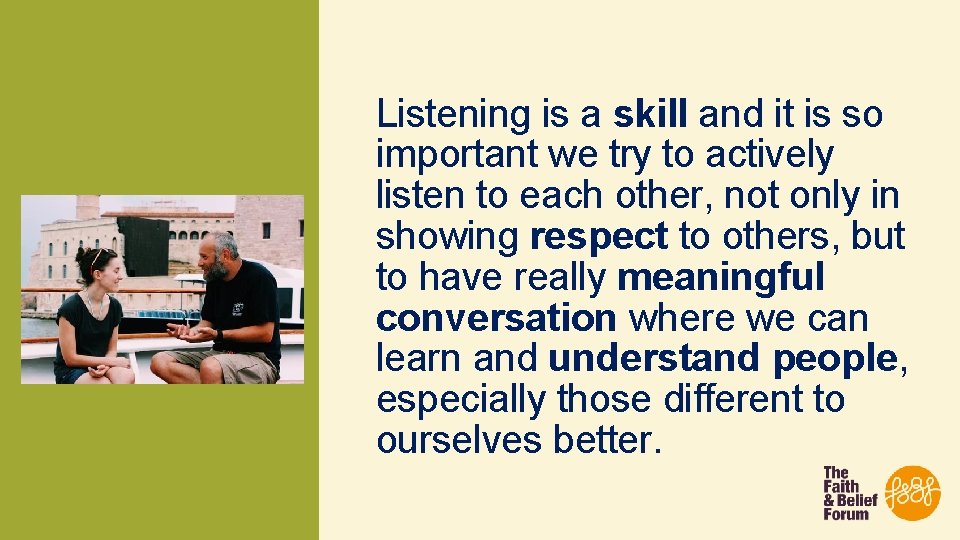
Listening is a skill and it is so important we try to actively listen to each other, not only in showing respect to others, but to have really meaningful conversation where we can learn and understand people, especially those different to ourselves better.
Extension question Do we think we actively listen when we are on our phones? Or online?
The next lesson is The Letter D You will be taking your new Active Listening skills further by learning about the importance of having dialogues with people
- Slides: 40