
Active Learning Pedagogy for ALP AVID Engagement Strategies







- Slides: 37
Active Learning Pedagogy for ALP: AVID Engagement Strategies at Butler CC
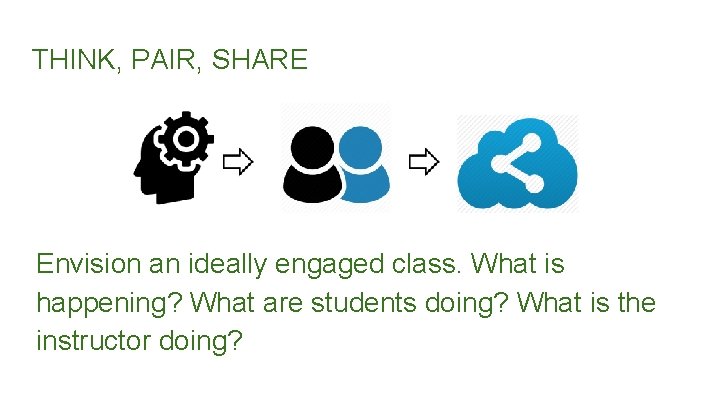
THINK, PAIR, SHARE Envision an ideally engaged class. What is happening? What are students doing? What is the instructor doing?
Our Vision: 1. 2. 3. 4. 5. 6. 7. Students talk to each other more. They carry themselves semi-formally. They are alert and thinking. They are emotionally engaged. They discuss their own projects intelligently. They are invested in the projects of their peers. They are cognizant of their membership in a learning community. 8. The classroom is a busy (sometimes noisy) space of conversation and discourse.
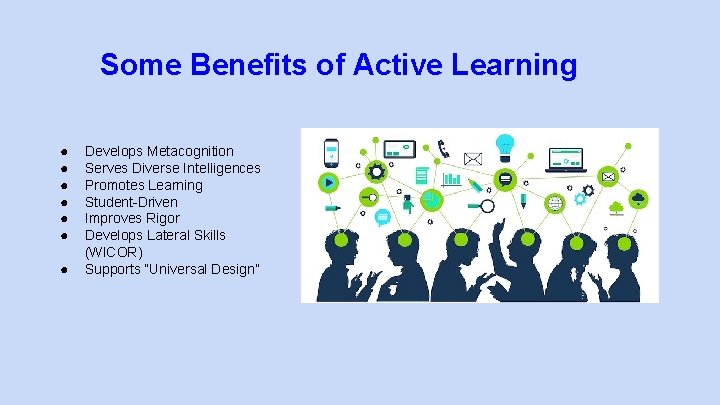
Some Benefits of Active Learning ● ● ● ● Develops Metacognition Serves Diverse Intelligences Promotes Learning Student-Driven Improves Rigor Develops Lateral Skills (WICOR) Supports “Universal Design”
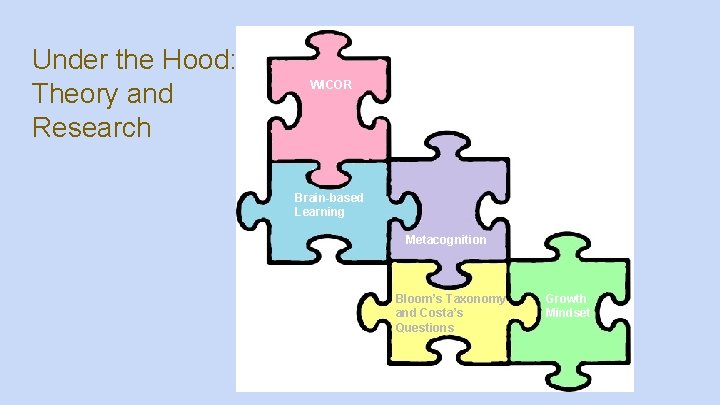
Under the Hood: Theory and Research WICOR Brain-based Learning Metacognition Bloom’s Taxonomy and Costa’s Questions Growth Mindset
Metacognition ~We must teach not only our content but also how to study and learn our content (in our field, for example, and in our unique class). ~
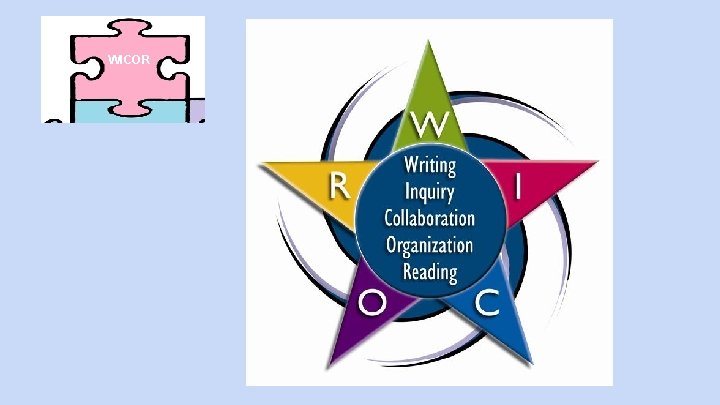
WICOR
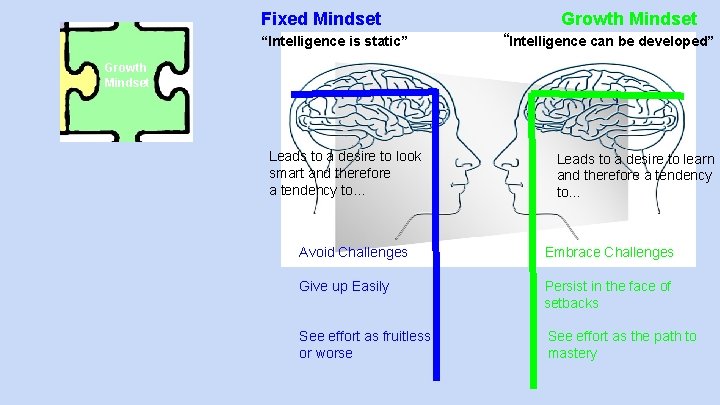
Fixed Mindset “Intelligence is static” Growth Mindset “Intelligence can be developed” Growth Mindset Leads to a desire to look smart and therefore a tendency to. . . Leads to a desire to learn and therefore a tendency to. . . Avoid Challenges Embrace Challenges Give up Easily Persist in the face of setbacks See effort as fruitless or worse See effort as the path to mastery
Brain-based Learning Brain-based Instruction: Educate yourself and your students about how the brain learns so that the process of learning is enhanced, not hindered. Empower Your Students: Rita Smilkstein: "When learners have all this invaluable metacognitive knowledge, they are empowered to be selfresponsible and to have self-efficacy. "
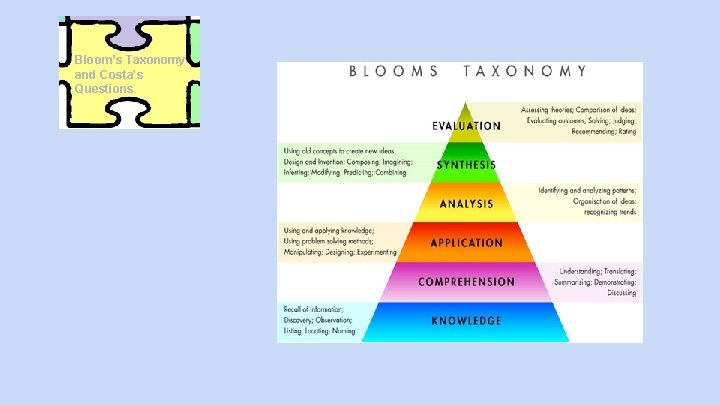
Bloom’s Taxonomy and Costa’s Questions
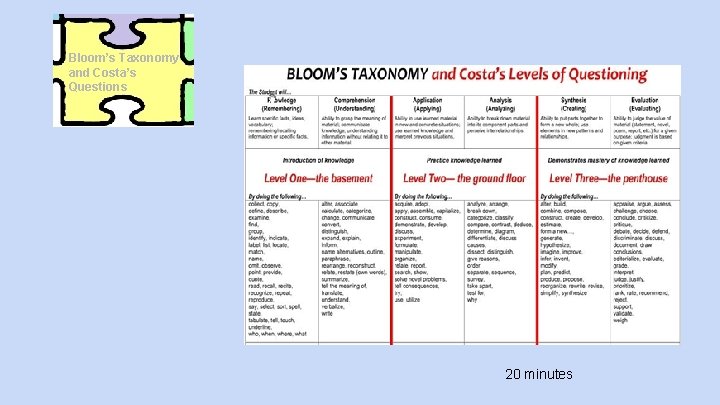
Bloom’s Taxonomy and Costa’s Questions 20 minutes
Roadmap Advanced Reading Robust Discussion Thoughtful Writing and Inquiry
Advanced Reading
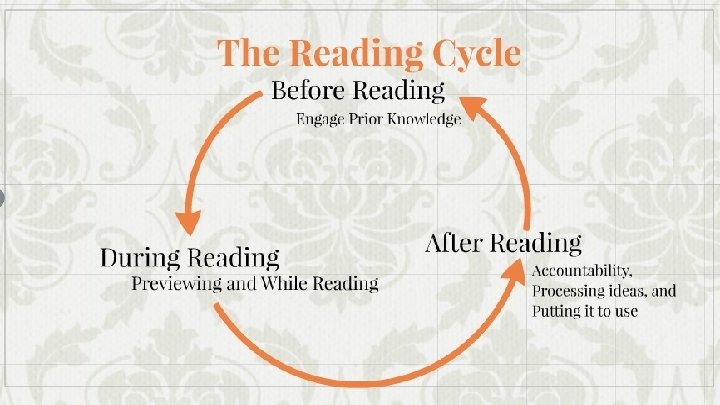
The Butler Reading Cycle
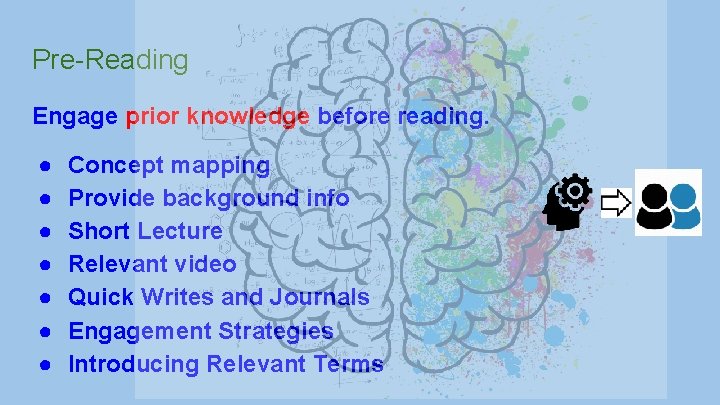
Pre-Reading Engage prior knowledge before reading. ● ● ● ● Concept mapping Provide background info Short Lecture Relevant video Quick Writes and Journals Engagement Strategies Introducing Relevant Terms
10 -2 Lecture
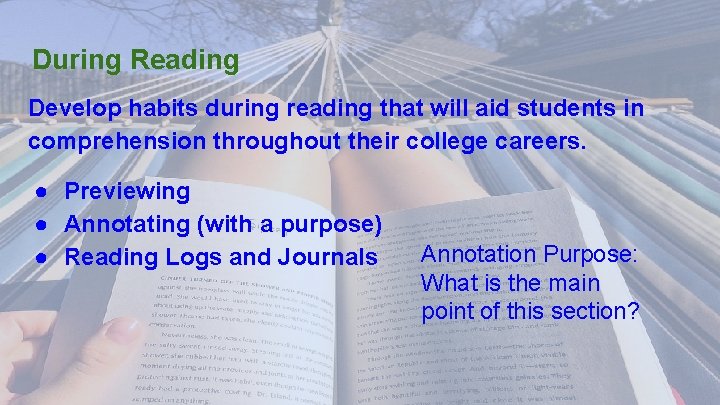
During Reading Develop habits during reading that will aid students in comprehension throughout their college careers. ● Previewing ● Annotating (with a purpose) ● Reading Logs and Journals Annotation Purpose: What is the main point of this section?
Jigsaw Shuffle
3 -2 -1 3 Things you Learned 2 Things you Found Interesting 1 Question you Still Have
Things to do During the 2 of 10 -2 Lecture 1. 2. 3. 4. 5. 6. 7.
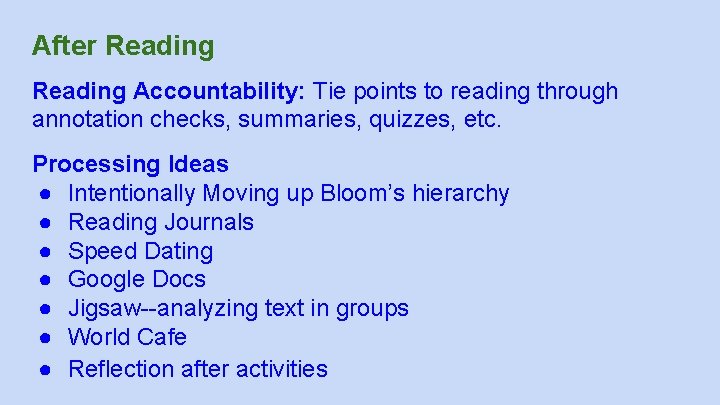
After Reading Accountability: Tie points to reading through annotation checks, summaries, quizzes, etc. Processing Ideas ● Intentionally Moving up Bloom’s hierarchy ● Reading Journals ● Speed Dating ● Google Docs ● Jigsaw--analyzing text in groups ● World Cafe ● Reflection after activities
Moving to Writing The reading cycle leads straight into the paper; where the reading cycle leaves off, the essay begins.
Robust Discussion 41 minutes
Outline Advanced Reading Robust Discussion Thoughtful Writing and Inquiry
Quick Write: Collect your thoughts. How do you create discussion in your classroom? What works? What doesn’t work? How can you build on what you already do with what you’ve learned today?
30 -Second Expert ~ Find a partner and informally exchange ideas. ~
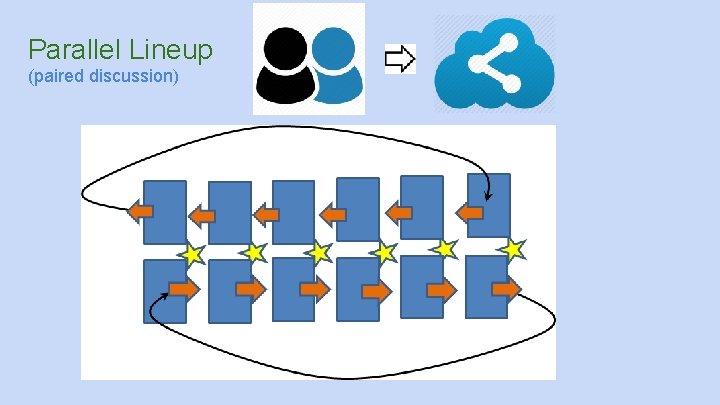
Parallel Lineup (paired discussion)
Practical Benefits of Paired Discussions 1. 2. 3. 4. 5. 6. 7. ● ● ● It’s a very efficient use of classroom time. It’s fun and social. Students practice saying their ideas, trying them out when the stakes are low. It’s hard to hide in a group of two! Students who are cautious about speaking in front of large groups are more likely to participate confidently (during the exercise AND after). It distributes students’ ideas (distributed cognition). It’s versatile: Fits in anywhere in the reading cycle. Can be used with questions, “cold quotes, ” new assignment prompts, etc. Helps break the ice early in a semester.
Grand Benefits of Paired Discussions
Genuine Inquiry
Roadmap Advanced Reading Robust Discussion Thoughtful Writing and Inquiry
Reciprocal Viewing
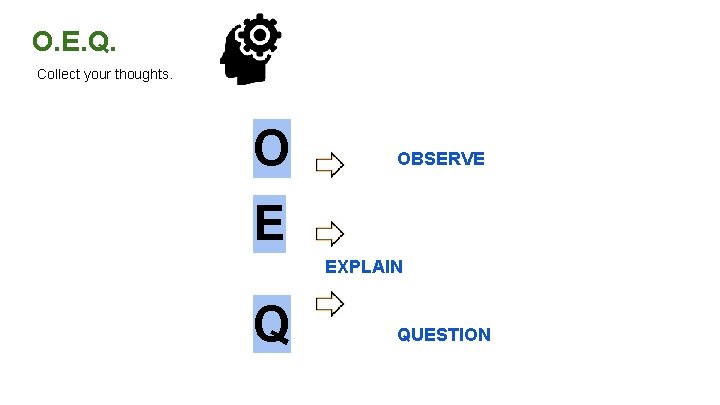
O. E. Q. Collect your thoughts. O OBSERVE E EXPLAIN Q QUESTION
Ways of Using Writing as Thinking ● ● ● Quick Write Notes (Note Processing) Concept Mapping Team Brainstorming Summary and Reading Logs Using Google Docs as a Sharing Tool
Questions?
Contact Information Cory Teubner cteubner@butlercc. edu Kristi Gerdes kbtwirl@yahoo. com AVID for Higher Education