
Active assailant incidents Preparedness Prevention and Response Rick


- Slides: 66
Active assailant incidents: Preparedness, Prevention and Response Rick Hopkins
Rick Hopkins Retired Major, Vermont State Police Homeland Security Advisor to Governor Shumlin and Governor Scott – 2012 to 2018 Manager, State Emergency Operations Center 2012 -2015 VEM T&E cadre 2003 -present Currently Consultant and Instructor in Emergency Management and Homeland Security fields and LE SME.
Objectives Define problem set Discuss prevention efforts and challenges Review preparedness options Discuss response of individuals and first responders Leave participants with actionable objectives and resources Final Q&A
Ground rules Facilitated discussion Not a lecture Questions encouraged Outcomes are more important than presentation
Caveats The material presented is not intended to be a comprehensive prevention, preparedness or response course. Material should be consider as options for consideration In the event of a real emergency the myriad of variables make it impossible to suggest any one course of action
Active Shooter “An individual actively engaged in killing or attempting to kill people in a confined and populated area; in most cases, active shooters use firearms and there is no pattern or method to their selection of victims. “ DHS definition
Active shooters require non-standard response Prior to Columbine law enforcement standard was to surround and negotiate for safe release of hostages. Active shooters have no interest in hostages or their own lives. Dynamic action is required New development – doomed hostages Paris ‘ 16
Active assailants vs. Active shooter Active assailant(s) accounts for: Different attack vectors and weapons Multiple attackers Multi vectored attacks (vehicles, bombs and firearms) Does not differentiate between motives of attacker(s)
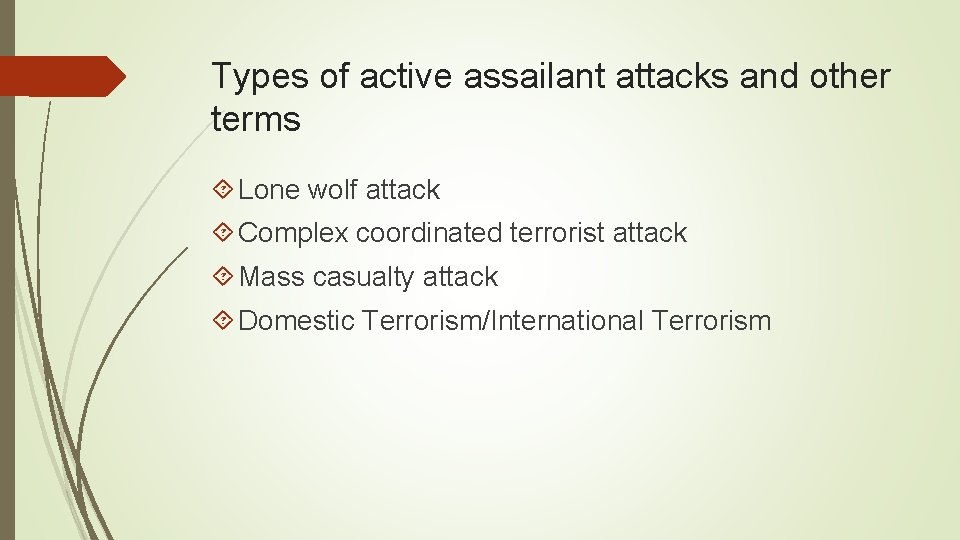
Types of active assailant attacks and other terms Lone wolf attack Complex coordinated terrorist attack Mass casualty attack Domestic Terrorism/International Terrorism
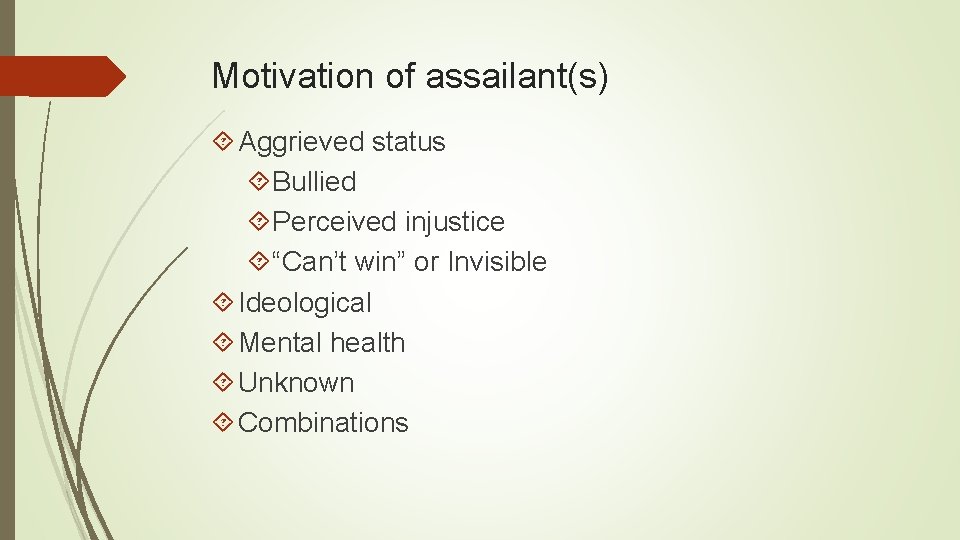
Motivation of assailant(s) Aggrieved status Bullied Perceived injustice “Can’t win” or Invisible Ideological Mental health Unknown Combinations
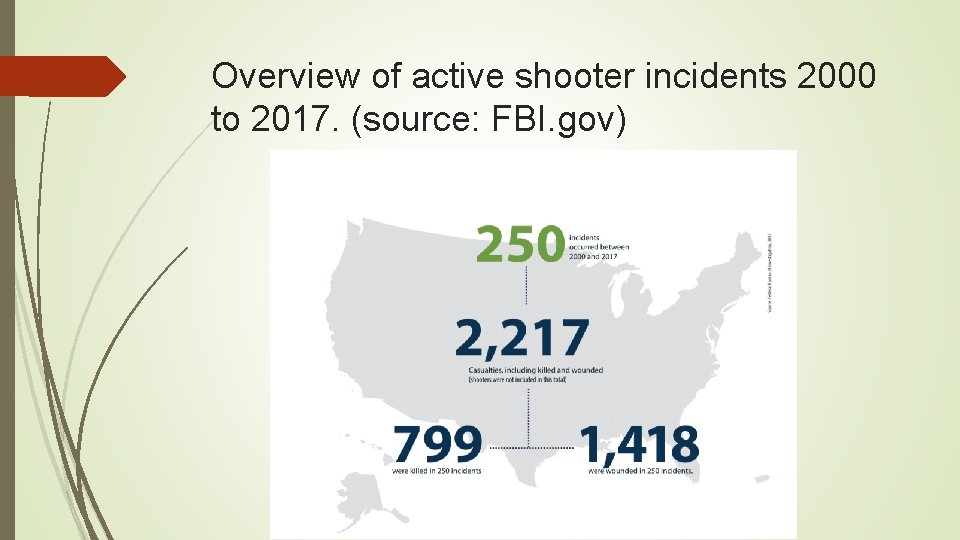
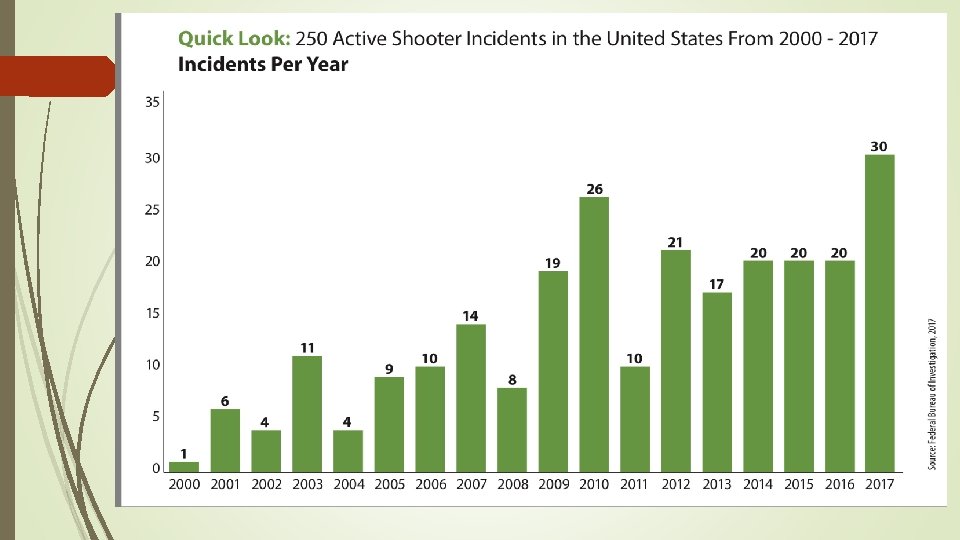
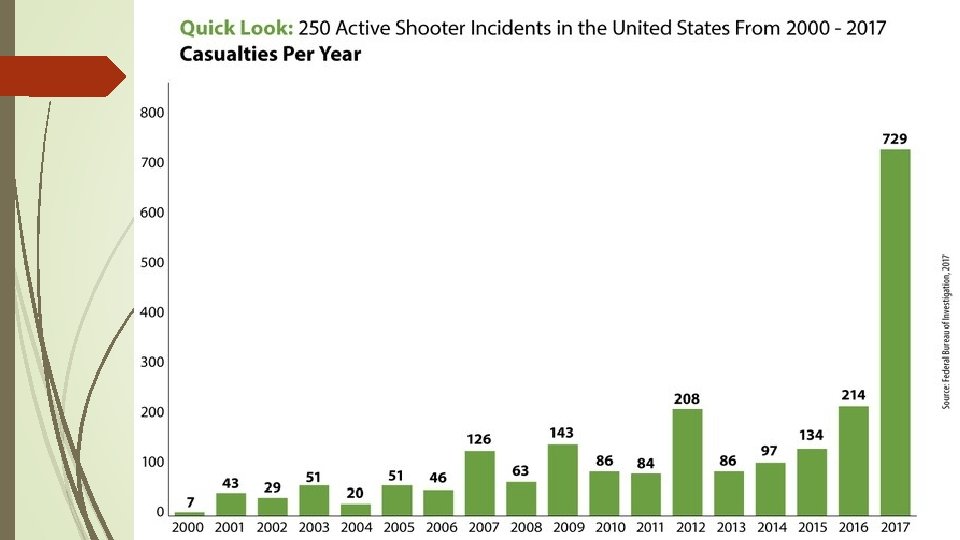
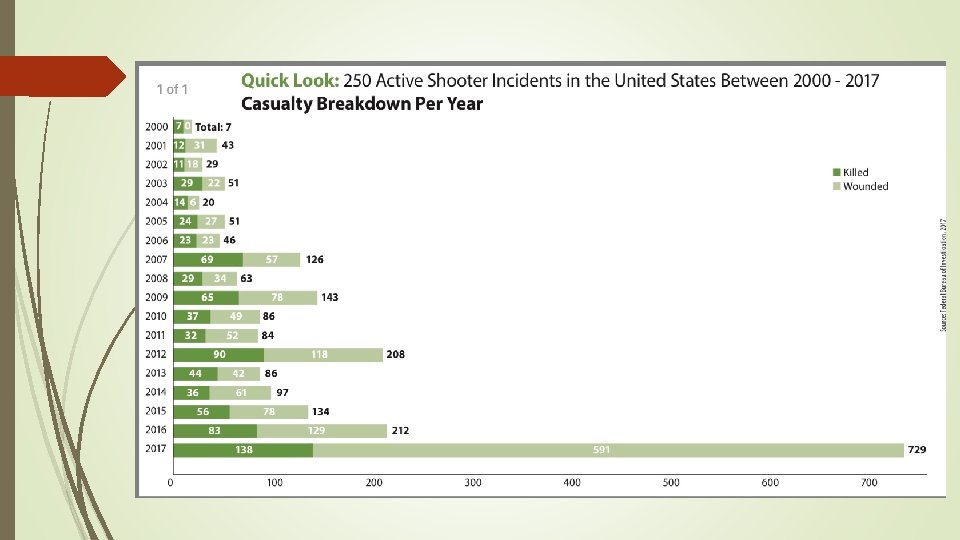
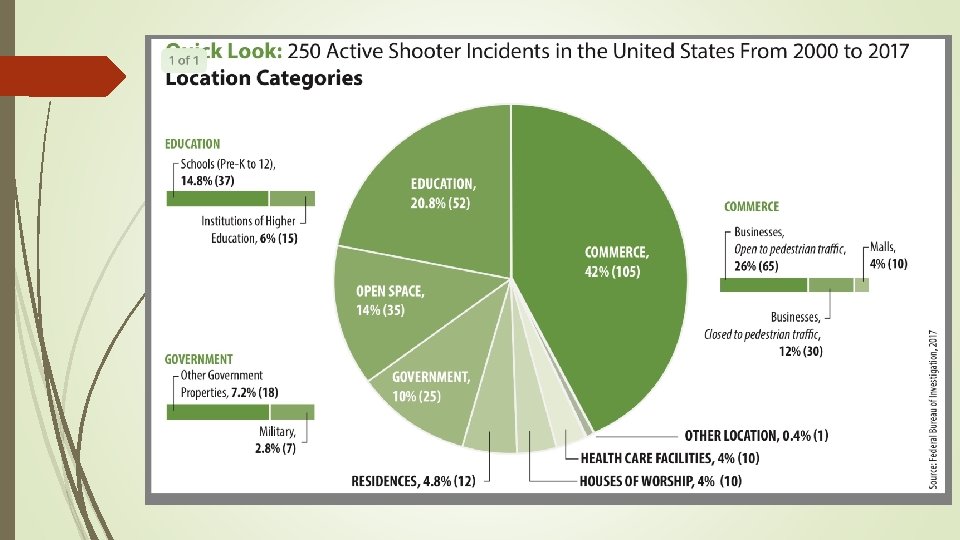
Overview of active shooter incidents 2000 to 2017. (source: FBI. gov)
PREVENTION “An ounce of prevention is worth a pound of cure”
VIDEO – Pathway to violence https: //youtu. be/Dyyfwh 1 NP 8 M
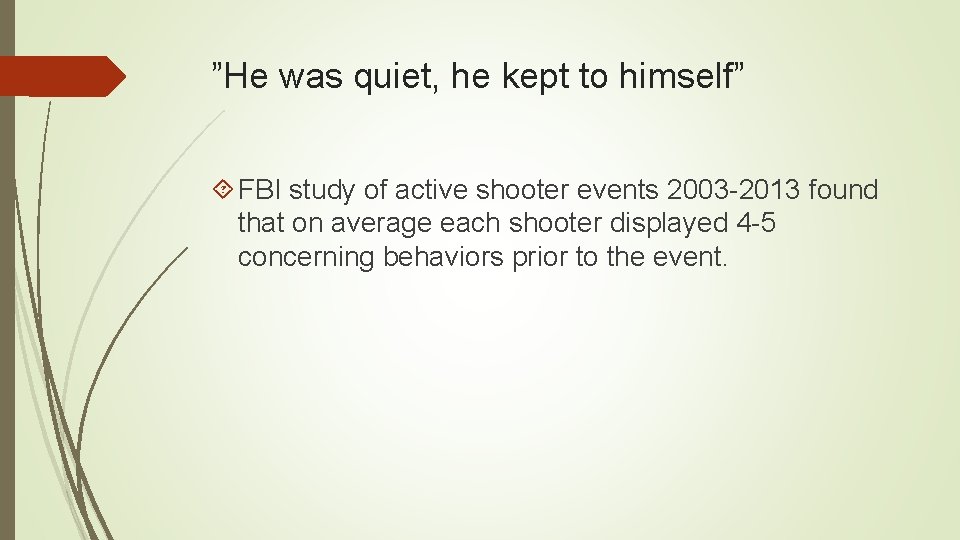
”He was quiet, he kept to himself” FBI study of active shooter events 2003 -2013 found that on average each shooter displayed 4 -5 concerning behaviors prior to the event.
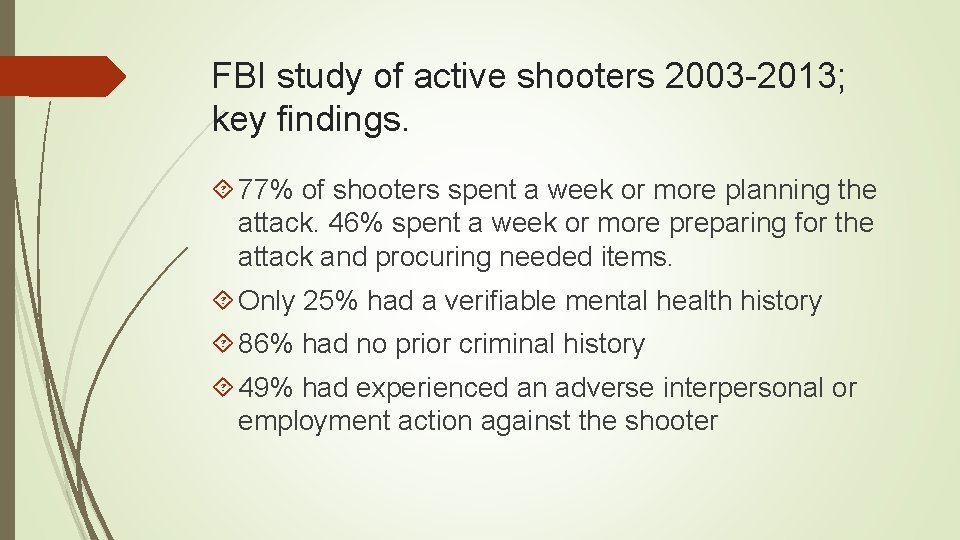
FBI study of active shooters 2003 -2013; key findings. 77% of shooters spent a week or more planning the attack. 46% spent a week or more preparing for the attack and procuring needed items. Only 25% had a verifiable mental health history 86% had no prior criminal history 49% had experienced an adverse interpersonal or employment action against the shooter
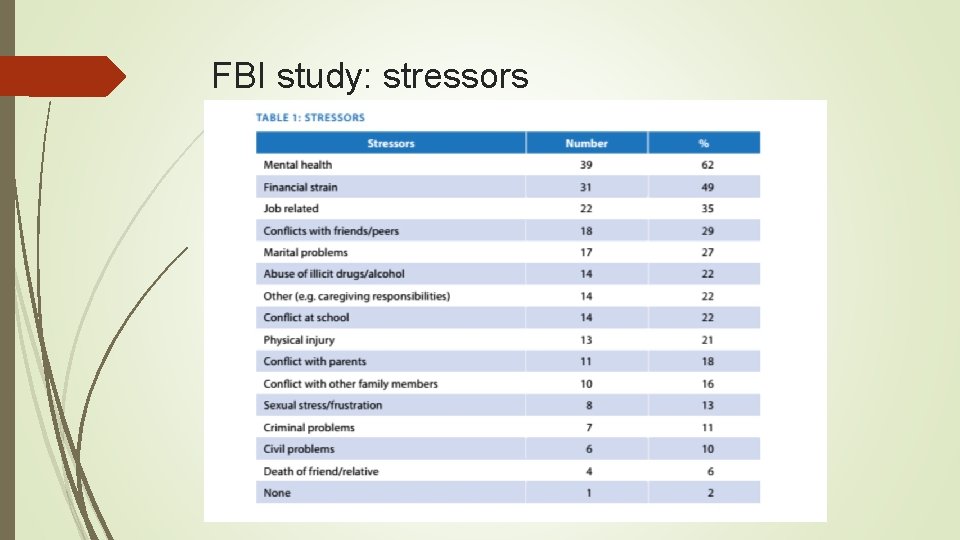
FBI study: stressors
If you sense something, say something FBI study showed that in cases where others had observed concerning pre attack behavior nothing was done or said in 54% of cases. Only 41% of cases resulted in a report to law enforcement
2014 FBI study identified concerning behaviors: Sadness Despair/hopelessness Depression Threats Erratic behaviors
Concerning behaviors (cont) References to weapons References to violence Verbally abusive Inability to handle criticism Hypersensitivity to perceived slights
Concerning behaviors (cont) Offensive commentary or insensitive response to violent events Suicidal ideology or glorification of martyrdom Tardiness Decreased productivity Poor performance
Concerning behaviors, we all have seen some, when do we act? Behavior seems disproportionate to situation Multiple behaviors Increase in number and/or intensity of concerning behaviors. Rapidly escalating concerning behavior. Person has not responded appropriately to outreach. When in doubt SAY SOMETHING!
Who do I tell? Supervisor HR staff Local law enforcement Vermont Tip Line: 844 -848 -8477 VSP. vermont. gov/tipsubmit TEXT keyword VTIPS to 274637 (CRIMES) Actual or imminent violence CALL 911
Prevention efforts to consider EAP programming specific to major life stress and peer identification of those in crisis Critical Incident Stress program (if applicable) Healthy lifestyle programs (Exercise, stress management etc) Creating and maintaining a healthy team environment and organizational culture
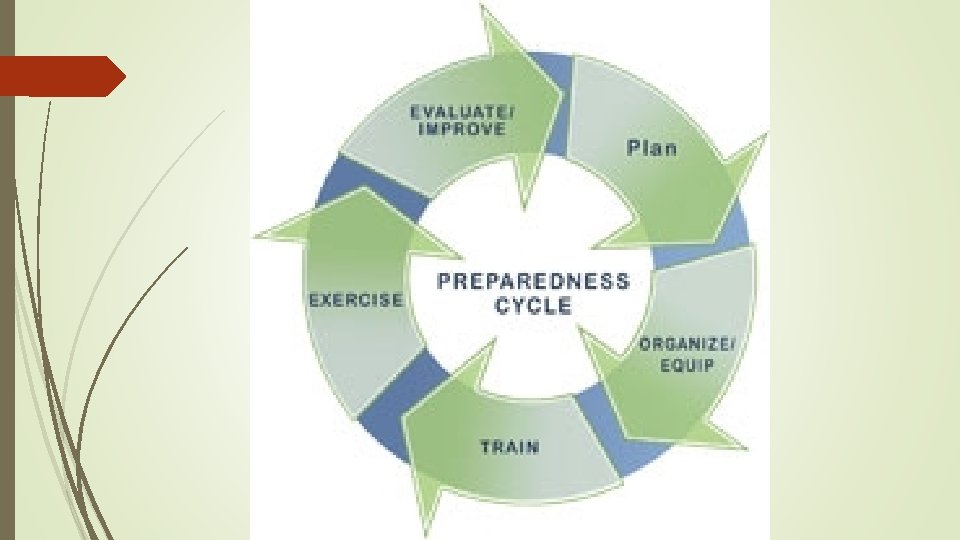
Preparedness Any plan is better than no plan, because at least you’ve thought about the problem.
Planning assumptions Active assailant and workplace violence incidents are incredibly complex with many variables It is impossible to anticipate all possible variables and combination of factors Detailed step by step plans are impractical for dynamic incidents
Planning considerations Plans need to be flexible and encompassing of all possibilities. Plans should address creating capabilities and incorporating best practices. Plans should be easily understood and actionable by all involved. If facility is shared with other entity include them in process. Do they have a plan already? (K 12)
Planning considerations (cont) Plans are a living document, arrange for regular updates early on. Plagiarism is encouraged – if someone has a good idea USE IT. When creating bear in mind you need to distribute and train to plan.
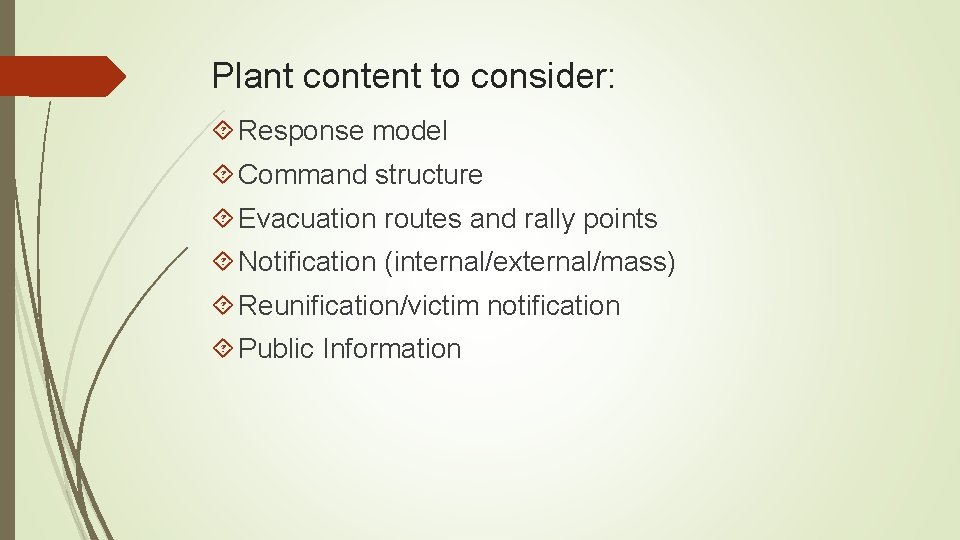
Plant content to consider: Response model Command structure Evacuation routes and rally points Notification (internal/external/mass) Reunification/victim notification Public Information
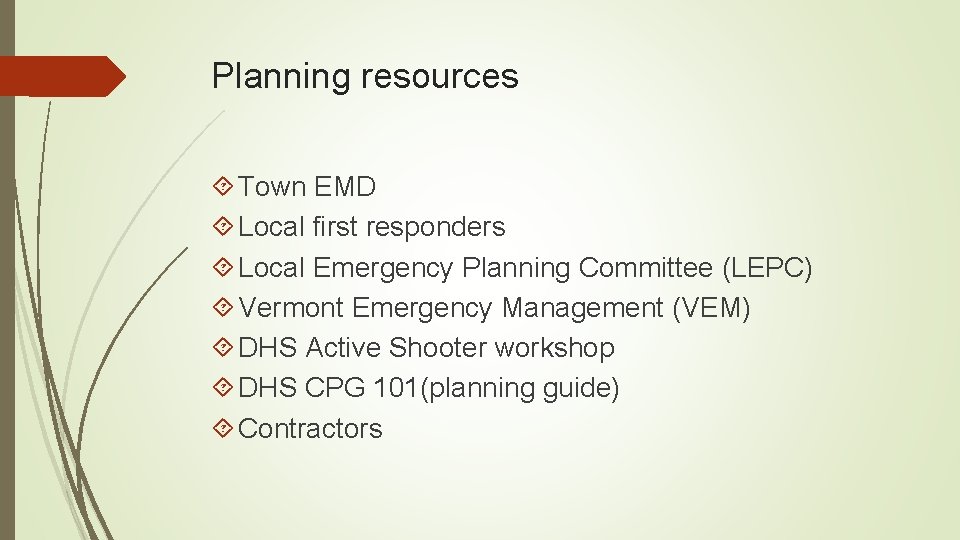
Planning resources Town EMD Local first responders Local Emergency Planning Committee (LEPC) Vermont Emergency Management (VEM) DHS Active Shooter workshop DHS CPG 101(planning guide) Contractors
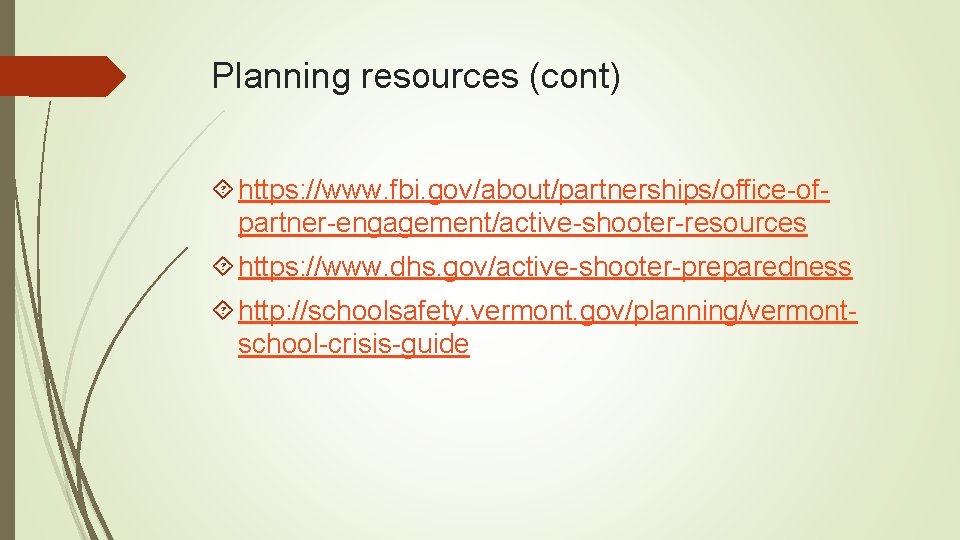
Planning resources (cont) https: //www. fbi. gov/about/partnerships/office-ofpartner-engagement/active-shooter-resources https: //www. dhs. gov/active-shooter-preparedness http: //schoolsafety. vermont. gov/planning/vermontschool-crisis-guide
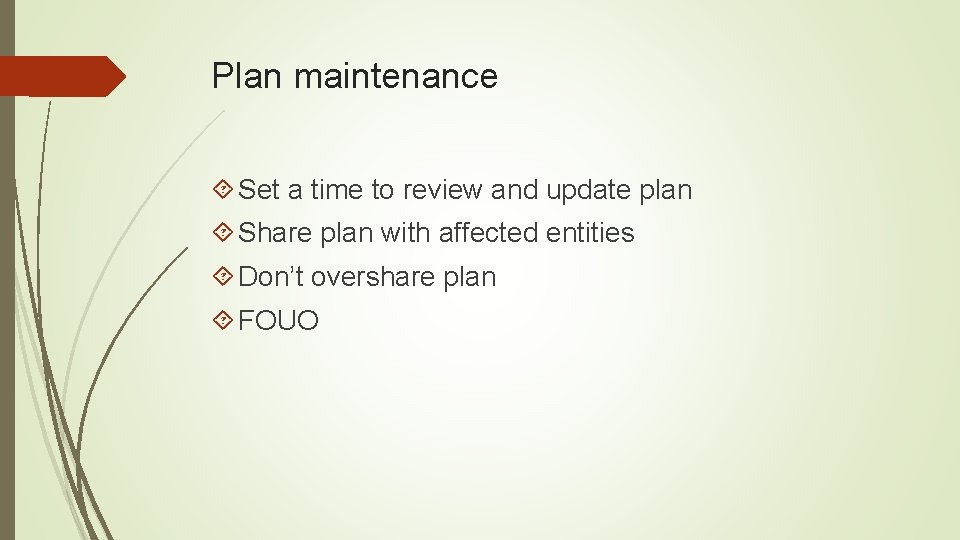
Plan maintenance Set a time to review and update plan Share plan with affected entities Don’t overshare plan FOUO
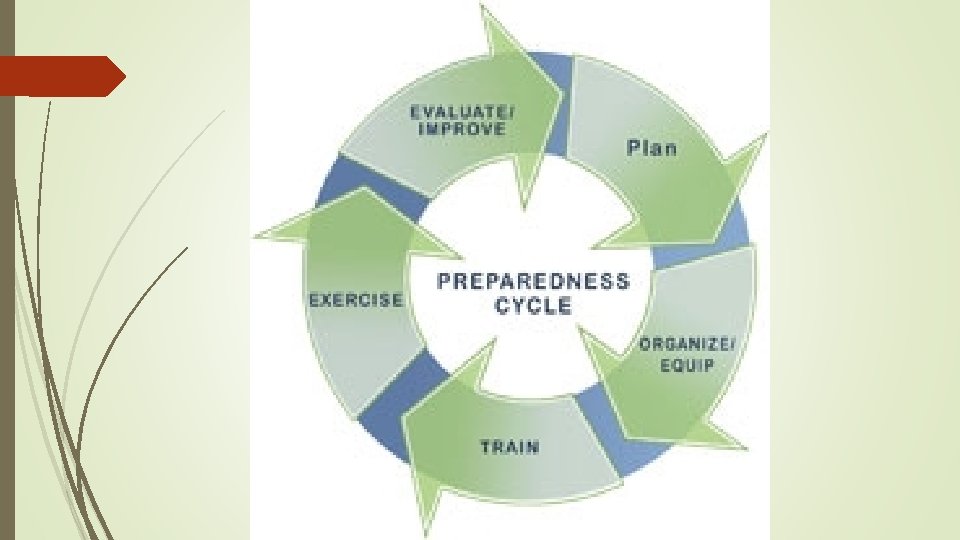
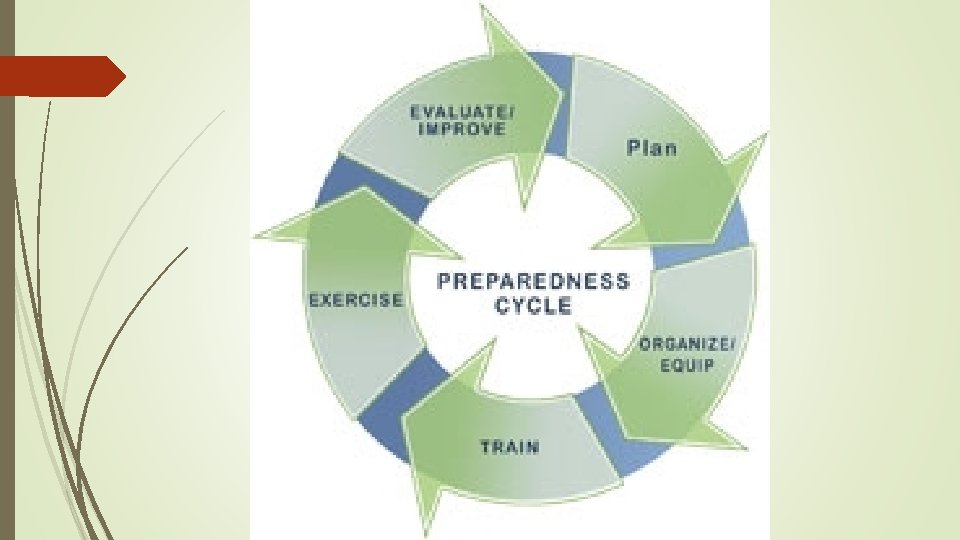
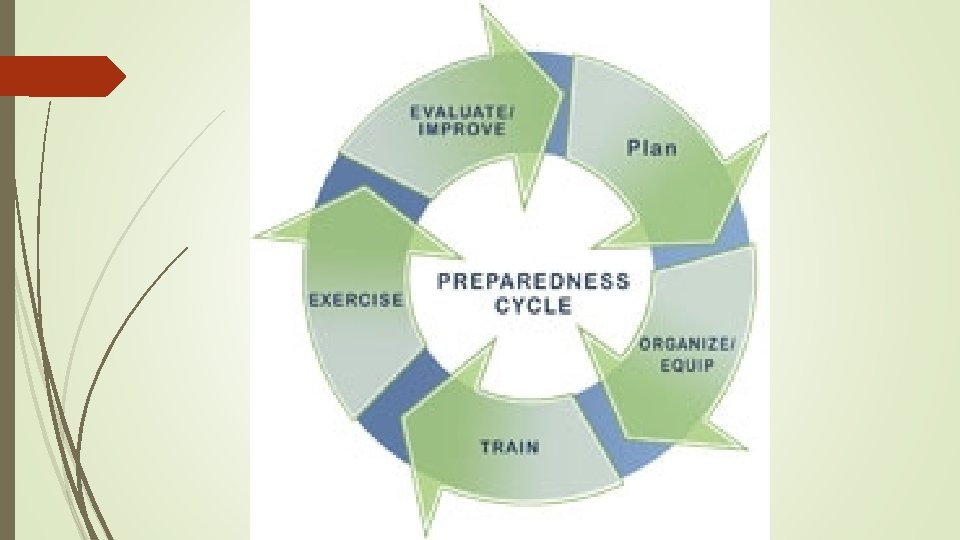
Organize and Equip Assign roles and responsibilities as detailed in plan Provide equipment or resources such as blueprints, escape routes, keys/access cars, radios etc
Training should be given to all employees/volunteers and other occupants Training can and should be a mix of review of written material, hands on, video/audio etc. Online refresher training is effective and time efficient option.
Training (cont) If plan is updated training must reflect Don’t forget new employees Consider Incident Command Training (ICS)and Emergency Management (EM) training for leaders and key personnel. VEM can provide ICS and EM training at no cost
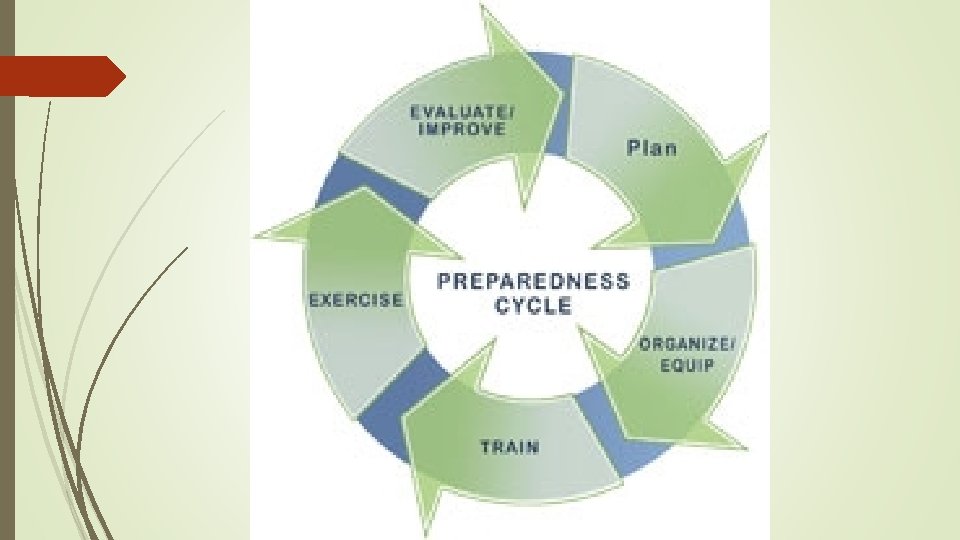
Exercise Plans should be exercised to verify their efficacy and to expose areas for improvement. Exercise may identify areas for improvement in training, equipment or planning. Your town EMD or other staff may have exercise management experience VEM may provide limited exercise support
Exercise (cont) FEMA’s Emergency Management Institute provides free online exercise design and management courses VEM may provide in person exercise program management training (HSEEP)
Improvement planning An After action review (AAR) should be completed after an exercise or incident AAR is a non-attribution no fault process where strengths and areas for improvement are identified. The strengths and areas for improvement are addressed in changes in planning, training and/or equipment.
Response Chaos is normal during the initial stages of any critical incident.
Who is responding? Police (all agencies) Fire EMS Facility officials Occupants Emergency Management (EOC)
Response models ALICE ALERRT Run, Hide, Fight
ALICE ALERT, LOCKDOWN, INFORM, COUNTER, EVACUATE Oldest Education sector oriented model Adopted by majority of VT schools and most VT Law Enforcement
ALERRT Advanced Law Enforcement Rapid Response Training Education sector oriented model Widespread adoption post Newtown CT incident FBI supported model Some VT LE agencies using
ALICE vs ALERRT Response models have major commonalities ALICE LE agencies can respond with ALERRT agencies without conflict The response protocol makes little difference to public
Run, Hide, Fight Newest response doctrine Adult oriented Designed to apply to any sector, particularly business Emphasis on survival by best means available Provides for individual and small group action independent of first responders or other authority. Use of R, H, F compatible w/ ALICE &ALERRT
Video: Run, Hide, Fight https: //youtu. be/5 Vc. Swej. U 2 D 0
Law Enforcement Response First arriving officers will form entry team Next responding officers will: Establish Command, staging Form additional entry teams Establish hot and warm zones
Law Enforcement response (cont) ”Stop the killing, stop the dying” Initial officers inside location will move to contact Initial officers will bypass victims Follow on officers will work to establish manner of treating and or evacuating casualties
Fire and EMS response This is a dynamic area, practices are evolving to very non-traditional roles In past Fire/EMS waited for all clear Tactics include safe corridors, safe islands, escorted strike teams etc.
Emergency Management Response Stand up EOC – local and state Coordinate follow on resources Coordinate logistical support Obtain situational awareness, establish ground truth. Communicate to senior leaders Begin planning for recovery
Facility leadership response Enact emergency plan If possible notify 911 If possible communicate w/ first responders Once safe assist first responders with: facility specific knowledge Knowledge of assailants
Individual Response Overcome natural tendency to freeze Remain as calm and quiet as possible Continually scan for: Threats Exit opportunities Hiding places Field expedient weapons
Individual response (cont) Quickly assess Run, Hide Fight options. Run, hide fight is not a continuum, continually scan and re-assess. You may change options with situation You can choose to help or direct others if you feel you can and not further imperil yourself. Your job is to survive! Be calm and work problem
RUN Good option if you believe you have a clear exit path and are capable of moving through it. Move quickly and as quietly as possible Leave possessions (grab phone if won’t endanger you) Scan for threats Upon encountering LE, hands up and follow directions
HIDE A good option if: Escape routes are unsafe Physically unable to flee Find best cover possible, get low Turn out lights, be quiet (phone too) Put heavy objects against door or towards threat Scan and re-assess! Don’t open door!
FIGHT Best when you can’t run or hide Utilize available weapons. Look for heavy or sharp objects, tools Collaborate with others if possible Once you commit give 100% effort, you are fighting to survive. Ensure you stop the threat. Scan for other threats, re-assess options
Summary Prevention is always best option Hope for the best PREPARE for the worst Have a plan, both for facility and yourself Train, exercise and improve Respond! Stay calm and take affirmative action when possible to survive
Questions and Answers Rick Hopkins rhopkins 502@gmail. com 802 -558 -5565