
Activating students as owners of their own learning



- Slides: 60
Activating students as owners of their own learning: Metacognition in the classroom Dylan Wiliam (@dylanwiliam) www. dylanwiliamcenter. com
The most important idea in education? 2 • Learning is a change in long-term memory “The aim of all instruction is to alter long-term memory. If nothing has changed in long-term memory, nothing has been learned. ” (Kirschner, Sweller, & Clarke, 2006 p. 77)
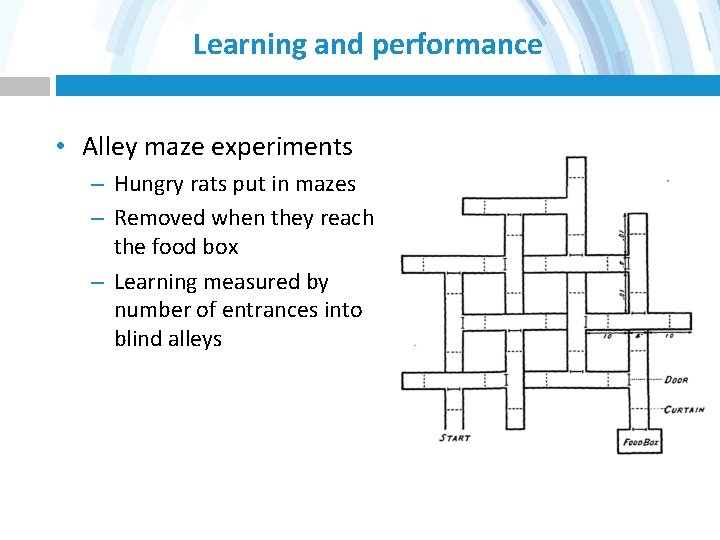
Learning and performance • Alley maze experiments – Hungry rats put in mazes – Removed when they reach the food box – Learning measured by number of entrances into blind alleys
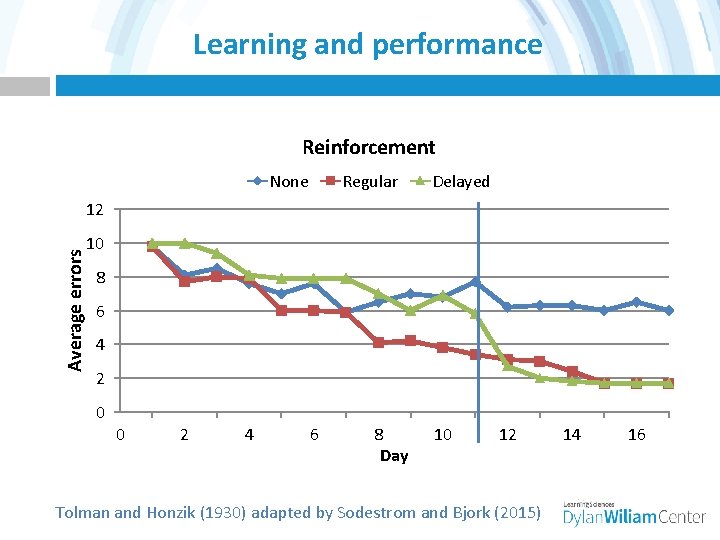
Learning and performance Reinforcement None Regular Delayed Average errors 12 10 8 6 4 2 0 0 2 4 6 8 Day 10 12 Tolman and Honzik (1930) adapted by Sodestrom and Bjork (2015) 14 16
What is learning? 5 • Learning is “a change in long-term memory” (Kirschner, Sweller, & Clark, 2016 p. 77) • “The aim of all instruction is to alter long-term memory. If nothing has changed in long-term memory, nothing has been learned. ” (ibid p. 77)
Metacognition (Flavell, 1976) 6 “Metacognition” refers to one’s knowledge concerning one’s own cognitive processes and products or anything related to them, e. g. , the learning-relevant properties of information and data. For example I am engaging in metacognition (metamemory, metalearning, metaattention, metalanguage, or whatever) if I notice that I am having more trouble learning A than B; if it strikes me that I should double-check C before accepting it as a fact; if it occurs to me that I had better scrutinise each and every alternative in any multiple-choice type task situation before deciding which is the best one; if I sense that I had better make a note of D because I may forget it; if I think to ask someone about E to see if I have it right.
7 “In any kind of cognitive transaction with the human or nonhuman environment, a variety of information processing activities may go on. Metacognition refers, among other things, to the active monitoring and consequent regulation and orchestration of these processes in relation to the cognitive objects or data on which they bear, usually in the service of some concrete goal or objective. ” (Flavell, 1976 p. 232)
Self-regulated learning 8 • Three components – Motivation – Cognition – Metacognition • Metacognitive knowledge – generalizing and inferring rules – labeling strategies – when and how to use strategies • Metacognitive strategies – Planning strategies – Monitoring strategies – Evaluation strategies
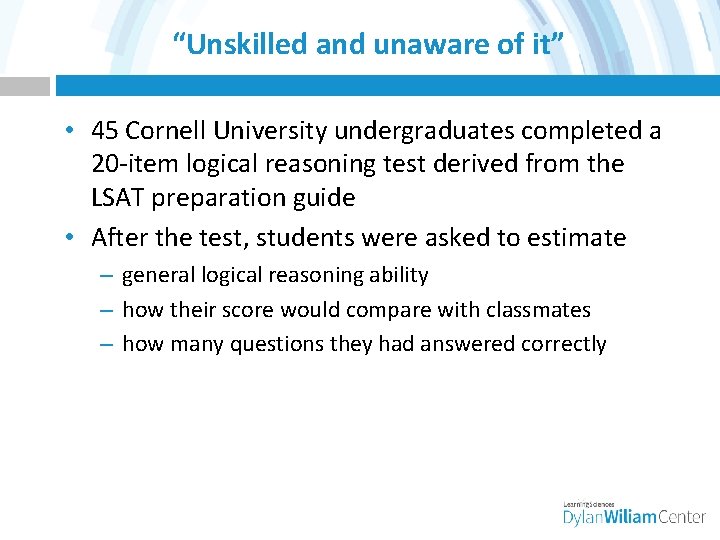
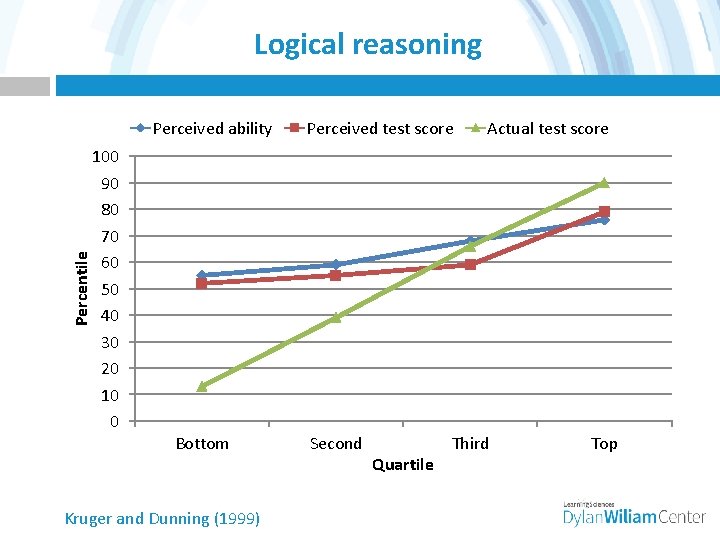
“Unskilled and unaware of it” • 45 Cornell University undergraduates completed a 20 -item logical reasoning test derived from the LSAT preparation guide • After the test, students were asked to estimate – general logical reasoning ability – how their score would compare with classmates – how many questions they had answered correctly
Logical reasoning Percentile Perceived ability 100 90 80 70 60 50 40 30 20 10 0 Bottom Kruger and Dunning (1999) Perceived test score Second Quartile Actual test score Third Top
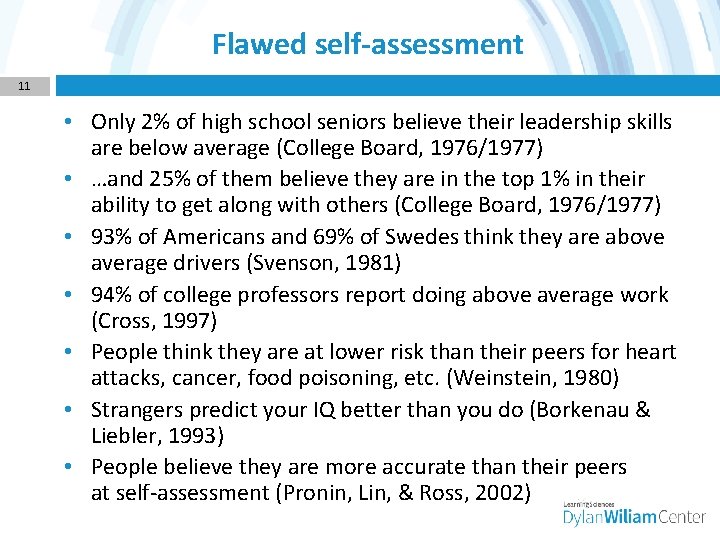
Flawed self-assessment 11 • Only 2% of high school seniors believe their leadership skills are below average (College Board, 1976/1977) • …and 25% of them believe they are in the top 1% in their ability to get along with others (College Board, 1976/1977) • 93% of Americans and 69% of Swedes think they are above average drivers (Svenson, 1981) • 94% of college professors report doing above average work (Cross, 1997) • People think they are at lower risk than their peers for heart attacks, cancer, food poisoning, etc. (Weinstein, 1980) • Strangers predict your IQ better than you do (Borkenau & Liebler, 1993) • People believe they are more accurate than their peers at self-assessment (Pronin, Lin, & Ross, 2002)
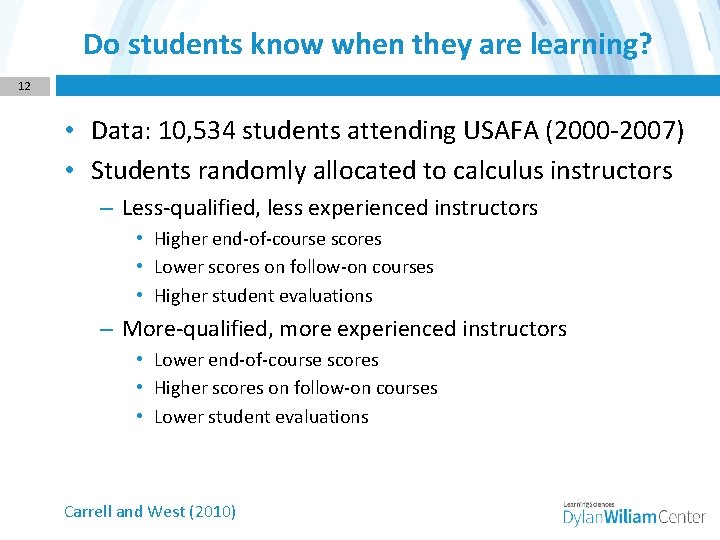
Do students know when they are learning? 12 • Data: 10, 534 students attending USAFA (2000 -2007) • Students randomly allocated to calculus instructors – Less-qualified, less experienced instructors • Higher end-of-course scores • Lower scores on follow-on courses • Higher student evaluations – More-qualified, more experienced instructors • Lower end-of-course scores • Higher scores on follow-on courses • Lower student evaluations Carrell and West (2010)
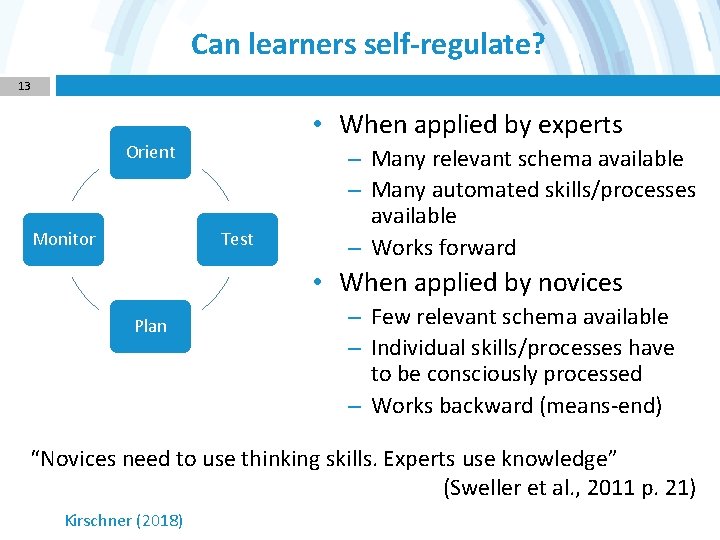
Can learners self-regulate? 13 • When applied by experts Orient Monitor Test – Many relevant schema available – Many automated skills/processes available – Works forward • When applied by novices Plan – Few relevant schema available – Individual skills/processes have to be consciously processed – Works backward (means-end) “Novices need to use thinking skills. Experts use knowledge” (Sweller et al. , 2011 p. 21) Kirschner (2018)
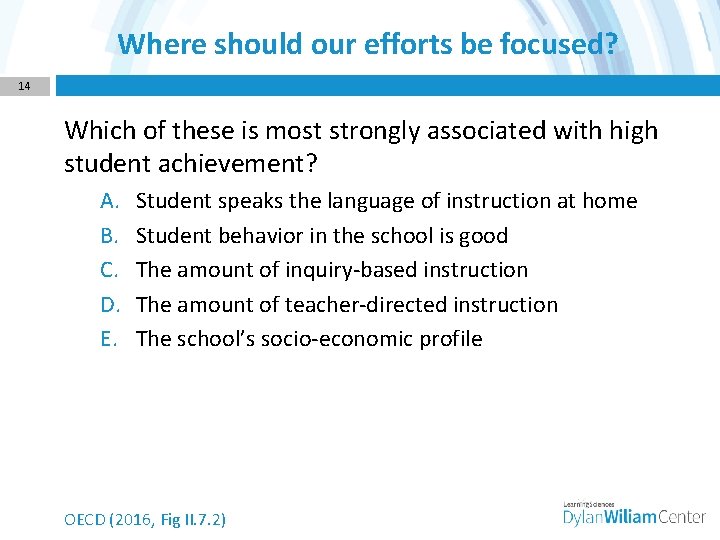
Where should our efforts be focused? 14 Which of these is most strongly associated with high student achievement? A. B. C. D. E. Student speaks the language of instruction at home Student behavior in the school is good The amount of inquiry-based instruction The amount of teacher-directed instruction The school’s socio-economic profile Top 3 factors 1. Student’s socio-economic profile 2. Index of adaptive instruction 3. The amount of teacher-directed instruction OECD (2016, Fig II. 7. 2)
15 Why formative assessment needs to be a priority
Why Formative Assessment? 16 • A principle and an uncomfortable fact about the world – The principle: • "If I had to reduce all of educational psychology to just one principle, I would say this: The most important single factor influencing learning is what the learner already knows. Ascertain this and teach him [or her] accordingly” (Ausubel, 1968 p. vi) – The uncomfortable fact: • Students do not learn what we teach. – What is learning? • Learning is a change in long-term memory (Kirschner et al. , 2006) • The fact that someone can do something now does not mean they will be able to do it in six weeks, but • If they cannot do something now, it is highly unlikely they will be able to do it in six weeks
Building Plan “B” into Plan “A” 17
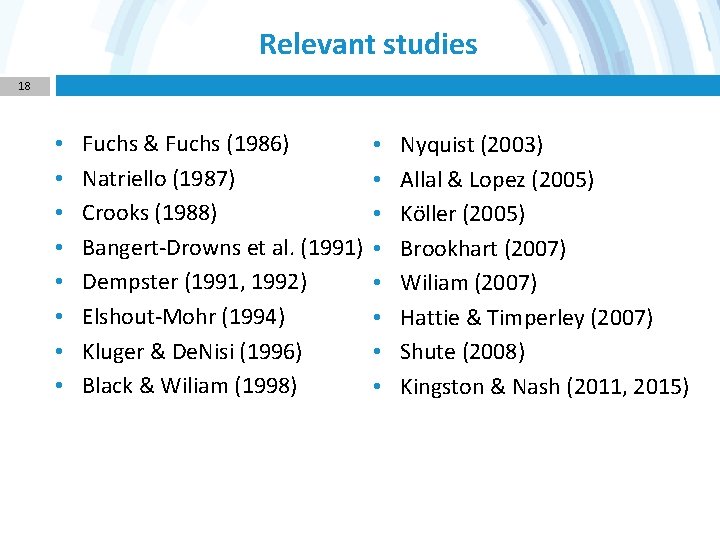
Relevant studies 18 • • Fuchs & Fuchs (1986) Natriello (1987) Crooks (1988) Bangert-Drowns et al. (1991) Dempster (1991, 1992) Elshout-Mohr (1994) Kluger & De. Nisi (1996) Black & Wiliam (1998) • • Nyquist (2003) Allal & Lopez (2005) Köller (2005) Brookhart (2007) Wiliam (2007) Hattie & Timperley (2007) Shute (2008) Kingston & Nash (2011, 2015)
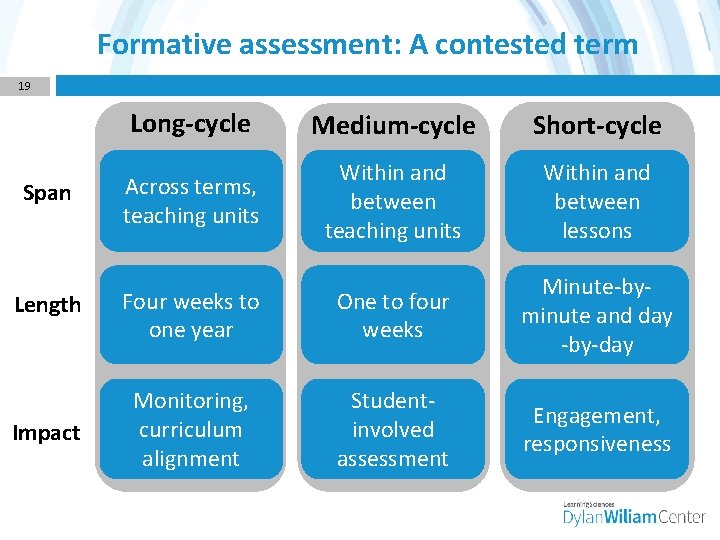
Formative assessment: A contested term 19 Span Long-cycle Medium-cycle Short-cycle Across terms, teaching units Within and between lessons Length Four weeks to one year One to four weeks Minute-byminute and day -by-day Impact Monitoring, curriculum alignment Studentinvolved assessment Engagement, responsiveness
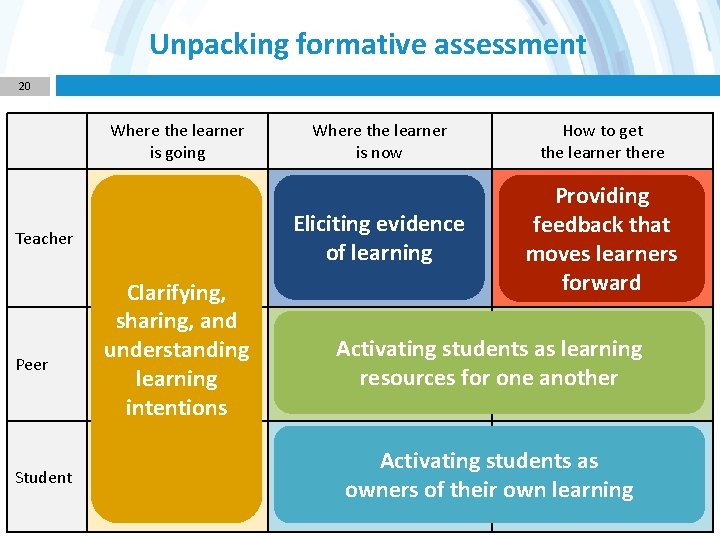
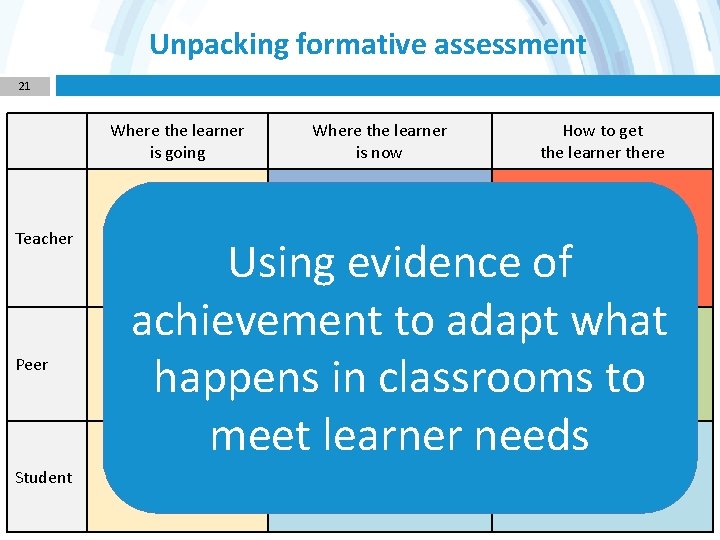
Unpacking formative assessment 20 Where the learner is going Teacher Peer Student Clarifying, sharing, and understanding learning intentions Where the learner is now How to get the learner there Eliciting evidence of learning Providing feedback that moves learners forward Activating students as learning resources for one another Activating students as owners of their own learning
Unpacking formative assessment 21 Where the learner is going Teacher Peer Student Where the learner is now How to get the learner there Using evidence of achievement to adapt what happens in classrooms to meet learner needs
22 Strategies and practical techniques for classroom formative assessment
23 Clarifying, sharing and understanding learning intentions
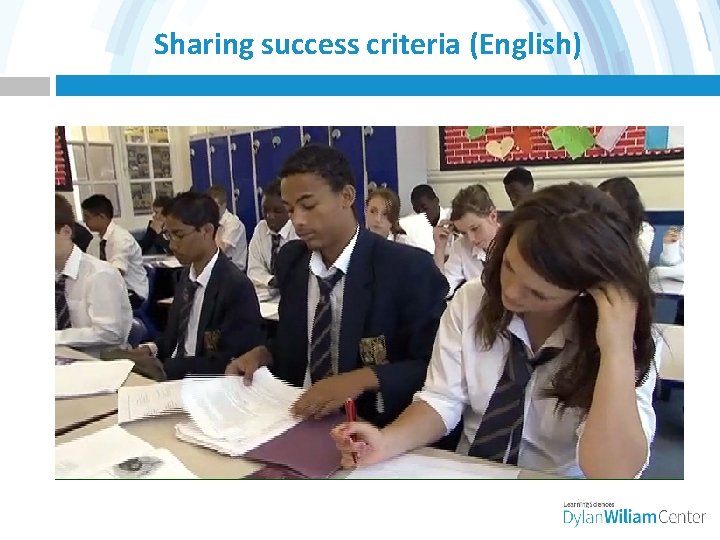
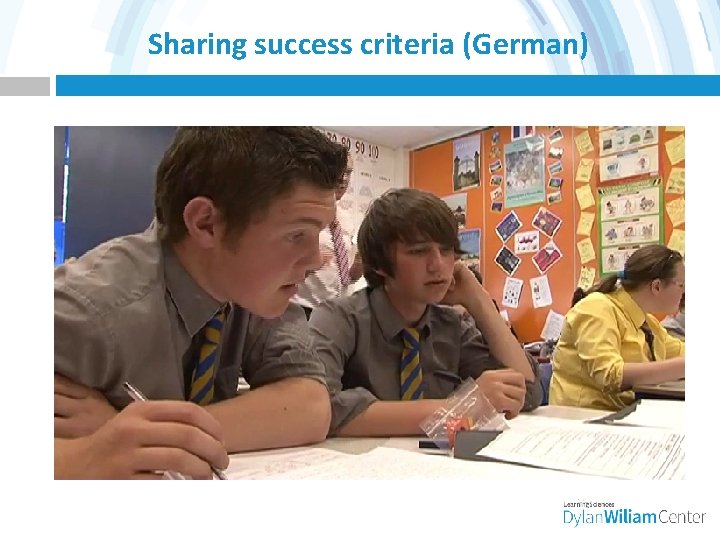
24 “The indispensable conditions for improvement are that the student comes to hold a concept of quality roughly similar to that held by the teacher, is able to monitor continuously the quality of what is being produced during the act of production itself, and has a repertoire of alternative moves or strategies from which to draw at any given point. In other words, students have to be able to judge the quality of what they are producing and be able to regulate what they are doing during the doing of it. ” (Sadler, 1989 p. 121)
Sharing success criteria (English)
Sharing success criteria (German)
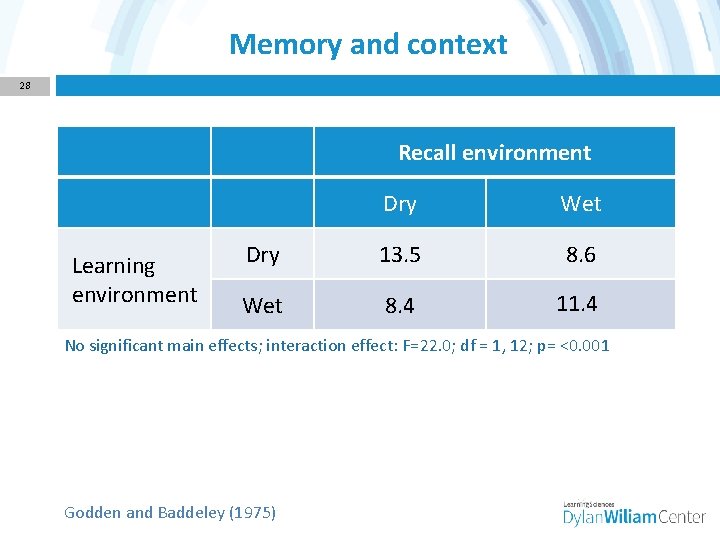
Memory on land underwater 27 • 18 (5 f, 13 m) student members of a university diving club were tested on their recall of two- and three-syllable words from four 36 -word lists taken from the Toronto Word Bank spoken to them twice. • Students learned, and were tested on, the words while underwater, and while on the shore, resulting in four conditions: – – DD (learn dry, recall dry) DW (learn dry, recall wet) WD (learn wet, recall dry) WW (learn wet, recall wet)
Memory and context 28 Recall environment Learning environment Dry Wet Dry 13. 5 8. 6 Wet 8. 4 11. 4 No significant main effects; interaction effect: F=22. 0; df = 1, 12; p= <0. 001 Godden and Baddeley (1975)
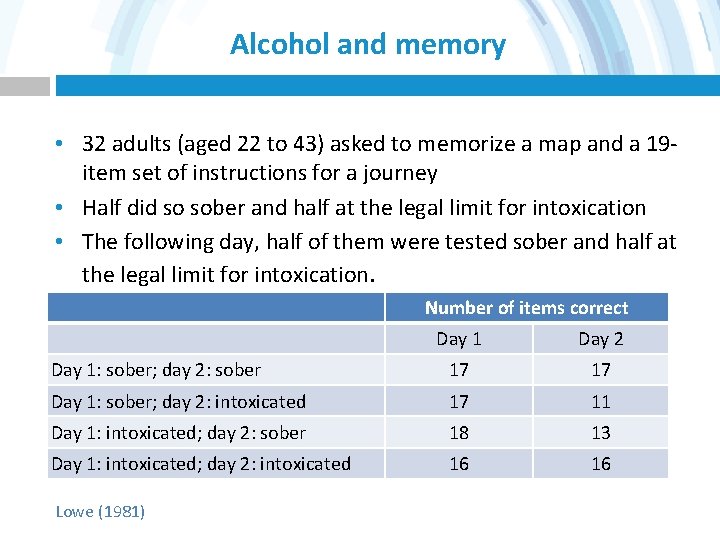
Alcohol and memory • 32 adults (aged 22 to 43) asked to memorize a map and a 19 item set of instructions for a journey • Half did so sober and half at the legal limit for intoxication • The following day, half of them were tested sober and half at the legal limit for intoxication. Number of items correct Day 1 Day 2 Day 1: sober; day 2: sober 17 17 Day 1: sober; day 2: intoxicated 17 11 Day 1: intoxicated; day 2: sober 18 13 Day 1: intoxicated; day 2: intoxicated 16 16 Lowe (1981)
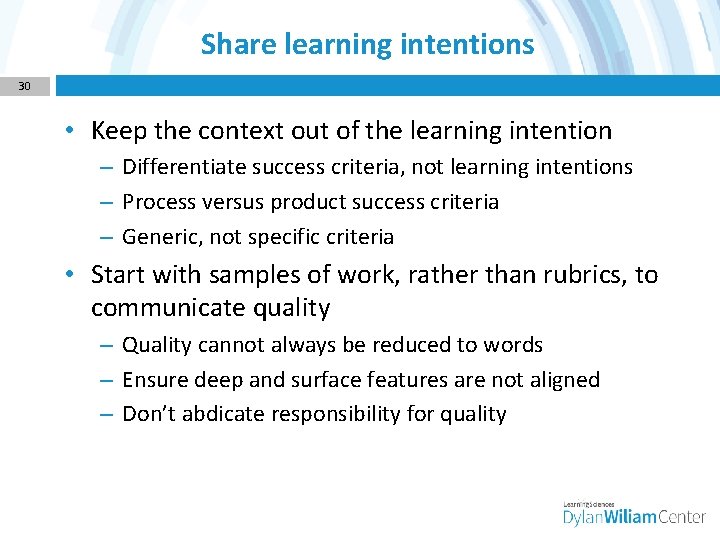
Share learning intentions 30 • Keep the context out of the learning intention – Differentiate success criteria, not learning intentions – Process versus product success criteria – Generic, not specific criteria • Start with samples of work, rather than rubrics, to communicate quality – Quality cannot always be reduced to words – Ensure deep and surface features are not aligned – Don’t abdicate responsibility for quality
31 Engineering effective discussions, activities, and classroom tasks that elicit evidence of learning
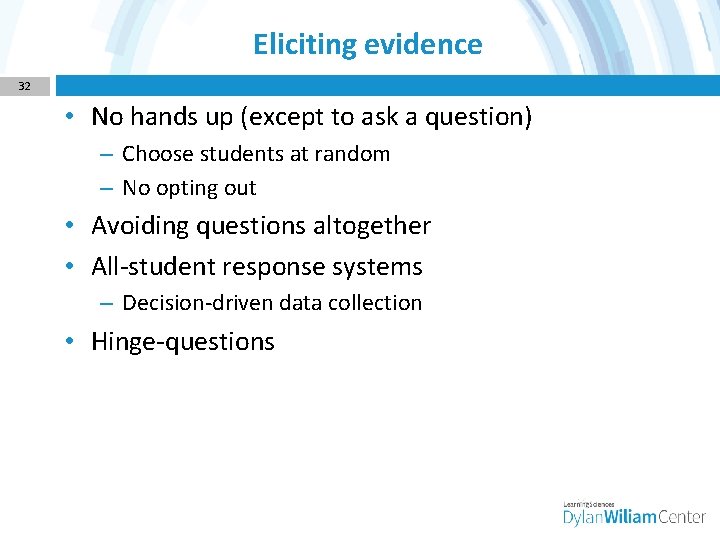
Eliciting evidence 32 • No hands up (except to ask a question) – Choose students at random – No opting out • Avoiding questions altogether • All-student response systems – Decision-driven data collection • Hinge-questions
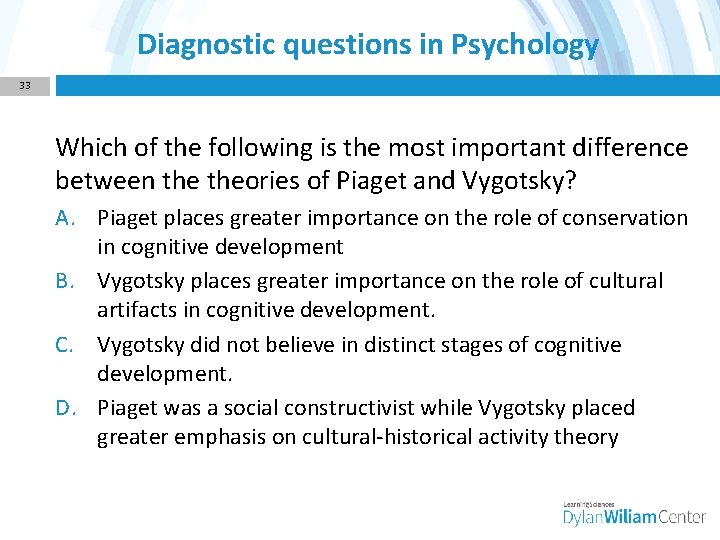
Diagnostic questions in Psychology 33 Which of the following is the most important difference between theories of Piaget and Vygotsky? A. Piaget places greater importance on the role of conservation in cognitive development B. Vygotsky places greater importance on the role of cultural artifacts in cognitive development. C. Vygotsky did not believe in distinct stages of cognitive development. D. Piaget was a social constructivist while Vygotsky placed greater emphasis on cultural-historical activity theory
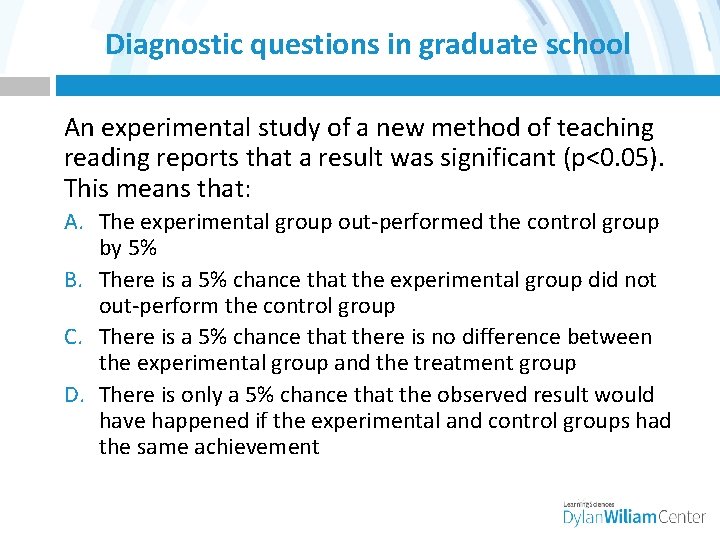
Diagnostic questions in graduate school An experimental study of a new method of teaching reading reports that a result was significant (p<0. 05). This means that: A. The experimental group out-performed the control group by 5% B. There is a 5% chance that the experimental group did not out-perform the control group C. There is a 5% chance that there is no difference between the experimental group and the treatment group D. There is only a 5% chance that the observed result would have happened if the experimental and control groups had the same achievement
35 Providing feedback that moves learners forward
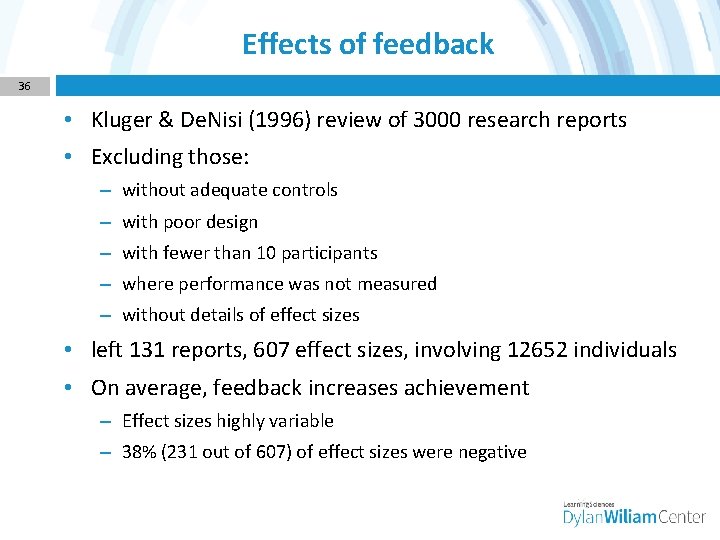
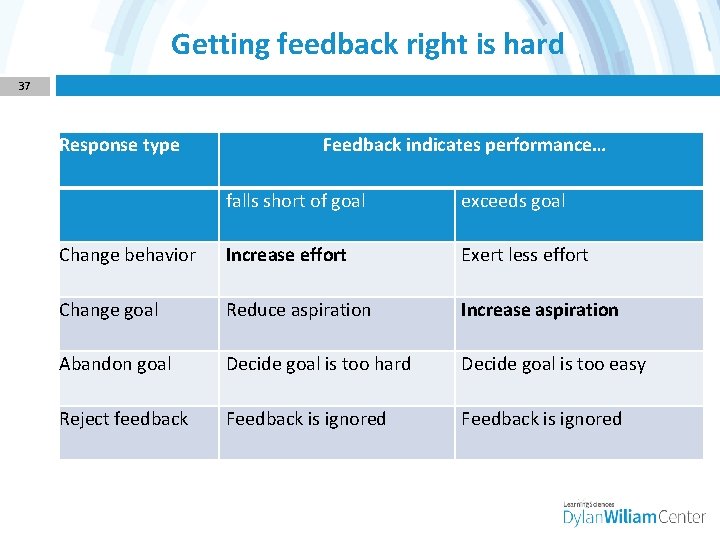
Effects of feedback 36 • Kluger & De. Nisi (1996) review of 3000 research reports • Excluding those: – without adequate controls – with poor design – with fewer than 10 participants – where performance was not measured – without details of effect sizes • left 131 reports, 607 effect sizes, involving 12652 individuals • On average, feedback increases achievement – Effect sizes highly variable – 38% (231 out of 607) of effect sizes were negative
Getting feedback right is hard 37 Response type Feedback indicates performance… falls short of goal exceeds goal Change behavior Increase effort Exert less effort Change goal Reduce aspiration Increase aspiration Abandon goal Decide goal is too hard Decide goal is too easy Reject feedback Feedback is ignored
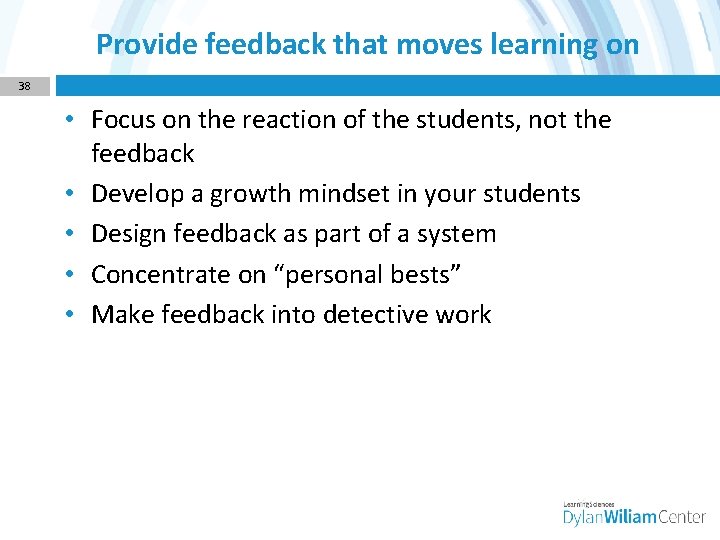
Provide feedback that moves learning on 38 • Focus on the reaction of the students, not the feedback • Develop a growth mindset in your students • Design feedback as part of a system • Concentrate on “personal bests” • Make feedback into detective work
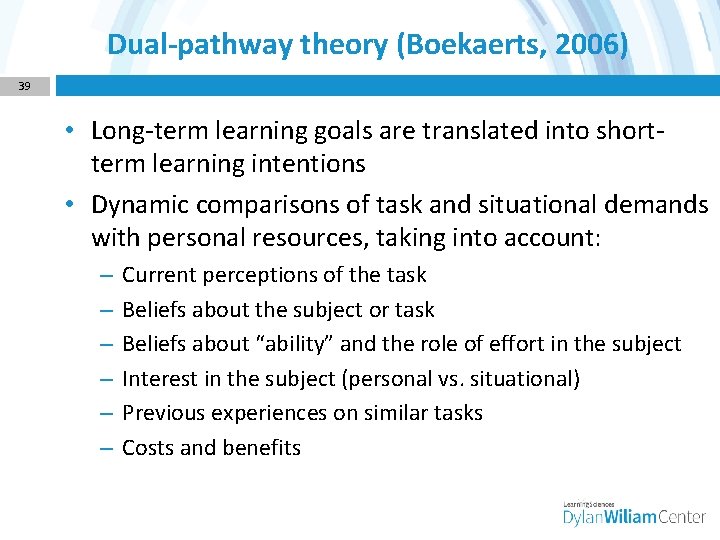
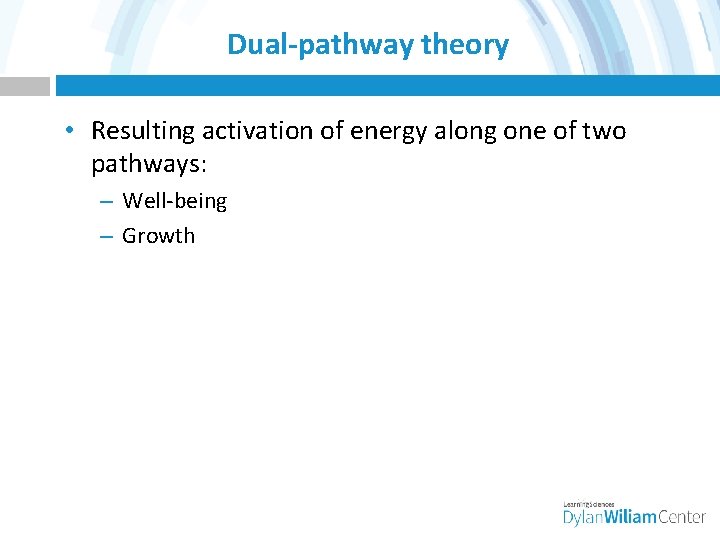
Dual-pathway theory (Boekaerts, 2006) 39 • Long-term learning goals are translated into shortterm learning intentions • Dynamic comparisons of task and situational demands with personal resources, taking into account: – – – Current perceptions of the task Beliefs about the subject or task Beliefs about “ability” and the role of effort in the subject Interest in the subject (personal vs. situational) Previous experiences on similar tasks Costs and benefits
Dual-pathway theory • Resulting activation of energy along one of two pathways: – Well-being – Growth
41 Students as learning resources for one another
Cooperative learning: a research success story 42 • Two essential components – Group goals: • so students are working as a group, not just in a group – Individual accountability: • the best learning efforts of every member of the group must be necessary for the group to succeed, and • the performance of each group member must be clearly visible and quantifiable to the other group members Slavin, Hurley and Chamberlain (2003)
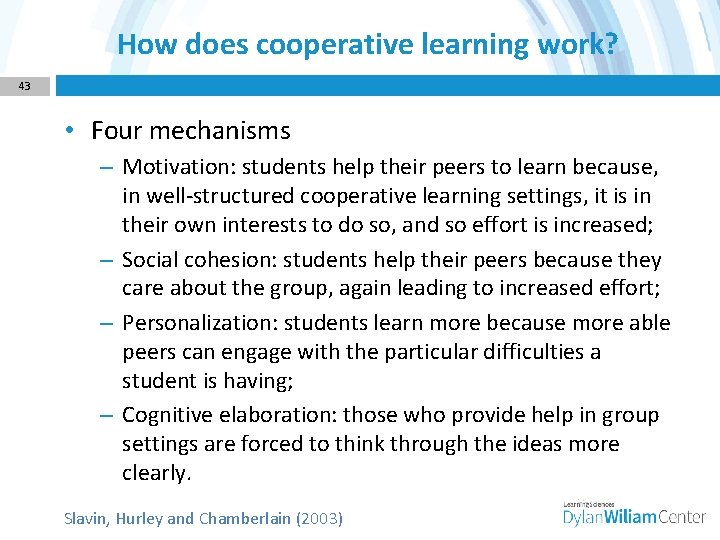
How does cooperative learning work? 43 • Four mechanisms – Motivation: students help their peers to learn because, in well-structured cooperative learning settings, it is in their own interests to do so, and so effort is increased; – Social cohesion: students help their peers because they care about the group, again leading to increased effort; – Personalization: students learn more because more able peers can engage with the particular difficulties a student is having; – Cognitive elaboration: those who provide help in group settings are forced to think through the ideas more clearly. Slavin, Hurley and Chamberlain (2003)
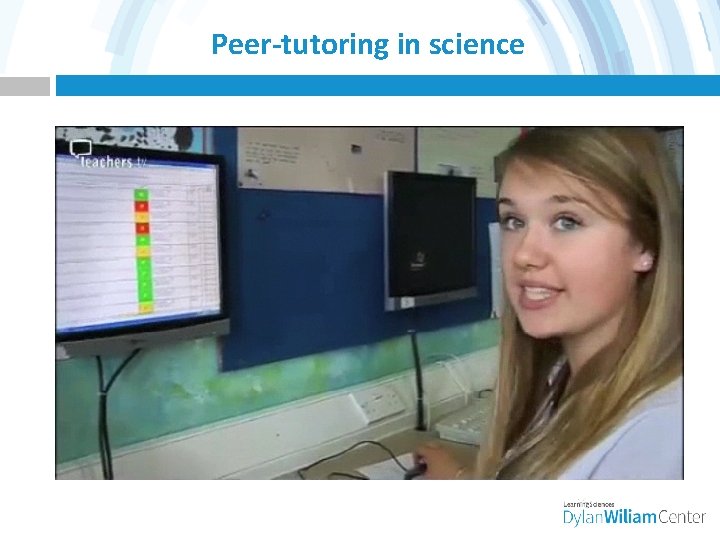
Peer-tutoring in science
Peer-tutoring in English Literature
Help students be learning resources 46 • Students assessing their peers’ work: – – “Pre-flight checklist” “Two stars and a wish” Choose-swap-choose Daily sign-in • Training students to pose questions/identifying group weaknesses • End-of-lesson students’ review • Best composite response
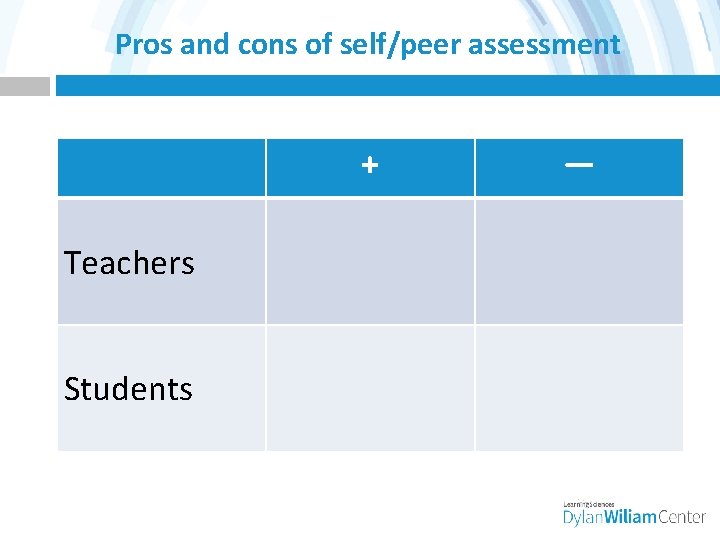
Pros and cons of self/peer assessment + Teachers Students —
48 Activating students as owners of their own learning
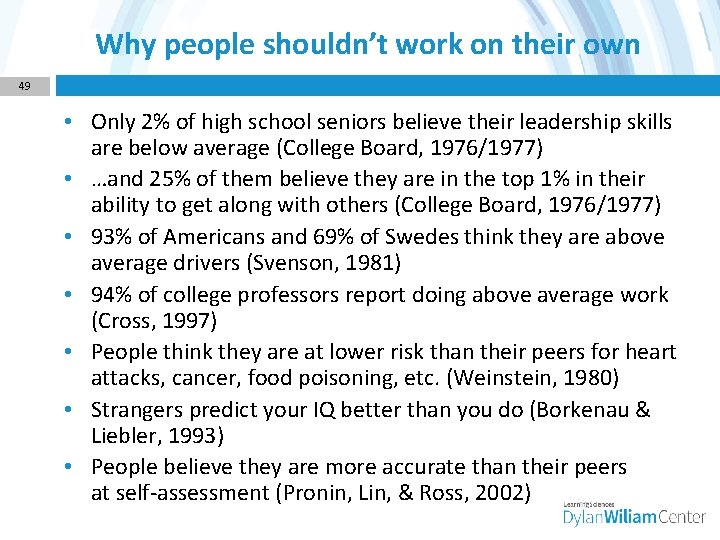
Why people shouldn’t work on their own 49 • Only 2% of high school seniors believe their leadership skills are below average (College Board, 1976/1977) • …and 25% of them believe they are in the top 1% in their ability to get along with others (College Board, 1976/1977) • 93% of Americans and 69% of Swedes think they are above average drivers (Svenson, 1981) • 94% of college professors report doing above average work (Cross, 1997) • People think they are at lower risk than their peers for heart attacks, cancer, food poisoning, etc. (Weinstein, 1980) • Strangers predict your IQ better than you do (Borkenau & Liebler, 1993) • People believe they are more accurate than their peers at self-assessment (Pronin, Lin, & Ross, 2002)
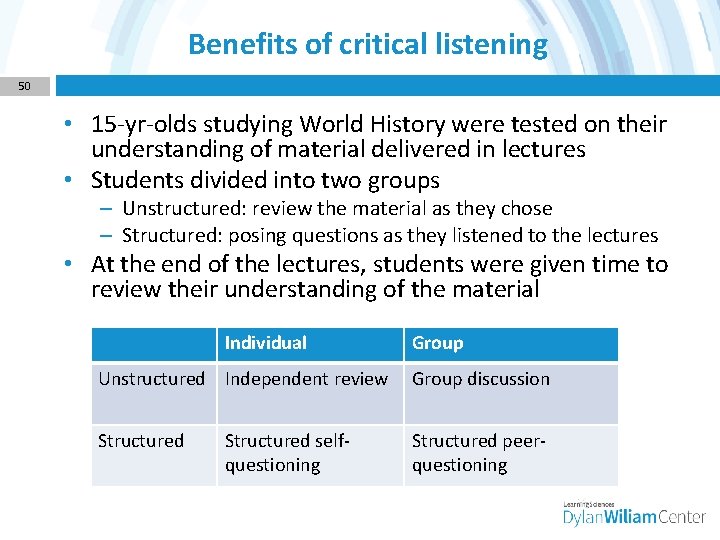
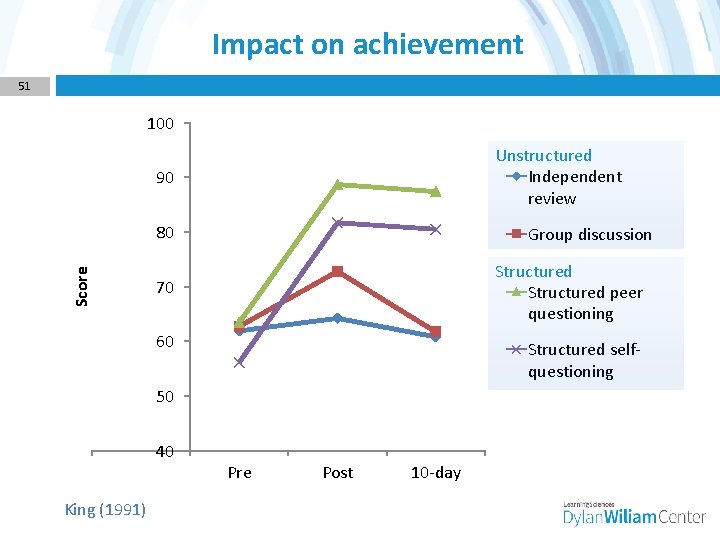
Benefits of critical listening 50 • 15 -yr-olds studying World History were tested on their understanding of material delivered in lectures • Students divided into two groups – Unstructured: review the material as they chose – Structured: posing questions as they listened to the lectures • At the end of the lectures, students were given time to review their understanding of the material Individual Group Unstructured Independent review Group discussion Structured peerquestioning Structured selfquestioning
Impact on achievement 51 100 Unstructured Independent review 90 Score 80 Group discussion Structured peer questioning 70 60 Structured selfquestioning 50 40 King (1991) Pre Post 10 -day
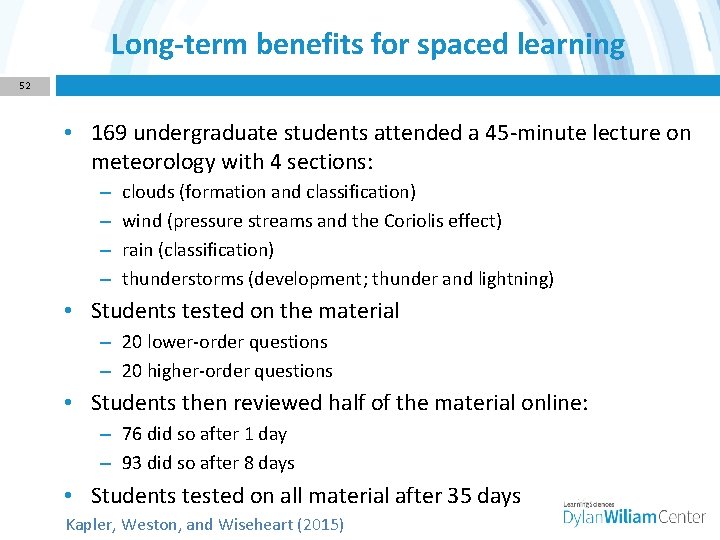
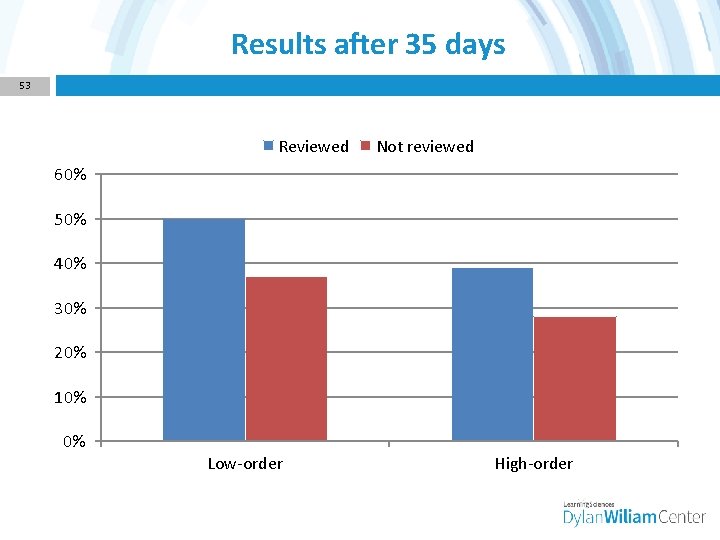
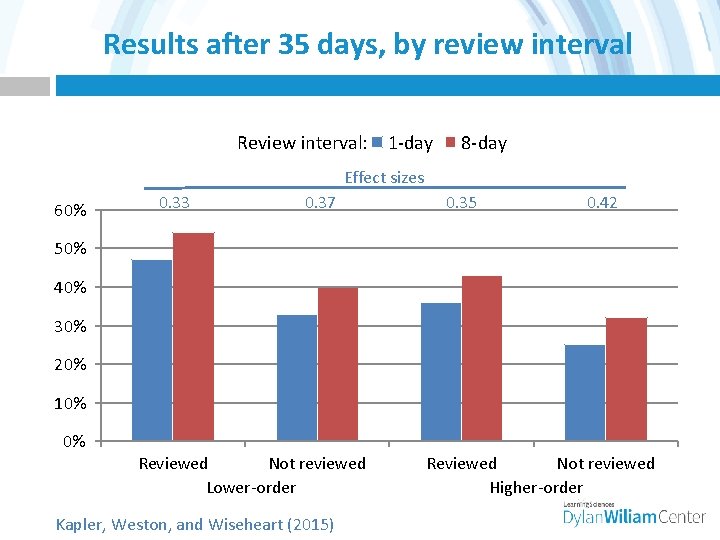
Long-term benefits for spaced learning 52 • 169 undergraduate students attended a 45 -minute lecture on meteorology with 4 sections: – – clouds (formation and classification) wind (pressure streams and the Coriolis effect) rain (classification) thunderstorms (development; thunder and lightning) • Students tested on the material – 20 lower-order questions – 20 higher-order questions • Students then reviewed half of the material online: – 76 did so after 1 day – 93 did so after 8 days • Students tested on all material after 35 days Kapler, Weston, and Wiseheart (2015)
Results after 35 days 53 Reviewed Not reviewed 60% 50% 40% 30% 20% 10% 0% Low-order High-order
Results after 35 days, by review interval Review interval: 1 -day 8 -day Effect sizes 60% 0. 33 0. 37 0. 35 0. 42 50% 40% 30% 20% 10% 0% Reviewed Not reviewed Lower-order Kapler, Weston, and Wiseheart (2015) Reviewed Not reviewed Higher-order
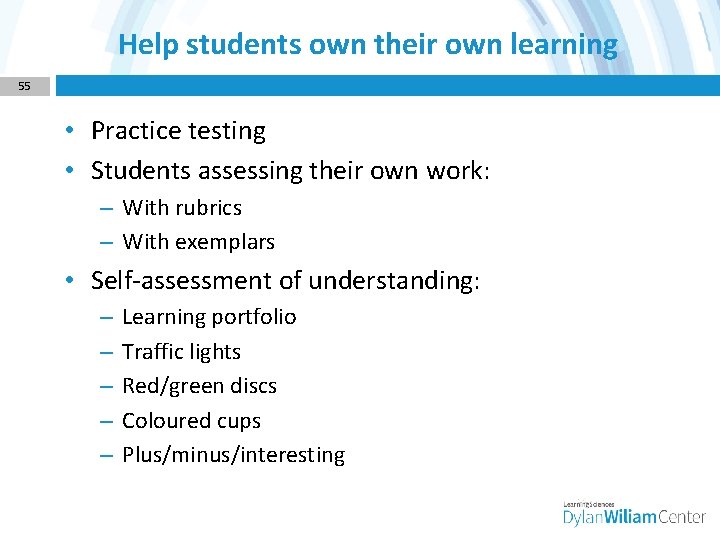
Help students own their own learning 55 • Practice testing • Students assessing their own work: – With rubrics – With exemplars • Self-assessment of understanding: – – – Learning portfolio Traffic lights Red/green discs Coloured cups Plus/minus/interesting
56 Technique review
57 So much for the easy bit
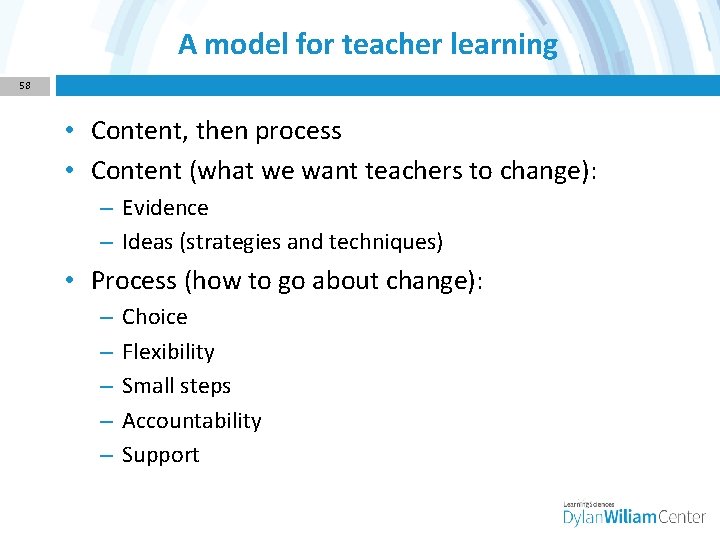
A model for teacher learning 58 • Content, then process • Content (what we want teachers to change): – Evidence – Ideas (strategies and techniques) • Process (how to go about change): – – – Choice Flexibility Small steps Accountability Support
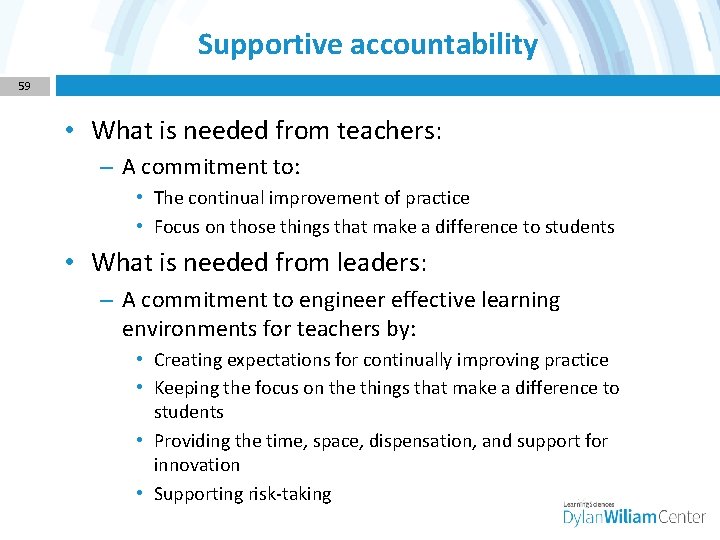
Supportive accountability 59 • What is needed from teachers: – A commitment to: • The continual improvement of practice • Focus on those things that make a difference to students • What is needed from leaders: – A commitment to engineer effective learning environments for teachers by: • Creating expectations for continually improving practice • Keeping the focus on the things that make a difference to students • Providing the time, space, dispensation, and support for innovation • Supporting risk-taking
To find out more… 60 www. dylanwiliamcenter. com www. dylanwiliam. net