
Achieving Optimal Health How to Achieve Wellness through
- Slides: 36
Achieving Optimal Health How to Achieve Wellness through Simple ABC’s of a Balanced Lifestyle 1
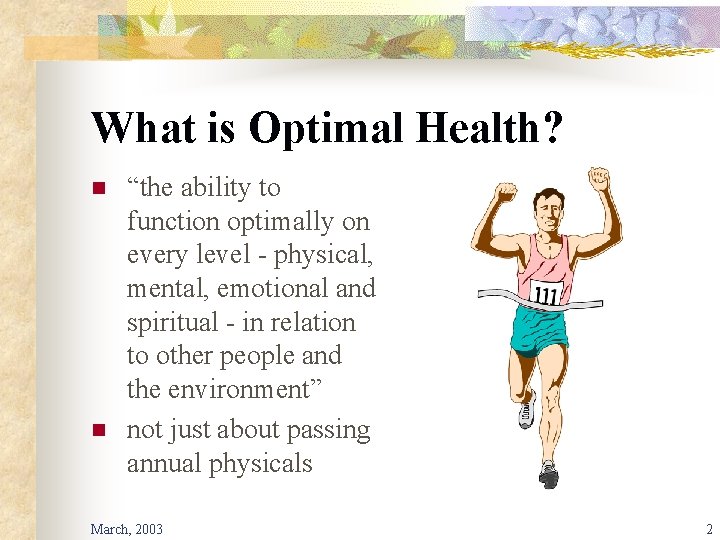
What is Optimal Health? n n “the ability to function optimally on every level - physical, mental, emotional and spiritual - in relation to other people and the environment” not just about passing annual physicals March, 2003 2
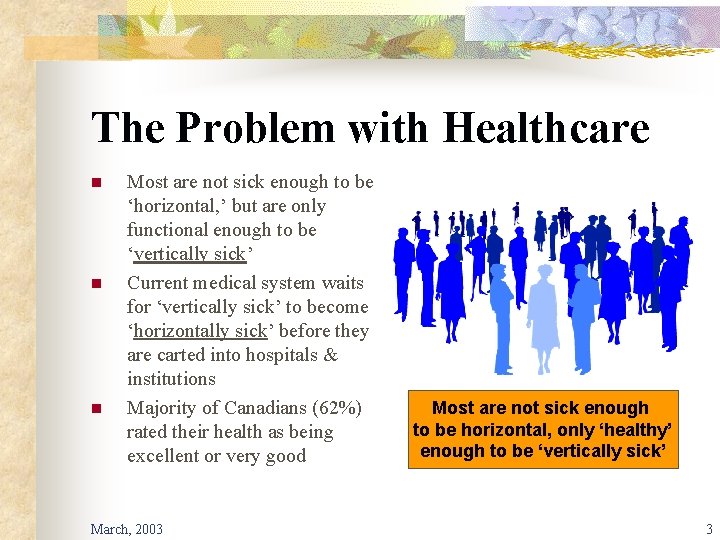
The Problem with Healthcare n n n Most are not sick enough to be ‘horizontal, ’ but are only functional enough to be ‘vertically sick’ Current medical system waits for ‘vertically sick’ to become ‘horizontally sick’ before they are carted into hospitals & institutions Majority of Canadians (62%) rated their health as being excellent or very good March, 2003 Most are not sick enough to be horizontal, only ‘healthy’ enough to be ‘vertically sick’ 3
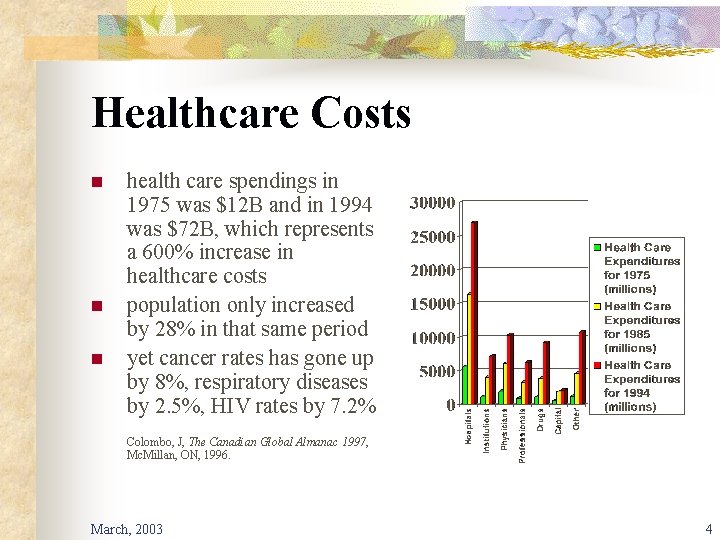
Healthcare Costs n n n health care spendings in 1975 was $12 B and in 1994 was $72 B, which represents a 600% increase in healthcare costs population only increased by 28% in that same period yet cancer rates has gone up by 8%, respiratory diseases by 2. 5%, HIV rates by 7. 2% Colombo, J, The Canadian Global Almanac 1997, Mc. Millan, ON, 1996. March, 2003 4
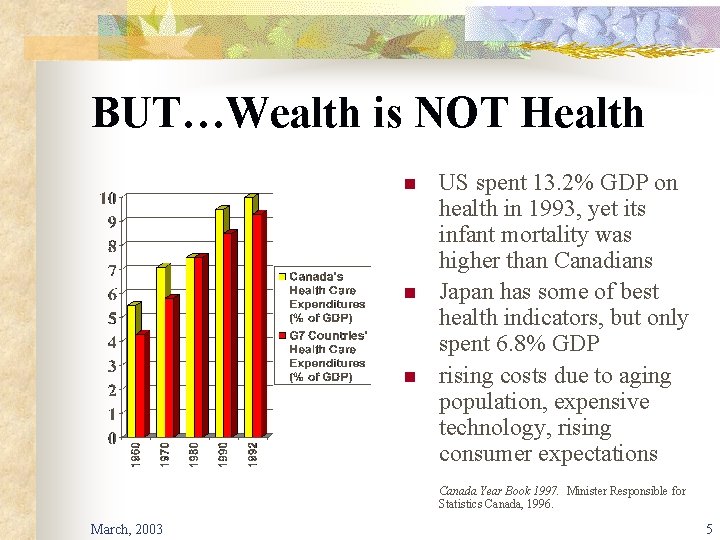
BUT…Wealth is NOT Health n n n US spent 13. 2% GDP on health in 1993, yet its infant mortality was higher than Canadians Japan has some of best health indicators, but only spent 6. 8% GDP rising costs due to aging population, expensive technology, rising consumer expectations Canada Year Book 1997. Minister Responsible for Statistics Canada, 1996. March, 2003 5
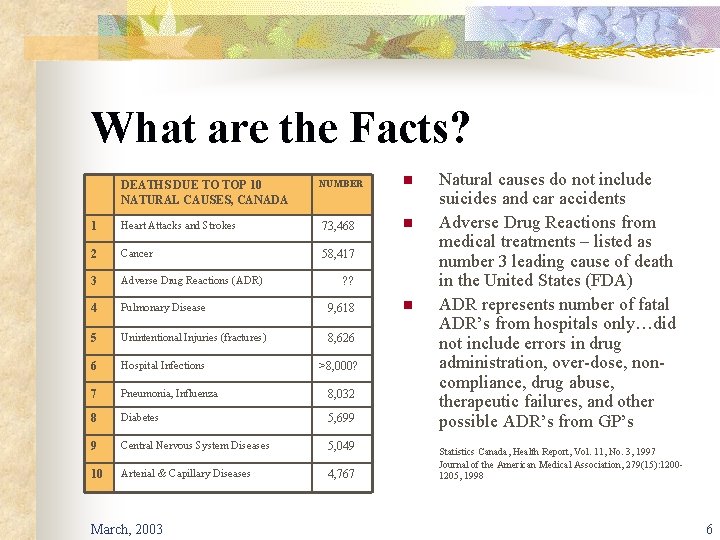
What are the Facts? DEATHS DUE TO TOP 10 NATURAL CAUSES, CANADA NUMBER n 1 Heart Attacks and Strokes 73, 468 n 2 Cancer 58, 417 3 Adverse Drug Reactions (ADR) 4 Pulmonary Disease 9, 618 5 Unintentional Injuries (fractures) 8, 626 6 Hospital Infections 7 Pneumonia, Influenza 8, 032 8 Diabetes 5, 699 9 Central Nervous System Diseases 5, 049 10 Arterial & Capillary Diseases 4, 767 March, 2003 ? ? >8, 000? n Natural causes do not include suicides and car accidents Adverse Drug Reactions from medical treatments – listed as number 3 leading cause of death in the United States (FDA) ADR represents number of fatal ADR’s from hospitals only…did not include errors in drug administration, over-dose, noncompliance, drug abuse, therapeutic failures, and other possible ADR’s from GP’s Statistics Canada, Health Report, Vol. 11, No. 3, 1997 Journal of the American Medical Association, 279(15): 12001205, 1998 6
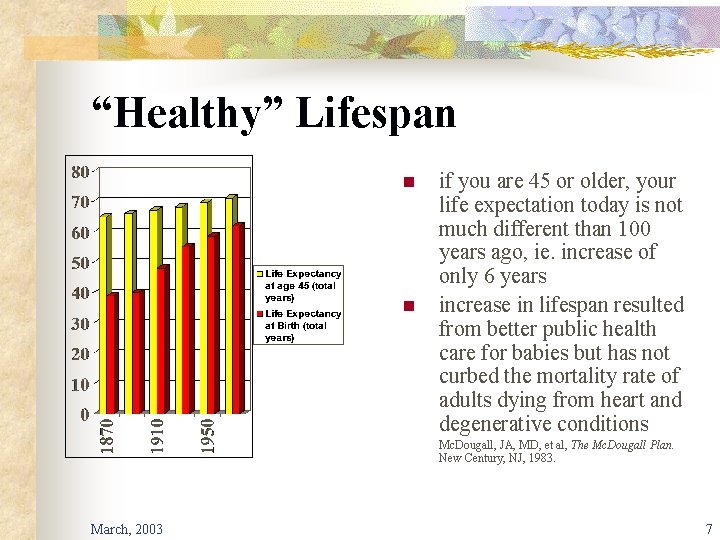
“Healthy” Lifespan n n if you are 45 or older, your life expectation today is not much different than 100 years ago, ie. increase of only 6 years increase in lifespan resulted from better public health care for babies but has not curbed the mortality rate of adults dying from heart and degenerative conditions Mc. Dougall, JA, MD, et al, The Mc. Dougall Plan. New Century, NJ, 1983. March, 2003 7
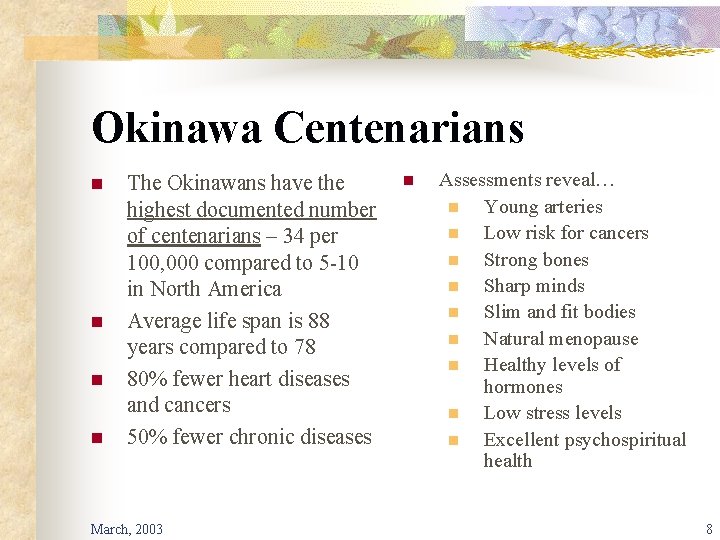
Okinawa Centenarians n n The Okinawans have the highest documented number of centenarians – 34 per 100, 000 compared to 5 -10 in North America Average life span is 88 years compared to 78 80% fewer heart diseases and cancers 50% fewer chronic diseases March, 2003 n Assessments reveal… n Young arteries n Low risk for cancers n Strong bones n Sharp minds n Slim and fit bodies n Natural menopause n Healthy levels of hormones n Low stress levels n Excellent psychospiritual health 8
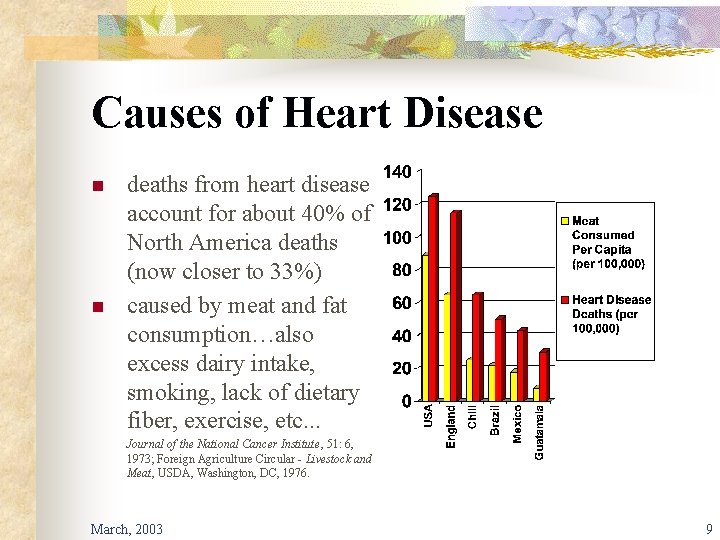
Causes of Heart Disease n n deaths from heart disease account for about 40% of North America deaths (now closer to 33%) caused by meat and fat consumption…also excess dairy intake, smoking, lack of dietary fiber, exercise, etc. . . Journal of the National Cancer Institute, 51: 6, 1973; Foreign Agriculture Circular - Livestock and Meat, USDA, Washington, DC, 1976. March, 2003 9
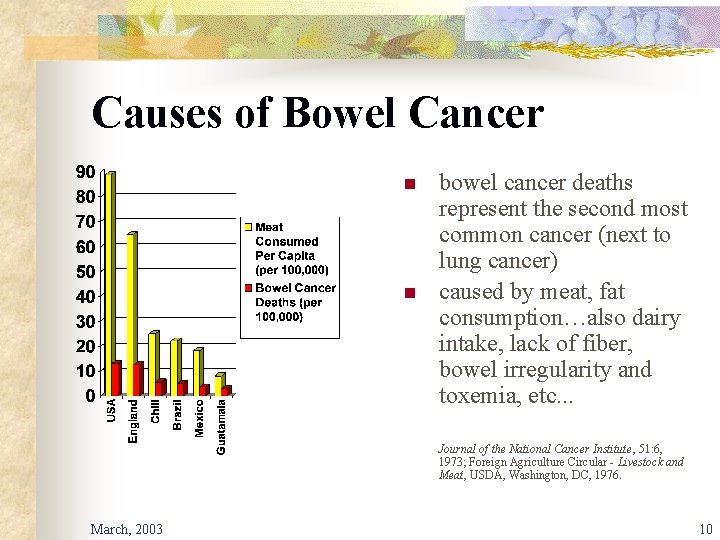
Causes of Bowel Cancer n n bowel cancer deaths represent the second most common cancer (next to lung cancer) caused by meat, fat consumption…also dairy intake, lack of fiber, bowel irregularity and toxemia, etc. . . Journal of the National Cancer Institute, 51: 6, 1973; Foreign Agriculture Circular - Livestock and Meat, USDA, Washington, DC, 1976. March, 2003 10
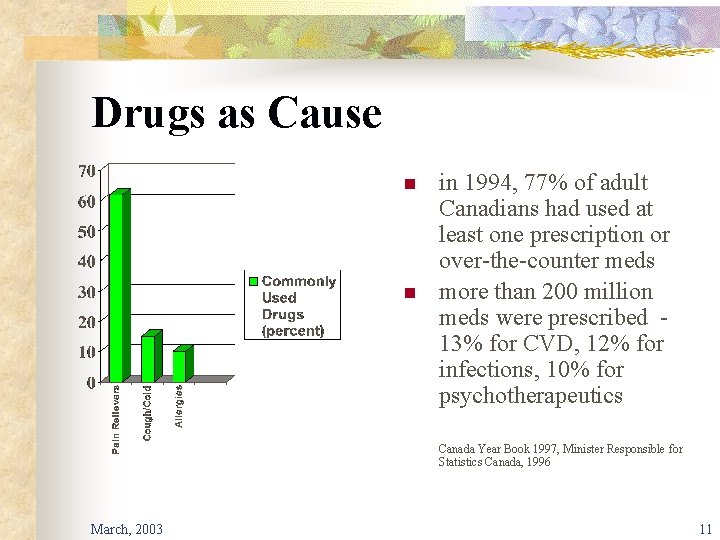
Drugs as Cause n n in 1994, 77% of adult Canadians had used at least one prescription or over-the-counter meds more than 200 million meds were prescribed 13% for CVD, 12% for infections, 10% for psychotherapeutics Canada Year Book 1997, Minister Responsible for Statistics Canada, 1996 March, 2003 11
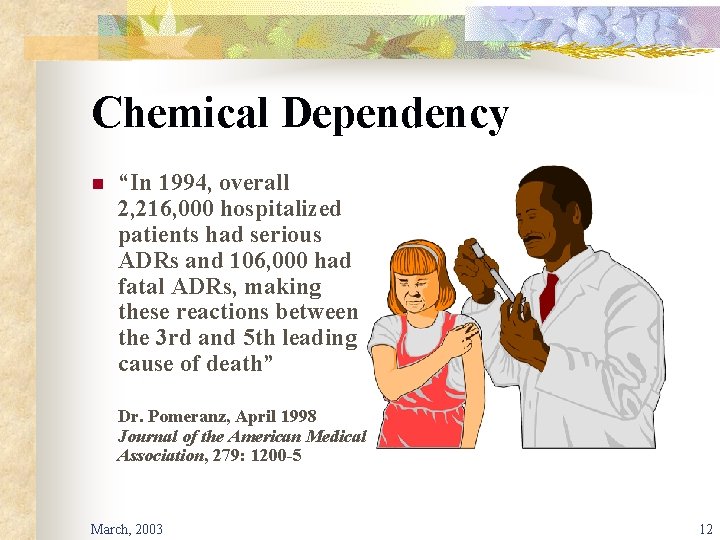
Chemical Dependency n “In 1994, overall 2, 216, 000 hospitalized patients had serious ADRs and 106, 000 had fatal ADRs, making these reactions between the 3 rd and 5 th leading cause of death” Dr. Pomeranz, April 1998 Journal of the American Medical Association, 279: 1200 -5 March, 2003 12
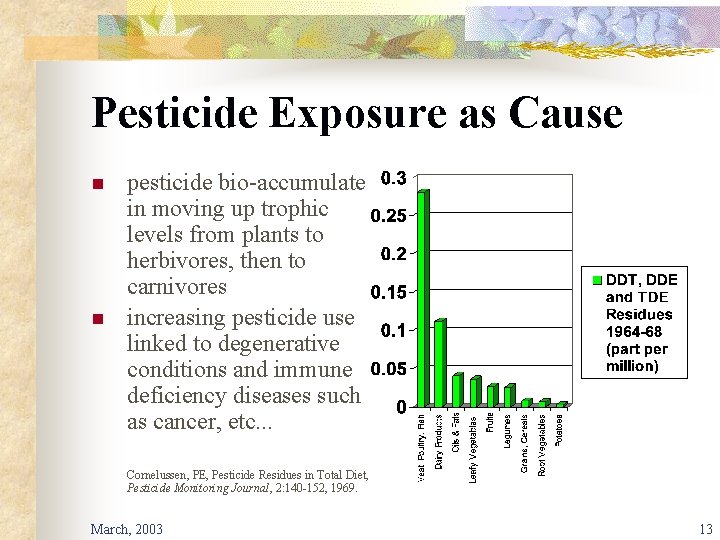
Pesticide Exposure as Cause n n pesticide bio-accumulate in moving up trophic levels from plants to herbivores, then to carnivores increasing pesticide use linked to degenerative conditions and immune deficiency diseases such as cancer, etc. . . Cornelussen, PE, Pesticide Residues in Total Diet, Pesticide Monitoring Journal, 2: 140 -152, 1969. March, 2003 13
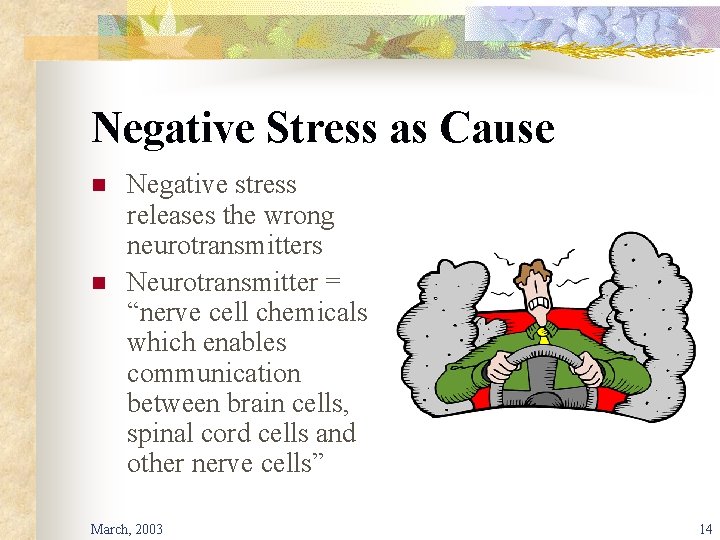
Negative Stress as Cause n n Negative stress releases the wrong neurotransmitters Neurotransmitter = “nerve cell chemicals which enables communication between brain cells, spinal cord cells and other nerve cells” March, 2003 14
Nutrient Deficiencies as Cause n n March, 2003 Nutrients such as vitamins, minerals, enzymes, essential fatty acids, and amino acids provide the raw materials for optimal cell function While most of us are overfed, we are also undernourished 15
Genes as Cause: Nature vs. Nurture “Research shows that genetics accounts for only a third of physical health…the other two thirds of physical aging relate to lifestyle, our engagement with life, what we eat, the way we manage stress, our social connections, and sense of personal power. It’s not all in our genes. ” Dr. John Rowe, MD, President of Mount Sinai Hospital in New York, who heads the Mac. Arthur Foundation Research Network on Successful Aging. March, 2003 16
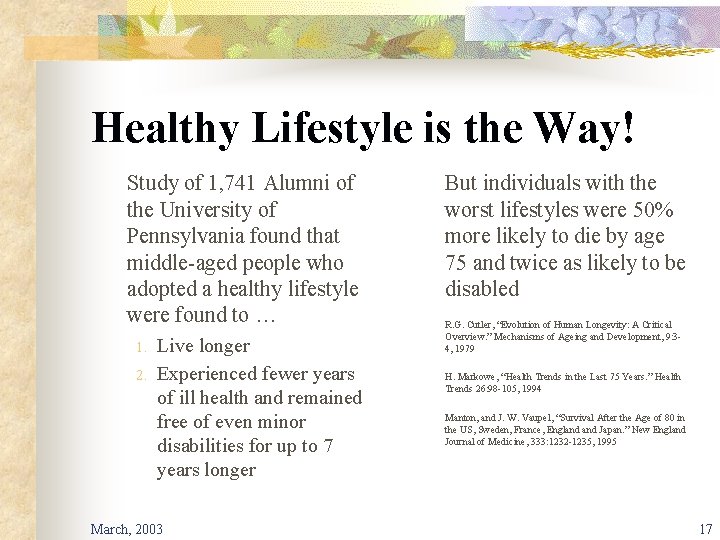
Healthy Lifestyle is the Way! Study of 1, 741 Alumni of the University of Pennsylvania found that middle-aged people who adopted a healthy lifestyle were found to … 1. 2. Live longer Experienced fewer years of ill health and remained free of even minor disabilities for up to 7 years longer March, 2003 But individuals with the worst lifestyles were 50% more likely to die by age 75 and twice as likely to be disabled R. G. Cutler, “Evolution of Human Longevity: A Critical Overview. ” Mechanisms of Ageing and Development, 9: 34, 1979 H. Markowe, “Health Trends in the Last 75 Years. ” Health Trends 26: 98 -105, 1994 Manton, and J. W. Vaupel, “Survival After the Age of 80 in the US, Sweden, France, England Japan. ” New England Journal of Medicine, 333: 1232 -1235, 1995 17
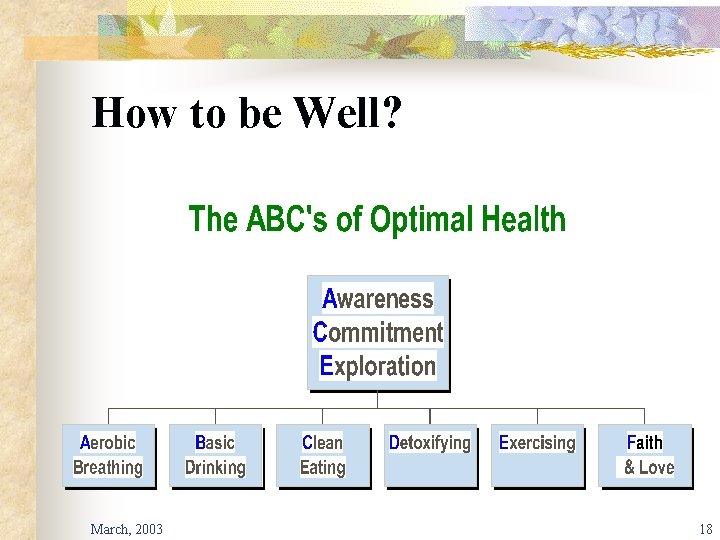
How to be Well? March, 2003 18
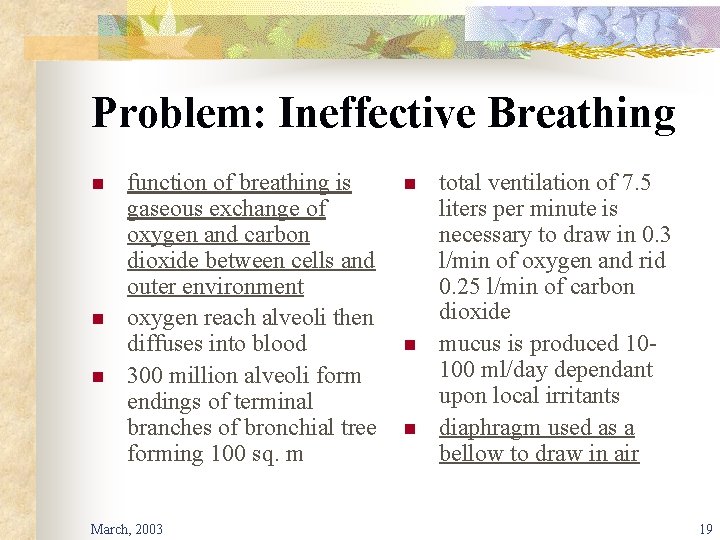
Problem: Ineffective Breathing n n n function of breathing is gaseous exchange of oxygen and carbon dioxide between cells and outer environment oxygen reach alveoli then diffuses into blood 300 million alveoli form endings of terminal branches of bronchial tree forming 100 sq. m March, 2003 n n n total ventilation of 7. 5 liters per minute is necessary to draw in 0. 3 l/min of oxygen and rid 0. 25 l/min of carbon dioxide mucus is produced 10100 ml/day dependant upon local irritants diaphragm used as a bellow to draw in air 19
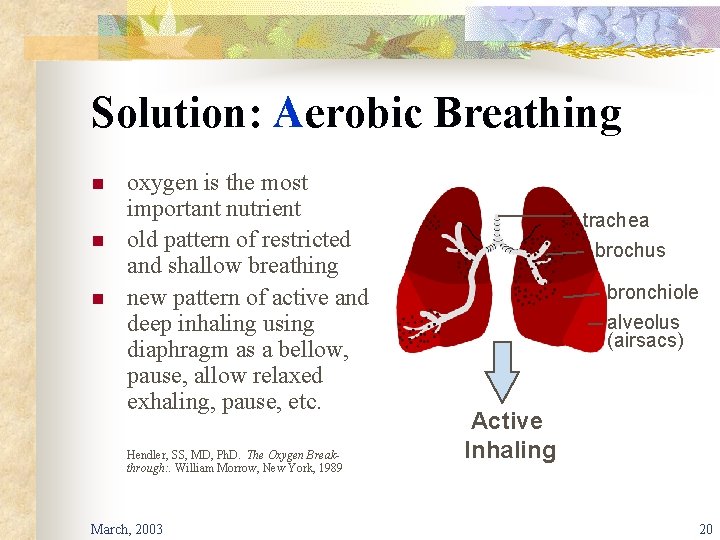
Solution: Aerobic Breathing n n n oxygen is the most important nutrient old pattern of restricted and shallow breathing new pattern of active and deep inhaling using diaphragm as a bellow, pause, allow relaxed exhaling, pause, etc. Hendler, SS, MD, Ph. D. The Oxygen Breakthrough: . William Morrow, New York, 1989 March, 2003 trachea brochus bronchiole alveolus (airsacs) Active Inhaling 20
Problem: Dehydration n n water is essential in all functions of the body …yet many are dehydrated the Extra-cellular Fluid or ECF surrounding the cell determines the efficiency of transport of nutrients into the cell and the elimination of toxins outside of cells March, 2003 n n an acidic ECF can slow the transport of nutrients and toxins whereas a basic or alkaline ECF can increase the carrying capacity and transport of water, nutrients. . . and improve cleansing and elimination 21
Solution: Basic Drinking n n water is the second most important nutrient (makes up 70% of body) tap water is toxic purified water is acidic drink p. H-balanced purified water to remineralize, rehydrate and rebalance p. H in the body (spring, mineral, glacial waters) Batmanghelidj, F, MD. Your Body’s man Cries for Water. Global Health Sollutions, VA, 1996 March, 2003 22
Problem: Toxic Foods n n food represents not only nutrients to the body, but also fulfills cultural, emotional and social needs cravings for certain foods may be caused by infection, toxicities not just from nutrient deficiencies March, 2003 n foods can affect moods, cravings, concentration, allergies, infections, p. H balance, bowel regularity, bone density, aches and pains, hormones, muscular function, coordination, etc. 23
Solution: Clean Eating n China Diet and Health Study: China-Oxford. Cornell study by Colin Campbell, Ph. D and his colleagues looked at the role of diet on disease rates over a period of 8 years, with over 100, 000 Chinese in over 65 provinces March, 2003 n so far, it showed that the closer one approaches a total plant food diet, the greater the health benefit, ie. there is no threshold level with levels of vegetable or meat intake Good Medicine. The China Health Study Today. Physicians Committee for Responsible Medicine, Vol 3, No 3, 1994 24
Solution: Clean Eating n n n good quality food is essential for fuel, repair, and maintenance organic plant-based foods to derive highest nutritional value and less agrichemicals variety, moderation, livefood, chewing, supplementation, etc. Robbins, J. Diet For A New America. Stillpoint Publishing, 1987 March, 2003 25
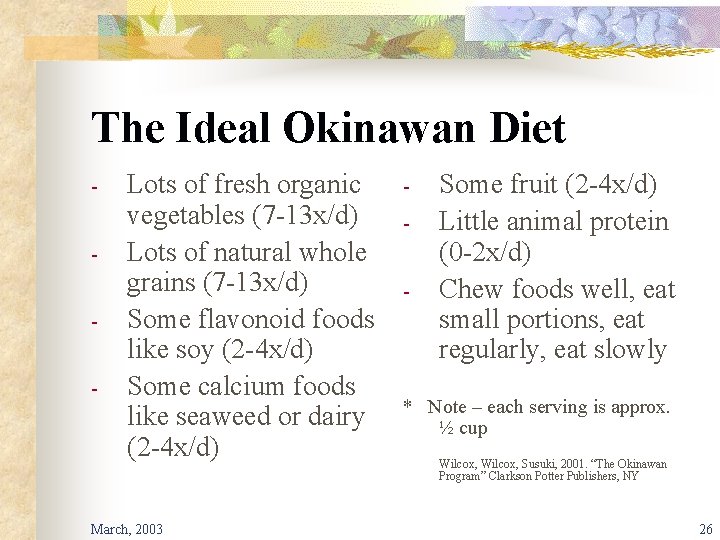
The Ideal Okinawan Diet - Lots of fresh organic vegetables (7 -13 x/d) Lots of natural whole grains (7 -13 x/d) Some flavonoid foods like soy (2 -4 x/d) Some calcium foods like seaweed or dairy (2 -4 x/d) March, 2003 - Some fruit (2 -4 x/d) Little animal protein (0 -2 x/d) Chew foods well, eat small portions, eat regularly, eat slowly * Note – each serving is approx. ½ cup Wilcox, Susuki, 2001. “The Okinawan Program” Clarkson Potter Publishers, NY 26
Problem: Toxic World n n we live in a toxic world with chemicals from factories and trucks to pesticides and oral drugs In 1989, a total of 5. 7 Billion pounds of pollutants were released into the environment in just 1 year in North America which may be breathed, ingested and lived in March, 2003 n n n More than 1 Billion pounds of chemicals were released into the ground, contaminating soil and water table Over 188 Million pounds of chemicals were discharged into waters More than 2. 4 Billion pounds of chemical emissions were pumped into the air EPA, Dec 1992 Did You Know Our Toxic Times, Vol 3 (12): 5 27
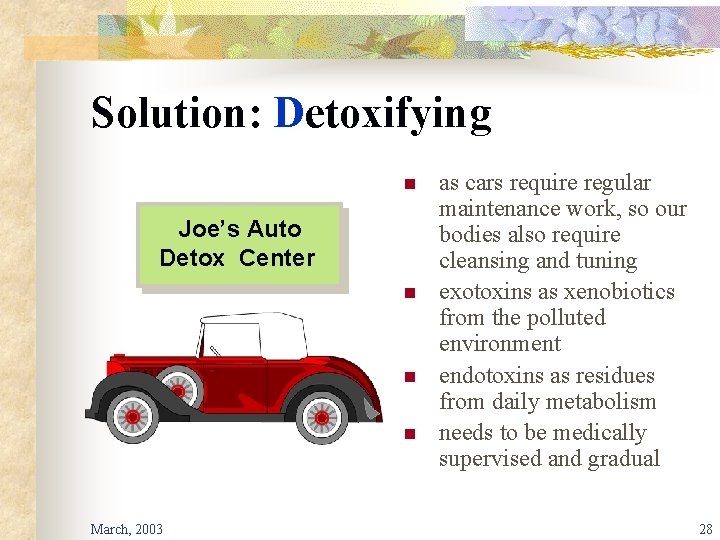
Solution: Detoxifying n Joe’s Auto Detox Center n n n March, 2003 as cars require regular maintenance work, so our bodies also require cleansing and tuning exotoxins as xenobiotics from the polluted environment endotoxins as residues from daily metabolism needs to be medically supervised and gradual 28
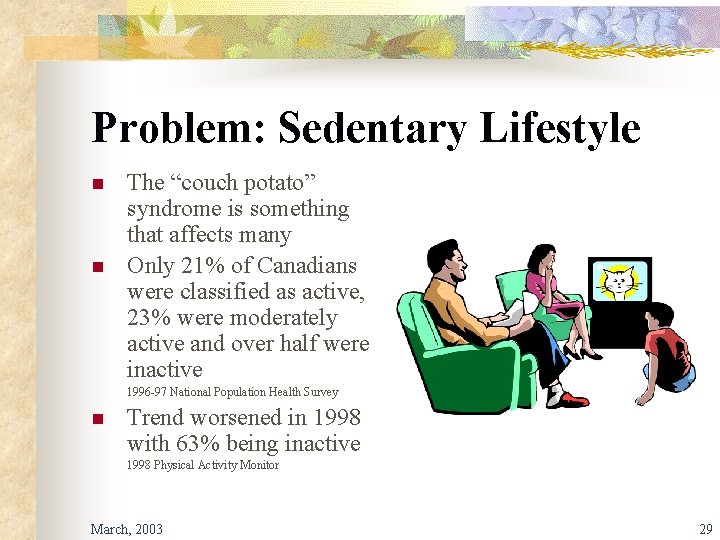
Problem: Sedentary Lifestyle n n The “couch potato” syndrome is something that affects many Only 21% of Canadians were classified as active, 23% were moderately active and over half were inactive 1996 -97 National Population Health Survey n Trend worsened in 1998 with 63% being inactive 1998 Physical Activity Monitor March, 2003 29
Solution: Exercising n n March, 2003 important for toning up muscles, circulation, and cleansing increase heart rate by 10 to 25% for 15 to 30 minutes 3 times a week examples include brisk walking, hiking, biking, swimming, and sports important to have fun! 30
Problem: Lack of Faith & Love n n n Negative stress Negative attitudes Negative behavioural patterns Emotional trauma Emotional baggage March, 2003 n n n Lack of focus, purpose, passion Lack of faith Lack of love Lack of fun Etc. 31
Research in Faith Healing n n n Masked, double blind study of 219 women age 26 to 46 were undergoing in vitro fertilization embryo transfer Those assigned to intercessory prayer experienced a pregnancy rate of 50% vs. 26% in no-prayer controls Note the subjects lived in Seoul Korea, while the prayers were delivered in US, Canada and Australia Cha, KY, et al, 2001. Does Prayer Influence the Success of in vitro fertilization – Embryo Transfer? Report of a Masked, Randomized Trial. J Reprod Med 46(9): 781 -7 March, 2003 32
Solution: Faith & Love n n n March, 2003 Meditation or prayer Clear up past emotional clutter Positive attitude More joy Companionship / relationship building Community involvement 33
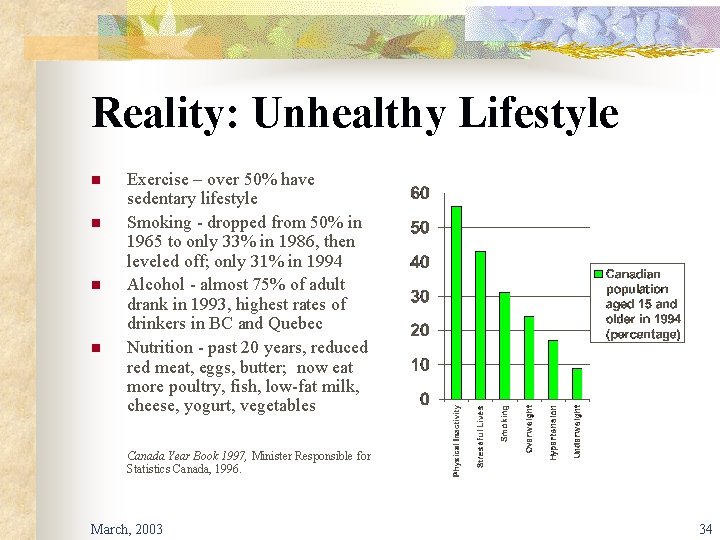
Reality: Unhealthy Lifestyle n n Exercise – over 50% have sedentary lifestyle Smoking - dropped from 50% in 1965 to only 33% in 1986, then leveled off; only 31% in 1994 Alcohol - almost 75% of adult drank in 1993, highest rates of drinkers in BC and Quebec Nutrition - past 20 years, reduced red meat, eggs, butter; now eat more poultry, fish, low-fat milk, cheese, yogurt, vegetables Canada Year Book 1997, Minister Responsible for Statistics Canada, 1996. March, 2003 34
The Ideal Okinawan Lifestyle n n March, 2003 Diet – mostly vegetables & complex carbs Exercises – martial arts, dance, garden, walk Psychospiritual – stress management, faith in humanity, personal/ group responsibility, meditation, prayer Medicine – integration of Eastern and Western medicine 35
Dr. Kenneth Pelletier Says… “Without any significant attempt to prevent disease, it is certain that the aging of our global society will soon overwhelm our ability to respond. ” Author of “Mind as Healer, Mind as Slayer: A Holistic Approach to Preventing Stress Disorders” 1977, Dell Publishing Co, New York “Healthy People in Unhealthy Places: Stress and Fitness at Work” 1984, Dell Publishing Co, New York March, 2003 36