
ACCESSORY DIGESTIVE ORGANS LIVER PANCREAS GALLBLADDER LIVER Found
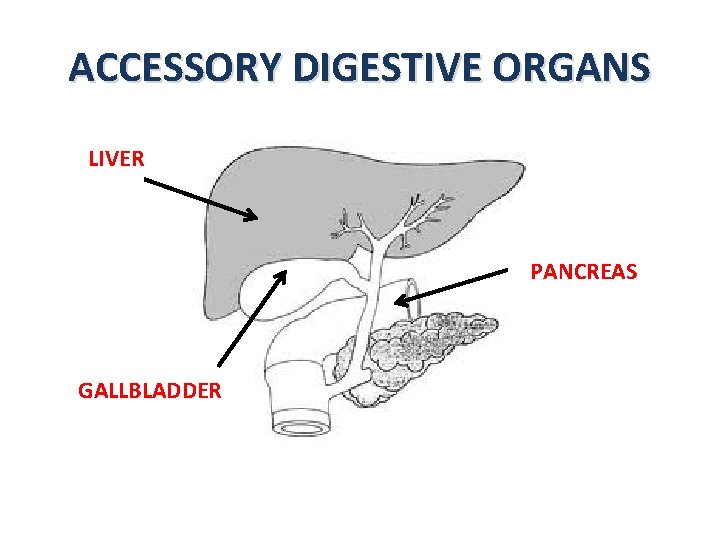
ACCESSORY DIGESTIVE ORGANS LIVER PANCREAS GALLBLADDER
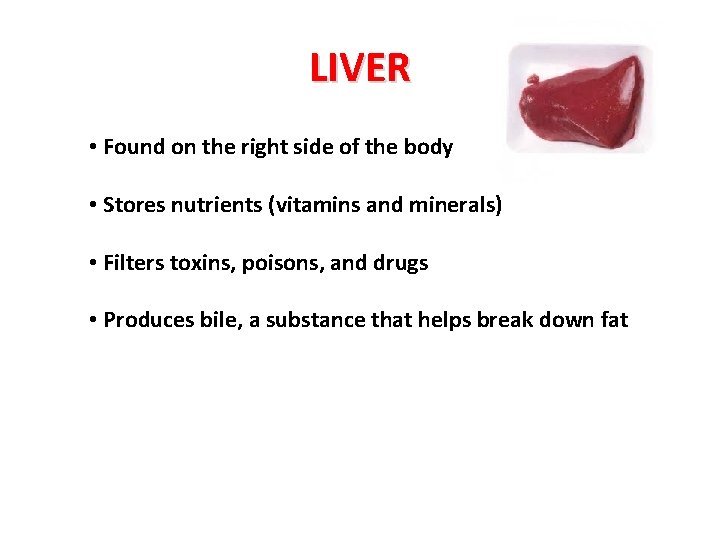
LIVER • Found on the right side of the body • Stores nutrients (vitamins and minerals) • Filters toxins, poisons, and drugs • Produces bile, a substance that helps break down fat
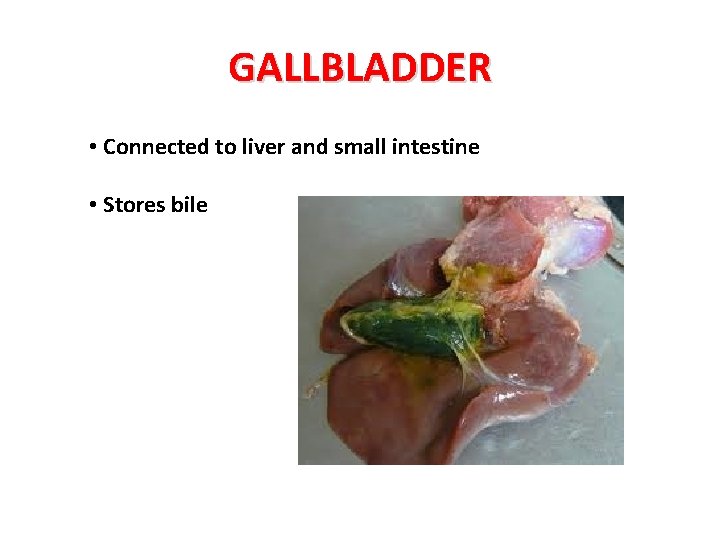
GALLBLADDER • Connected to liver and small intestine • Stores bile
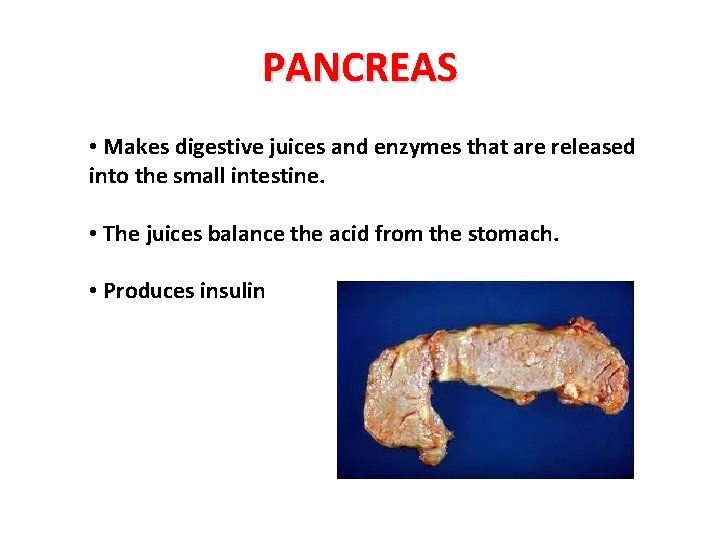
PANCREAS • Makes digestive juices and enzymes that are released into the small intestine. • The juices balance the acid from the stomach. • Produces insulin
FUN FACTS TRIVIA 1. An empty stomach can hold 60 m. L of liquid but after a meal, it can go up to 3800 m. L 2. You make 700 m. L of saliva/day 3. The small intestines is 4 m long 4. You make 500 m. L of HCl/day 5. You make 100 m. L of bile/day 6. Heartburn happens when acid in the stomach leaks near the heart. 7. Too much stress or spicy food can give you ulcers 8. Healthy bowel movement means going once a day 9. In the large intestine there are more than 400 types of bacteria.
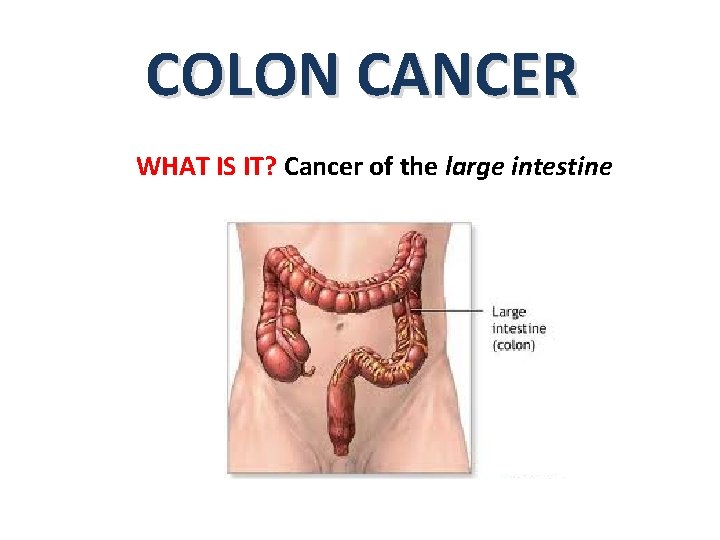
COLON CANCER WHAT IS IT? Cancer of the large intestine
• Second leading cause of cancer death in Ontario • 90% survival if detected early • 50% of those diagnosed survive • Over 400 Canadians are diagnosed every week • 1 in 14 men will get it • 1 in 15 women will get it
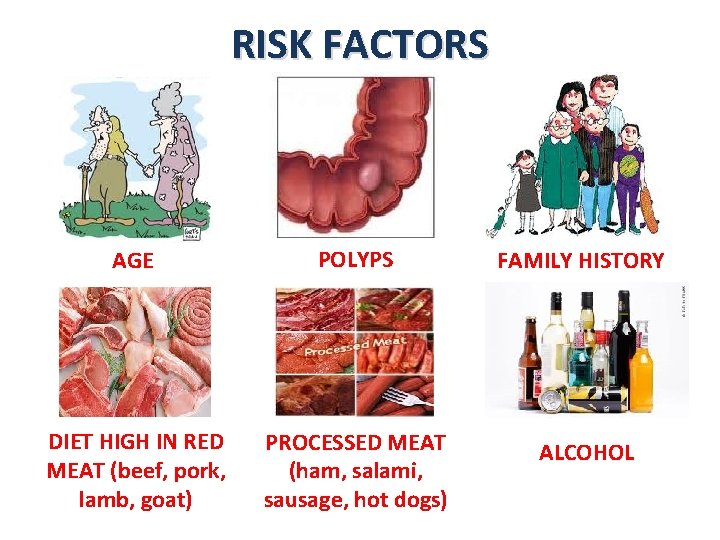
RISK FACTORS AGE POLYPS FAMILY HISTORY DIET HIGH IN RED MEAT (beef, pork, lamb, goat) PROCESSED MEAT (ham, salami, sausage, hot dogs) ALCOHOL
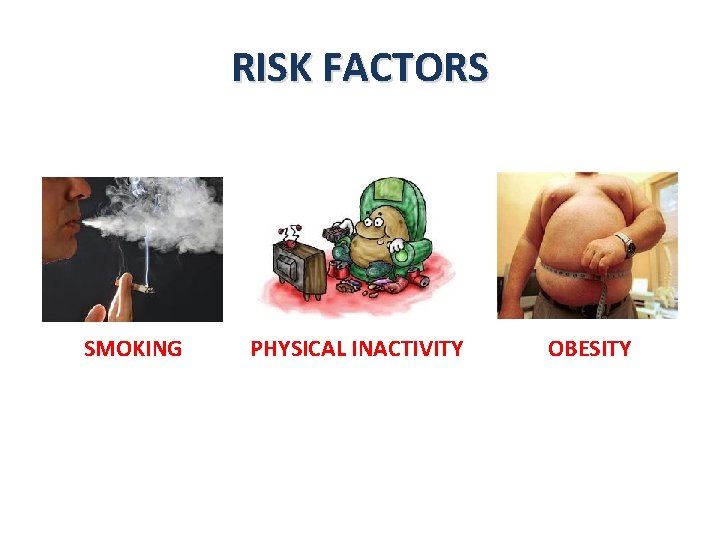
RISK FACTORS SMOKING PHYSICAL INACTIVITY OBESITY
SIGNS & SYMPTOMS 1) Change in pooping habits 2) Blood in stool 3) Diarhea or constipation 4) Stools that are more narrow that usual 5) Abdominal discomfort (gas, bloating, cramps, fullness) 6) Unexplained weight loss 7) Very tired 8) Vomiting
SCREENING WHY? To see if you have colon cancer even though you don’t have any symptoms. STEP 1: Stool sample STEP 2: Colonoscopy
VIDEO: COLON CANCER COLONSCOPY (A POLYP) http: //www. youtube. com/watch? v=rl 4 s 1 D 4 MGH 8
TREAMENT 1. Surgery: remove tumour 2. Radiation therapy: beam aimed at tumour 3. Chemotherapy: drugs that damage tumour cells
- Slides: 13