
ACCESS NOTE Please use this space as you
- Slides: 20
ACCESS NOTE Please use this space as you need or prefer. Sit in chairs or on the floor, pace, lie on the floor, rock, flap, spin, move around, step in and out of the room.
TRIGGER/CONTENT WARNING I will talk about trauma, abuse, violence, and murder of disabled people, as well as forced treatment and institutions. Please feel free to step out of the room at any time if you need to.
BEYOND THE IMAGINED NORMAL DISABILITY, PRIDE, & Bellevue College 30 October 2014
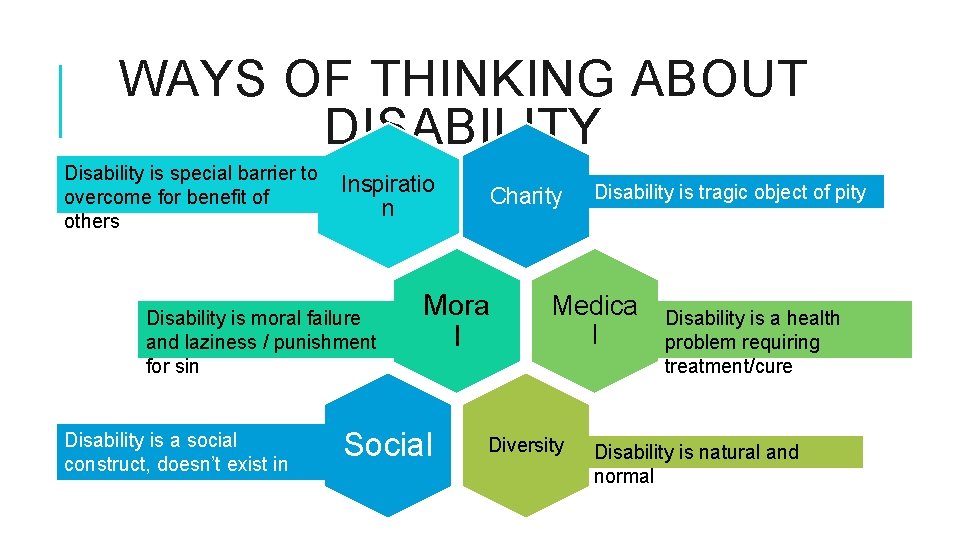
WAYS OF THINKING ABOUT DISABILITY Disability is special barrier to overcome for benefit of others Inspiratio n Disability is moral failure and laziness / punishment for sin Disability is a social construct, doesn’t exist in nature Charity Mora l Social Disability is tragic object of pity Medica l Diversity Disability is a health problem requiring treatment/cure Disability is natural and normal
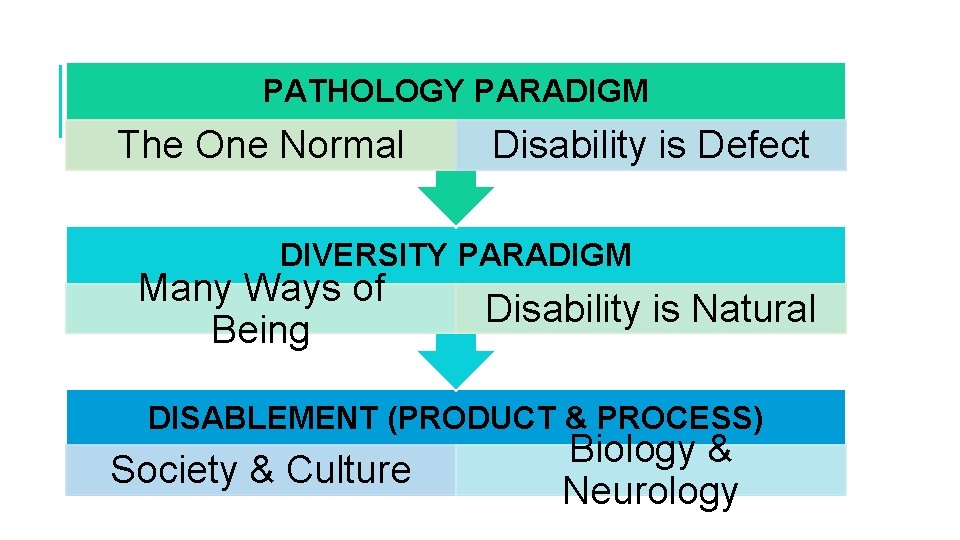
PATHOLOGY PARADIGM The One Normal Disability is Defect DIVERSITY PARADIGM Many Ways of Being Disability is Natural DISABLEMENT (PRODUCT & PROCESS) Society & Culture Biology & Neurology
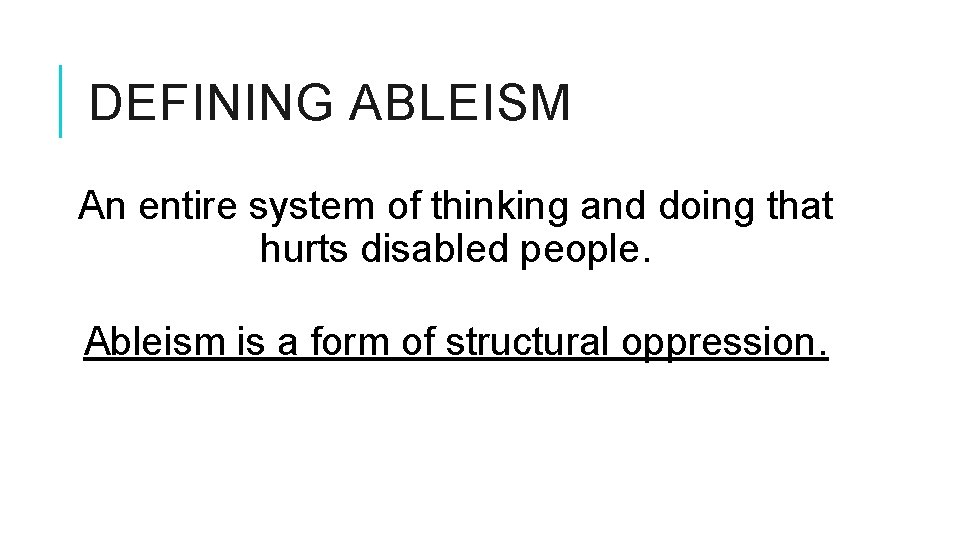
DEFINING ABLEISM An entire system of thinking and doing that hurts disabled people. Ableism is a form of structural oppression.
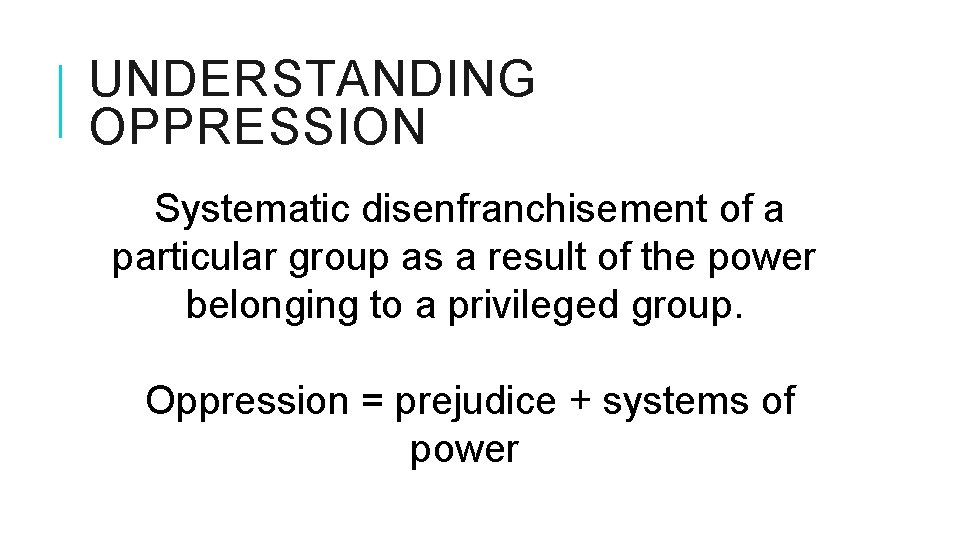
UNDERSTANDING OPPRESSION Systematic disenfranchisement of a particular group as a result of the power belonging to a privileged group. Oppression = prejudice + systems of power
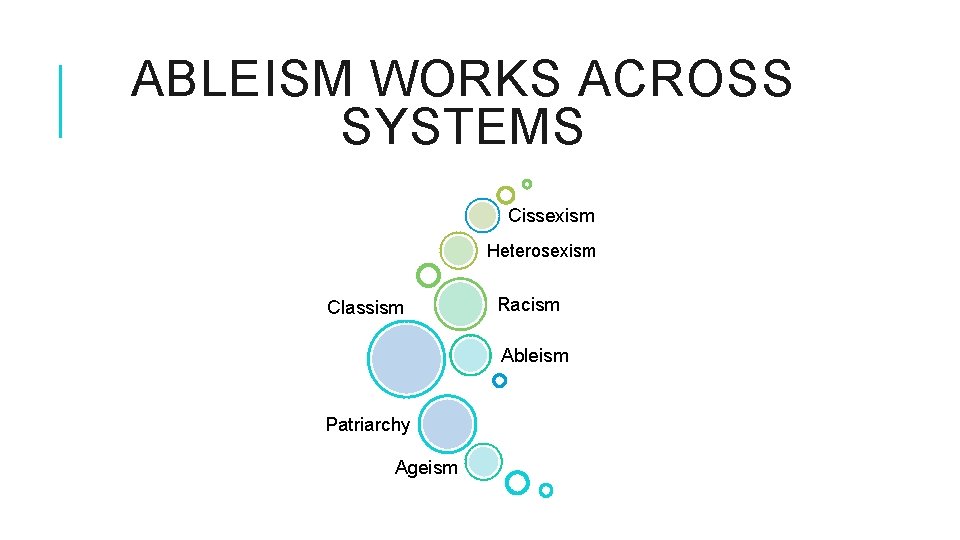
ABLEISM WORKS ACROSS SYSTEMS Cissexism Heterosexism Classism Racism Ableism Patriarchy Ageism
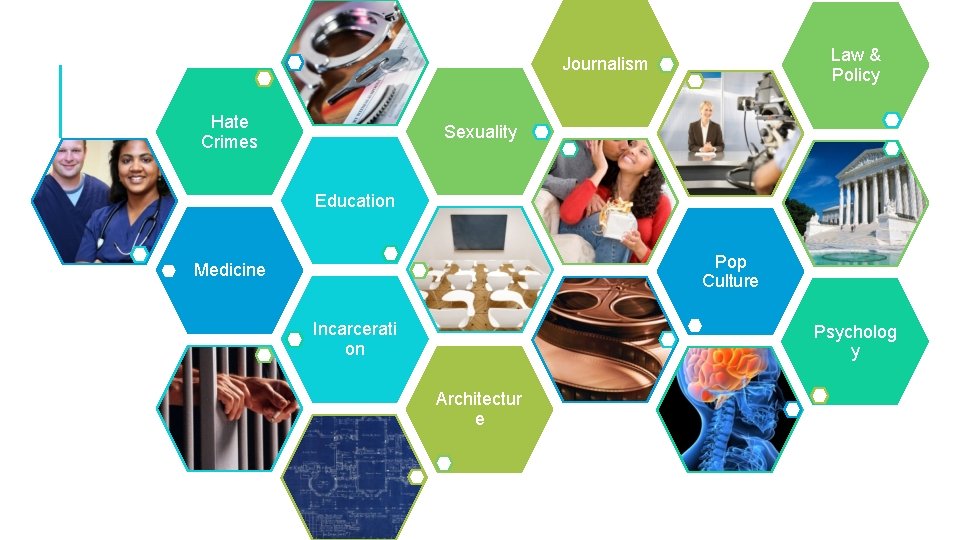
Law & Policy Journalism Hate Crimes Sexuality Education Pop Culture Medicine Incarcerati on Psycholog y Architectur e
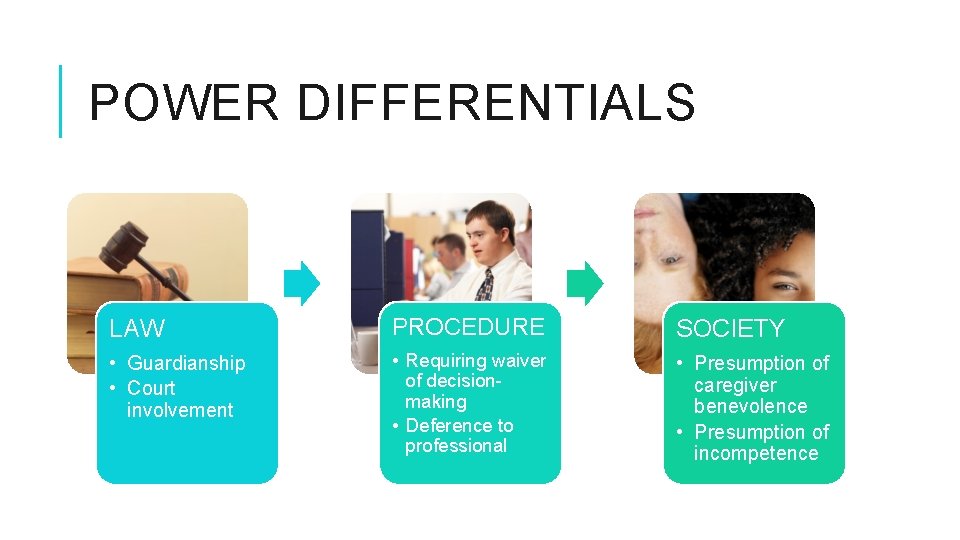
POWER DIFFERENTIALS LAW PROCEDURE SOCIETY • Guardianship • Court involvement • Requiring waiver of decisionmaking • Deference to professional • Presumption of caregiver benevolence • Presumption of incompetence
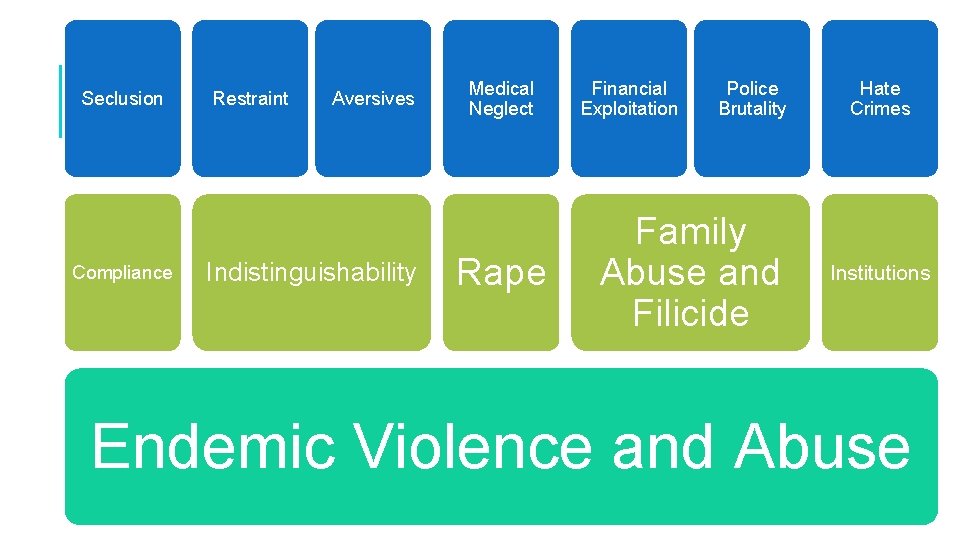
Seclusion Compliance Restraint Aversives Indistinguishability Medical Neglect Rape Financial Exploitation Police Brutality Family Abuse and Filicide Hate Crimes Institutions Endemic Violence and Abuse
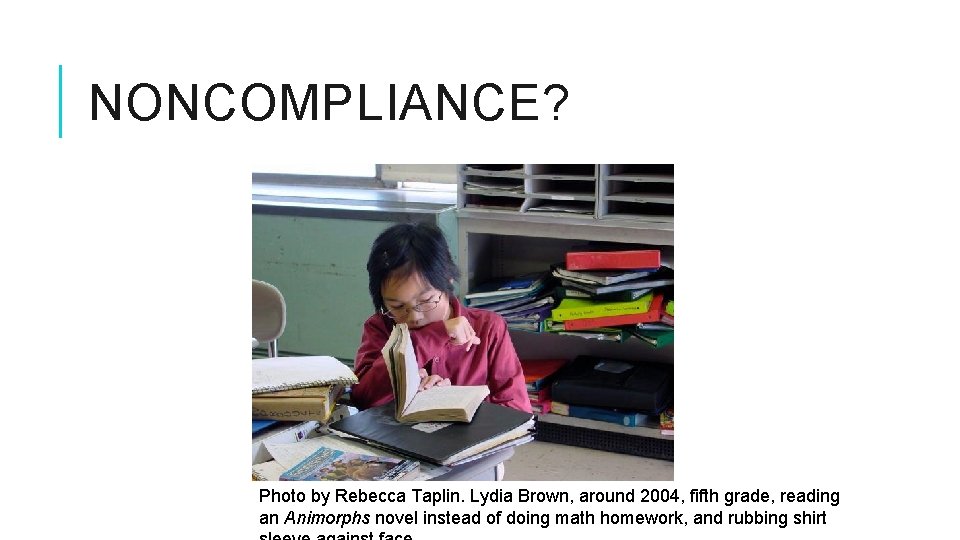
NONCOMPLIANCE? Photo by Rebecca Taplin. Lydia Brown, around 2004, fifth grade, reading an Animorphs novel instead of doing math homework, and rubbing shirt
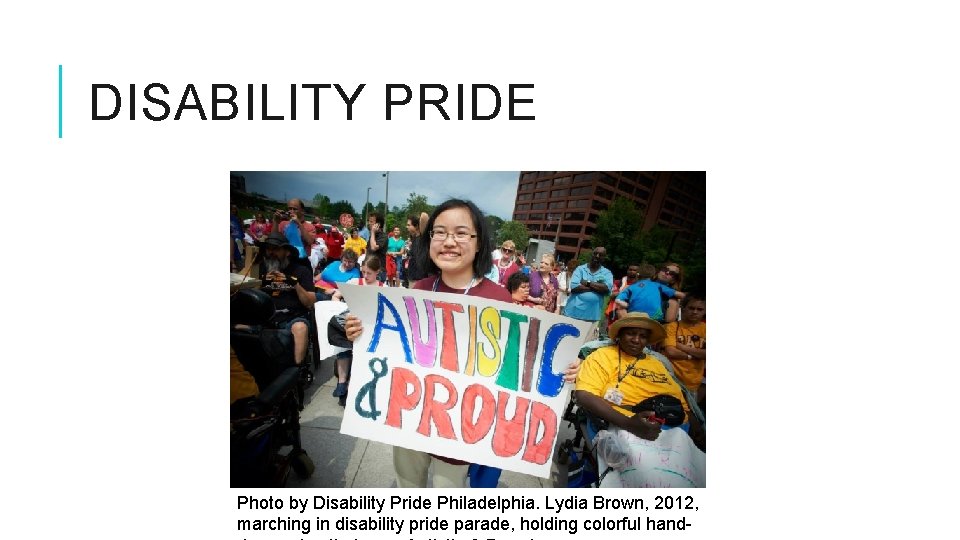
DISABILITY PRIDE Photo by Disability Pride Philadelphia. Lydia Brown, 2012, marching in disability pride parade, holding colorful hand-
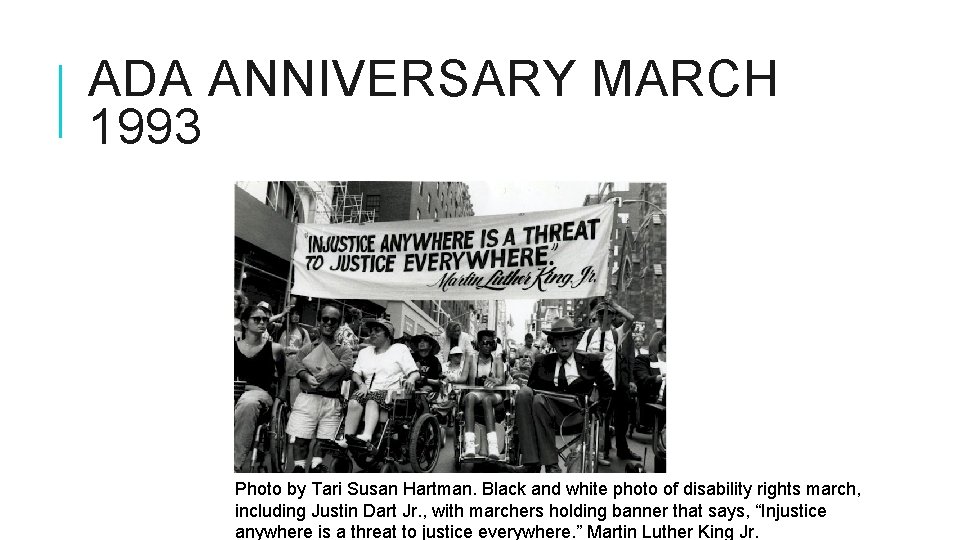
ADA ANNIVERSARY MARCH 1993 Photo by Tari Susan Hartman. Black and white photo of disability rights march, including Justin Dart Jr. , with marchers holding banner that says, “Injustice anywhere is a threat to justice everywhere. ” Martin Luther King Jr.
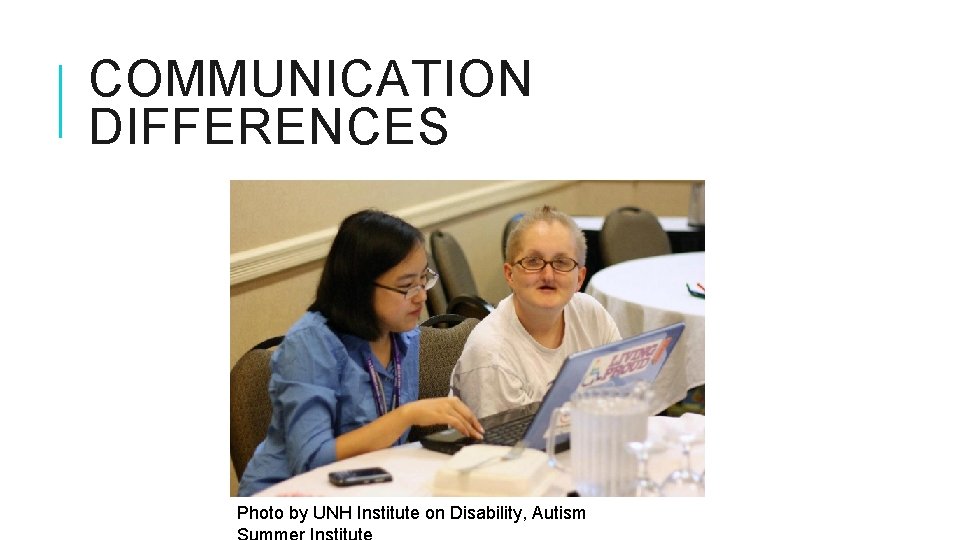
COMMUNICATION DIFFERENCES Photo by UNH Institute on Disability, Autism
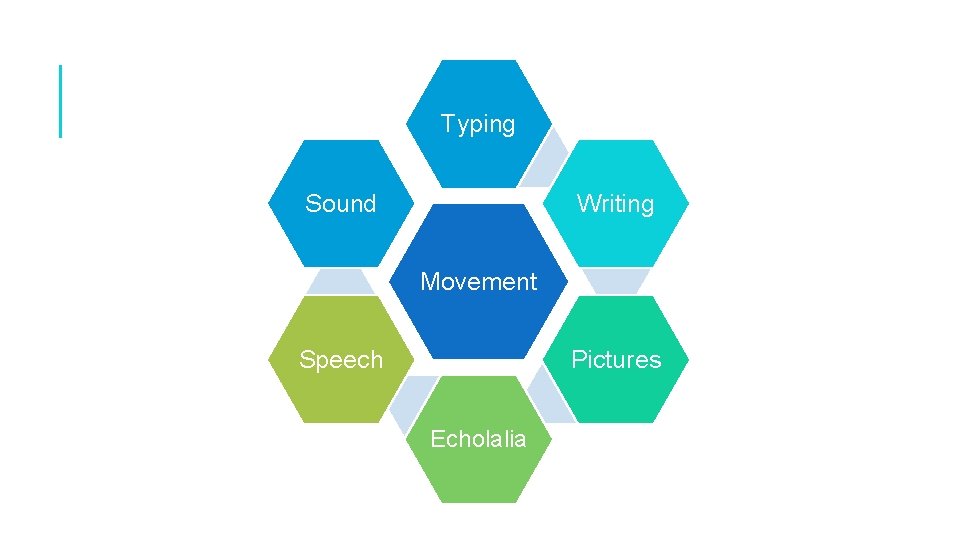
Typing Sound Writing Movement Pictures Speech Echolalia
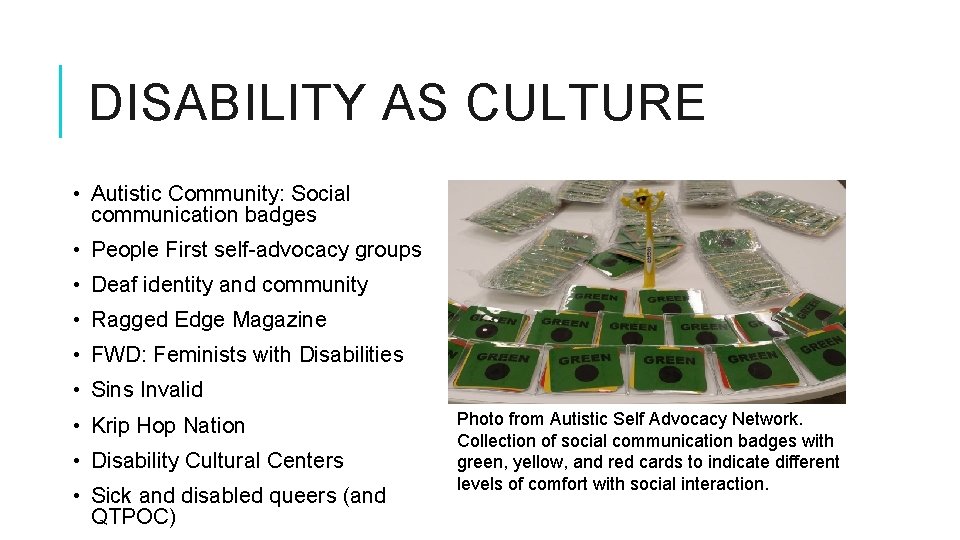
DISABILITY AS CULTURE • Autistic Community: Social communication badges • People First self-advocacy groups • Deaf identity and community • Ragged Edge Magazine • FWD: Feminists with Disabilities • Sins Invalid • Krip Hop Nation • Disability Cultural Centers • Sick and disabled queers (and QTPOC) Photo from Autistic Self Advocacy Network. Collection of social communication badges with green, yellow, and red cards to indicate different levels of comfort with social interaction.
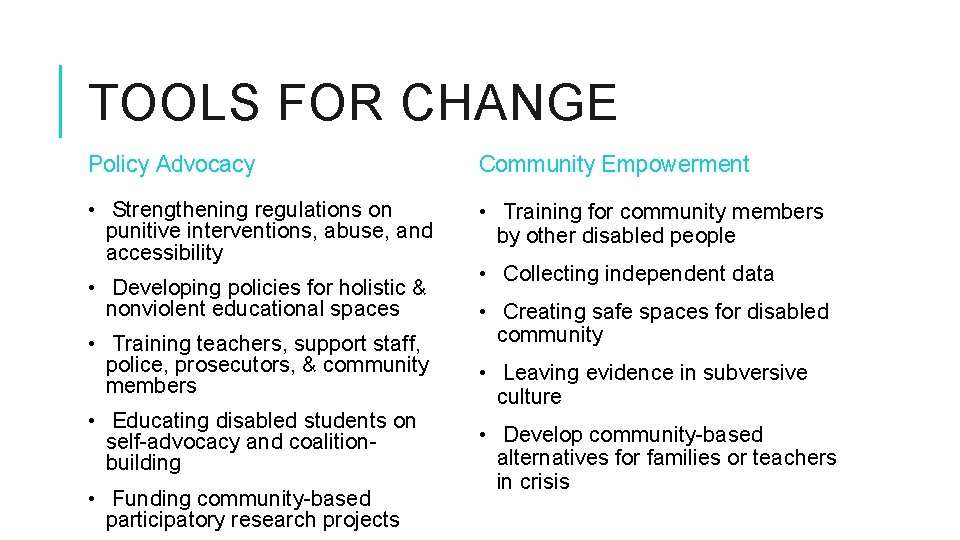
TOOLS FOR CHANGE Policy Advocacy Community Empowerment • Strengthening regulations on punitive interventions, abuse, and accessibility • Training for community members by other disabled people • Developing policies for holistic & nonviolent educational spaces • Training teachers, support staff, police, prosecutors, & community members • Educating disabled students on self-advocacy and coalitionbuilding • Funding community-based participatory research projects • Collecting independent data • Creating safe spaces for disabled community • Leaving evidence in subversive culture • Develop community-based alternatives for families or teachers in crisis
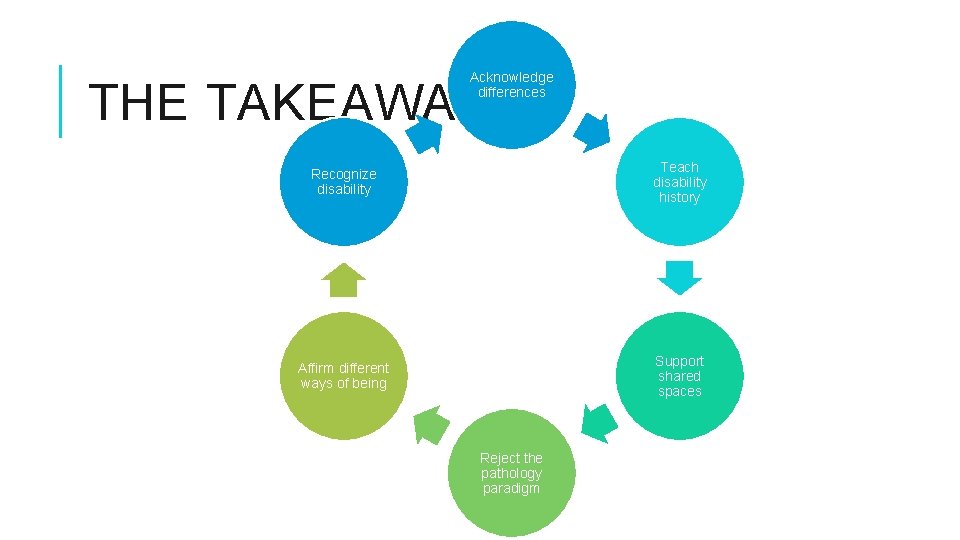
Acknowledge differences THE TAKEAWAYS Recognize disability Teach disability history Affirm different ways of being Support shared spaces Reject the pathology paradigm
CONTACT Lydia Brown www. autistichoya. com (blog) www. autistichoya. net (professional site) lydia@autistichoya. com (202) 618 -0187 (voice or text message)