
Access Information Management Tom Barton University of Chicago
Access Information Management Tom Barton University of Chicago
Topics • • Shibboleth & Federations & Grids: the Long Tail Federated Identity & Tera. Grid Managing access for VO-like things • COmanage, Grid. Grouper 2
Shibboleth Status • • Shib 1. 3 the widely deployed base Open. SAML 2. 0 libraries broadly used Shib 2. 0 now in beta “Shib 2. 0 will interoperate with other SAML 2. 0 products better than they interoperate with each other. ” • NSF, Internet 2, JISC, SWITCH, Google and MS, among others have provided funding • Support services businesses developing in the US and overseas 3
Shibboleth use • ~12 M in Europe/Asia and ~6 M in the US; growing exponentially in many countries; almost all Shib 1. 3 • Almost all users do not know they are using it (some may see a redirect…) but that is to change • In. Common, Texas (three federations), UCTrust, Cal. State. Trust, CCLA of Florida, CC of Washington State • DHS + DOJ, Dept of Ed • Open. SAML used by Google, Verisign, etc. 4
The rise of federations • Federations are now occurring broadly, and internationally, to support inter-institutional and external partner collaborations • Almost all in the corporate world are bi-lateral; almost all in the R&E world are multilateral • They provide a powerful leverage of enterprise (campus, site) credentials • Federations are learning to peer • Internal federations are also proving quite useful 5
In. Common Federation: Essential Data • US R&E Federation, a 501(c)3 • Addresses legal, LOA, shared attributes, business proposition, etc issues • Members are universities, service providers, government agencies, national labs • Over 70 organizations and growing steadily; 1. 3 million user base now, crossing 2 million by the end of the year • Use ranges over popular and academic content, wiki and list controls, ASPs, NIH applications, … • www. incommonfederation. org 6
Prague Meeting on Inter-federation • 15 -20 international R&E federations (5 continents) plus Liberty Alliance and a few others • Prague, September 3 • Lots of topics: Attribute mapping, Privacy Policies, Dispute resolution, Financial considerations, Technical direction setting • Next steps: • UK drafting an analysis of International Peering needs, opportunities, etc. • Discussions with Liberty EGov. SIG (e. g. SAML 2. 0 profiles, attribute schema) 7
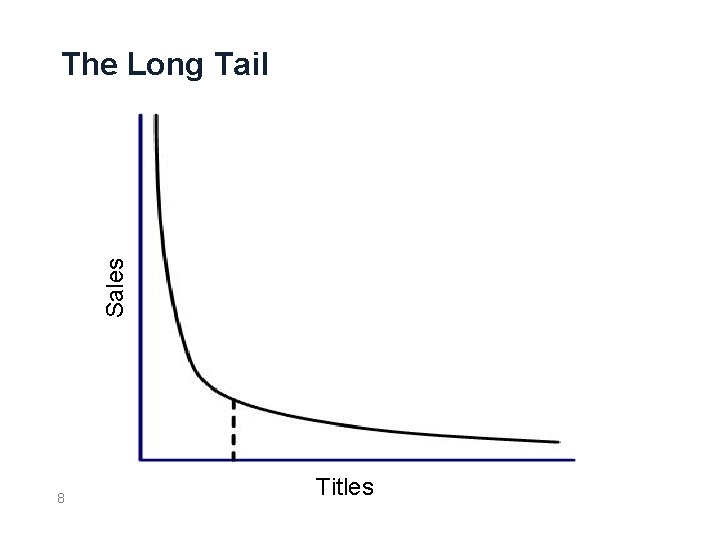
Allocation Sales The Long Tail 8 Users Titles
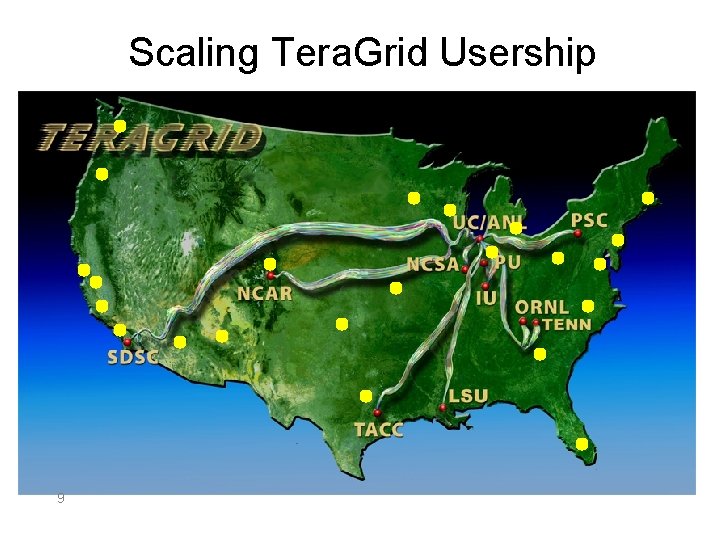
Scaling Tera. Grid Usership 9
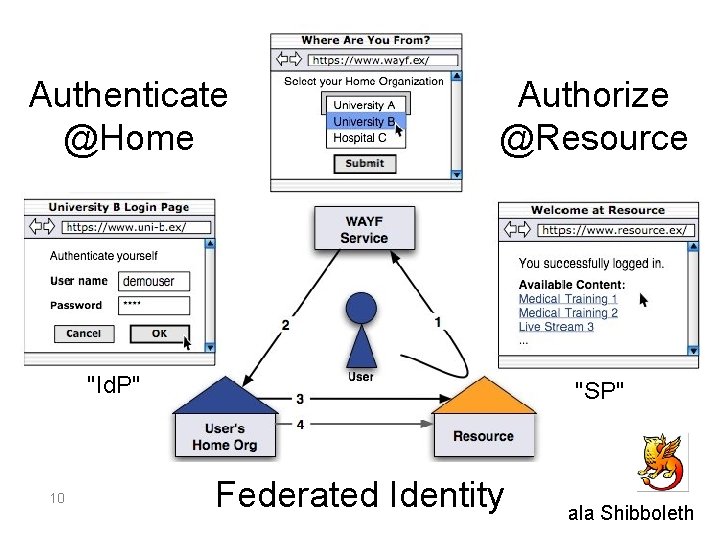
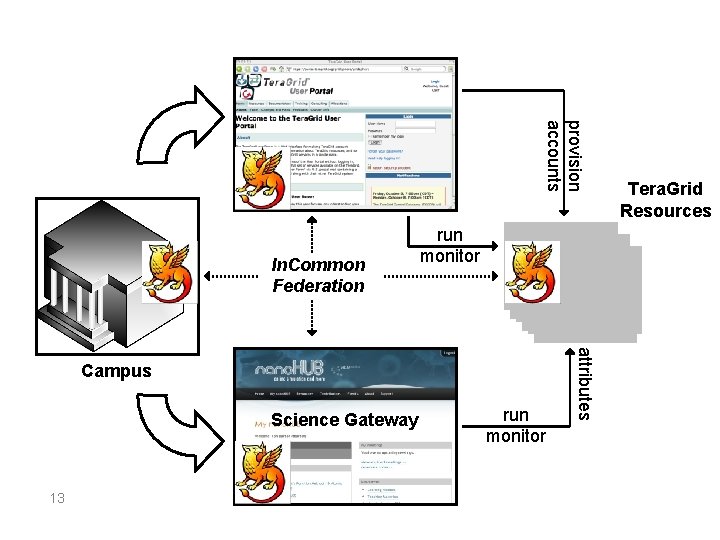
Authenticate @Home Authorize @Resource "Id. P" 10 "SP" Federated Identity ala Shibboleth
In. Common Federation: Essential Services • Trust fabric: Metadata so that Id. P's & SP's can mutually authenticate & interoperate • Multilateral agreement among federation participants • Agree to actually operate as they claim to • A “Where Are You From Service” available 11
Tera. Grid Joining In. Common (as a Service Provider) • Document high-level policy & procedure • What attributes are needed & why? • How are they handled? • Agree to coordinate as necessary with other participants • Status of privacy & security policies 12
provision accounts In. Common Federation run monitor Science Gateway 13 run monitor attributes Campus Tera. Grid Resources
Grid. Shib Components 14
provision accounts In. Common Federation run monitor Science Gateway 15 run monitor attributes Campus Tera. Grid Resources
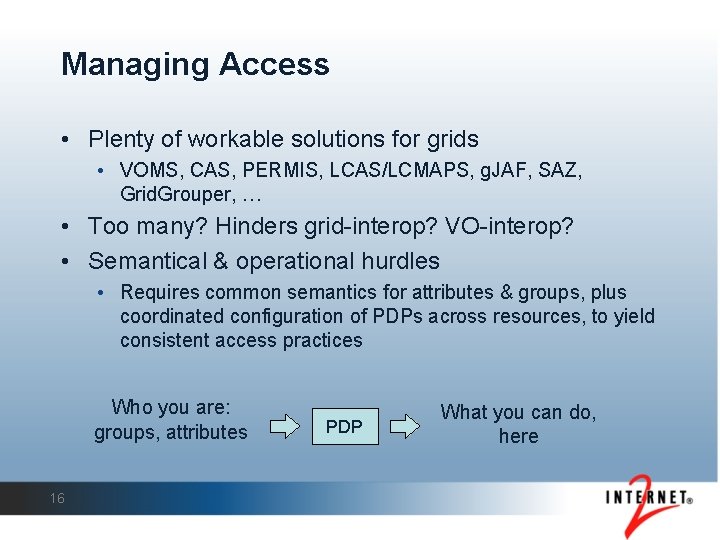
Managing Access • Plenty of workable solutions for grids • VOMS, CAS, PERMIS, LCAS/LCMAPS, g. JAF, SAZ, Grid. Grouper, … • Too many? Hinders grid-interop? VO-interop? • Semantical & operational hurdles • Requires common semantics for attributes & groups, plus coordinated configuration of PDPs across resources, to yield consistent access practices Who you are: groups, attributes 16 PDP What you can do, here
Managing Access • Are all Sources of Authority integrated within a common access information management system? • No? One cause of proliferation of access management point solutions • No? Reduces transparency & auditability • Are grid resources the only sort of value to collaborators? • Wiki, email lists, calendar, IM, video/audio conf, web presentation, web. DAV, Course Management System, … • These need their access managed, too 17
ca. BIG: Cancer Biomedical Informatics Grid • A “virtual informatics infrastructure that connects data, research tools, scientists, and organizations …” • ca. Grid: its underlying service oriented infrastructure • Local providers control access and management, but community accepted virtualizations of the data and analytics are made available using standardized service interfaces • ca. Grid v 1. 1 uses GT 4. 0. 3 • 50+ participating cancer research centers 18
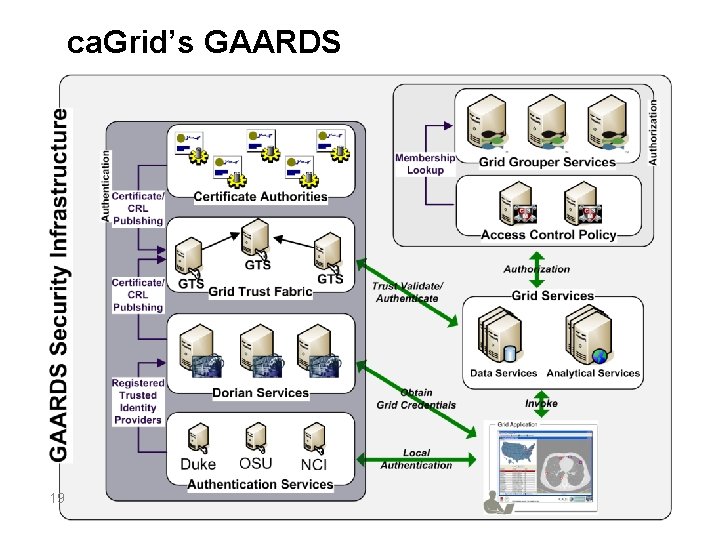
ca. Grid’s GAARDS 19
Grouper 101 • Groups are organized into Stems or Namespaces • URN-like names & delegation model • Groups have members, including subgroups • Direct & indirect membership • Composite groups (union, intersection, complement of other groups) • Metadata & privileges for Stems & Groups • Several delegation models for connecting Sources of Authority • Decorate groups with attributes • Largest implementations to date have O(105) groups and O(106) memberships 20
Grid. Grouper • It’s a web service • Several forms of delegation plus group math enables all Sources of Authority to participate • E. g. solution of multi-IRB access problem previously unsolvable • Any number of Grid. Grouper instances can operate in the grid • Each service or resource identifies Grid. Grouper groups for access policy • Each research group is free to use central Grid. Grouper or run their own 21
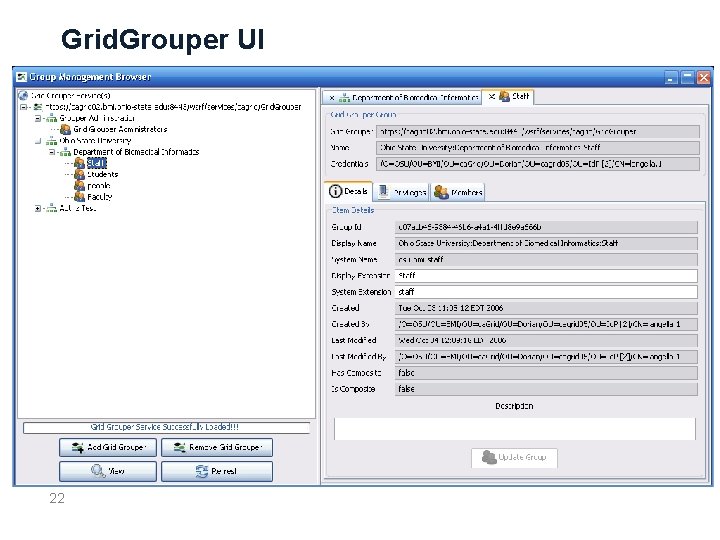
Grid. Grouper UI 22
Collaboration Management Platforms • Management of collaboration a real impediment to collaboration, particularly with the growing variety of tools • Goal is to develop a “platform” for handling the identity & access management aspects of many different collaboration tools & resources • This also presents possibilities for improving and unifying the overall user experience as well as UI for specific applications and components 23
COmanage • Being developed by the Internet 2 community supported in part by an NSF OCI grant • Parallel activities in the UK and Australia • Open source, open protocol • Common access management using Shibboleth, Grouper, and Signet … • Identity, Groups, Privileges, Federated Access • … across all integrated applications! 24
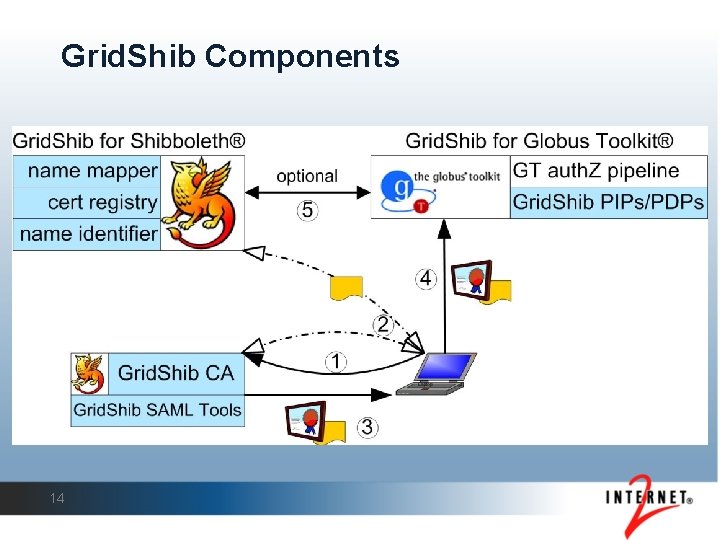
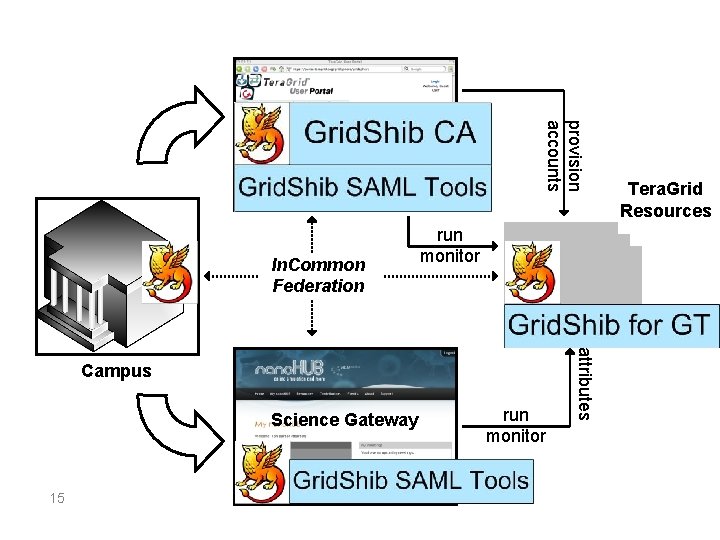
COmanaged Applications • Now: wiki, blog, email list manager, audio conf, web meeting, calendar, … • More collaboration tools on the way • Typical application integration issues with COmanage – no new hurdles • Soon: grid integration with shib-grid integration technologies • E. g. use Grid. Shib SAML Tools to integrate GT 4 with COmanage 25
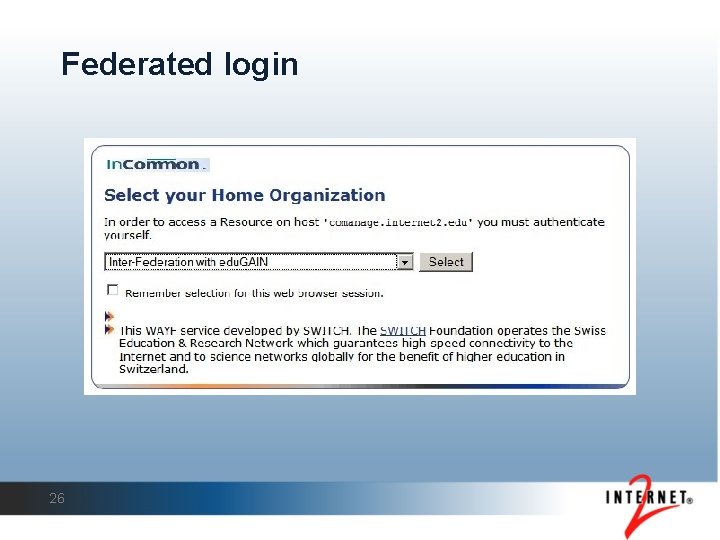
Federated login 26
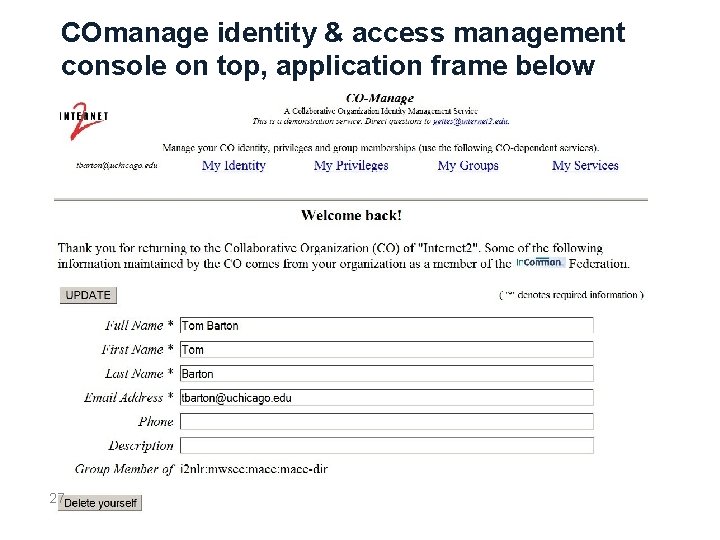
COmanage identity & access management console on top, application frame below 27
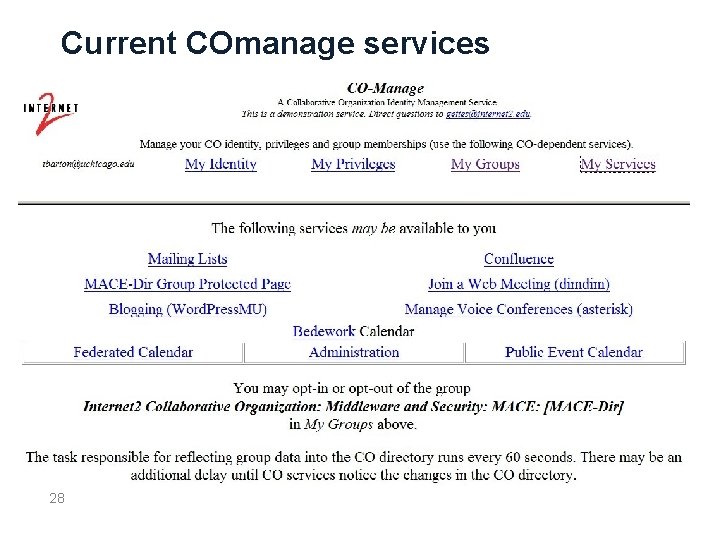
Current COmanage services 28
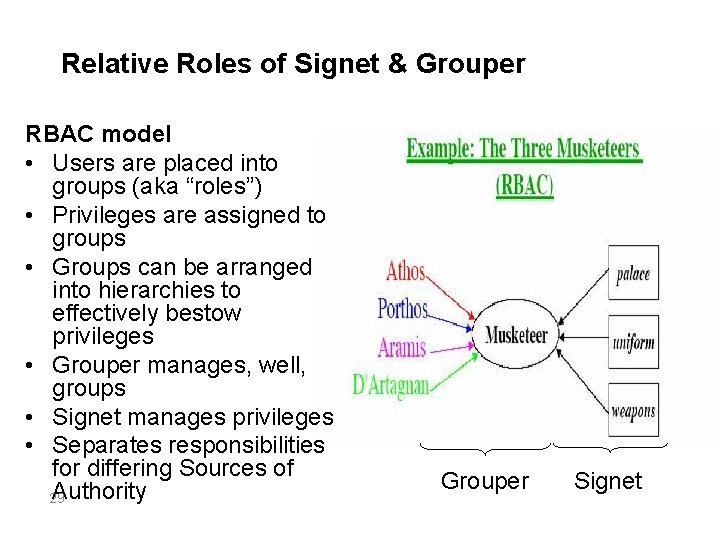
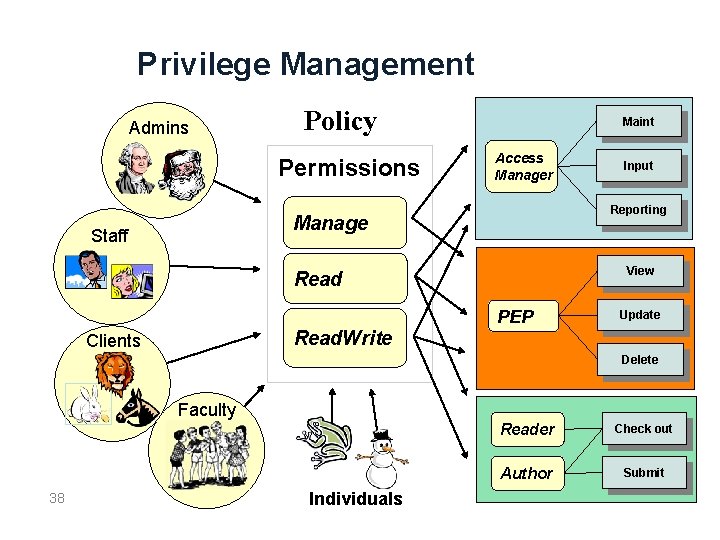
Relative Roles of Signet & Grouper RBAC model • Users are placed into groups (aka “roles”) • Privileges are assigned to groups • Groups can be arranged into hierarchies to effectively bestow privileges • Grouper manages, well, groups • Signet manages privileges • Separates responsibilities for differing Sources of Authority 29 Grouper Signet
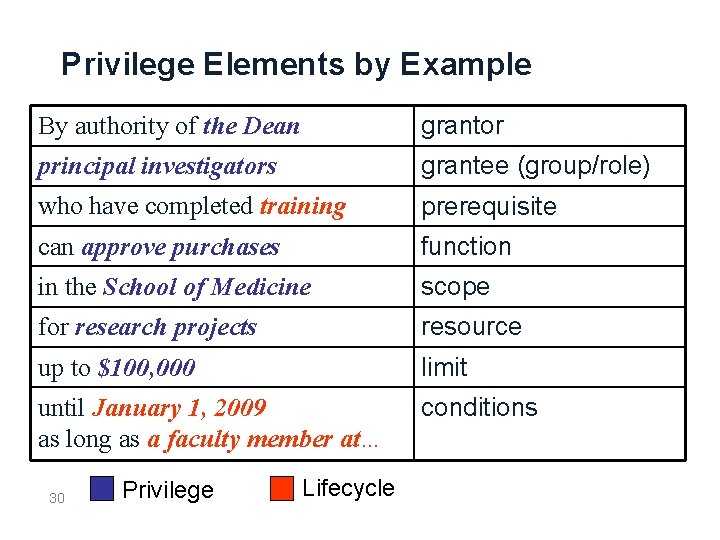
Privilege Elements by Example By authority of the Dean grantor principal investigators grantee (group/role) who have completed training prerequisite can approve purchases function in the School of Medicine scope for research projects resource up to $100, 000 limit until January 1, 2009 as long as a faculty member at… conditions 30 Privilege Lifecycle
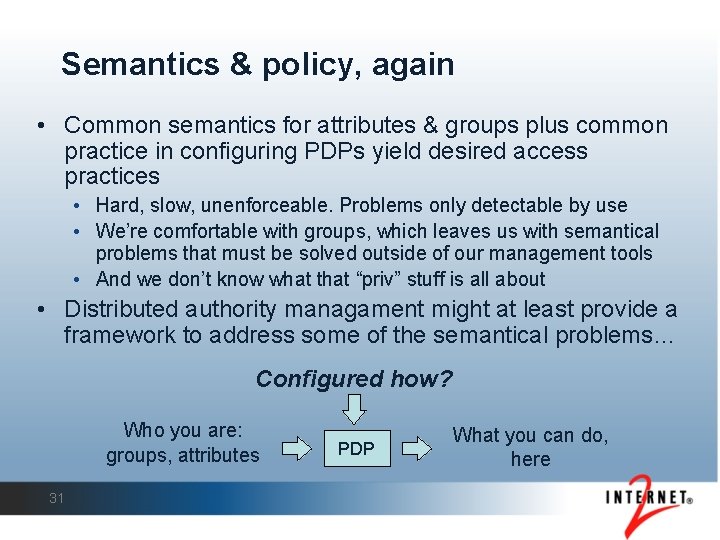
Semantics & policy, again • Common semantics for attributes & groups plus common practice in configuring PDPs yield desired access practices • Hard, slow, unenforceable. Problems only detectable by use • We’re comfortable with groups, which leaves us with semantical problems that must be solved outside of our management tools • And we don’t know what that “priv” stuff is all about • Distributed authority managament might at least provide a framework to address some of the semantical problems… Configured how? Who you are: groups, attributes 31 PDP What you can do, here
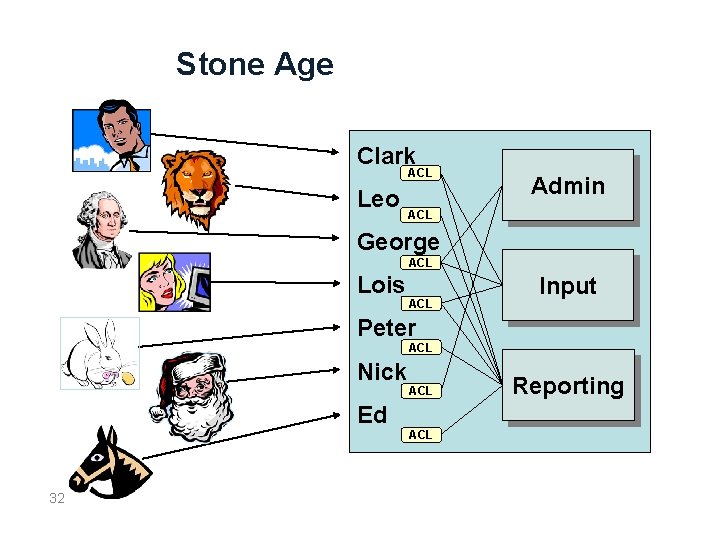
Stone Age Clark ACL Leo Admin ACL George ACL Lois ACL Input Peter ACL Nick ACL Ed ACL 32 Reporting

Middle Ages George Nick Clark Lois Peter Leo Ed 33 Admin Input Reporting Functional Groups
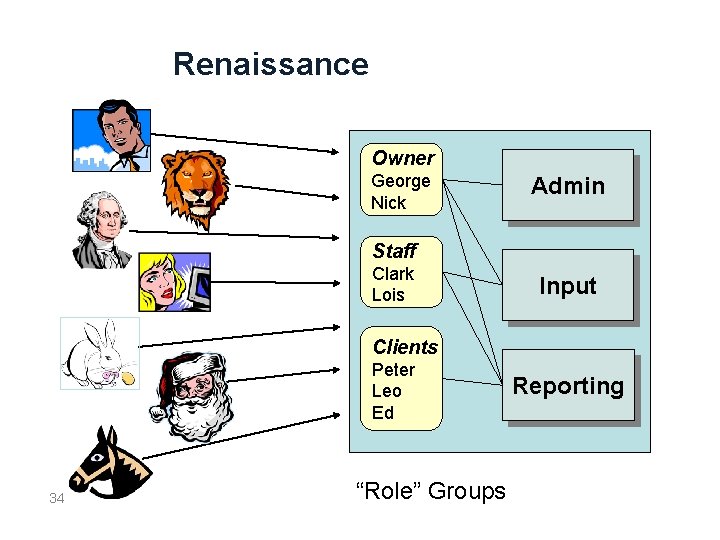
Renaissance Owner George Nick Admin Staff Clark Lois Input Clients Peter Leo Ed 34 “Role” Groups Reporting
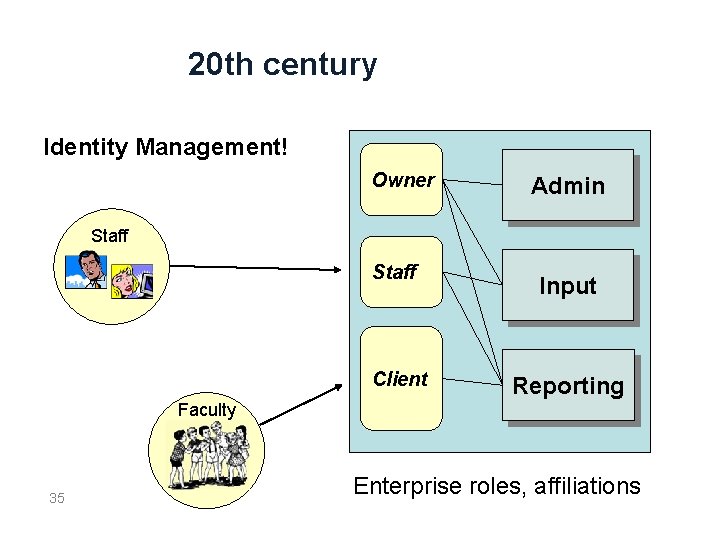
20 th century Identity Management! Owner Admin Staff Client Input Reporting Faculty 35 Enterprise roles, affiliations
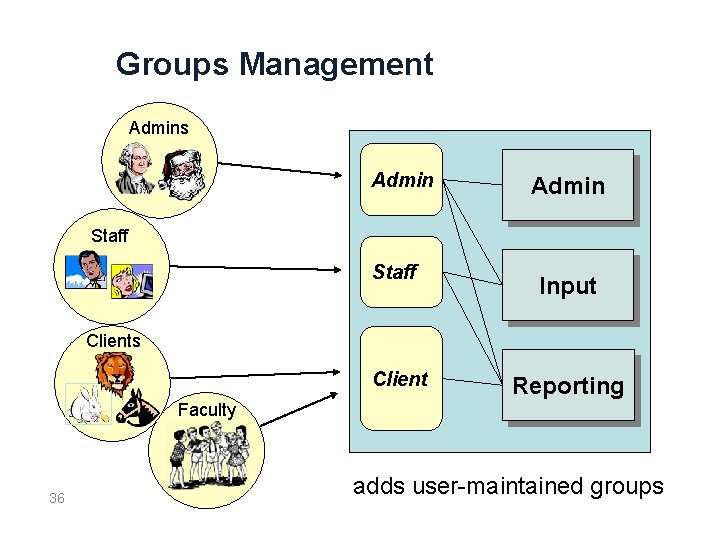
Groups Management Admins Admin Staff Input Clients Client Reporting Faculty 36 adds user-maintained groups
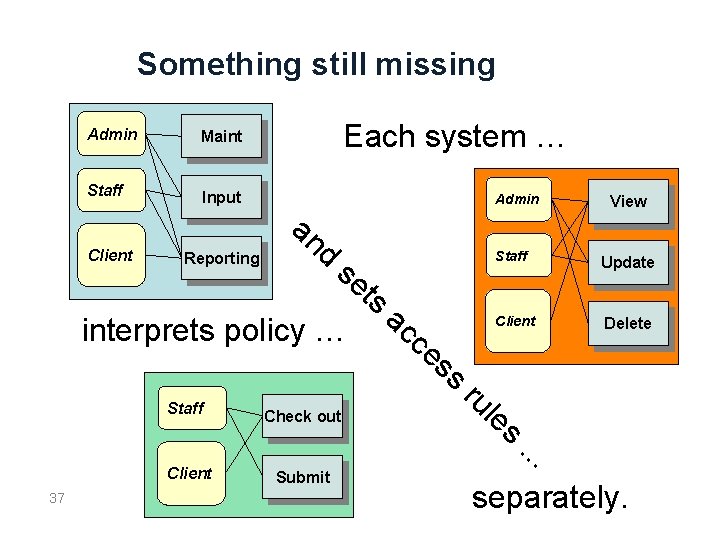
Something still missing Admin Maint Staff Input Client Each system … Admin an d se ts ac interprets policy … c Reporting es Staff Client 37 Check out Submit s View Staff Update Client Delete ru le s . . . separately.
Privilege Management Admins Policy Permissions Maint Access Manager Reporting Manage Staff Input View Read PEP Update Read. Write Clients Delete Faculty 38 Individuals Reader Check out Author Submit
An Example: Stanford’s Authority Manager • Divisions, units, departments do not operate alike • A university-wide access policy based on roles cannot succeed • How about EGEE, OSG, (EGEE U OSG) –wide? • Their solution: Distribute the authority for managing access to a unit’s stuff to those responsible for the unit & integrate application security with Authority Manager • O(104) different privileges assignable • O(105) privileges assigned • Internet 2’s Signet is derivative of Stanford’s Authority Manager 39
- Slides: 39