
Absorption Distribution Metabolism and Excretion ADME NST 110
Absorption, Distribution, Metabolism and Excretion (ADME): NST 110: Advanced Toxicology Lecture 5: Phase II Metabolism NST 110, Toxicology Department of Nutritional Sciences and Toxicology University of California, Berkeley
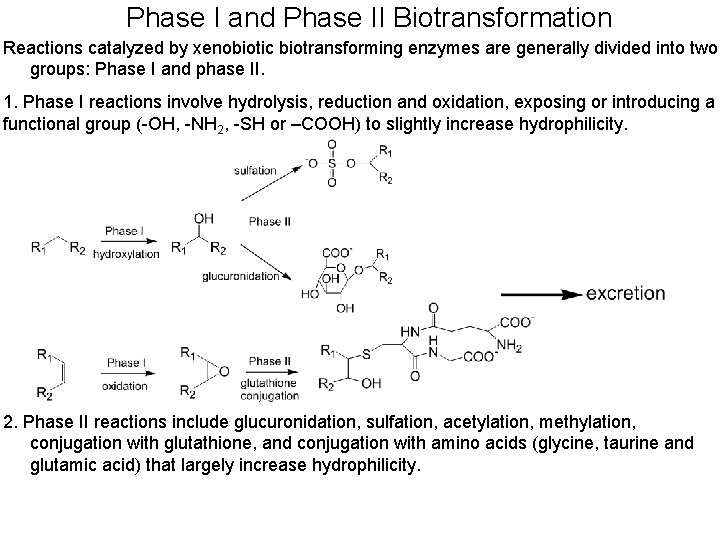
Phase I and Phase II Biotransformation Reactions catalyzed by xenobiotic biotransforming enzymes are generally divided into two groups: Phase I and phase II. 1. Phase I reactions involve hydrolysis, reduction and oxidation, exposing or introducing a functional group (-OH, -NH 2, -SH or –COOH) to slightly increase hydrophilicity. 2. Phase II reactions include glucuronidation, sulfation, acetylation, methylation, conjugation with glutathione, and conjugation with amino acids (glycine, taurine and glutamic acid) that largely increase hydrophilicity.

Phase II Enzyme Reactions

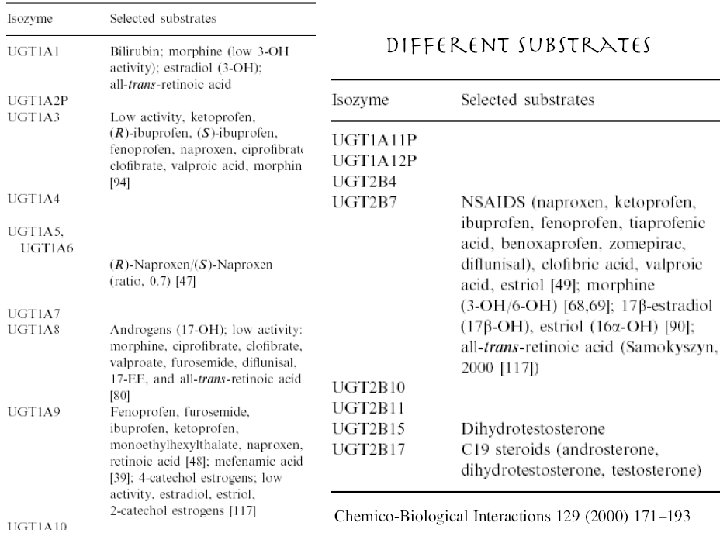
Glucuronidation is a major pathway of xenobiotic biotransformation in mammalian species, except for the cat family. Glucuronidation requires UDP-GA and UGTs, located in the ER of liver, intestine, skin, brain, spleen and nasal mucosa. The site of glucuronidation is generally an electron-rich nucleophilic heteroatom (O, N, S).
UGT is a Low Specificity, High Capacity Enzyme At low doses of xenobiotic, sulfate conjugates are predominant products. At high doses of xenobiotic, glucuronide conjugates predominate.
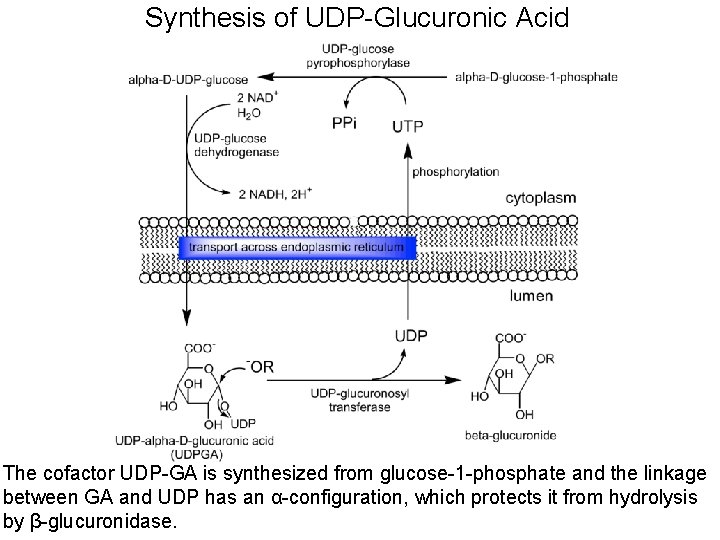
Synthesis of UDP-Glucuronic Acid The cofactor UDP-GA is synthesized from glucose-1 -phosphate and the linkage between GA and UDP has an α-configuration, which protects it from hydrolysis by β-glucuronidase.
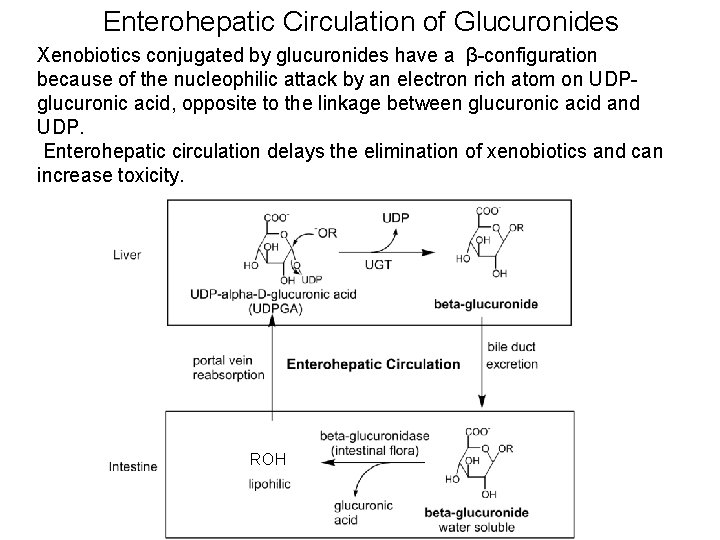
Enterohepatic Circulation of Glucuronides Xenobiotics conjugated by glucuronides have a β-configuration because of the nucleophilic attack by an electron rich atom on UDPglucuronic acid, opposite to the linkage between glucuronic acid and UDP. Enterohepatic circulation delays the elimination of xenobiotics and can increase toxicity. ROH
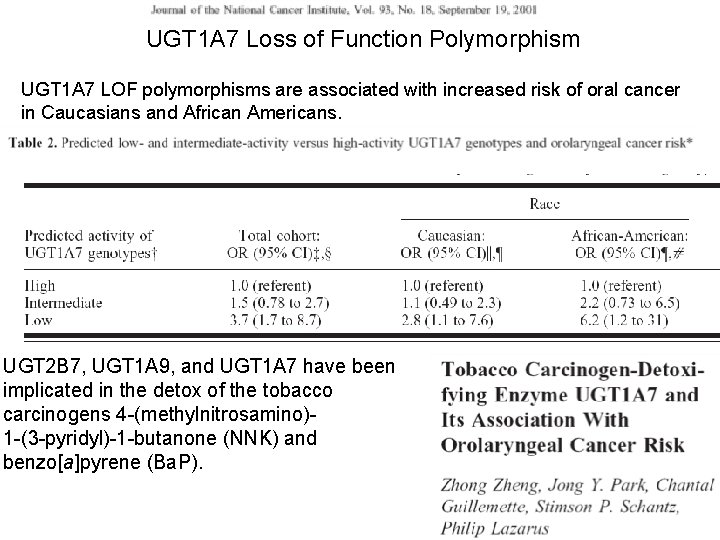
UGT 1 A 7 Loss of Function Polymorphism UGT 1 A 7 LOF polymorphisms are associated with increased risk of oral cancer in Caucasians and African Americans. UGT 2 B 7, UGT 1 A 9, and UGT 1 A 7 have been implicated in the detox of the tobacco carcinogens 4 -(methylnitrosamino)1 -(3 -pyridyl)-1 -butanone (NNK) and benzo[a]pyrene (Ba. P).
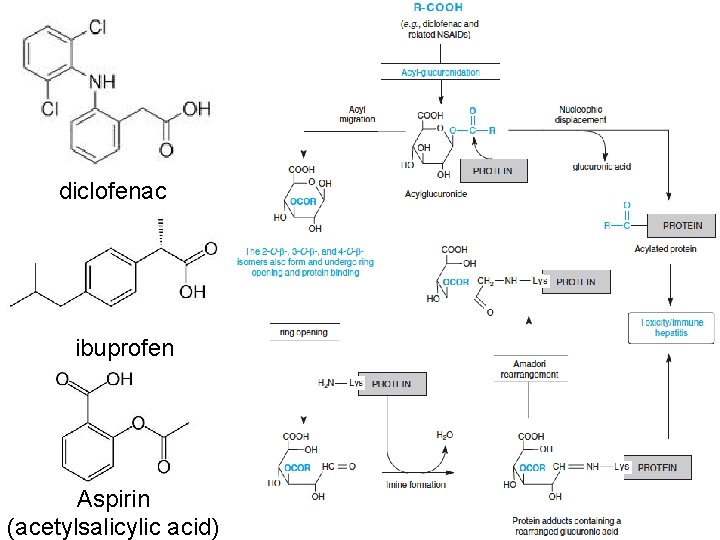
diclofenac ibuprofen Aspirin (acetylsalicylic acid)
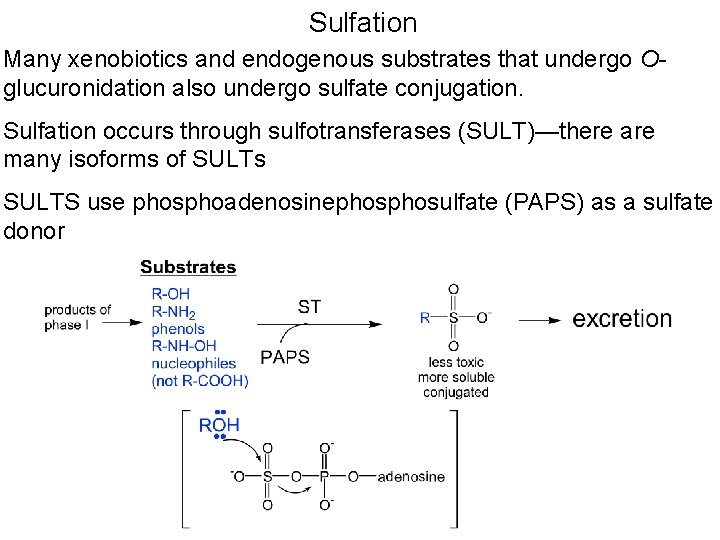
Sulfation Many xenobiotics and endogenous substrates that undergo Oglucuronidation also undergo sulfate conjugation. Sulfation occurs through sulfotransferases (SULT)—there are many isoforms of SULTs SULTS use phosphoadenosinephosulfate (PAPS) as a sulfate donor
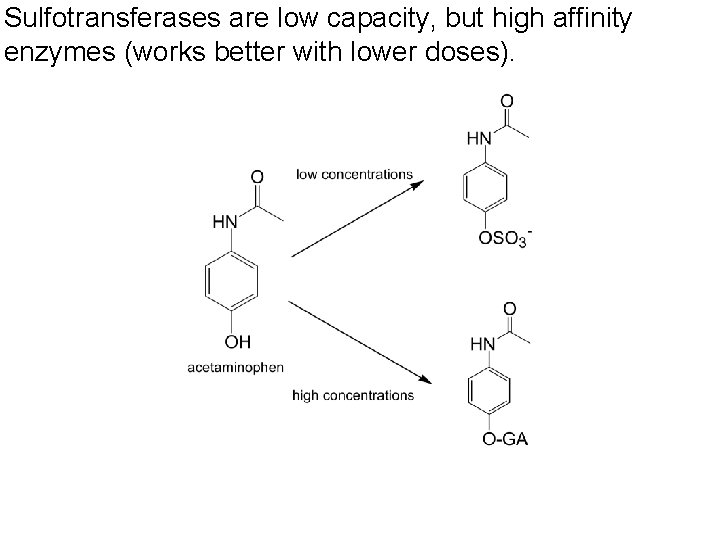
Sulfotransferases are low capacity, but high affinity enzymes (works better with lower doses).
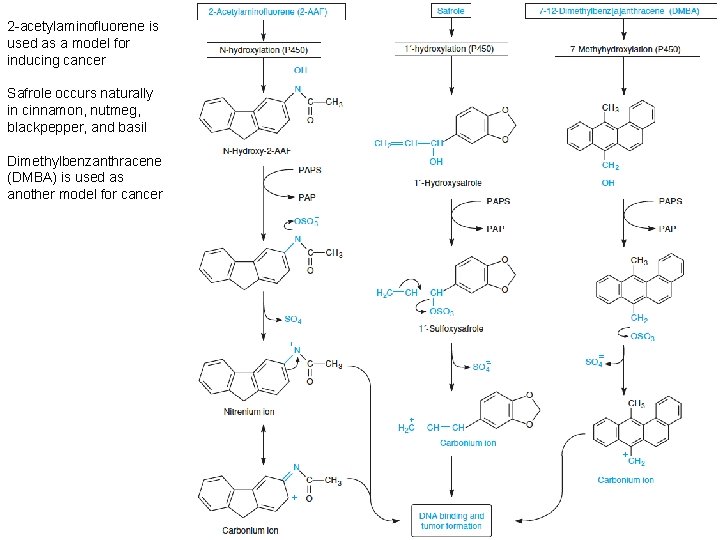
2 -acetylaminofluorene is used as a model for inducing cancer Safrole occurs naturally in cinnamon, nutmeg, blackpepper, and basil Dimethylbenzanthracene (DMBA) is used as another model for cancer
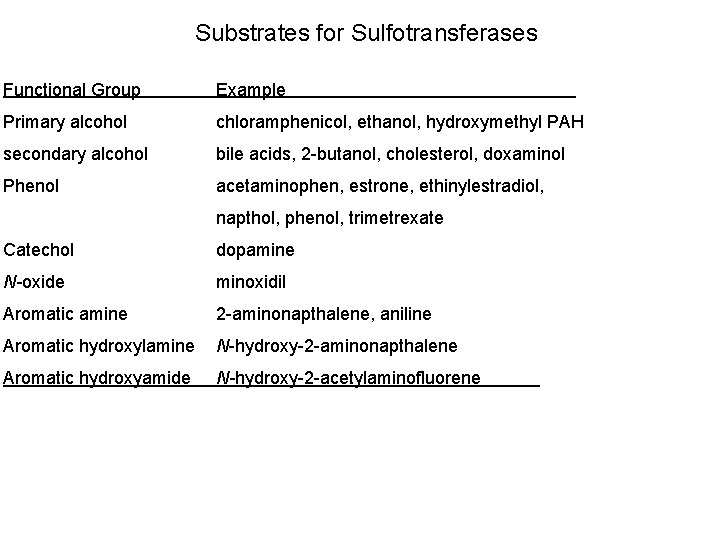
Substrates for Sulfotransferases Functional Group Example Primary alcohol chloramphenicol, ethanol, hydroxymethyl PAH secondary alcohol bile acids, 2 -butanol, cholesterol, doxaminol Phenol acetaminophen, estrone, ethinylestradiol, napthol, phenol, trimetrexate Catechol dopamine N-oxide minoxidil Aromatic amine 2 -aminonapthalene, aniline Aromatic hydroxylamine N-hydroxy-2 -aminonapthalene Aromatic hydroxyamide N-hydroxy-2 -acetylaminofluorene
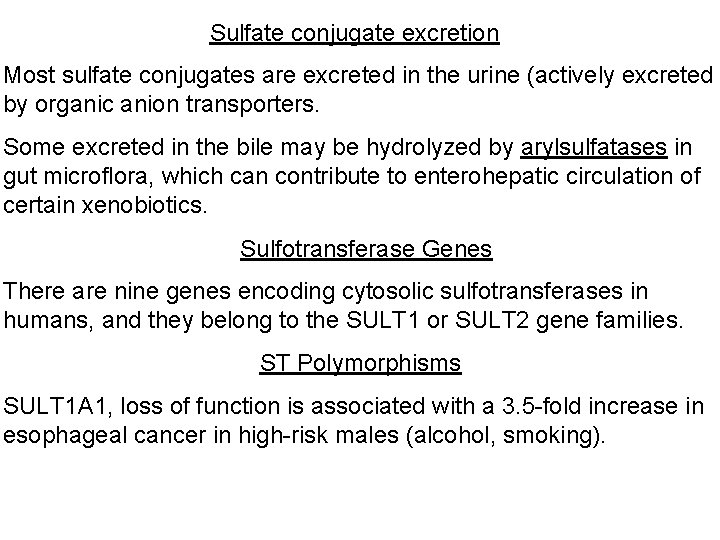
Sulfate conjugate excretion Most sulfate conjugates are excreted in the urine (actively excreted by organic anion transporters. Some excreted in the bile may be hydrolyzed by arylsulfatases in gut microflora, which can contribute to enterohepatic circulation of certain xenobiotics. Sulfotransferase Genes There are nine genes encoding cytosolic sulfotransferases in humans, and they belong to the SULT 1 or SULT 2 gene families. ST Polymorphisms SULT 1 A 1, loss of function is associated with a 3. 5 -fold increase in esophageal cancer in high-risk males (alcohol, smoking).
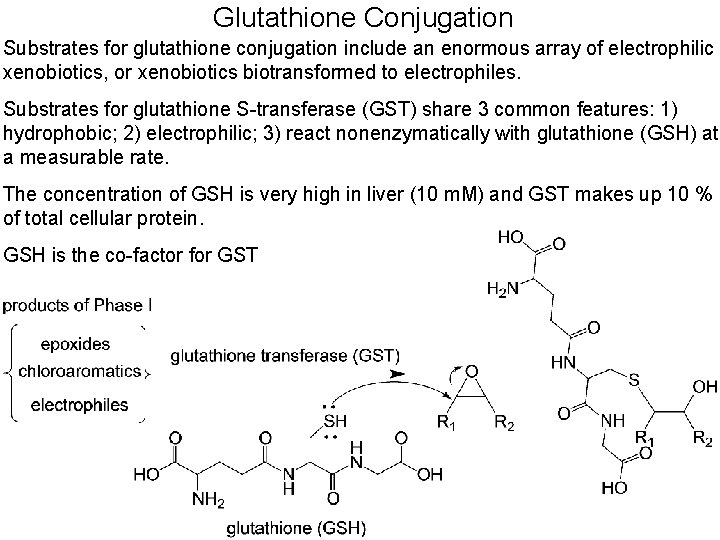
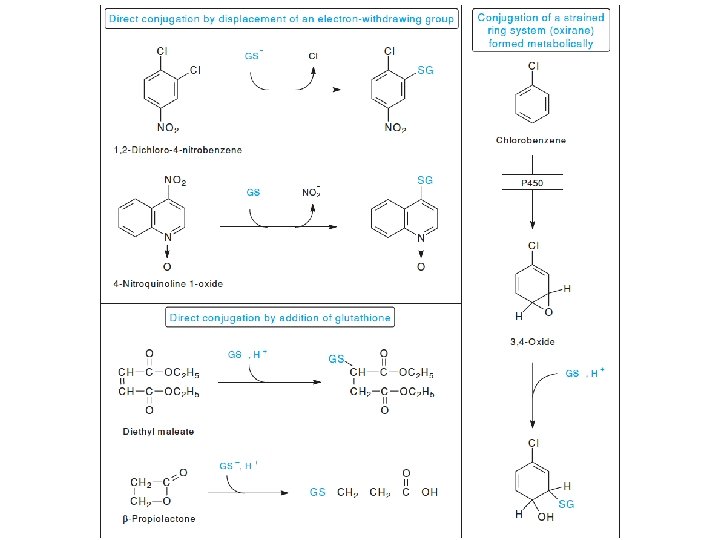
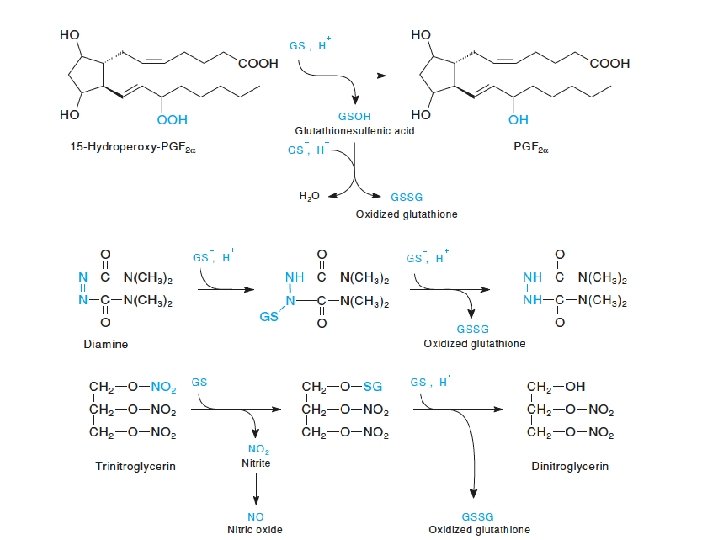
Glutathione Conjugation Substrates for glutathione conjugation include an enormous array of electrophilic xenobiotics, or xenobiotics biotransformed to electrophiles. Substrates for glutathione S-transferase (GST) share 3 common features: 1) hydrophobic; 2) electrophilic; 3) react nonenzymatically with glutathione (GSH) at a measurable rate. The concentration of GSH is very high in liver (10 m. M) and GST makes up 10 % of total cellular protein. GSH is the co-factor for GST
Aflatoxins are naturally occurring mycotoxins that are produced by many species of Aspergillus, a fungus. They can be found on moldy peanuts, corn and other crops. Aflatoxin B 1 is the most potent liver carcinogen.
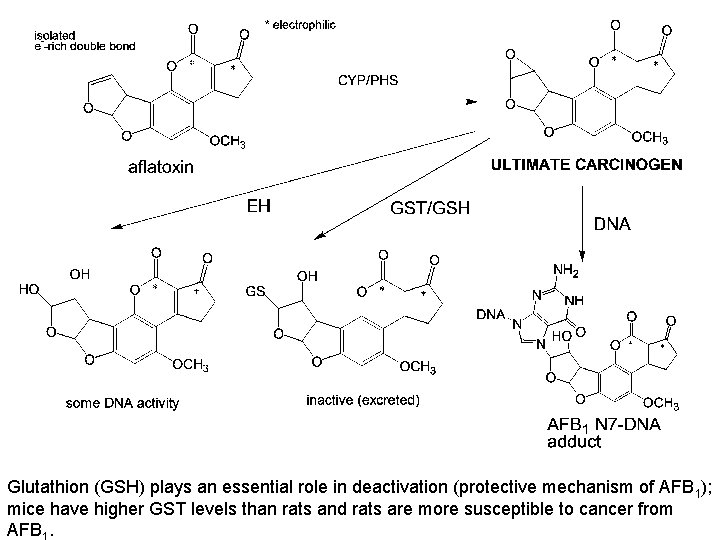
Glutathion (GSH) plays an essential role in deactivation (protective mechanism of AFB 1); mice have higher GST levels than rats and rats are more susceptible to cancer from AFB.
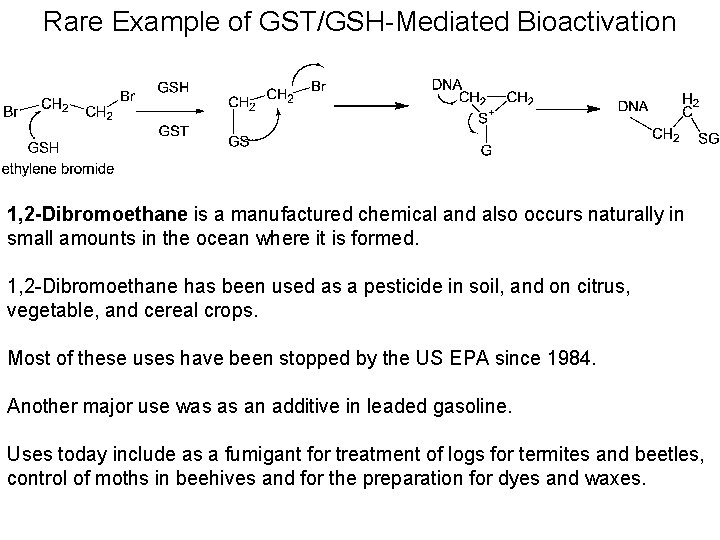
Rare Example of GST/GSH-Mediated Bioactivation 1, 2 -Dibromoethane is a manufactured chemical and also occurs naturally in small amounts in the ocean where it is formed. 1, 2 -Dibromoethane has been used as a pesticide in soil, and on citrus, vegetable, and cereal crops. Most of these uses have been stopped by the US EPA since 1984. Another major use was as an additive in leaded gasoline. Uses today include as a fumigant for treatment of logs for termites and beetles, control of moths in beehives and for the preparation for dyes and waxes.
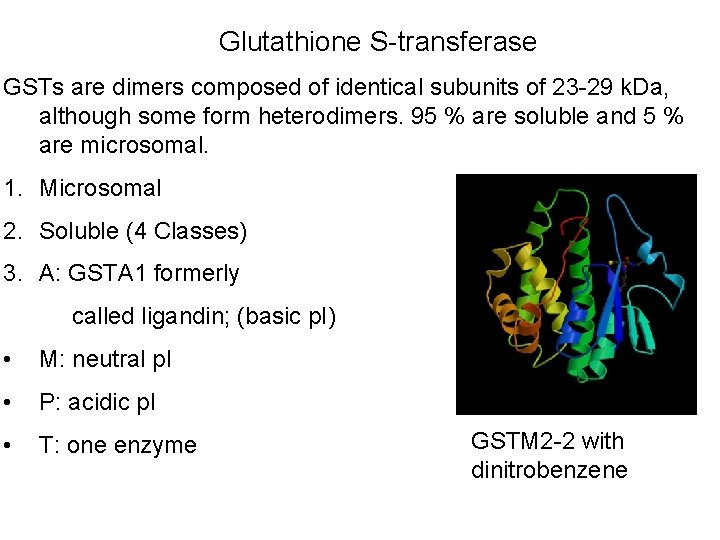
Glutathione S-transferase GSTs are dimers composed of identical subunits of 23 -29 k. Da, although some form heterodimers. 95 % are soluble and 5 % are microsomal. 1. Microsomal 2. Soluble (4 Classes) 3. A: GSTA 1 formerly called ligandin; (basic p. I) • M: neutral p. I • P: acidic p. I • T: one enzyme GSTM 2 -2 with dinitrobenzene
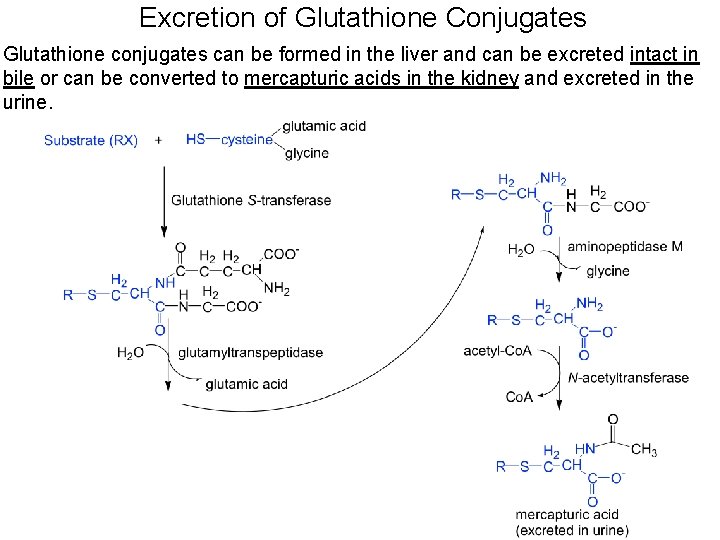
Excretion of Glutathione Conjugates Glutathione conjugates can be formed in the liver and can be excreted intact in bile or can be converted to mercapturic acids in the kidney and excreted in the urine.
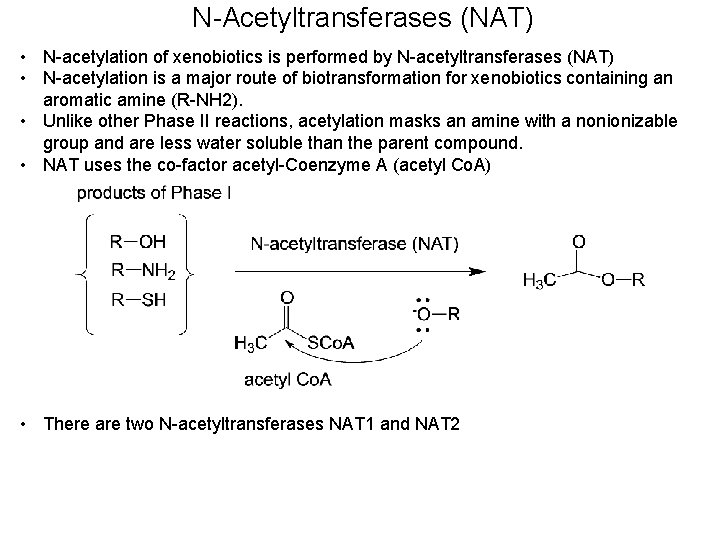
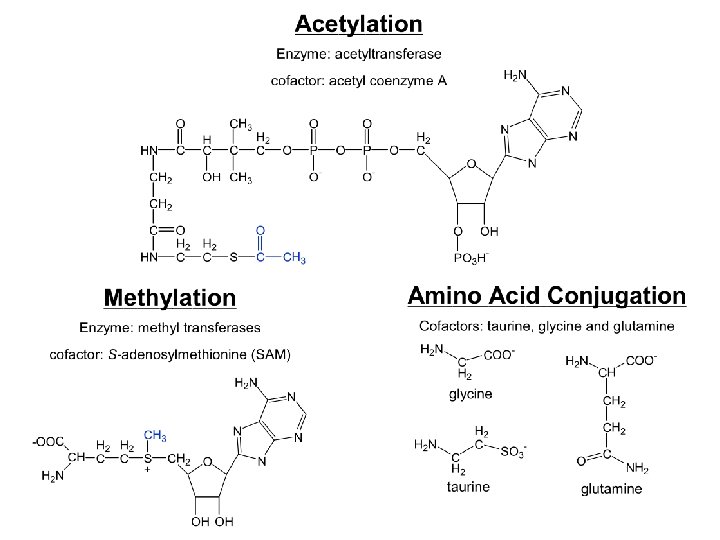
N-Acetyltransferases (NAT) • N-acetylation of xenobiotics is performed by N-acetyltransferases (NAT) • N-acetylation is a major route of biotransformation for xenobiotics containing an aromatic amine (R-NH 2). • Unlike other Phase II reactions, acetylation masks an amine with a nonionizable group and are less water soluble than the parent compound. • NAT uses the co-factor acetyl-Coenzyme A (acetyl Co. A) • There are two N-acetyltransferases NAT 1 and NAT 2
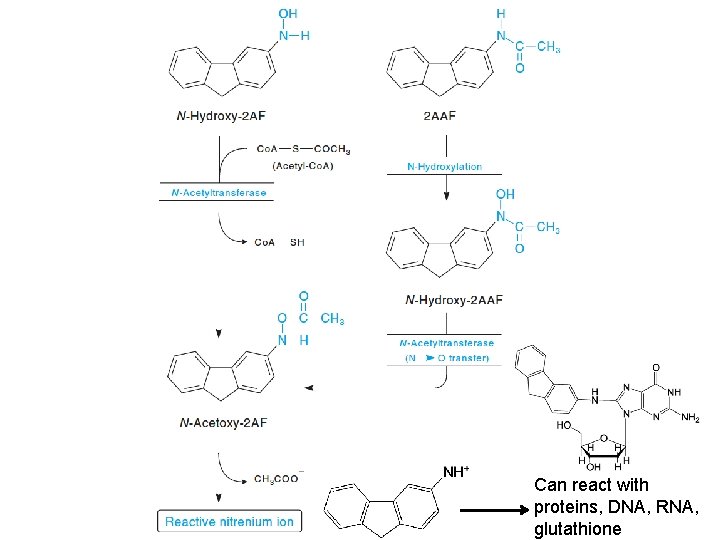
Can react with proteins, DNA, RNA, glutathione
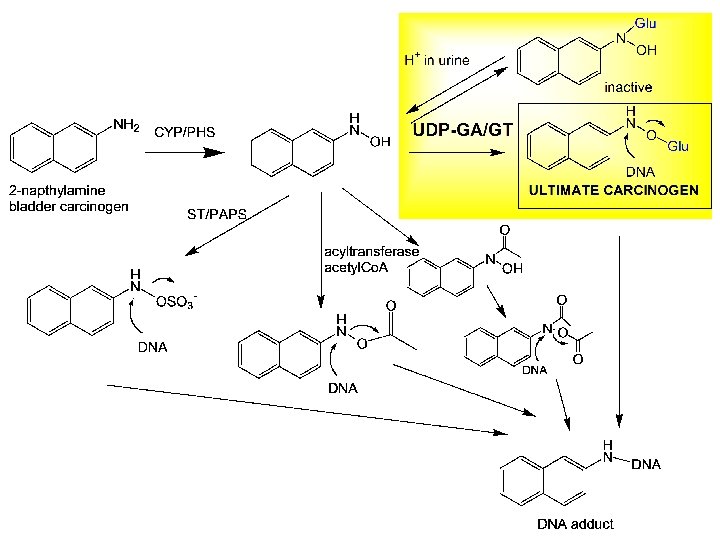
Polycyclic aromatic amines: β-napthylamine 2 -Naphthylamine (BNA) is an aromatic amine used to make azo dyes. It is a known human bladder carcinogen and has largely been replaced by less toxic compounds. BNA also is present in cigarette smoke.
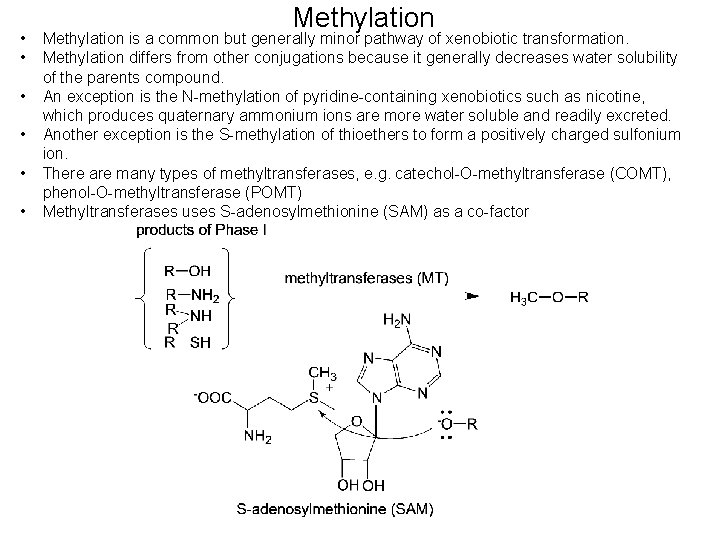
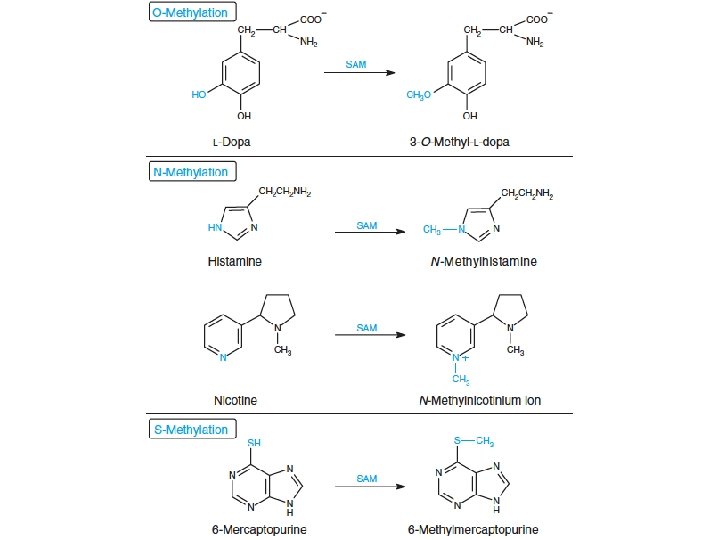
• • • Methylation is a common but generally minor pathway of xenobiotic transformation. Methylation differs from other conjugations because it generally decreases water solubility of the parents compound. An exception is the N-methylation of pyridine-containing xenobiotics such as nicotine, which produces quaternary ammonium ions are more water soluble and readily excreted. Another exception is the S-methylation of thioethers to form a positively charged sulfonium ion. There are many types of methyltransferases, e. g. catechol-O-methyltransferase (COMT), phenol-O-methyltransferase (POMT) Methyltransferases uses S-adenosylmethionine (SAM) as a co-factor
- Slides: 30