
Absolute Monarchy Absolutism Idea that a monarch has
Absolute Monarchy Absolutism • Idea that a monarch has complete power and rules without question • Based on idea of Divine right (given from God) • Absolute monarchies prosper after Middle Ages – Rise of national kingdoms & centralized authority • Constant conflicts in 1600 s led to need for strong leader • Nations must have armies – leads to high taxes (sometimes causes peasant unrest) • Absolute controlled religion, gov’t, economy, etc.
Louis XIV • Greatest example of Absolute monarch was Louis XIV • Took power at 23 • Lived a lavish lifestyle…also controlled his nobles (made them live at Versailles) • Luxurious living led to debt for France (eventually leads to revolution)
English Civil War Background • James I takes over in 1603 after death of Elizabeth I • Smart man, but not a “people person” • England is running as a Parliamentary monarchy, but James claims absolute right • Asked for large amounts of $ from Parliament; runs England into debt Charles I • Son of James, takes over in 1625 • Unpopular with people (marries French Catholic wife) • Wants $ from Parliament; when they refuse he dissolves Parliament & forces people to give “loans”
• Calls Parliament together & asks for 2 nd time; they agree to give $ if he will sign “Petition of Right” (limits his power) • Charles dissolves Parliament after getting money • In 1642 Charles calls Parliament together and asks a 3 rd time for money • Parliament refuses unless he signs “ 19 Propositions” making them the highest power in England – Leads to civil war between King’s forces & those of Parliament • Parliament is led by Oliver Cromwell • Cromwell defeats King’s forces; Charles put on trial & found guilty of treason – Charles is beheaded • Parliament takes over, but runs corruptly (no new elections)
English Rulers After Charles I Cromwell • Takes power from Parliament and sets up military dictatorship for 5 years • Takes title “Lord Protector” Charles II • Son of Charles I, living in France; asked to come back • England sets up Constitutional Monarchy with Parliament & King sharing power • Known as “Merry Monarch”; dies w/ no legitimate heir
James II • Charles II younger brother; wants to restore Absolute Monarchy • Forced to give up crown (known as Glorious Revolution); William & Mary • Take over for James II (Glorious Rev) • Habeas corpus – can’t be held in prison without just cause or trial George I • Spoke no English initially; relied on Cabinet of advisors George III • Expanded English control in colonies • Leader at the beginning of the American Revolution
Road to American Revolution Colonies in America • W&M established idea of Salutary Neglect – gave self government to colonies from 1690 s-1750 s – Colonies had own Assemblies (similar to Parliament) – Made own laws • British view colonies only from Mercantilist view British Control • French & Indian War (7 Years War) – American colonies & British vs. French & Indians (1754 -1760) – Treaty of Paris, 1763 ends war – gives British all land up to Mississippi River • George Grenville appointed Lord of Treasury – Convinces King George to tax colonies, making them pay for the debts from the F&I War
Causes of the American Revolution Long Term • Salutary Neglect (Glorious Rev) • Navigation Acts • Mercantilism Short Term • Proclamation Line of 1763 • Sugar Act, 1764 • Stamp Act, 1765 • Townshend Acts, 1767 • Boston Massacre, 1770 • Tea Act, 1773 • Boston Tea Party, 1773 • Intolerable Acts/Coercive Acts, 1774 • Lexington & Concord, 1775
War Begins 1 st Continental Congress • Sept. 1774: delegates from each colony meet to discuss taxes & Acts; Intolerable Acts condemned • No talk of Independence; decide to meet again in 1 year Lexington & Concord • British control Boston; patriots move outside of city • Sons of Liberty have weapons arsenal • British go to arrest Sam Adams & John Hancock and to seize weapons (Paul Revere’s Ride) • Colonial minutemen meet British in Lexington – “Shot heard around the world” • British continue to Concord and back to Boston; minutemen harass them (guerilla tactics)
Bunker Hill (Breed’s Hill) • Colonial forces gather in Cambridge, just outside of Boston…set up on Breed’s Hill • 2400 British attack; 1 st charge fails, 2 nd charge fails, 3 rd charge works • “Don’t fire until you see the whites of their eyes” • 1000 British killed or wounded; 450 colonials • Moral victory for Americans 2 nd Continental Congress • May 1775 (just before Bunker Hill) delegates met in Philadelphia to debate colonial action • They form a Continental Army, choose George Washington as leader • They still want peace; send King George III the “Olive Branch Petition” in July of 1775 (King rejects it)
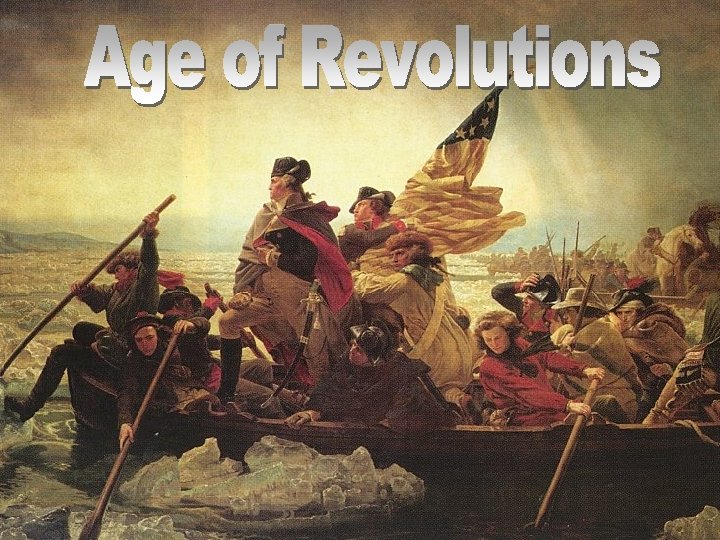
Major Battles • Bunker Hill – moral victory for Americans (“don’t fire until you see the whites of their eyes”) • Trenton – Washington crosses Delaware; vs. Hessians • Brandywine – British take American capital of Phila. • Saratoga – TURNING POINT of the war – – British have 5000 killed/captured 100+ cannon captured French enter war on American side King George III offers Olive Branch Petition; Americans reject • Cowpens – first major defeat for Cornwallis • Yorktown – last battle of Am. Rev.
Major Documents Declaration of Independence • Thomas Jefferson main author; draws ideas from John Locke (natural rights) • Blames King George III • Paragraph on slavery omitted from final version • Signed July 4, 1776 Common Sense • Political pamphlet written by Thomas Paine supporting American Revolution • America was divided 1/3 for war, 1/3 against, 1/3 indifferent • Pamphlet written in common language; convinces population to support war for independence
Articles of Confederation • 1 st governing document of United States • Very WEAK…little powers to federal gov’t • 13 states run independently; hurts gov’t Constitution • Meeting called in 1787 to amend the AOC • In two weeks of meetings an entirely new document is written to govern country • More power given to federal gov’t, separation of powers (3 branches), and rights protecting the people (Bill of rights) are included • Washington unanimously chosen 1 st president
- Slides: 14