
Abolitionist image Abolitionism 1820 1850 pt 1 1820s
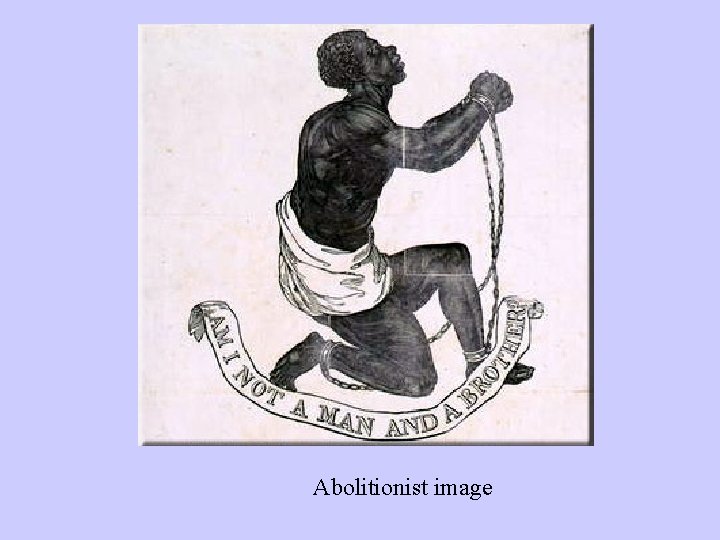
Abolitionist image
Abolitionism, 1820 -1850, pt. 1 • 1820’s: “diffusion” theory popular, ACS begins to move freed slaves back to Africa • 2 nd GA brings moral & social dynamic to anti-slavery in late 1820’s and 1830’s • antislavery is energized w/The Liberator in 1831 • Abolitionist ideology: – need: clear & immediate freedom for slaves – laws alowing slavery are morally wrong – slavery does not fit w/Constitution or bible – Northerners obligated to end slavery everywhere it exists
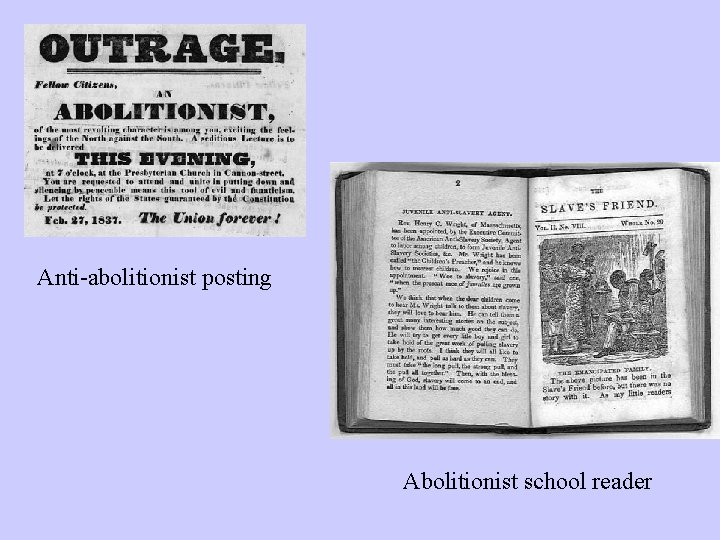
Anti-abolitionist posting Abolitionist school reader
Abolitionism 1820 -1850, pt. 2 • 1833 - English abolition of slavery spurs momentum • Abolitionism has effective leadership by 1840’s: Douglass, Child, Garrison, Truth • political organization: literature campaign leads to Gag rule in Congress, 1836 • Liberty party, then Free Soilers emerge as a political force in 1840’s • abolitionist success leads to reaction in the South: the pro-slavery argument
Pro-Slavery argument, 1830 -1865 • Abolitionist argument leads to argument that slavery is positive for all involved • Slaves treated as family by slaveowners • no free-market competition that leads to exploitation, as in North • blacks are biologically suited for slavery • slavery: important to western culture & democracy (re: Greeks, Romans, etc. ) • slavery is biblically-mandated • slave societies harmonious, peaceful
Compromise of 1850 - key points • political deal struck bet. North & South to settle question of new western territories • S. Douglas, Clay, Calhoun & Webster lead Congressional efforts • vagueness in decision on Utah & New Mexico: -- “all rightful subjects. . . consistent with the Constitution. ” • Fugitive Slave Law causes a great deal of tension, conflict as it is enforced • Does this settle the issue or intensify it?
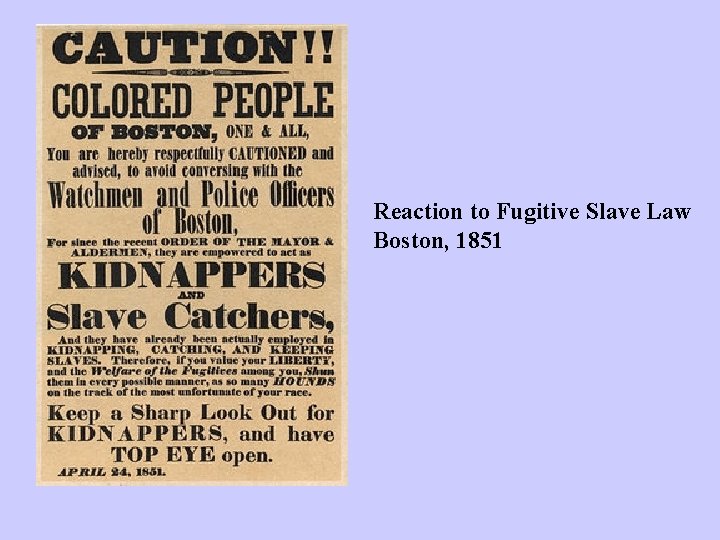
Reaction to Fugitive Slave Law Boston, 1851
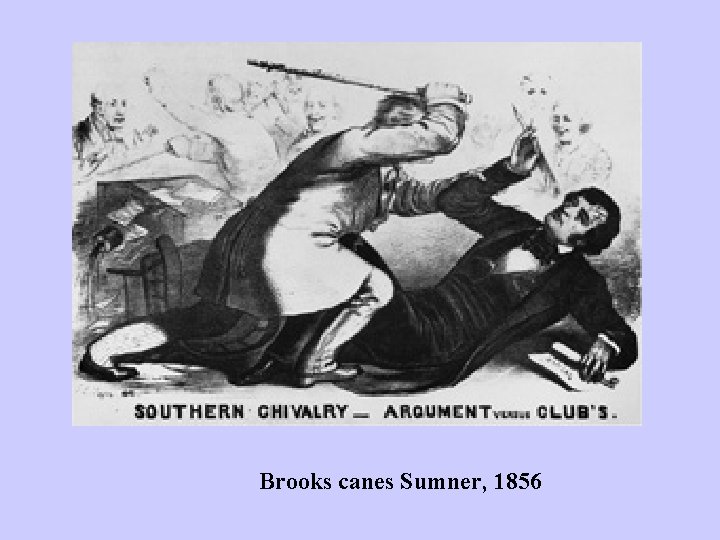
Brooks canes Sumner, 1856
1850’s tension - p. 1 • Uncle Tom’s Cabin - 1852: adds tremendous support to anti-slavery efforts: http: //www. iath. virginia. edu/utc/inde x 2 f. html • Kansas-Nebraska, 1854 - Stephen Douglas’ compromise- ends Missouri Compromise • 1854: Republicans : ‘Free Soil, Free Labor, Free Men’ – Northern party • KS-NB Act: allows pop. sovereignty • political realignment after KS-NB: Republican Party formed, Democrats split by section
1850’s tension, p. 2 • 1856 - Sumner-Brooks episode further escalates sectional tension • 1855 -1856: “bleeding Kansas: ” - violence over slavery issue http: //www. assumption. edu/ahc/Kansas/def ault. html • & admission of KS as a state: John Brown emerges as abolitionist, pre-cursor to war • 1857 - Dred Scott : blacks no citizenship • Decision intensifies North anger v. “slave power”
1850 s Sectionalism Editorials
- Slides: 11