
Abnormalities in Erythrocytes Laboratory Procedures Polychromasia Can exist
Abnormalities in Erythrocytes Laboratory Procedures

Polychromasia � Can exist as Hypochromasia or Hyperchromasia. � Polychromatic erythrocytes exhibit a bluish tint. This is caused by a small amount of nucleus retained in the cytoplasm. These may appear as a Reticulocyte. (We will talk about these later in this presentation. )
Hypochromasia � Is a decrease in color, due to a decreased staining intensity caused by insufficient hemoglobin within the cell. � Most commonly caused by Iron Deficiency
Hyperchromasia � Refers to a cell that appears darker than normal cells. This gives the appearance that the cell is over-saturated with hemoglobin. � TRUE hyperchromasia cannot exist! � Each erythrocyte has a fixed capacity for hemoglobin and over-saturation cannot occur
MCHC � Stands for: Mean Corpuscular Hemoglobin Concentration � Describes cells as normochromatic or hypochromatic � Normal MCHC is 31 -36% � (You will learn this calculation in Clin. Path)
Anisocytosis � Variations � Can in Size indicate Anemia � Classified by Macrocytosis OR Microcytosis
Macrocytosis � Simply means that there an abnormal amount of cells larger than normal size. � Can indicate liver disease or Vitamin B 12 deficiency.
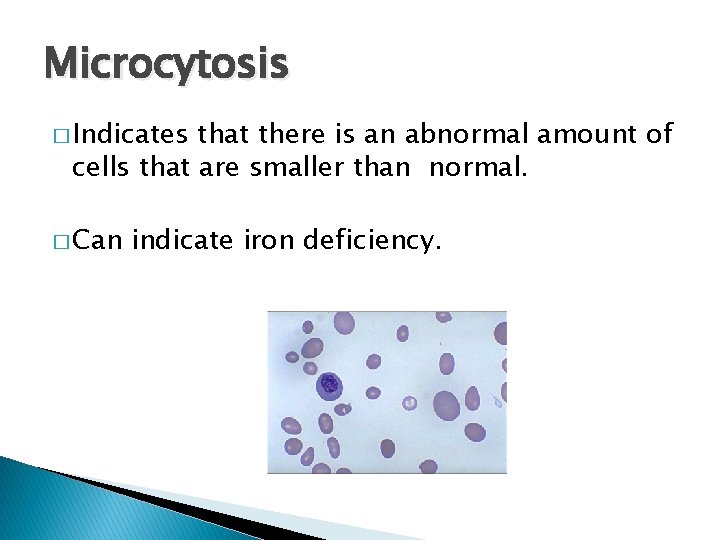
Microcytosis � Indicates that there is an abnormal amount of cells that are smaller than normal. � Can indicate iron deficiency.
MCV � Stands for Mean Corpuscular Volume � Describes cells as being Normocytic, Microcytic, or Macrocytic. � Measures � Normal the average volume of RBC’s. values are 66 -77 f. L (femtolitres)
Poikilocytosis � Is a major deviation in the normal shape of the erythrocyte. � Remember that this term is an umbrella term for abnormally shaped erythrocytes, and should not be used as a diagnosis.
Many Poikilocytes � All of the following cells are under the “umbrella” of Poikilocytes. They just have different names! � (Remember rule #2)
Schistocytes (Fragmented Cells) � RBC’s with abnormal shape. � Formed as a result of shearing of the cell by fibrin strands. This occurs when red blood cells rapidly pass through microvasculature that is lined or meshed with strands. � They are observed in fragmentation hemolysis caused by DIC, vascular neoplasia, endocarditis, and possibly iron deficiency anemia.
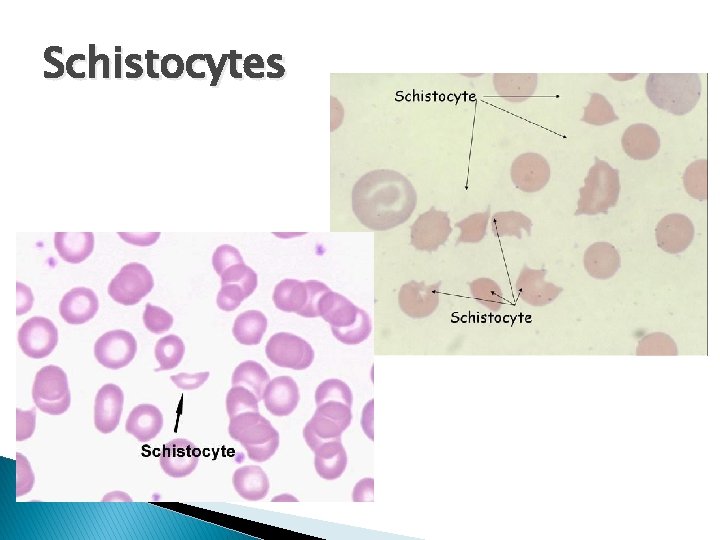
Schistocytes
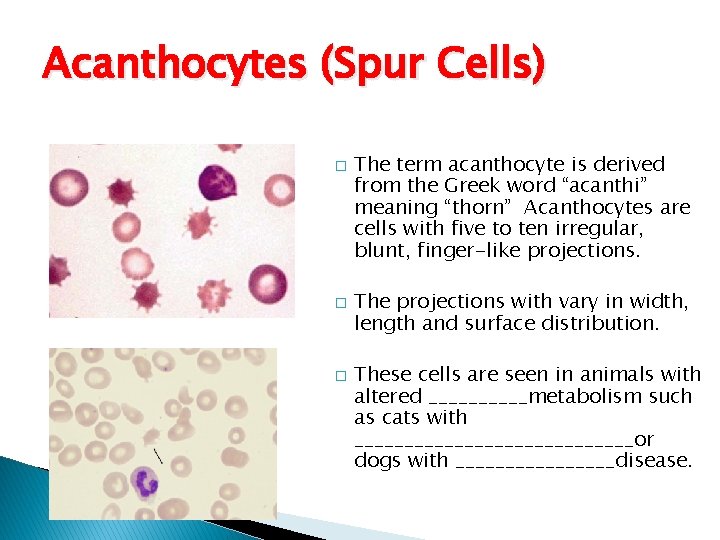
Acanthocytes (Spur Cells) � � � The term acanthocyte is derived from the Greek word “acanthi” meaning “thorn” Acanthocytes are cells with five to ten irregular, blunt, finger-like projections. The projections with vary in width, length and surface distribution. These cells are seen in animals with altered _____metabolism such as cats with ______________or dogs with ________disease.
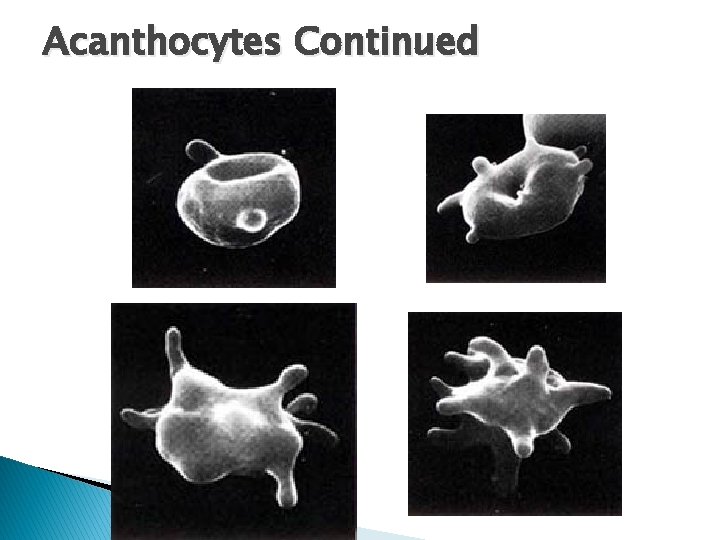
Acanthocytes Continued
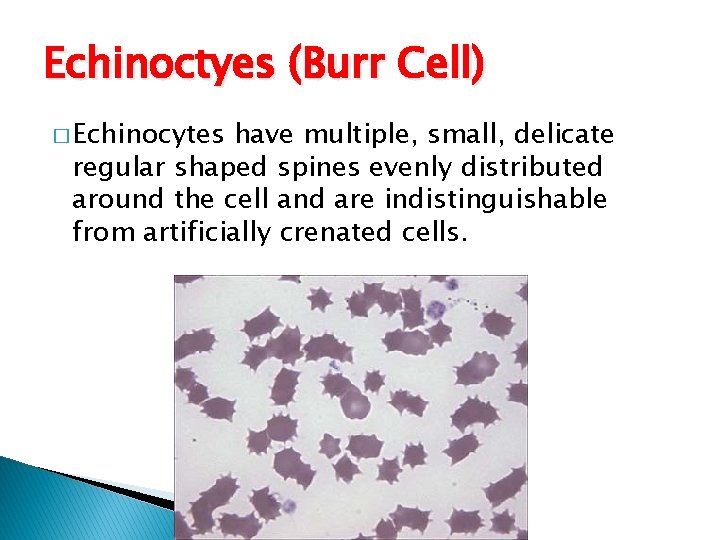
Echinoctyes (Burr Cell) � Echinocytes have multiple, small, delicate regular shaped spines evenly distributed around the cell and are indistinguishable from artificially crenated cells.
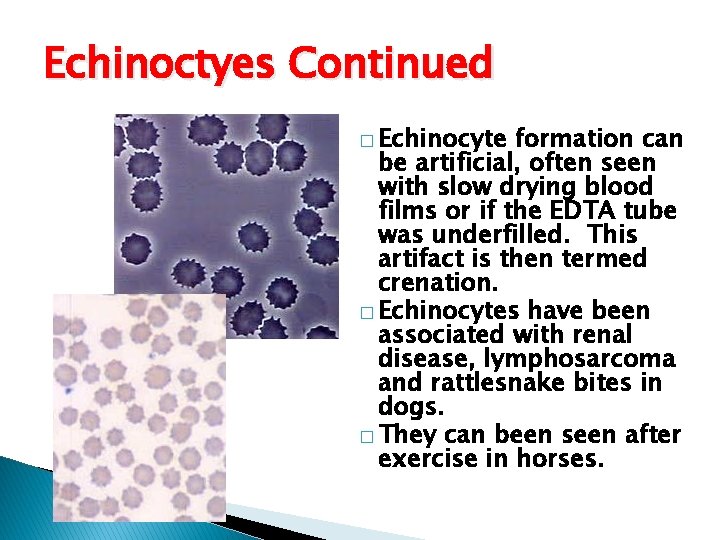
Echinoctyes Continued � Echinocyte formation can be artificial, often seen with slow drying blood films or if the EDTA tube was underfilled. This artifact is then termed crenation. � Echinocytes have been associated with renal disease, lymphosarcoma and rattlesnake bites in dogs. � They can been seen after exercise in horses.
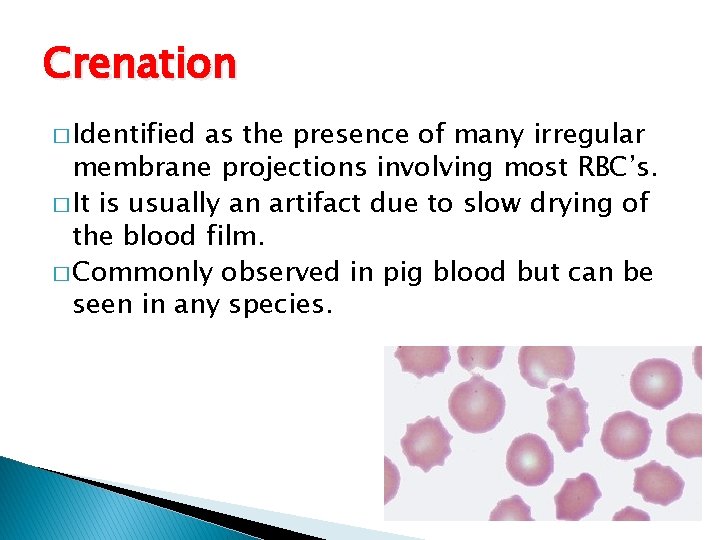
Crenation � Identified as the presence of many irregular membrane projections involving most RBC’s. � It is usually an artifact due to slow drying of the blood film. � Commonly observed in pig blood but can be seen in any species.
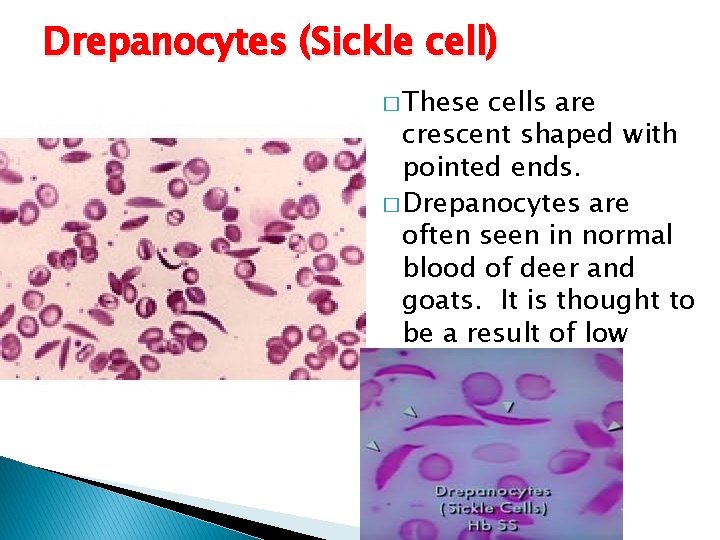
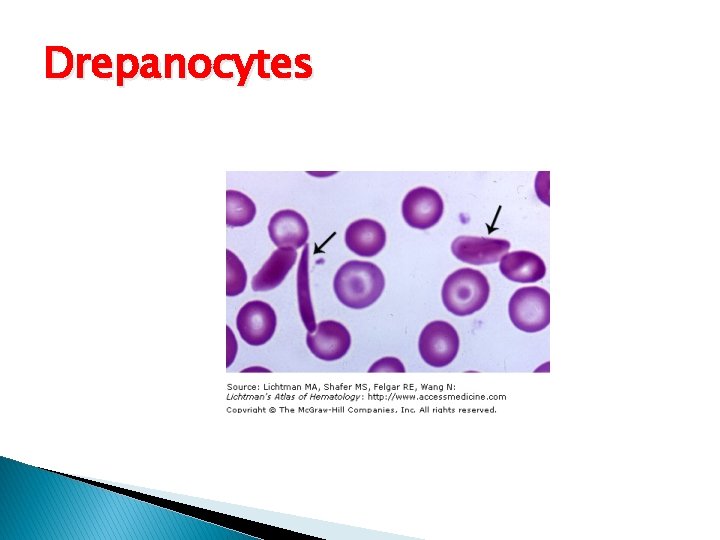
Drepanocytes (Sickle cell) � These cells are crescent shaped with pointed ends. � Drepanocytes are often seen in normal blood of deer and goats. It is thought to be a result of low oxygen tension.
Drepanocytes
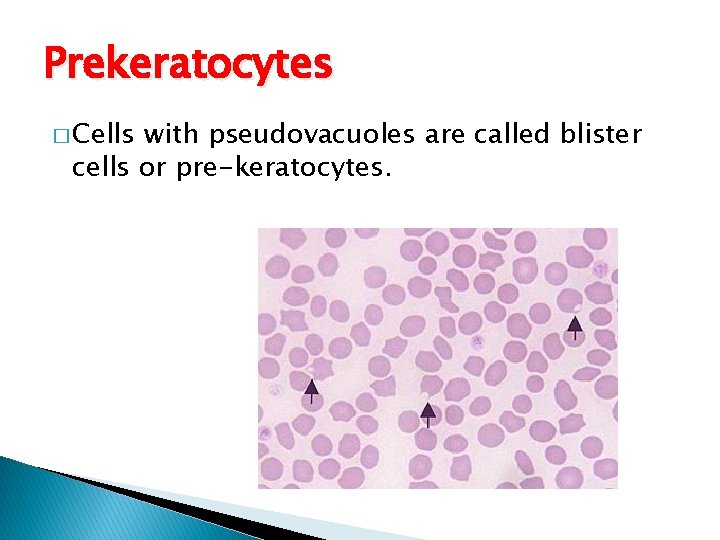
Prekeratocytes � Cells with pseudovacuoles are called blister cells or pre-keratocytes.
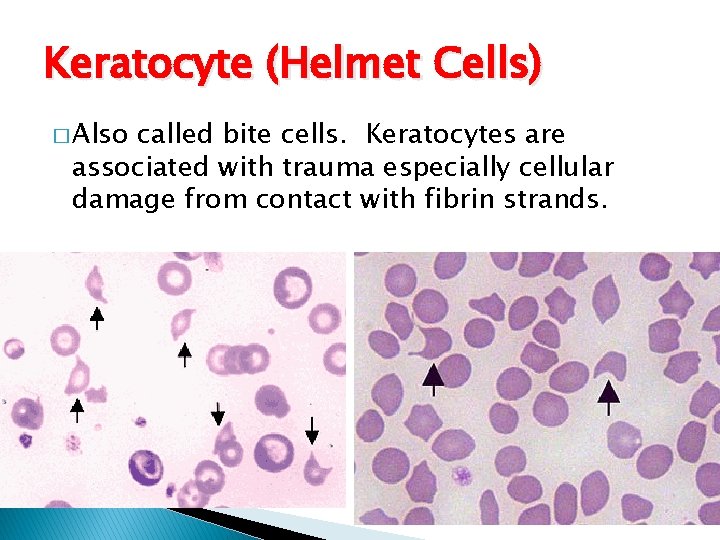
Keratocyte (Helmet Cells) � Also called bite cells. Keratocytes are associated with trauma especially cellular damage from contact with fibrin strands.
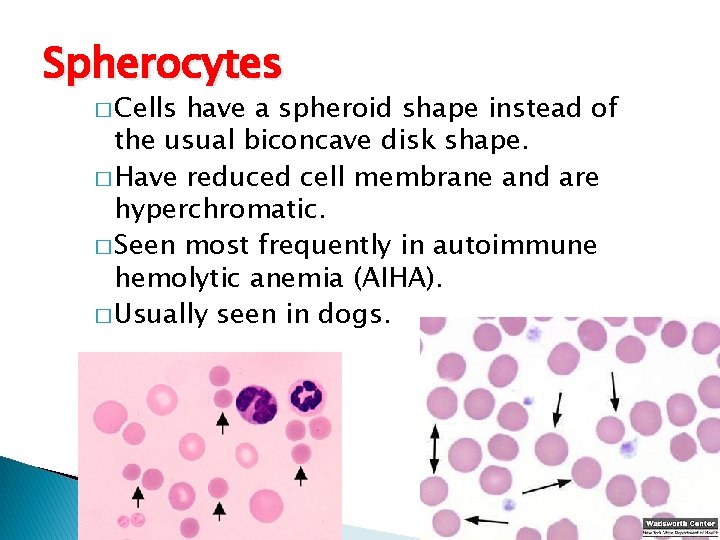
Spherocytes � Cells have a spheroid shape instead of the usual biconcave disk shape. � Have reduced cell membrane and are hyperchromatic. � Seen most frequently in autoimmune hemolytic anemia (AIHA). � Usually seen in dogs.
Codocytes (aka Leptocytes) � Is an “umbrella term” describing cells that are characterized by an increase in membrane surface area. � Include the following: ◦ Stomatocyte ◦ Target Cells
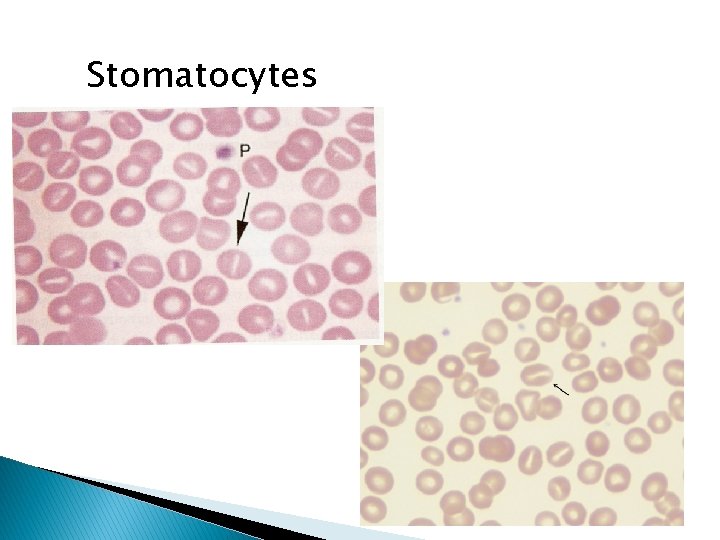
Stomatocytes � The appearance of stomatocytes with their oval or rectangular central pallor has been compared to a smiling face, a fish mouth, and a coin slot. � Stomatocytes are associated with a hereditary condition but are also seen in liver disease, acute alcoholism (humans), and electrolyte imbalances.
Stomatocytes
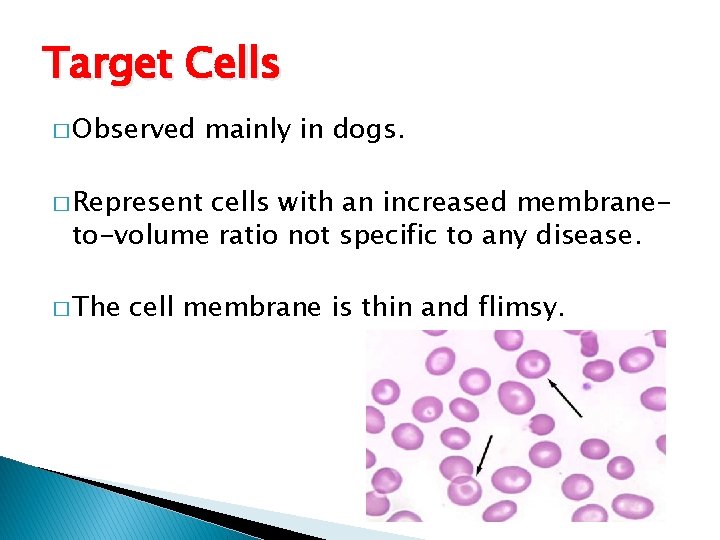
Target Cells � Observed mainly in dogs. � Represent cells with an increased membraneto-volume ratio not specific to any disease. � The cell membrane is thin and flimsy.
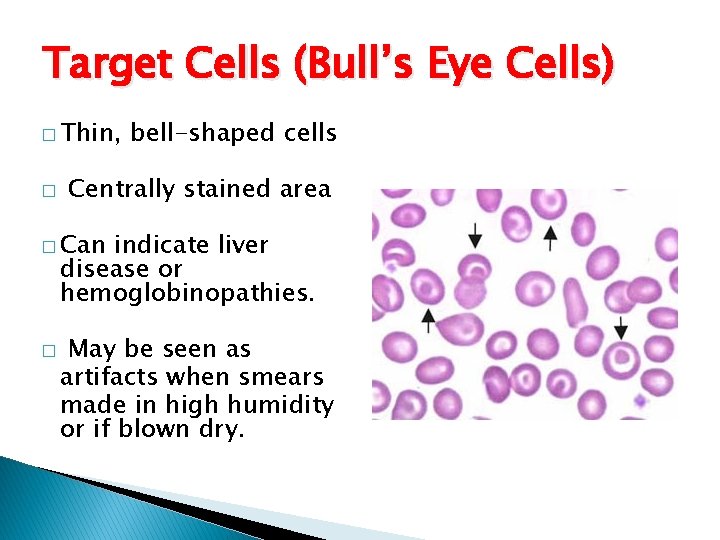
Target Cells (Bull’s Eye Cells) � Thin, � bell-shaped cells Centrally stained area � Can indicate liver disease or hemoglobinopathies. � May be seen as artifacts when smears made in high humidity or if blown dry.

Target Cells
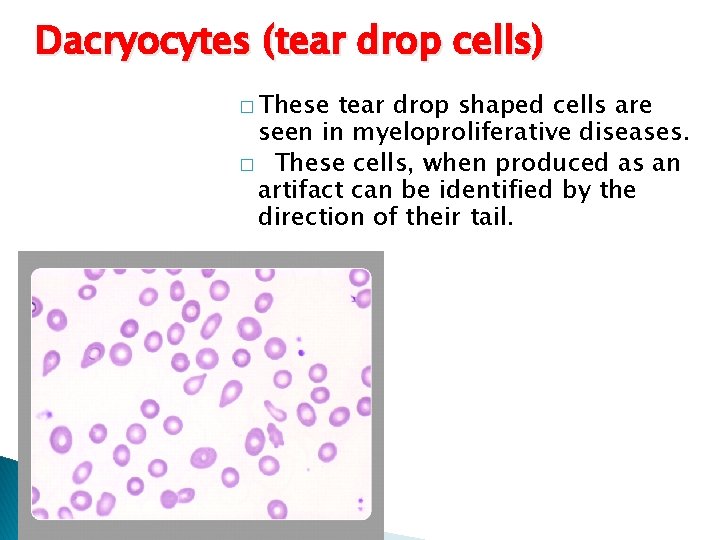
Dacryocytes (tear drop cells) � These tear drop shaped cells are seen in myeloproliferative diseases. � These cells, when produced as an artifact can be identified by the direction of their tail.
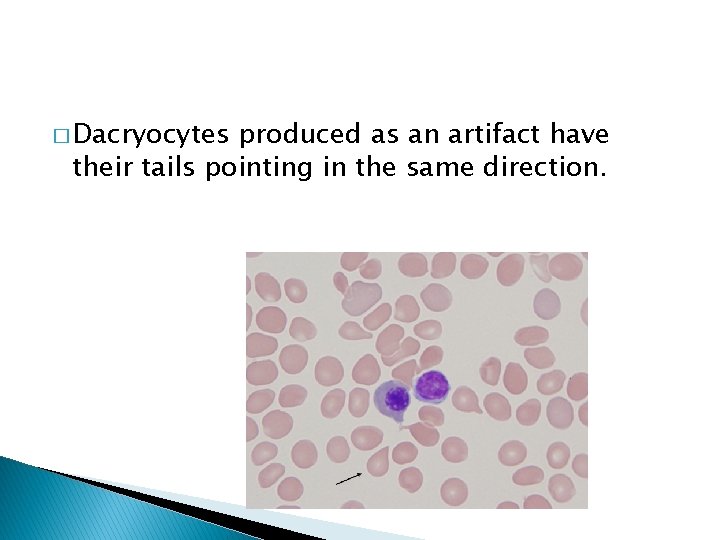
� Dacryocytes produced as an artifact have their tails pointing in the same direction.
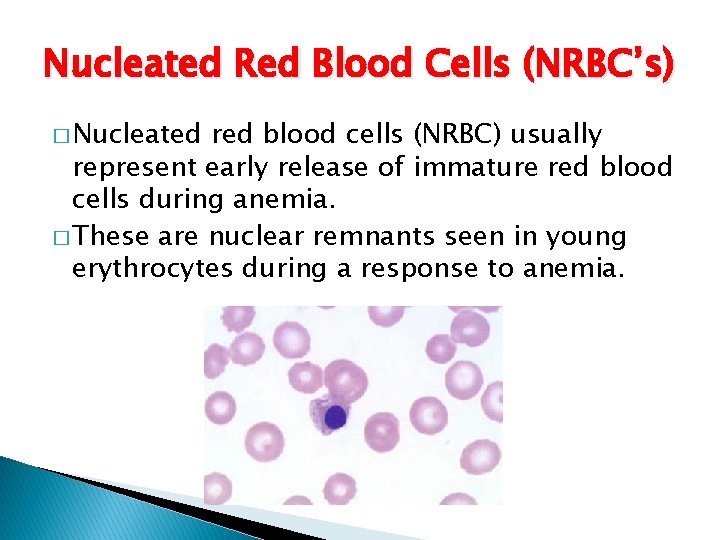
Nucleated Red Blood Cells (NRBC’s) � Nucleated red blood cells (NRBC) usually represent early release of immature red blood cells during anemia. � These are nuclear remnants seen in young erythrocytes during a response to anemia.
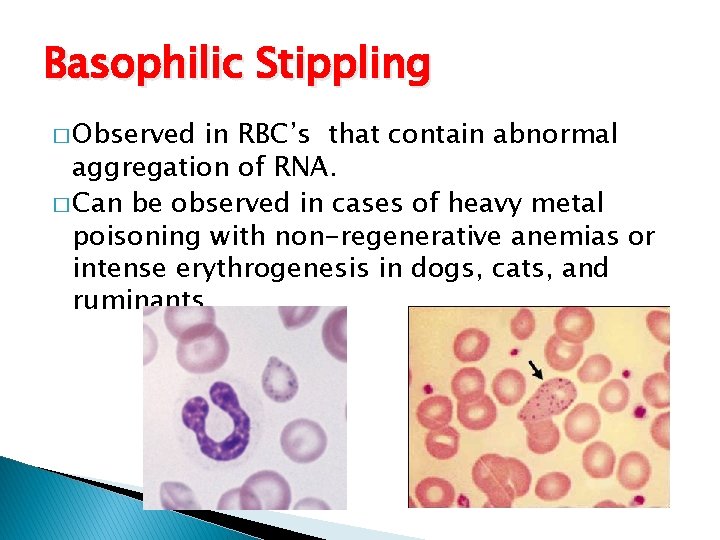
Basophilic Stippling � Observed in RBC’s that contain abnormal aggregation of RNA. � Can be observed in cases of heavy metal poisoning with non-regenerative anemias or intense erythrogenesis in dogs, cats, and ruminants.

Howell-Jolly Bodies � Nuclear remnants observed in young erythrocytes. � Often observed in cats and horses. � Can be seen in regenerative anemic animals. � Also may be seen with splenic disease or in an animal with the spleen removed.
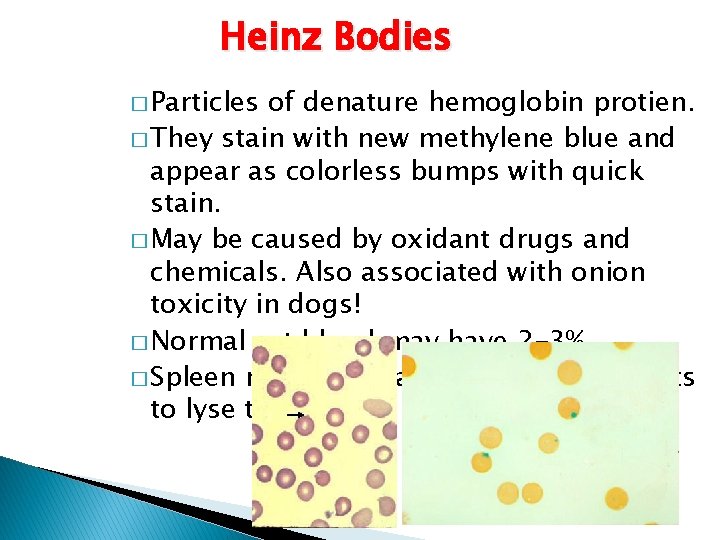
Heinz Bodies � Particles of denature hemoglobin protien. � They stain with new methylene blue and appear as colorless bumps with quick stain. � May be caused by oxidant drugs and chemicals. Also associated with onion toxicity in dogs! � Normal cat blood may have 2 -3%. � Spleen recognizes as abnormal and starts to lyse the cells.
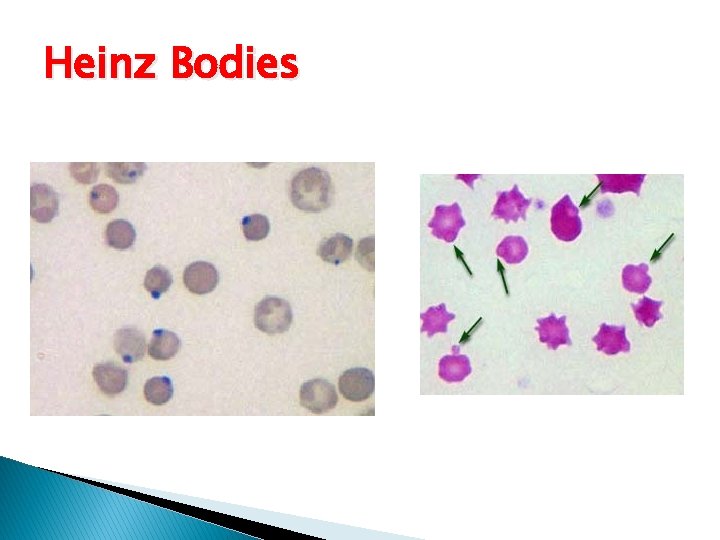
Heinz Bodies
Reticulocytes � These are immature red blood cells that contain organelles (ribosomes) that are lost in the mature cell. Cats have two forms of reticulocytes. ◦ The aggregate form contains large clumps of reticulum. They mature into the punctate form within 24 hours. ◦ The punctate form, unique to cats, contains two to eight singular granules. Punctate reticulocytes circulate for 7 -10 days before the all the ribosomes are lost.
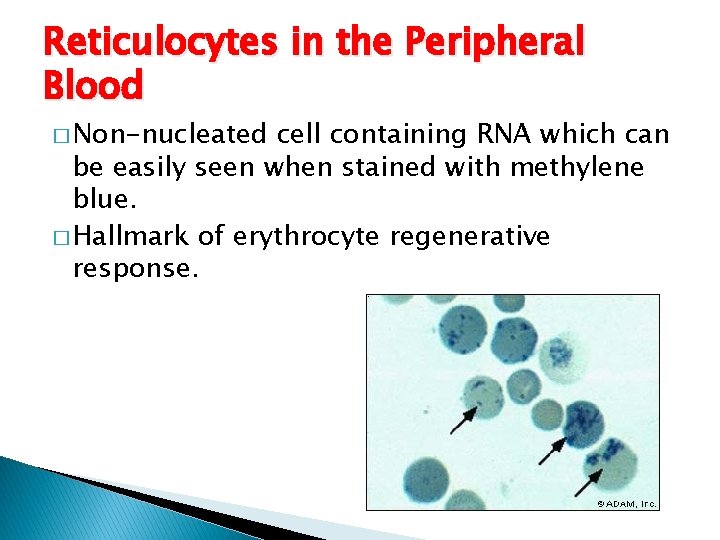
Reticulocytes in the Peripheral Blood � Non-nucleated cell containing RNA which can be easily seen when stained with methylene blue. � Hallmark of erythrocyte regenerative response.
- Slides: 39