
ABLE 2005 Discovering Devonian Microfossils Charlie Drewes Ecology
ABLE 2005 Discovering Devonian Microfossils Charlie Drewes Ecology, Evolution & Organismal Biology Iowa State University, Ames IA

What are microfossils? fossilized remains (plant, animal, protozoan) derive from hard parts (exoskeleton, endoskeleton, covering, shell, teeth) less than 1 -2 mm in size (> 0. 001 mm) imbedded in rock or loose particles research utility (paleoenvironmental reconstruction, biostratigraphy, paleooceanography) educational use (hands-on, inquiry, discovery)
Focal Points: Evolution Biodiversity Paleontology
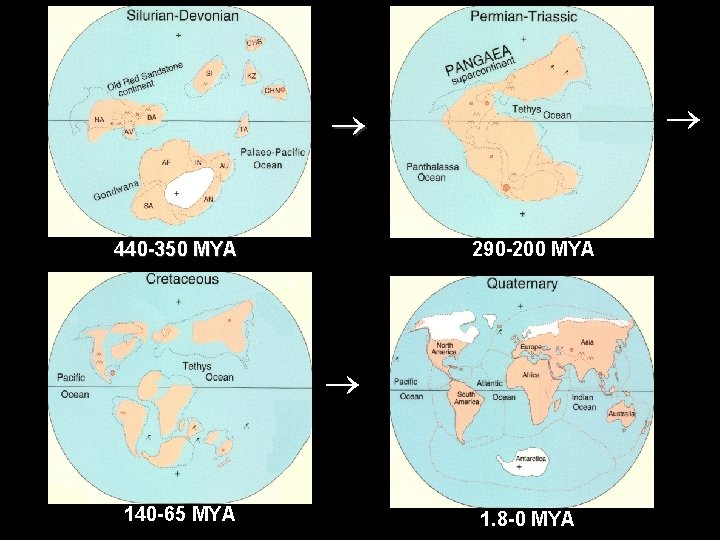
440 -350 MYA 290 -200 MYA 140 -65 MYA 1. 8 -0 MYA
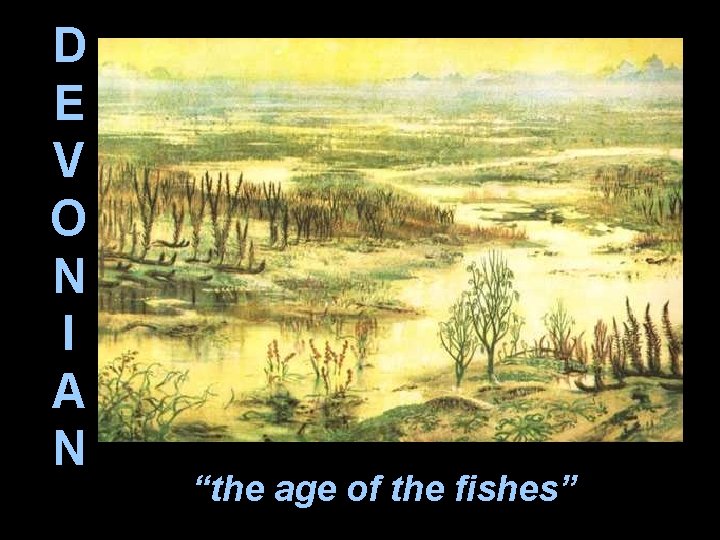
D E V O N I A N “the age of the fishes”
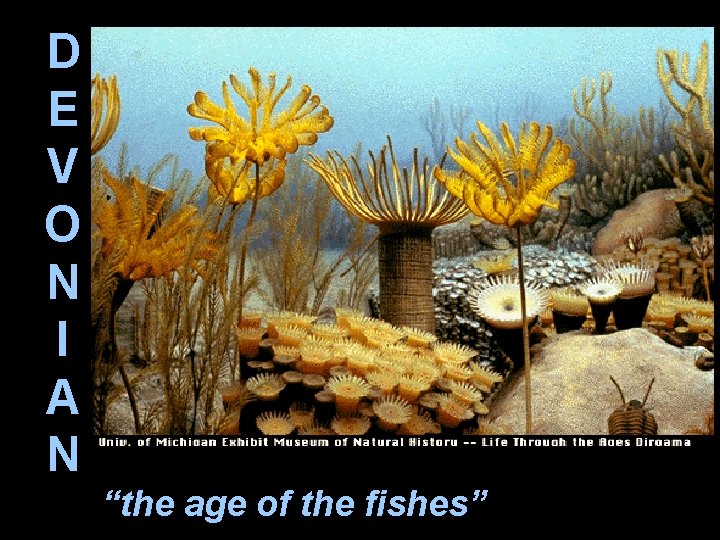
D E V O N I A N “the age of the fishes”
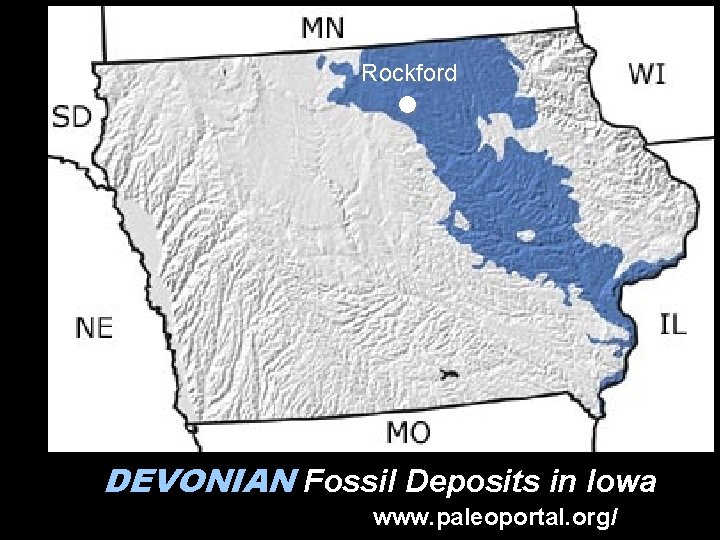
Rockford DEVONIAN Fossil Deposits in Iowa www. paleoportal. org/
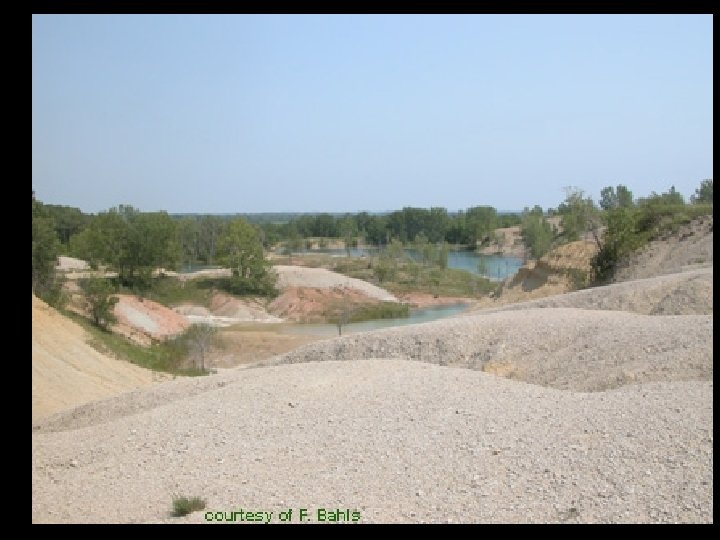
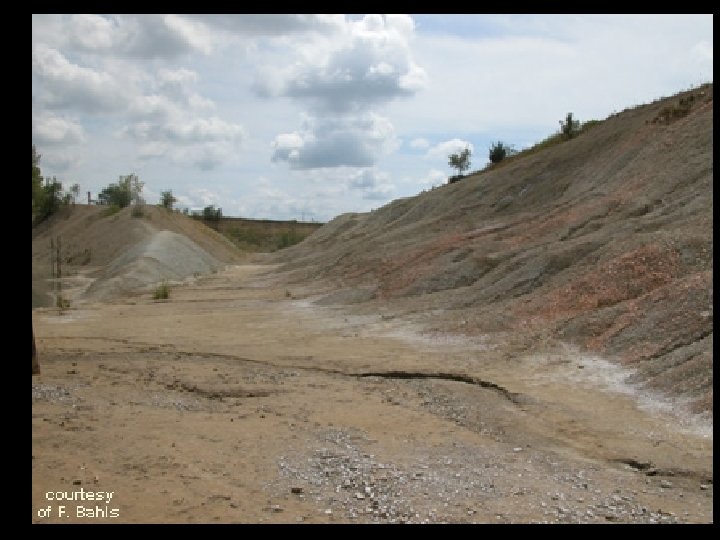
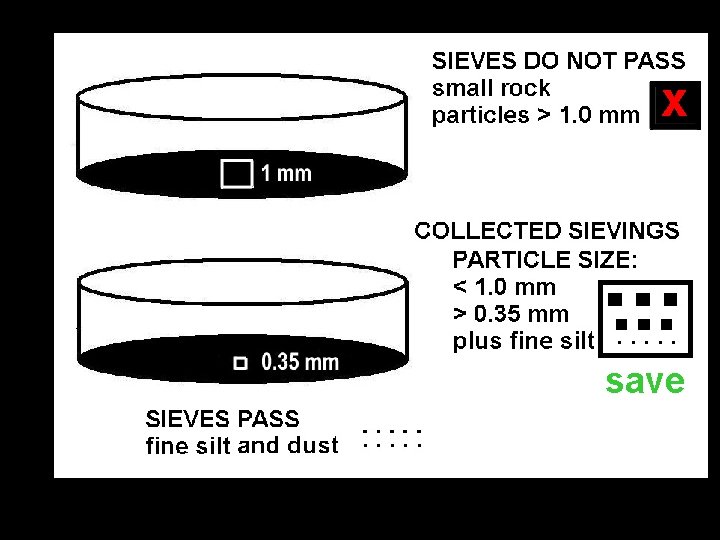
x I save
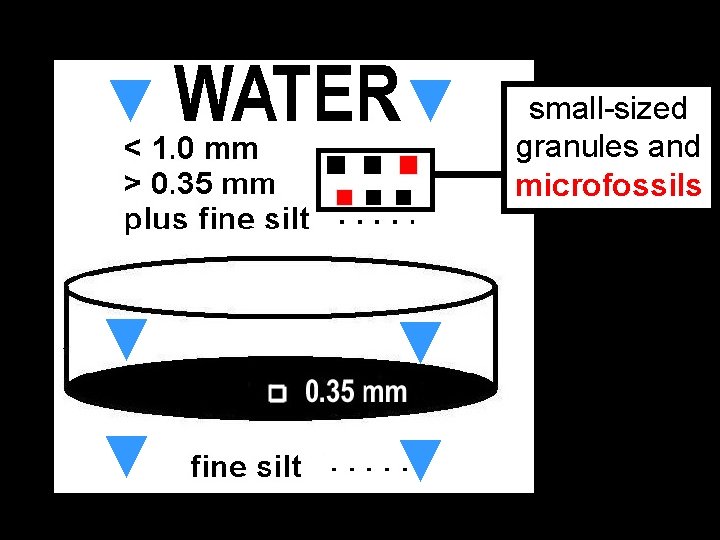
▼ ▼ ▼ small-sized granules and microfossils
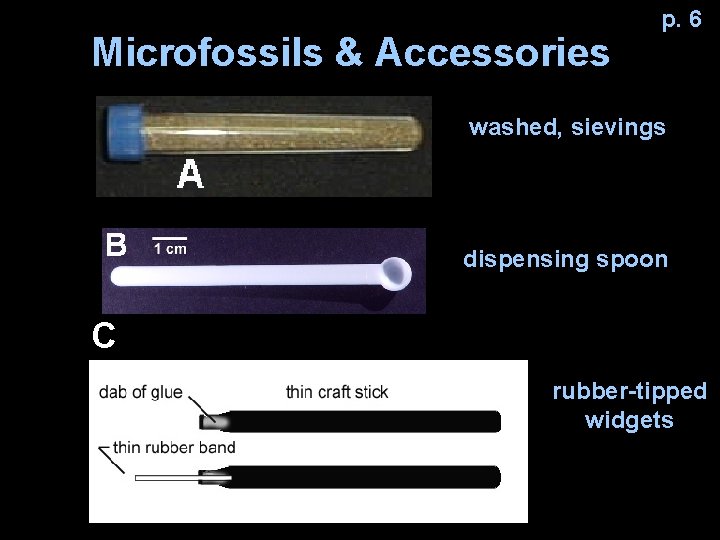
Microfossils & Accessories p. 6 washed, sievings dispensing spoon C rubber-tipped widgets
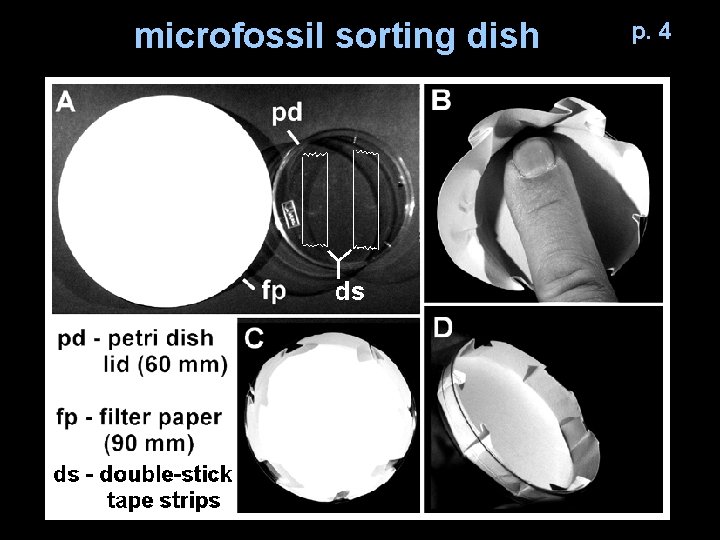
microfossil sorting dish p. 4
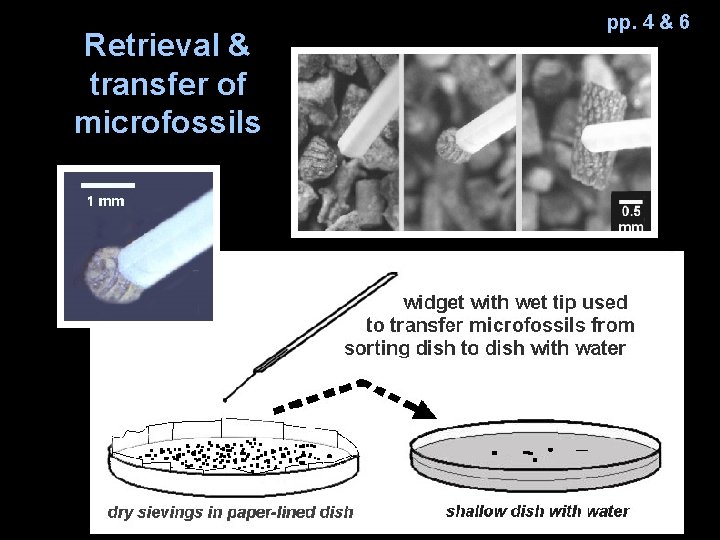
Retrieval & transfer of microfossils pp. 4 & 6
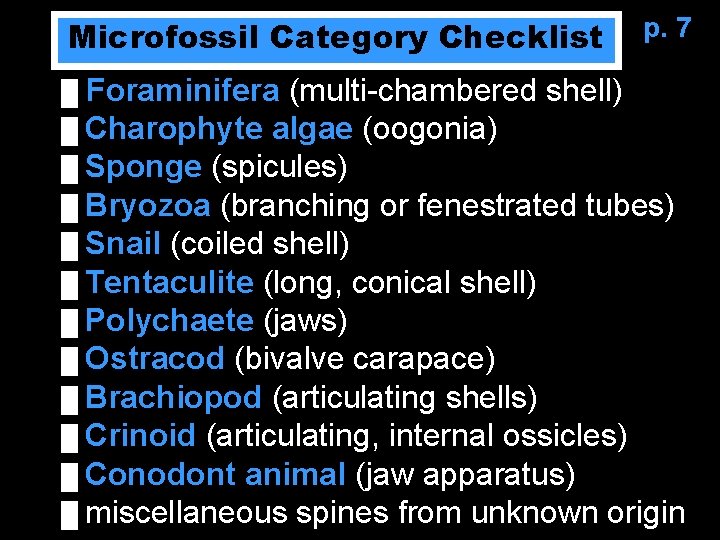
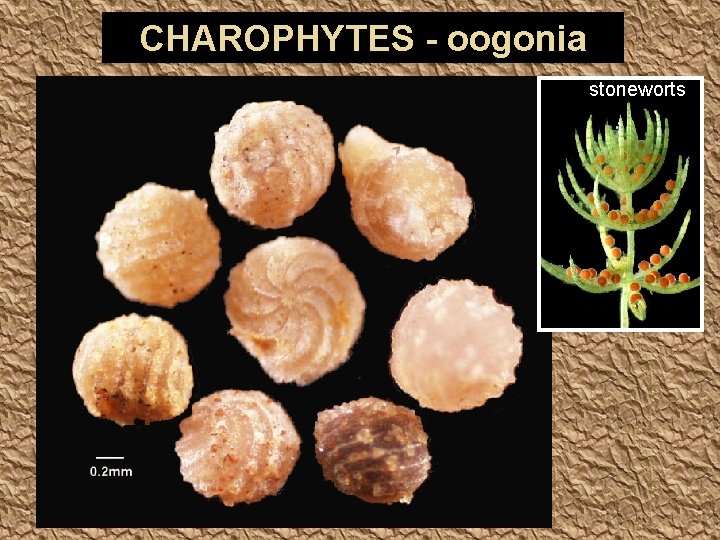
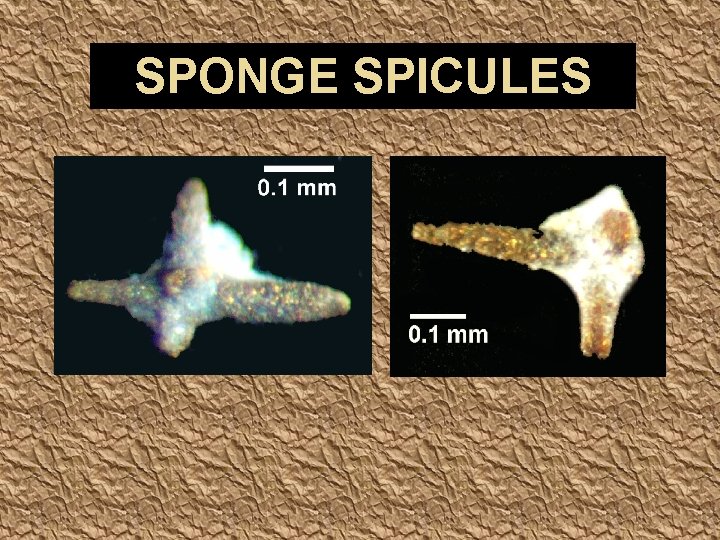
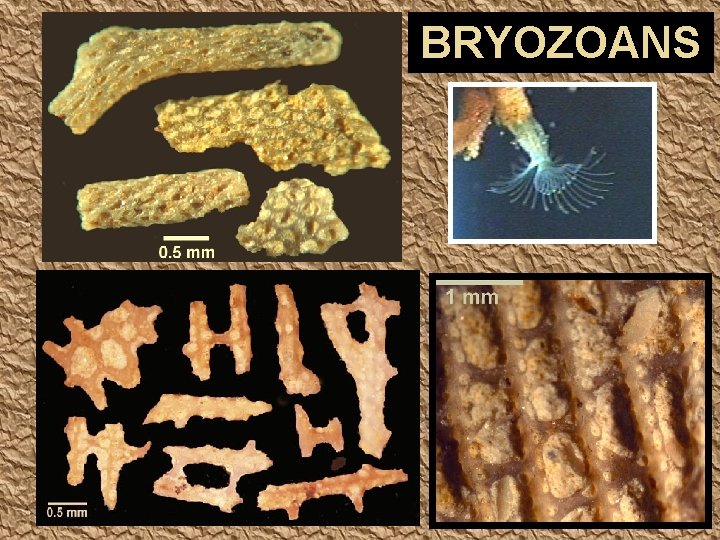
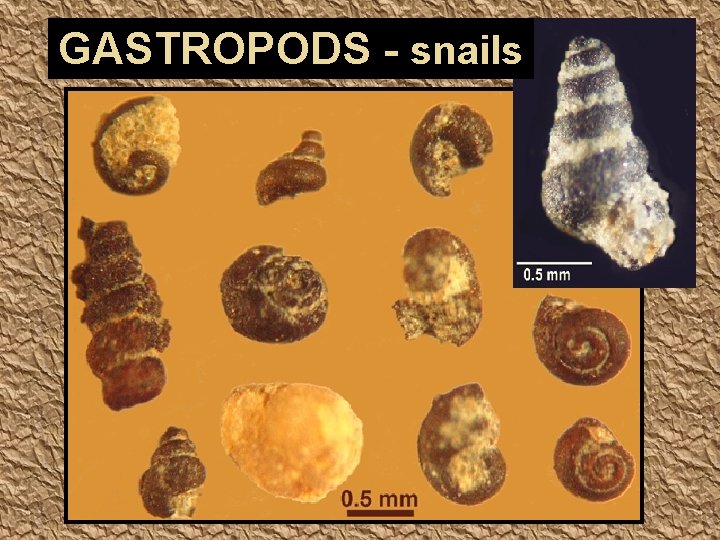
Microfossil Category Checklist p. 7 Foraminifera (multi-chambered shell) █ Charophyte algae (oogonia) █ Sponge (spicules) █ Bryozoa (branching or fenestrated tubes) █ Snail (coiled shell) █ Tentaculite (long, conical shell) █ Polychaete (jaws) █ Ostracod (bivalve carapace) █ Brachiopod (articulating shells) █ Crinoid (articulating, internal ossicles) █ Conodont animal (jaw apparatus) █ miscellaneous spines from unknown origin █
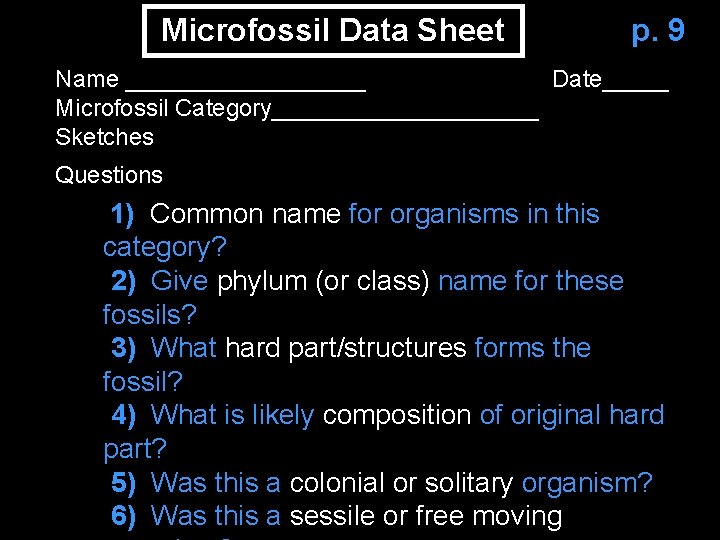
Microfossil Data Sheet p. 9 Name _________ Date_____ Microfossil Category__________ Sketches Questions 1) Common name for organisms in this category? 2) Give phylum (or class) name for these fossils? 3) What hard part/structures forms the fossil? 4) What is likely composition of original hard part? 5) Was this a colonial or solitary organism? 6) Was this a sessile or free moving
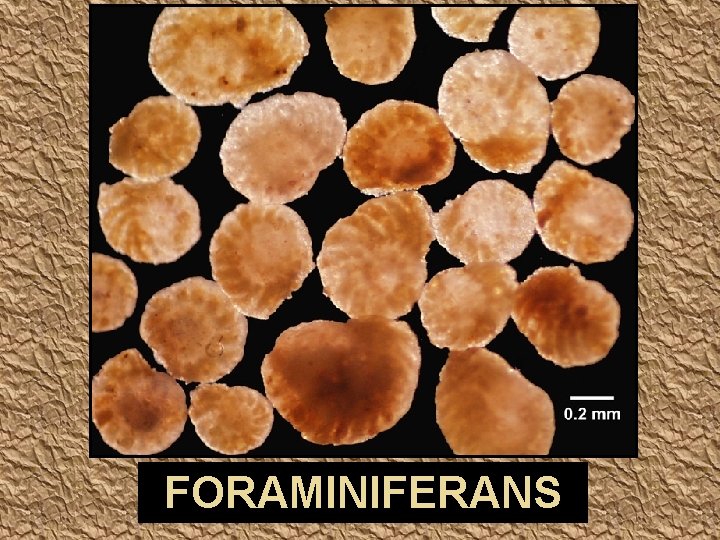
FORAMINIFERANS
CHAROPHYTES - oogonia stoneworts
SPONGE SPICULES
BRYOZOANS
GASTROPODS - snails
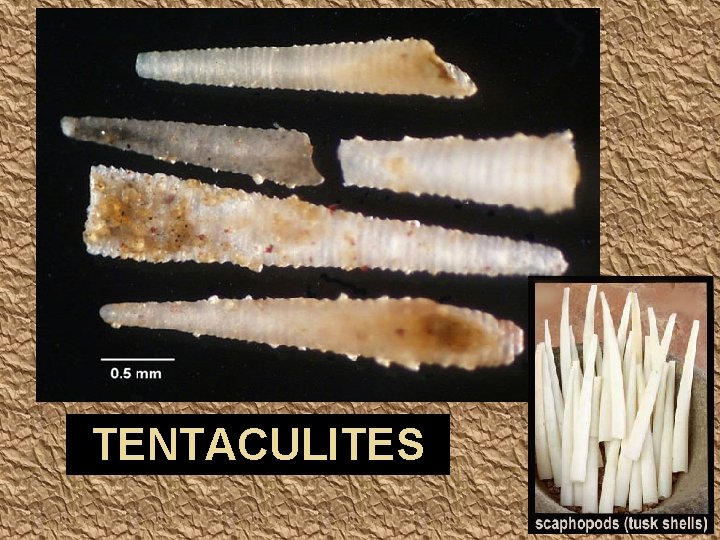
TENTACULITES
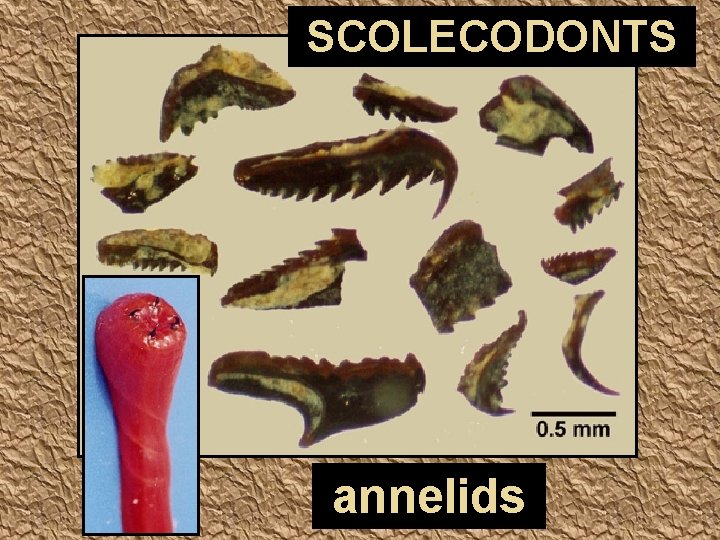
SCOLECODONTS annelids
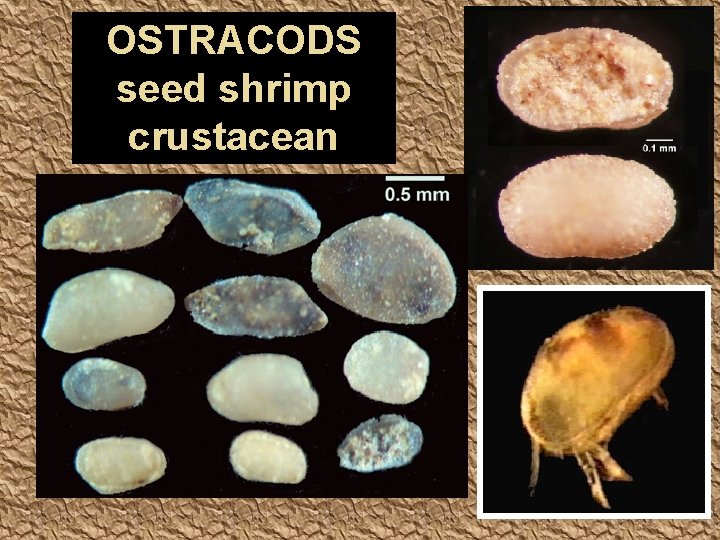
OSTRACODS seed shrimp crustacean
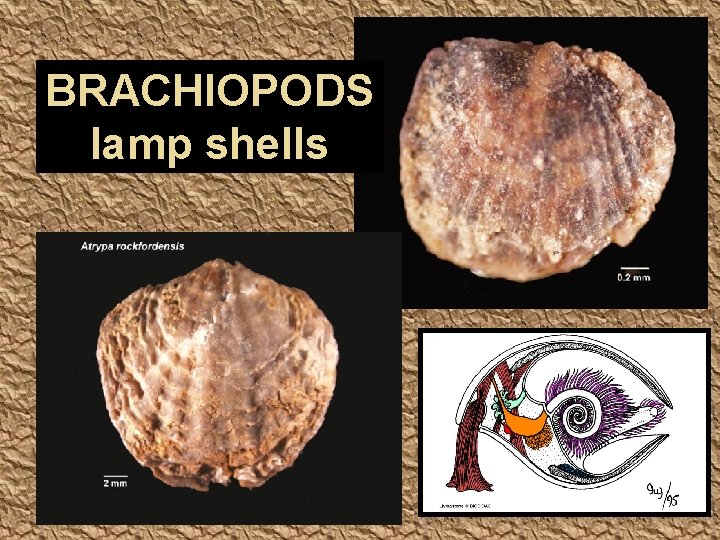
BRACHIOPODS lamp shells
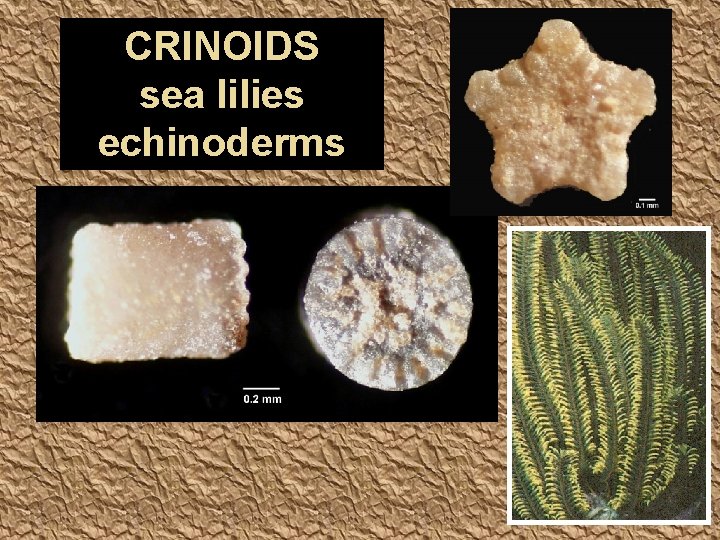
CRINOIDS sea lilies echinoderms
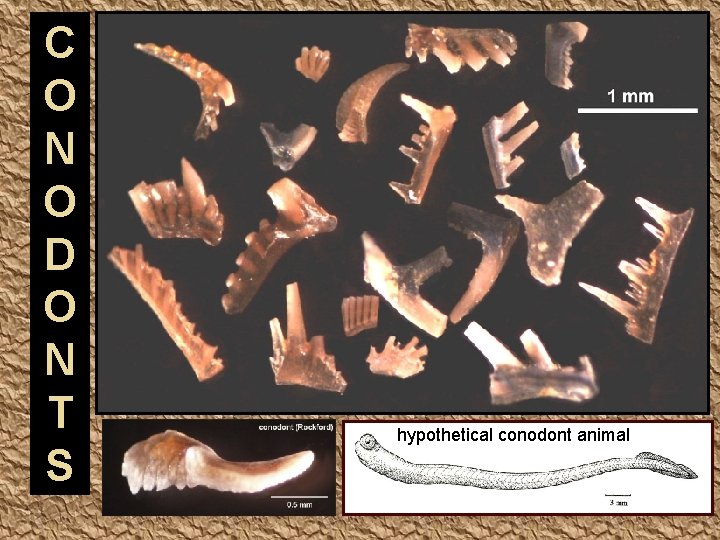
C O N O D O N T S hypothetical conodont animal
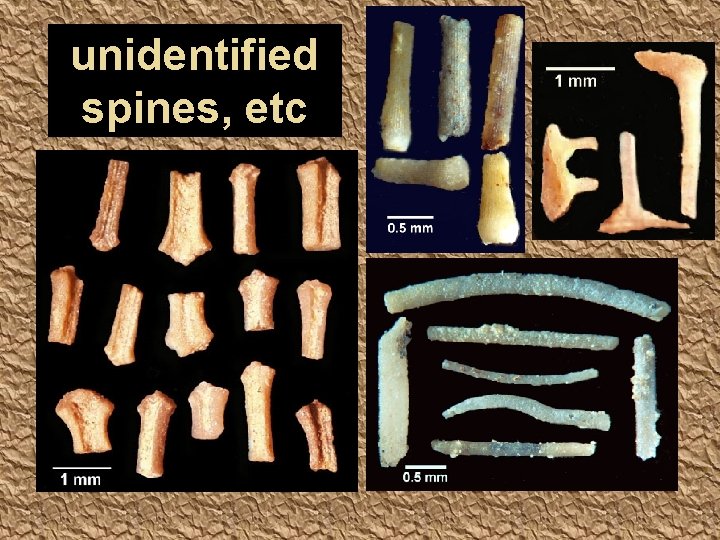
unidentified spines, etc
Analysis and Questions p. 7 & 8 Comparative abundance of specimens from various microfossil categories? Comparison of students’ specimens to web images of microfossils? Other marine invertebrates and vertebrates represented as Devonian
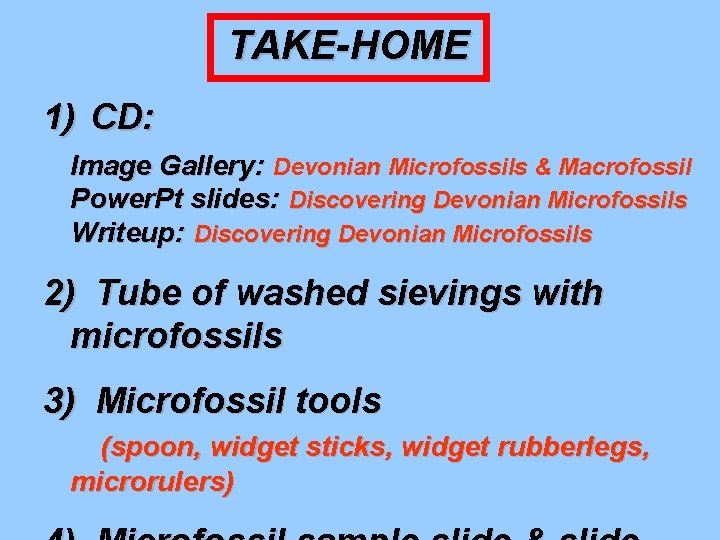
TAKE-HOME 1) CD: Image Gallery: Devonian Microfossils & Macrofossil Power. Pt slides: Discovering Devonian Microfossils Writeup: Discovering Devonian Microfossils 2) Tube of washed sievings with microfossils 3) Microfossil tools (spoon, widget sticks, widget rubberlegs, microrulers)
- Slides: 30