
Abiotic factors All of the Non living parts
Abiotic factors All of the Non living parts of an environment the affect the ecosystem
• Abiotic factors • Non-living parts of an environment • • • Air Water Soil Sunlight Temperature Climate
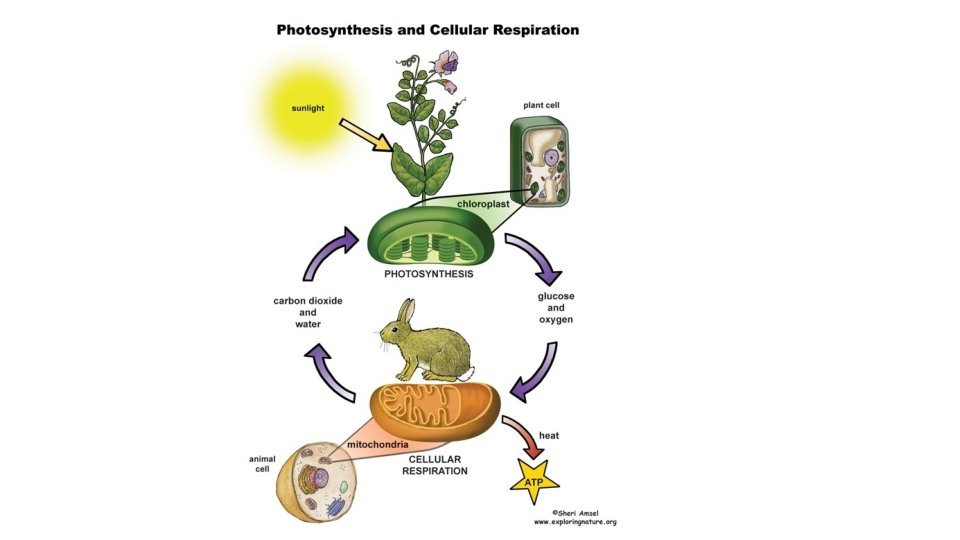
• Abiotic factors • Air • Atmosphere surrounds Earth • • CO 2 = carbon Dioxide N = Nitrogen O = Oxygen Other trace gases • Photosynthesis H 2 O + sunlight + CO 2 = sugar for use of living things to” 1. get and use energy. 2. grow and develop. 3. to reproduce. 4. to respond to their environment. • Respiration uses oxygen to burn sugar and produces O 2
• Abiotic factors • Water necessary for life • Photosynthesis • Respiration • digestion
• Abiotic factors • Soil • Dirt is the basic mineral component of soil. • Sand– largest component, 10 times larger that silt • Silt– medium-sized component, 10 times larger than clay • Clay– smallest component measuring 1 micrometer in length and width, the same size as bacteria • Soil is composed of the basic mineral content of dirt but includes organic matter and microorganisms. Sand • • Silt Clay Organic Matter (dead decaying material) Microorganisms of all kinds
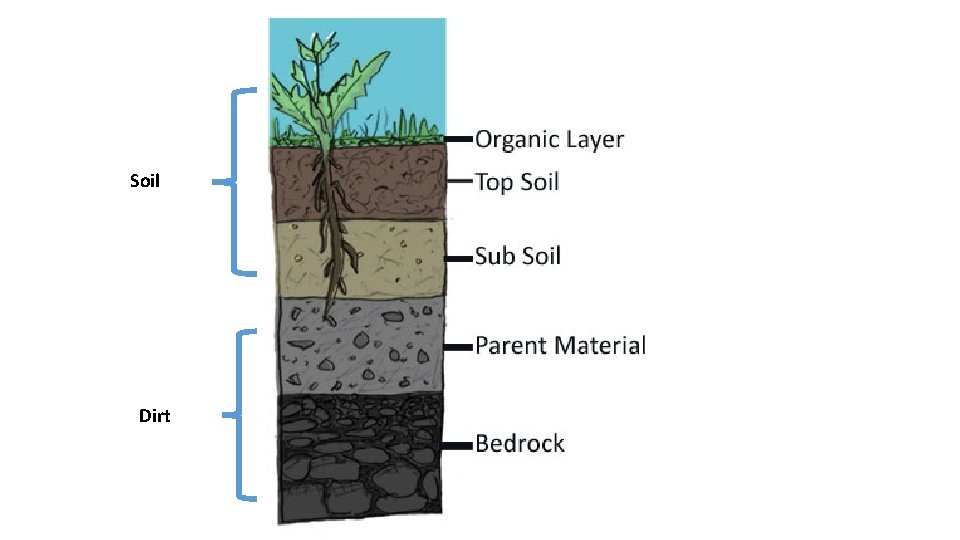
Soil Dirt
• Abiotic Factors • Sunlight • Energy source for most all life on earth • Producer = performs photosynthesis (plant) makes its own energy (food) • Consumer = gets energy from either a producer or another consumer (cannot make its own food) • Temperature • Body temperatures = 0 C / 32 F to • Location amount of sunlight it gets 50 C/122 F • Latitude = how far North or South of the Equator • Angle of Sunlight • Tilt of earth on its axis's
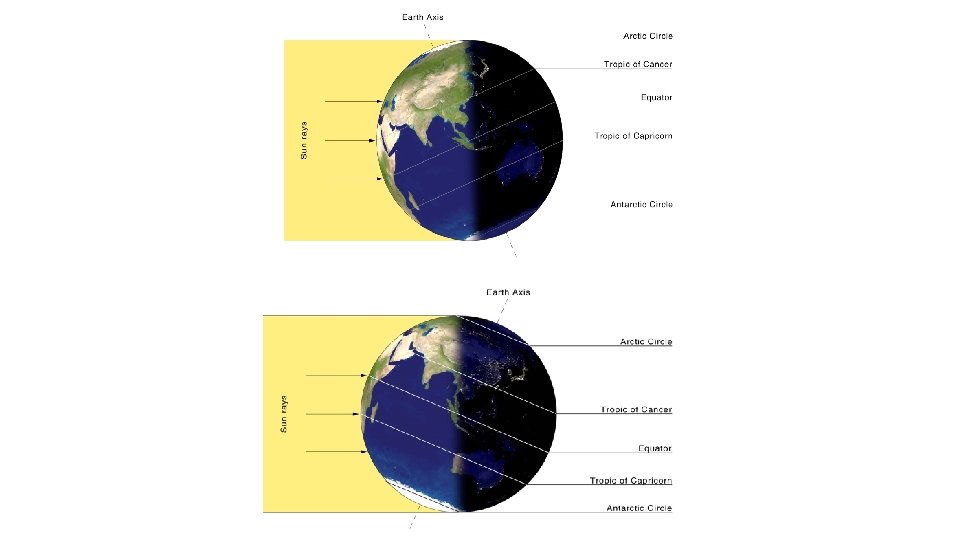
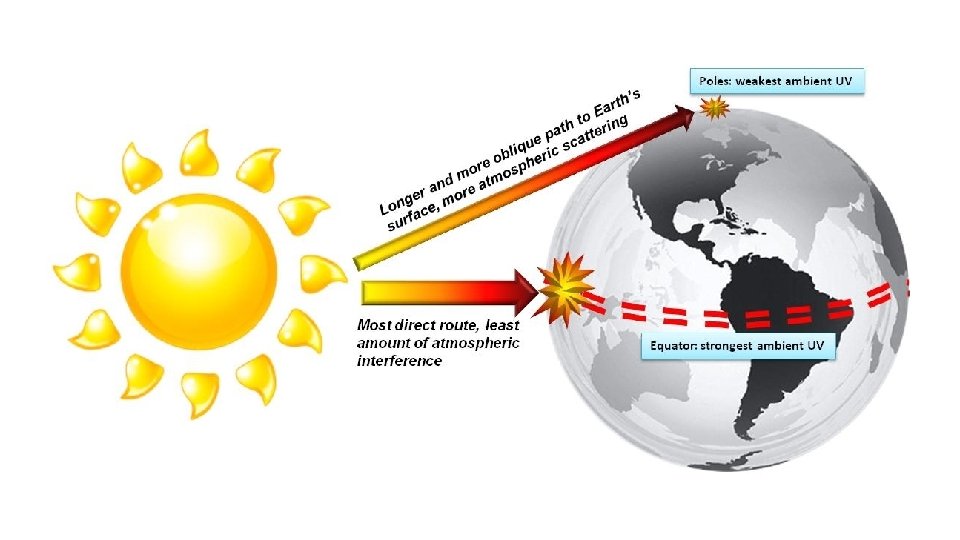
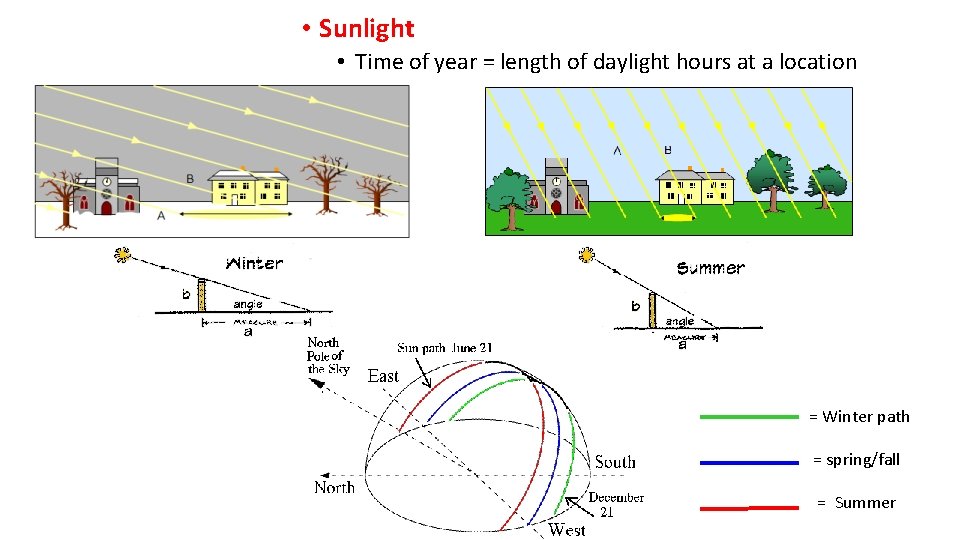
• Sunlight • Time of year = length of daylight hours at a location = Winter path = spring/fall = Summer
• Abiotic factors • Climate vs Weather • Weather = is the day-to-day state of the atmosphere in a region and its short-term • Weather = the combination of temperature, humidity, precipitation, cloudiness, visibility, and wind • Measured over a short period of time
• Abiotic factors • Climate vs weather • Climate = the average conditions expected at a specific place at a given time • Climate = may include precipitation, temperature, humidity, sunshine, wind velocity, phenomena such as fog, frost, and hail storms over a long period of time • Climate = weather statistics over long period of at least 30 years ("climate normals").




- Slides: 17