
AACS 2016 Mei Yang University of San Diego
- Slides: 34
AACS, 2016 . Mei Yang University of San Diego Deciphering Global Asia: A Poeticism of Disjuncture in Hou Hsiao-Hsien’s The Assassin
The Assassin (2015) • • Hou Hsiao-Hsien’s first martial arts film Based on a Tang chuanqi, “Nie Yinniang” Dialogues in classical Chinese A coproduction among Taiwan, Hong Kong and mainland China • A pan-Asian cast: Shu Qi, Chang Chen, Zhou Yun, Satoshi Tsumabuki • Trans-regional locations, from Kyoto to pristine China
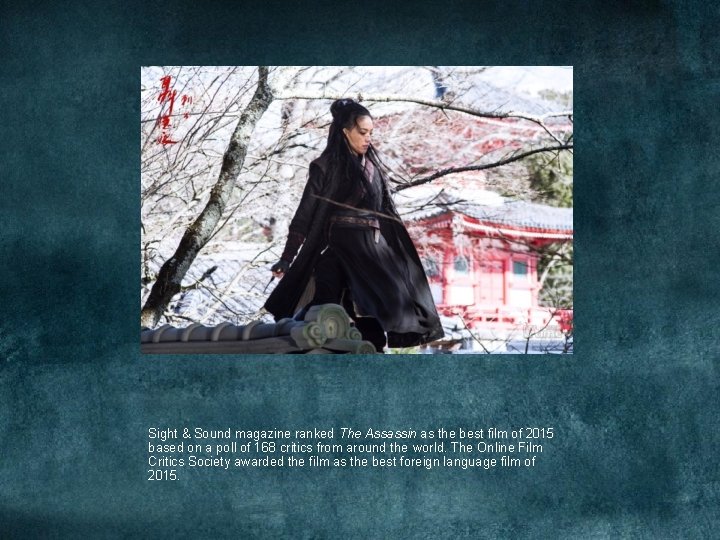
Sight & Sound magazine ranked The Assassin as the best film of 2015 based on a poll of 168 critics from around the world. The Online Film Critics Society awarded the film as the best foreign language film of 2015.
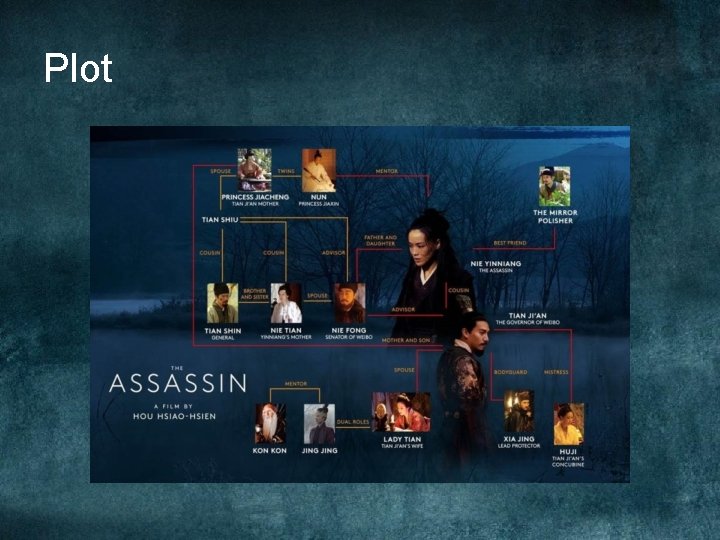
Plot
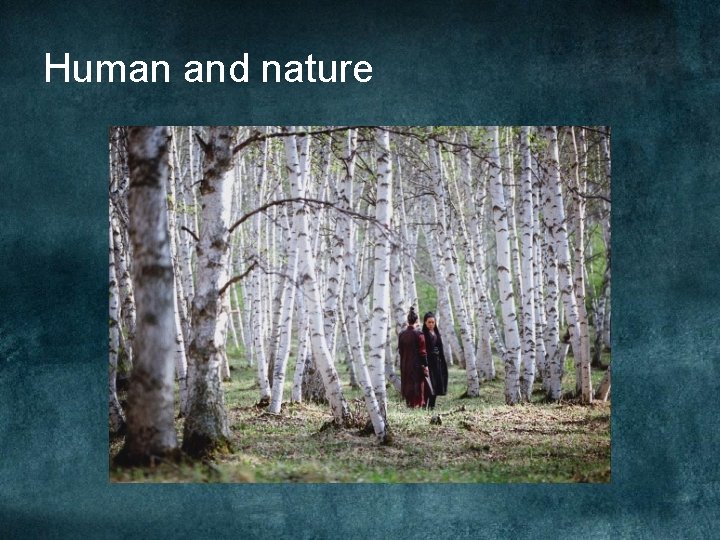
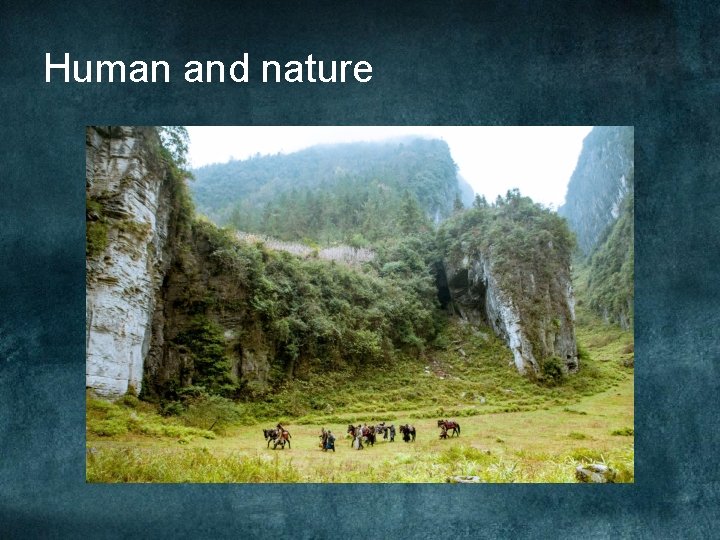
A tale about Tang dynasty • A bygone time and a feel of nostalgia – rituals performed to perfection – immersion between human and nature – code of honor • A poeticism inspired by classical painting – negative space – the tranquil beauty of silence
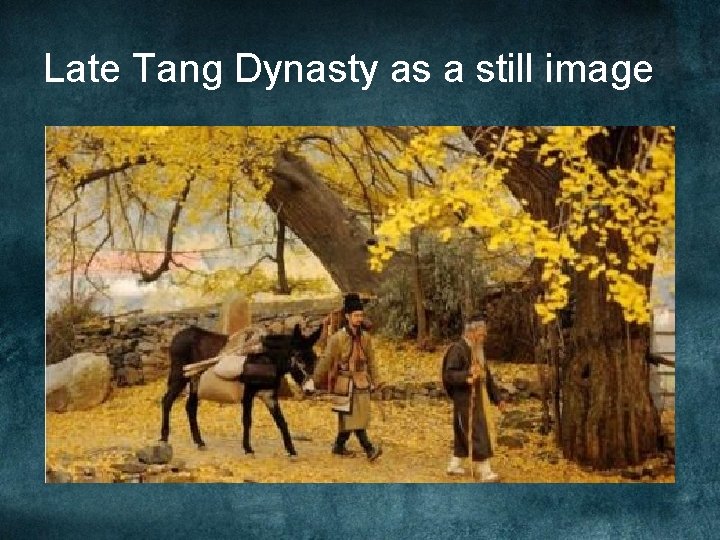
Late Tang Dynasty as a still image
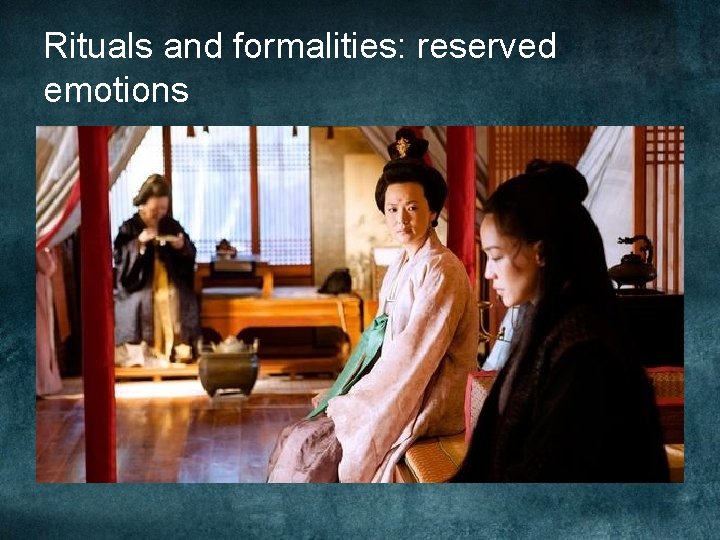
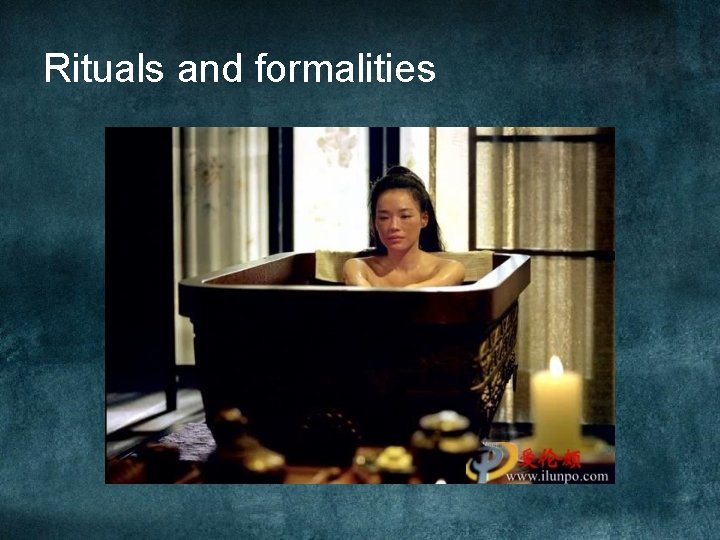
Rituals and formalities: reserved emotions
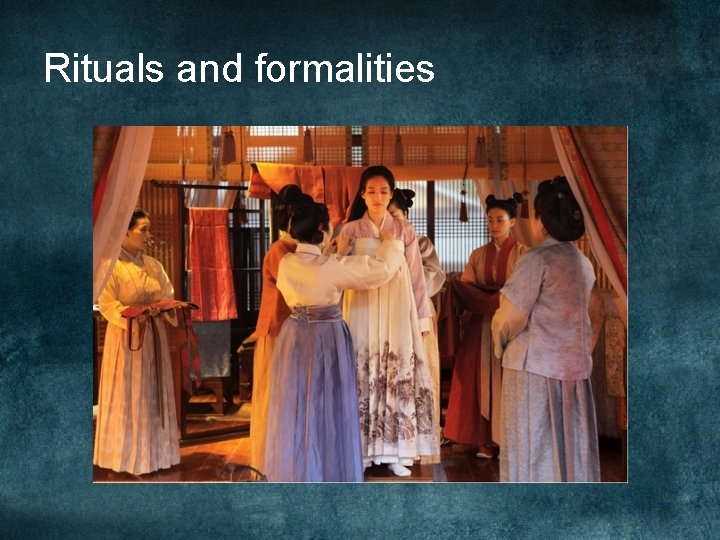
Rituals and formalities
Rituals and formalities
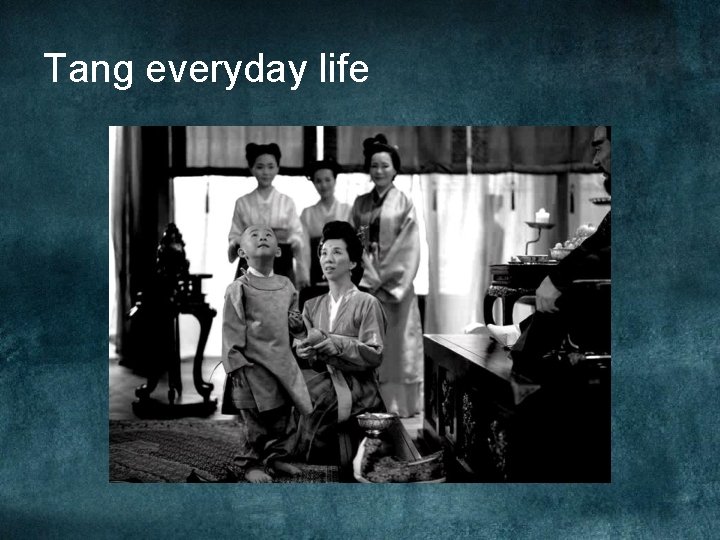
Tang everyday life
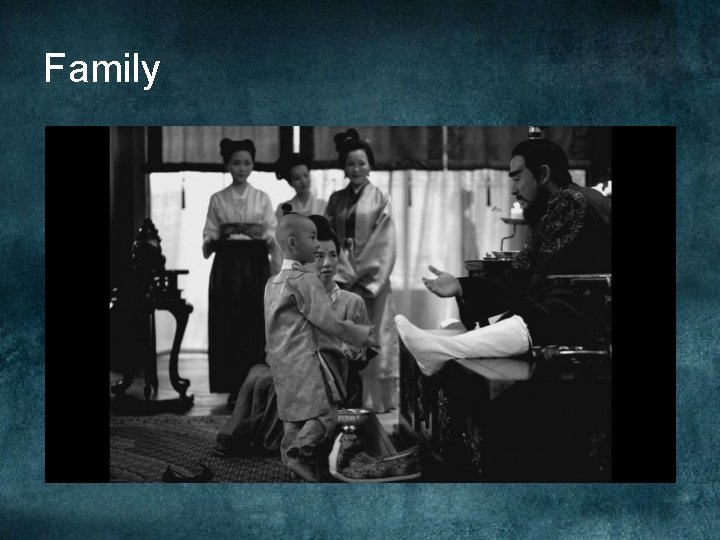
Family
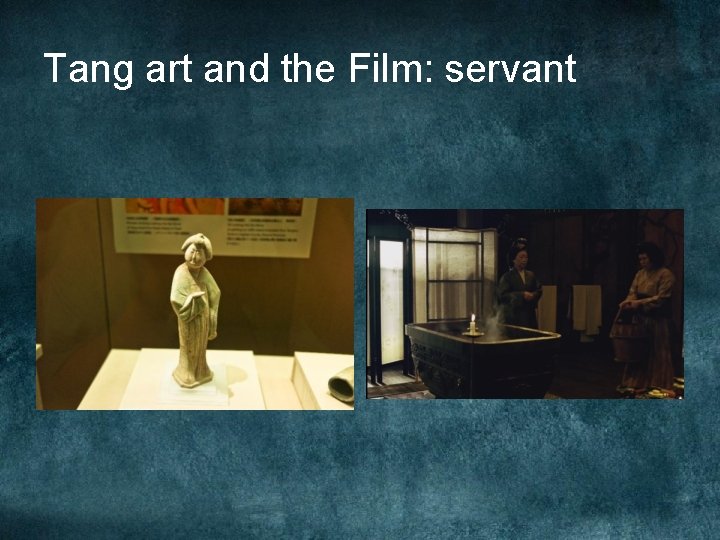
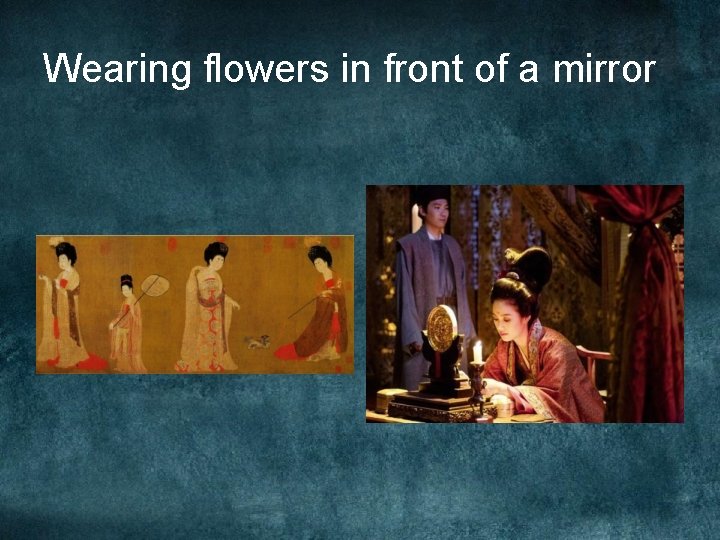
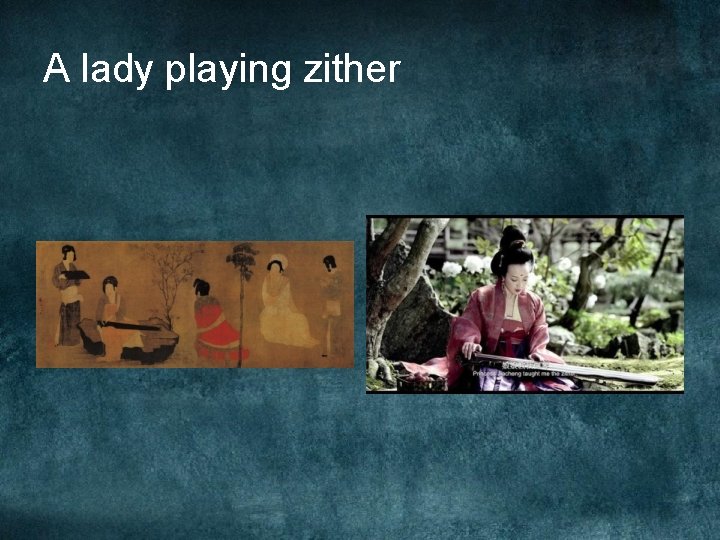
Tang art and the Film: servant
Wearing flowers in front of a mirror
A lady playing zither
Human and nature
Human and nature
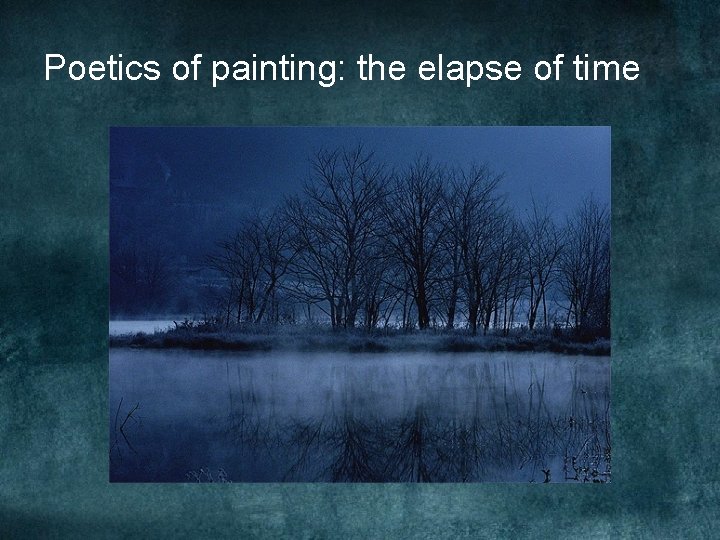
Poetics of painting: the elapse of time
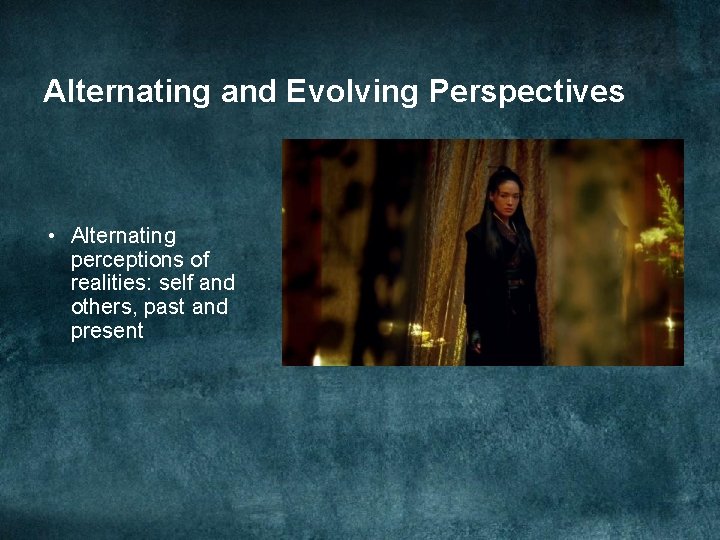
Alternating and Evolving Perspectives • Alternating perceptions of realities: self and others, past and present
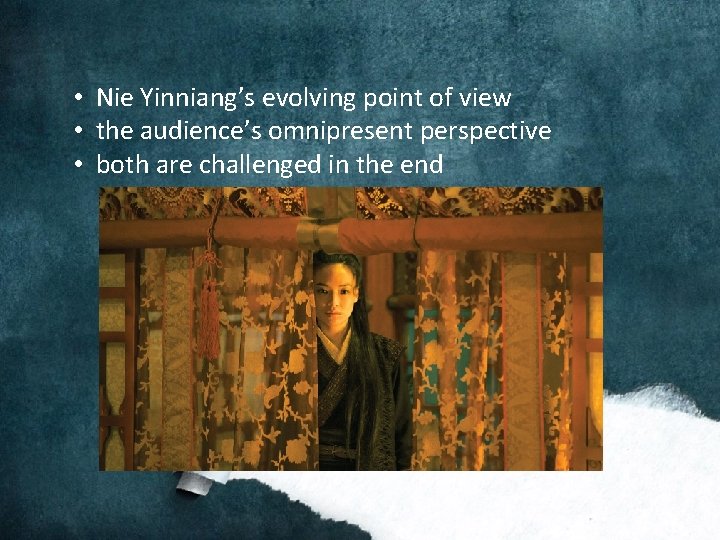
• Nie Yinniang’s evolving point of view • the audience’s omnipresent perspective • both are challenged in the end
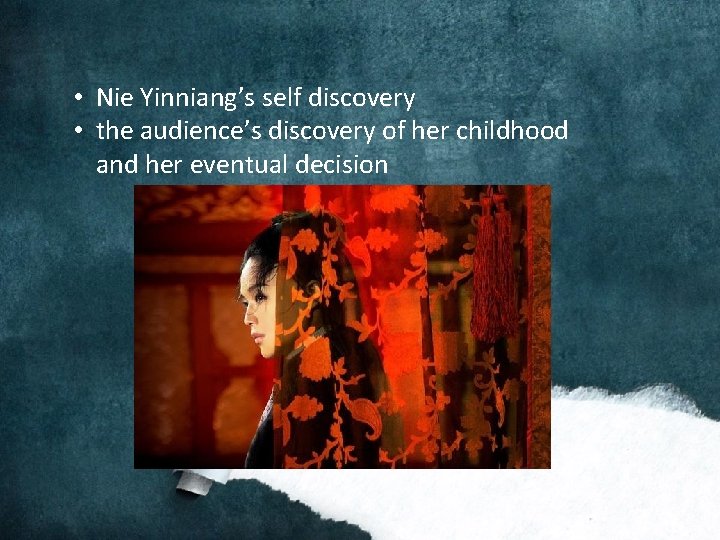
• Nie Yinniang’s self discovery • the audience’s discovery of her childhood and her eventual decision
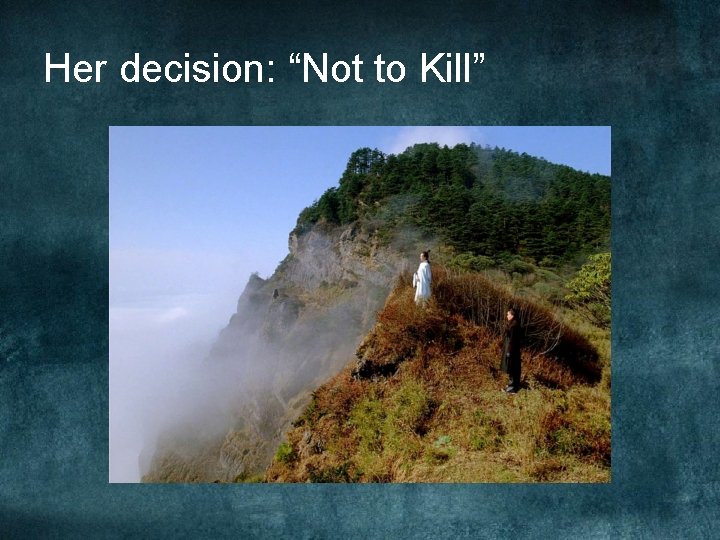
Her decision: “Not to Kill”
• A tale about the miraculous and the magical change into a modern recount of humanism • When Nie Yinniang rejects her master’s order, she also overturns a storyline predetermined by a different temporality
Thesis • The film creates a space-time in the construct of Asia as a global locality that transcends geographical and temporal boundaries and reaches for universalistic appeal.
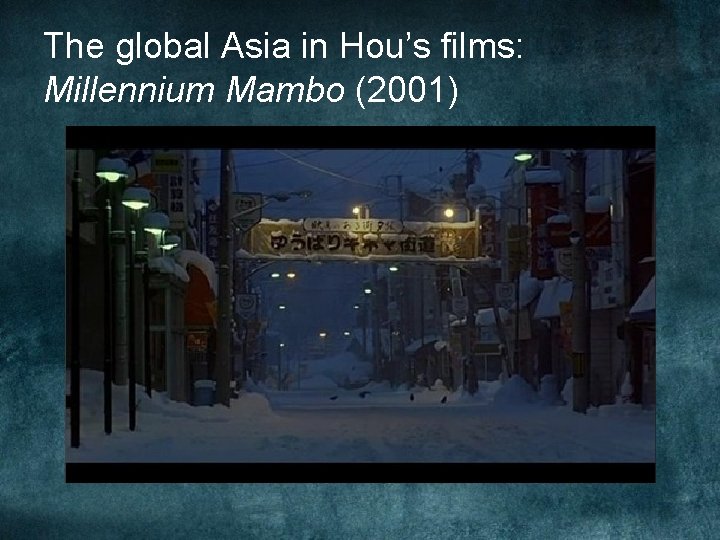
Global Asia: past and present • The mirror polisher played by Satoshi Tsumabuki came from Japan • At the end of the story, Nie Yinniang and the mirror polisher went to Silla (one of the Three Kingdoms of Korea, 57 BC-935 AD)
The global Asia in Hou’s films: Millennium Mambo (2001)
Film as the universalistic • between the medieval and the modern – Formalism, aestheticism, poeticism to retrieve the exquisite life of late Tang—historical accuracy – Thematic modification: no killing, sympathy, humane motive, rebellion about her master and become a helper
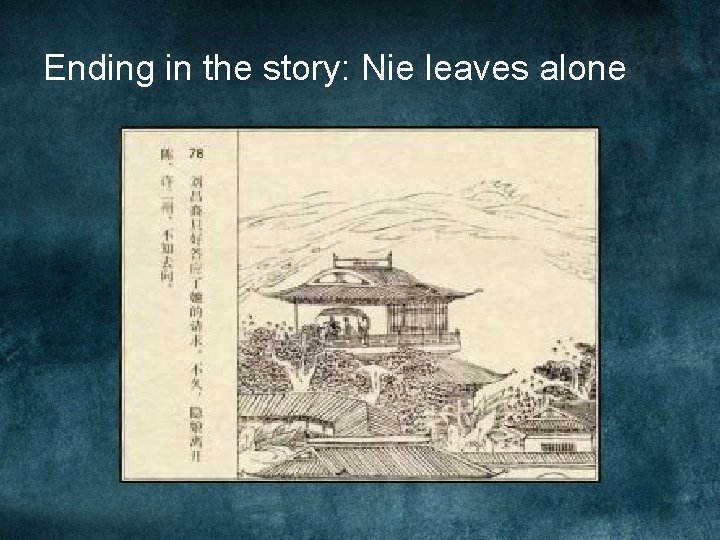
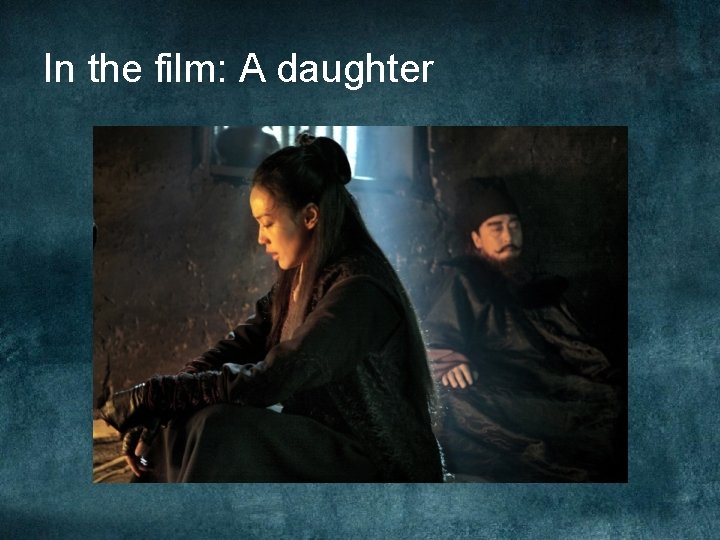
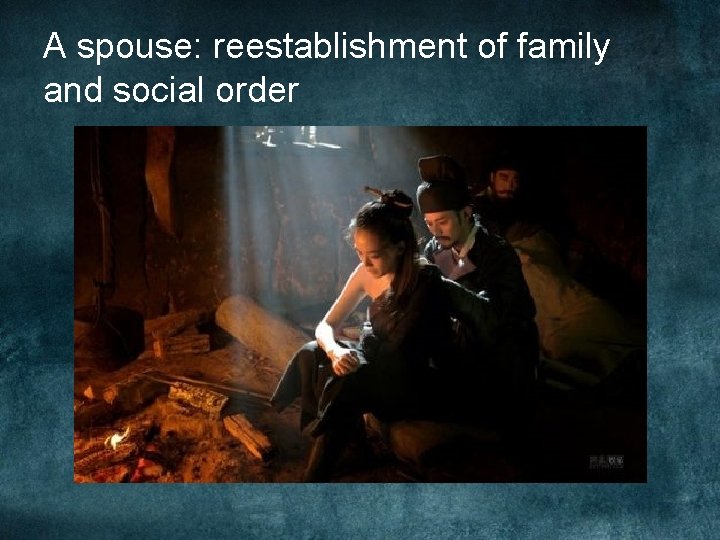
Universalistic, or not? Dissimilar values • the original story • the film – The miraculous and – the humanistic • Between solitude and mysterious • one person, without peer, unmatchable skills • the wondrous, the inhuman, a strange woman who is resolute, reclusive, and evading compassion • Become a rescuer who maintains social order • Return to a peaceful country life
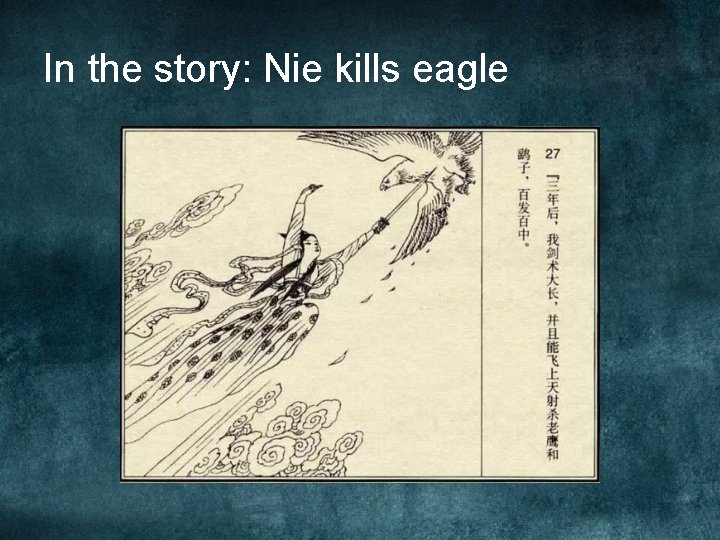
In the story: Nie kills eagle
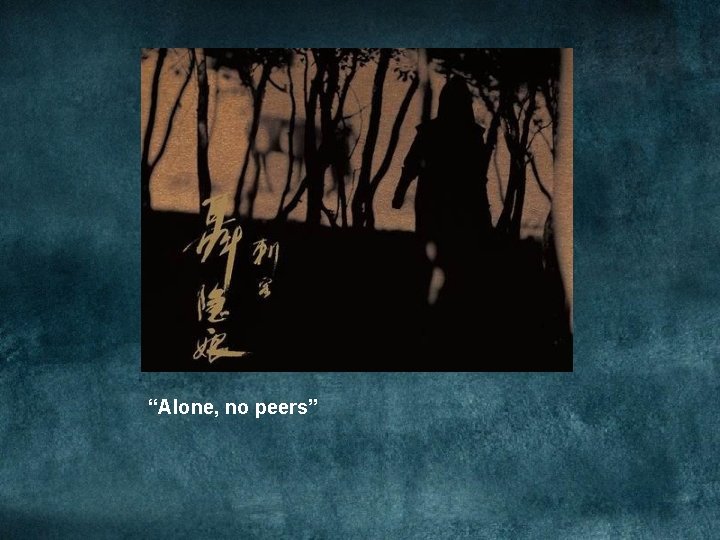
Ending in the story: Nie leaves alone
In the film: A daughter
A spouse: reestablishment of family and social order
Film criticisms • enigmatic, mesmerizing, puzzling – “part and parcel with its conception of a world of gestures and values so absolute as to be nearly unknowable. ” (Ignatiy Vishnevetsky) • confusing – “these mysteries seem pointlessly and frustratingly obtuse, …not enough is done to bring the characters to life” (Sarah Cronin)
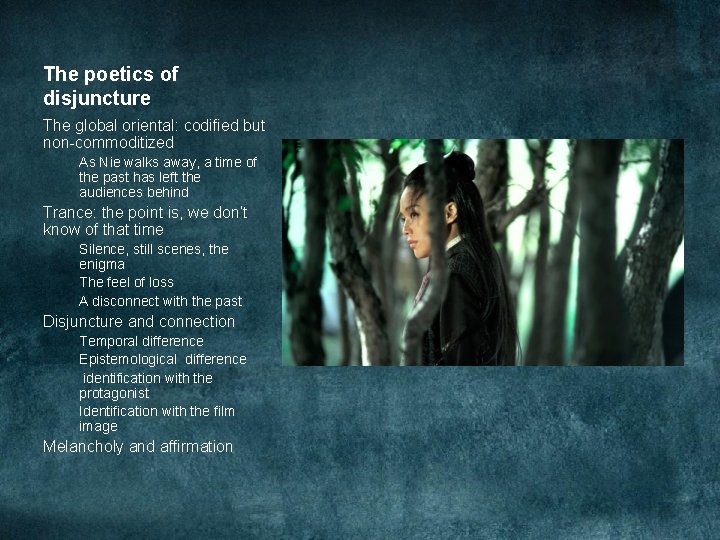
The poetics of disjuncture The global oriental: codified but non-commoditized As Nie walks away, a time of the past has left the audiences behind Trance: the point is, we don’t know of that time Silence, still scenes, the enigma The feel of loss A disconnect with the past Disjuncture and connection Temporal difference Epistemological difference identification with the protagonist Identification with the film image Melancholy and affirmation
“Alone, no peers”