
A Visual Guide to Structure Based on Tim
A Visual Guide to Structure Based on Tim Bascom’s “Picturing the Personal Essay” https: //www. creativenonfiction. org/online-reading/picturing-personal-essay-visual-guide
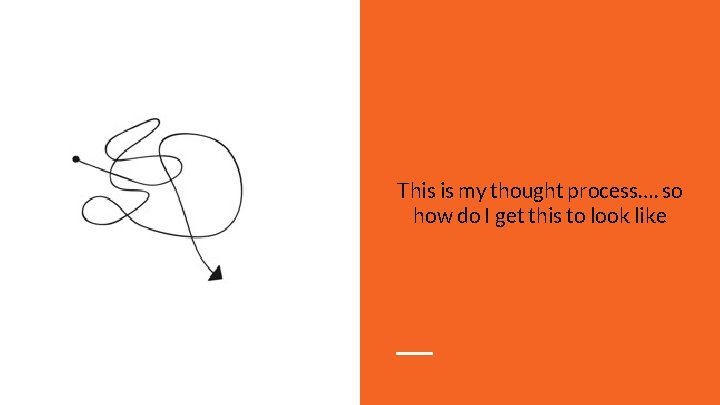
This is my thought process…. so how do I get this to look like
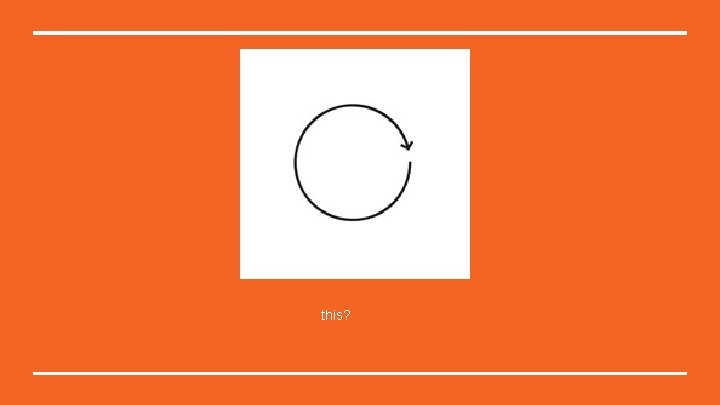
this?
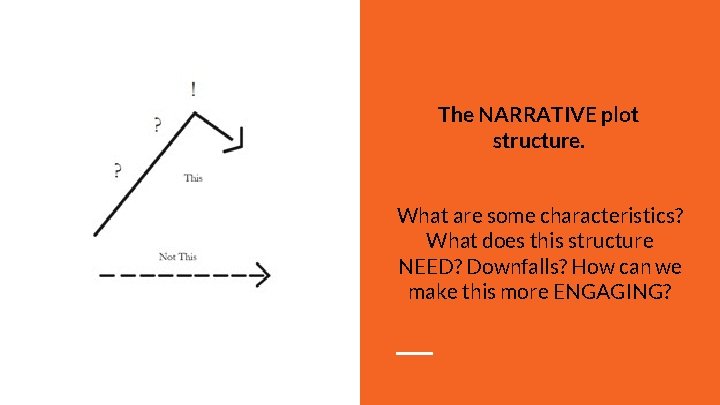
The NARRATIVE plot structure. What are some characteristics? What does this structure NEED? Downfalls? How can we make this more ENGAGING?
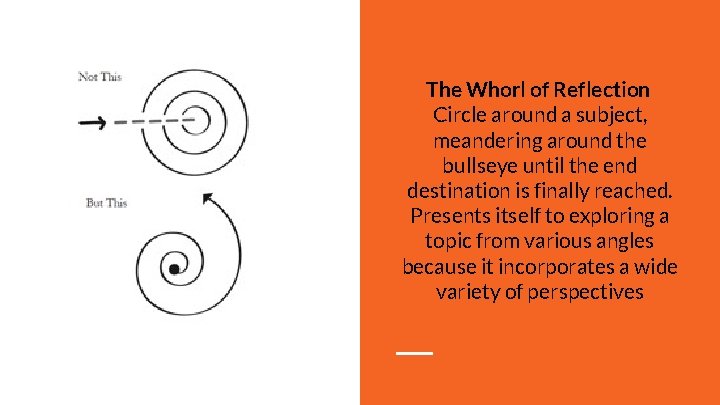
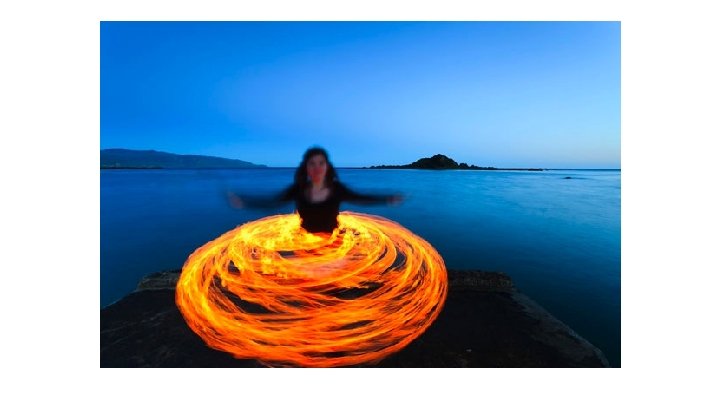
The Whorl of Reflection Circle around a subject, meandering around the bullseye until the end destination is finally reached. Presents itself to exploring a topic from various angles because it incorporates a wide variety of perspectives
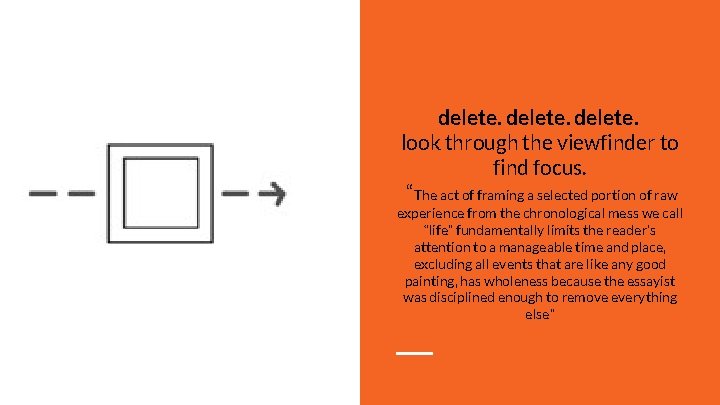
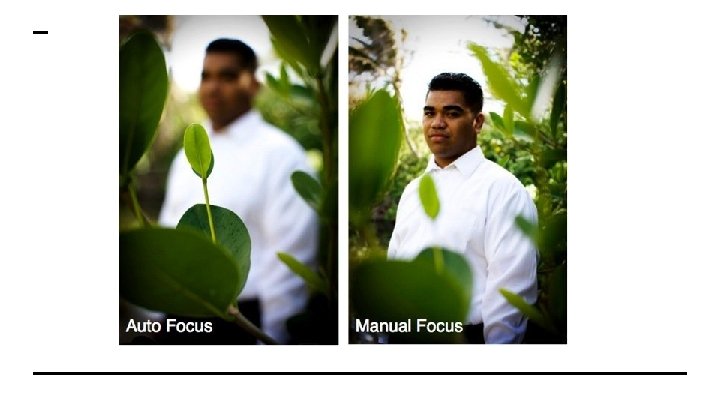
delete. look through the viewfinder to find focus. “The act of framing a selected portion of raw experience from the chronological mess we call “life” fundamentally limits the reader’s attention to a manageable time and place, excluding all events that are like any good painting, has wholeness because the essayist was disciplined enough to remove everything else”

What does this mean when we talk about place?
anthropocentric regarding humankind as the central or most important element of existence, especially as opposed to the natural world
ecocentric perspective that places intrinsic value on all living organisms and their environments- regardless of their usefulness or value to humans
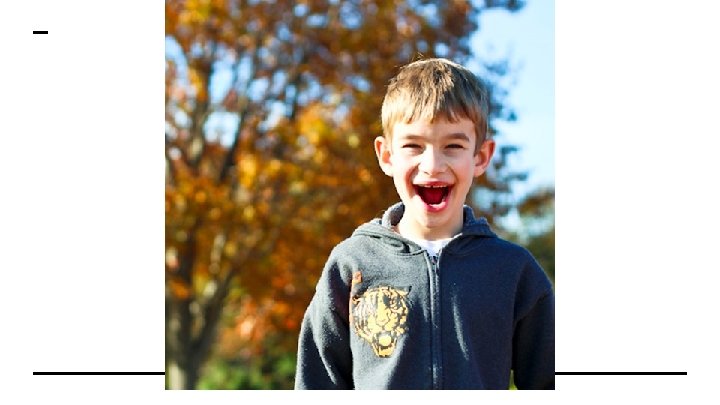
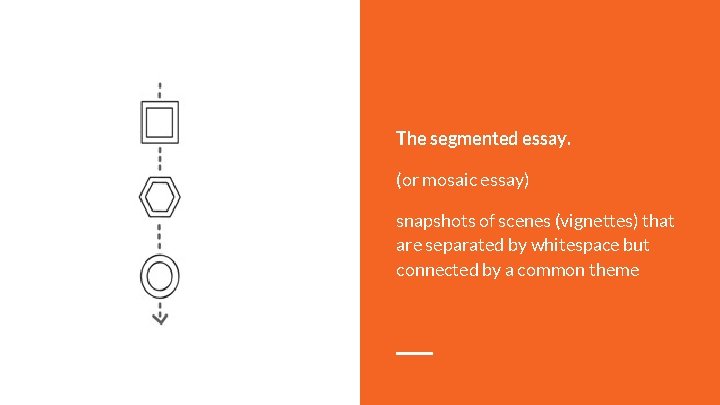
The segmented essay. (or mosaic essay) snapshots of scenes (vignettes) that are separated by whitespace but connected by a common theme
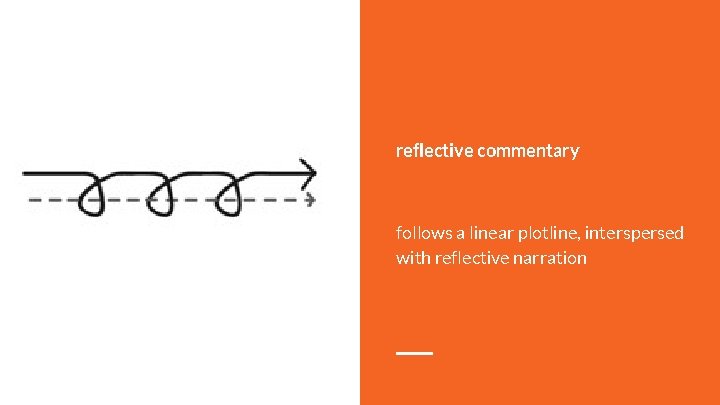
reflective commentary follows a linear plotline, interspersed with reflective narration
all essays must end… but how?
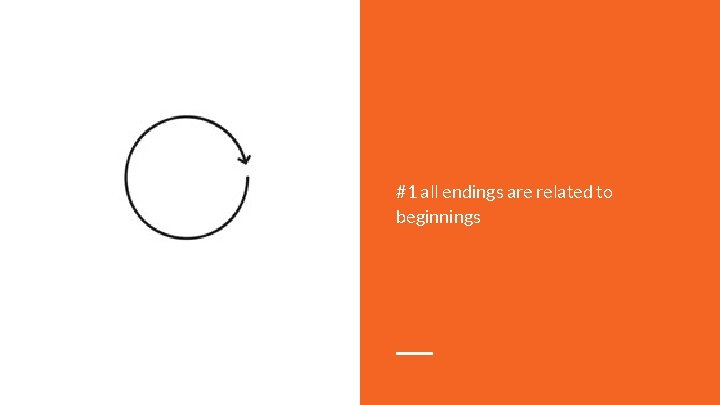
#1 all endings are related to beginnings
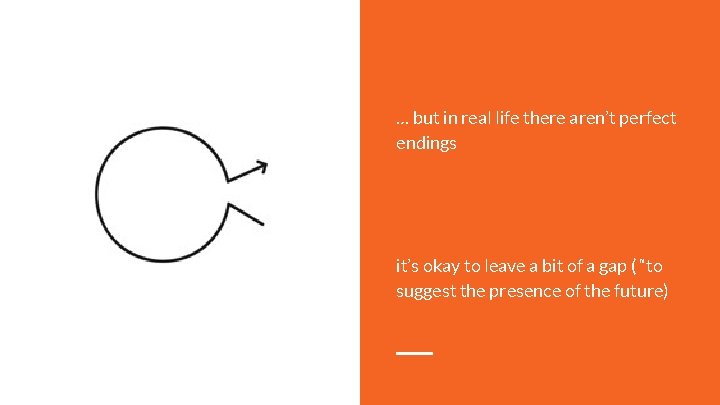
… but in real life there aren’t perfect endings it’s okay to leave a bit of a gap ( “to suggest the presence of the future)
- Slides: 18