
A unifying explanation of the aortic pulse waveform


- Slides: 59
A unifying explanation of the aortic pulse waveform in humans Dr Justin Davies International Centre for Circulatory Health Imperial College & St Mary’s Hospital
A unifying explanation of the aortic pulse waveform in humans Dr Justin Davies International Centre for Circulatory Health Imperial College & St Mary’s Hospital No conflicts of interest to declare
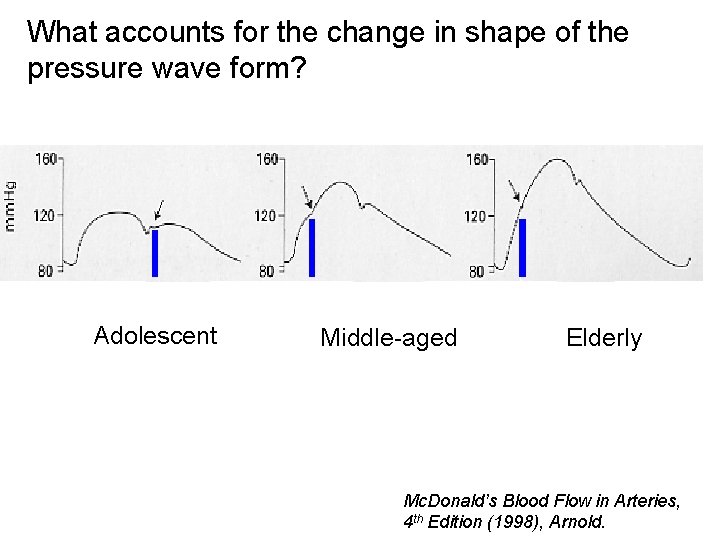
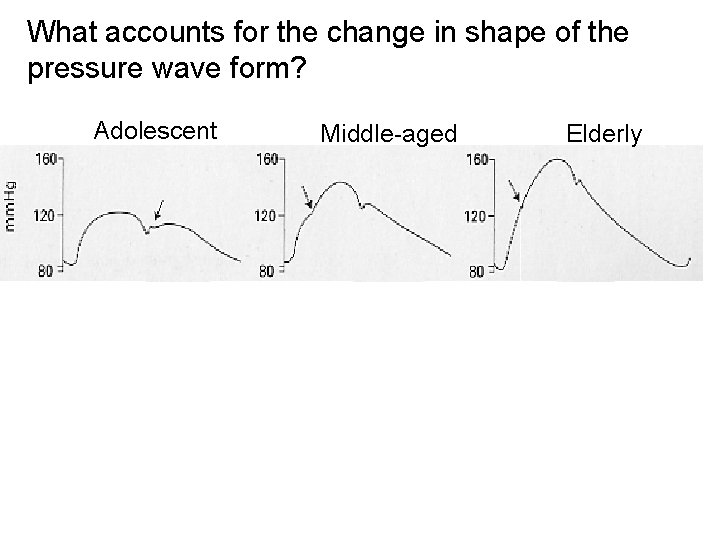
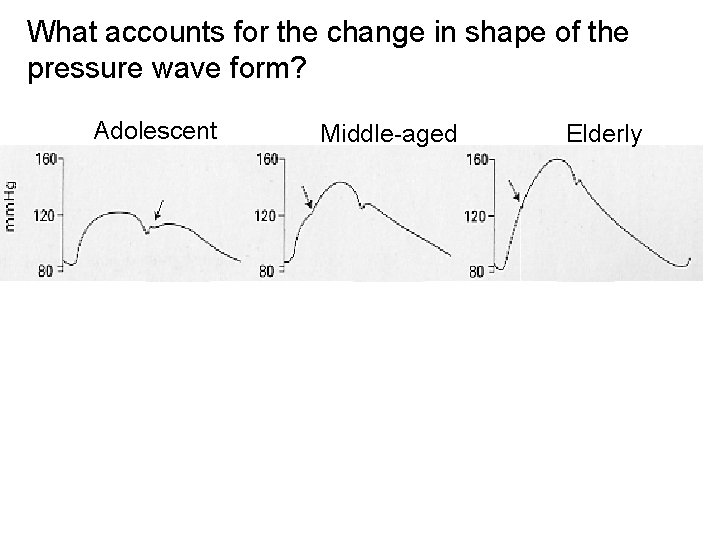
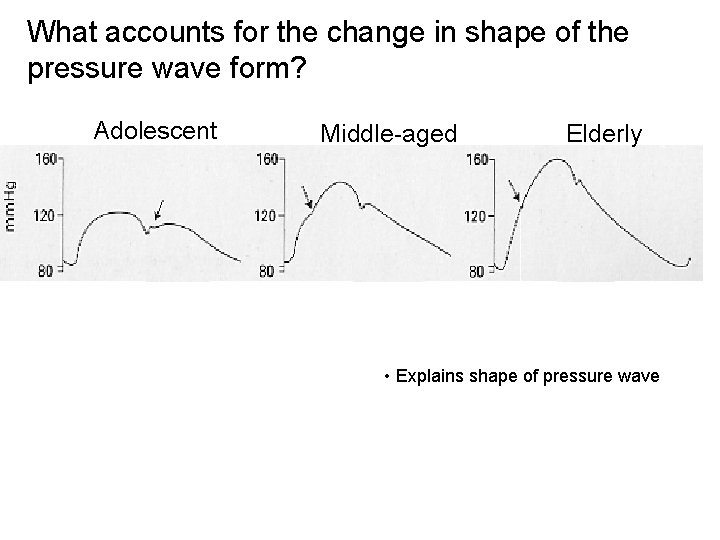
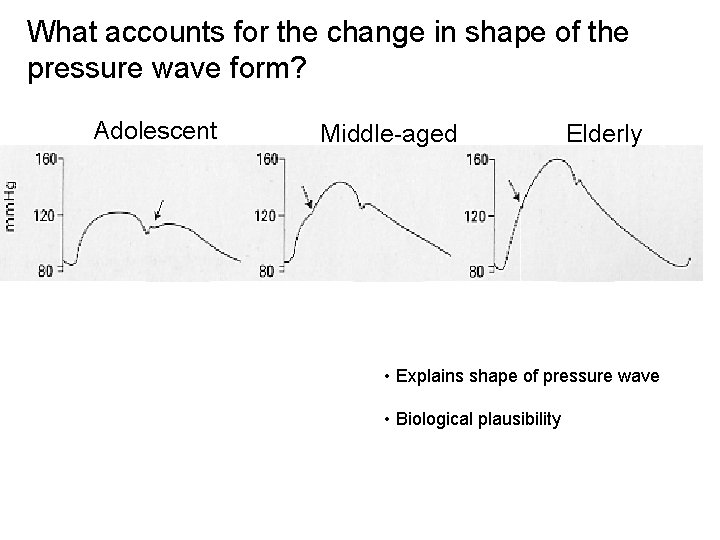
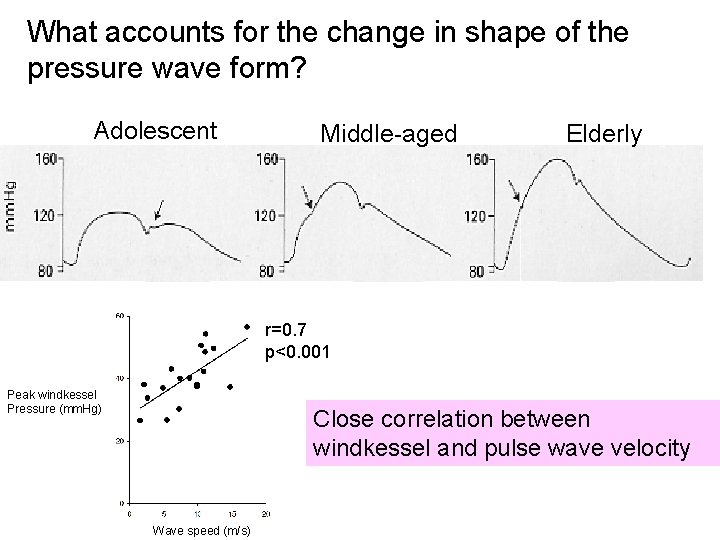
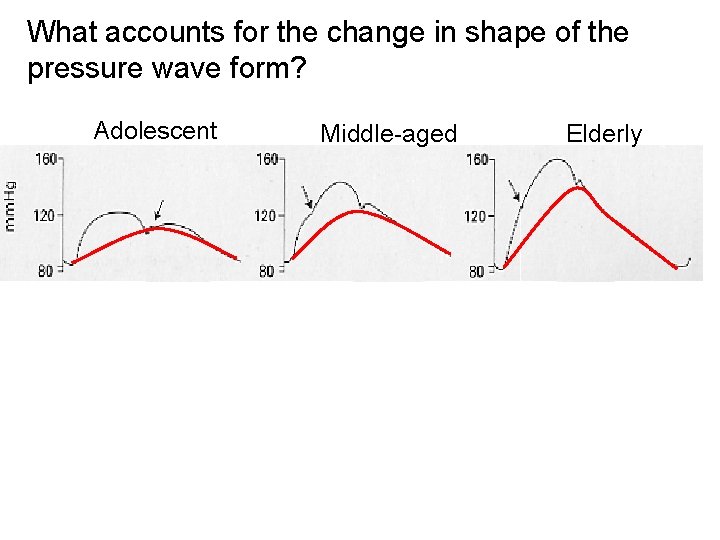
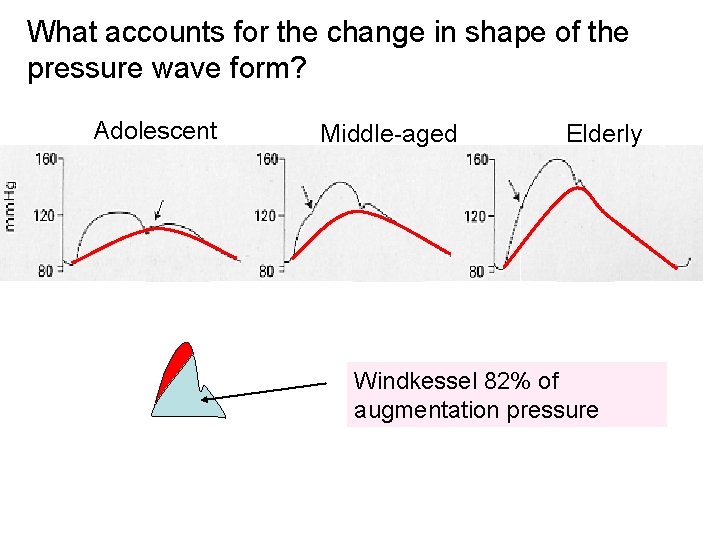
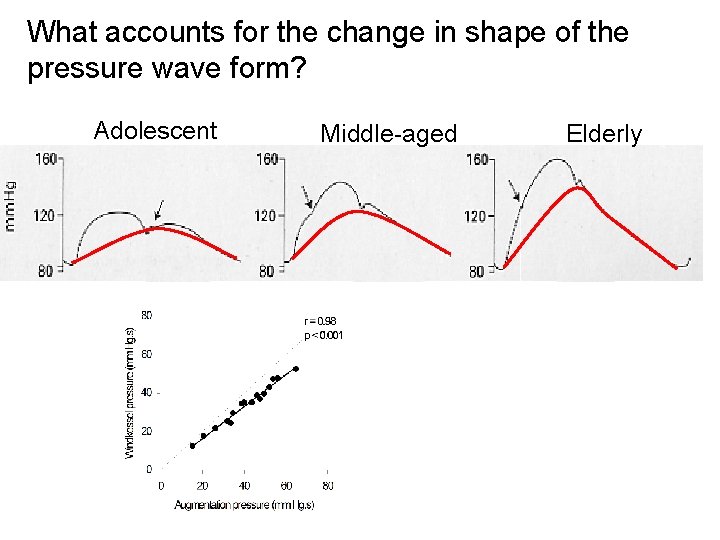
What accounts for the change in shape of the pressure wave form? Adolescent Middle-aged Elderly Mc. Donald’s Blood Flow in Arteries, 4 th Edition (1998), Arnold.
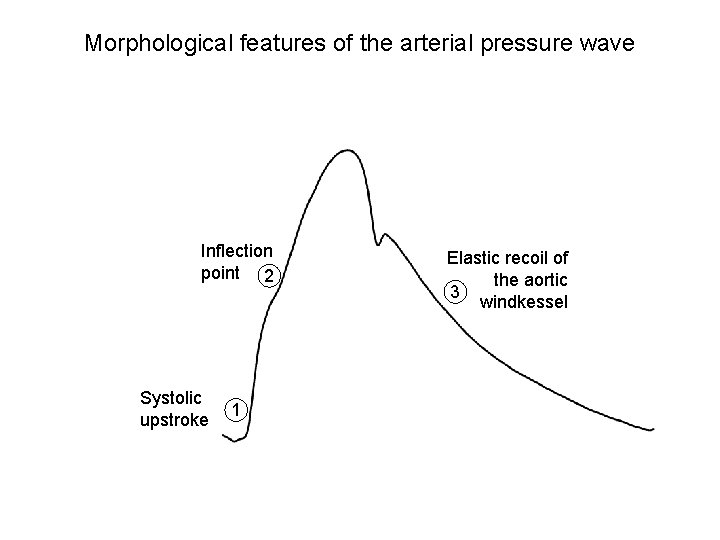
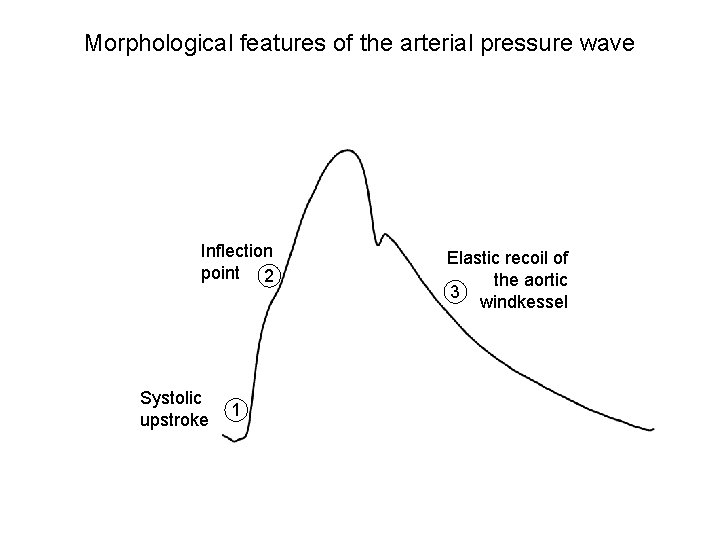
Morphological features of the arterial pressure wave Inflection point 2 Systolic upstroke 1 Elastic recoil of the aortic 3 windkessel
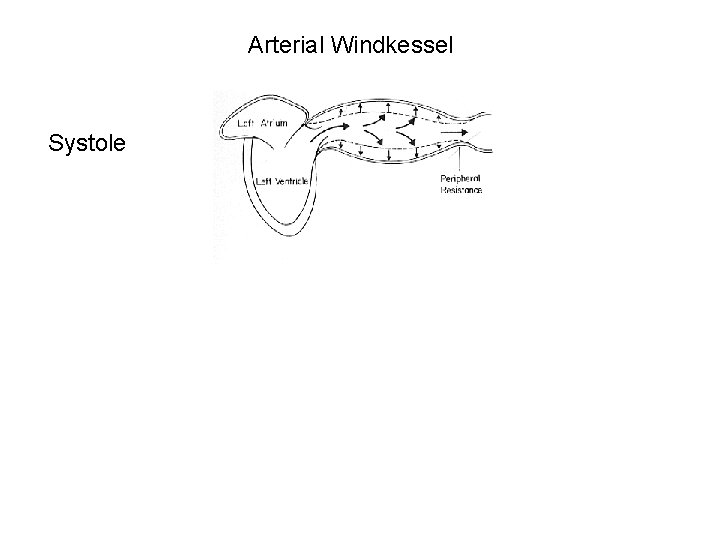
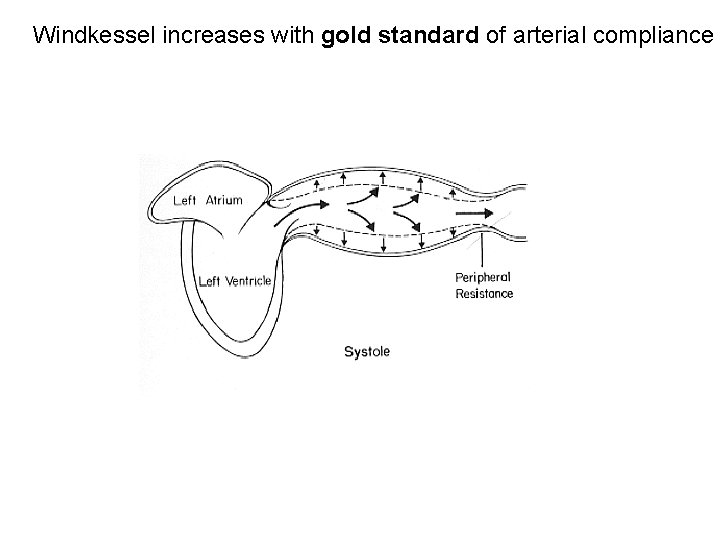
Arterial Windkessel Systole
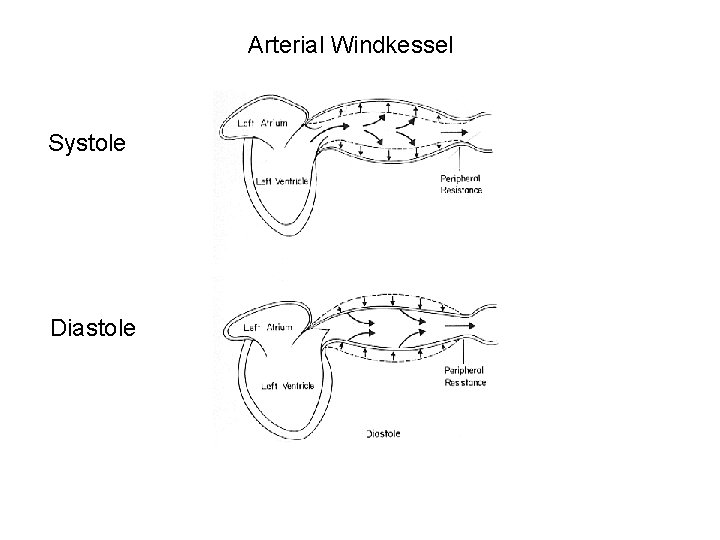
Arterial Windkessel Systole Diastole
Morphological features of the arterial pressure wave Inflection point 2 Systolic upstroke 1 Elastic recoil of the aortic 3 windkessel
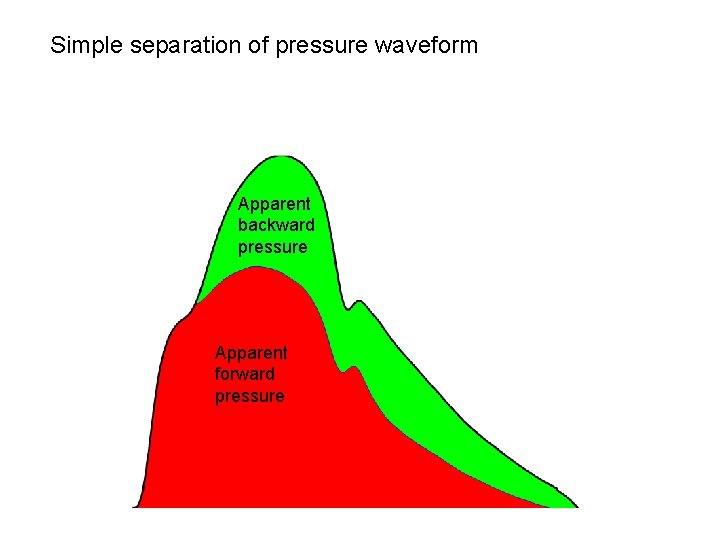
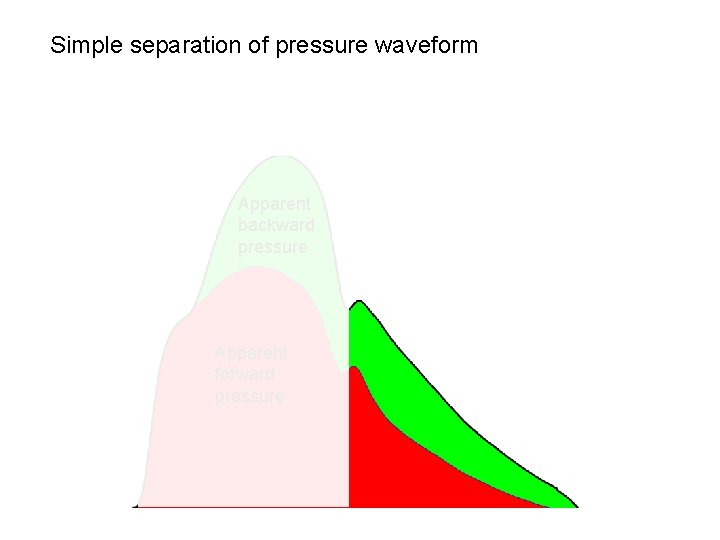
Simple separation of pressure waveform Apparent backward pressure Apparent forward pressure
Simple separation of pressure waveform Apparent backward pressure Apparent forward pressure
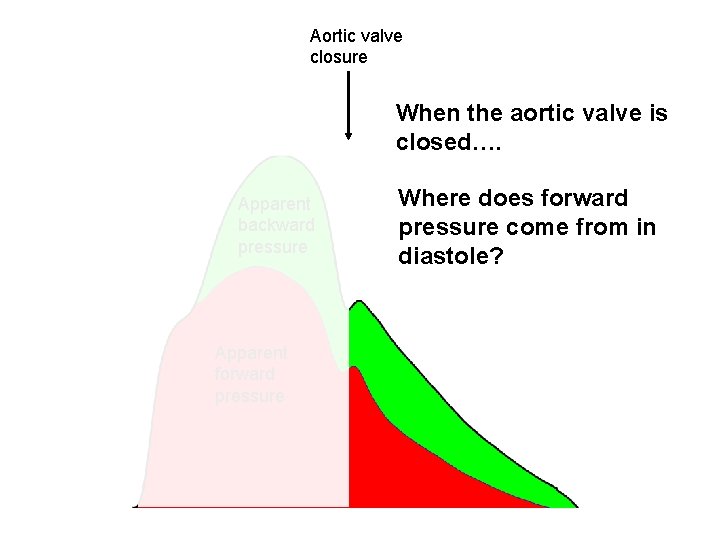
Aortic valve closure When the aortic valve is closed…. Apparent backward pressure Apparent forward pressure Where does forward pressure come from in diastole?
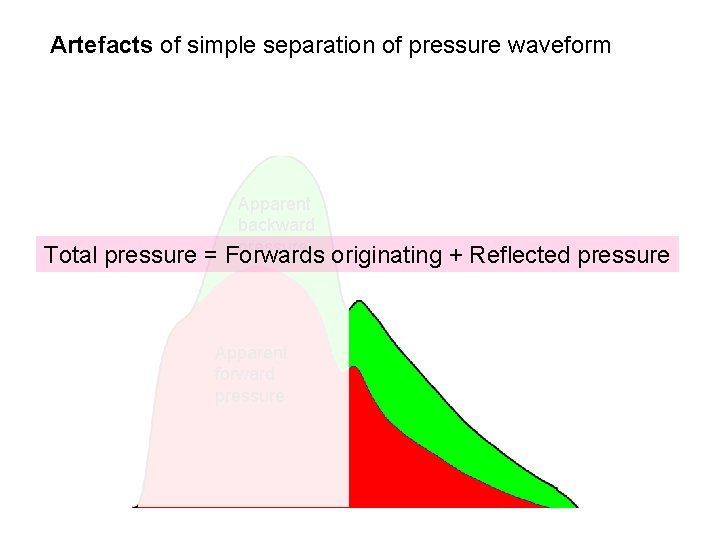
Artefacts of simple separation of pressure waveform Apparent backward pressure Total pressure = Forwards originating + Reflected pressure Apparent forward pressure
Study Aims
Study Aims 1. Use the combined windkessel-separation technique to explain the arterial pressure waveform
Study Aims 1. Use the combined windkessel-separation technique to explain the arterial pressure waveform 2. Assess the relative contributions forward and backward pressure and the arterial windkessel make to augmentation pressure
Study Aims 1. Use the combined windkessel-separation technique to explain the arterial pressure waveform 2. Assess the relative contributions forward and backward pressure and the arterial windkessel make to augmentation pressure 3. Assess how the arterial windkessel relates to pulse wave velocity
Study Design
Study Design Subjects undergoing diagnostic coronary angiography
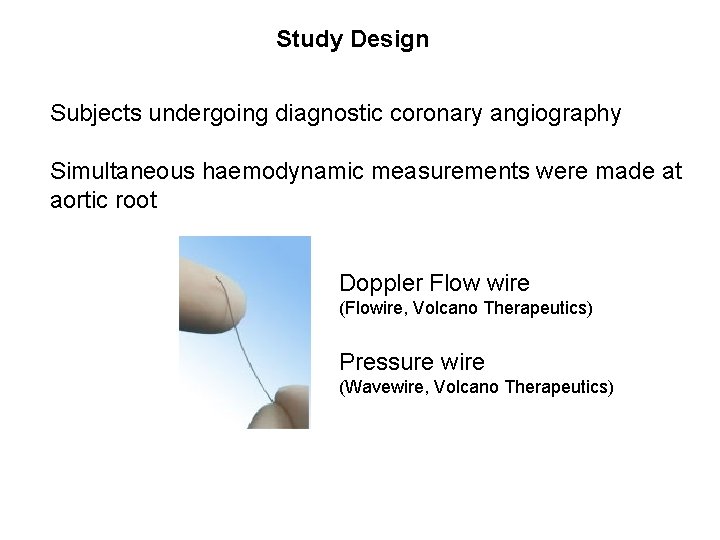
Study Design Subjects undergoing diagnostic coronary angiography Simultaneous haemodynamic measurements were made at aortic root Doppler Flow wire (Flowire, Volcano Therapeutics) Pressure wire (Wavewire, Volcano Therapeutics)
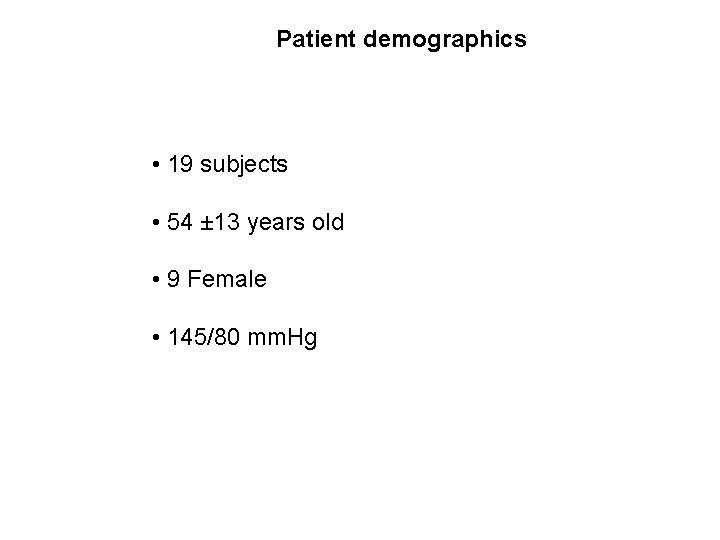
Patient demographics • 19 subjects • 54 ± 13 years old • 9 Female • 145/80 mm. Hg
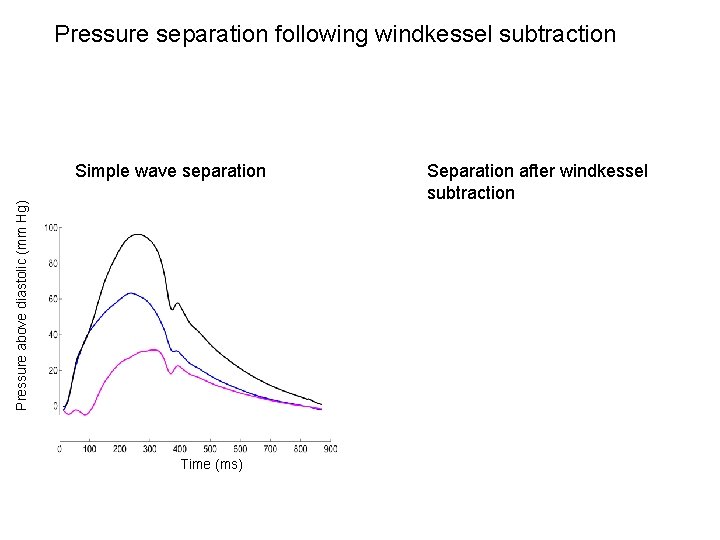
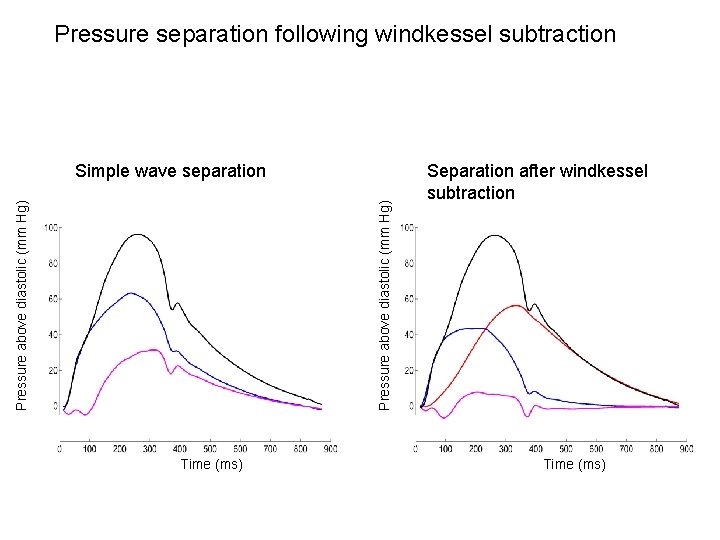
Pressure separation following windkessel subtraction Pressure above diastolic (mm Hg) Simple wave separation Time (ms)
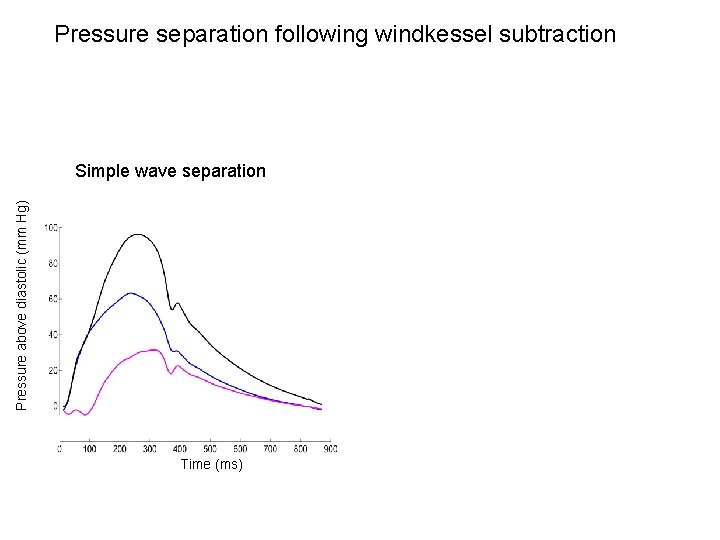
Pressure separation following windkessel subtraction Pressure above diastolic (mm Hg) Simple wave separation Time (ms)
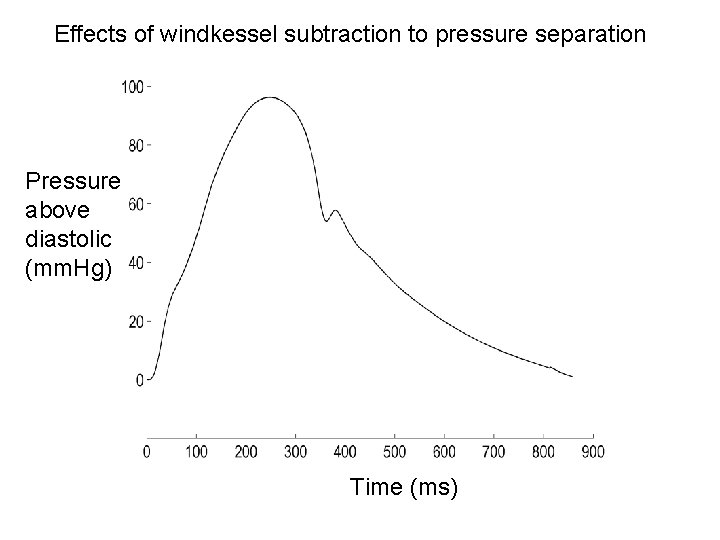
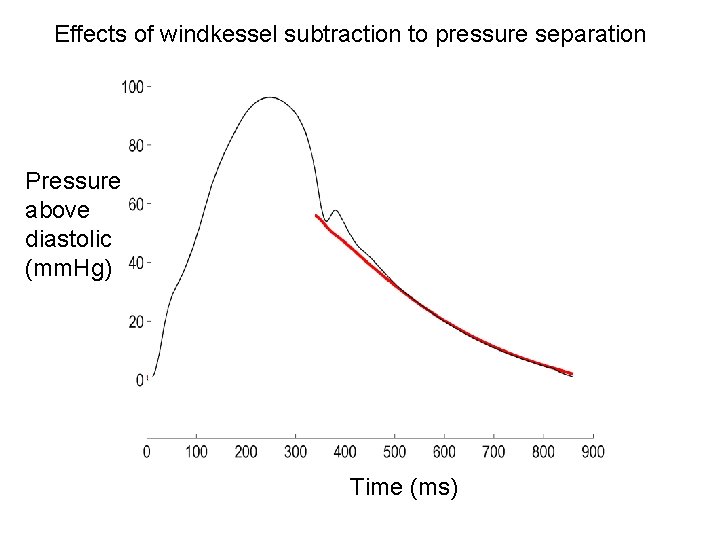
Effects of windkessel subtraction to pressure separation Pressure above diastolic (mm. Hg) Time (ms)
Effects of windkessel subtraction to pressure separation Pressure above diastolic (mm. Hg) Time (ms)
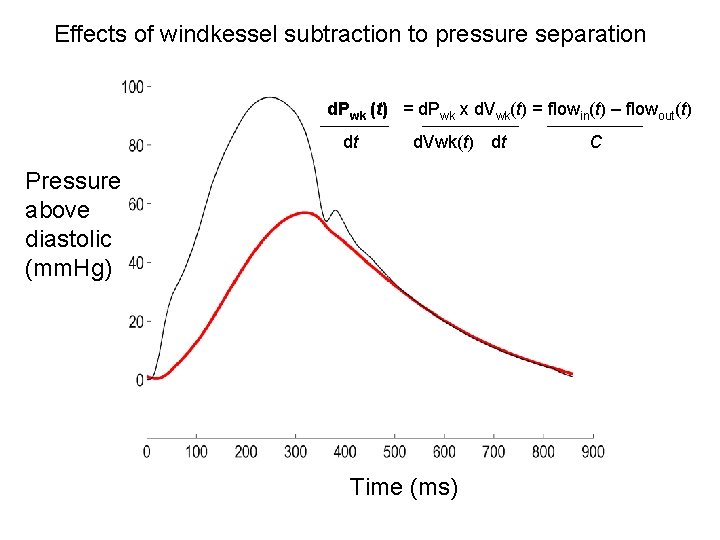
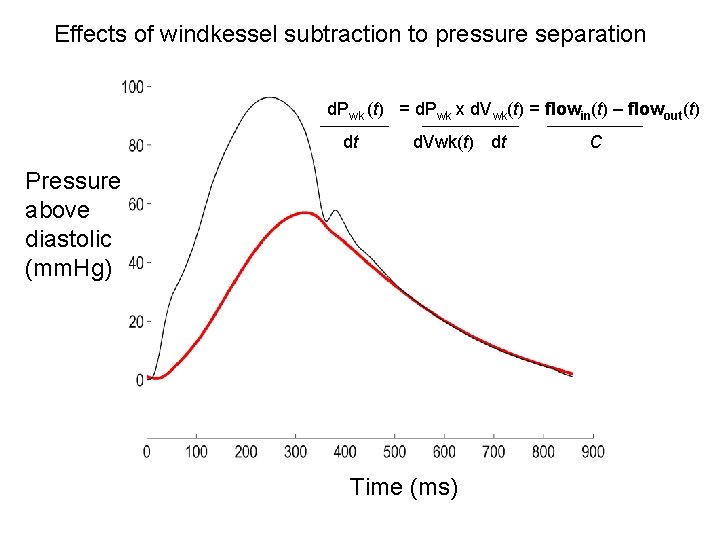
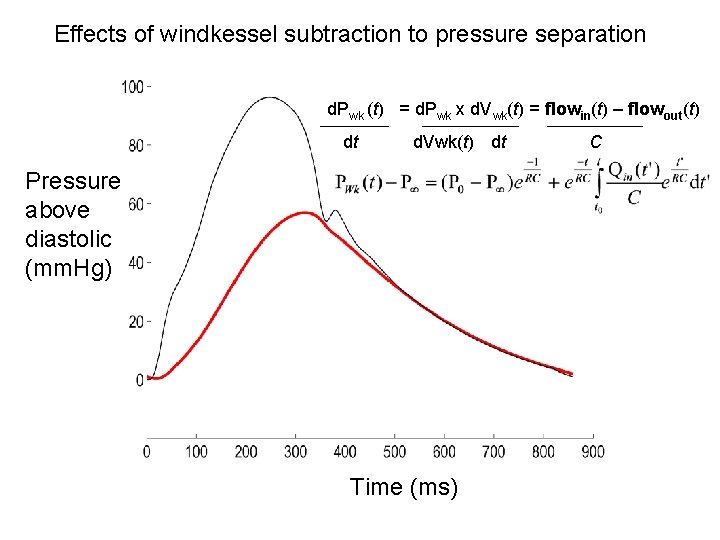
Effects of windkessel subtraction to pressure separation d. Pwk (t) = d. Pwk x d. Vwk(t) = flowin(t) – flowout(t) dt d. Vwk(t) dt Pressure above diastolic (mm. Hg) Time (ms) C
Effects of windkessel subtraction to pressure separation d. Pwk (t) = d. Pwk x d. Vwk(t) = flowin(t) – flowout(t) dt d. Vwk(t) dt Pressure above diastolic (mm. Hg) Time (ms) C
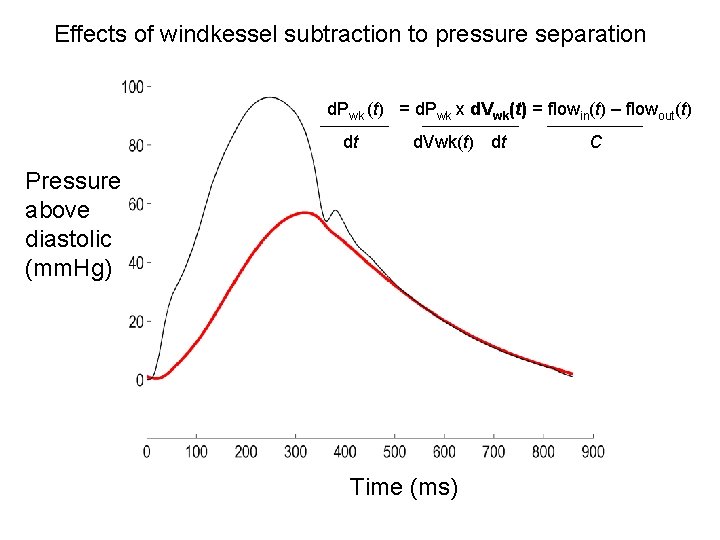
Effects of windkessel subtraction to pressure separation d. Pwk (t) = d. Pwk x d. Vwk(t) = flowin(t) – flowout(t) dt d. Vwk(t) dt Pressure above diastolic (mm. Hg) Time (ms) C
Effects of windkessel subtraction to pressure separation d. Pwk (t) = d. Pwk x d. Vwk(t) = flowin(t) – flowout(t) dt d. Vwk(t) dt Pressure above diastolic (mm. Hg) Time (ms) C
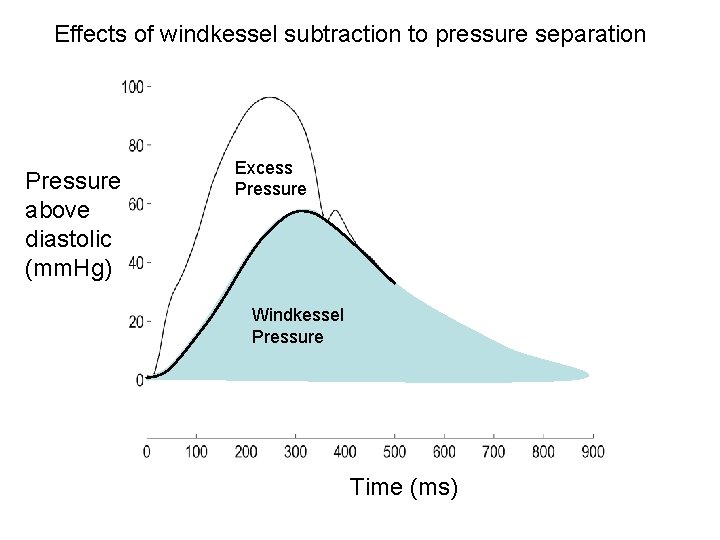
Effects of windkessel subtraction to pressure separation Pressure above diastolic (mm. Hg) Excess Pressure Windkessel Pressure Time (ms)
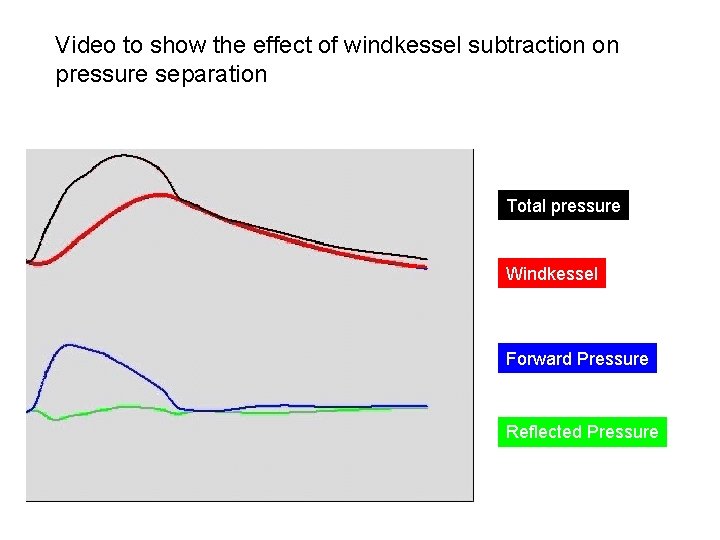
Pressure separation following windkessel subtraction Pressure above diastolic (mm Hg) Simple wave separation Time (ms) Separation after windkessel subtraction
Pressure separation following windkessel subtraction Pressure above diastolic (mm Hg) Simple wave separation Time (ms) Separation after windkessel subtraction Time (ms)
Contributors to augmentation pressure
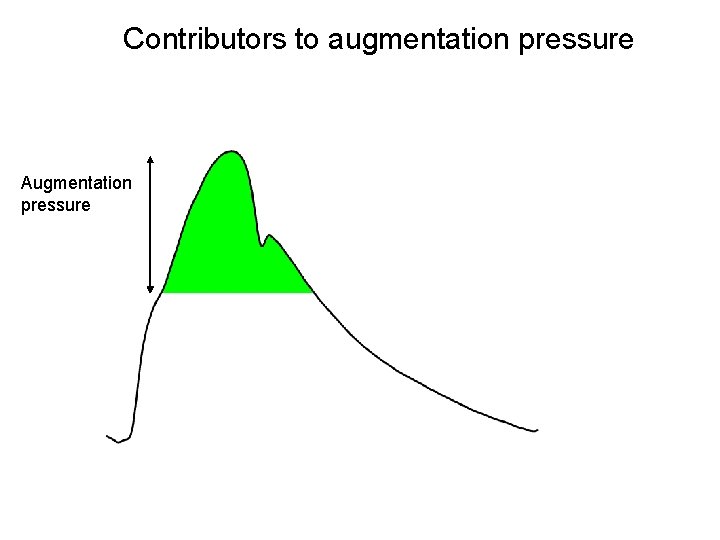
Contributors to augmentation pressure Augmentation pressure
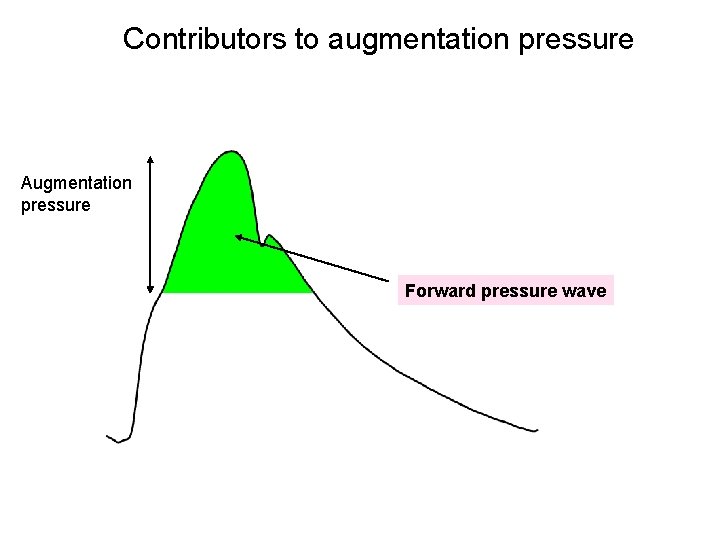
Contributors to augmentation pressure Augmentation pressure Forward pressure wave
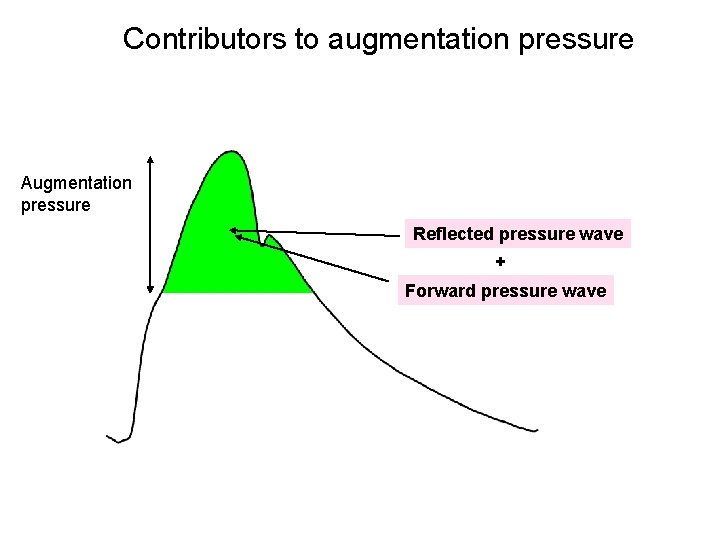
Contributors to augmentation pressure Augmentation pressure Reflected pressure wave + Forward pressure wave
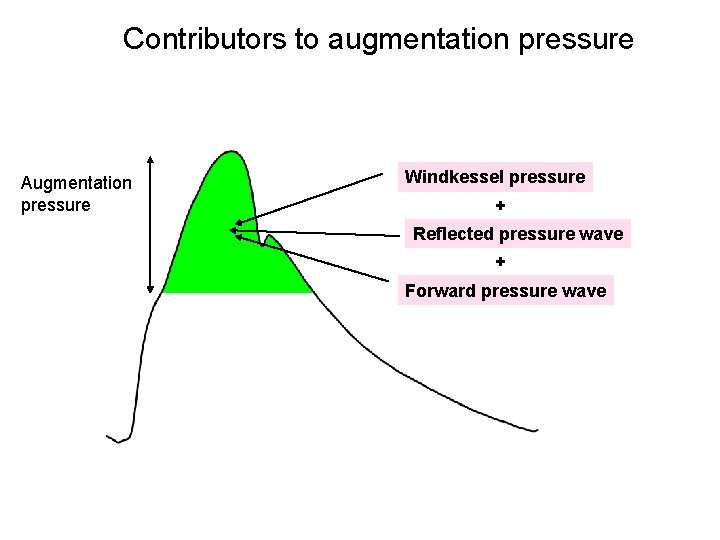
Contributors to augmentation pressure Augmentation pressure Windkessel pressure + Reflected pressure wave + Forward pressure wave
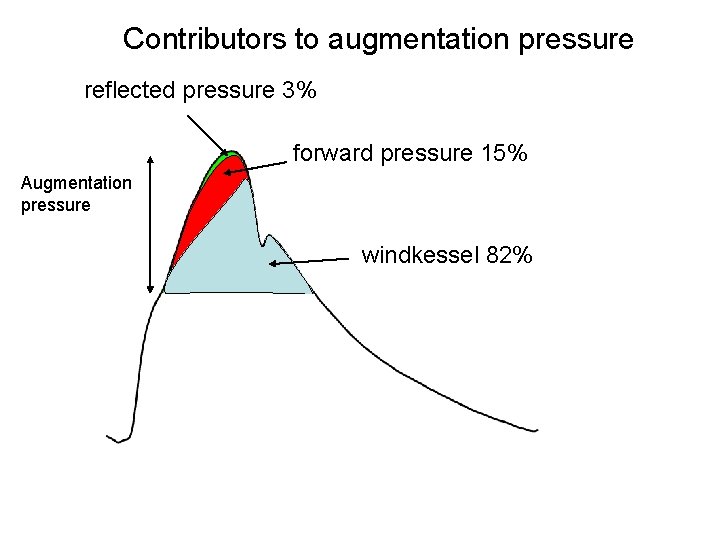
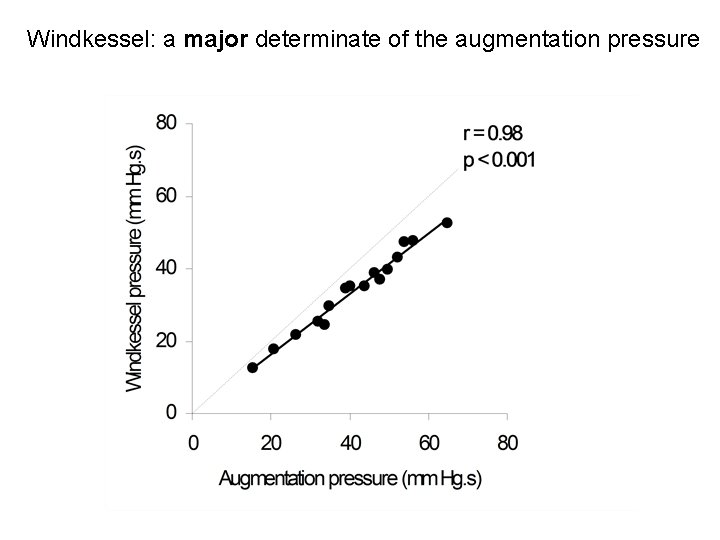
Contributors to augmentation pressure reflected pressure 3% forward pressure 15% Augmentation pressure windkessel 82%
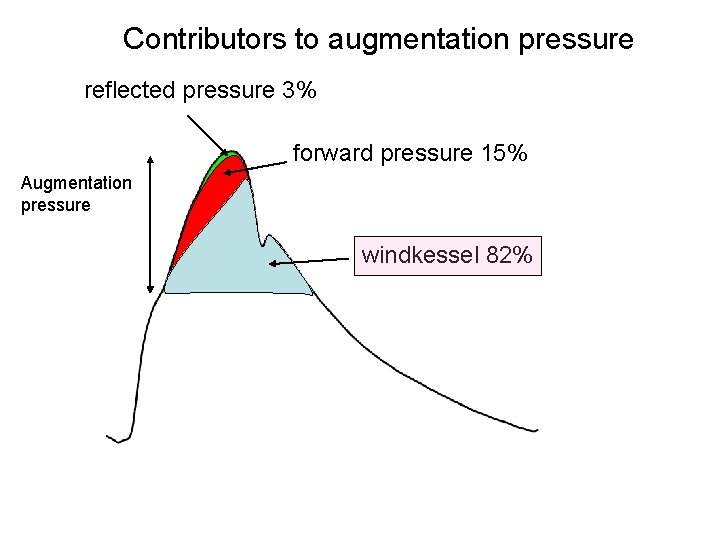
Contributors to augmentation pressure reflected pressure 3% forward pressure 15% Augmentation pressure windkessel 82%
Windkessel: a major determinate of the augmentation pressure
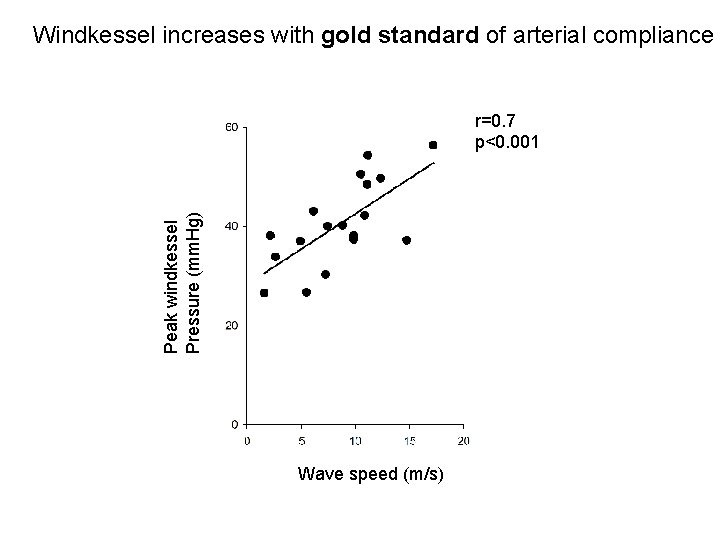
Windkessel increases with gold standard of arterial compliance
Windkessel increases with gold standard of arterial compliance Peak windkessel Pressure (mm. Hg) r=0. 7 p<0. 001 Wave speed (m/s)
What accounts for the change in shape of the pressure wave form? Adolescent Middle-aged Elderly
What accounts for the change in shape of the pressure wave form? Adolescent Middle-aged Elderly
What accounts for the change in shape of the pressure wave form? Adolescent Middle-aged Elderly • Explains shape of pressure wave
What accounts for the change in shape of the pressure wave form? Adolescent Middle-aged Elderly • Explains shape of pressure wave • Biological plausibility
What accounts for the change in shape of the pressure wave form? Adolescent Middle-aged Elderly r=0. 7 p<0. 001 Peak windkessel Pressure (mm. Hg) Close correlation between windkessel and pulse wave velocity Wave speed (m/s)
What accounts for the change in shape of the pressure wave form? Adolescent Middle-aged Elderly
Key Findings • Waves and windkessel make up pressure waveform • Windkessel greatest contributor to augmentation pressure • Windkessel highly correlated with PWV Dr Jamil Mayet Prof Alun Hughes Dr Darrel Francis Prof Kim Parker Coronary Flow Trust
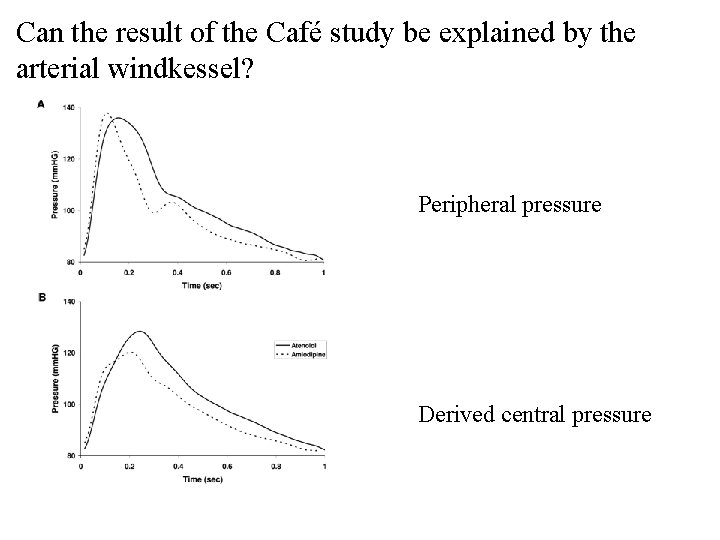
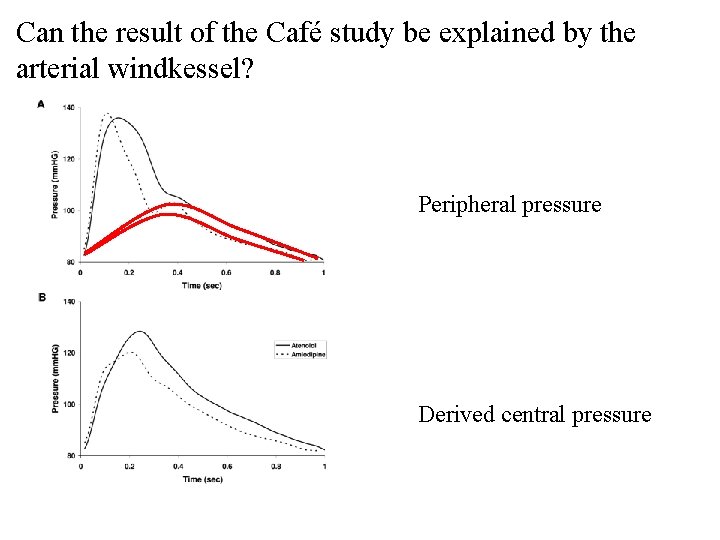
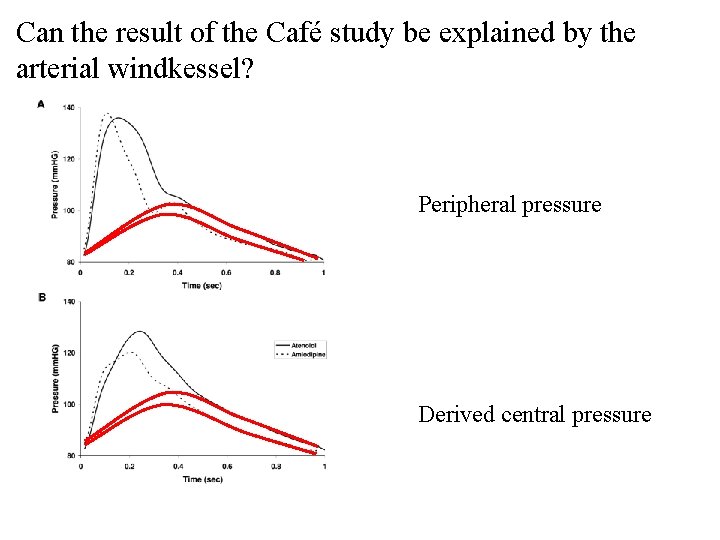
Can the result of the Café study be explained by the arterial windkessel?
Can the result of the Café study be explained by the arterial windkessel?
Can the result of the Café study be explained by the arterial windkessel? Peripheral pressure Derived central pressure
Can the result of the Café study be explained by the arterial windkessel? Peripheral pressure Derived central pressure
Can the result of the Café study be explained by the arterial windkessel? Peripheral pressure Derived central pressure
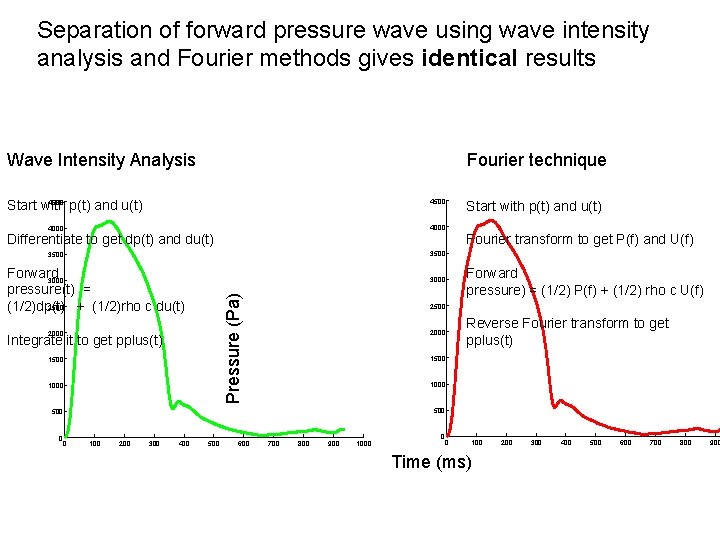
Separation of forward pressure wave using wave intensity analysis and Fourier methods gives identical results Wave Intensity Analysis Fourier technique 1500 1000 4500 4000 3500 3000 Pressure (Pa) 4500 Start with p(t) and u(t) 4000 Differentiate to get dp(t) and du(t) 3500 Forward 3000 pressure(t) = 2500 (1/2)dp(t) + (1/2)rho c du(t) 2000 Integrate it to get pplus(t) 2500 2000 1500 1000 500 0 0 Start with p(t) and u(t) Fourier transform to get P(f) and U(f) Forward pressure) = (1/2) P(f) + (1/2) rho c U(f) Reverse Fourier transform to get pplus(t) 100 200 300 400 500 600 700 800 900 1000 0 0 100 Time (ms) 200 300 400 500 600 700 800 900
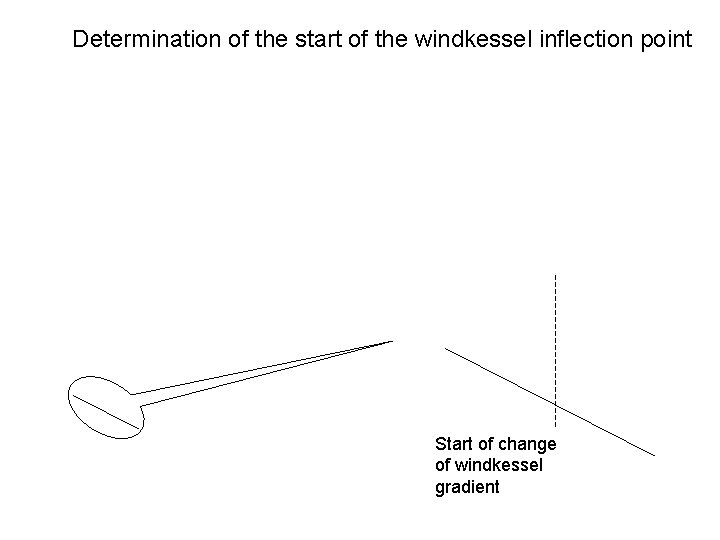
Determination of the start of the windkessel inflection point Start of change of windkessel gradient
What accounts for the change in shape of the pressure wave form? Adolescent Middle-aged Elderly Windkessel 82% of augmentation pressure
Shape of pressure waveform determined by timing and magnitude of forward and backward waves and windkessel
Video to show the effect of windkessel subtraction on pressure separation Total pressure Windkessel Forward Pressure Reflected Pressure
What accounts for the change in shape of the pressure wave form? Adolescent Middle-aged Elderly