
A rising tide lifts all boats Proverb quotes

“A rising tide lifts all boats” Proverb quotes TIDES
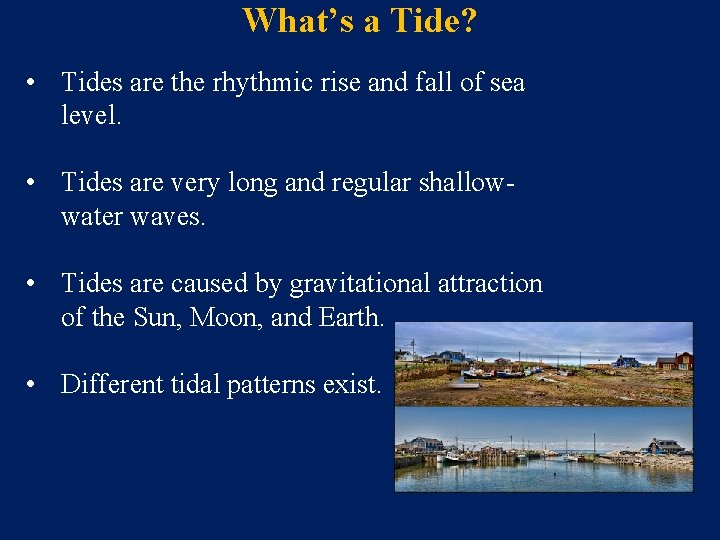
What’s a Tide? • Tides are the rhythmic rise and fall of sea level. • Tides are very long and regular shallowwater waves. • Tides are caused by gravitational attraction of the Sun, Moon, and Earth. • Different tidal patterns exist.
Sir Isaac Newton
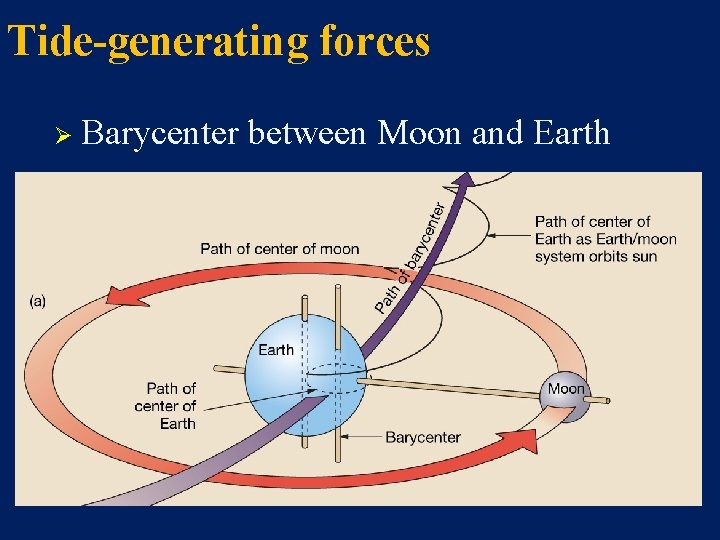
Tide-generating forces Ø Barycenter between Moon and Earth
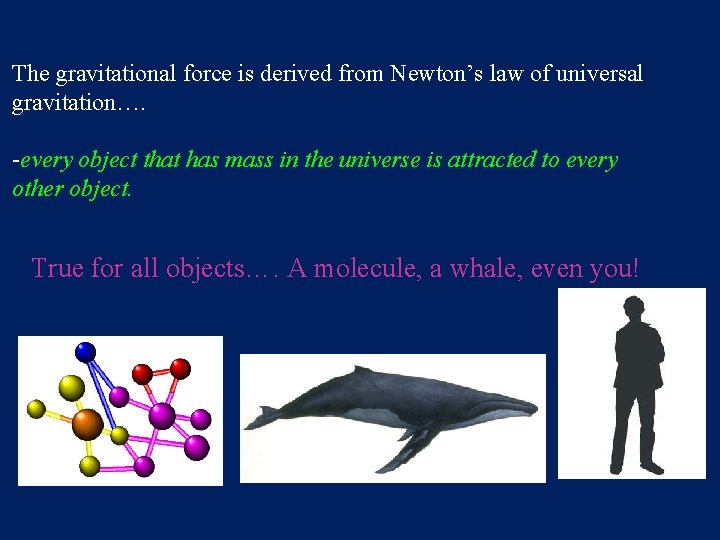
The gravitational force is derived from Newton’s law of universal gravitation…. -every object that has mass in the universe is attracted to every other object. True for all objects…. A molecule, a whale, even you!
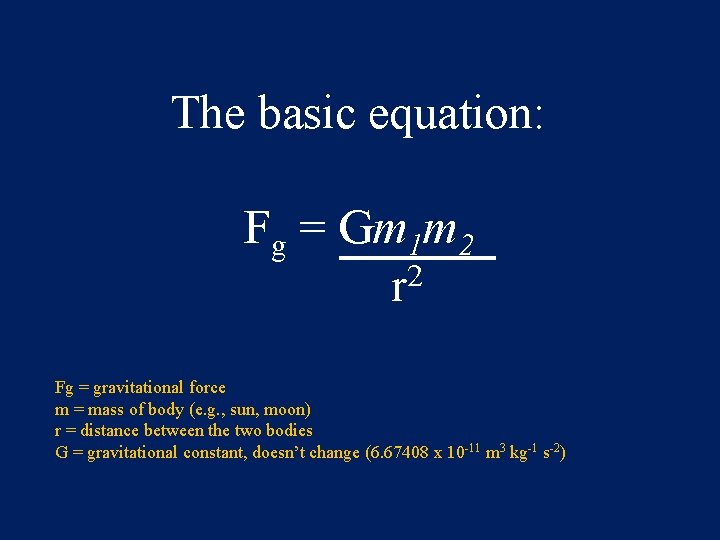
The basic equation: Fg = Gm 1 m 2 2 r Fg = gravitational force m = mass of body (e. g. , sun, moon) r = distance between the two bodies G = gravitational constant, doesn’t change (6. 67408 x 10 -11 m 3 kg-1 s-2)
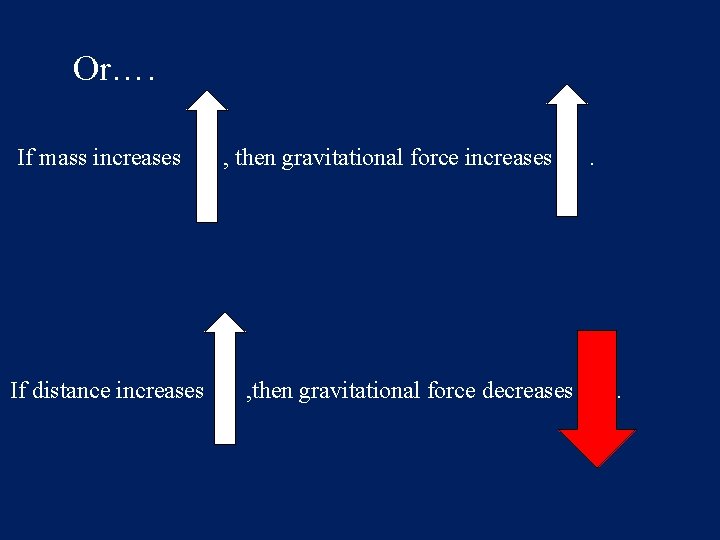
Or…. If mass increases If distance increases , then gravitational force decreases . .
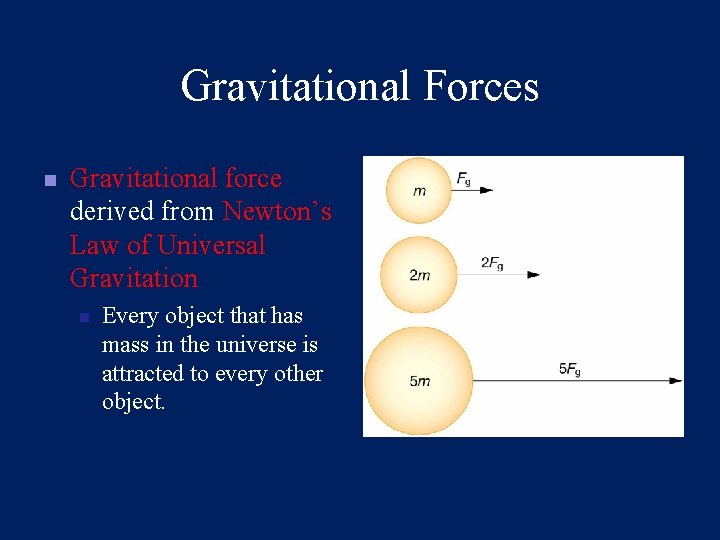
Gravitational Forces n Gravitational force derived from Newton’s Law of Universal Gravitation n Every object that has mass in the universe is attracted to every other object.
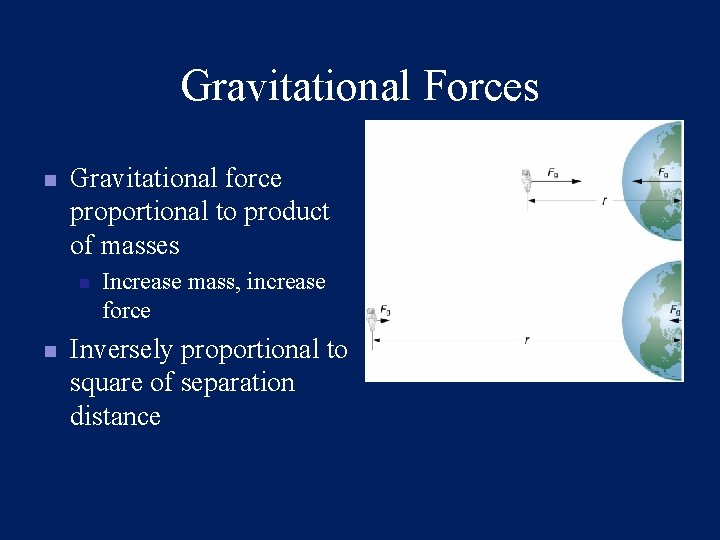
Gravitational Forces n Gravitational force proportional to product of masses n n Increase mass, increase force Inversely proportional to square of separation distance
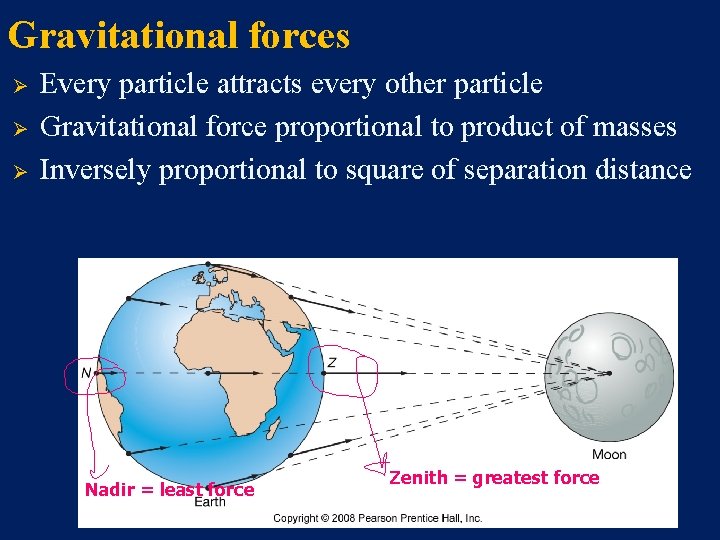
Gravitational forces Ø Ø Ø Every particle attracts every other particle Gravitational force proportional to product of masses Inversely proportional to square of separation distance Nadir = least force Zenith = greatest force
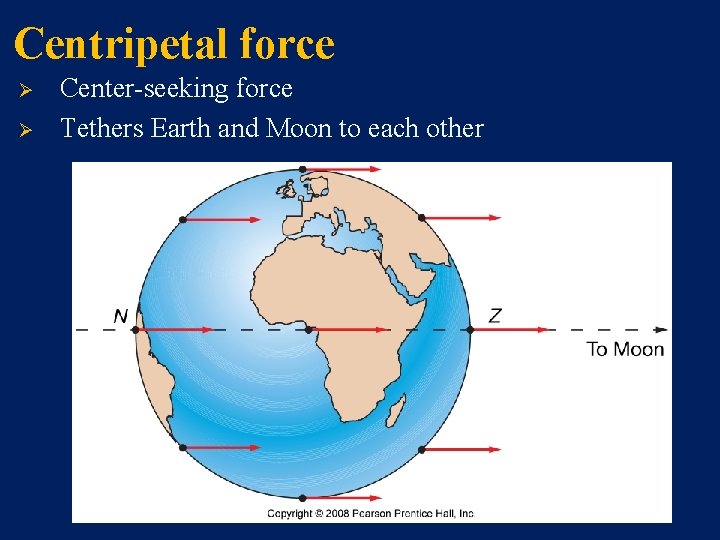
Centripetal force Ø Ø Center-seeking force Tethers Earth and Moon to each other
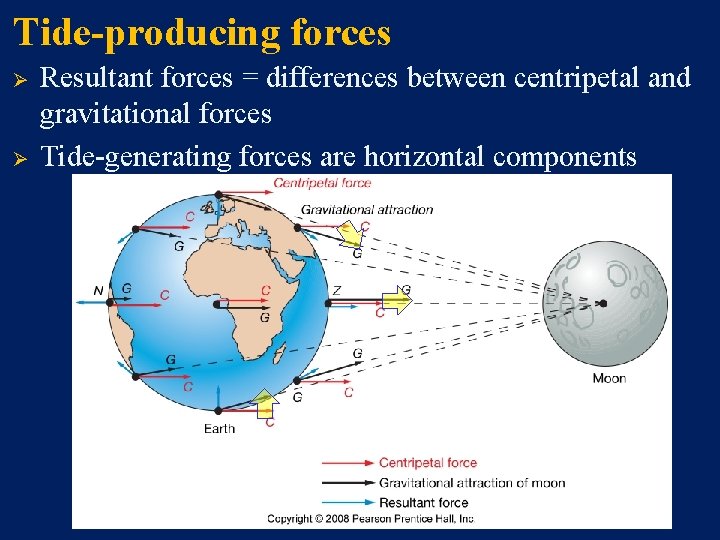
Tide-producing forces Ø Ø Resultant forces = differences between centripetal and gravitational forces Tide-generating forces are horizontal components
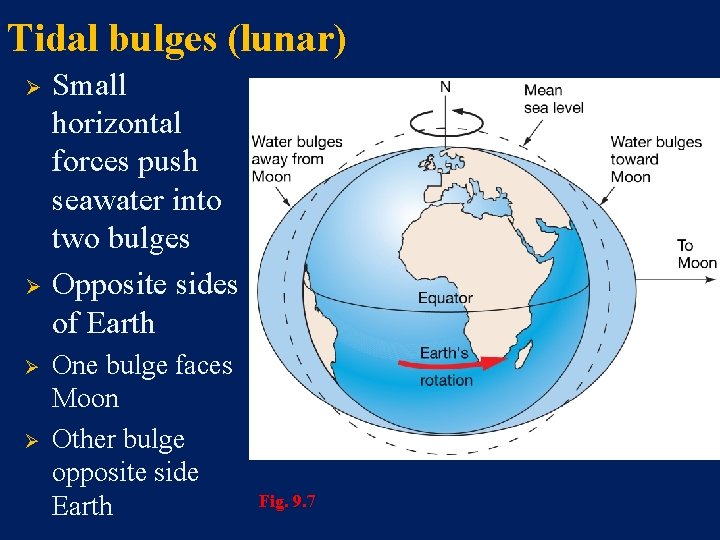
Tidal bulges (lunar) Ø Ø Small horizontal forces push seawater into two bulges Opposite sides of Earth One bulge faces Moon Other bulge opposite side Earth Fig. 9. 7
Tidal bulges (lunar) Ø Ø Two tidal bulges Two high tides, ~12 hours apart High tide, flood tide, seawater moves on shore Low tide, ebb tide, seawater moves offshore
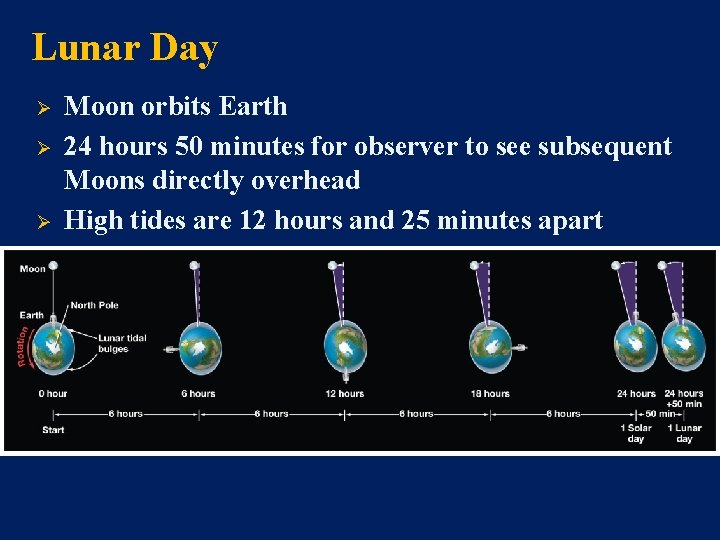
Lunar Day Ø Ø Ø Moon orbits Earth 24 hours 50 minutes for observer to see subsequent Moons directly overhead High tides are 12 hours and 25 minutes apart
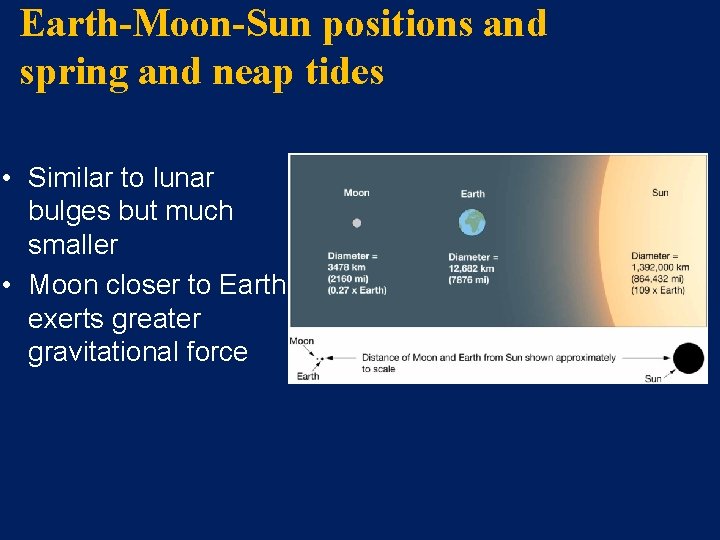
Earth-Moon-Sun positions and spring and neap tides • Similar to lunar bulges but much smaller • Moon closer to Earth, exerts greater gravitational force
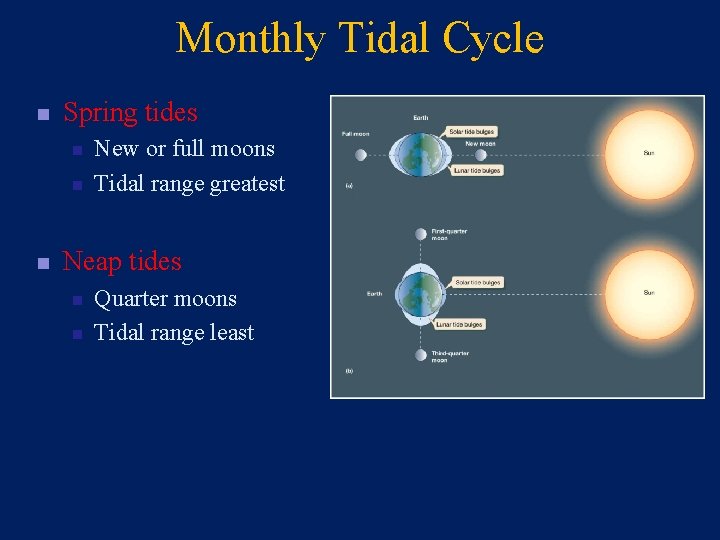
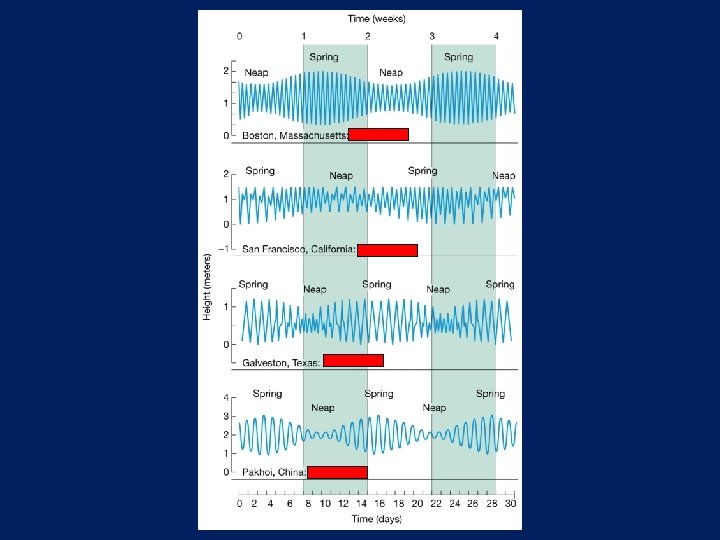
Monthly Tidal Cycle n Spring tides n n n New or full moons Tidal range greatest Neap tides n n Quarter moons Tidal range least
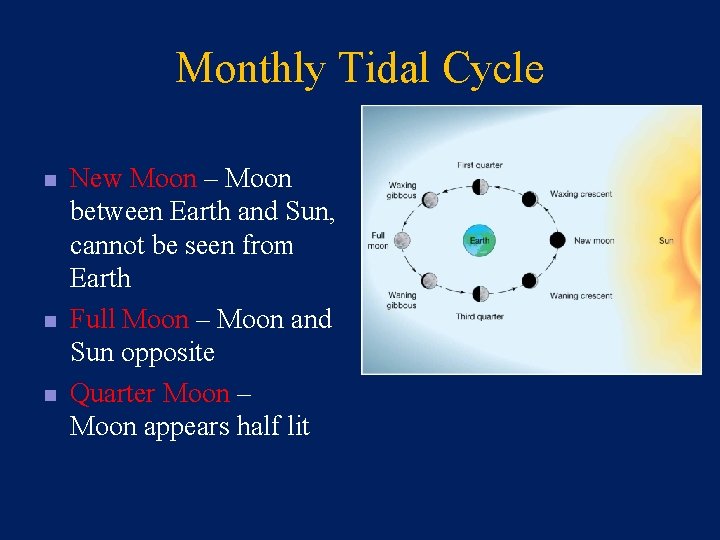
Monthly Tidal Cycle n n n New Moon – Moon between Earth and Sun, cannot be seen from Earth Full Moon – Moon and Sun opposite Quarter Moon – Moon appears half lit
Monthly Tidal Cycle n n n Other Moon phases Waxing crescent – Moon moving from new to first quarter Waxing gibbous – Moon moving from first quarter to full Waning gibbous – Moon moving from full to last quarter Waning crescent – Moon moving from last quarter to new moon
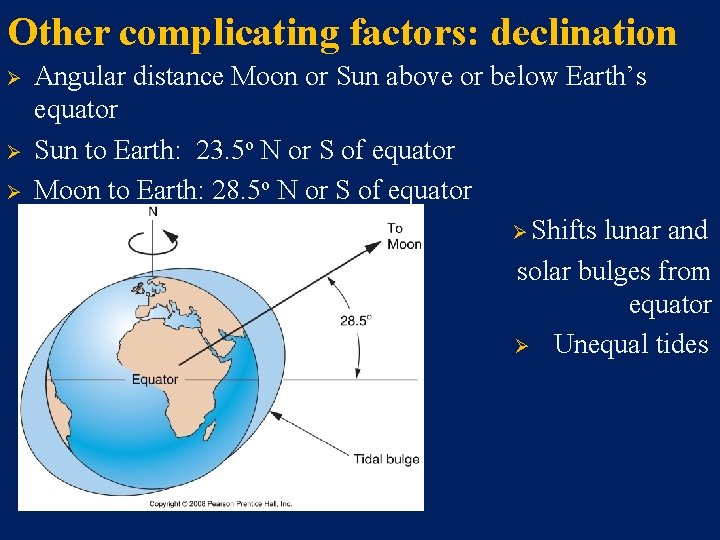
Other complicating factors: declination Ø Ø Ø Angular distance Moon or Sun above or below Earth’s equator Sun to Earth: 23. 5 o N or S of equator Moon to Earth: 28. 5 o N or S of equator Ø Shifts lunar and Ø solar bulges from equator Ø Unequal tides
Complicating Factors n Moon around Earth: n n Tidal range greatest at perigee (Moon closest to Earth) Tidal range least at apogee (Moon furthest from Earth) Perigee–apogee cycle is 27. 5 days Proxigean tides – spring tide + perigee n n Exceptionally high tidal range Every 1. 5 years or so
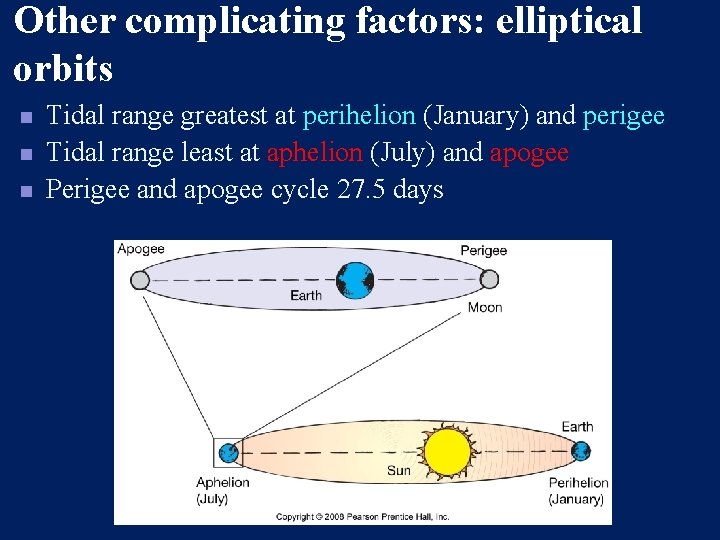
Other complicating factors: elliptical orbits n n n Tidal range greatest at perihelion (January) and perigee Tidal range least at aphelion (July) and apogee Perigee and apogee cycle 27. 5 days
Recap Ø Ø Ø New/full moon – tidal range greatest – spring tide Quarter moons – tidal range least – neap tide Time between spring tides about two weeks
Idealized Tide Prediction n n Two high tides/two low tides per lunar day Six lunar hours between high and low tides
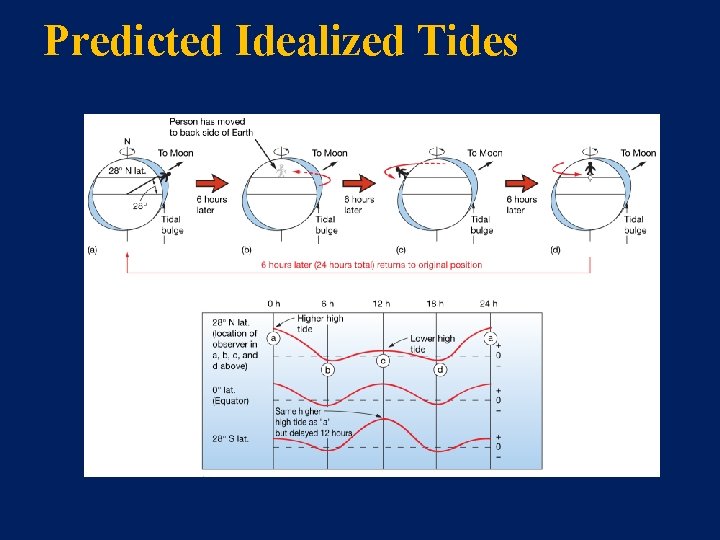
Predicted Idealized Tides
Real tides Ø Ø Ø Earth not covered completely by ocean Continents and friction with seafloor modify tidal bulges Tides are shallow water waves with speed determined by depth of water Tidal bulges cannot form (too slow to keep up w/ earth’s rotation) Instead large circulation cells are formed in each ocean basin.
Tidal cells in world ocean n n Crests and troughs of tides rotate around amphidromic point. No tidal range at amphidromic points Cotidal lines – connect simultaneous high tide points Tide wave rotates once in 12 hours. Tides move at a speed of 1600 km (1000 miles) per hour (remember it’s the wave form moving, not the water)
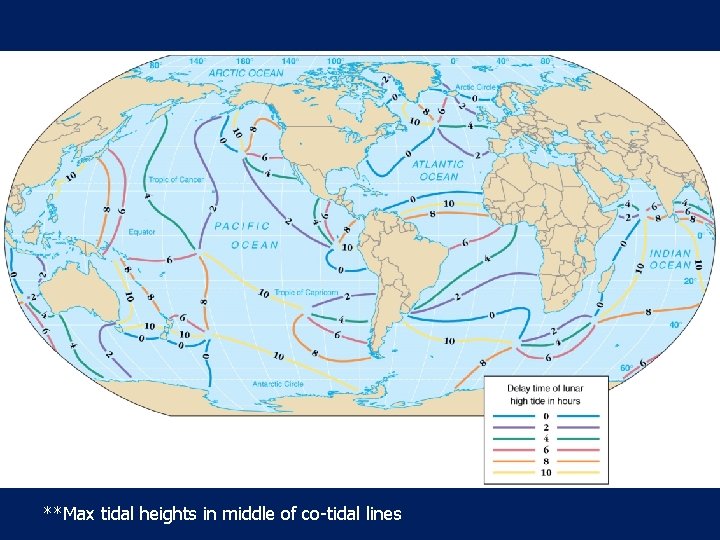
**Max tidal heights in middle of co-tidal lines
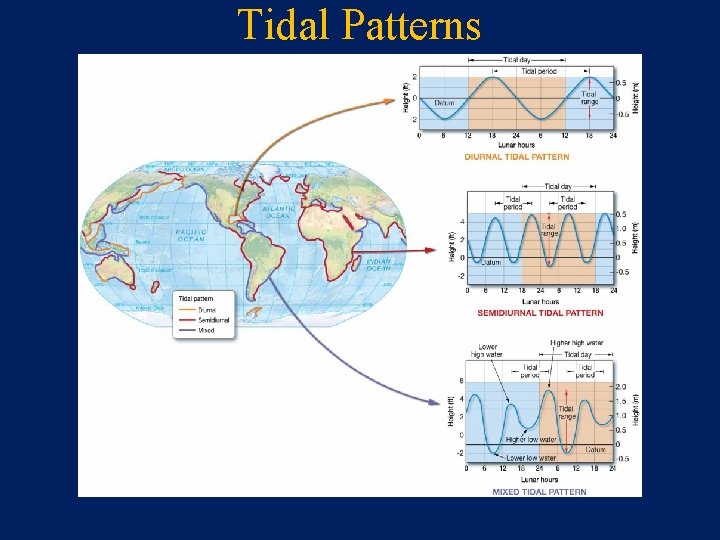
Tidal patterns • • • Diurnal • One high tide/one low tide per day • Tidal period – 24 hr 50 min Semidiurnal • Two high tides/two low tides per day • Tidal range about same • Tidal period – 12 h 25 minutes Mixed • Two high tides/two low tides per day • Tidal range different • Tidal period – commonly have 12 h 25 m (sometimes diurnal tidal periods)
Tidal Patterns
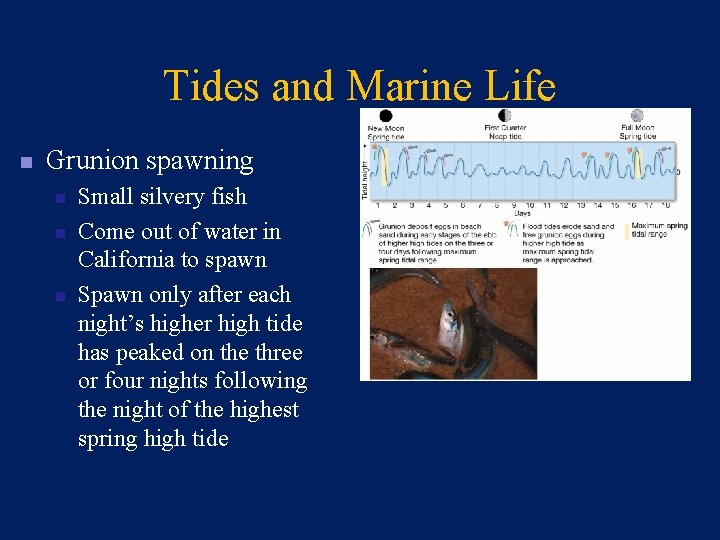
Tides and Marine Life n Grunion spawning n n n Small silvery fish Come out of water in California to spawn Spawn only after each night’s higher high tide has peaked on the three or four nights following the night of the highest spring high tide
Quiz How long is the lunar day?
- Slides: 33